Q1: How do I find my natural side part?+
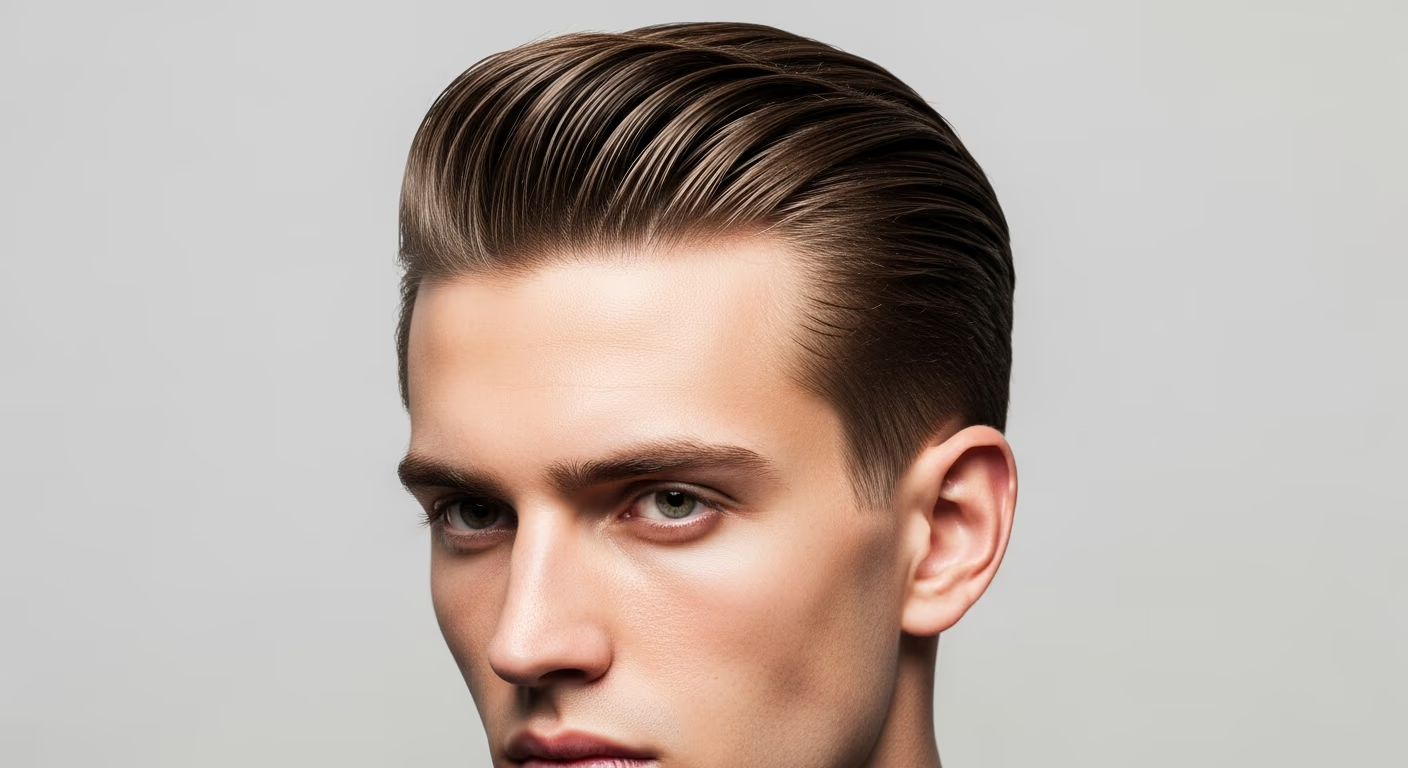
Towel your hair, then push it forward and let it fall back naturally. It will split along your natural part line — usually 2–3 inches from the hairline.
Q2: What's the difference between a side part and a hard part?+
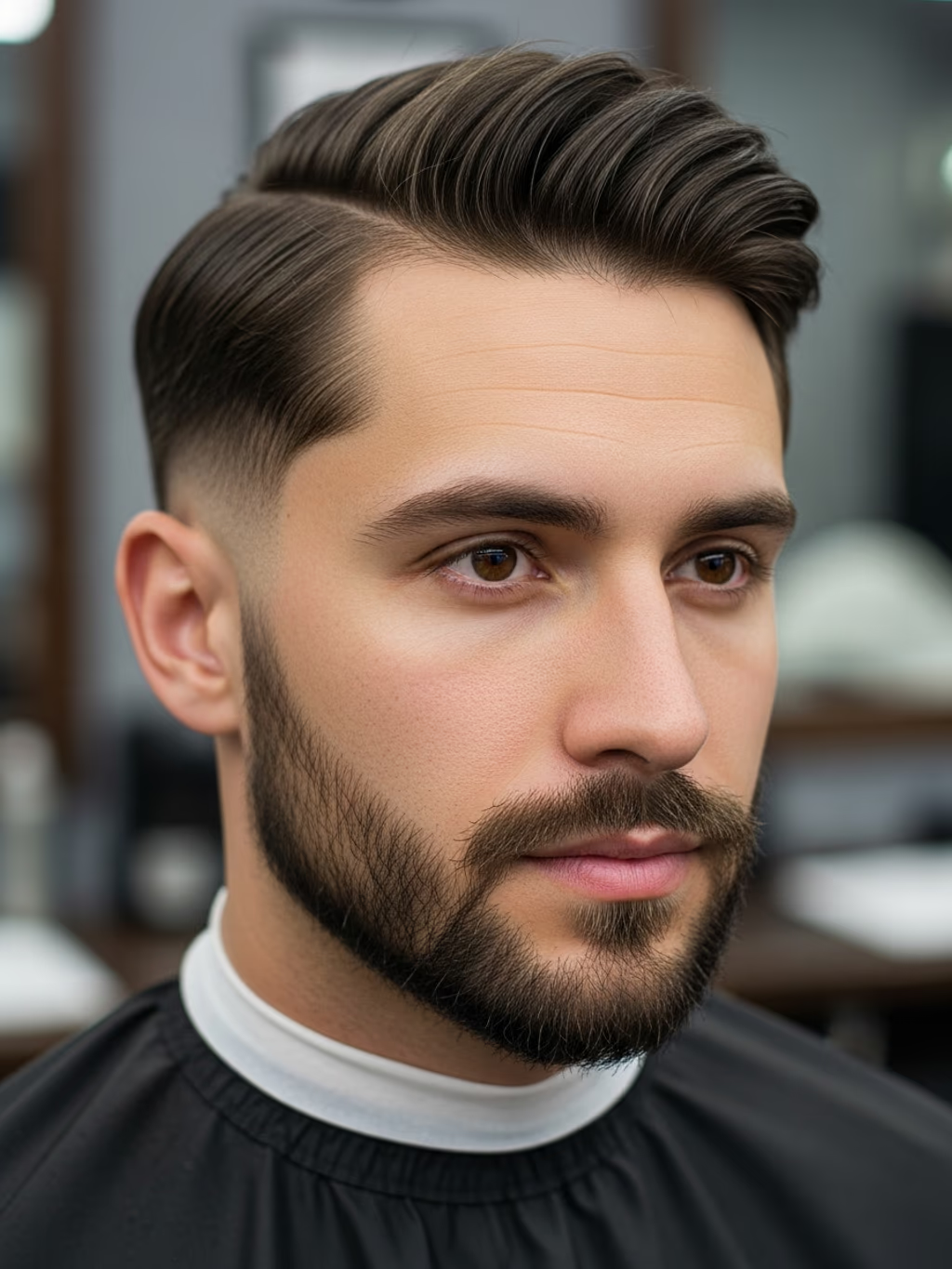
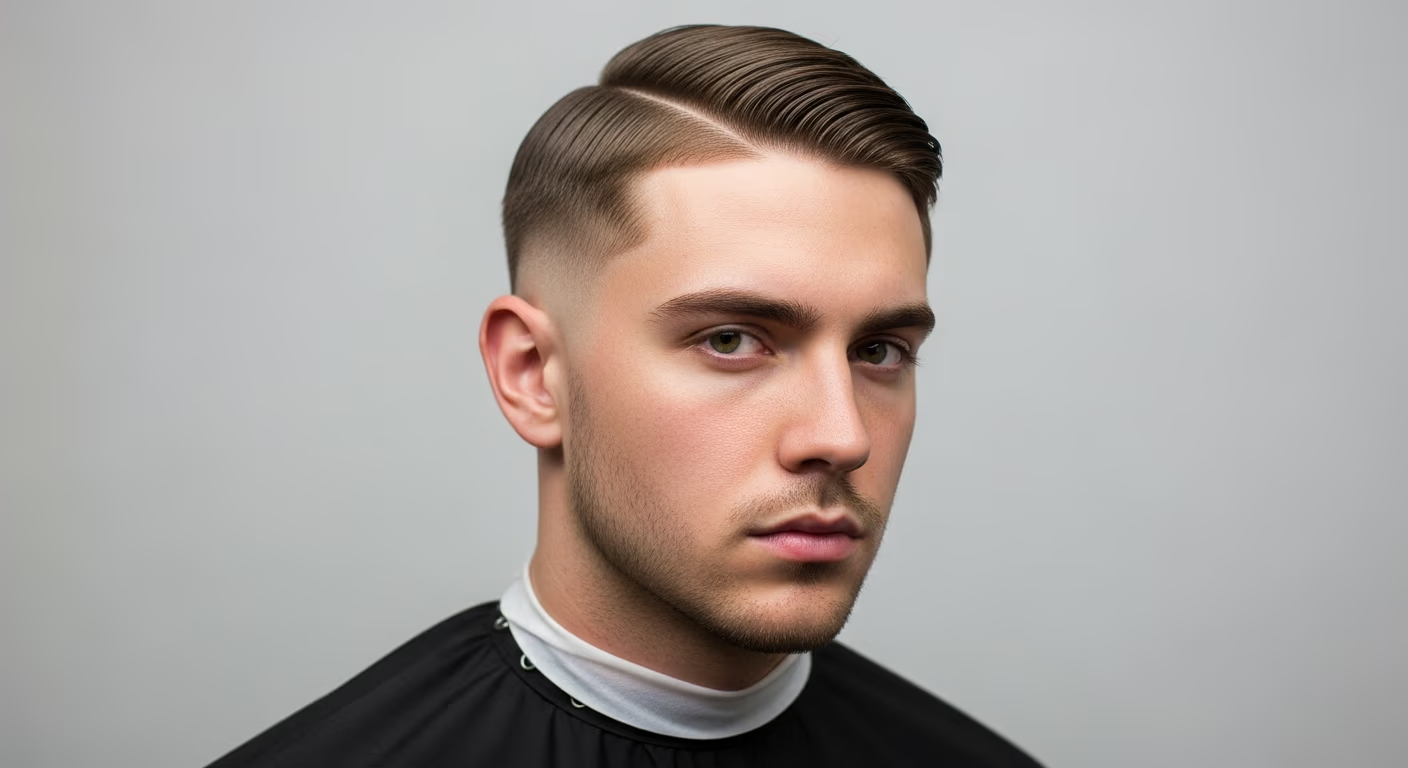
A side part is a natural comb-line. A hard part has an actual shaved or clipper-cut line, making the part visible and sharp even when hair is messy.
Q3: Is the side part still professional in 2026?+
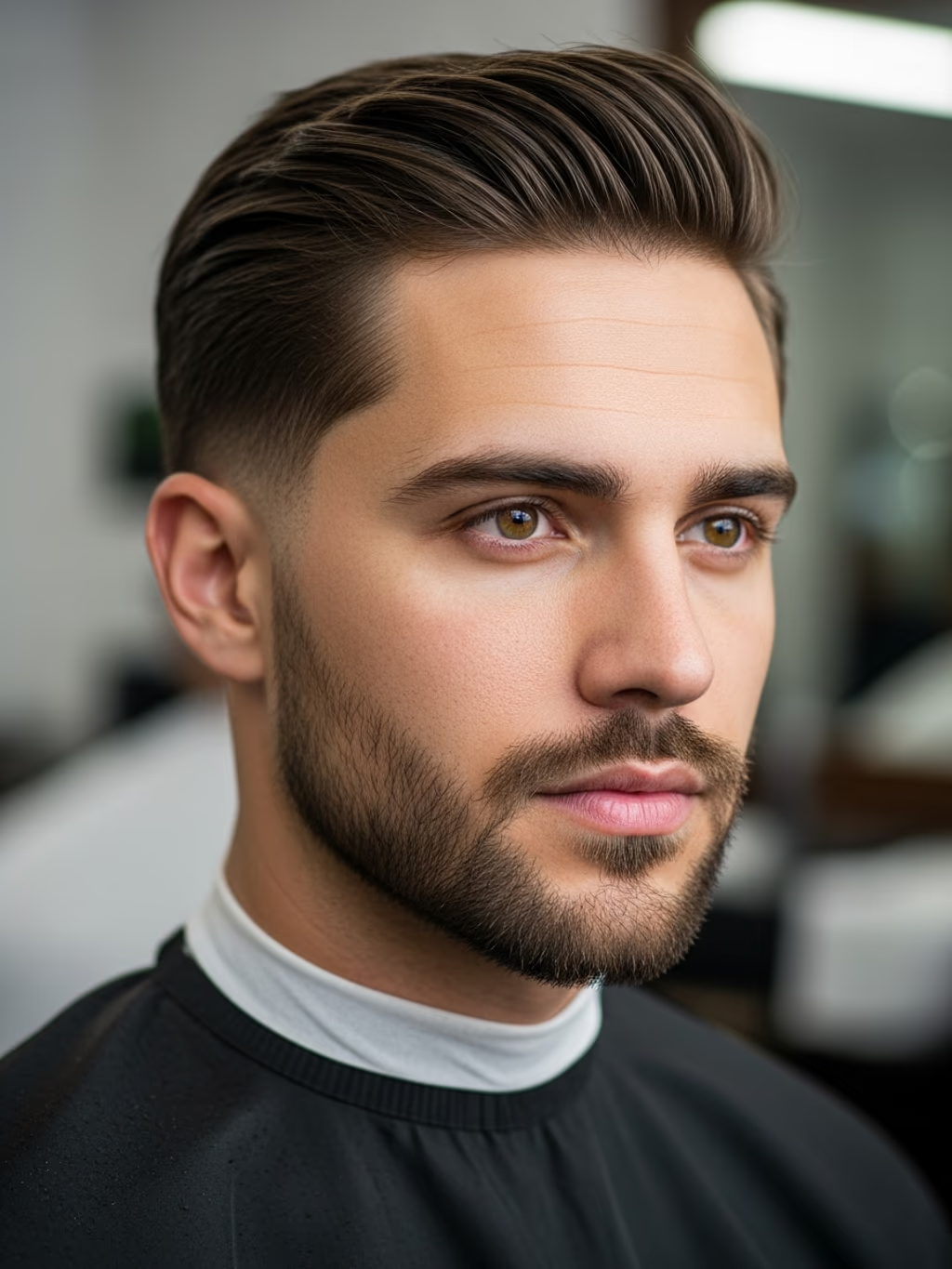
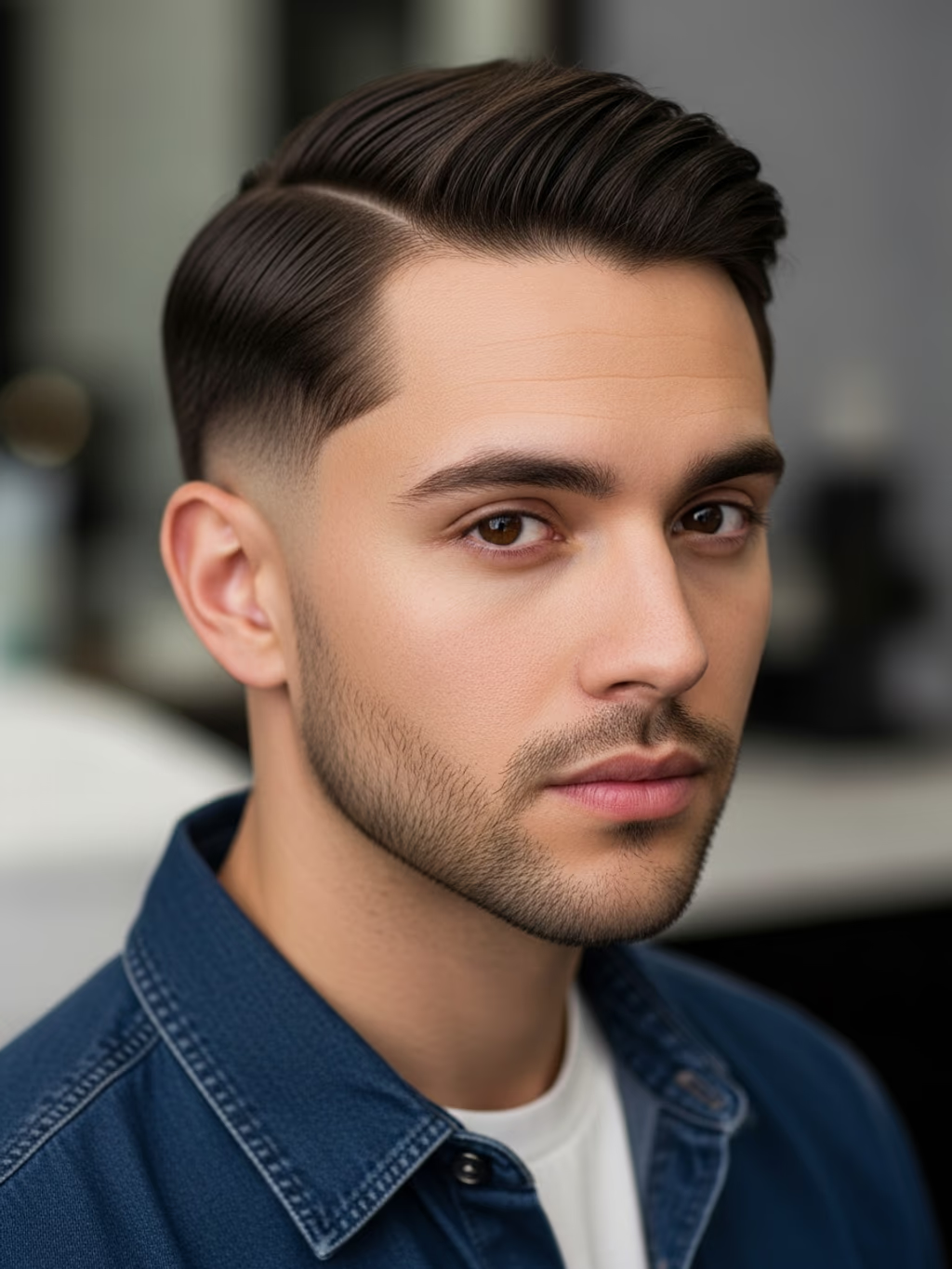
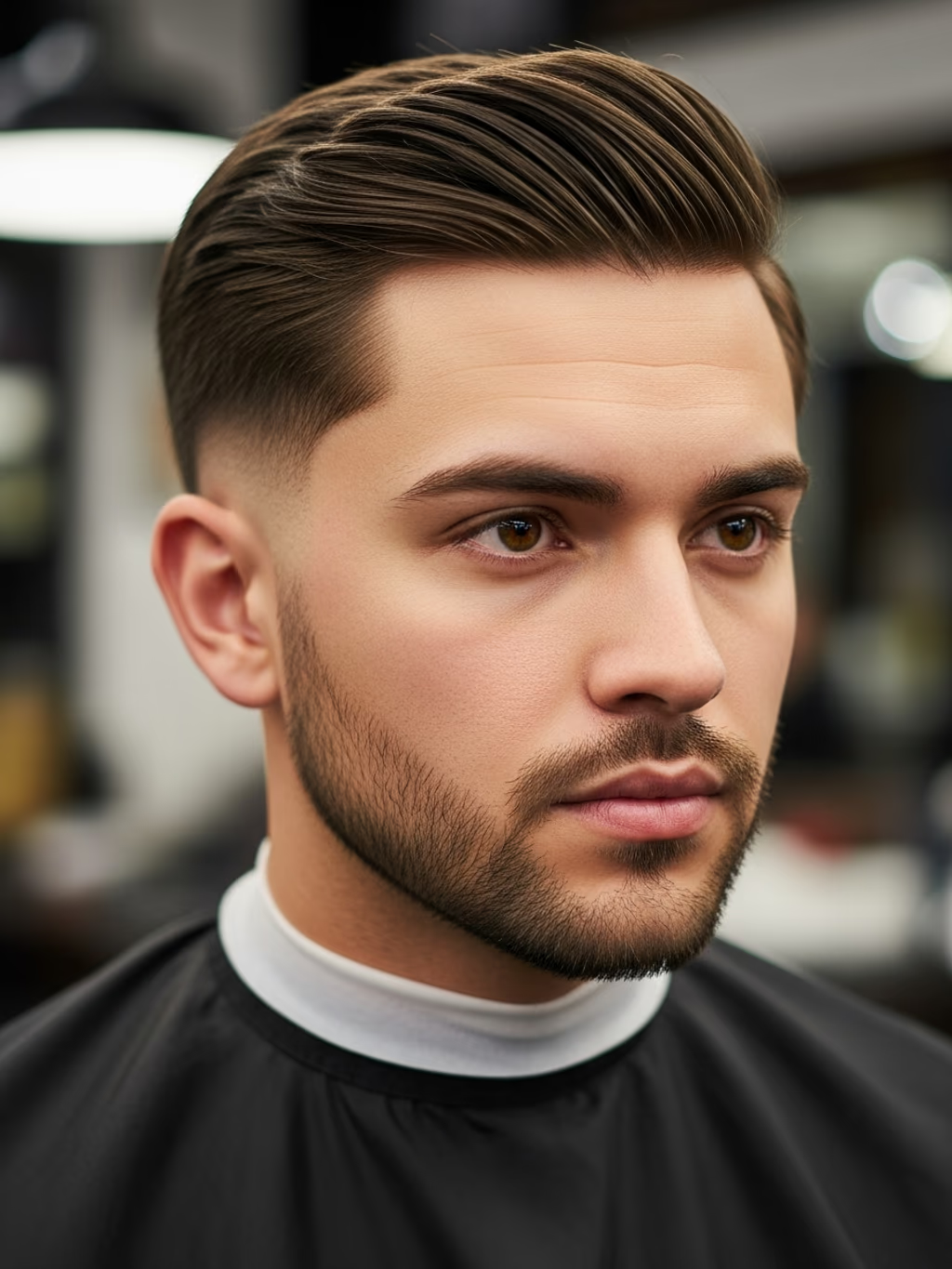
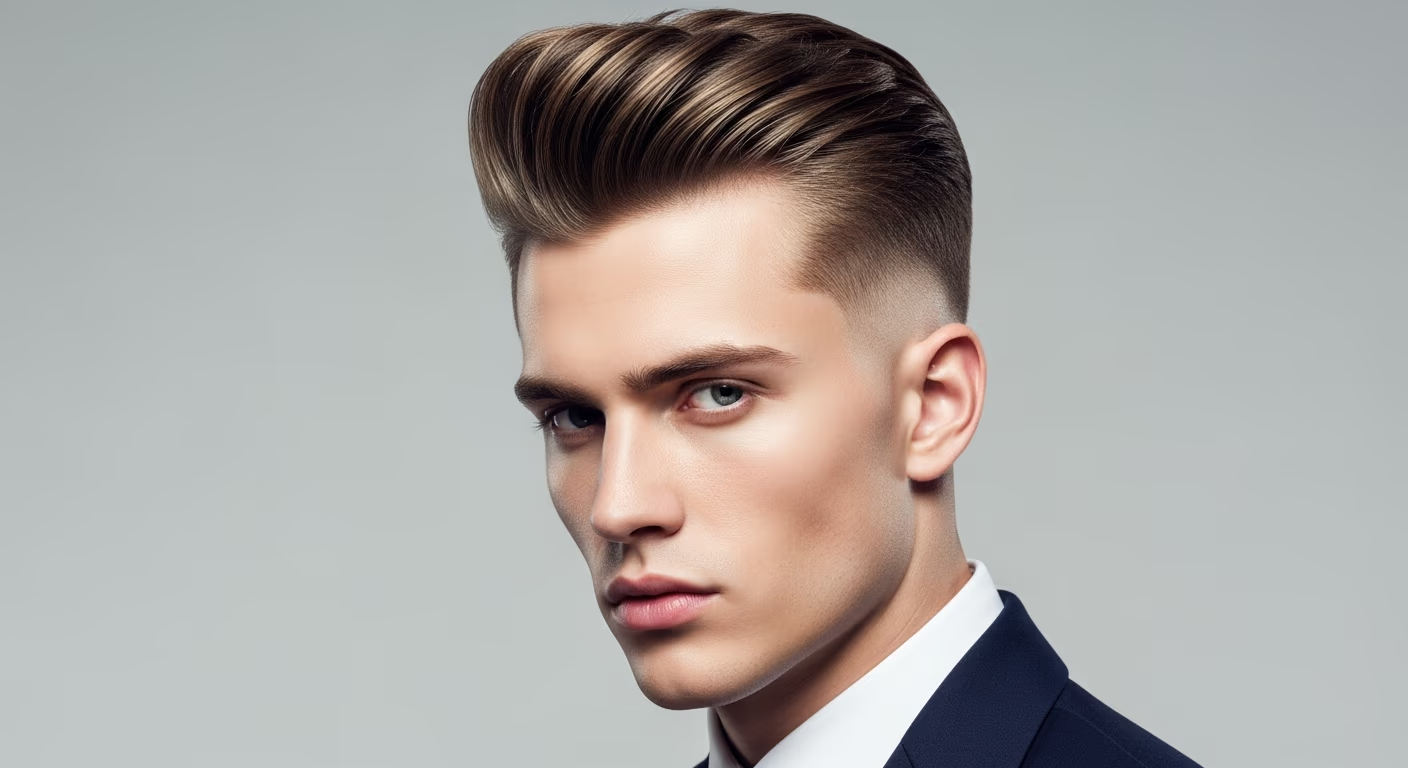
Absolutely — the side part remains the gold standard for executive and formal settings. Modern variations include skin fade sides for a contemporary look.
Q4: Can a side part work for thinning hair?+
Yes, with the right execution. A side part placed strategically can cover thinning areas, but if it's used to comb hair over a bald spot it can look obvious — better to consider a shorter cut.
Q5: How long does my hair need for a side part?+
Minimum 2 inches on top, ideal 3–5 inches. Side parts need enough length to fall naturally over the part line without sticking up.
Q6: Do side parts work for curly hair?+
Yes — curly side parts are dramatic and distinctive. The curls fall in waves on each side of the part for a textured, slightly bohemian executive vibe.
Q7: What products do I need for a side part?+
Light Pomade or Styling Cream for hold, a fine-tooth comb, and a blow-dryer. The classic side part is one of the most product-light styles in men's barbering.
Q8: Should I get a hard part shaved into my side part?+
Hard parts work best on men with thick hair and strong facial features. Fine-haired or older men generally look better with a soft natural side part.
9. Which face shapes suit a side part?+
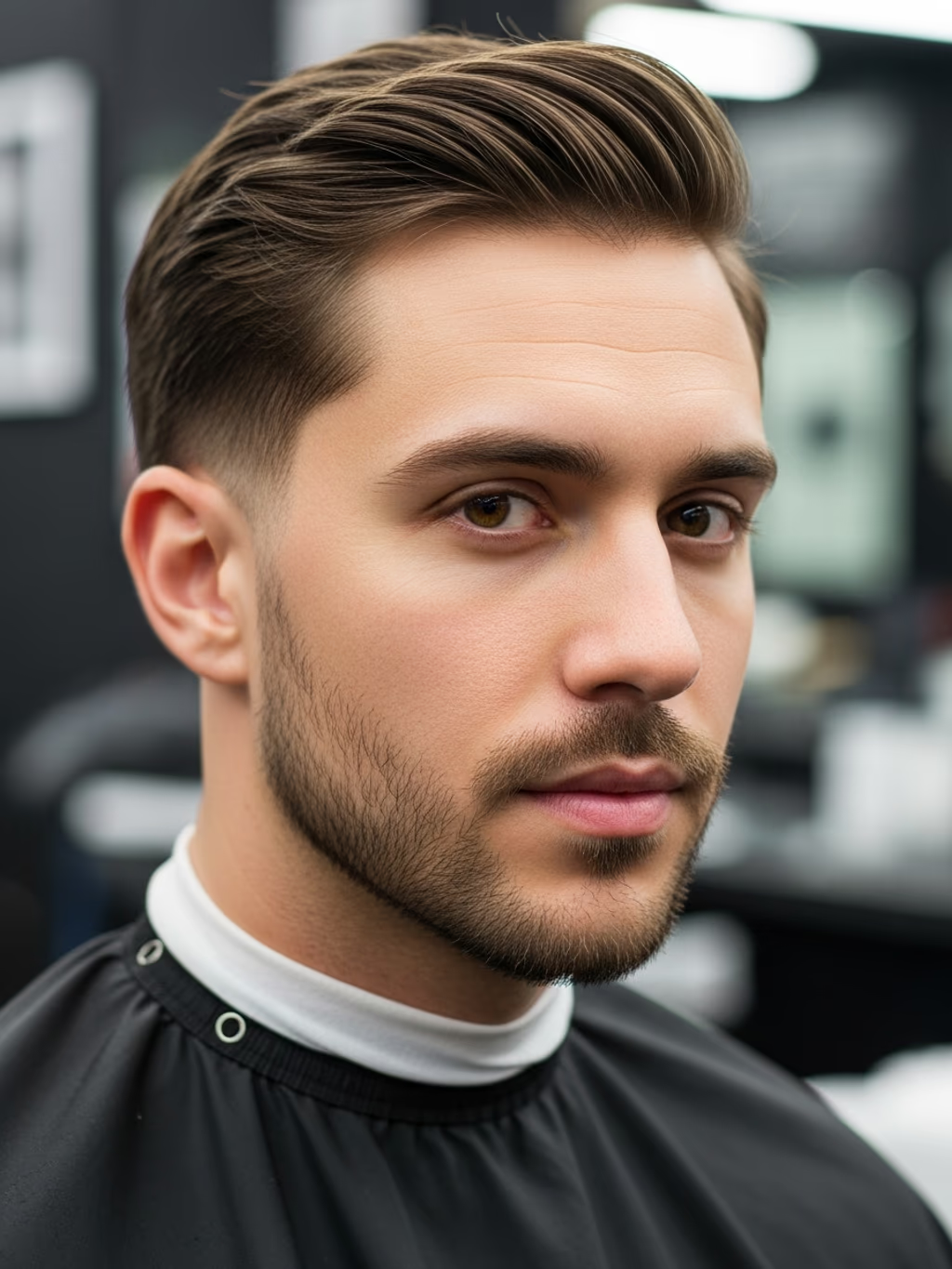
It's one of the most universally flattering cuts, but it shines on oval, square, and round faces — the asymmetry of the part adds a diagonal line that breaks up roundness and softens hard angles. For a long face, keep the top moderate and don't over-elevate it. The defined part itself is what does the work, so make sure it sits where your hair naturally breaks.
10. Should I get my side part with a fade or a taper?+
A taper keeps it classic and timeless — it's the traditional gentleman's version and reads well in any office. A fade modernises it and adds contrast if you want a sharper, younger look. If you're after the vintage, Mad Men feel, go taper with a hard part shaved in; for contemporary, go low or mid fade.
The Final Word on Classic Side Part Hairstyles for 2026
Whether you're choosing the Classic Side Part for the first time or refining a variation you've worn for years, 2026 modern barbering offers more refined options than ever. Universally appropriate — works in any office, any era, any age — and with the right barber, products, and maintenance routine, the Classic Side Part delivers exactly what modern men's grooming demands.