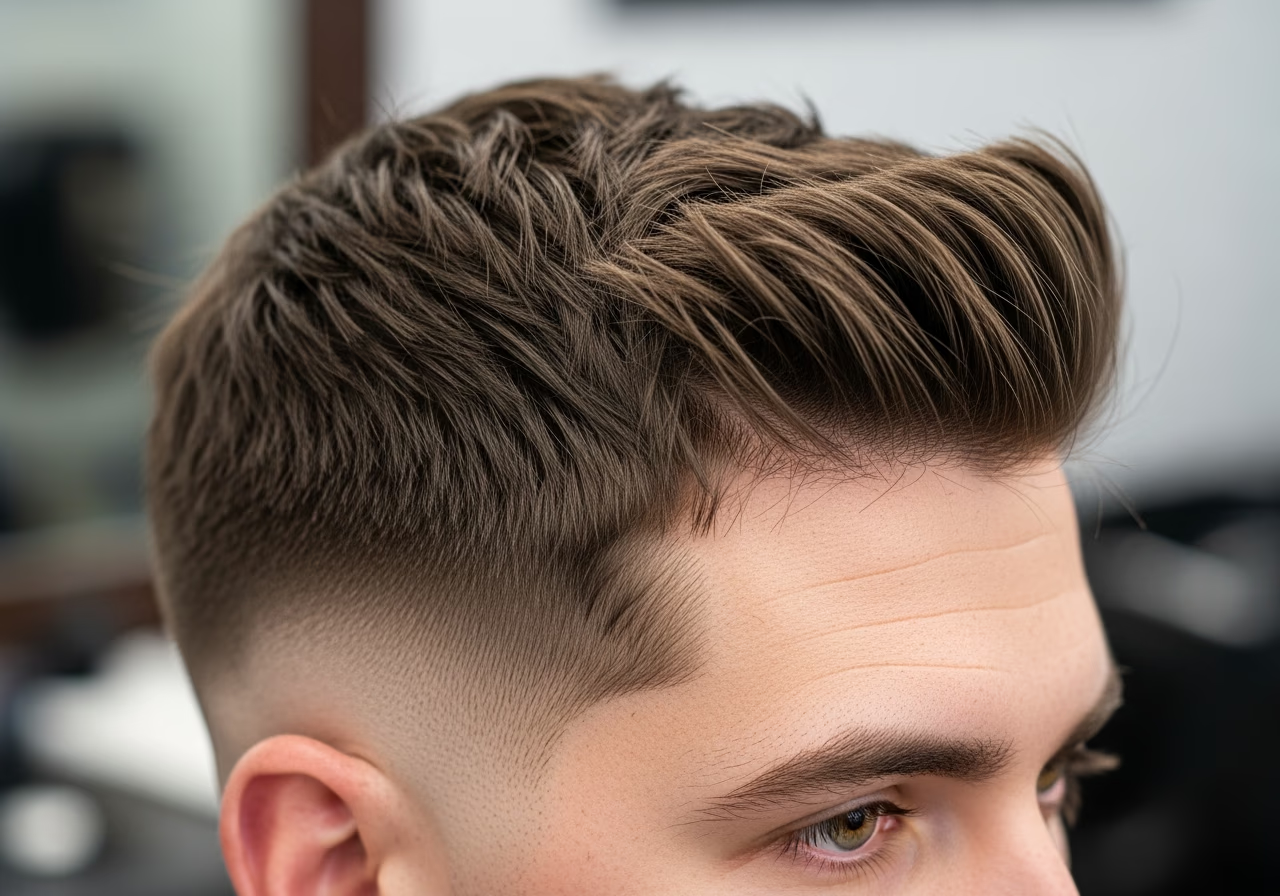
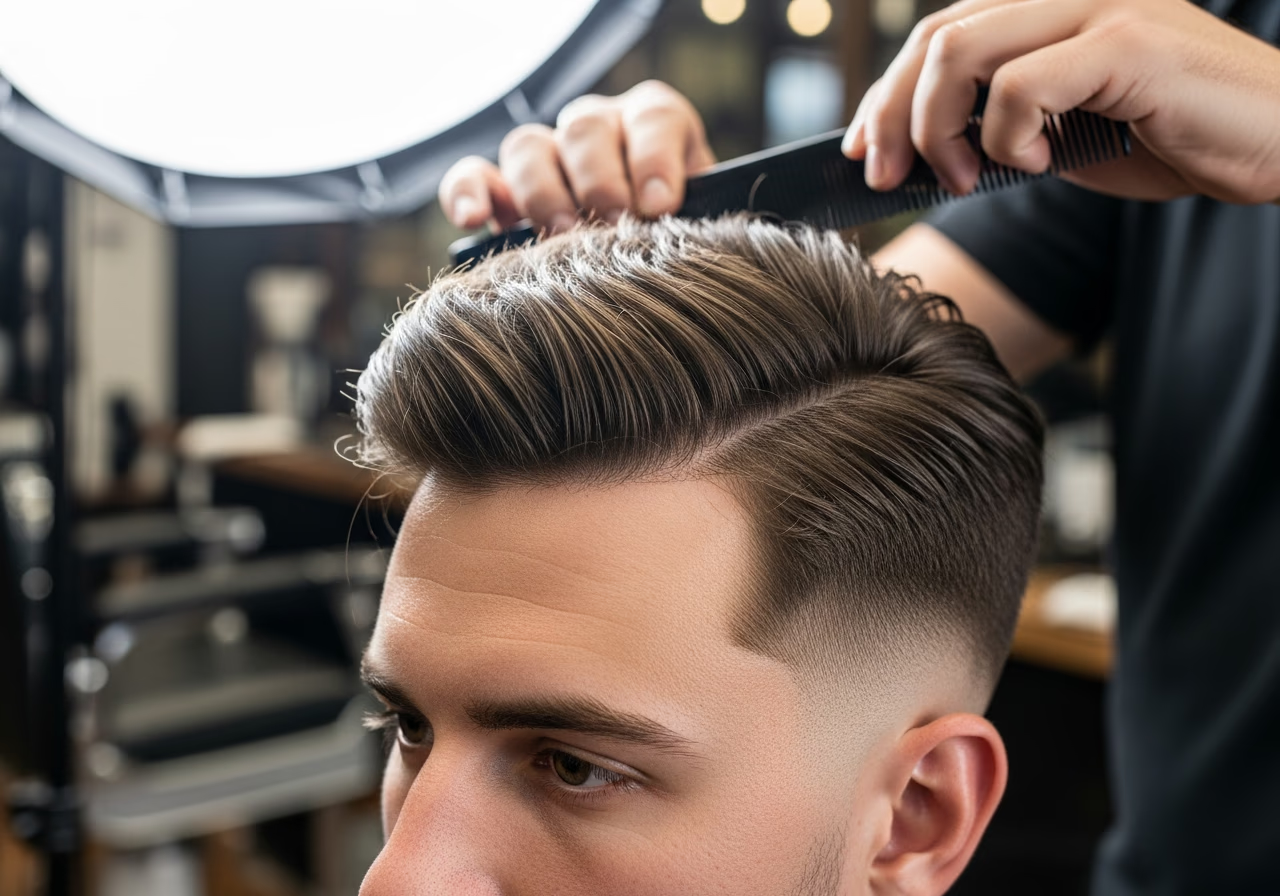
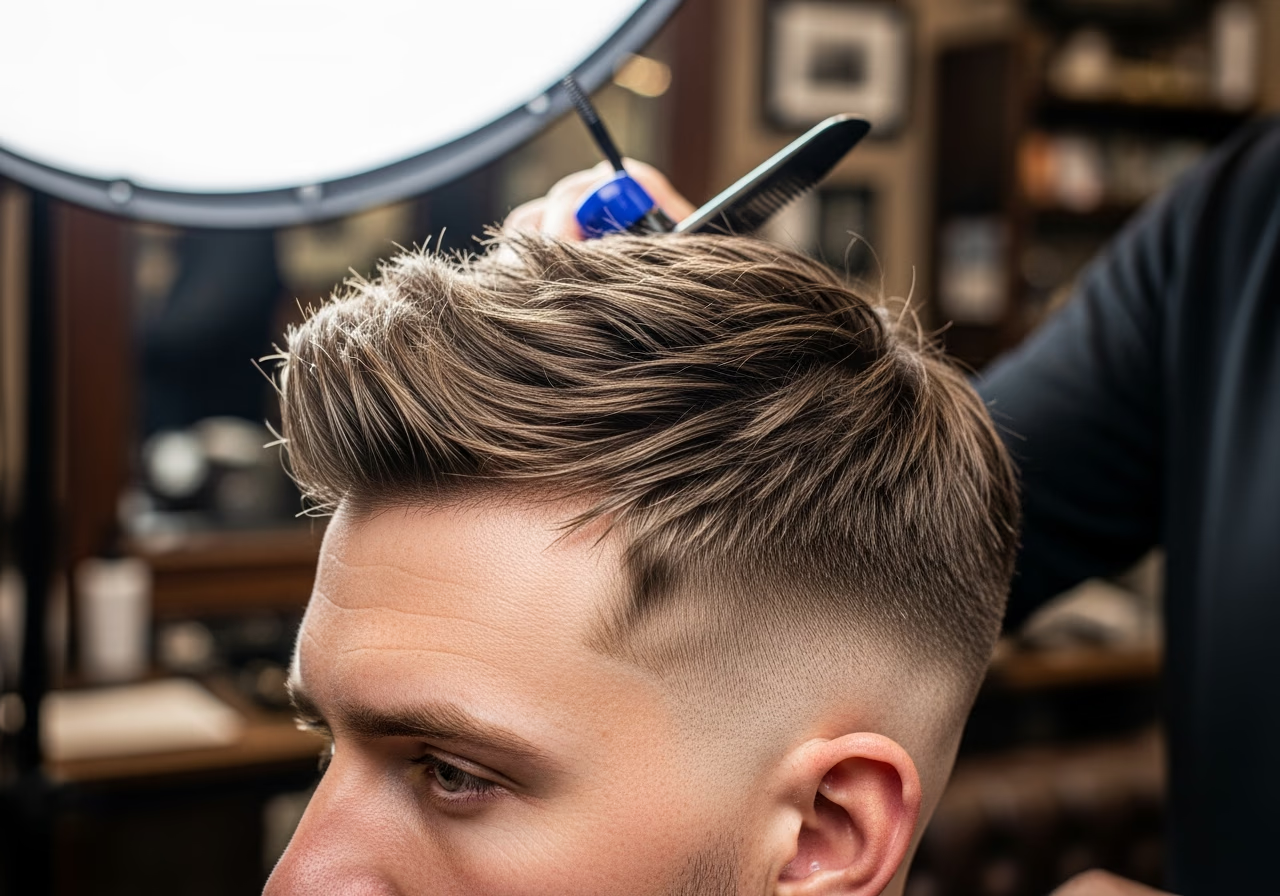
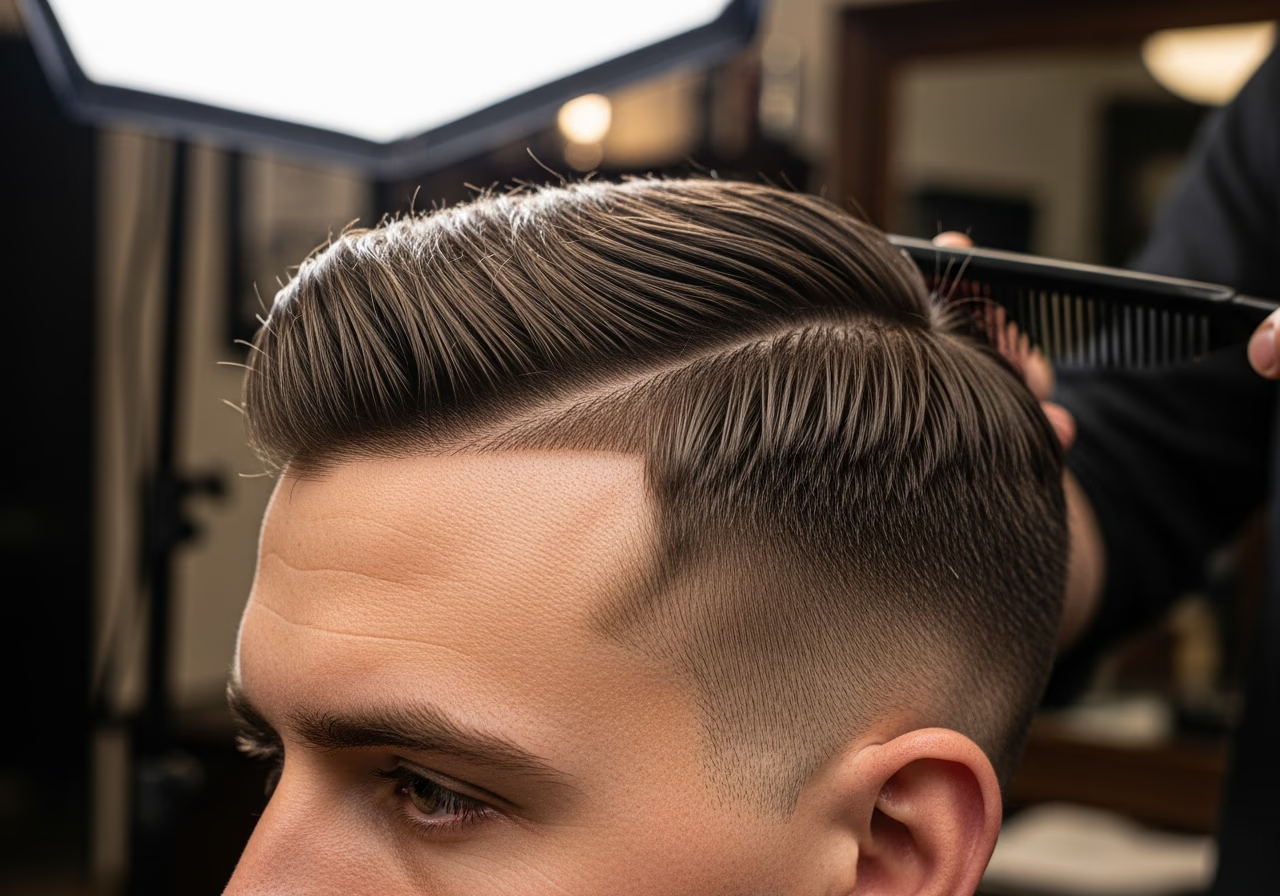
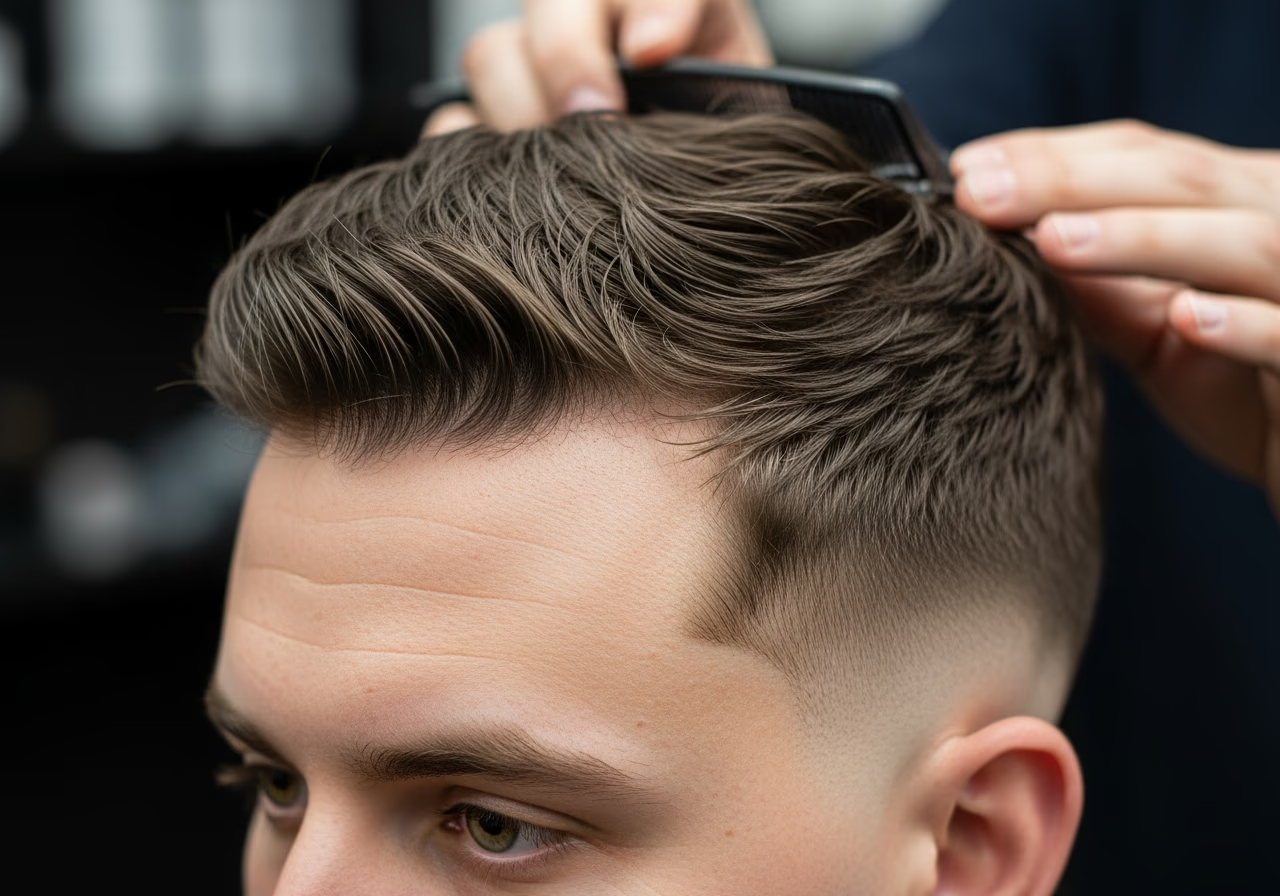
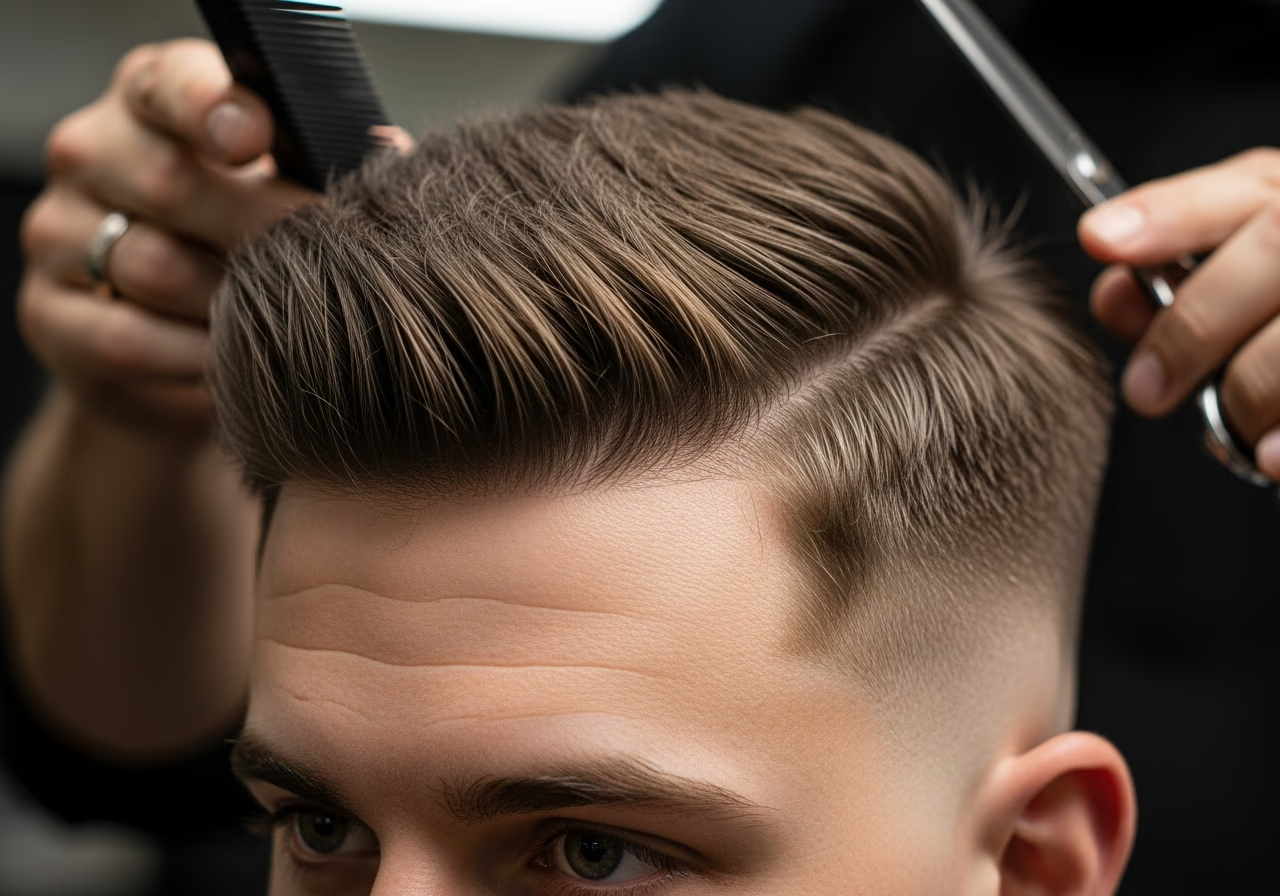
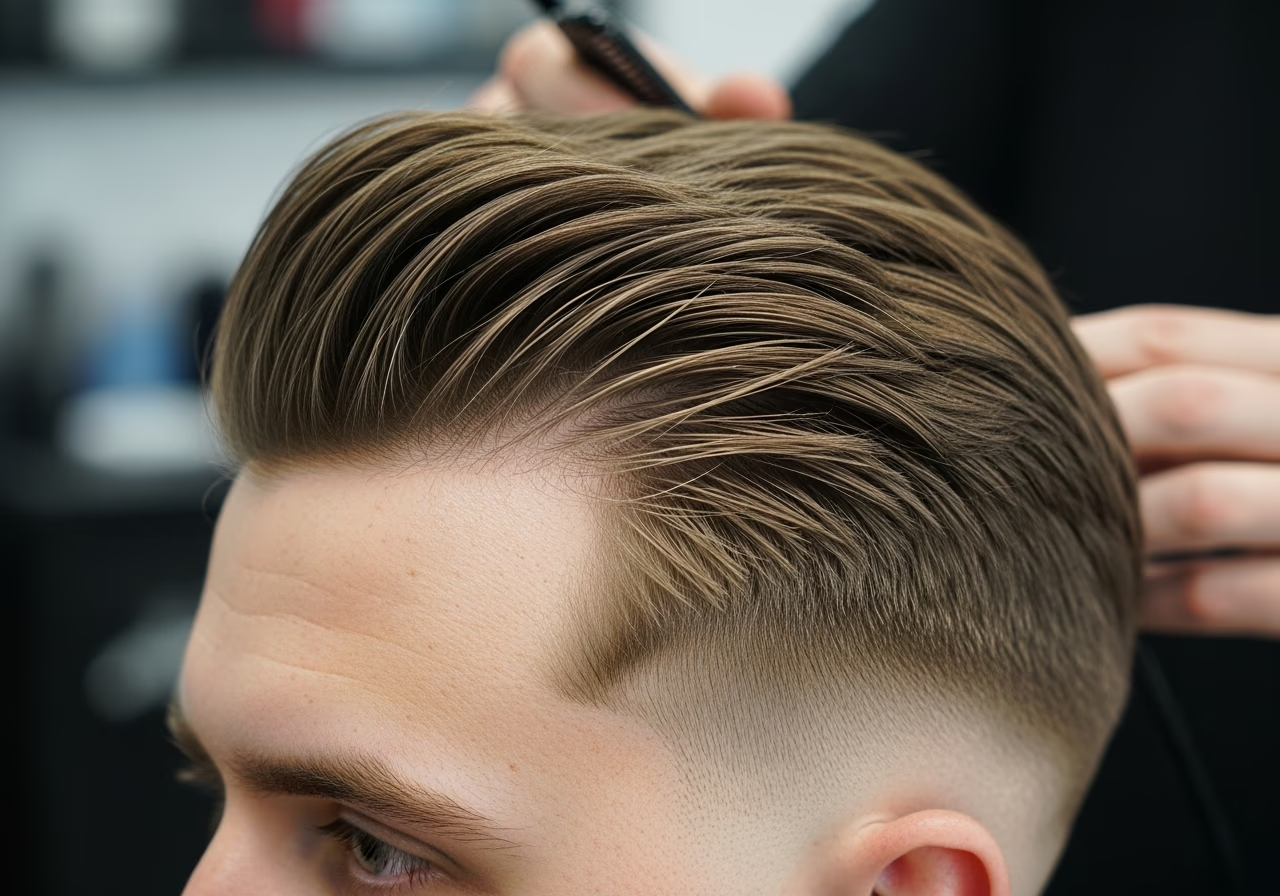
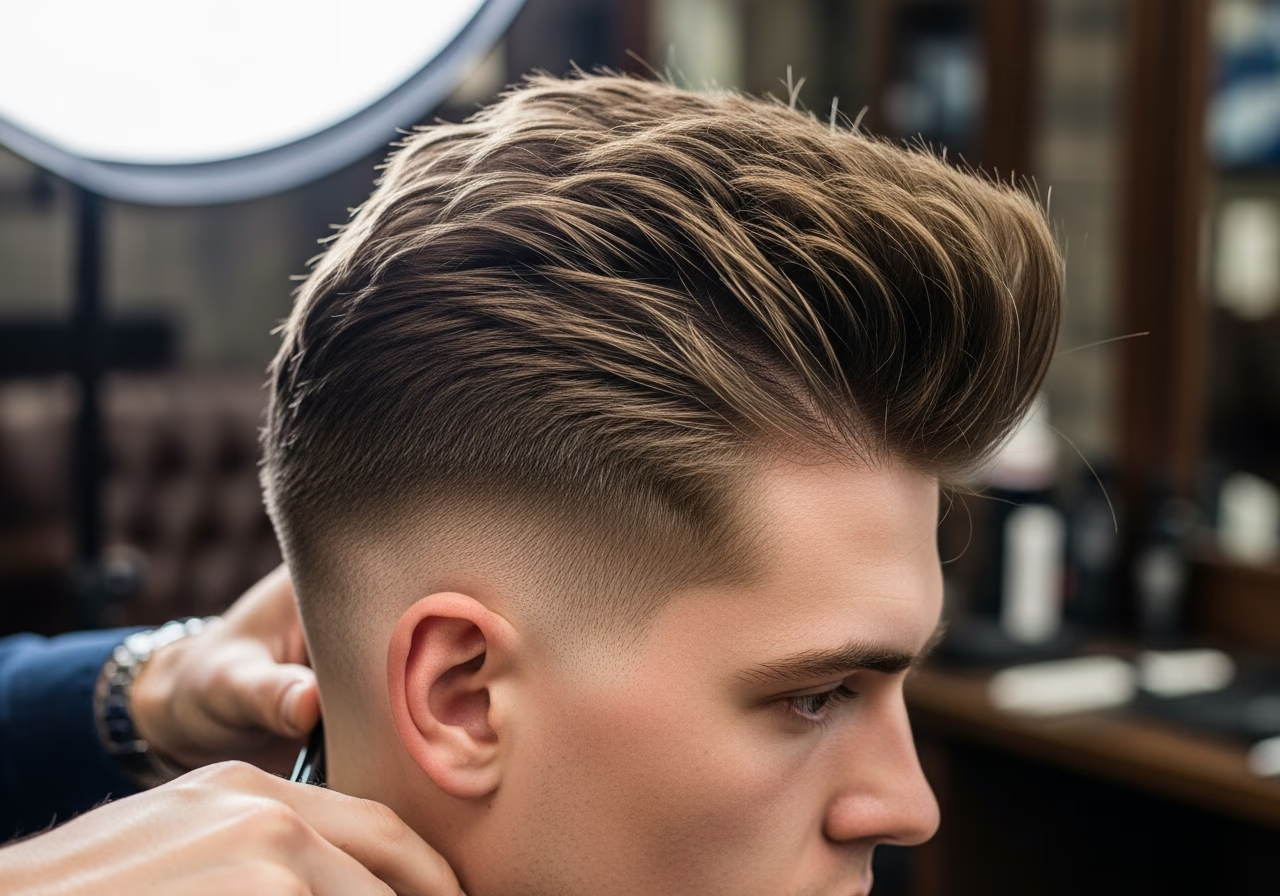
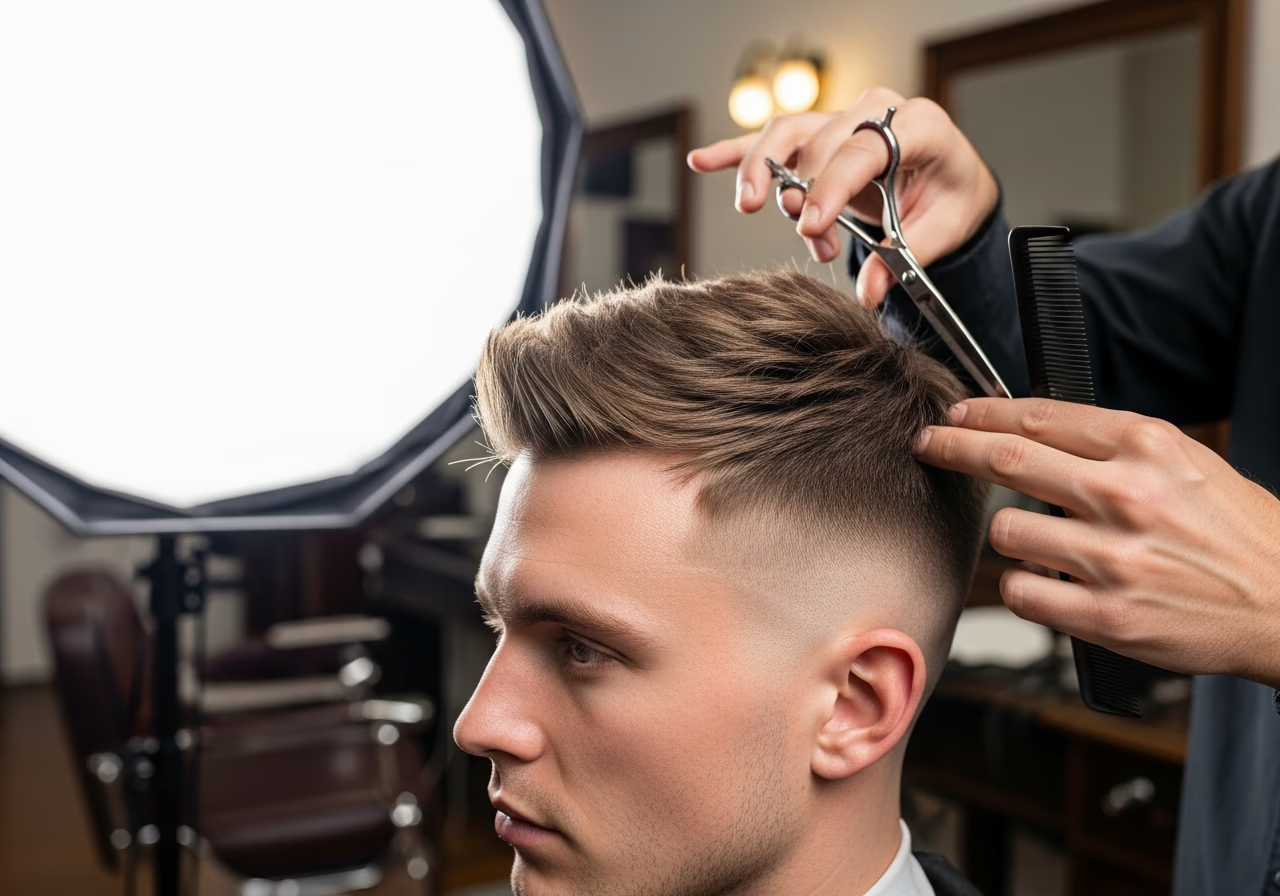
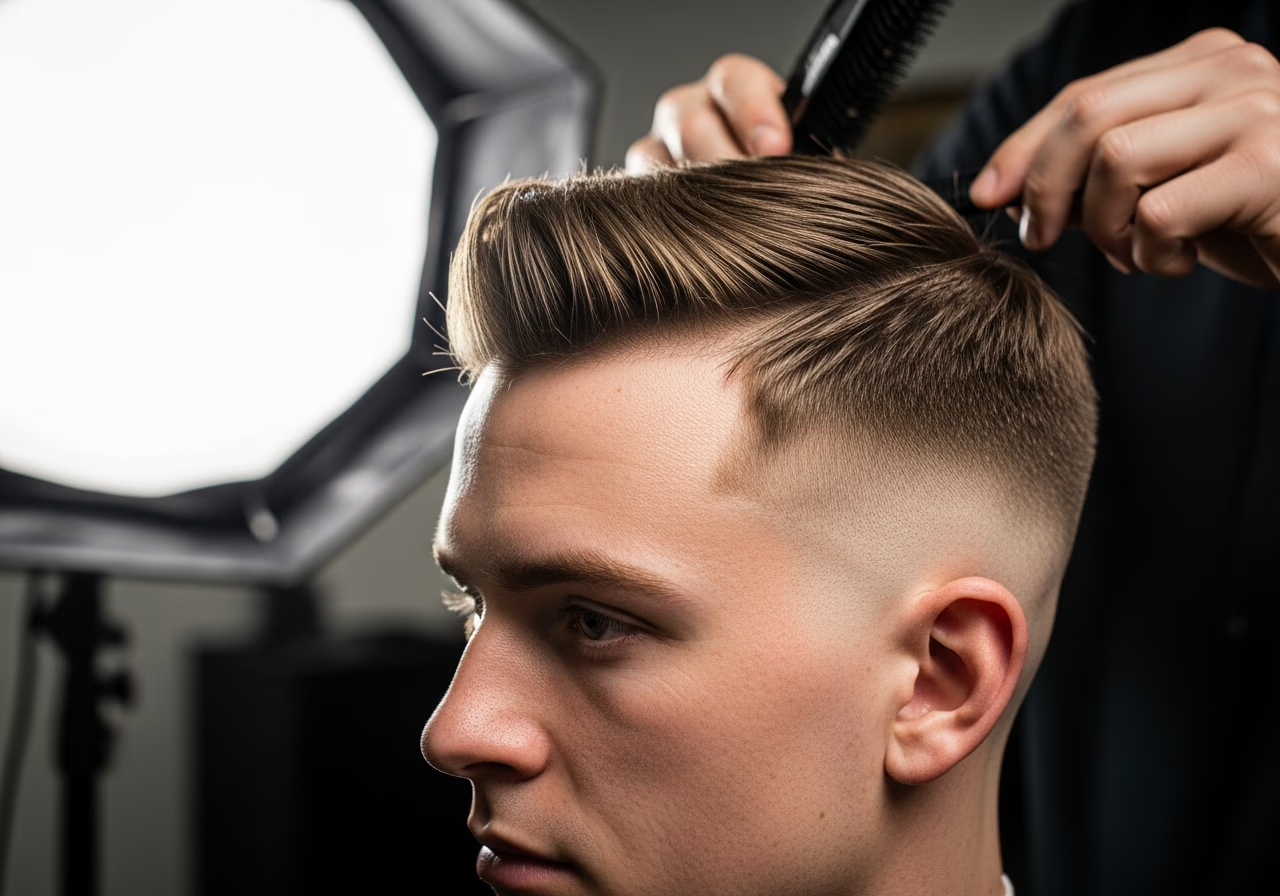
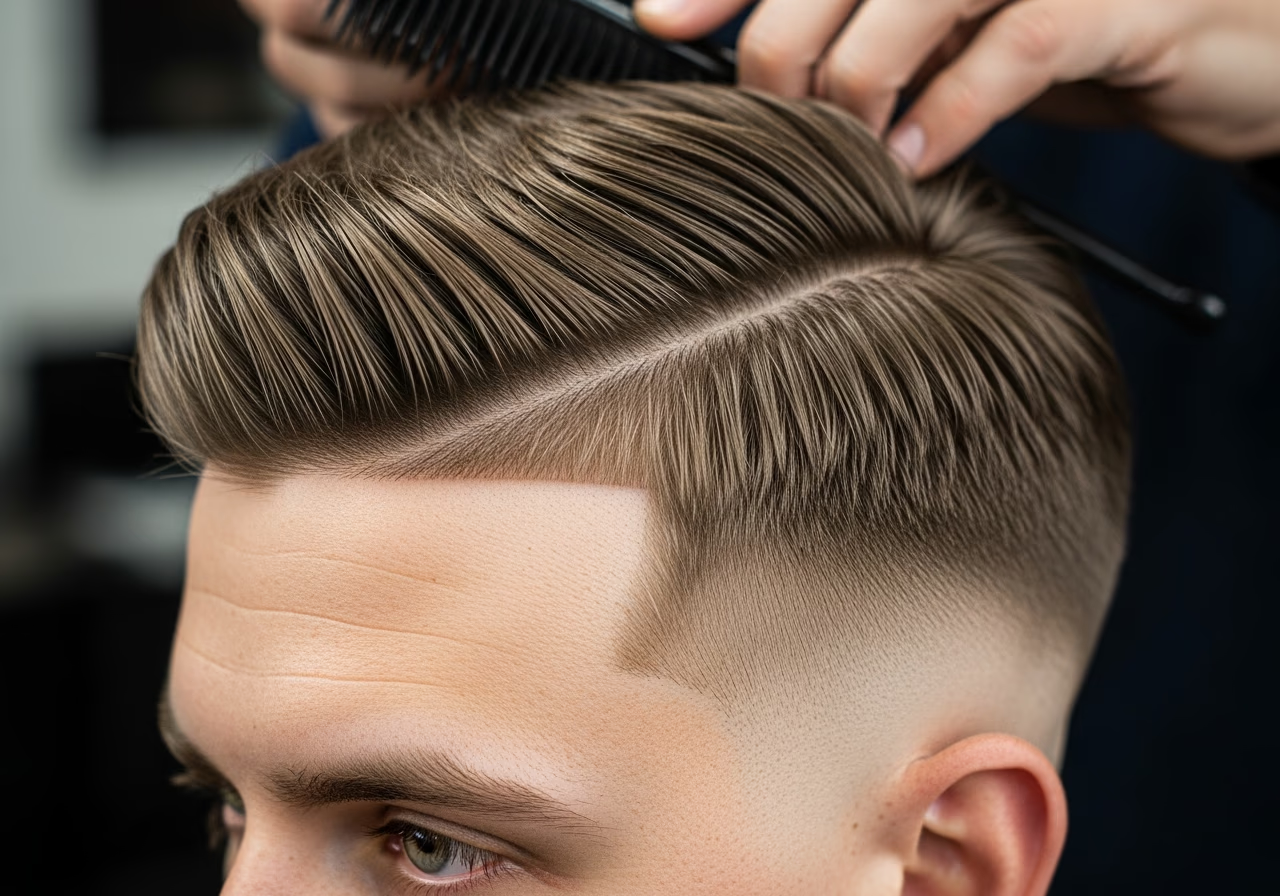
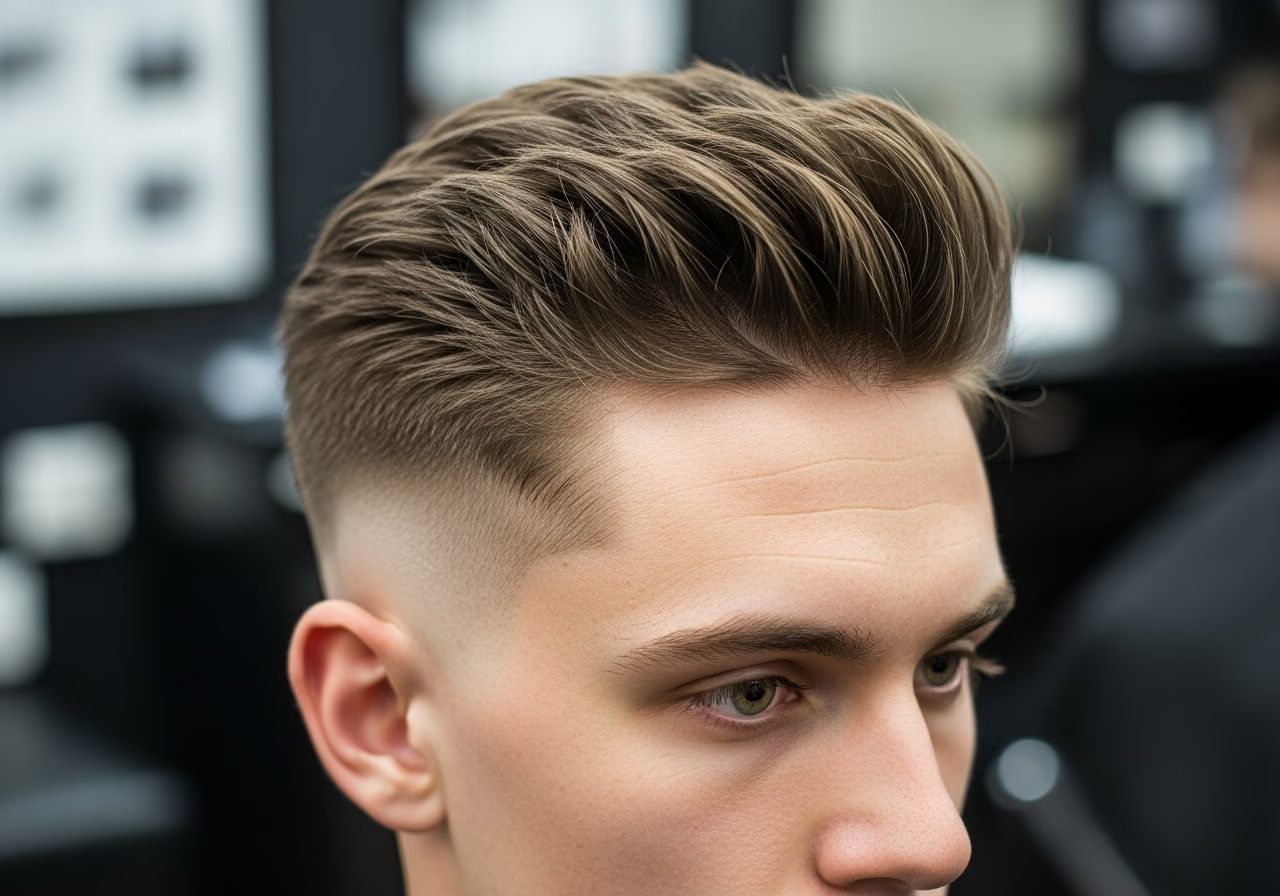
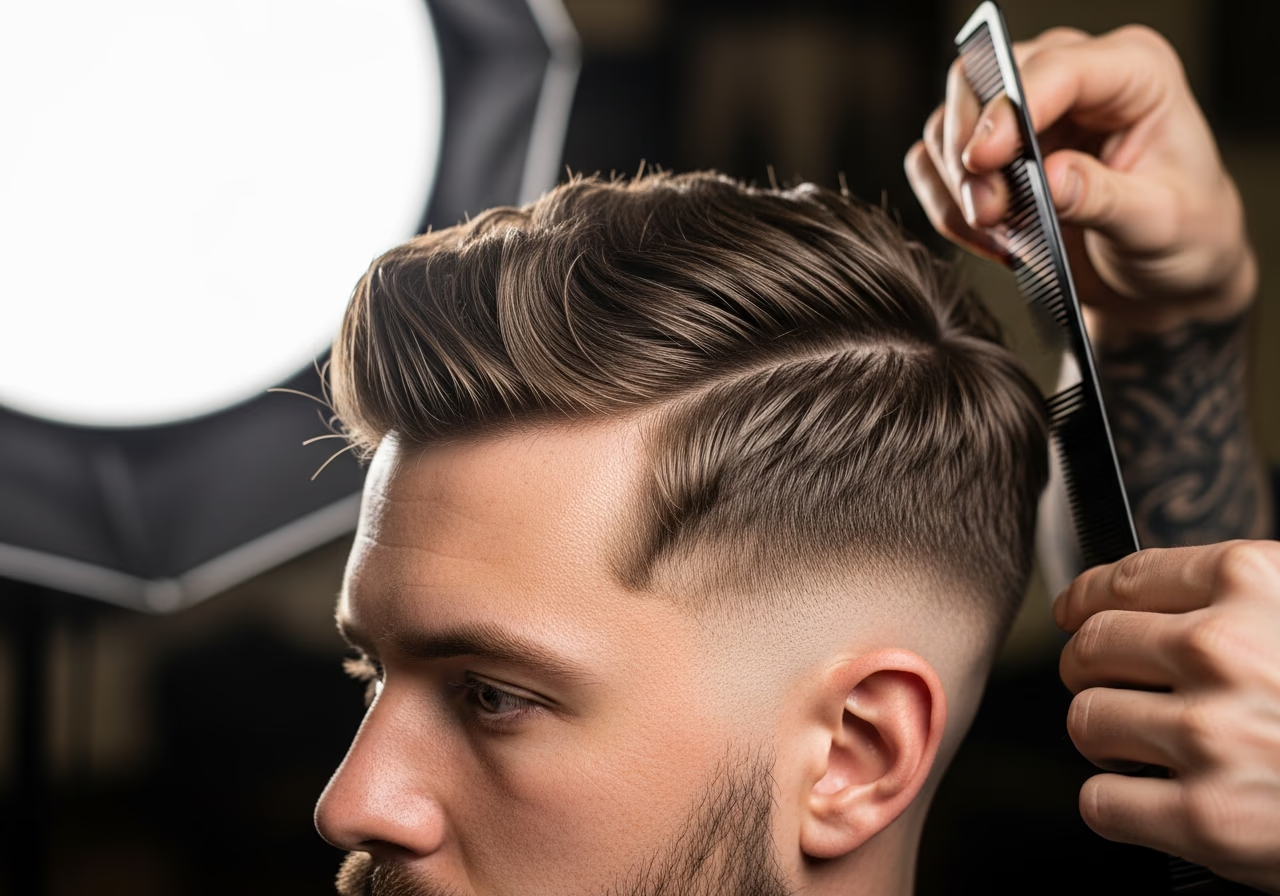
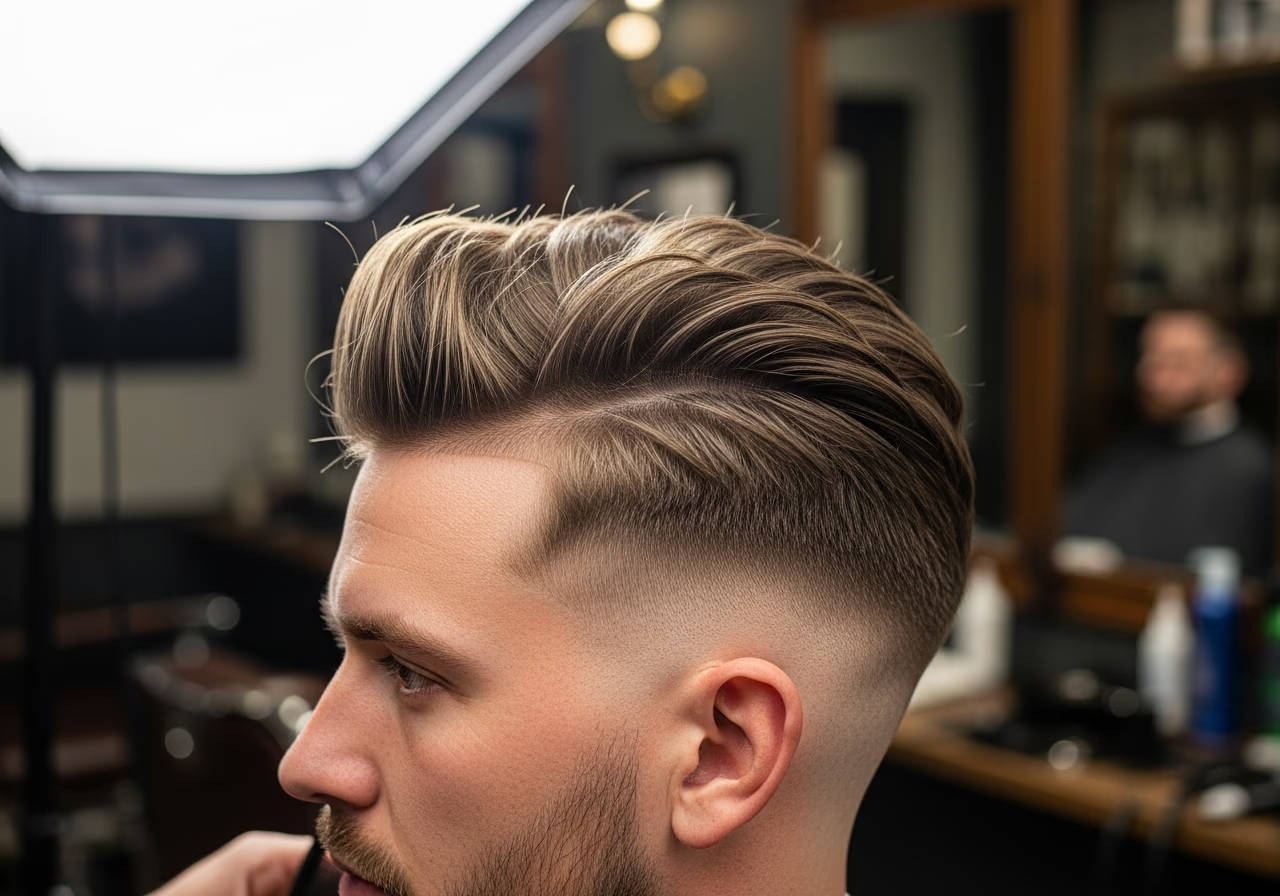
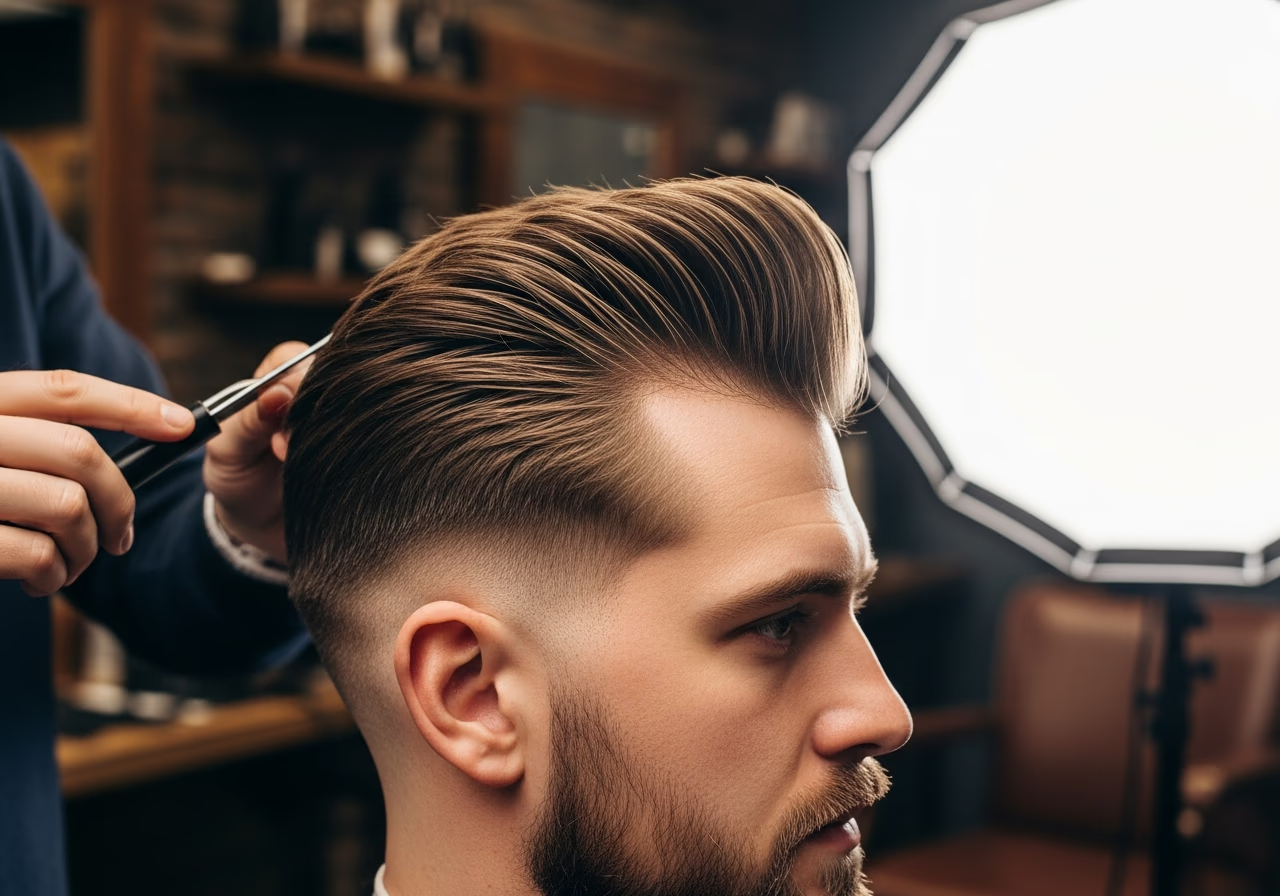
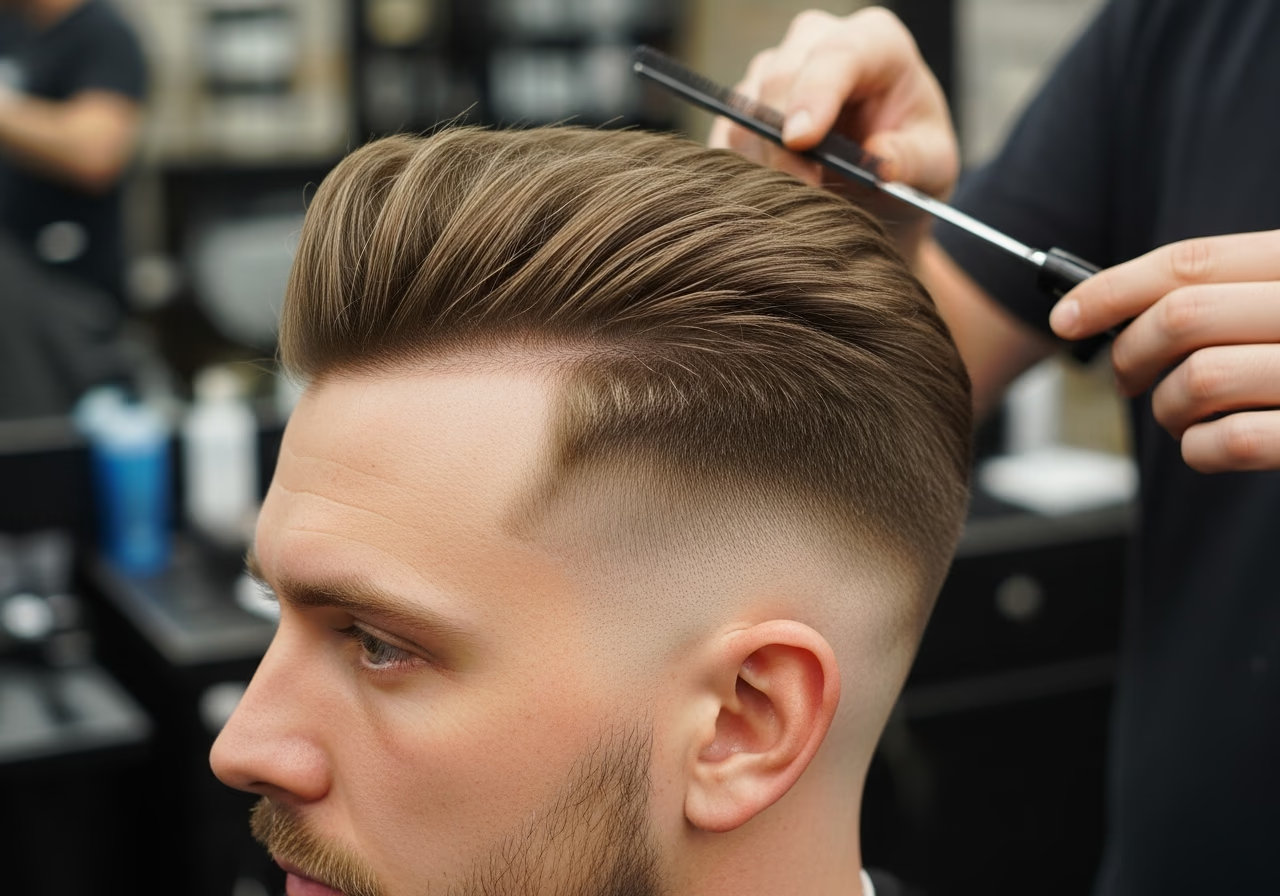
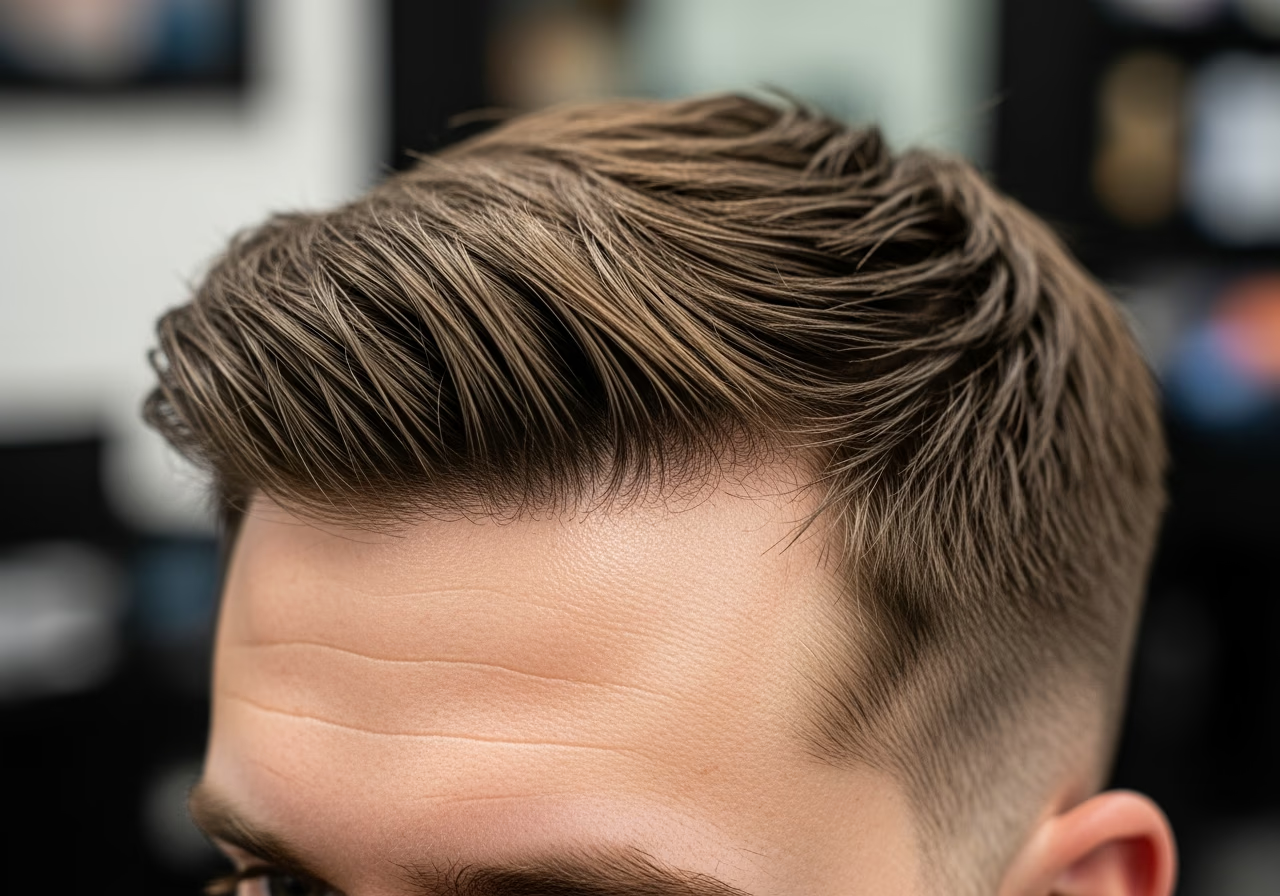
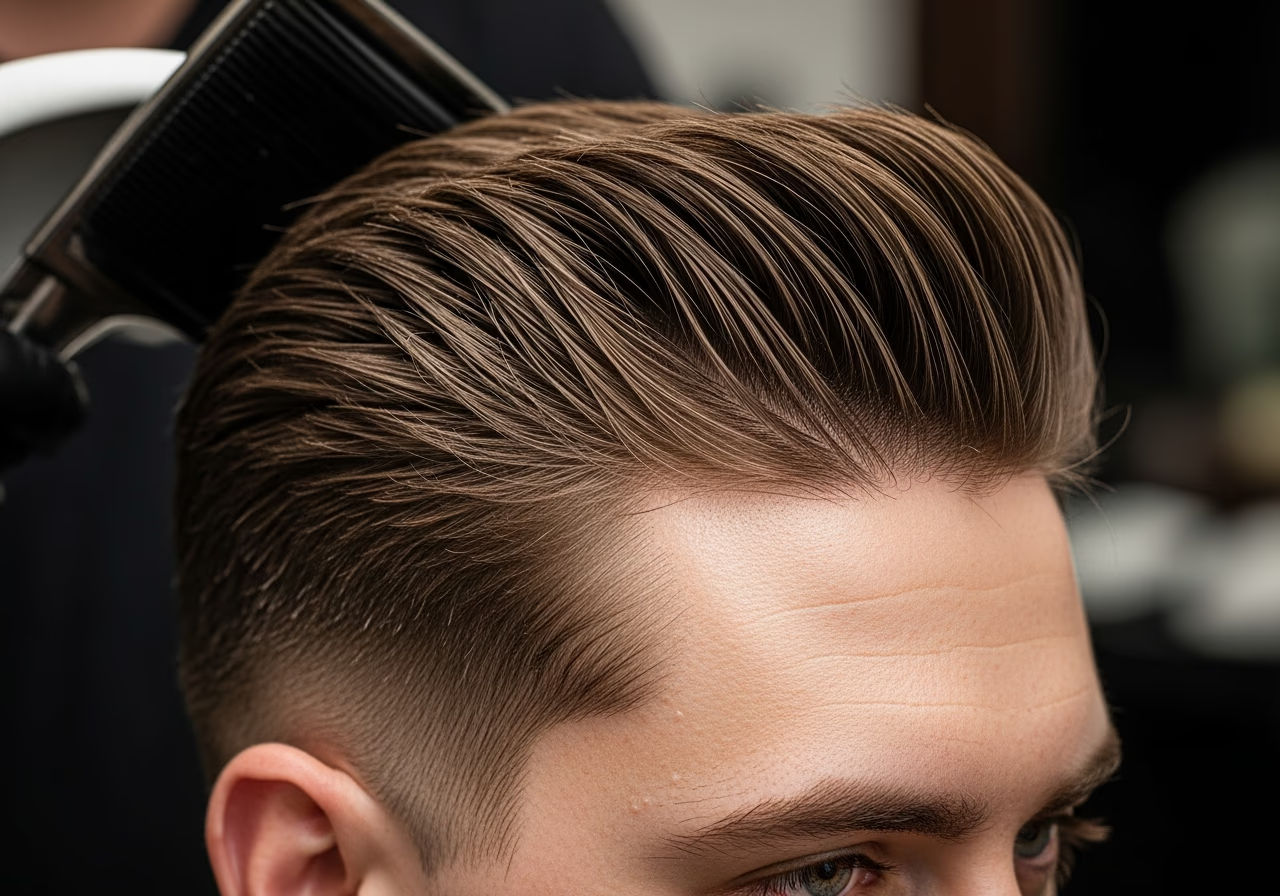
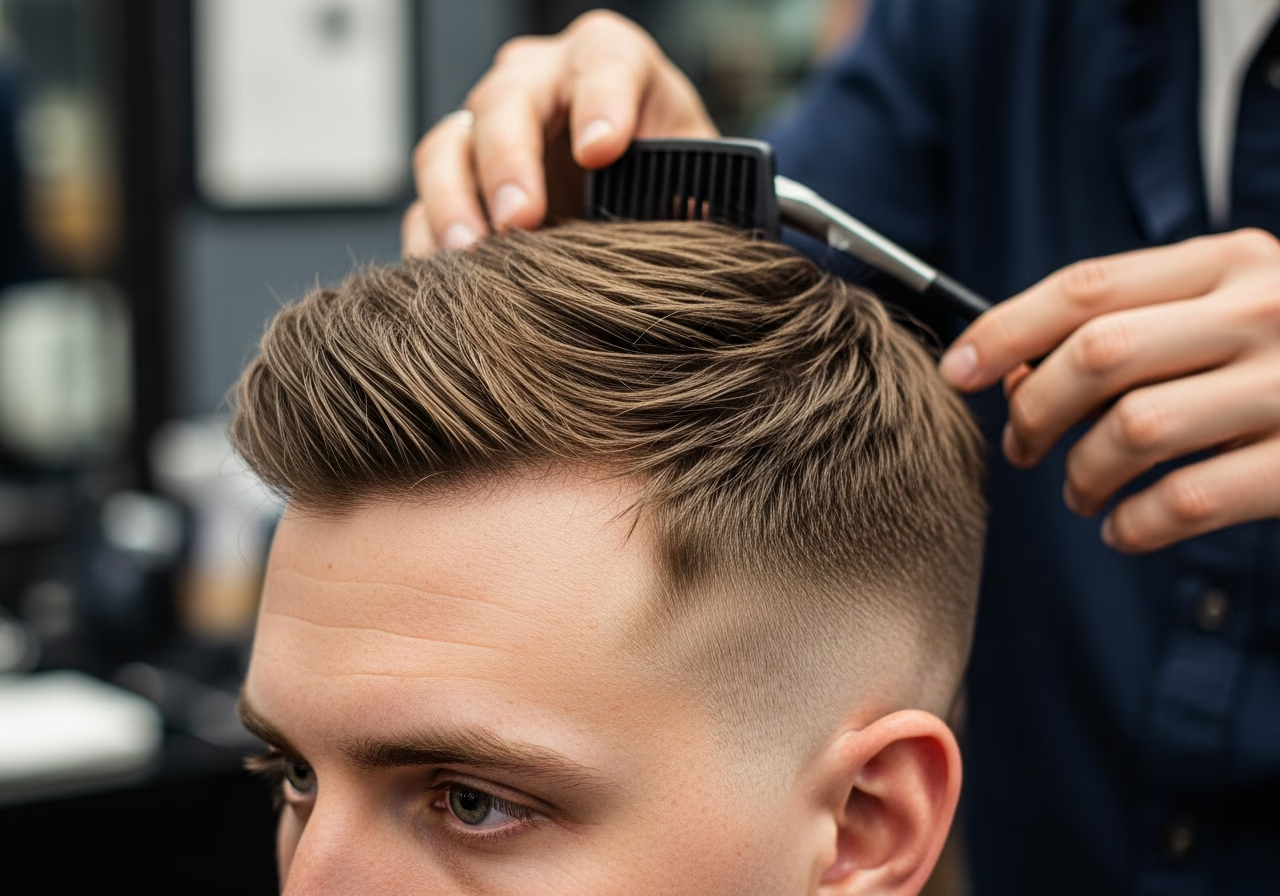
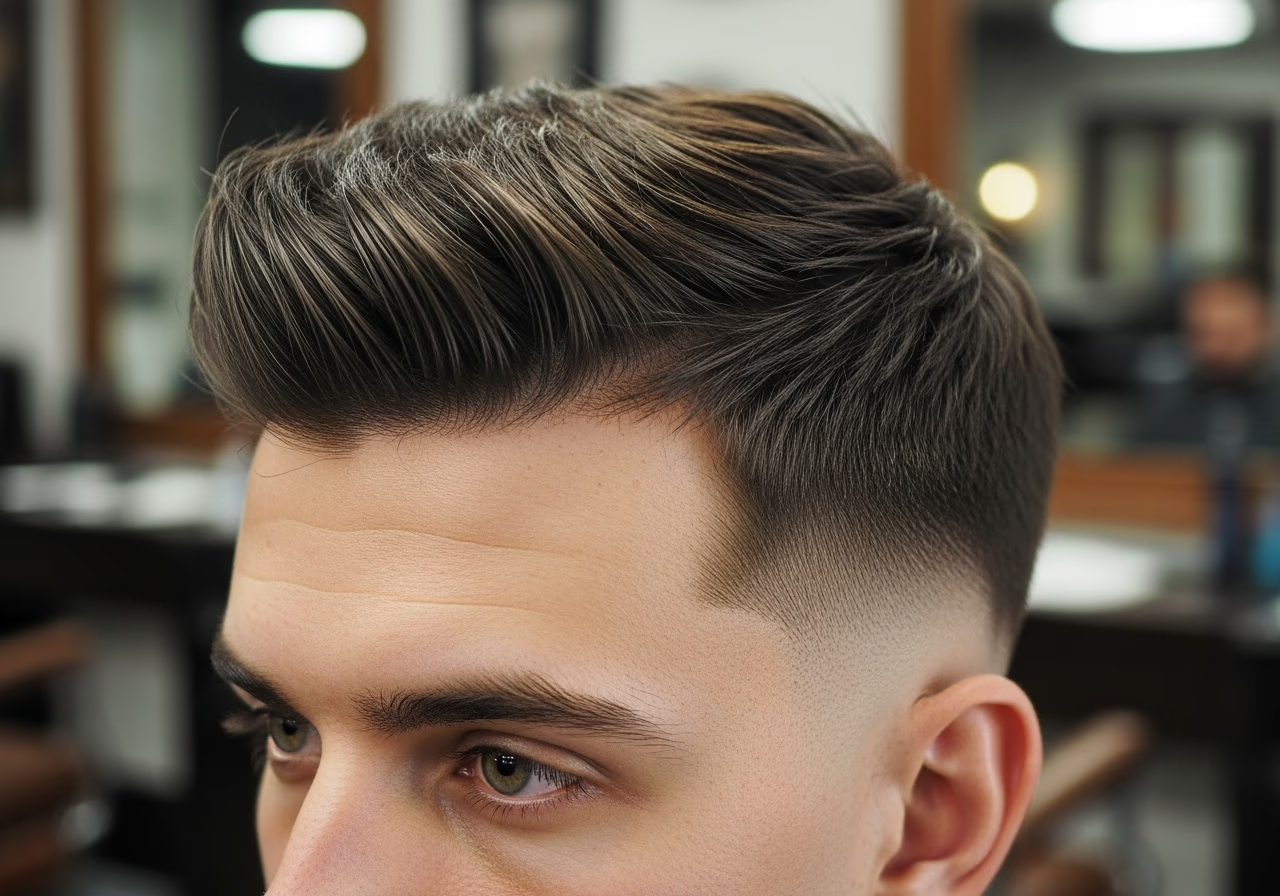
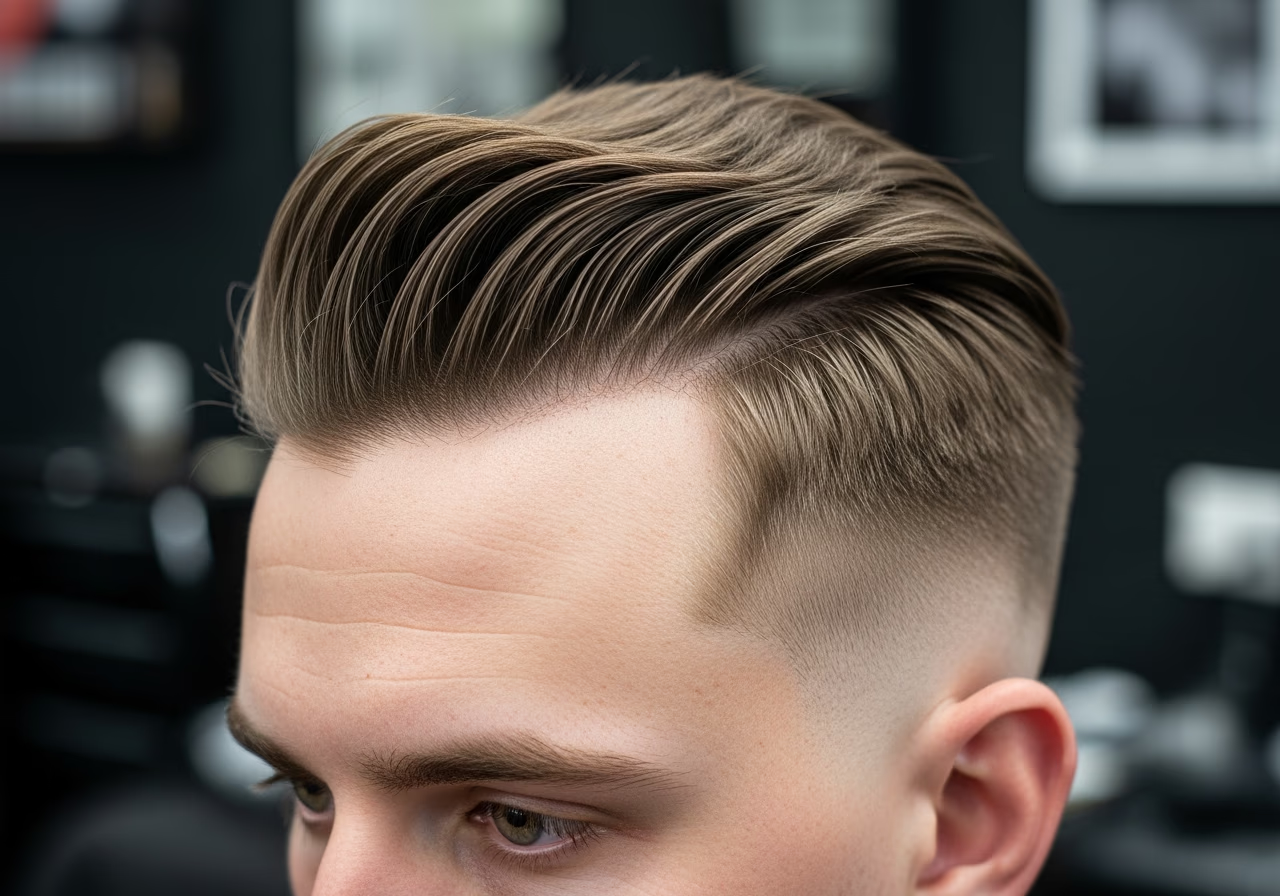
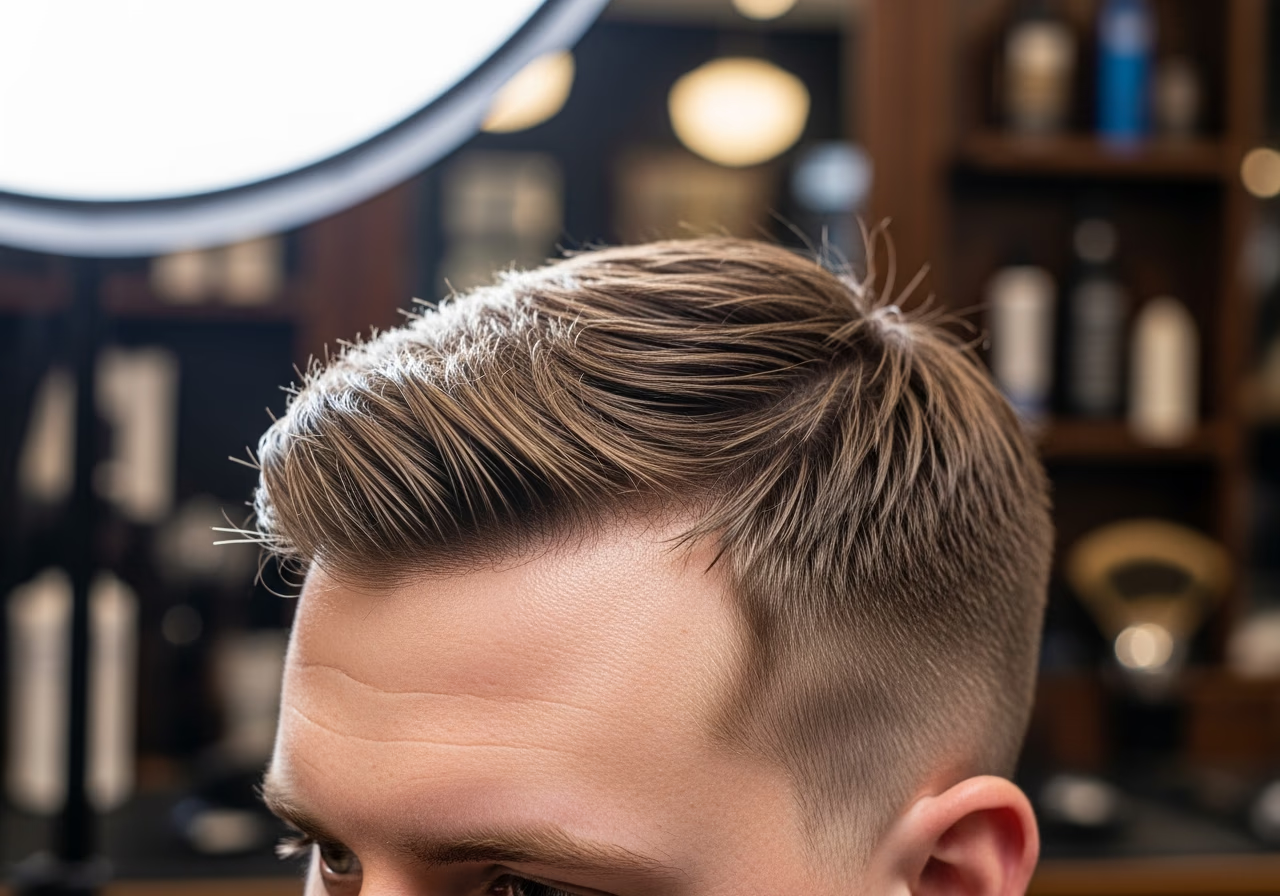
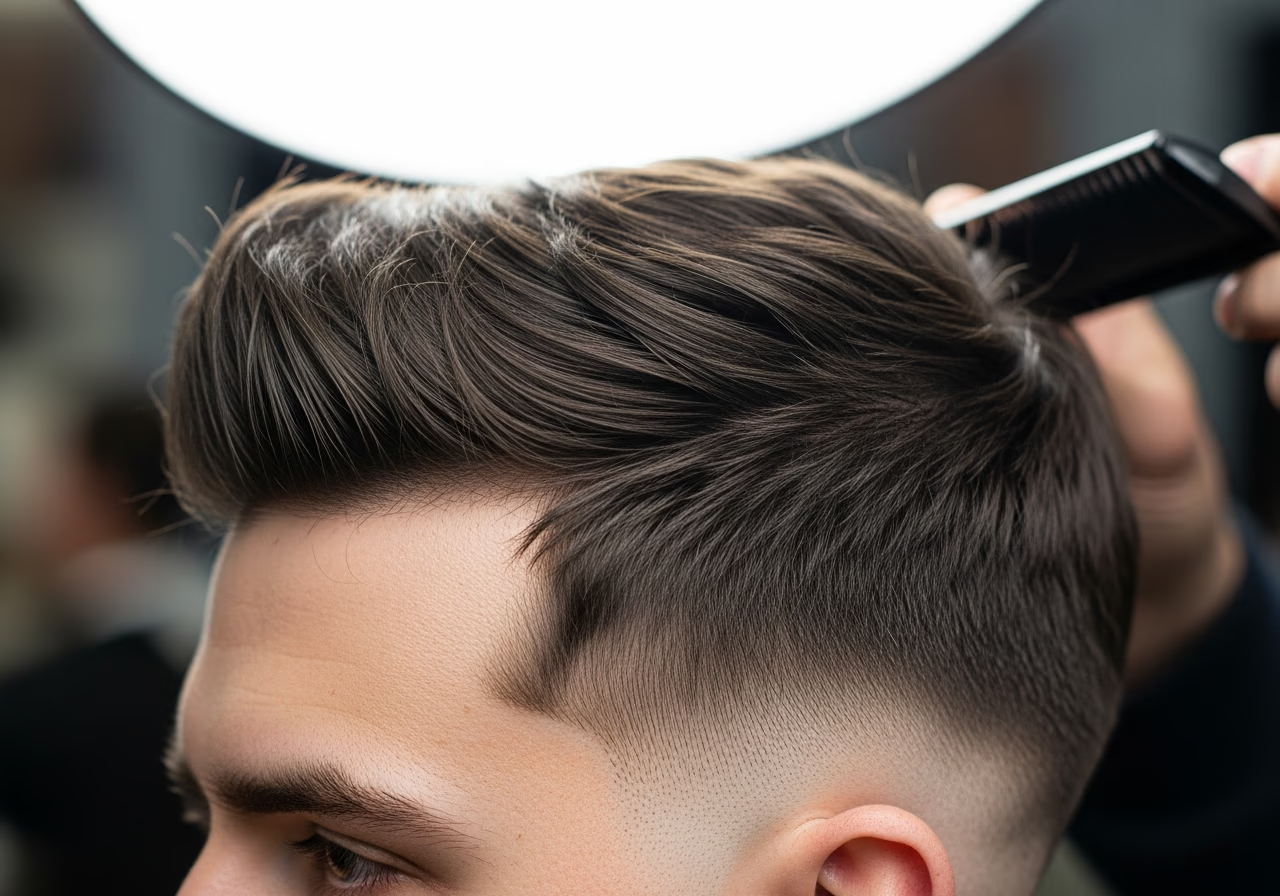
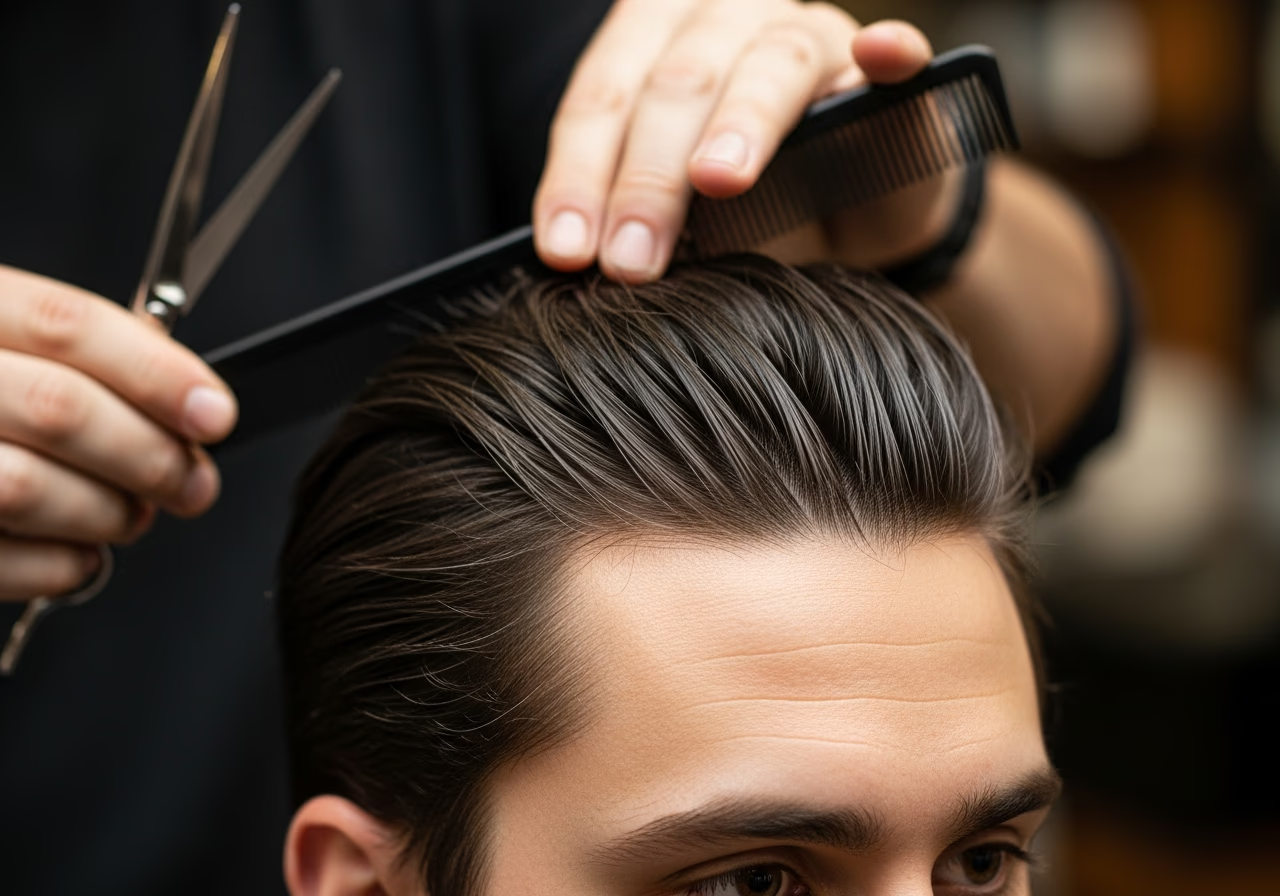
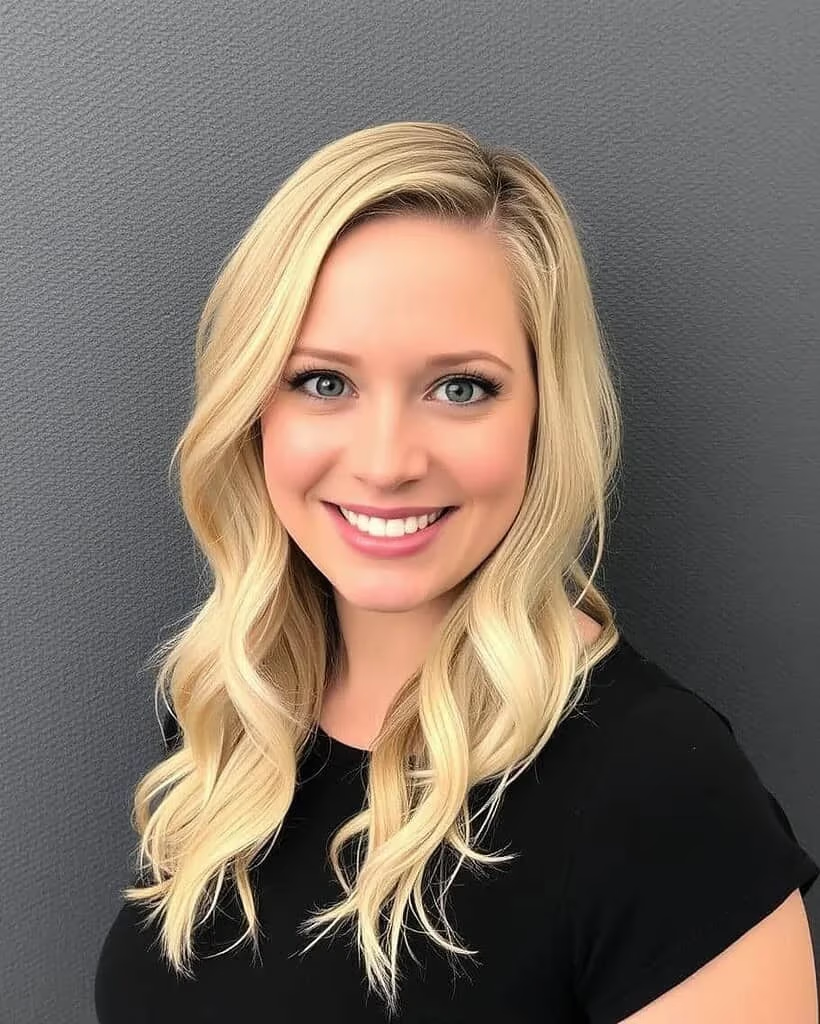
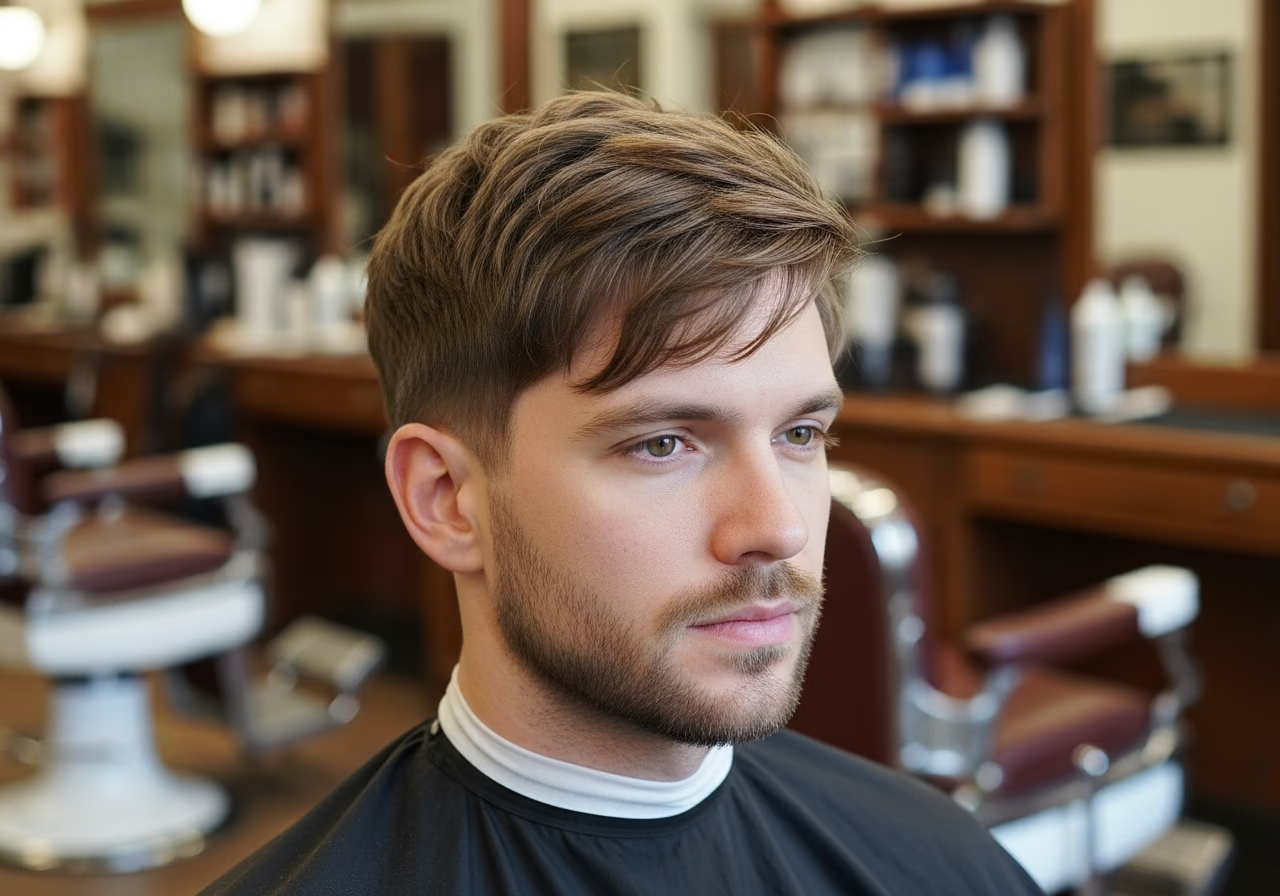
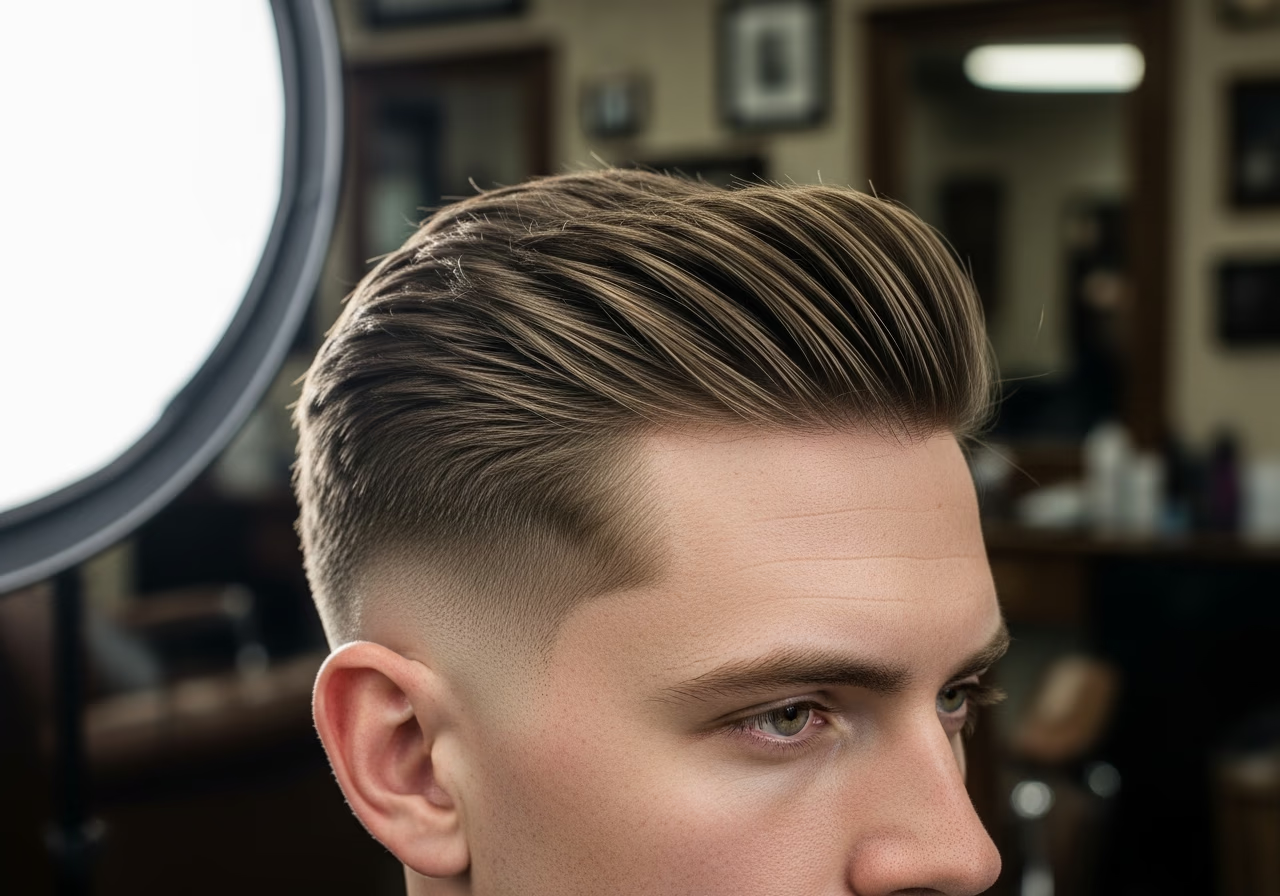
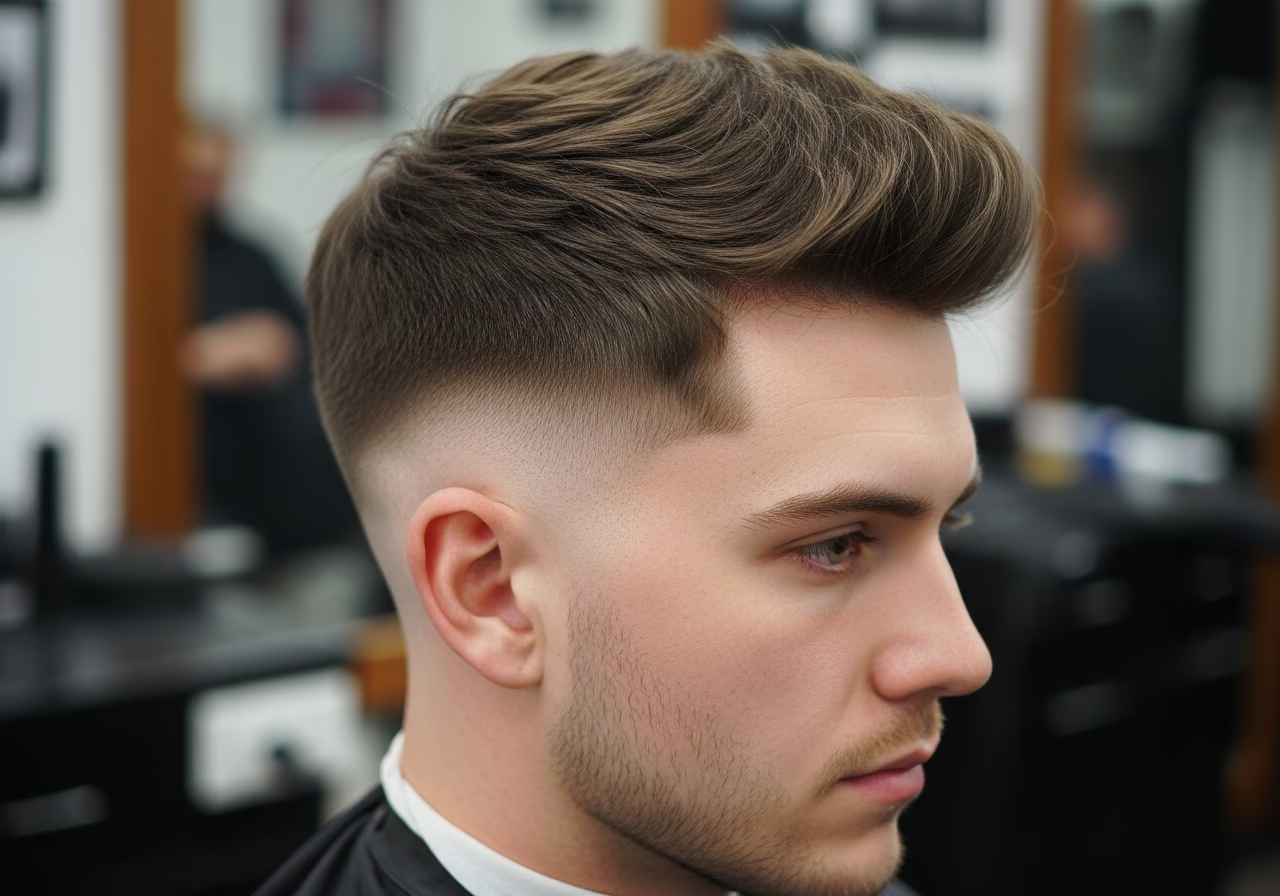
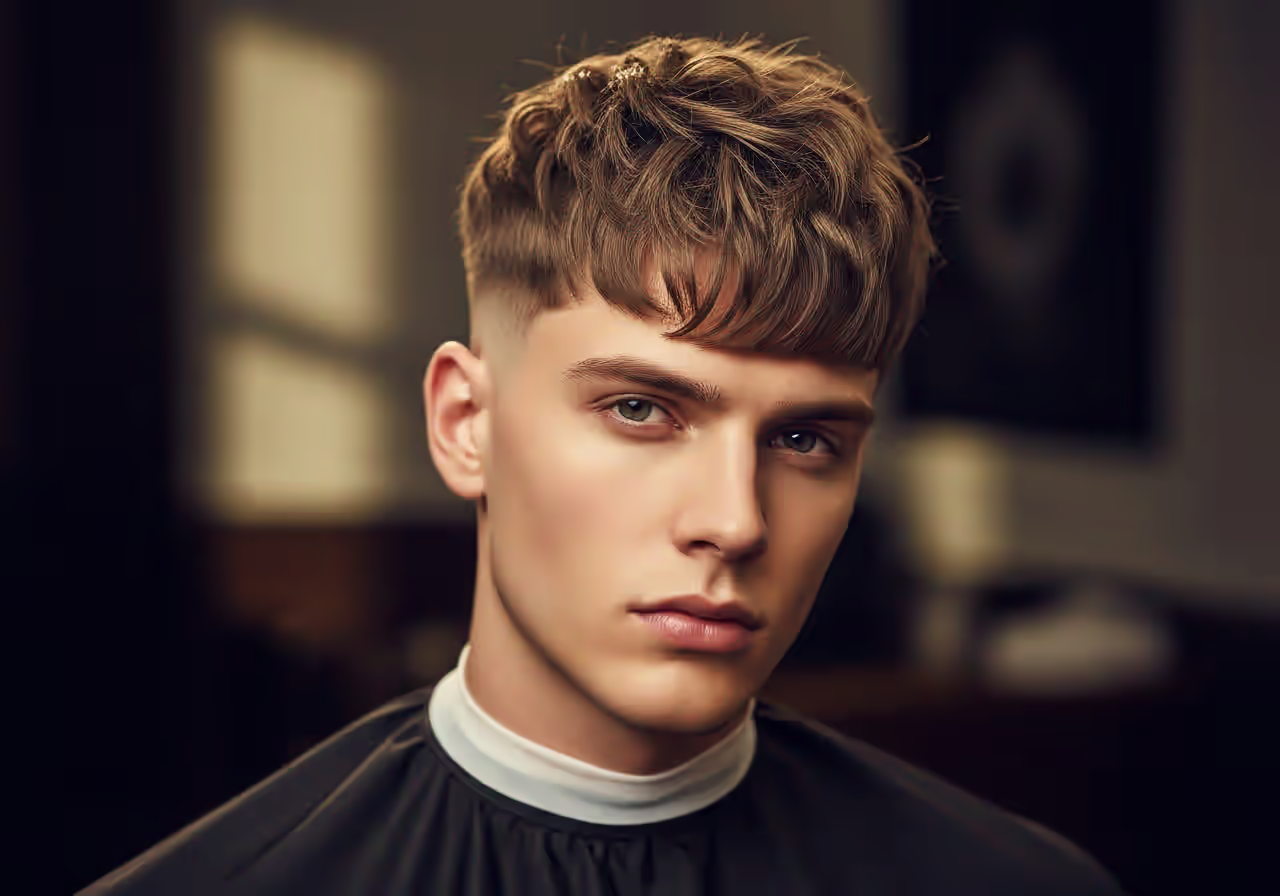
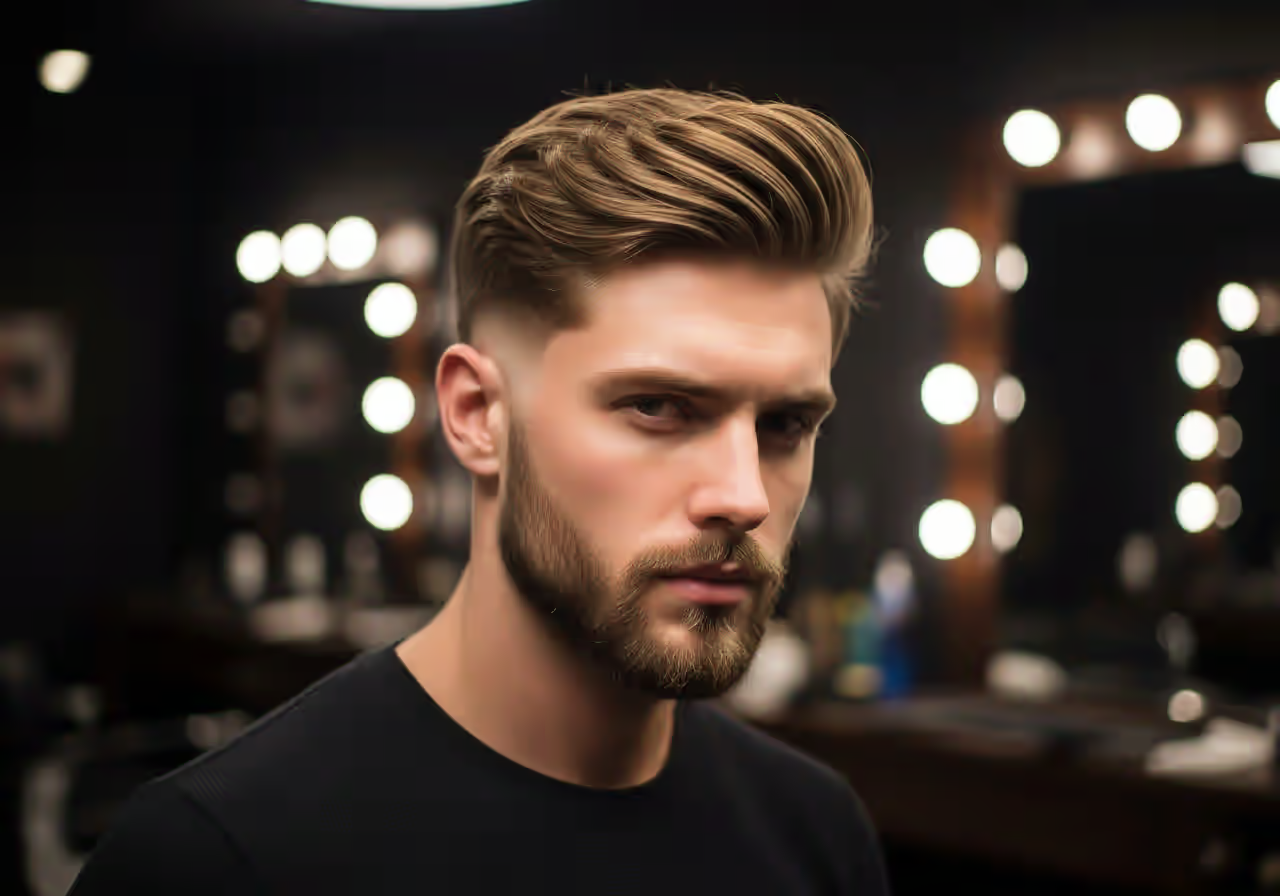
"I have an oily scalp and my hair goes flat and greasy by noon — I need maximum root lift and heavy root texturing so the hair stays fresh and doesn't collapse under oil. Give me a [style name] with [fade/taper/undercut] on the sides, and use matte products only."
1. What are the top 5 oily scalp haircuts that stay fresh longest in 2026?+
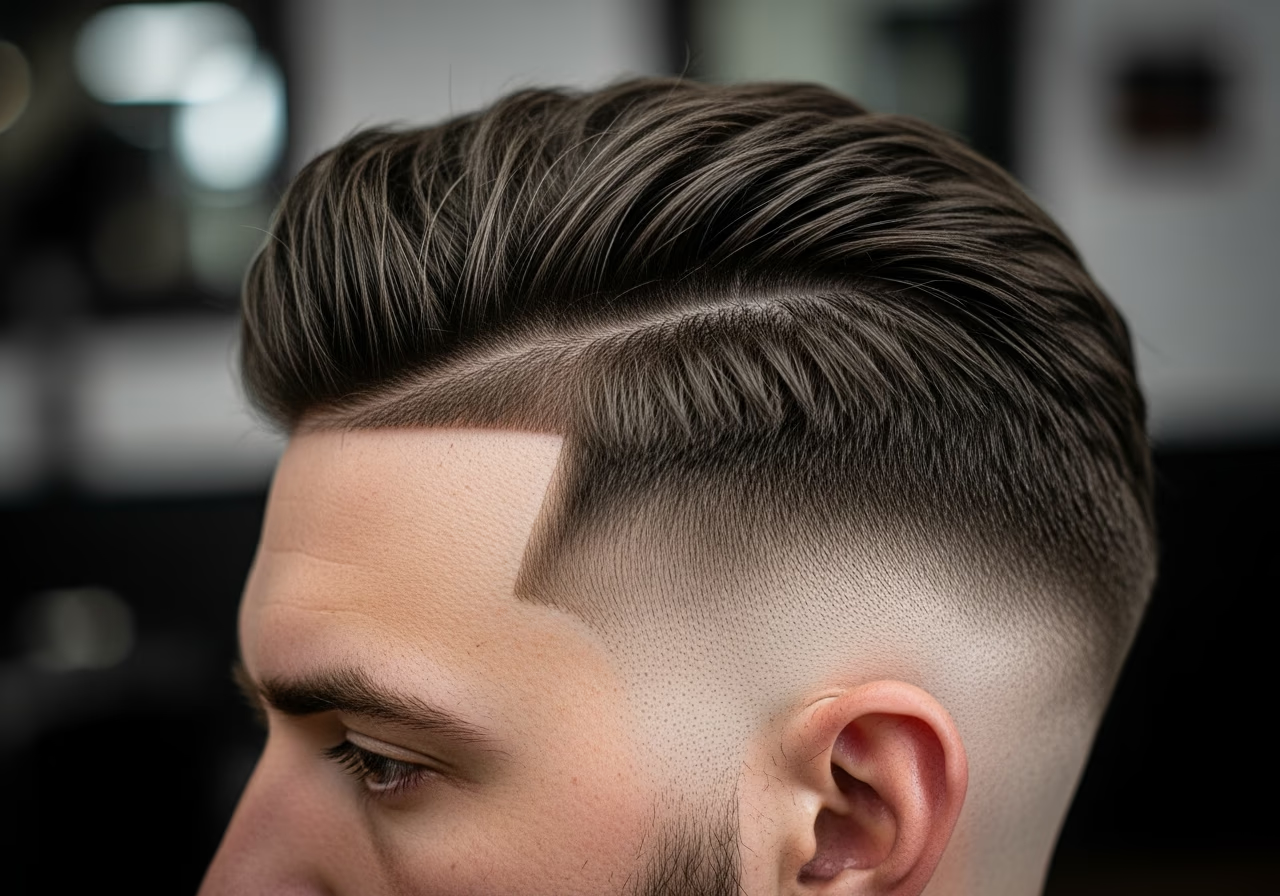
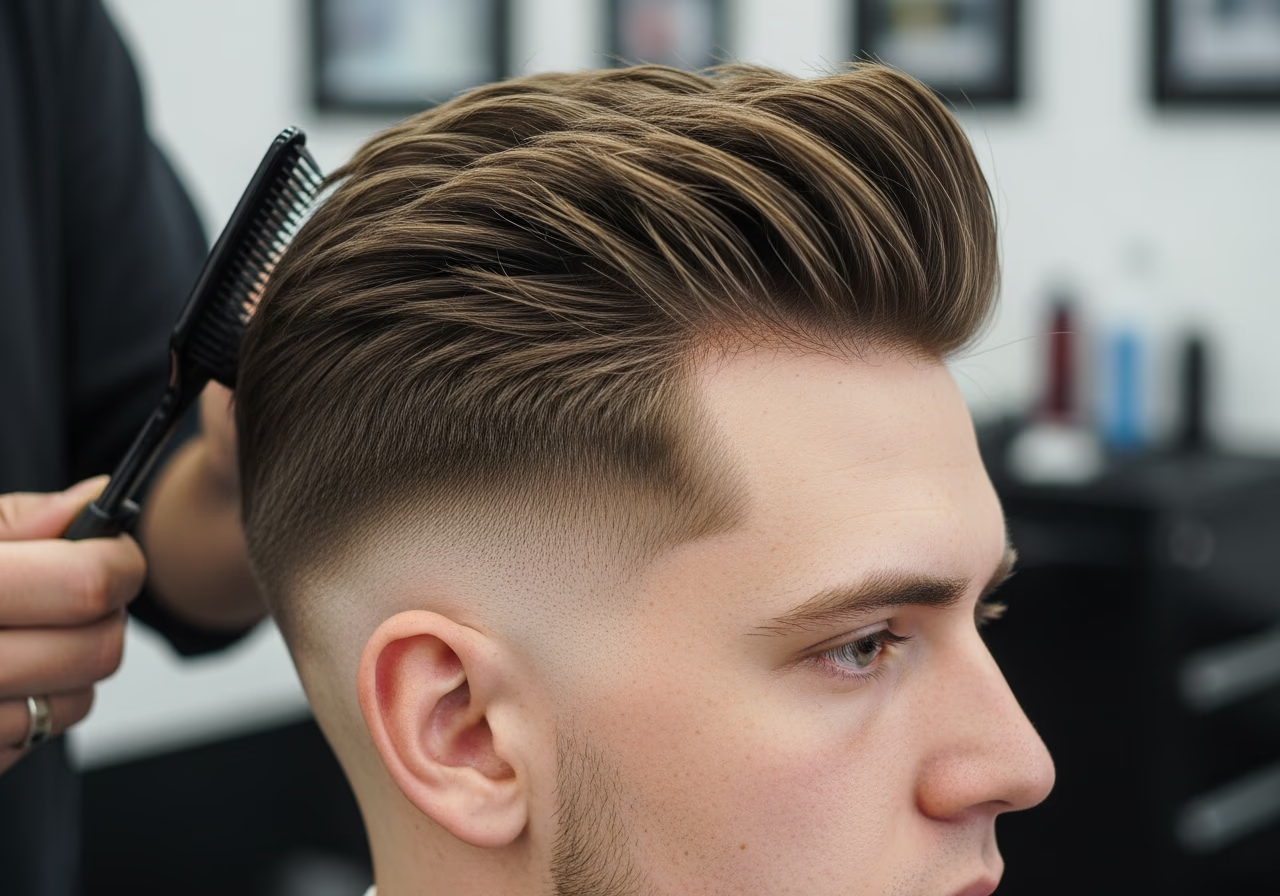
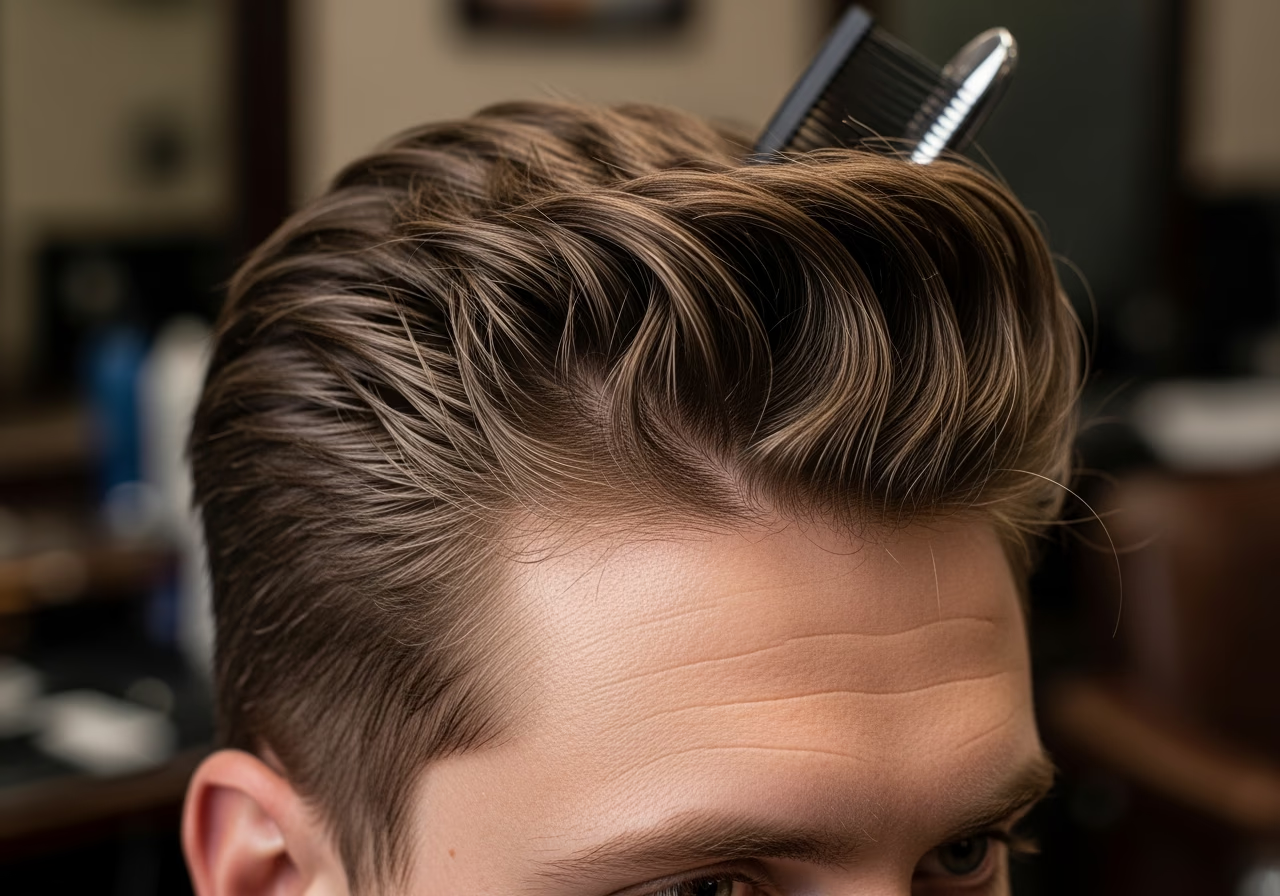
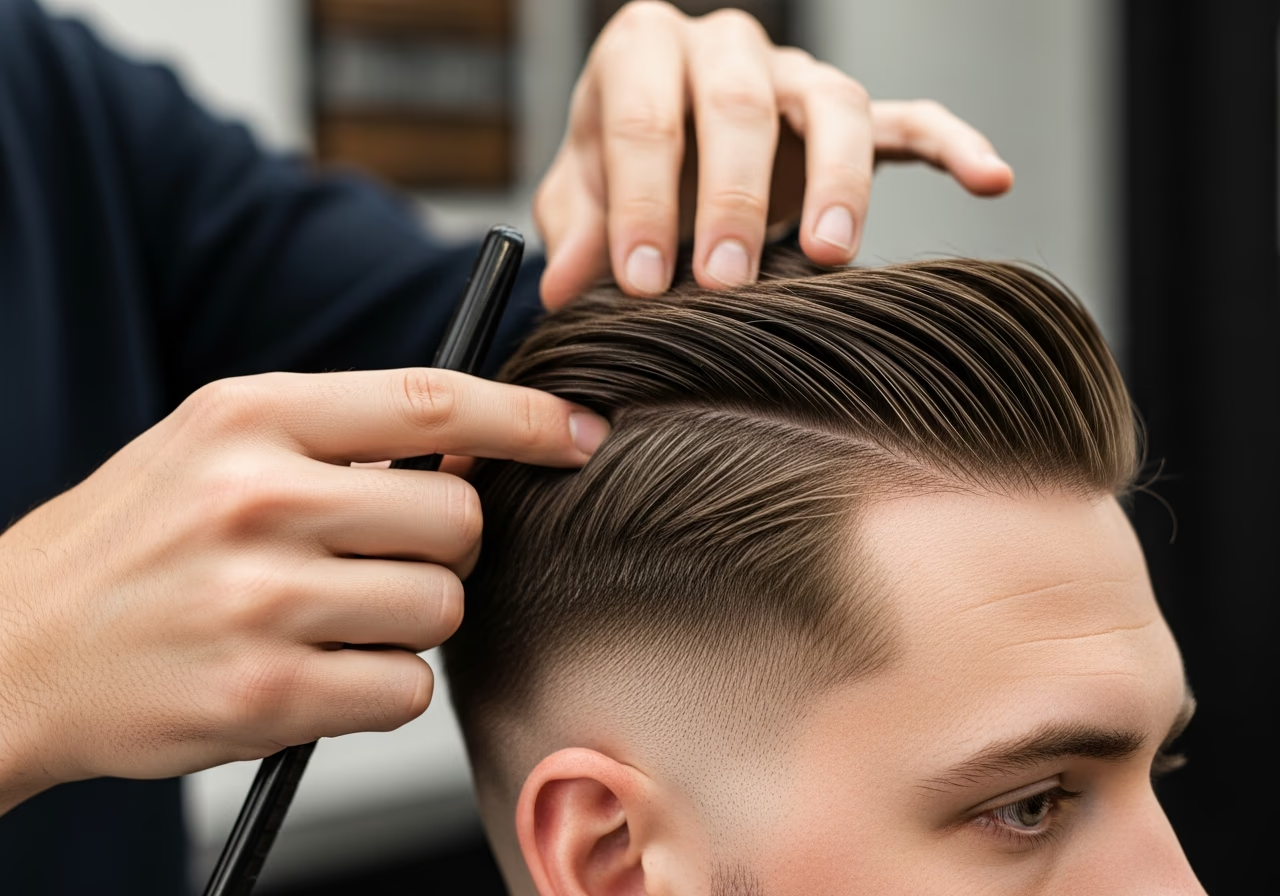
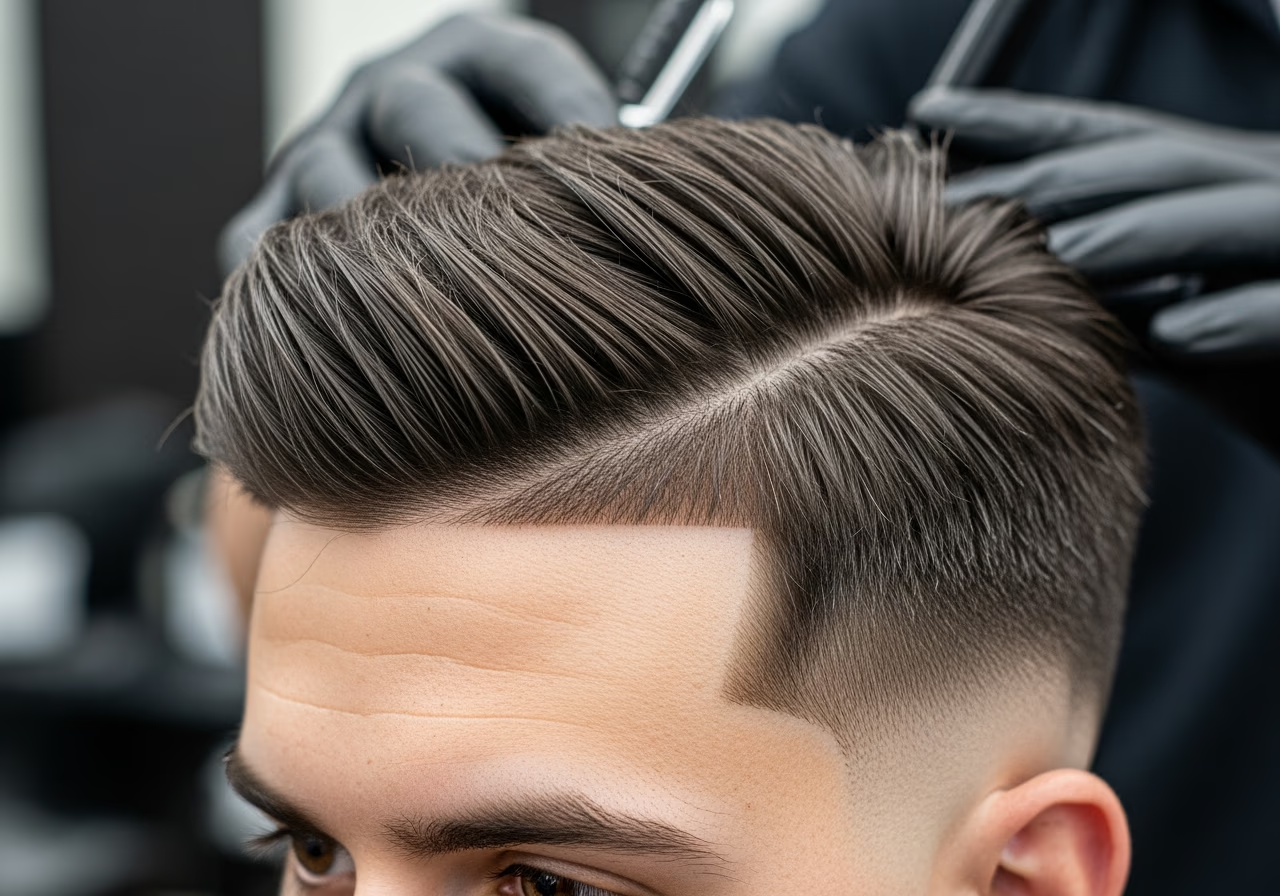
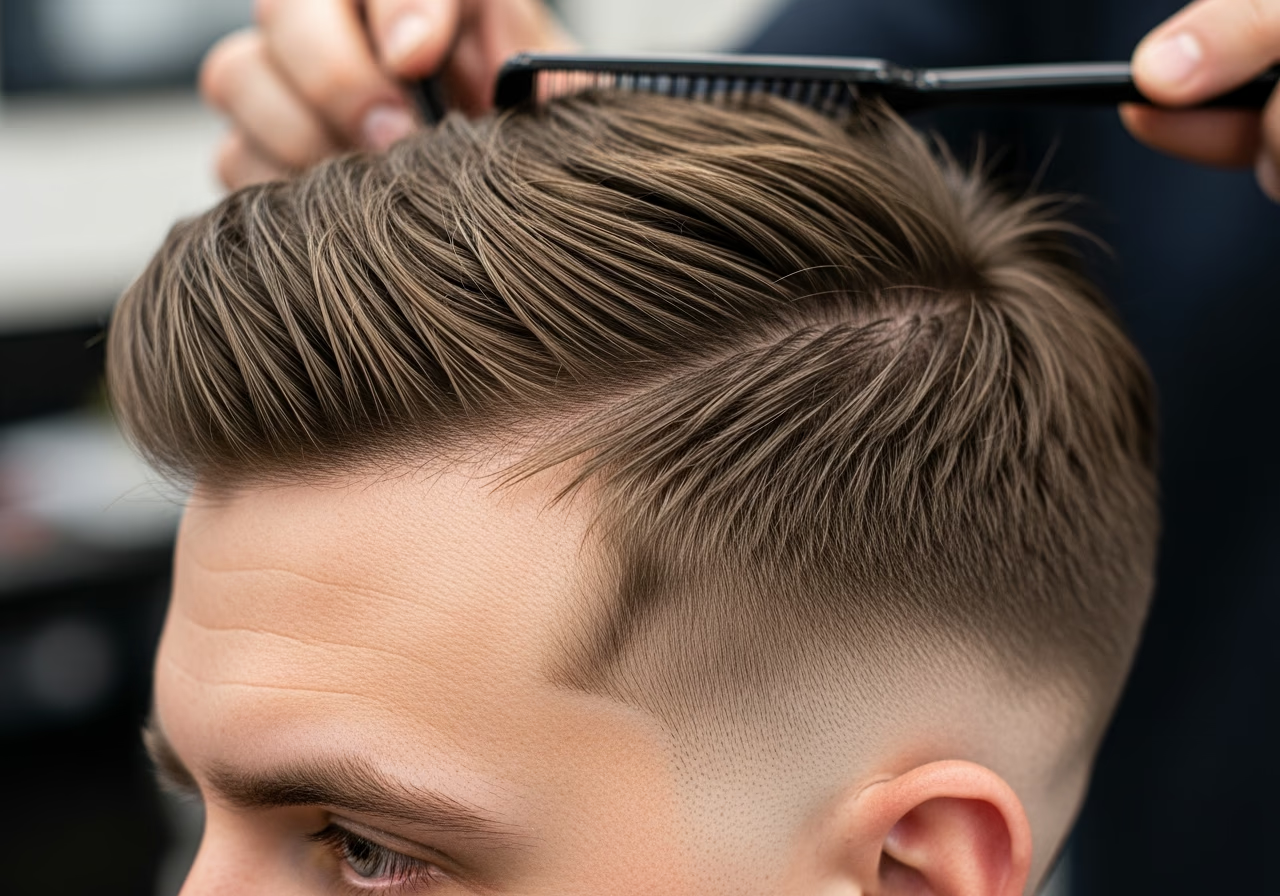
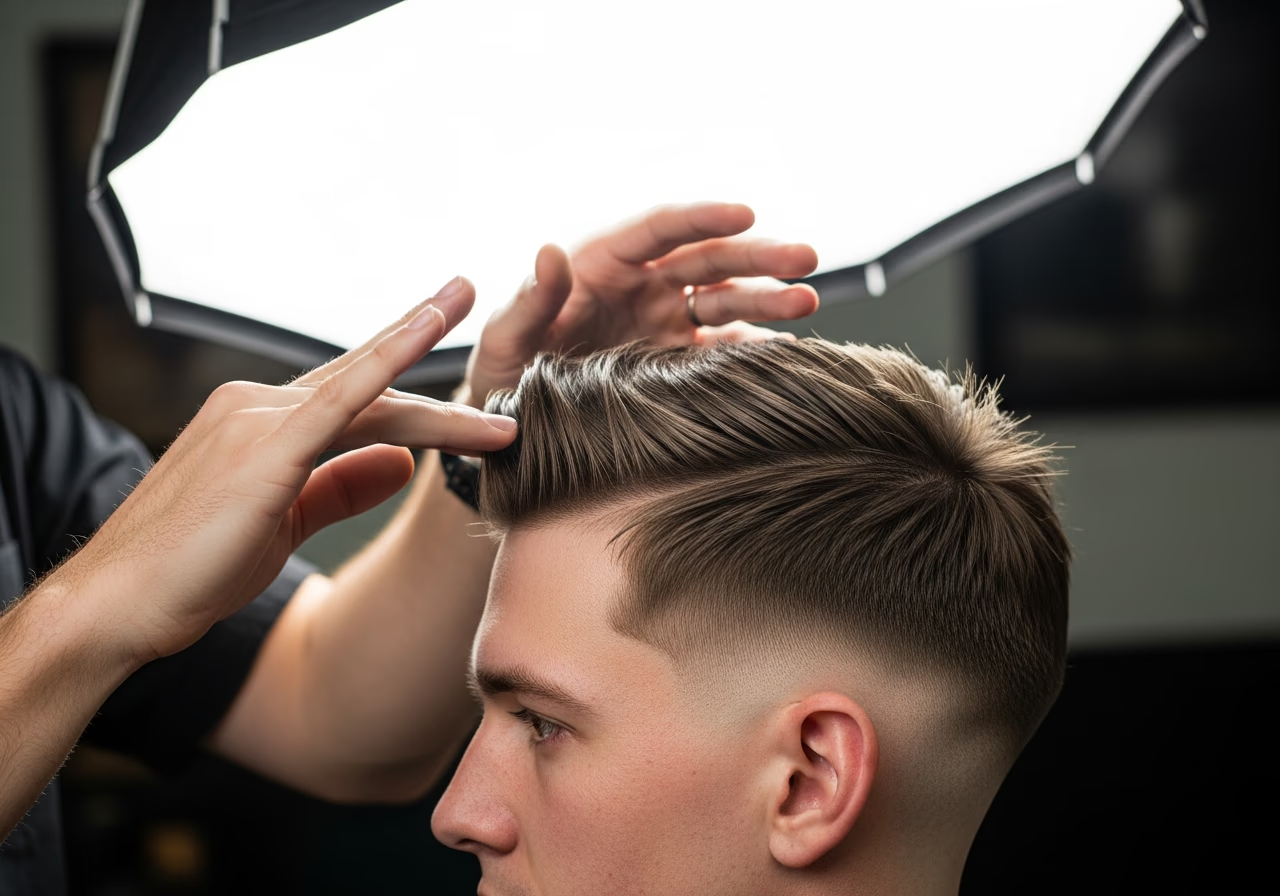
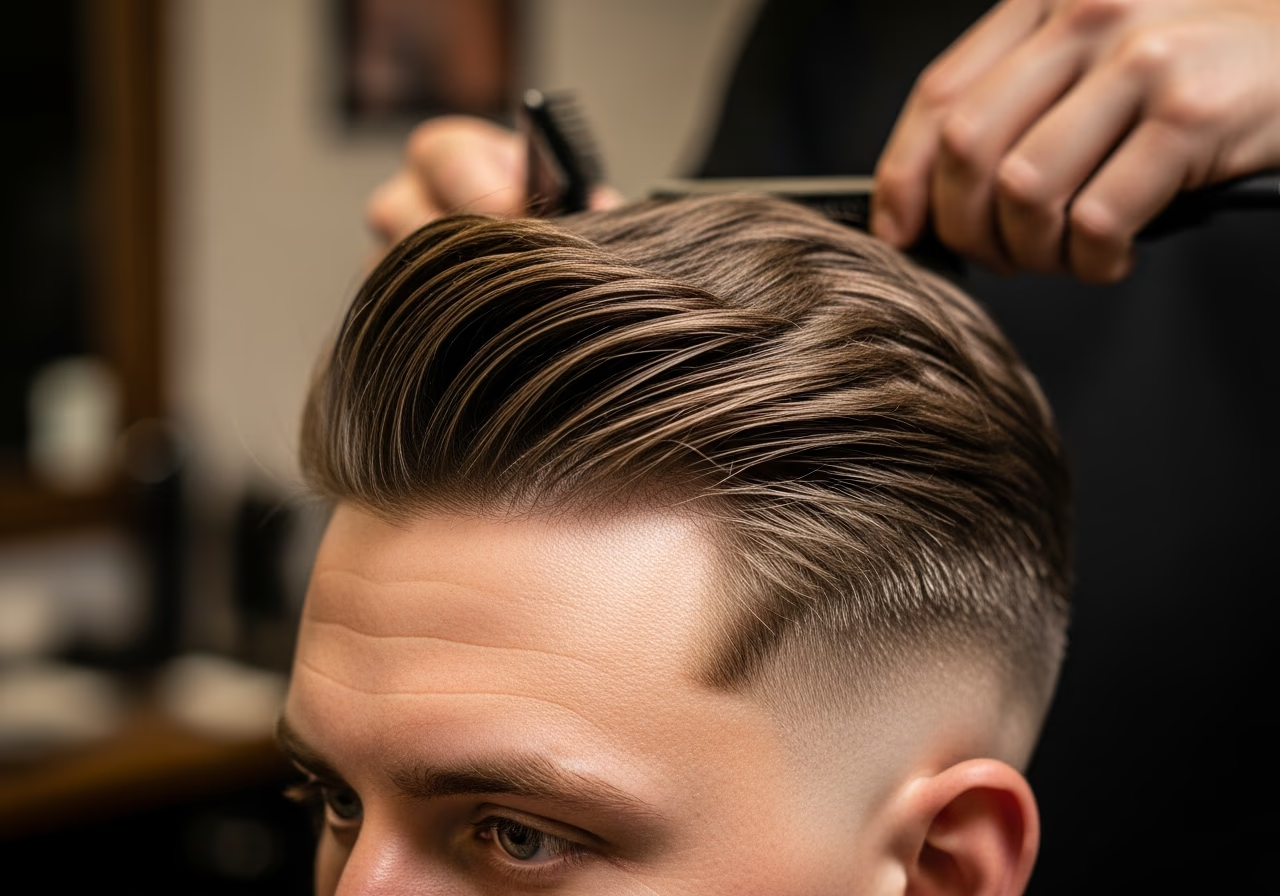
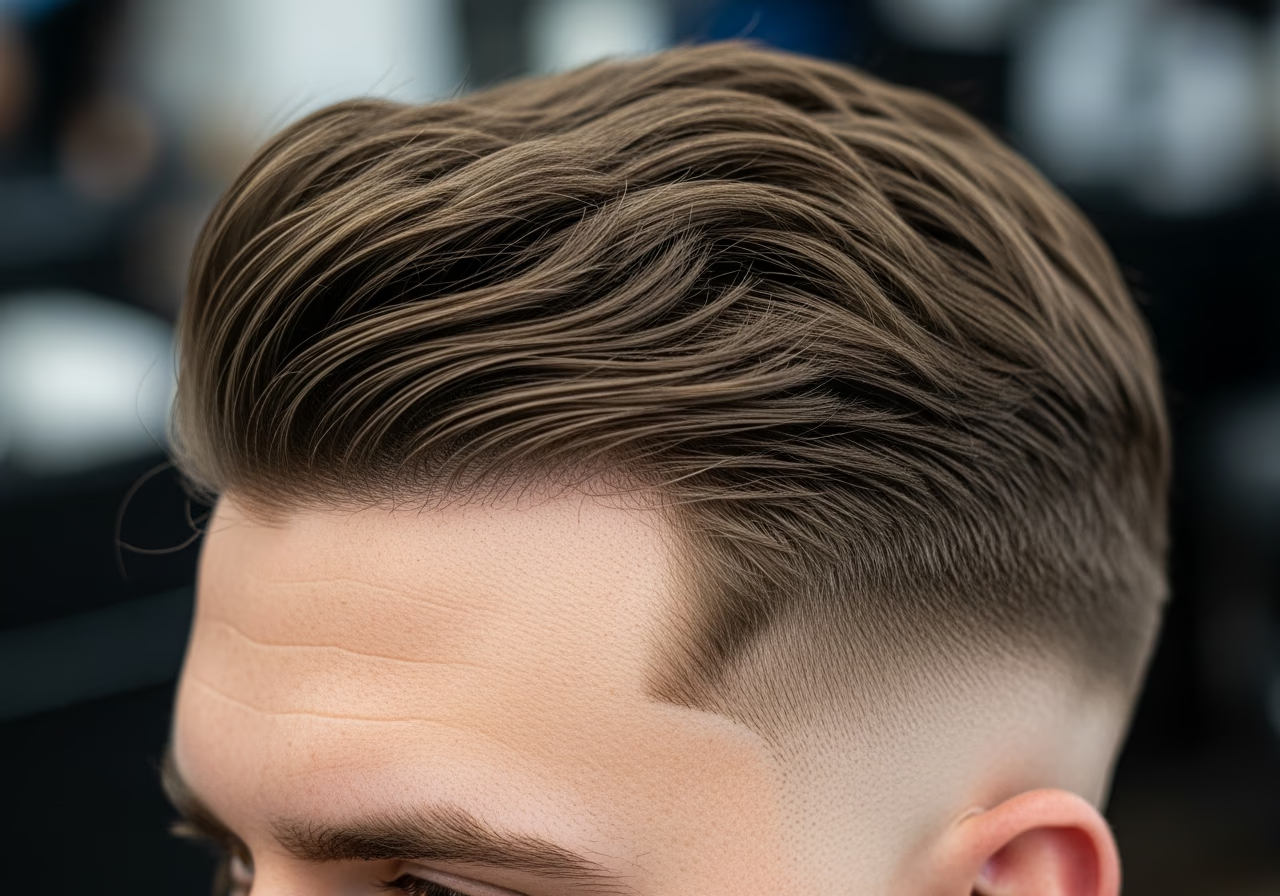
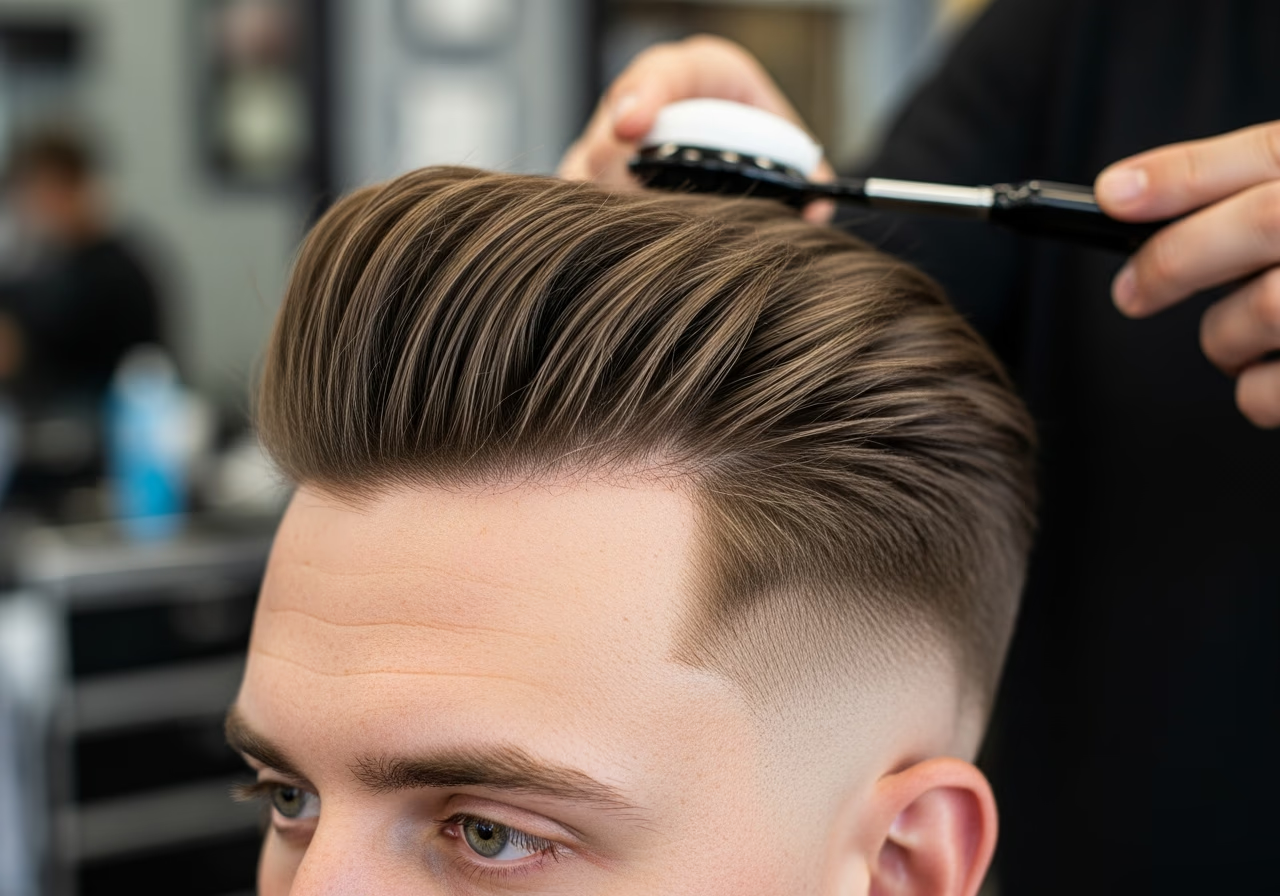
1) Root-Lift Textured Taper (1) — the most versatile and consistently fresh oily scalp cut. 2) Minimalist Short Crop Lift (15). The shortest and therefore freshest option; less hair means less oil visibility. 3) Ultimate Root Lift Versatile Cut (35), maximum root texturing, works styled messy or polished. 4) Textured Undercut Lift (3). The undercut disconnect keeps zones independent, slowing oil spread. 5) Short Messy Root Lift Crop (12) — the messy finish disguises oil accumulation as it occurs.
2. How do I stop my hair from looking greasy at the roots by midday?+
The three-step solution: 1) Get the right cut — heavy root texturing at your next appointment is the foundational fix. No product compensates for an untextured cut. 2) Apply texture powder to dry roots every morning: even on freshly washed hair, sebum begins accumulating immediately; powder creates an absorbent barrier. 3) Don't touch your hair. Hands are the most common midday grease accelerator. These three changes alone typically extend freshness from 4–5 hours to 10–12 hours.
3. Does oily scalp hair need a special shampoo?+
Yes. A clarifying or balancing shampoo works significantly better than regular shampoo for oily scalp hair. Clarifying shampoos remove excess sebum and product buildup that regular shampoos leave behind. Recommended: Head & Shoulders Classic (also controls flakiness), Paul Mitchell Tea Tree Special Shampoo (antibacterial for scalp health), or Neutrogena Anti-Residue Shampoo (once-weekly clarifying treatment). Avoid: moisturizing or hydrating shampoos. They add additional moisture to a scalp that already produces too much.
4. Can I have long hair with an oily scalp?+
Long hair is significantly more challenging with an oily scalp because the longer the hair, the more surface area oil has to coat and the more visible greasiness becomes. The maximum manageable length for oily scalp hair is approximately 5–6 inches on top with heavy root texturing. Beyond that length, no amount of texturing can prevent the visible oil accumulation. If long hair is important, the strategies are: very frequent washing (every 24 hours), matte dry shampoo daily, and accepting that midday touch-ups will be necessary.
5. Why does my hair feel clean right after washing but look greasy within hours?+
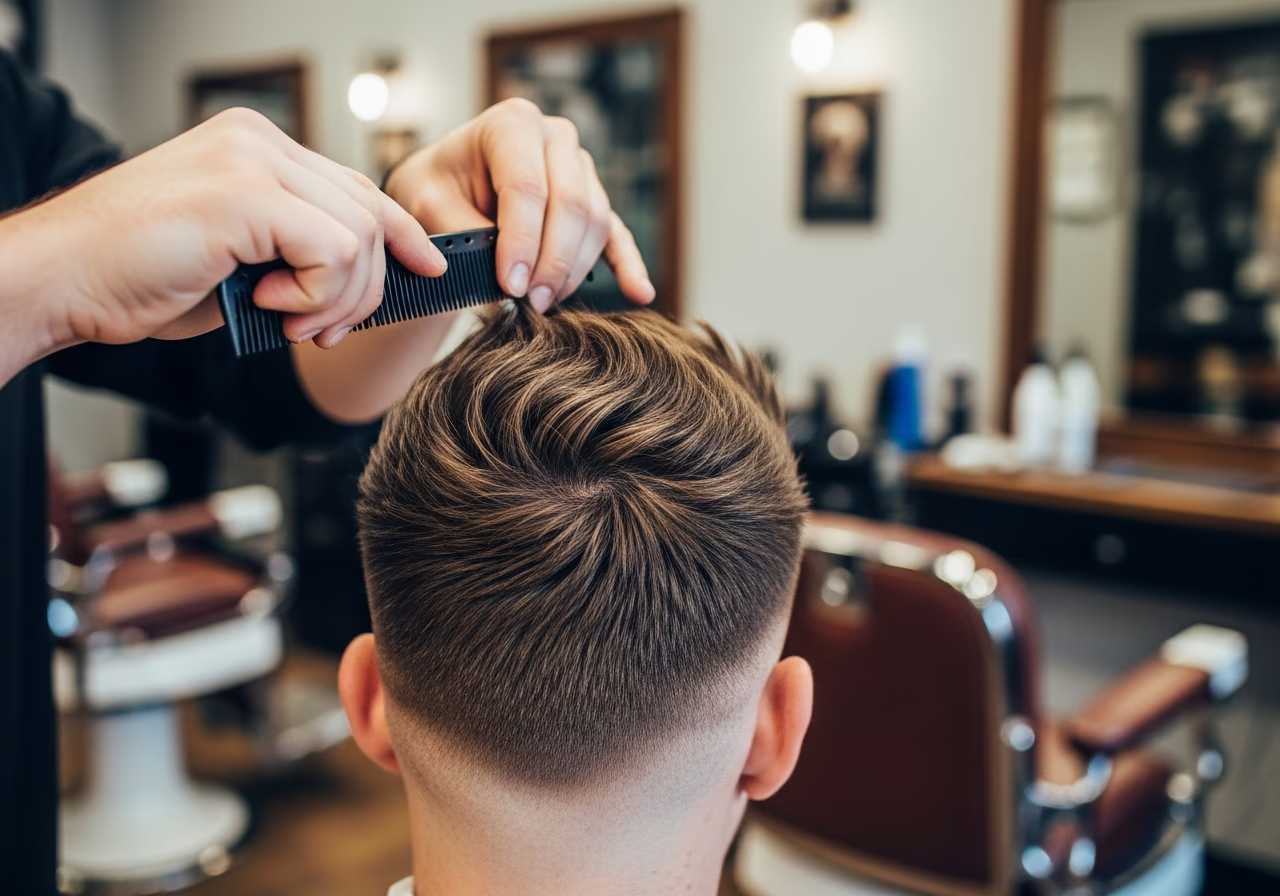
This happens when the cut has no root lift. The hair lies flat against the scalp immediately after the oily scalp reactivates (which takes 2–4 hours after washing). The hair is technically clean but physically resting on an oil-producing surface. The fix is not a different shampoo or more frequent washing: it's root texturing that keeps the hair physically lifted away from the scalp even as oil returns. Ask your barber for 'maximum root texturing throughout the top.' This one change makes a noticeable difference.
6. What's the difference between oily scalp and product buildup?+
Oily scalp produces greasiness from within: sebum from the scalp's sebaceous glands. Product buildup produces a similar greasy look but from outside, products that weren't fully washed out. Test: if your hair looks greasy within 4–6 hours of washing with no product applied, it's oily scalp. If greasiness develops gradually over a few days and is concentrated where you apply product, it's buildup. Solution for buildup: clarifying shampoo once weekly. Solution for oily scalp: root-lift haircut + texture powder daily.
7. Can oily scalp cause hair loss or thinning?+
Chronic oily scalp can contribute to hair loss if it's associated with seborrheic dermatitis or folliculitis (scalp inflammation from bacteria in excess sebum). Signs to watch for: itching, flaking, redness, or tenderness at the scalp combined with hair thinning. In these cases, see a dermatologist before a barber. For standard oily scalp without inflammation, the oils themselves don't cause hair loss, but the styling stress of trying to manage greasy hair (excessive washing, heat tool use) can cause mechanical damage that contributes to thinning.
8. How do I style an oily scalp haircut at home like my barber?+
The oily scalp styling routine: 1) Wash with clarifying shampoo and condition (conditioner on mid-lengths and ends only: never scalp). 2) Towel-dry until damp but not wet. 3) Apply texture powder to roots while hair is still slightly damp. 4) Blow-dry with concentrator nozzle pointed upward at roots. This creates and sets the root lift. 5) Ensure hair is fully dry. 6) Apply matte clay to root zone only with fingertips, working outward. 7) Style in desired direction. The blow-dryer step is where most men fail: root lift must be set with heat to hold longer.
9. How do I ask my barber for a cut that handles an oily scalp?+
Say 'keep it short and textured: something that hides oil and lifts at the root rather than lying flat.' A textured crop, short fade, or tapered cut with heavy texturing on top is the move. Tell them long, smooth styles show your oil fast, so you want length kept down and texture built in to break up the shine through the day.
10. Should I avoid pomades and waxes with an oily scalp?+
Mostly, yes. Shiny, oil-based pomades and heavy waxes add to the greasy look and sit on an already-oily scalp. Switch to a matte clay or a styling powder. They absorb shine instead of adding it and give texture that disguises oil. Apply to mid-lengths and ends, keep it off the scalp, and a little dry shampoo at the roots stretches the fresh look further.
Final Takeaway
Oily scalp haircuts that stay fresh all day are a significant improvement in 2026. With 35 distinct styles specifically engineered with heavy root lift and texturing to fight greasiness and keep hair looking clean from morning to night, this guide gives you more practical, long-lasting, and face-flattering options than any other source. Show your barber the exact style, use the three-word script: "maximum root lift": and follow the matte-product-only rule. You'll have a fresh, confident haircut that stays fresh all day long.
The right cut beats the best product. Root lift is the answer.