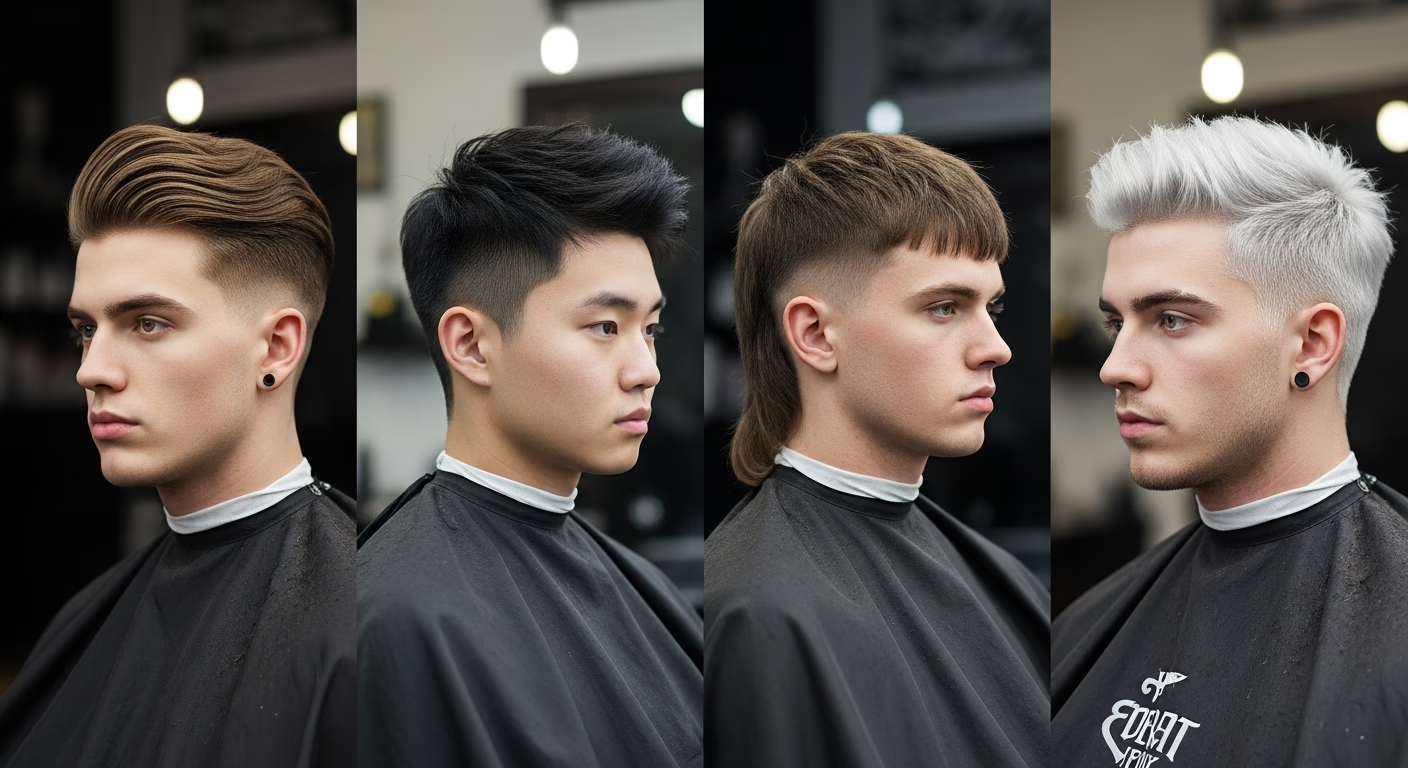
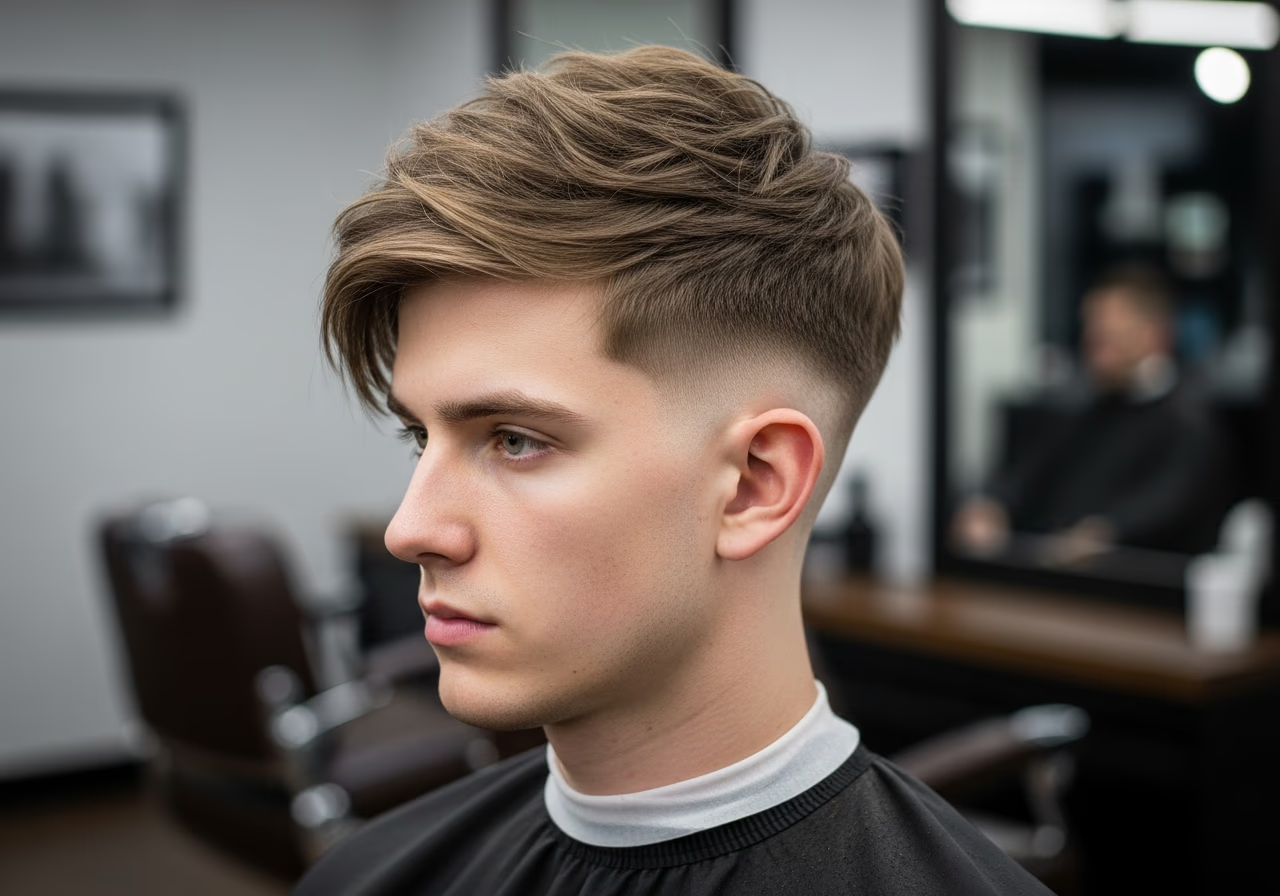
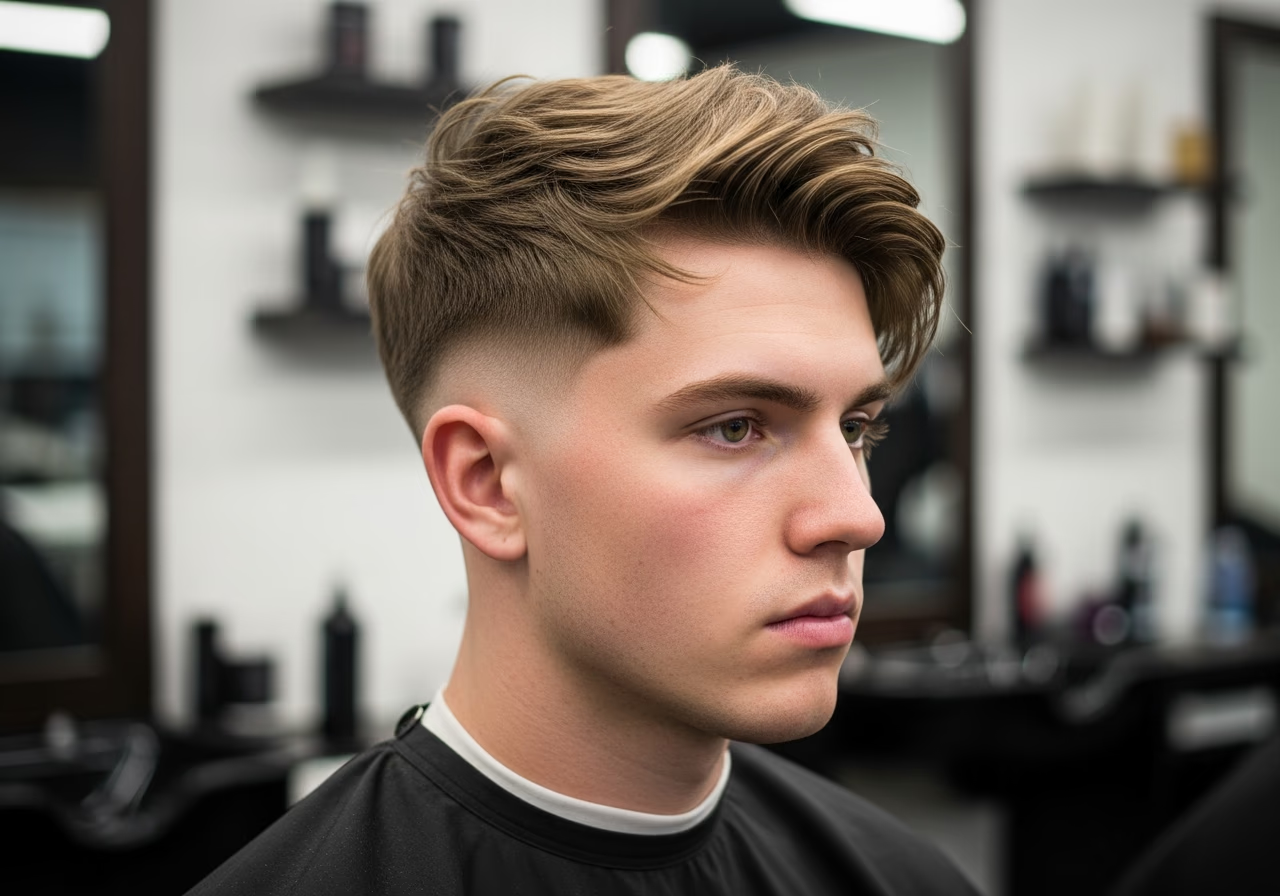
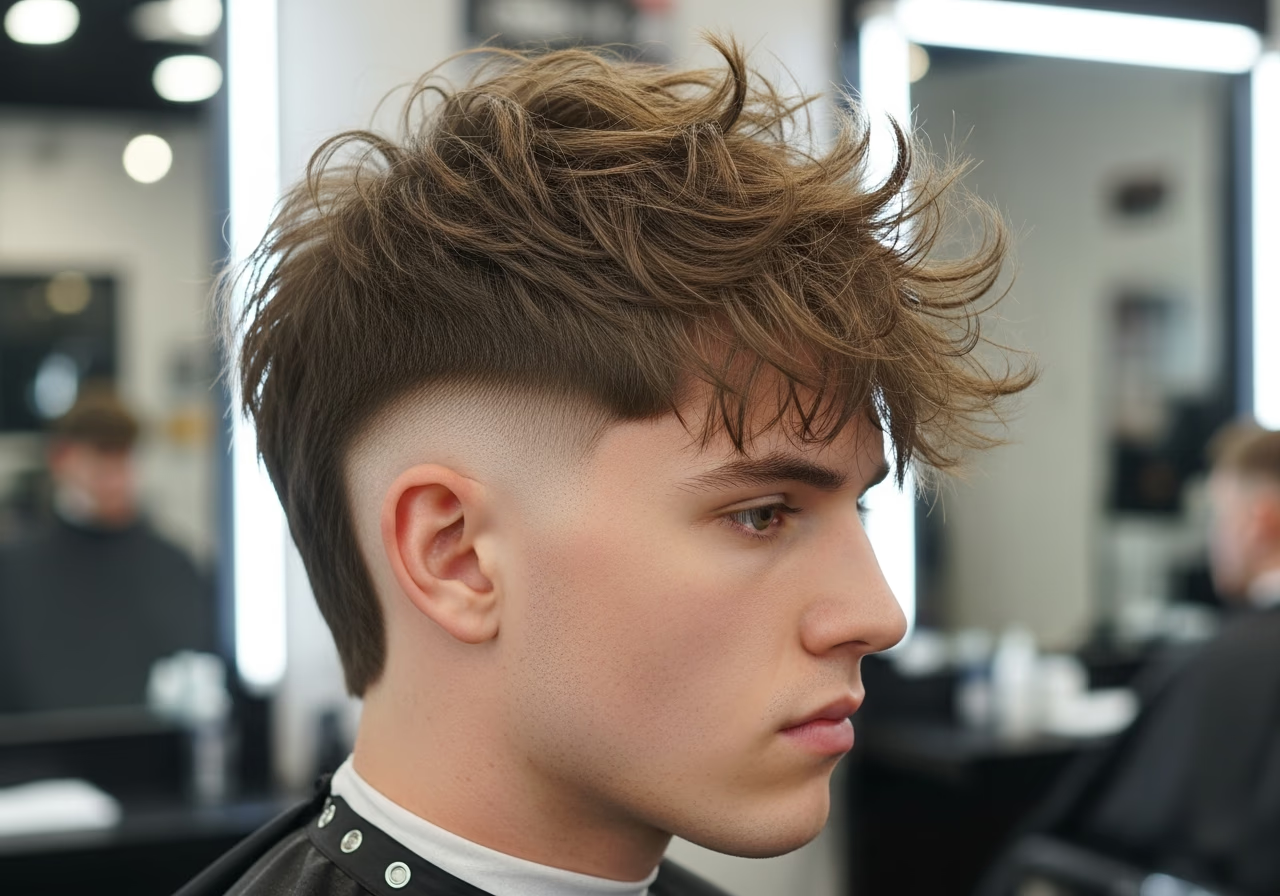
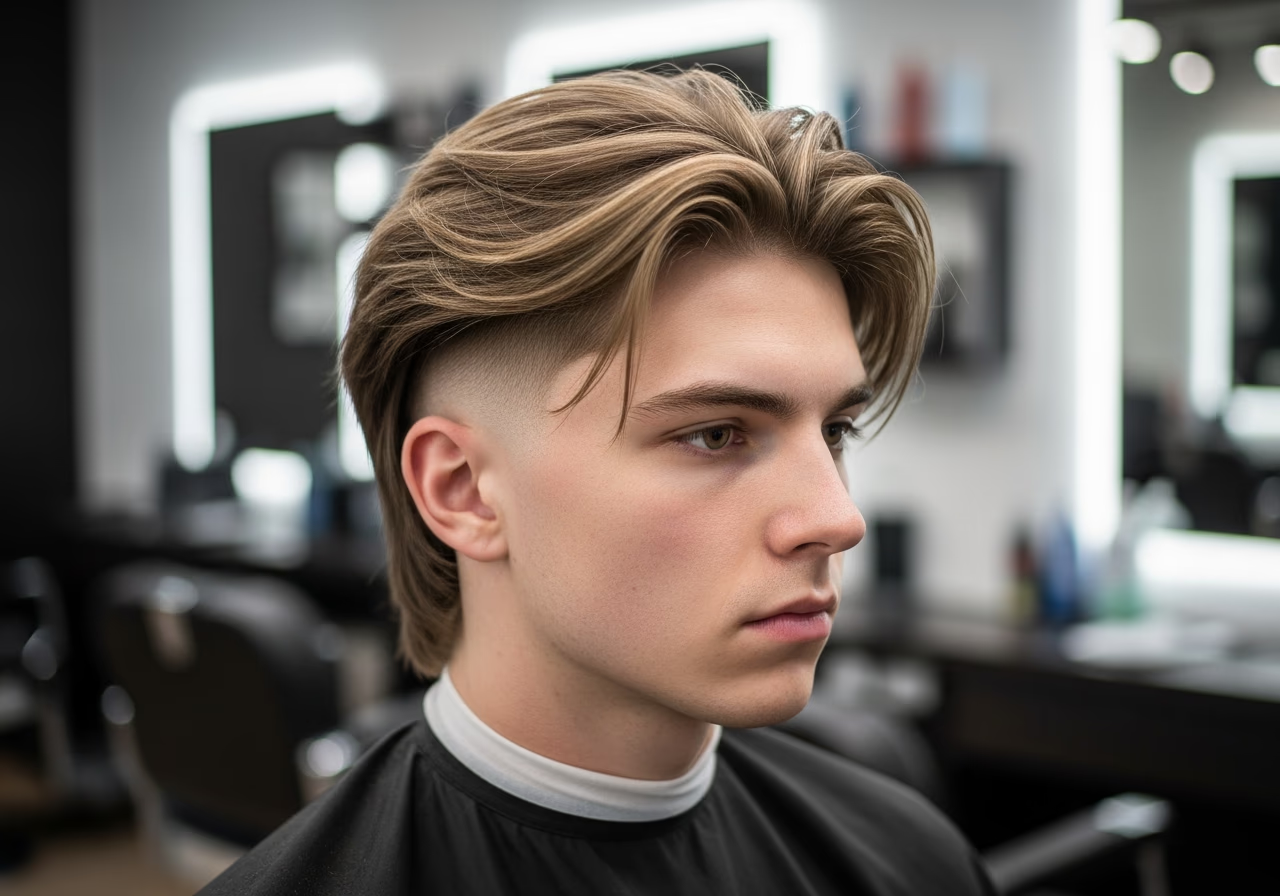
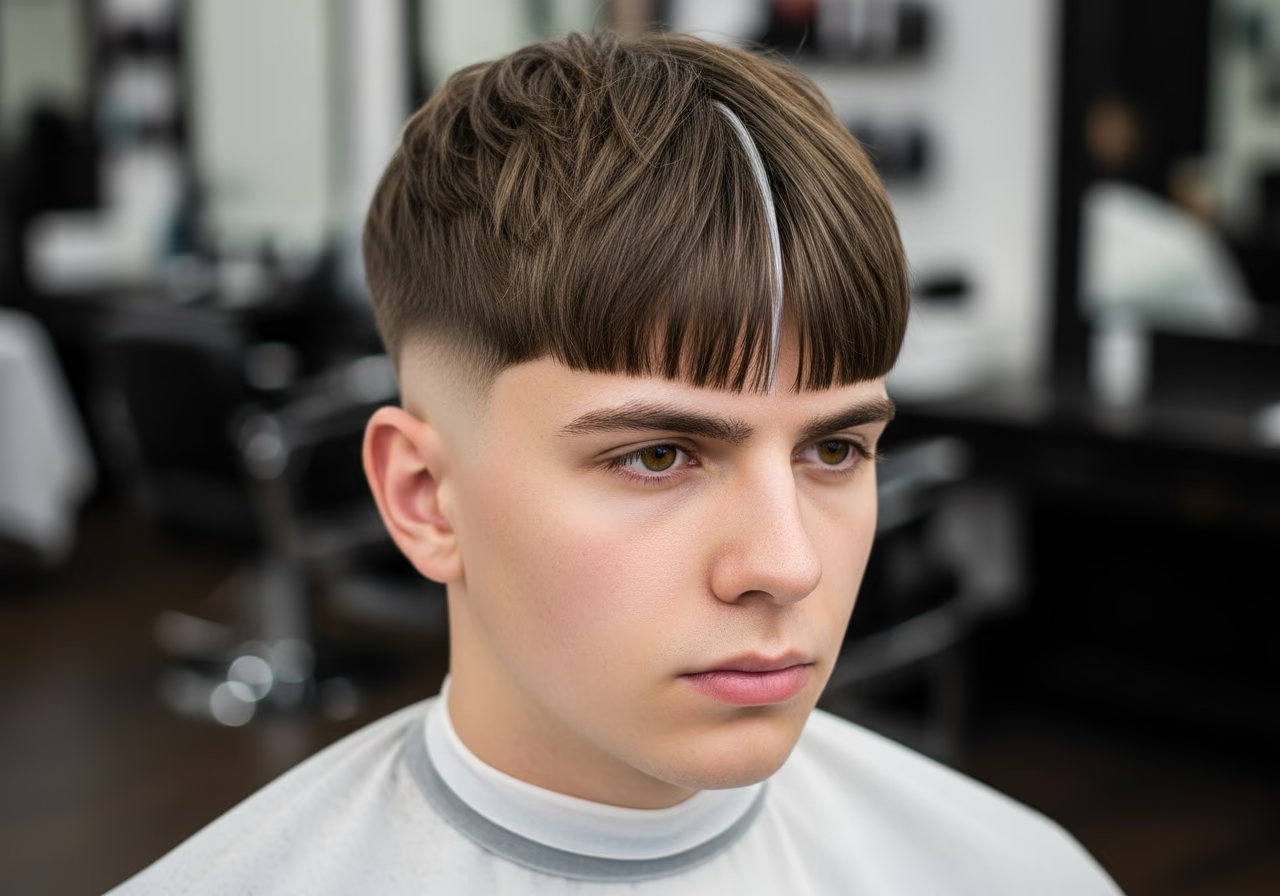
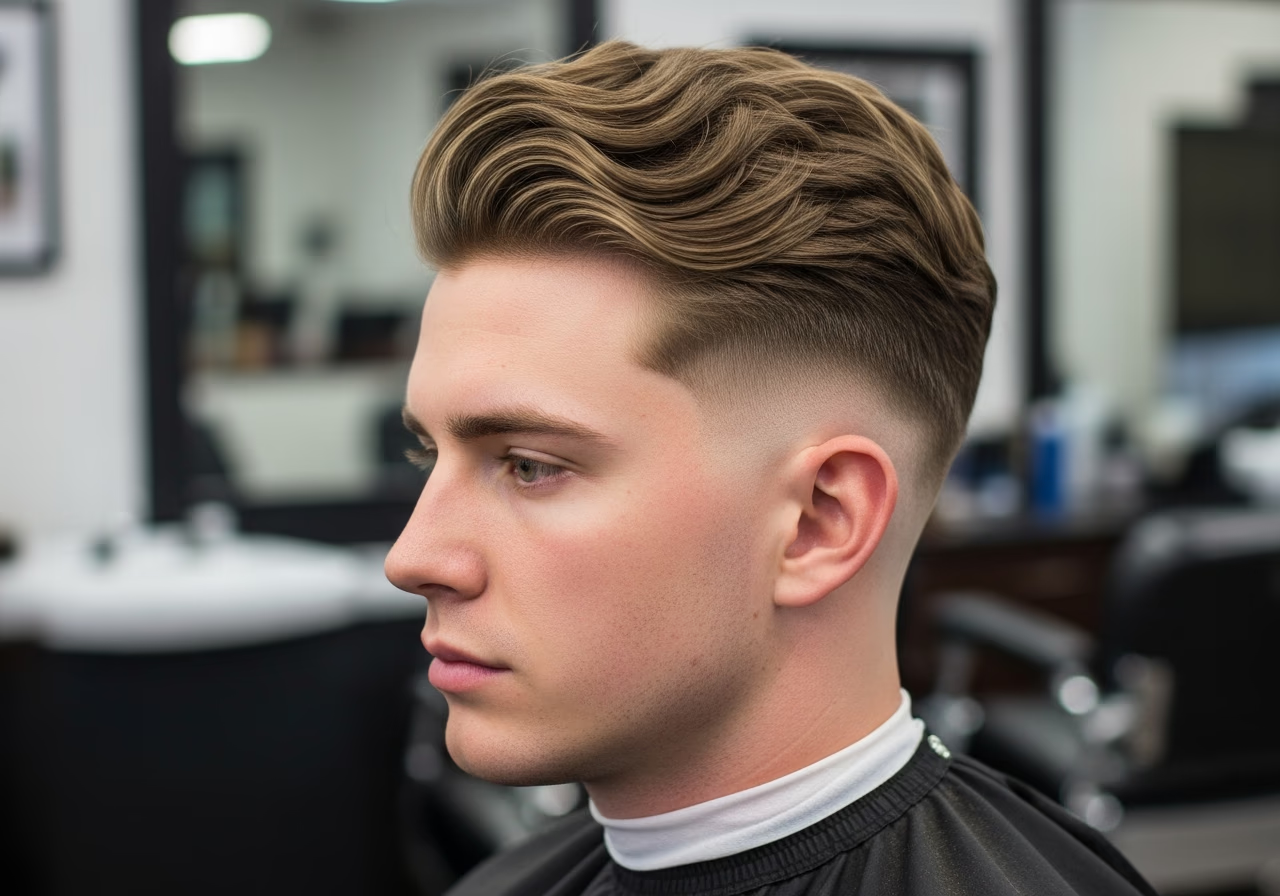
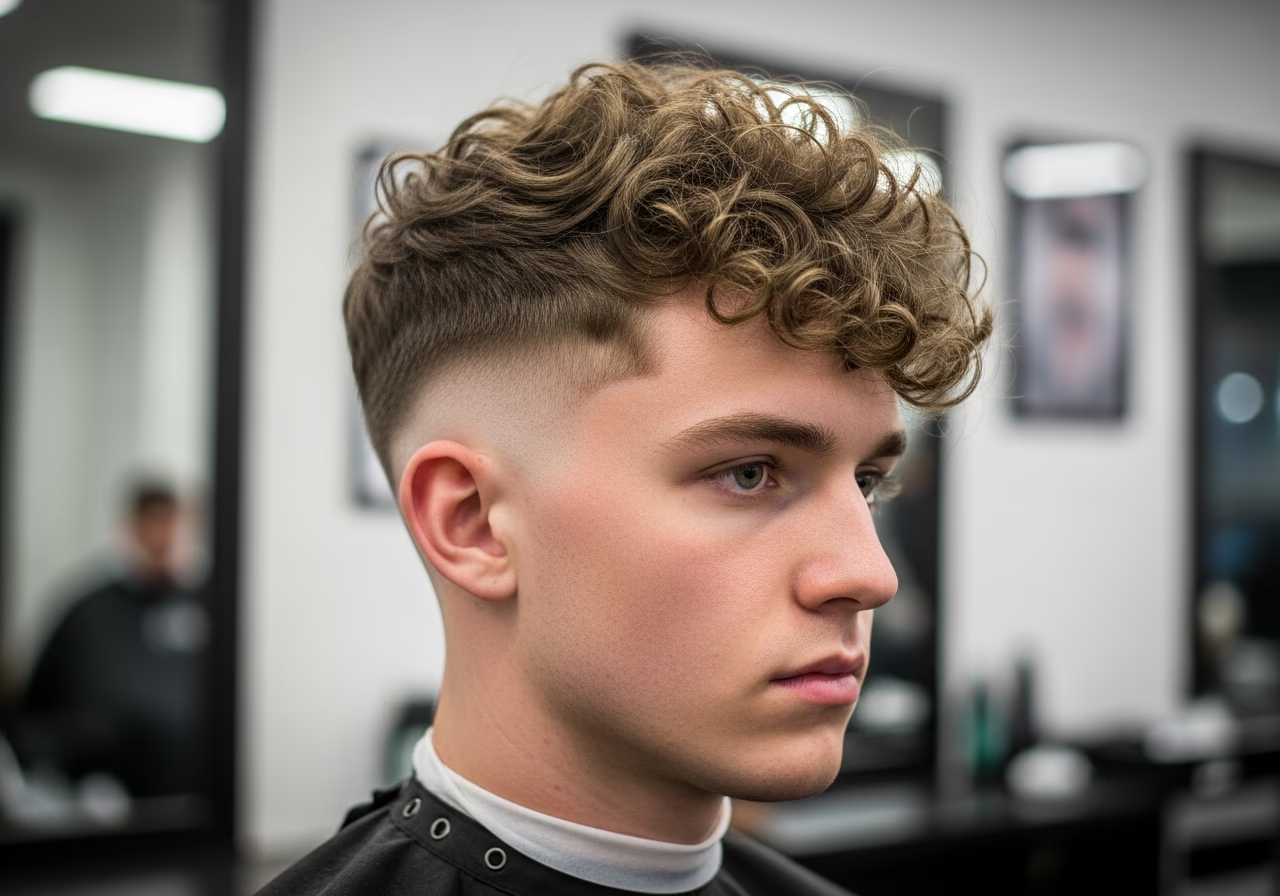
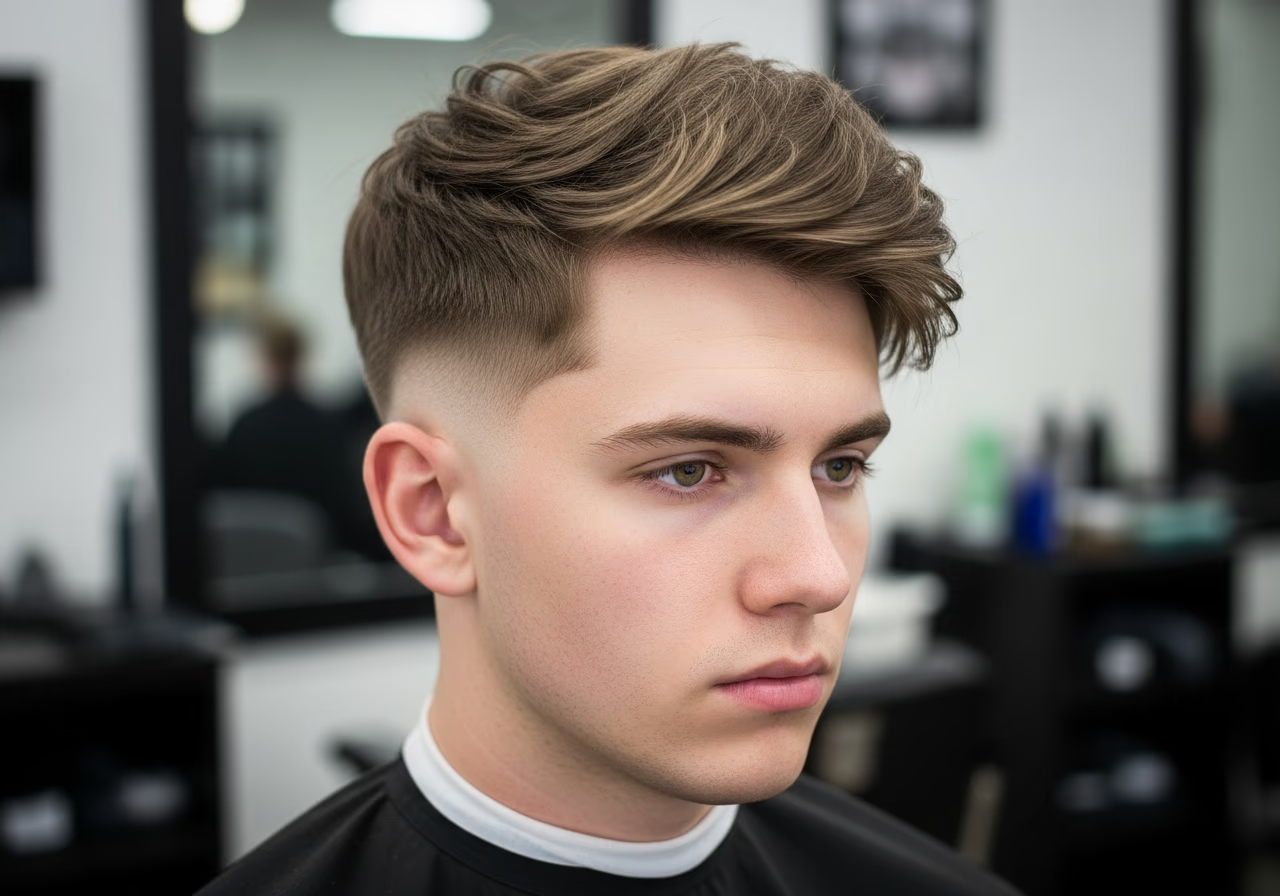
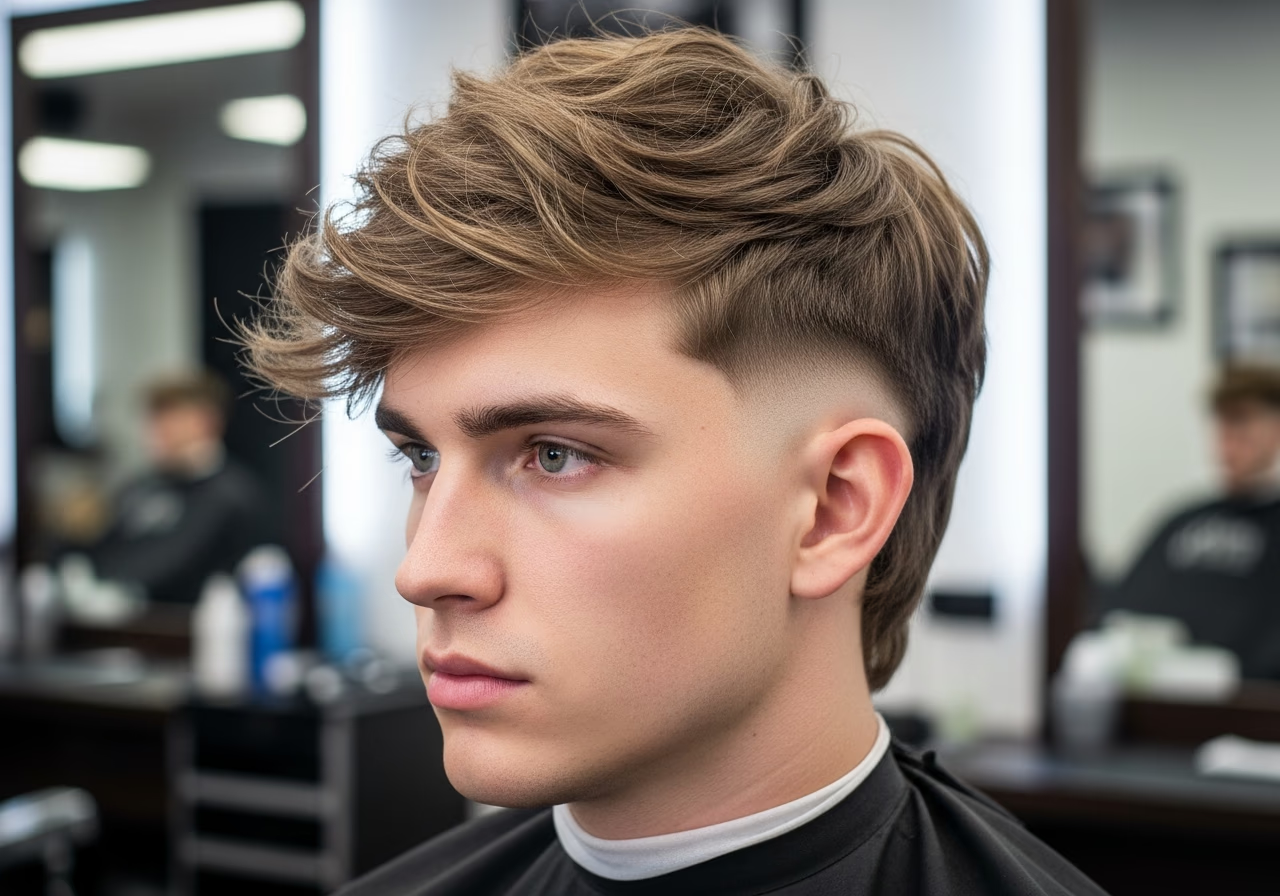
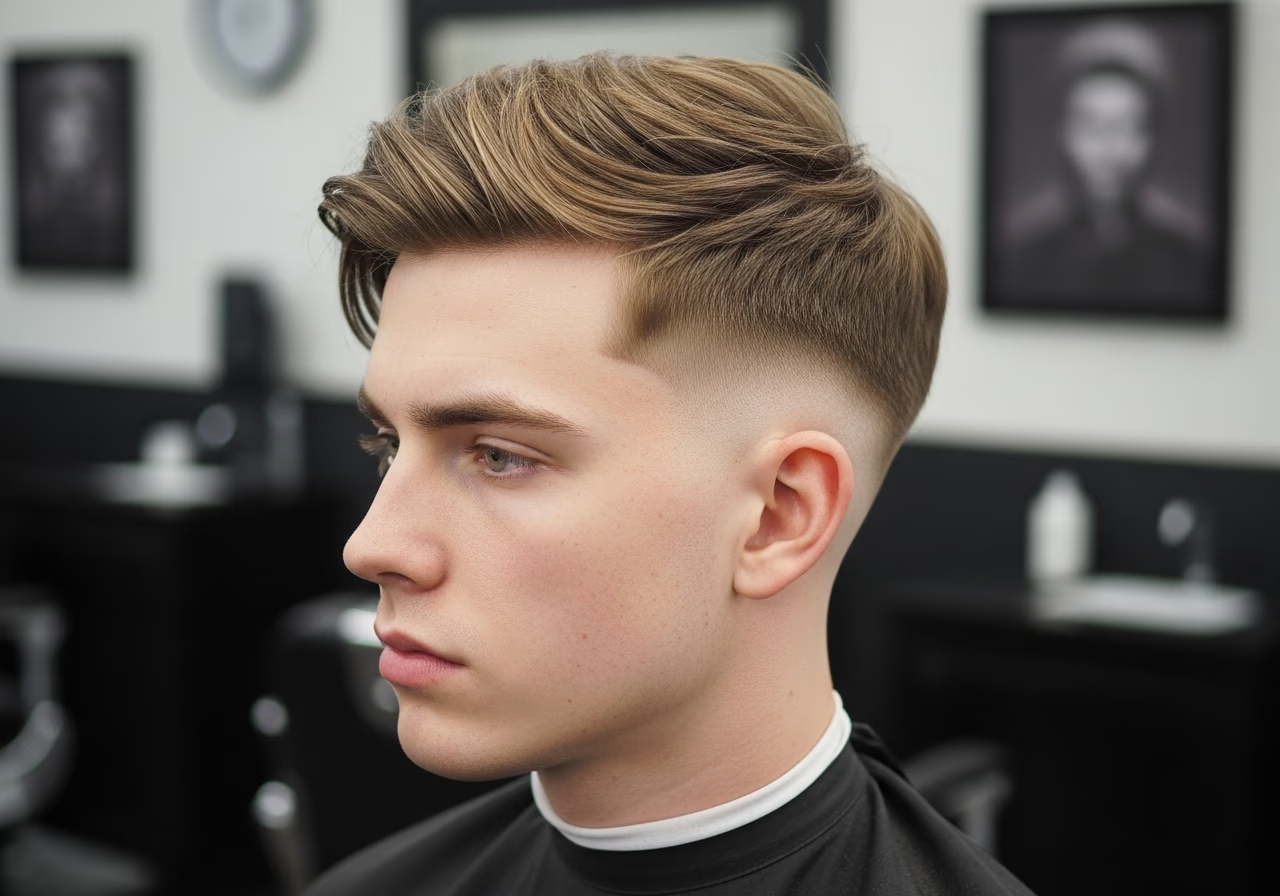
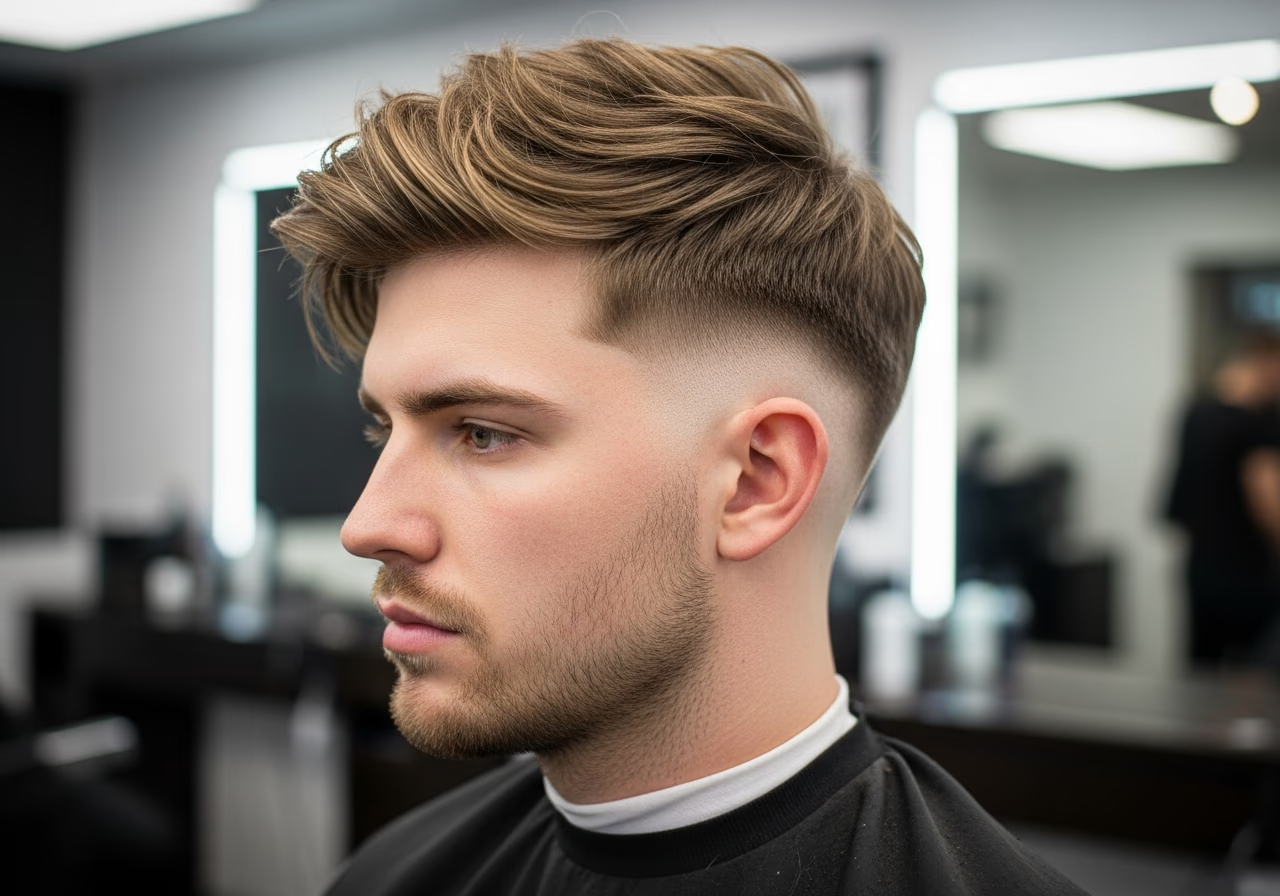
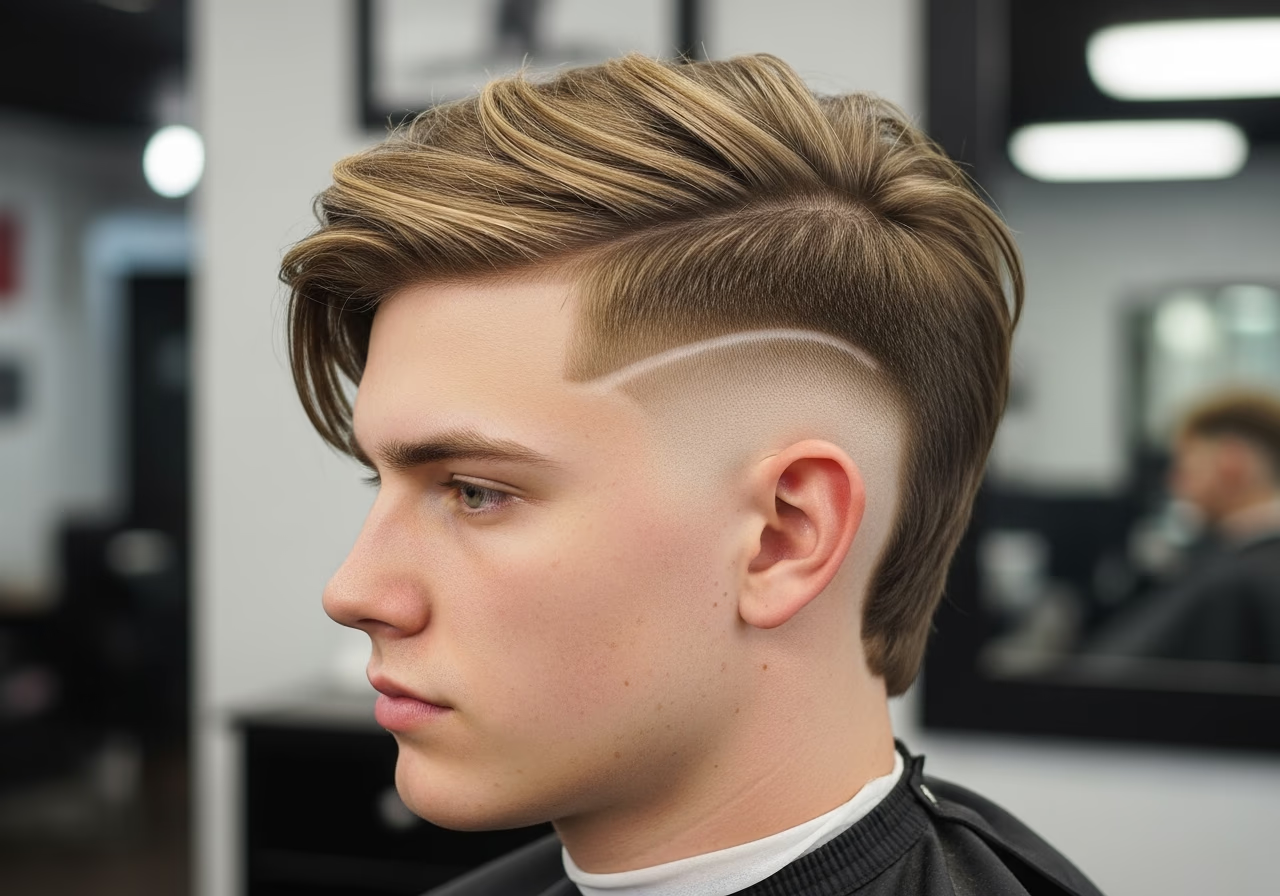
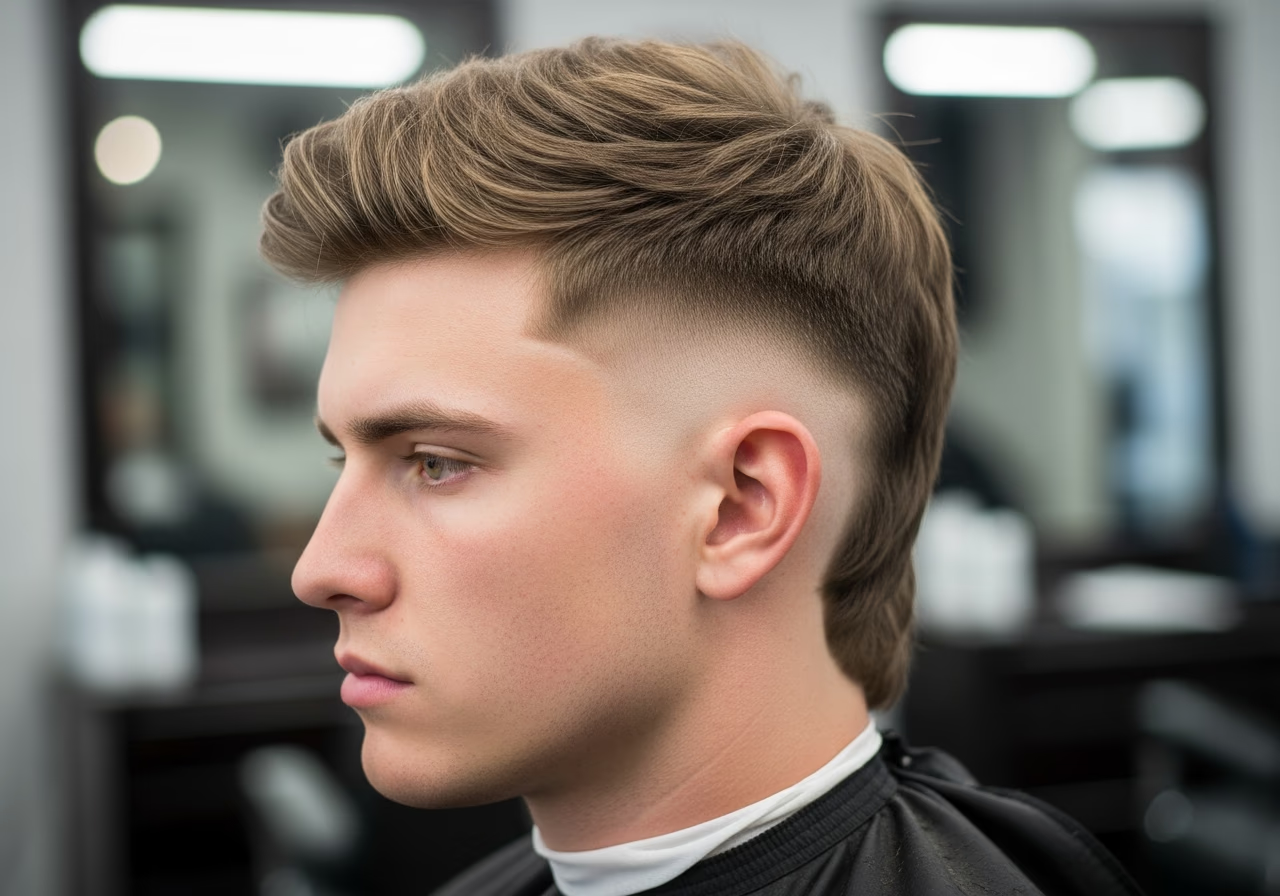
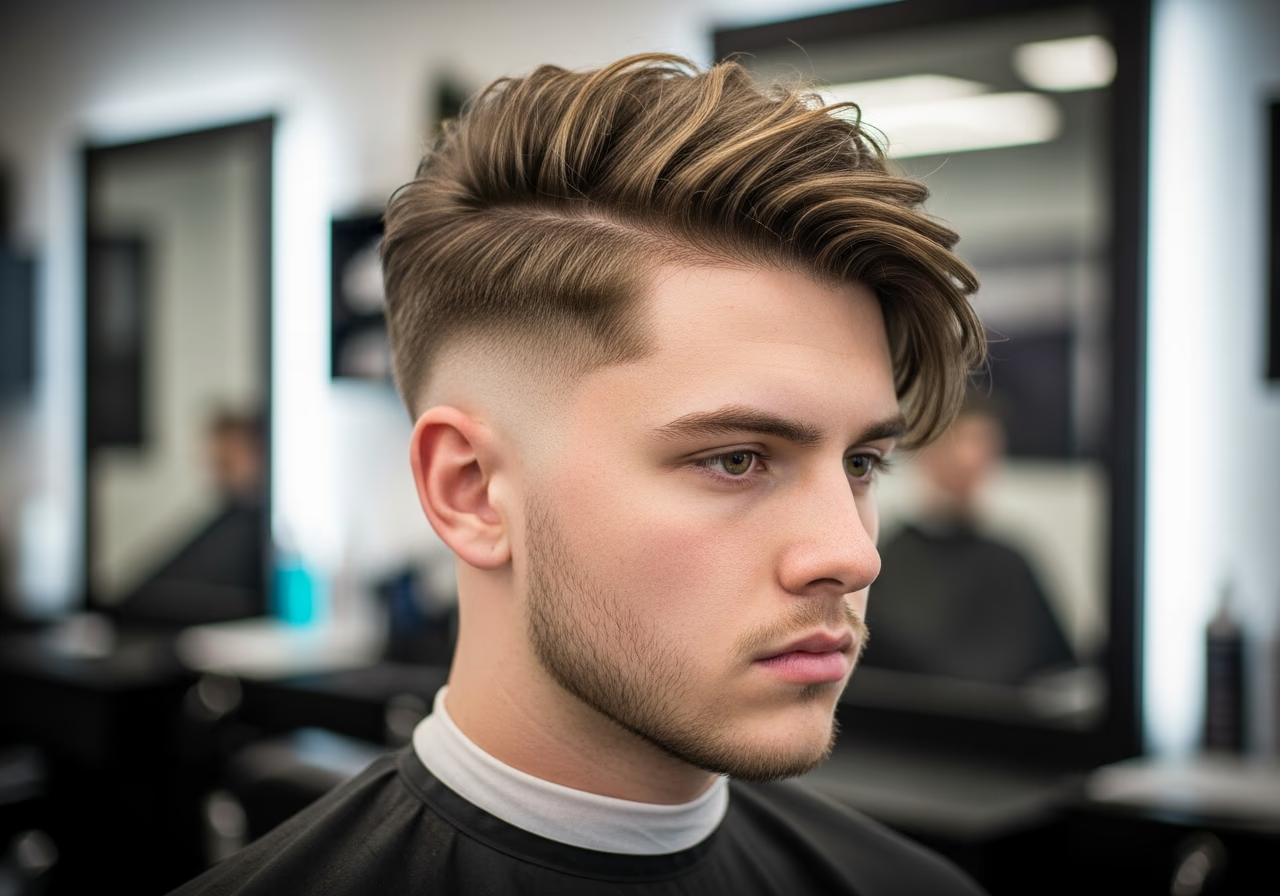
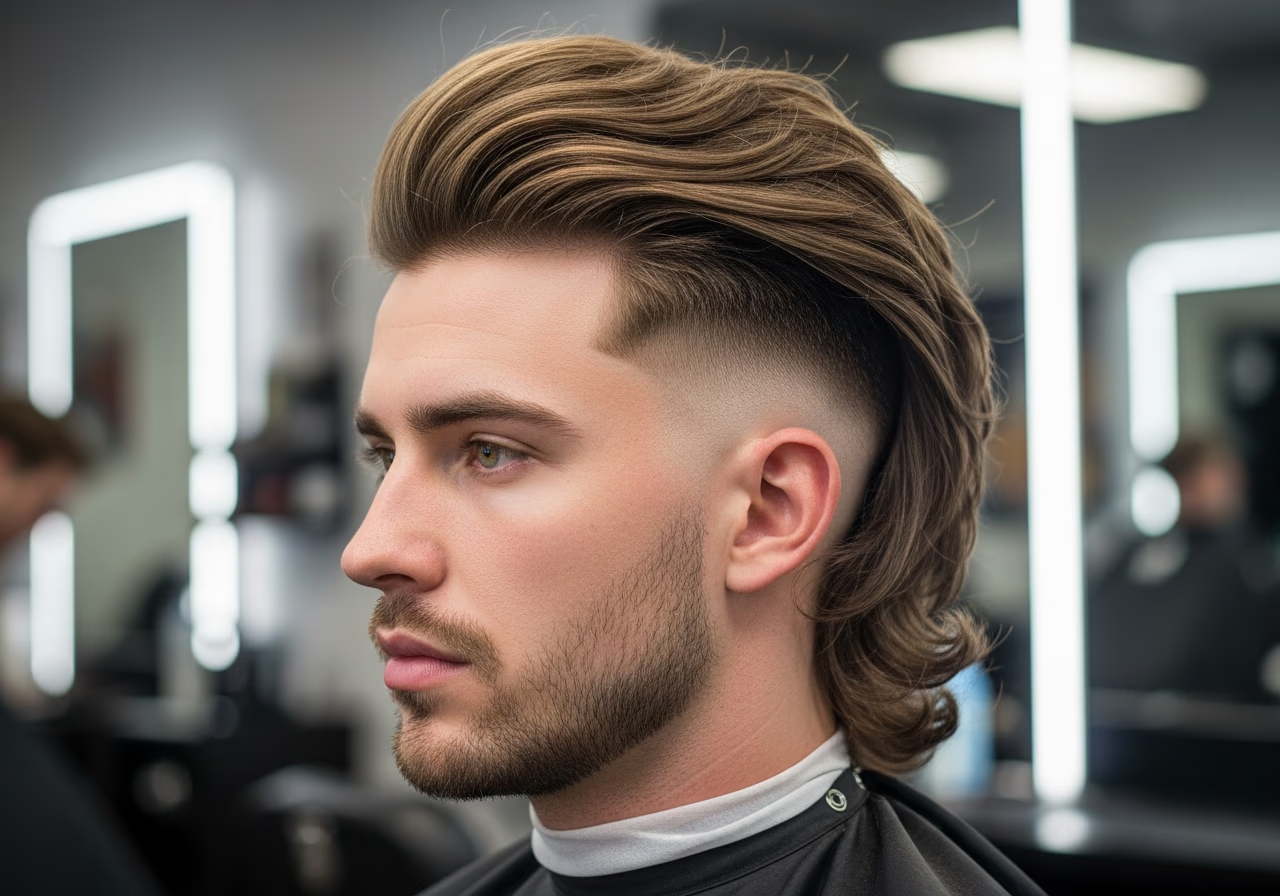
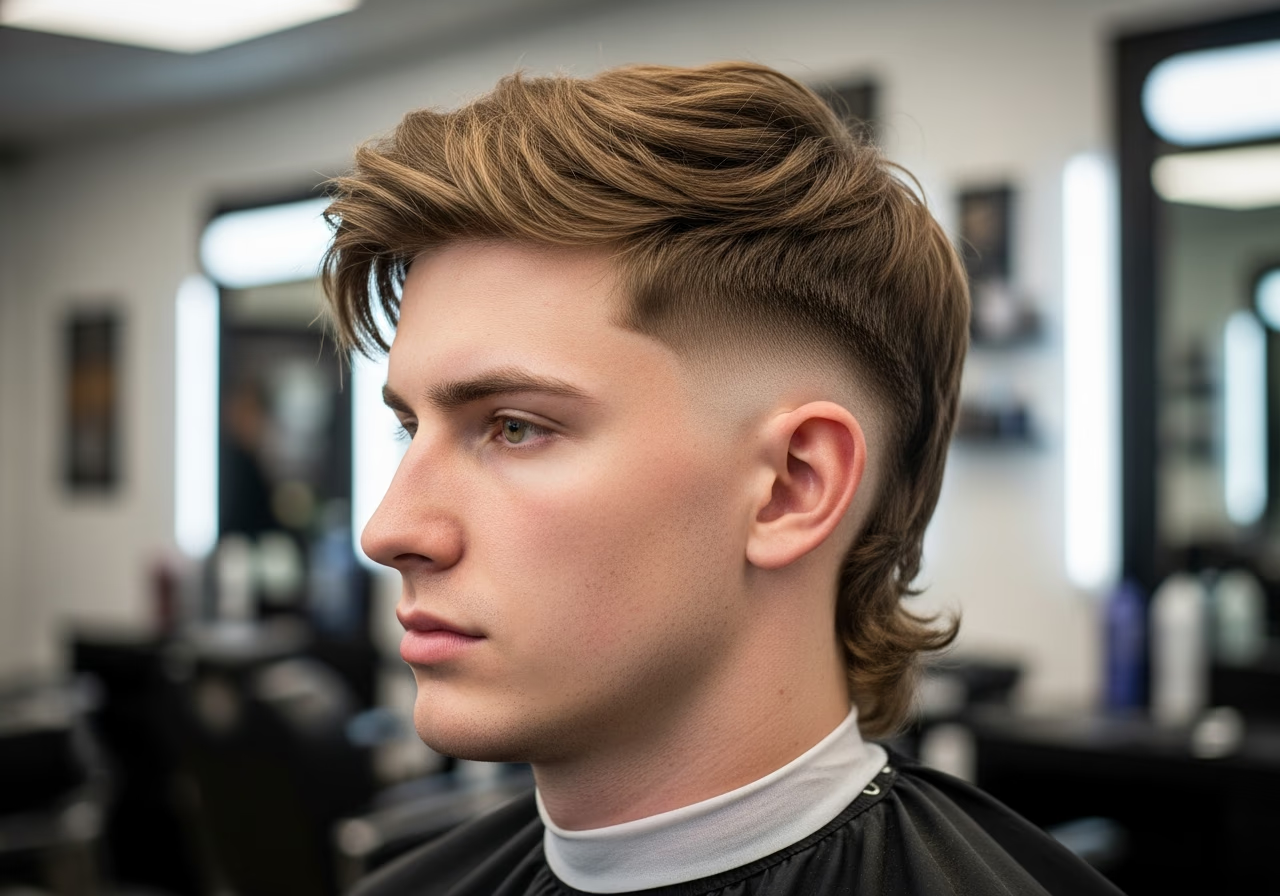
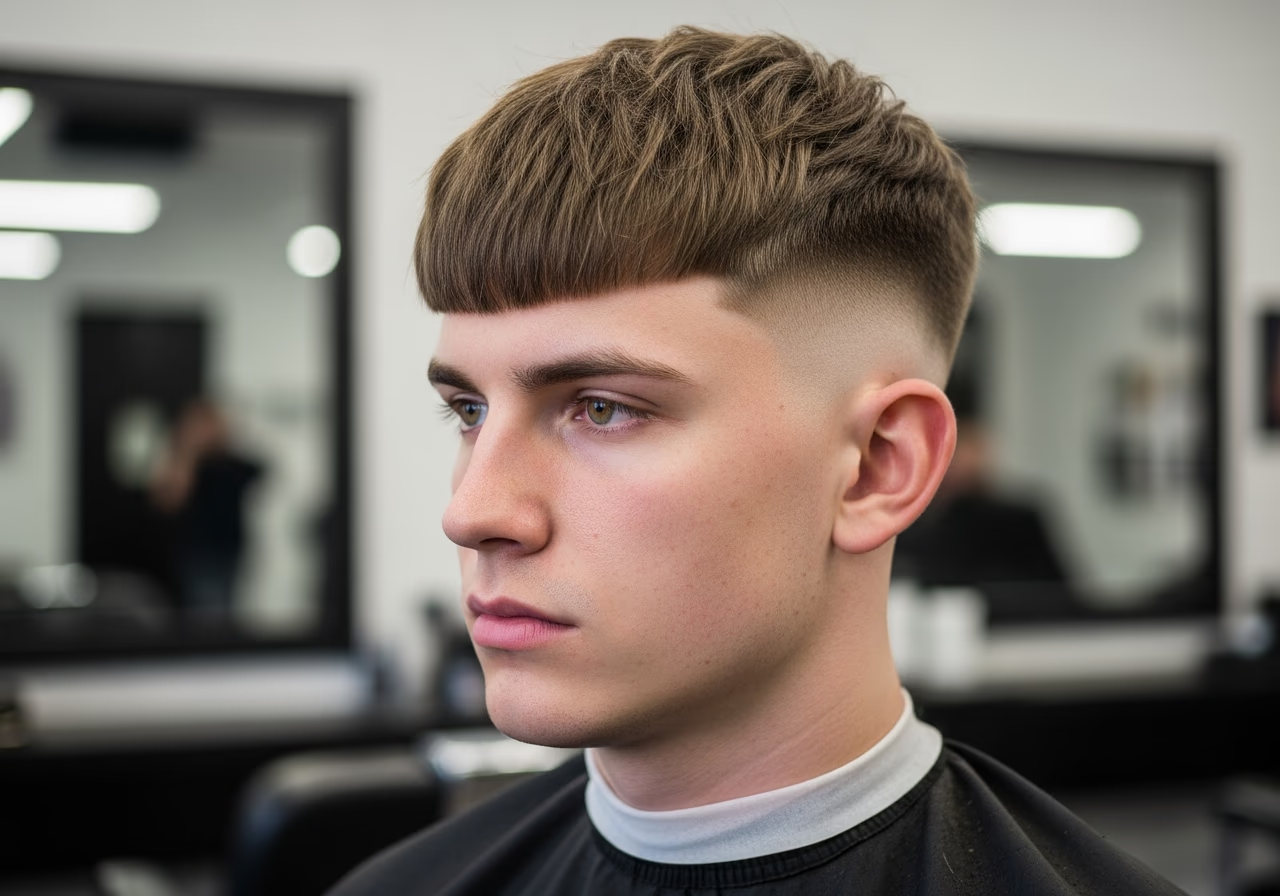
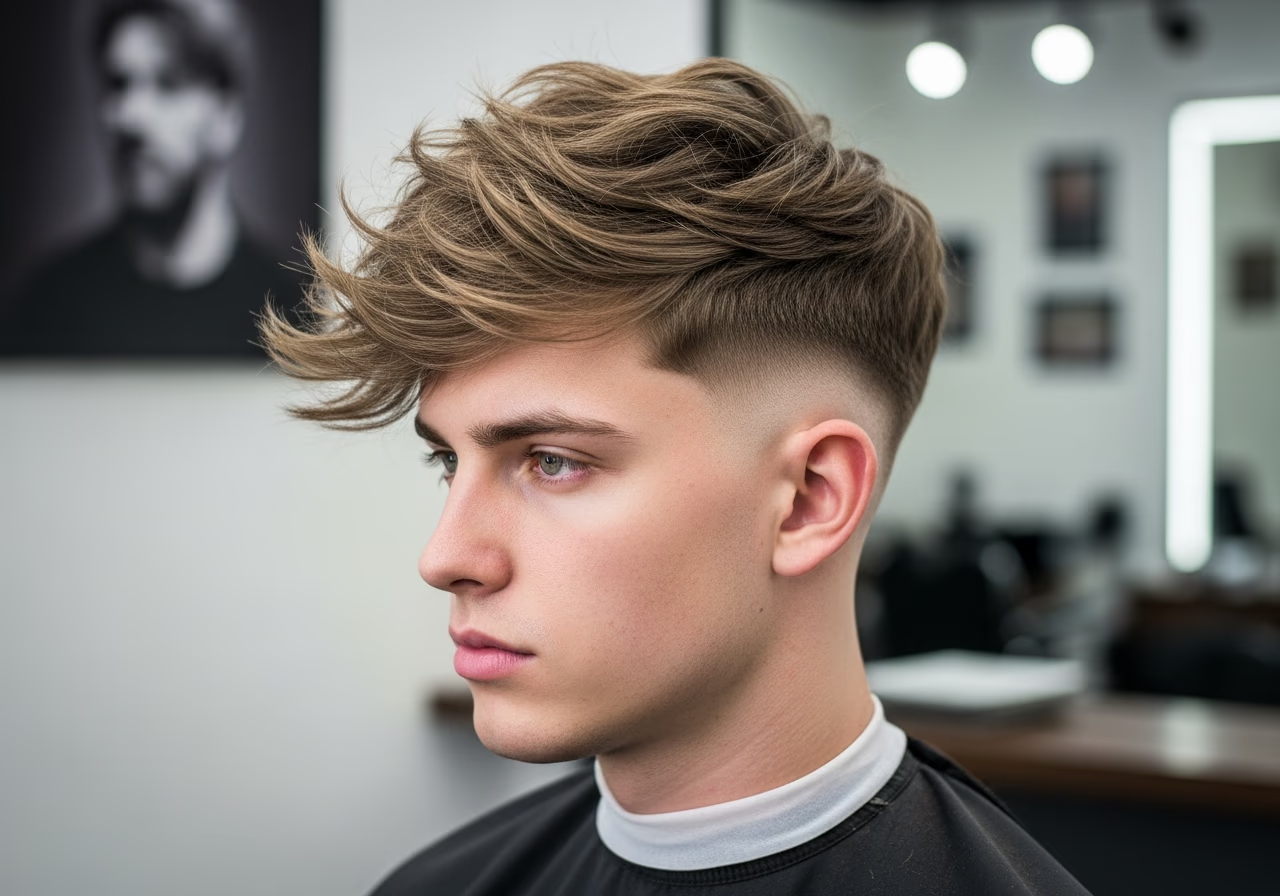
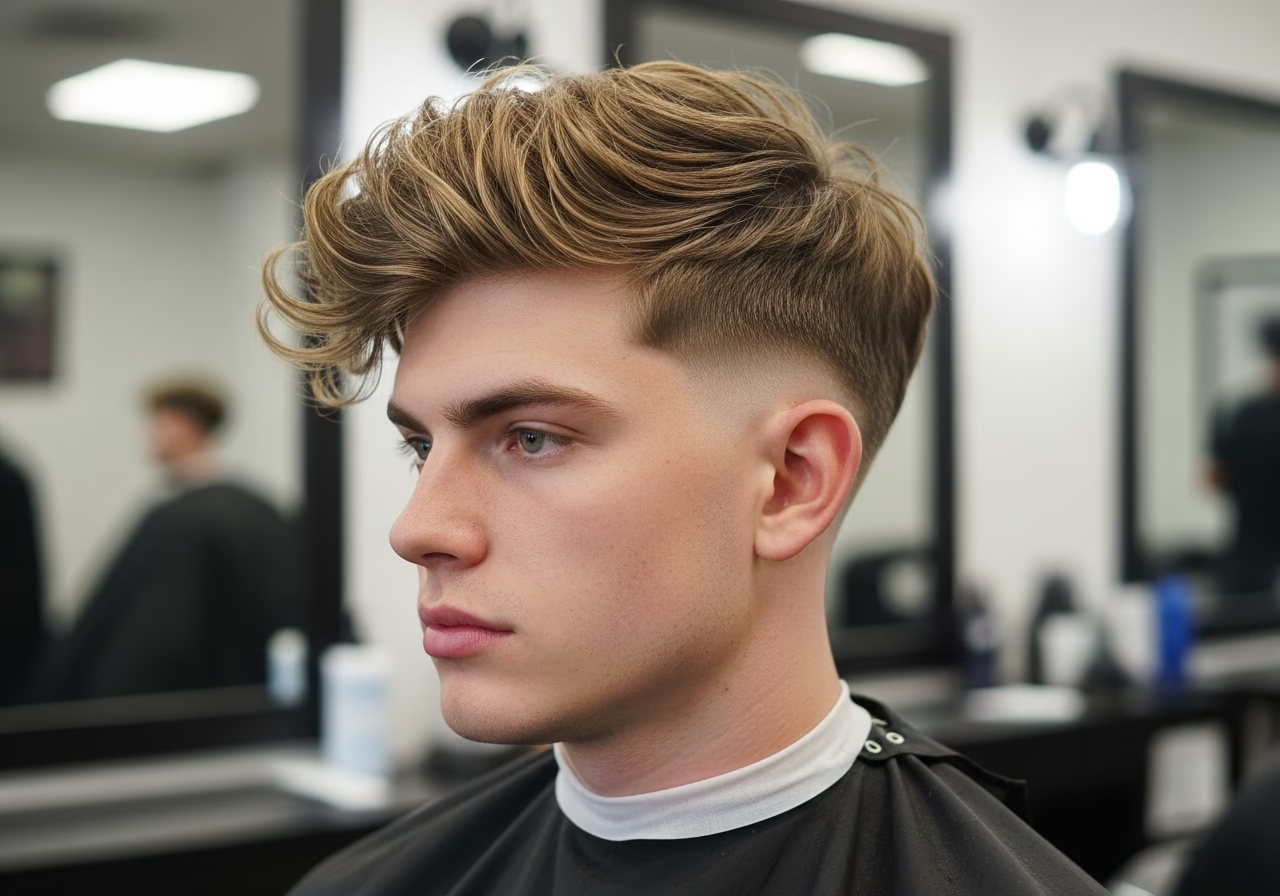
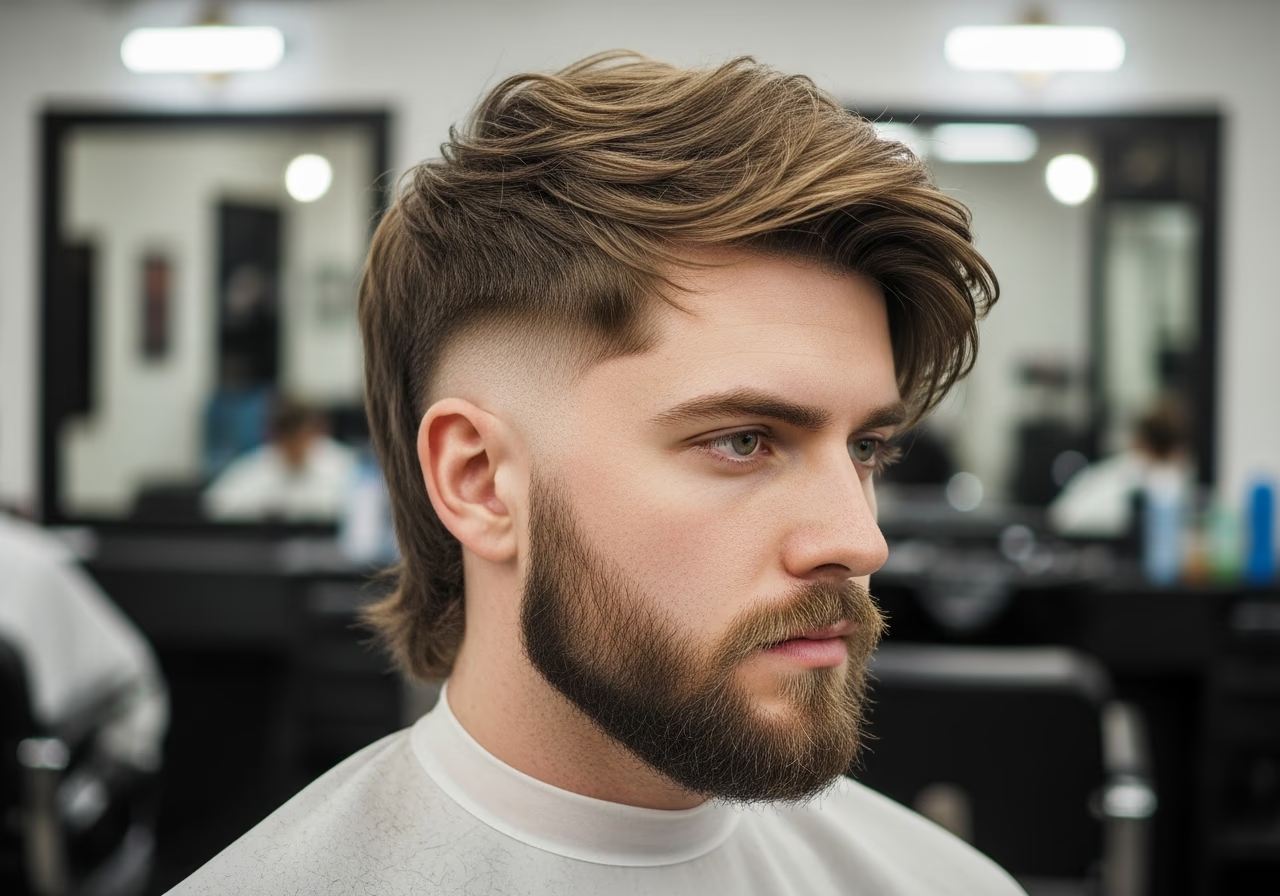
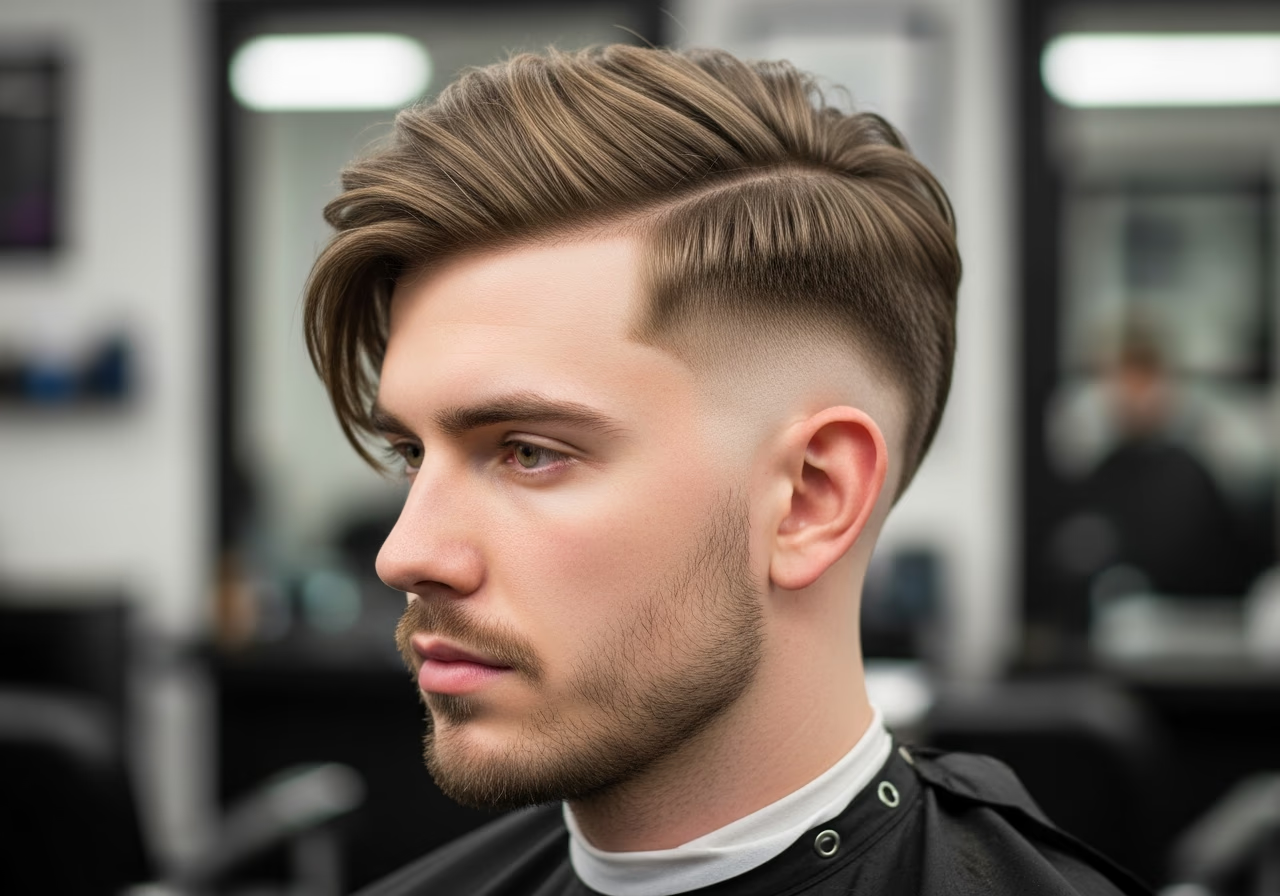
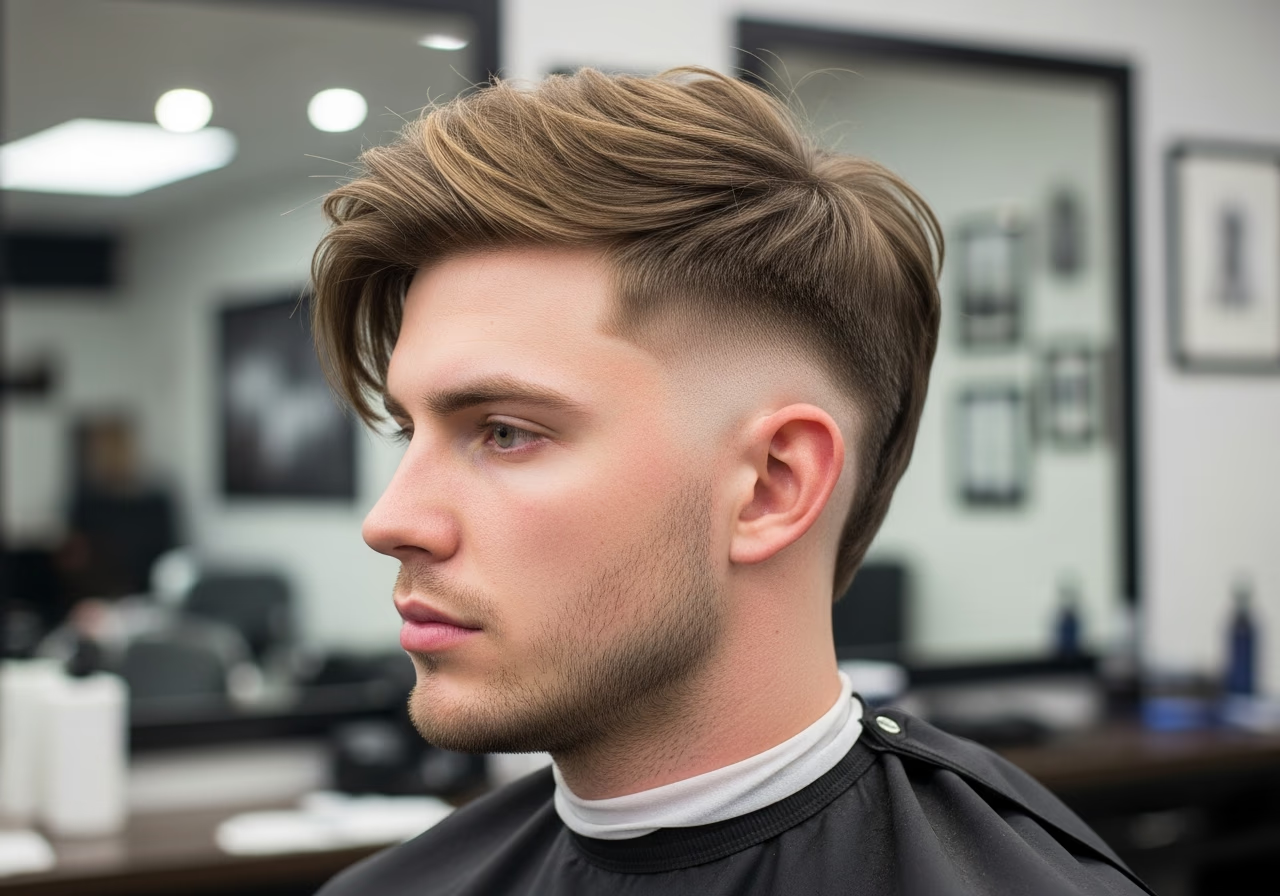
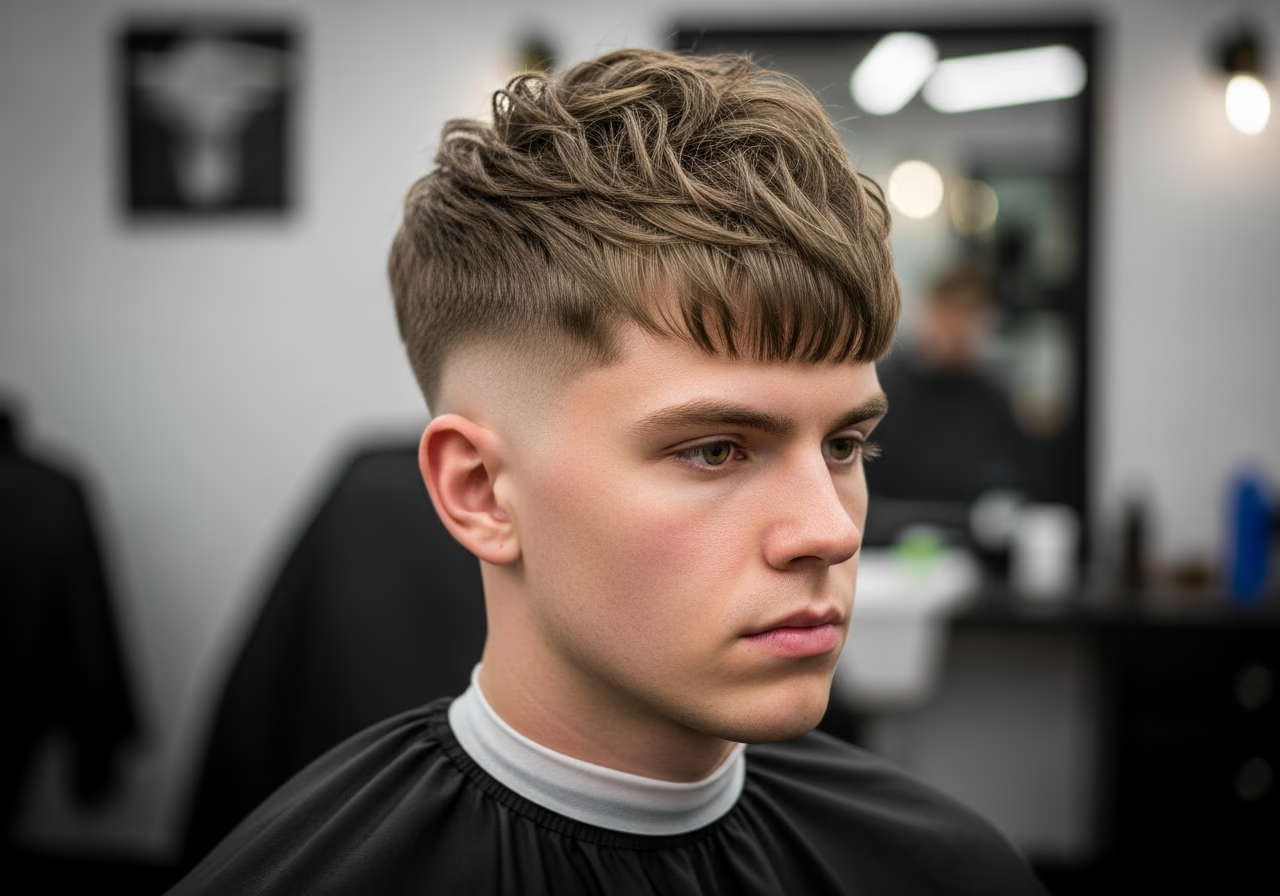
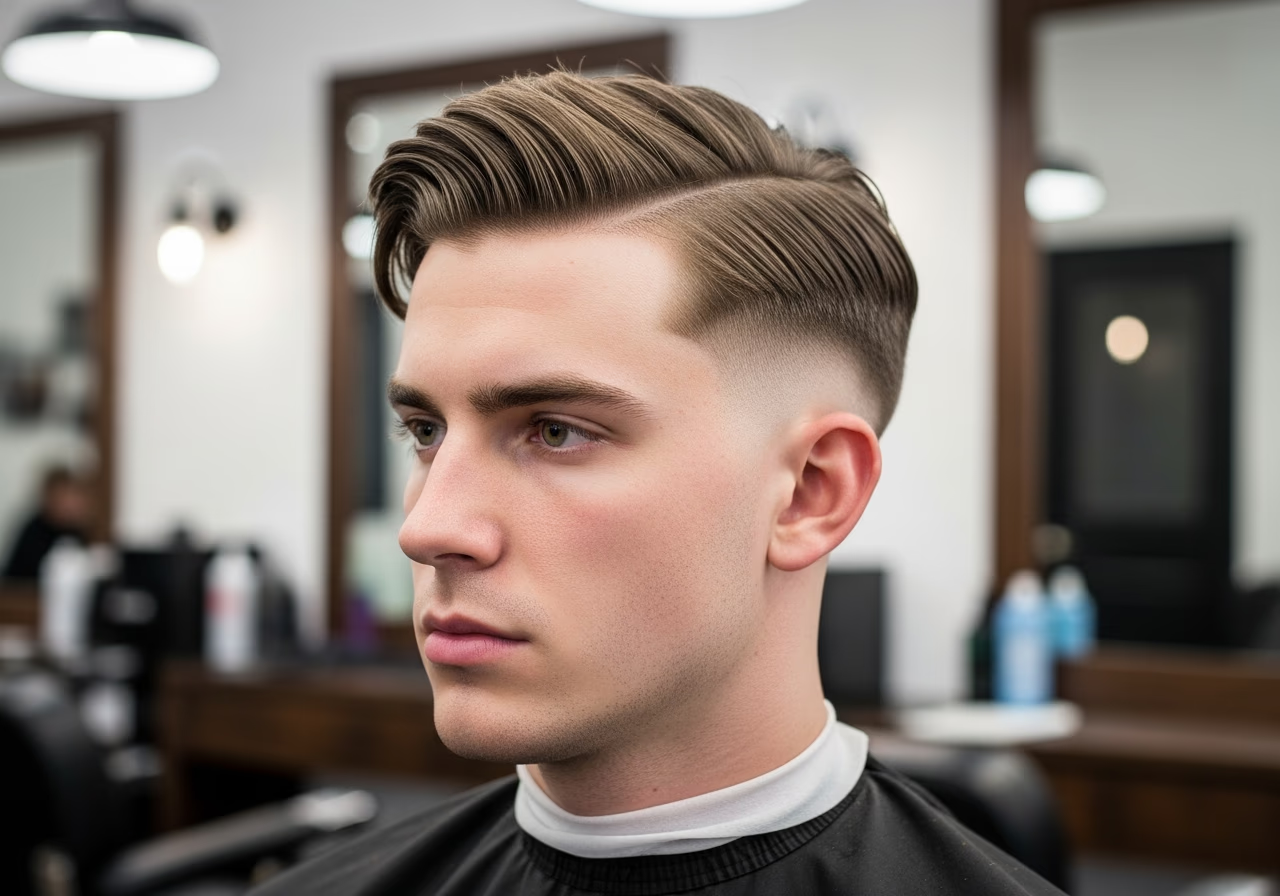
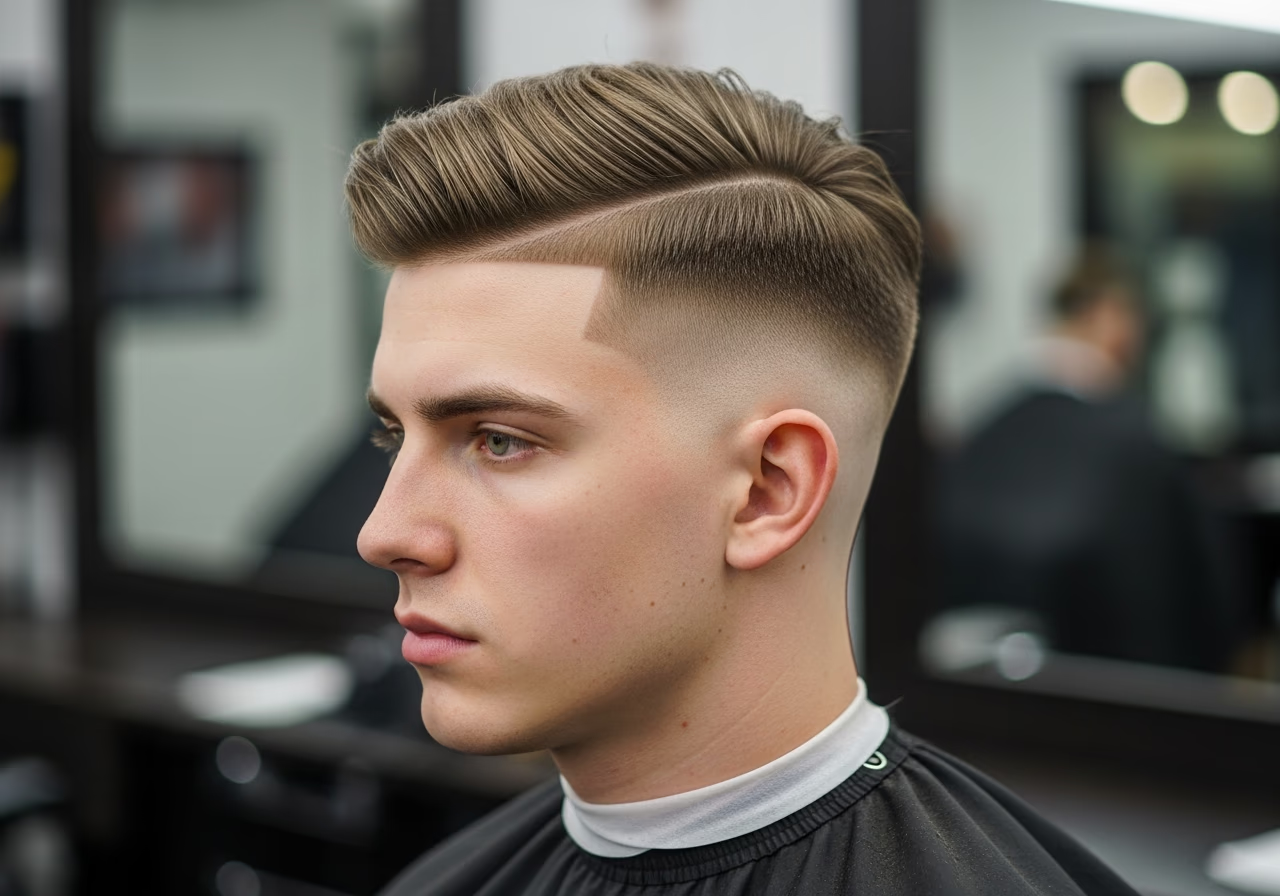
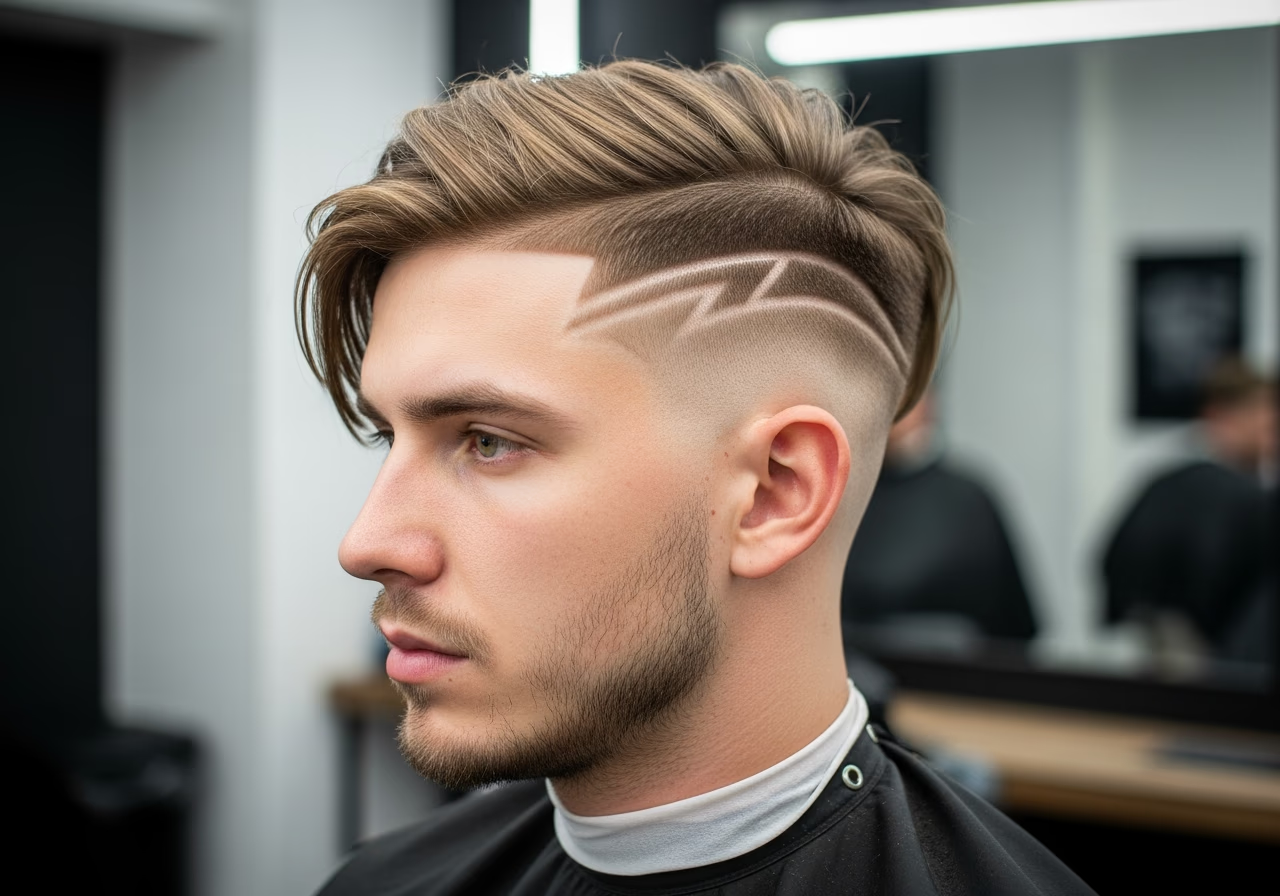
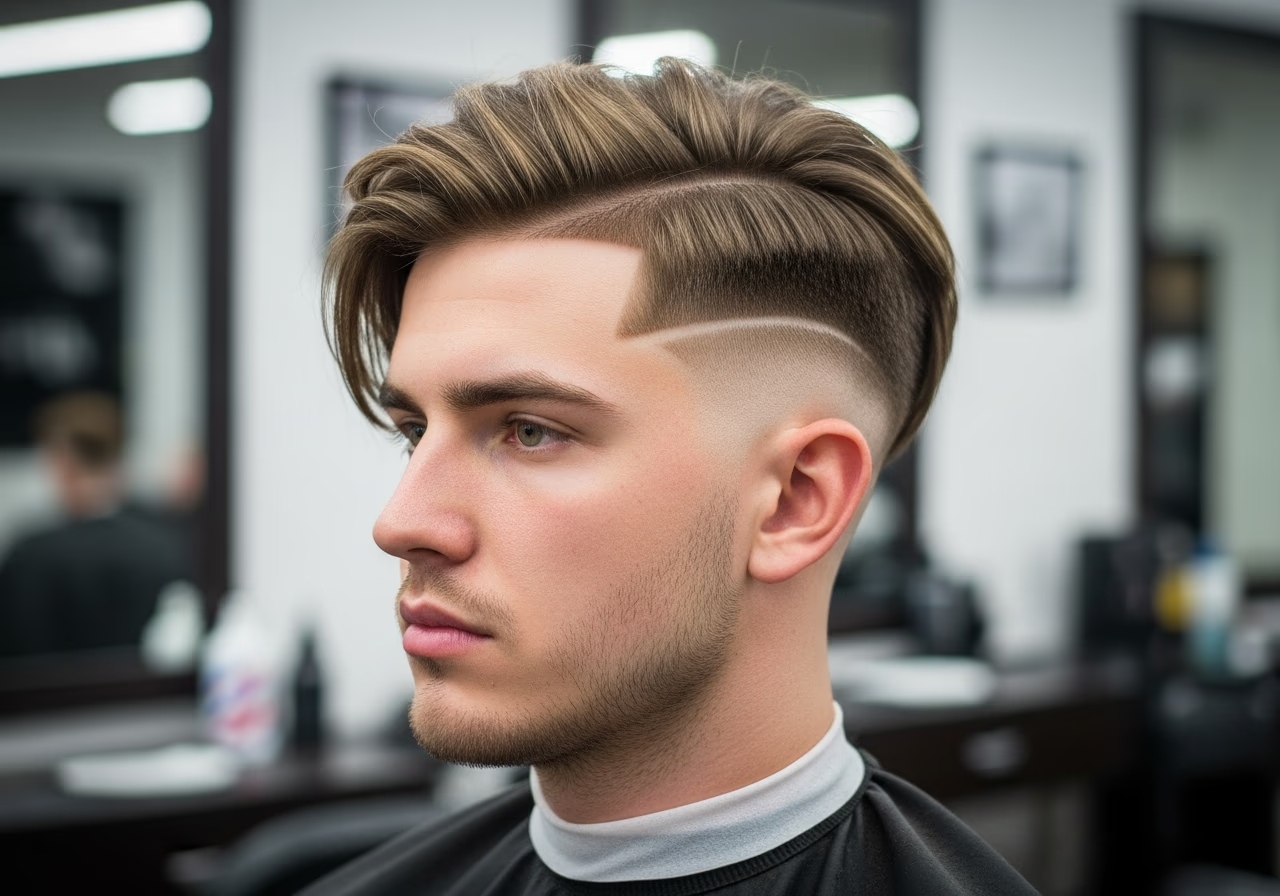
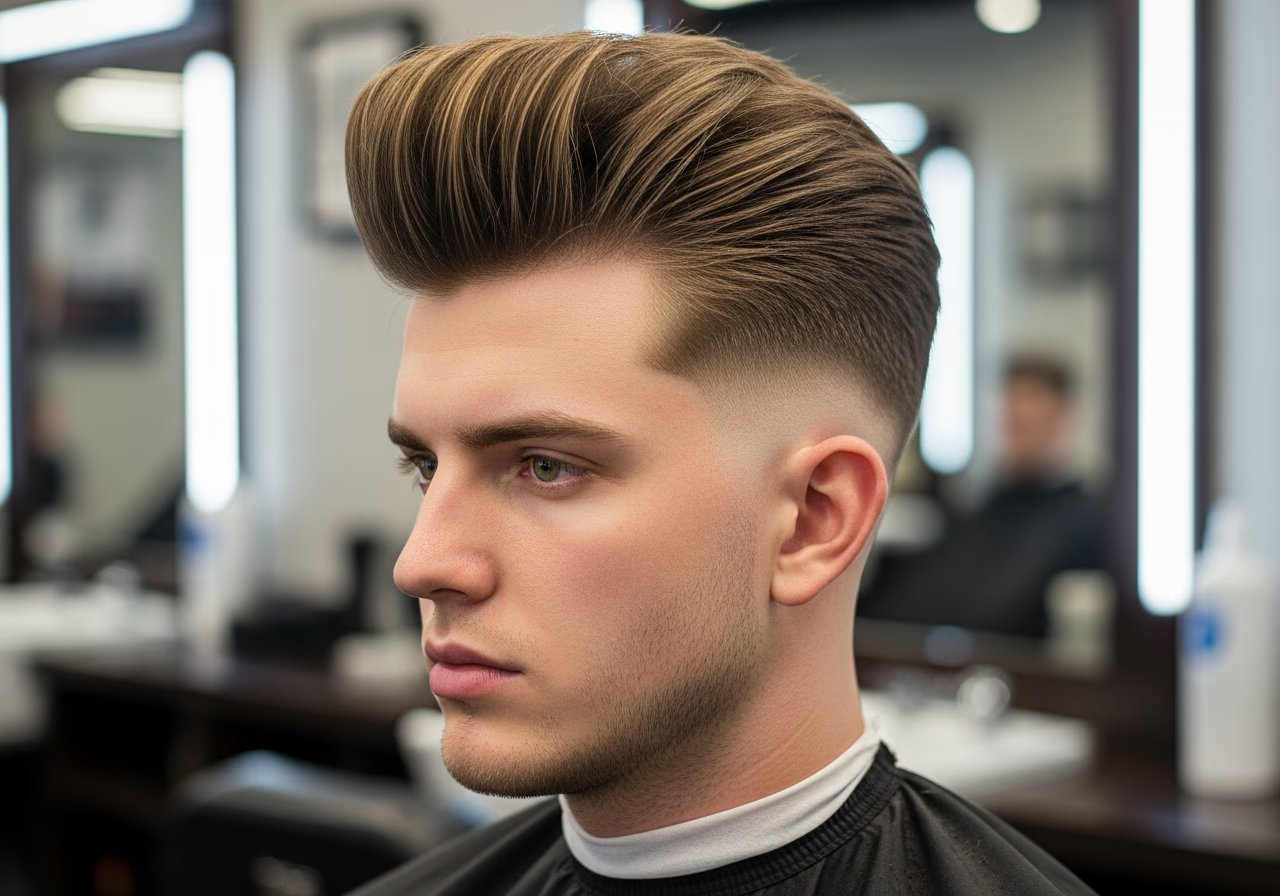
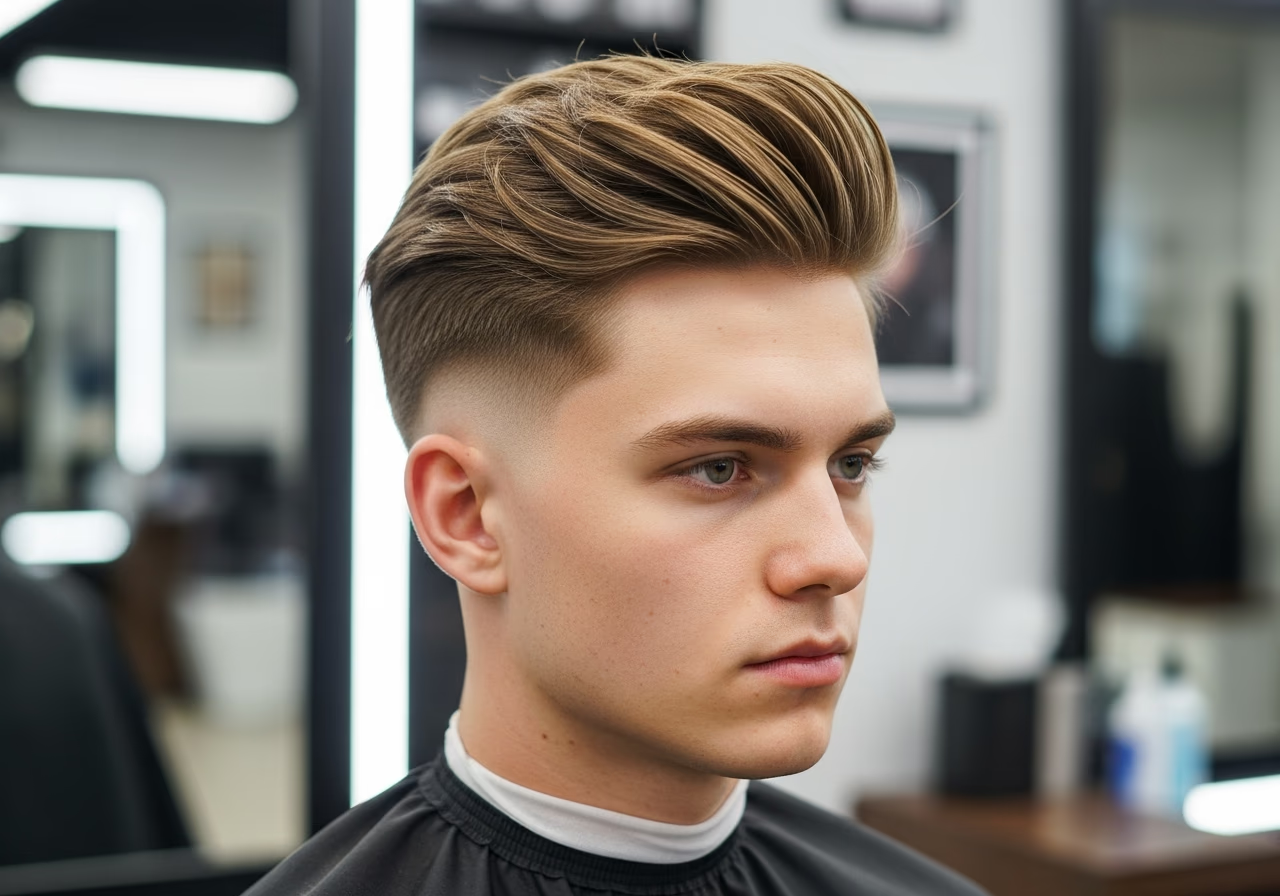
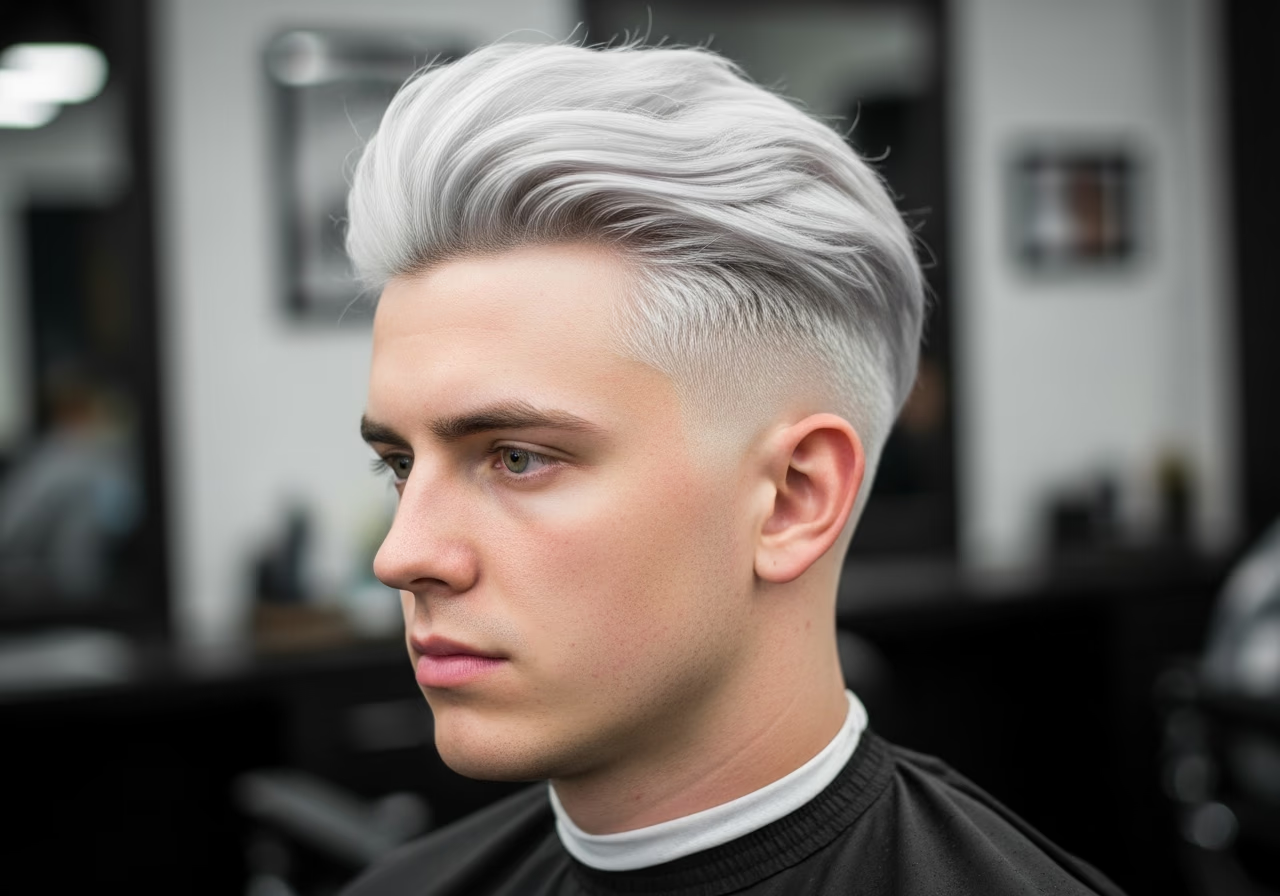
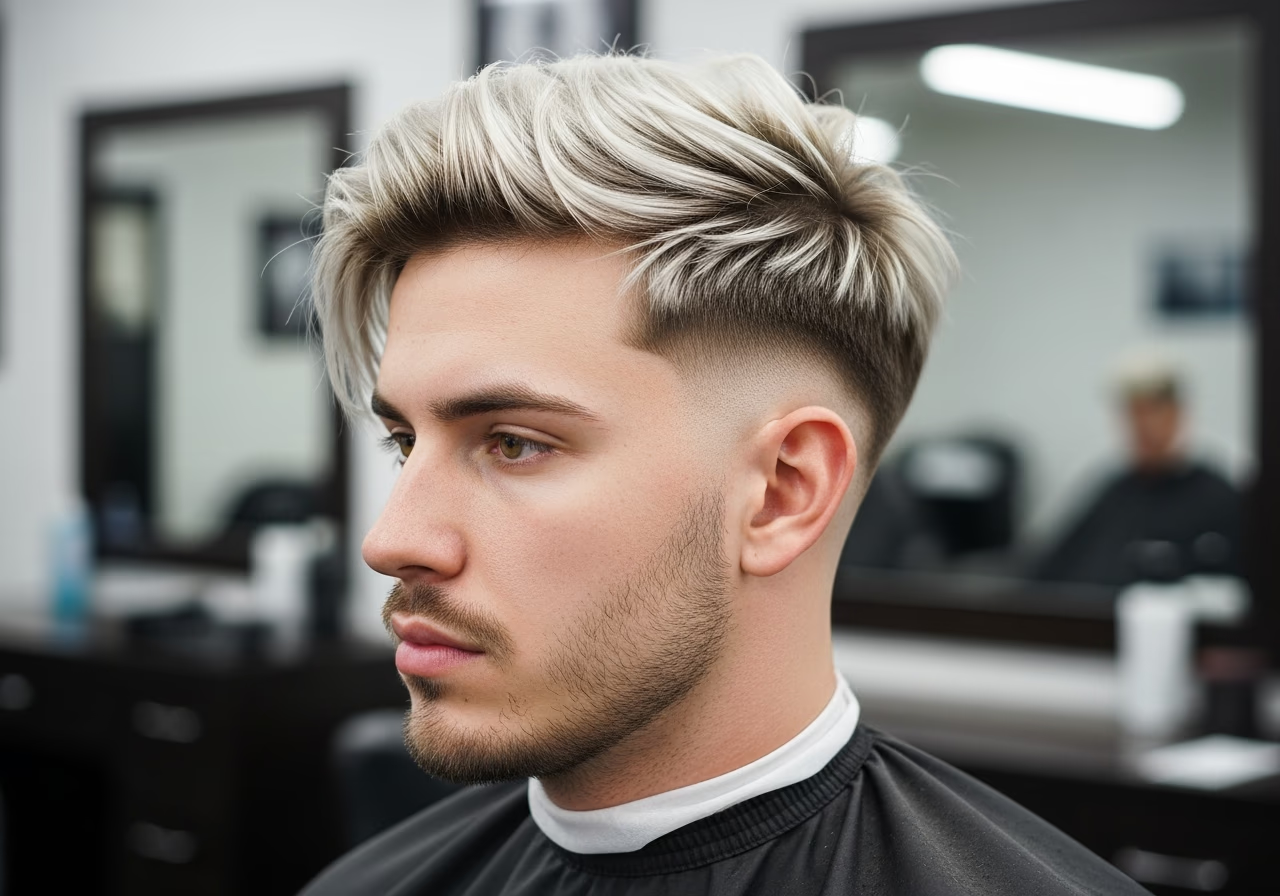
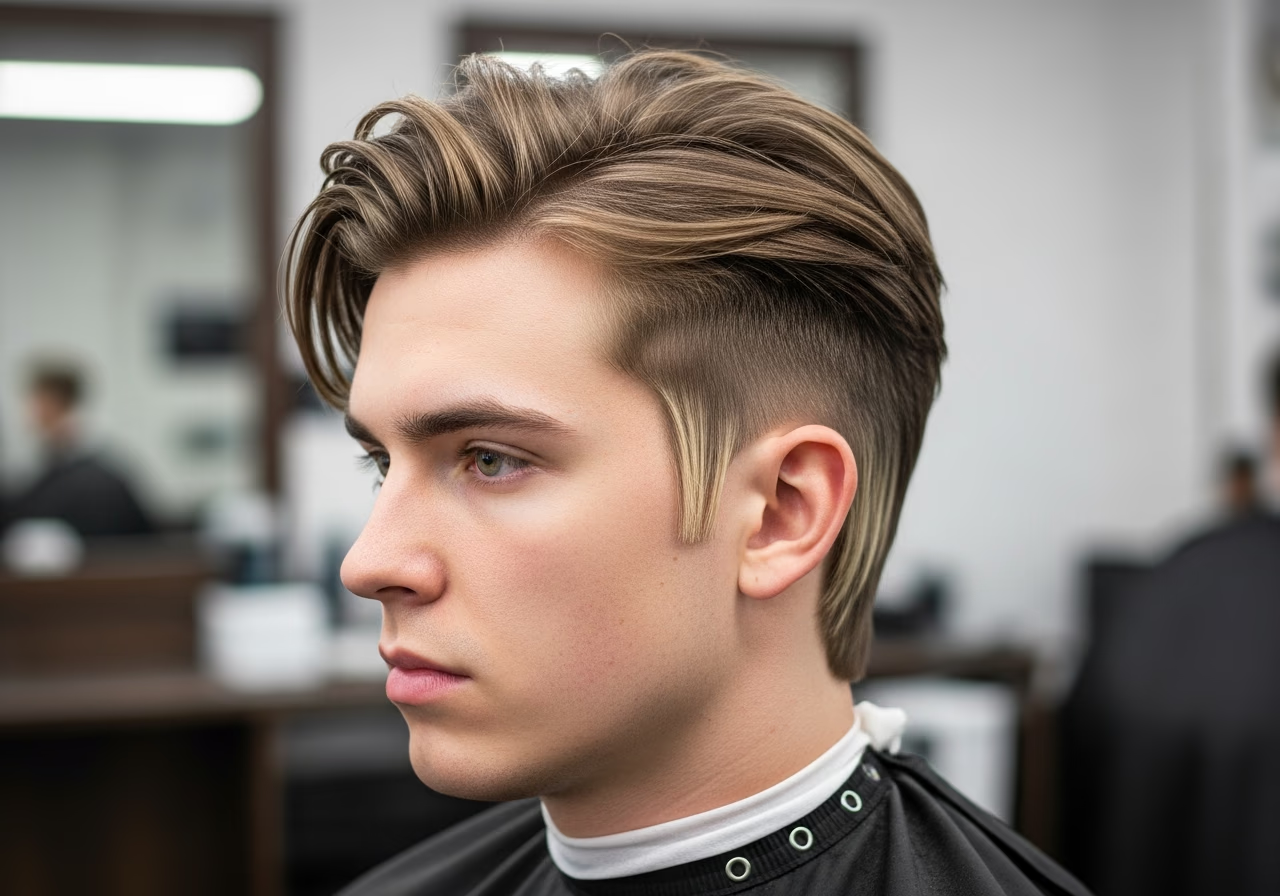
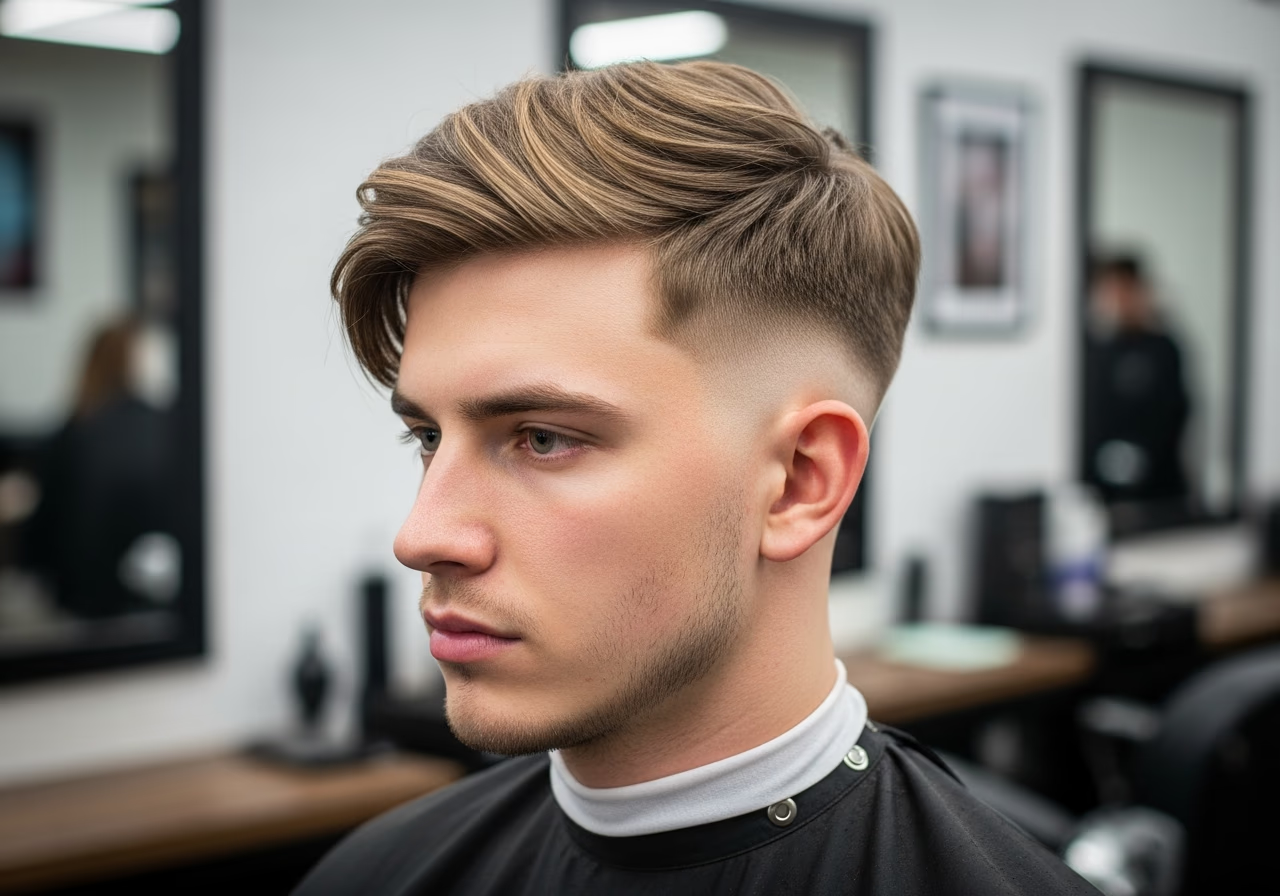
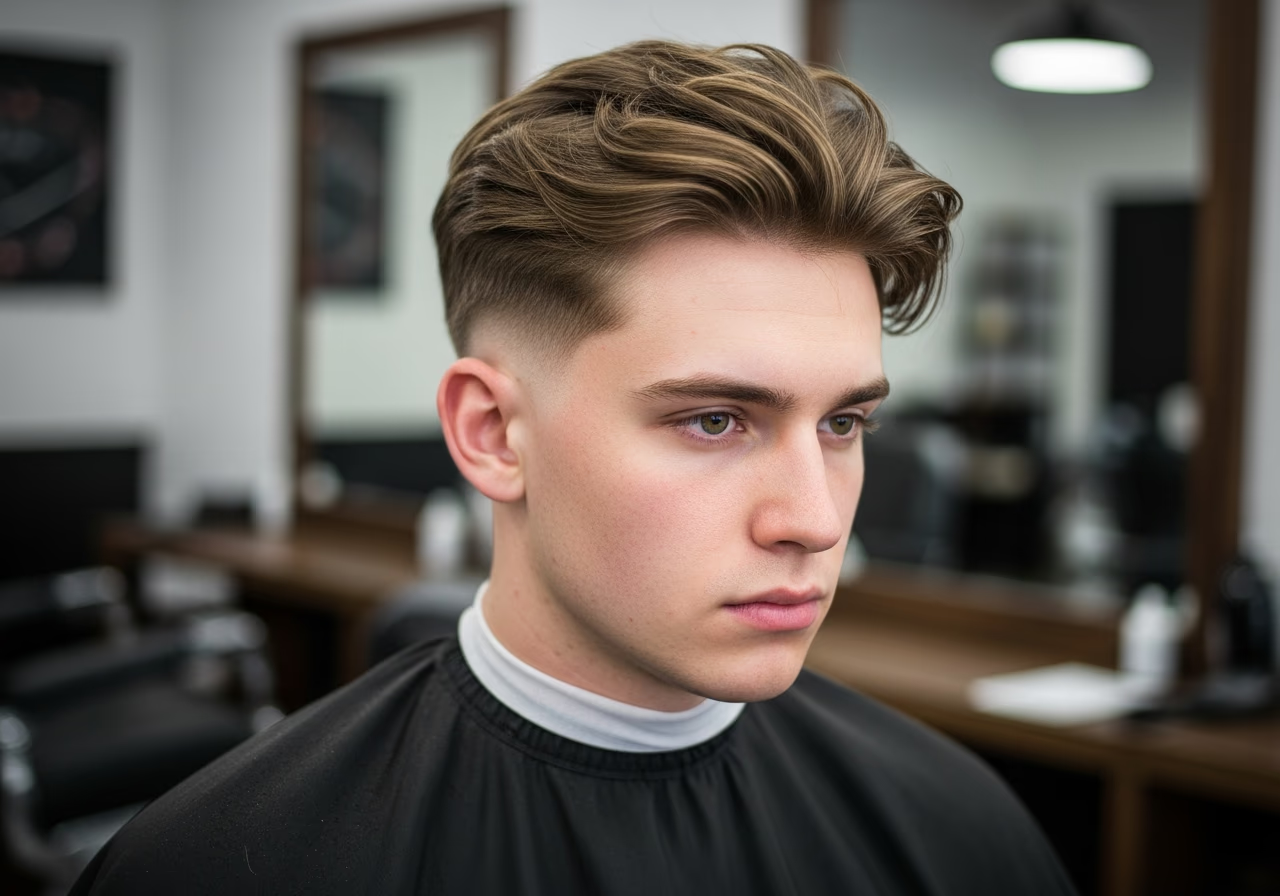
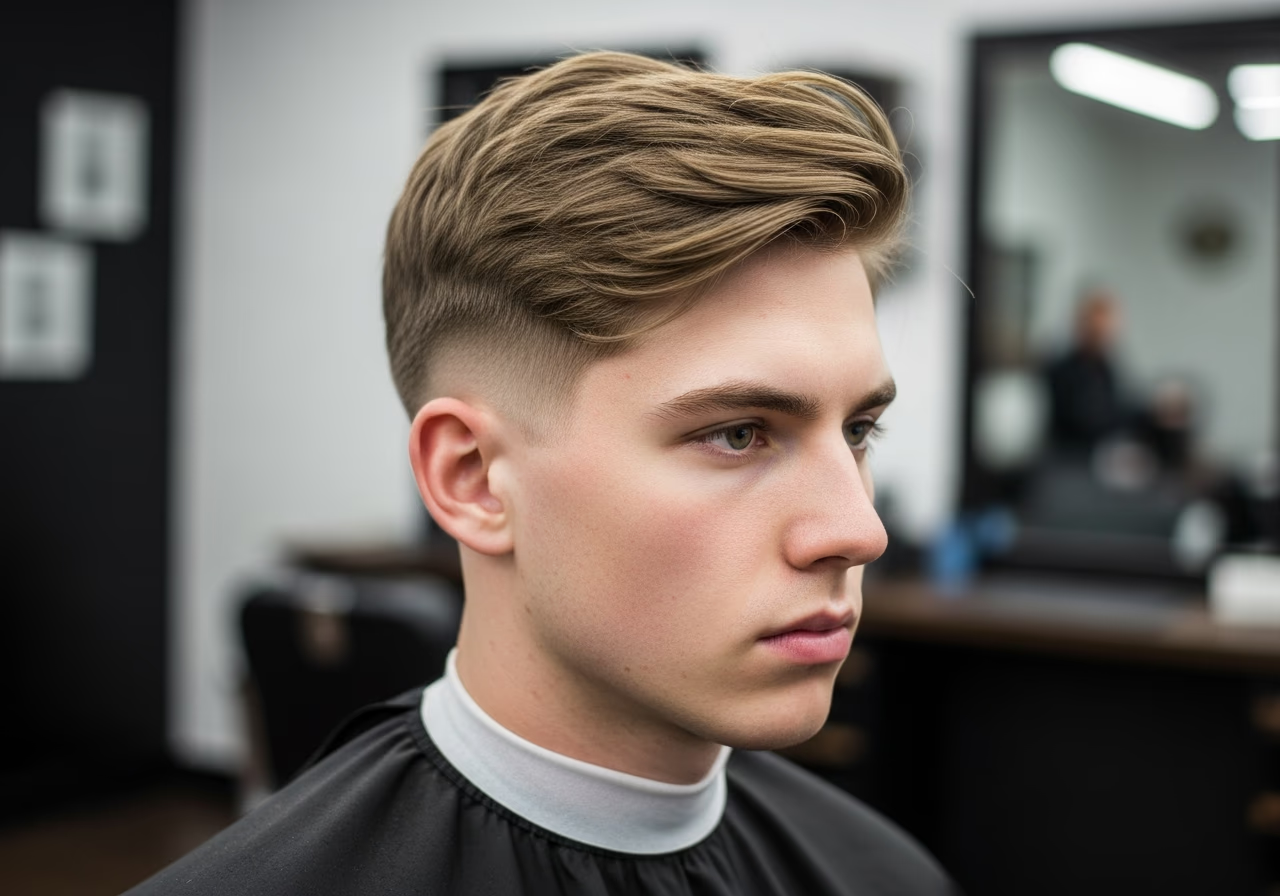
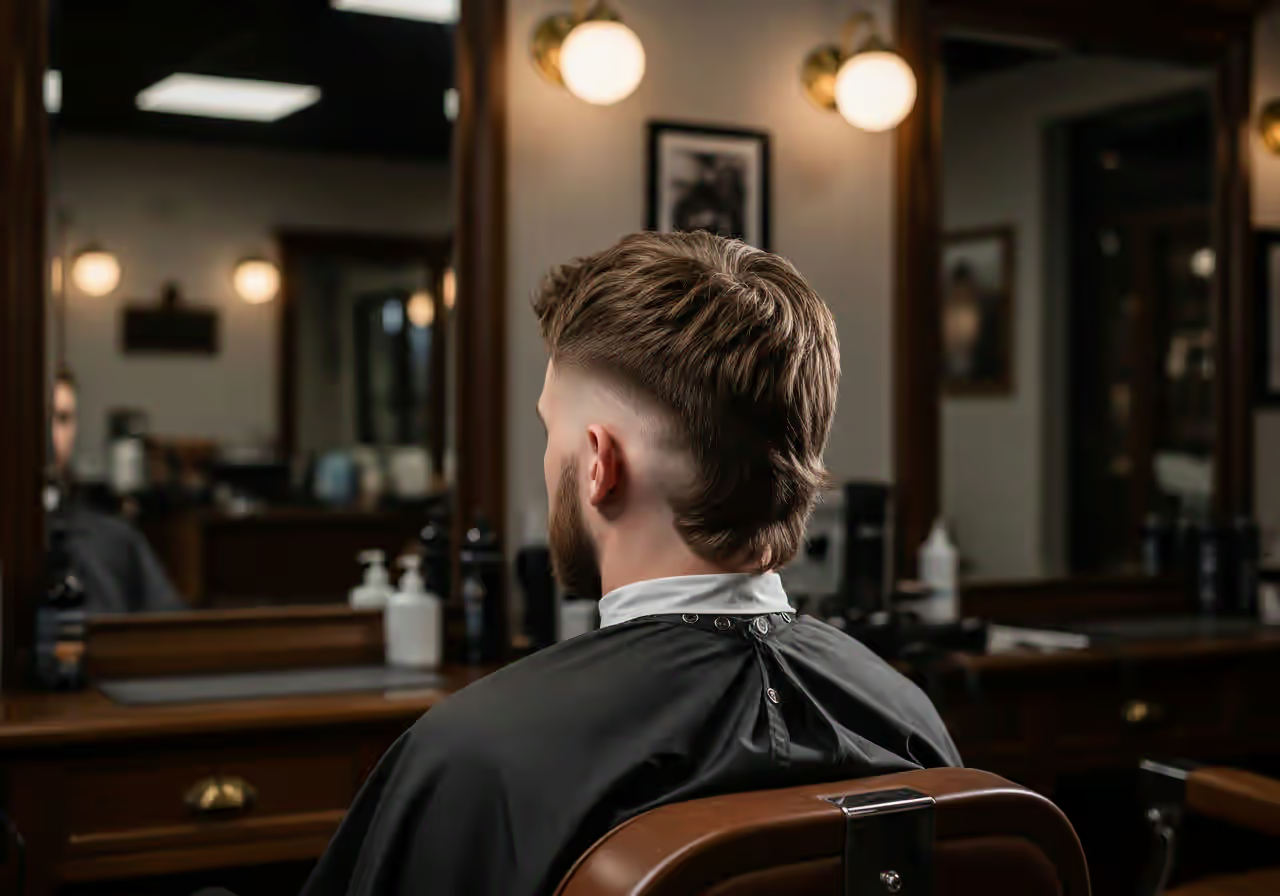
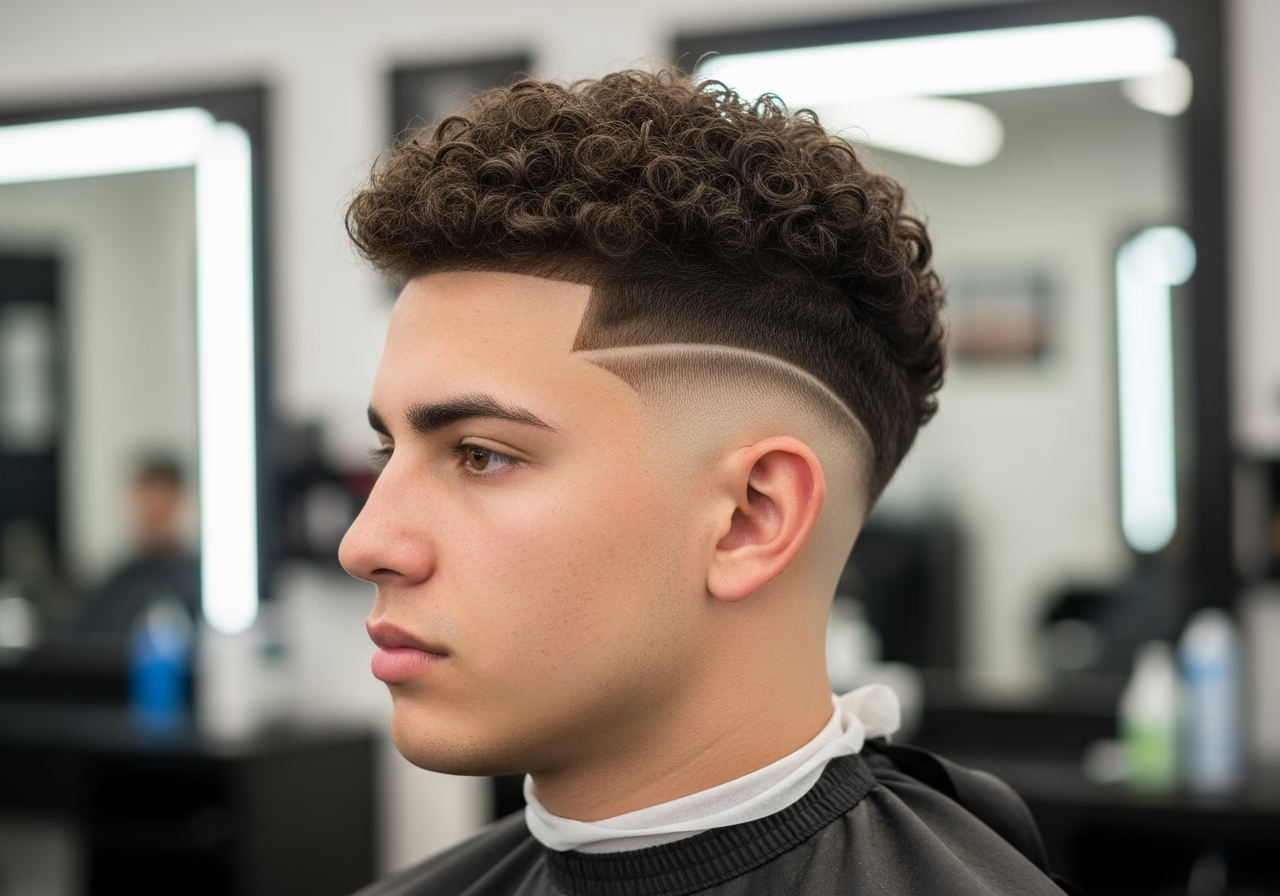
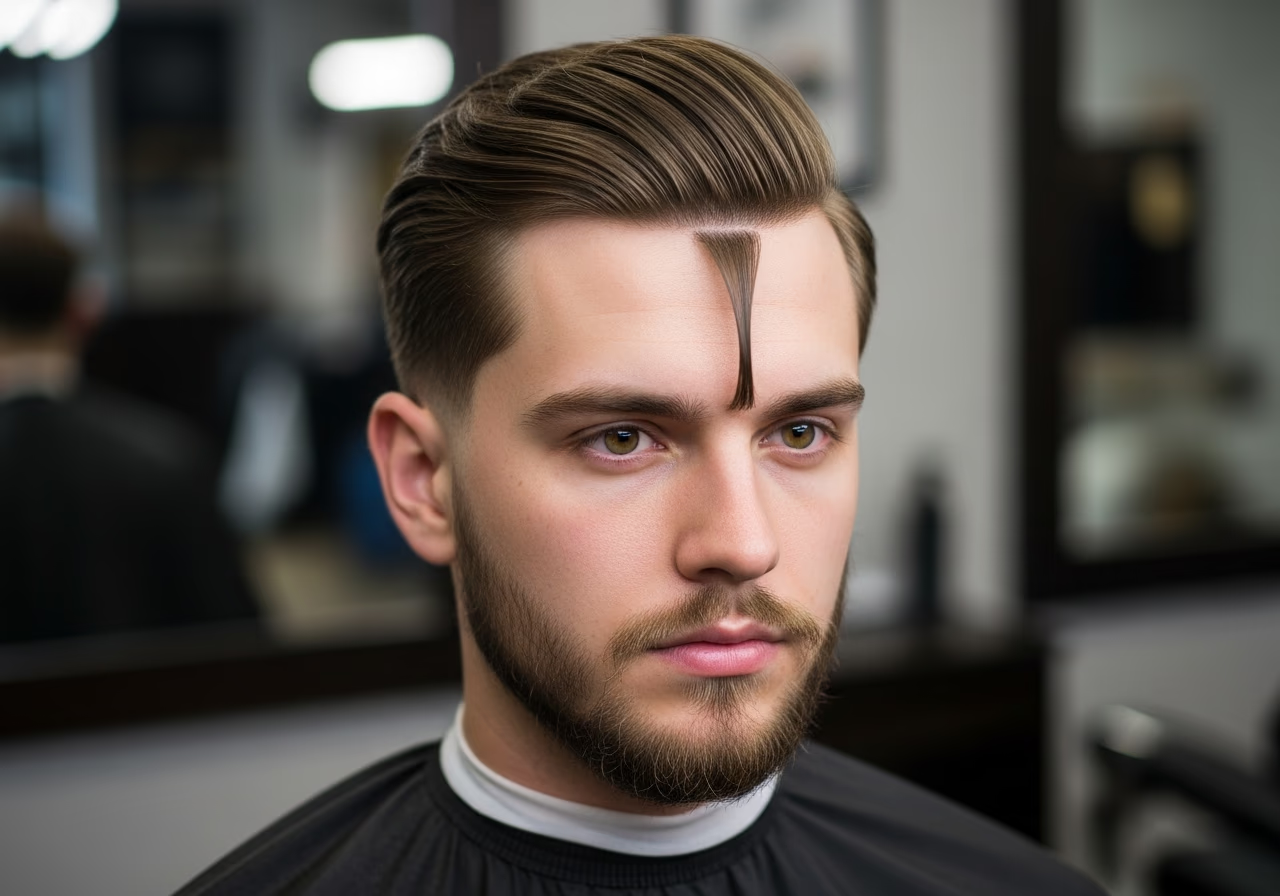
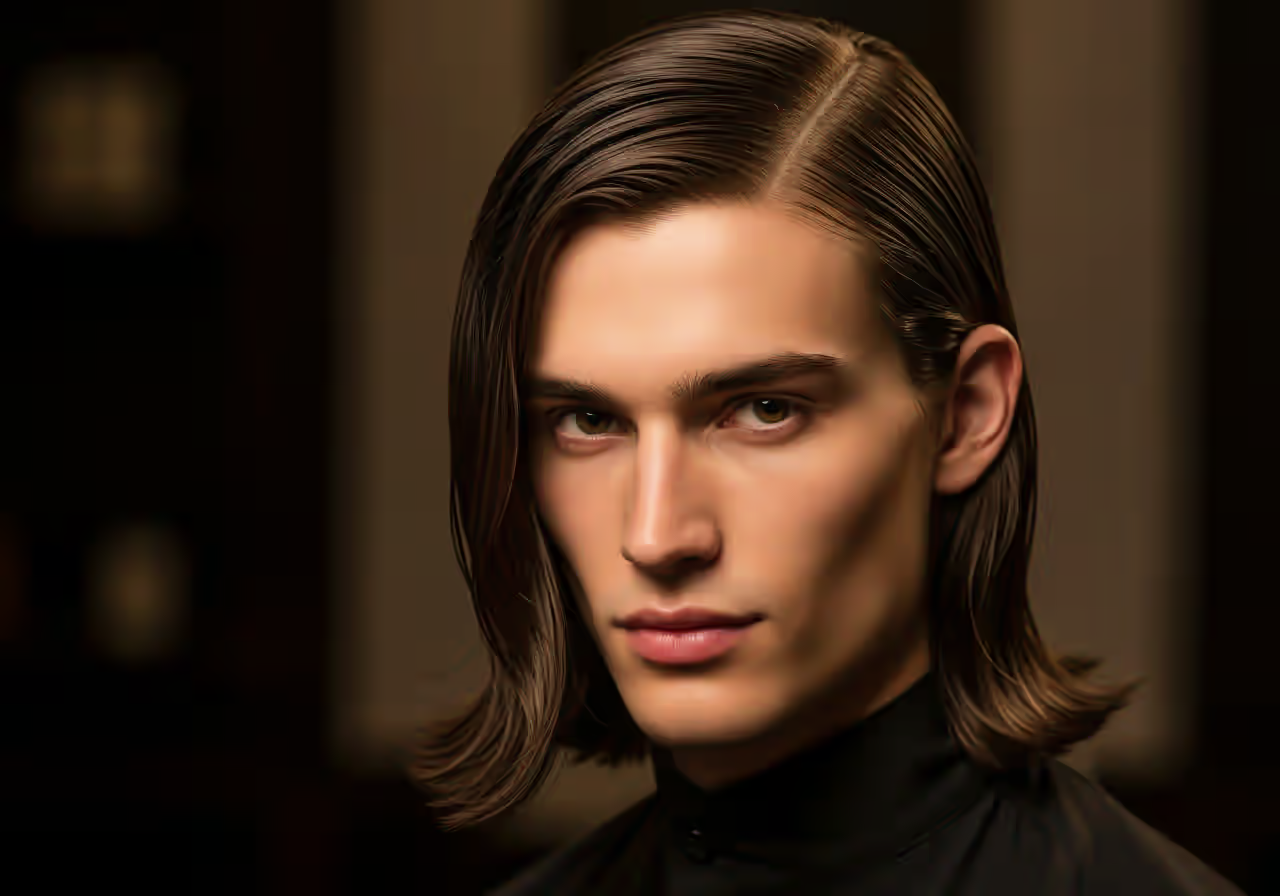
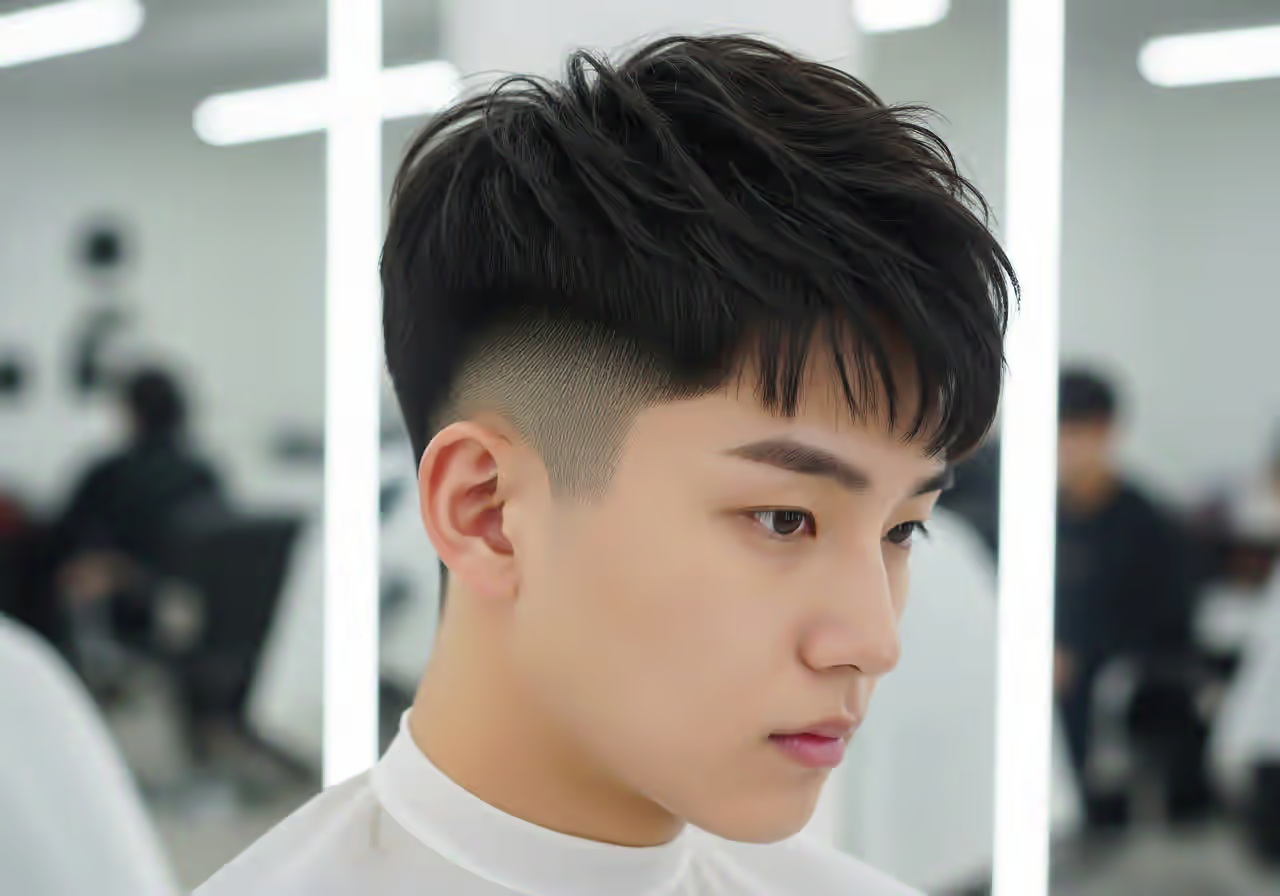
"I want a [Style Name] wolf cut; heavy razor-textured layers on top, short sides with [low/mid/high] fade or taper, and a slightly longer back. Cut dry so layers fall correctly. Style dry with texture cream before I leave to confirm the wolf shape."
1. What is a wolf cut for men?+
The wolf cut is a layered haircut combining long shaggy top layers with short razor-textured sides and slightly longer back. It sits between a mullet and a shag, with heavy layering throughout the crown that creates wolf-like volume and movement. The cut originated in Korean salons around 2020 and went mainstream globally between 2021–2024.
2. Is the wolf cut still in style in 2026?+
Yes, the 2026 wolf has matured into a mainstream barbershop request, with refined modern (style 2) and Korean (style 4) variations dominating. The early-2020s shaggy version has evolved into cleaner, more polished interpretations that work for offices, dates, and creative environments alike. The wolf-mullet hybrid (style 16) is the current most-requested variation.
3. How is a wolf cut different from a mullet?+
A mullet is defined primarily by short top + long back; a wolf cut is defined by long layered top + short sides + slightly longer back. The wolf has heavy layering throughout the crown that the mullet lacks — the layering is the wolf's signature technique. The wolf-mullet hybrid (style 16) deliberately combines elements of both for a stronger length contrast.
4. What hair type works best for a wolf cut?+
Wavy hair (2b–2c) and naturally curly hair (3a–3c) are ideal, the natural texture cooperates with the wolf's layered shag and adds organic movement. Straight hair works with a perm (style 19) or with daily texture cream styling. Very thin or very fine hair struggles with the wolf because the heavy layers can look sparse.
5. How long does it take to grow out a wolf cut?+
From a short cut, you'll need 5–7 months to reach the 4–6 inches of layered top hair required for the classic wolf. The cut can be progressively shaped during grow-out, start with a textured taper, then graduate to subtle wolf (style 35), then to your preferred final wolf variation as length permits.
6. What products work best for the wolf cut?+
Texture Cream is the daily essential, paired with Sea-Salt Spray for added wave and lived-in finish. A Light Pomade works for the side-part variation (style 24). Curl Cream is essential for curly and permed wolves (styles 7, 19). Avoid heavy waxes — they weigh down the layers and flatten the signature wolf volume.
7. Is the wolf cut professional enough for an office?+
Yes, choose subtler variations: Modern Wolf Cut (2), Wolf Cut with Low Fade (8), Wolf Cut Side Part (24), or Subtle Wolf Cut (35). These read as polished and professional rather than purely creative. The shaggy (3) and punk (33) versions are better suited to creative environments. Most modern offices accept the modern wolf or low-fade wolf without issue.
8. Does the wolf cut suit all face shapes?+
Best on oval, square, and heart faces. Round faces should pair it with a high or skin fade (styles 10, 11) to add length. Long faces should avoid extreme-volume versions (29) and go for the subtle (35), low-fade (8), or curtain-bangs versions (5) to add horizontal width. Diamond faces work best with the curtain-bangs wolf (5) to soften the cheekbones.
9. How do I ask my barber for a wolf cut?+
Say 'wolf cut; heavy choppy layers, shaggy volume up top blending into a tapered, mullet-ish back, lots of texture throughout.' It's part shag, part mullet, so reference both. Ask for plenty of point-cutting and face-framing layers, and decide how long you want the back. Bring a photo; the wolf cut varies a lot and you want the layering and length to match your vision.
10. Does a wolf cut work on straight hair?+
Yes, straight hair shows the choppy layers of a wolf cut cleanly, but it leans on the cut and product for movement rather than natural texture. Ask for heavy internal layering and point-cut ends so it doesn't fall flat, then style with a sea-salt spray or texture spray to rough it up. Wavy hair gets the shaggy effect more easily, but straight hair pulls off a sharper, edgier wolf.
Final Takeaway
The wolf cut is no longer just an early-2020s trend, in 2026 it's a mainstream barbershop standard with 35 distinct variations covering every hair type, face shape, and environment. Whether you go classic mid-fade wolf, refined Korean wolf, edgy mullet hybrid, or bold platinum statement, the formula is the same: heavy razor-textured layers on top, short sides, slightly longer back. Show your barber the exact style number, follow the maintenance rhythm, and the wolf cut works year-round.
Long top, short sides, layered like a wolf, and unmistakably yours.