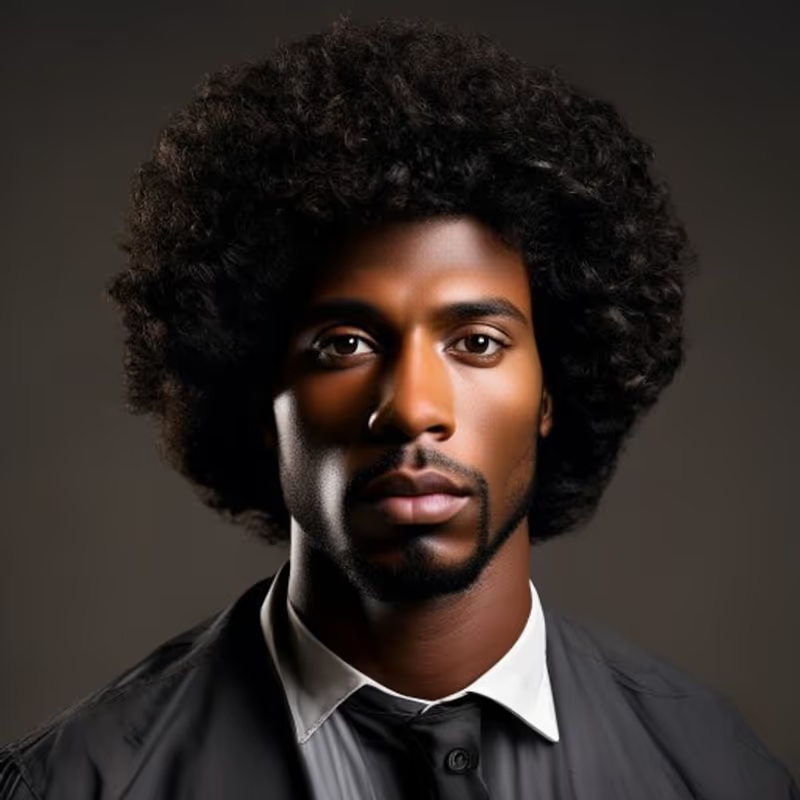
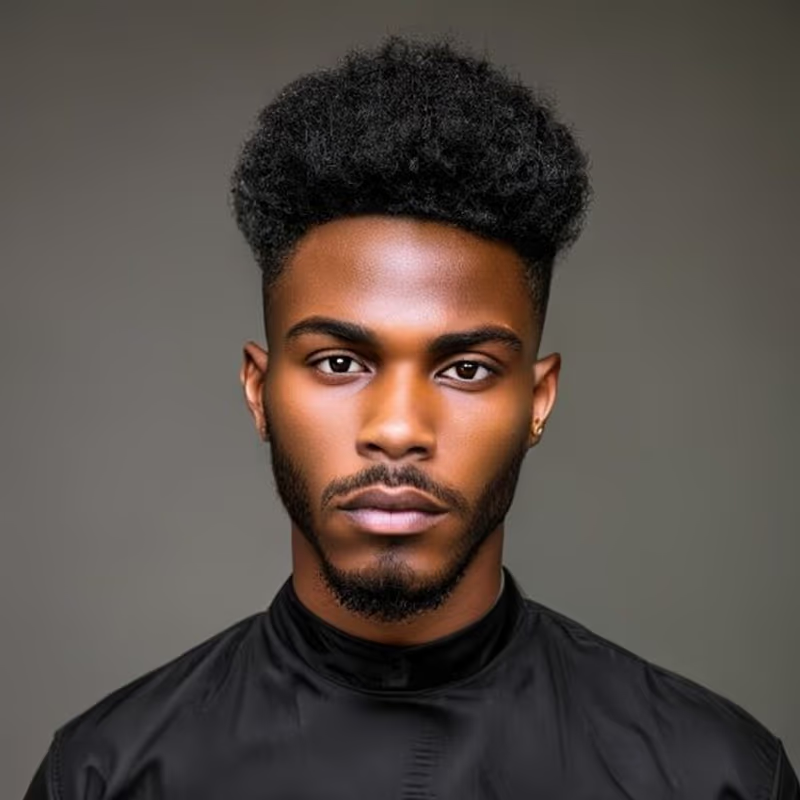
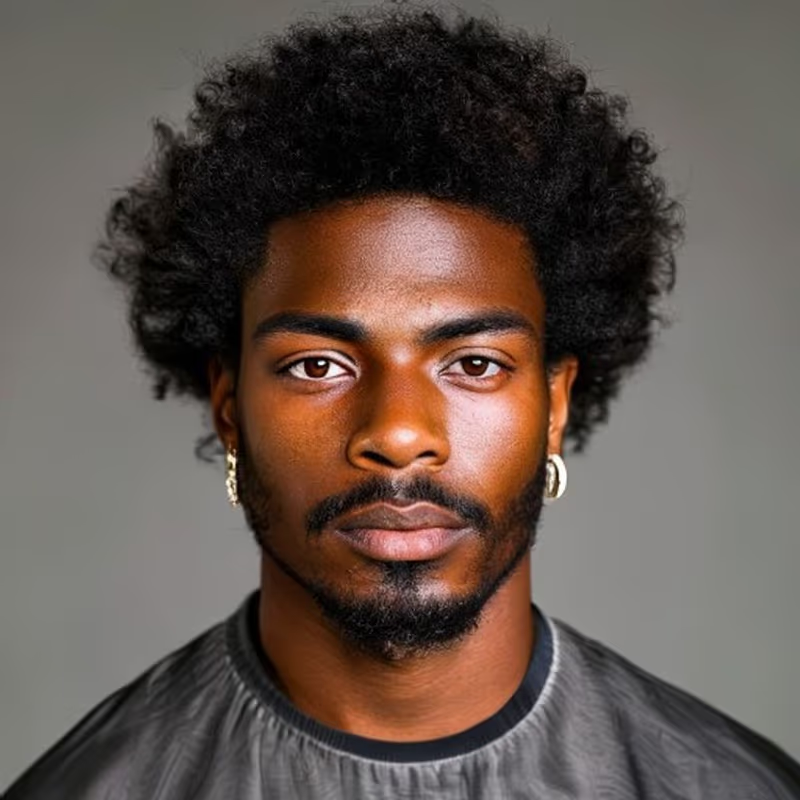
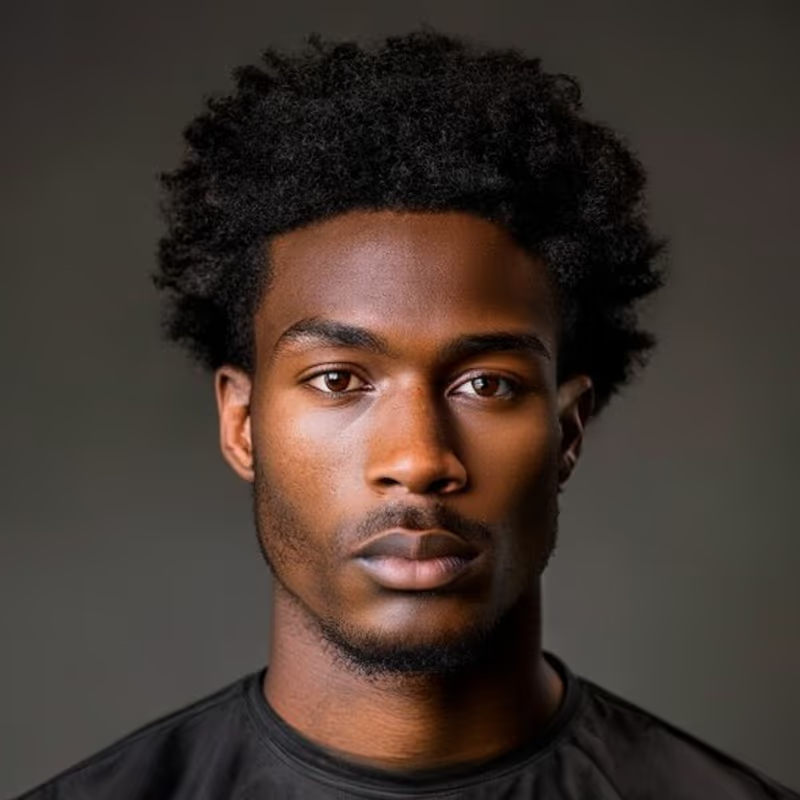
Q1: What is an afro?+
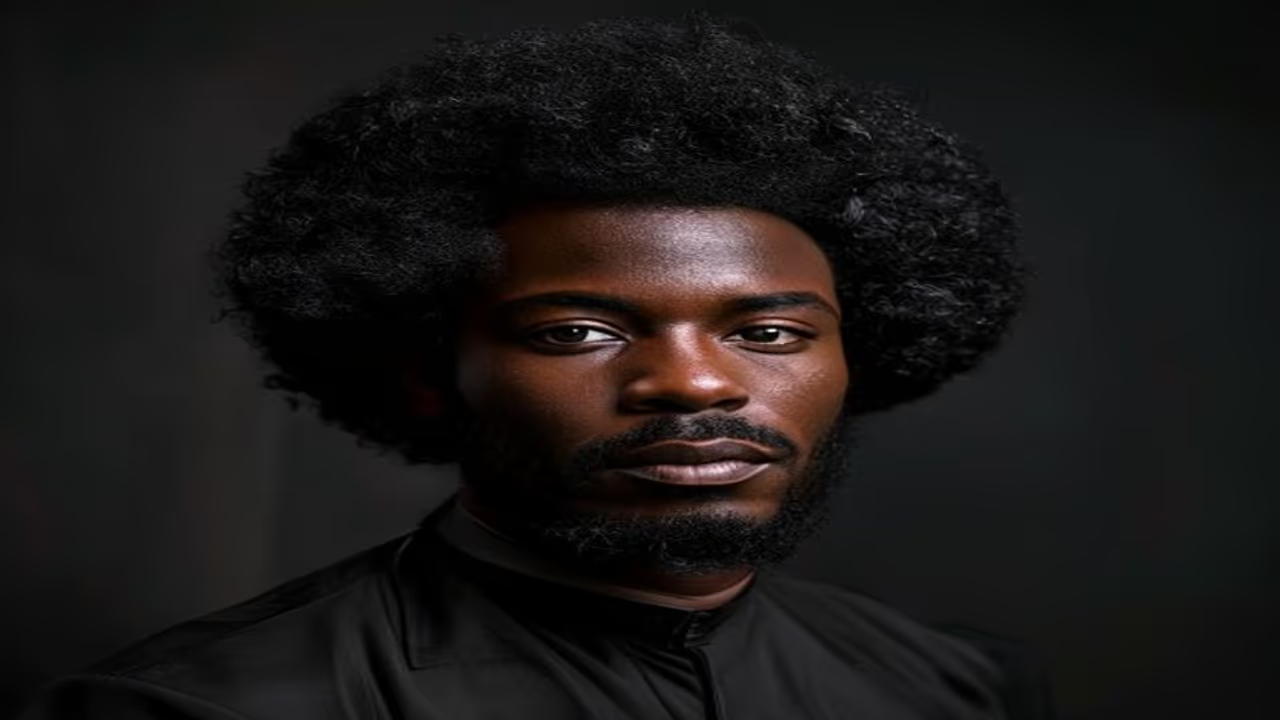
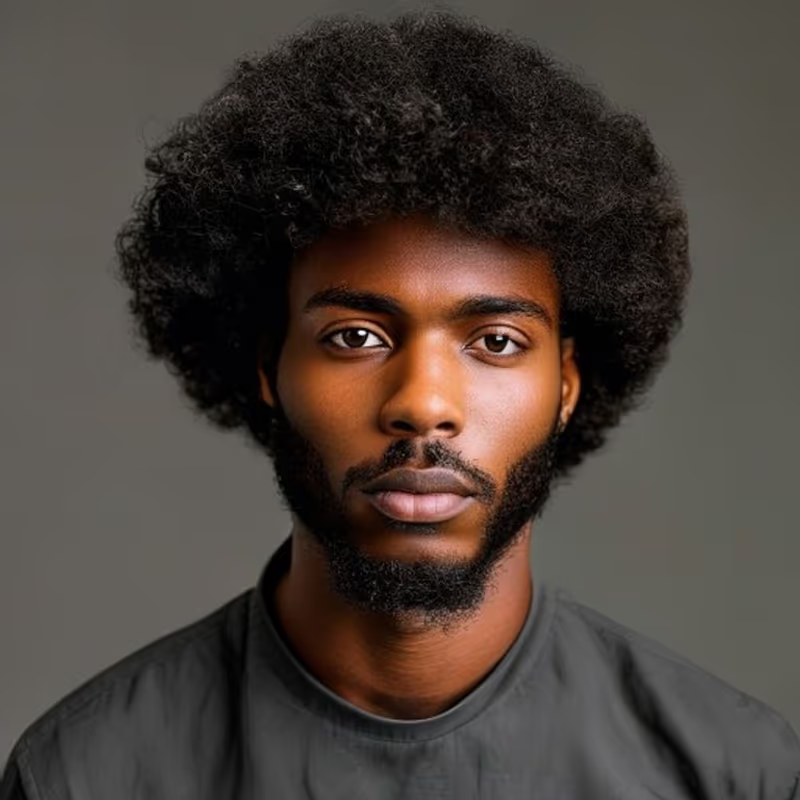
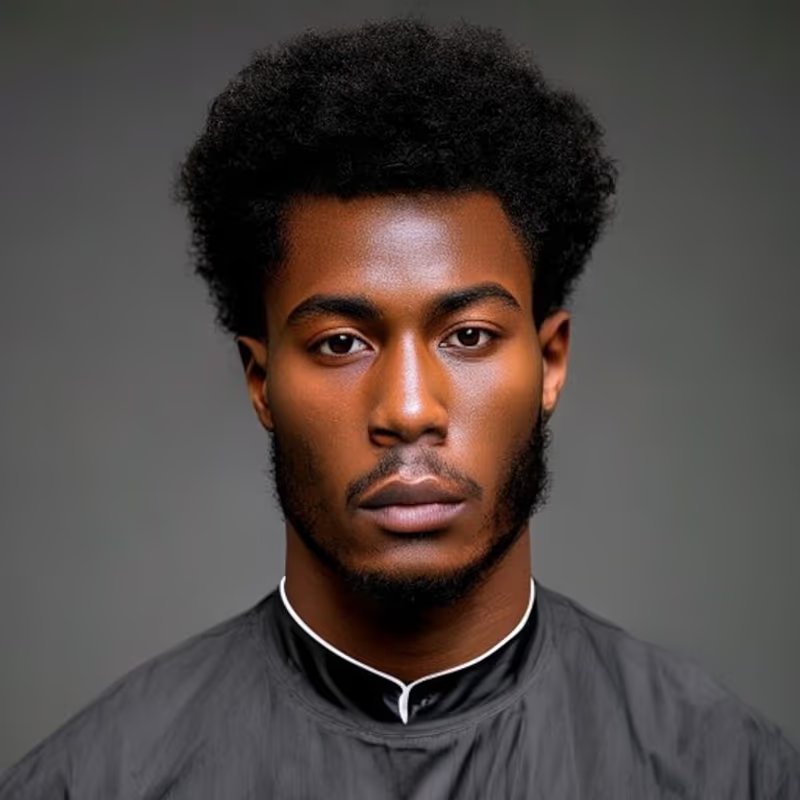
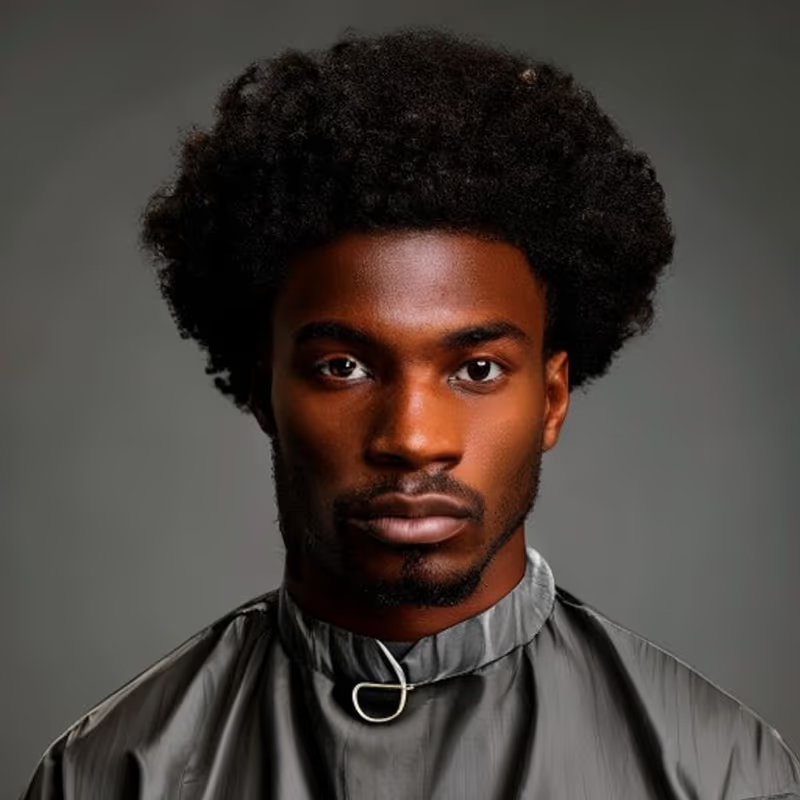
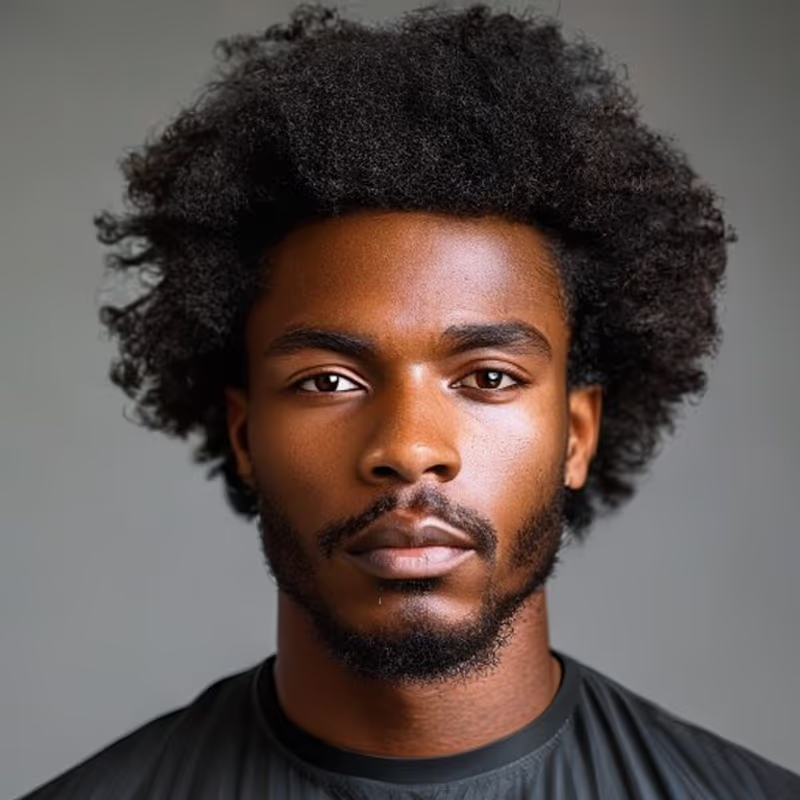
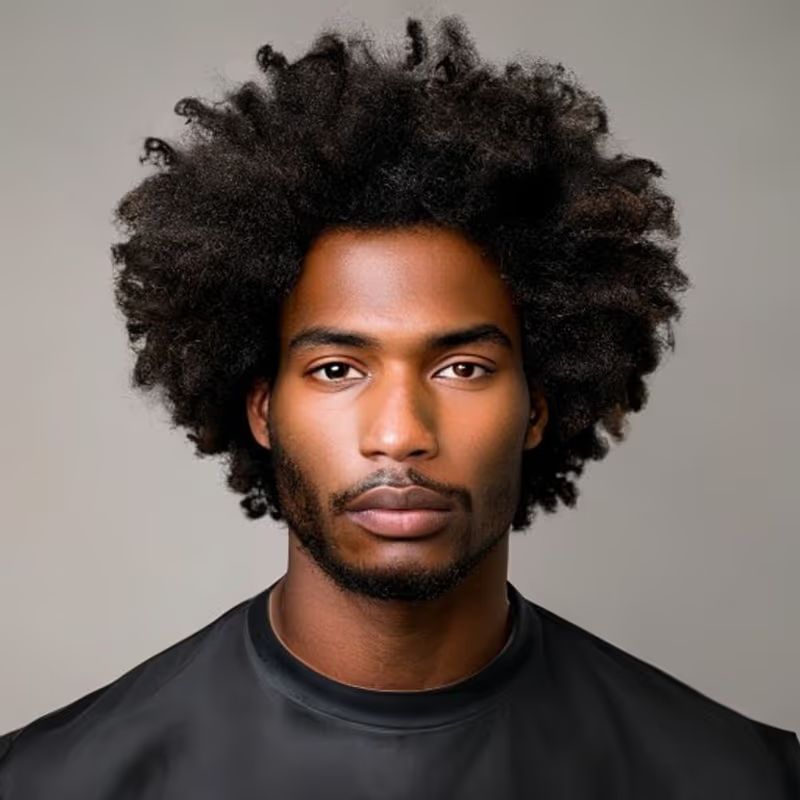
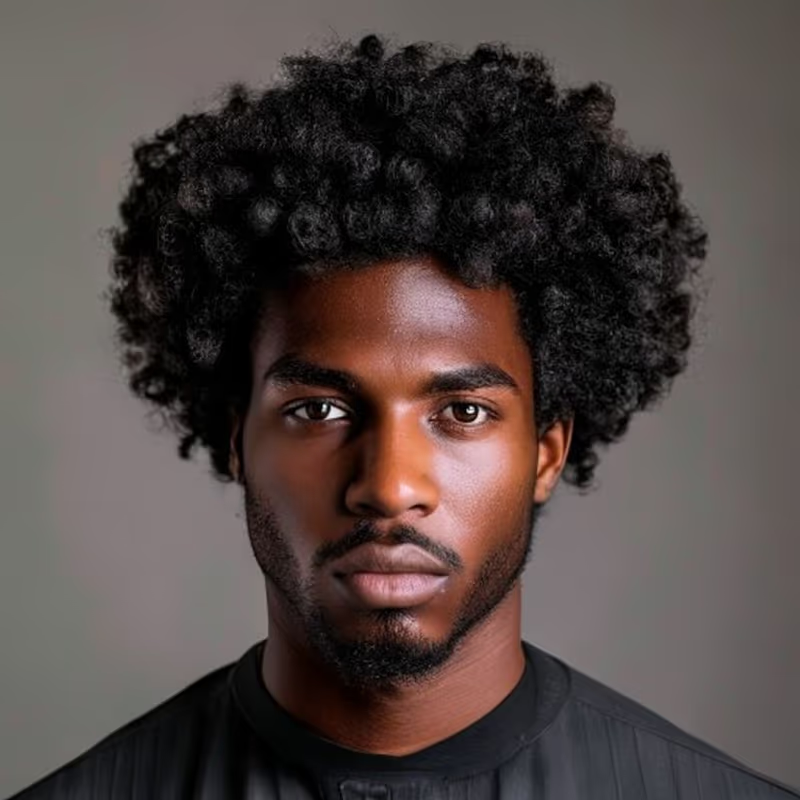
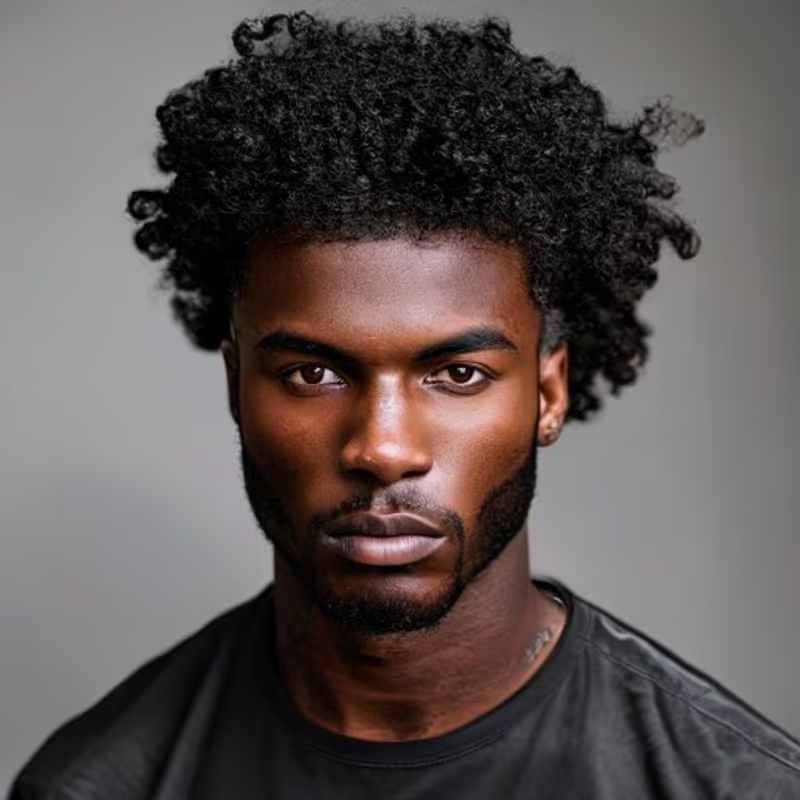
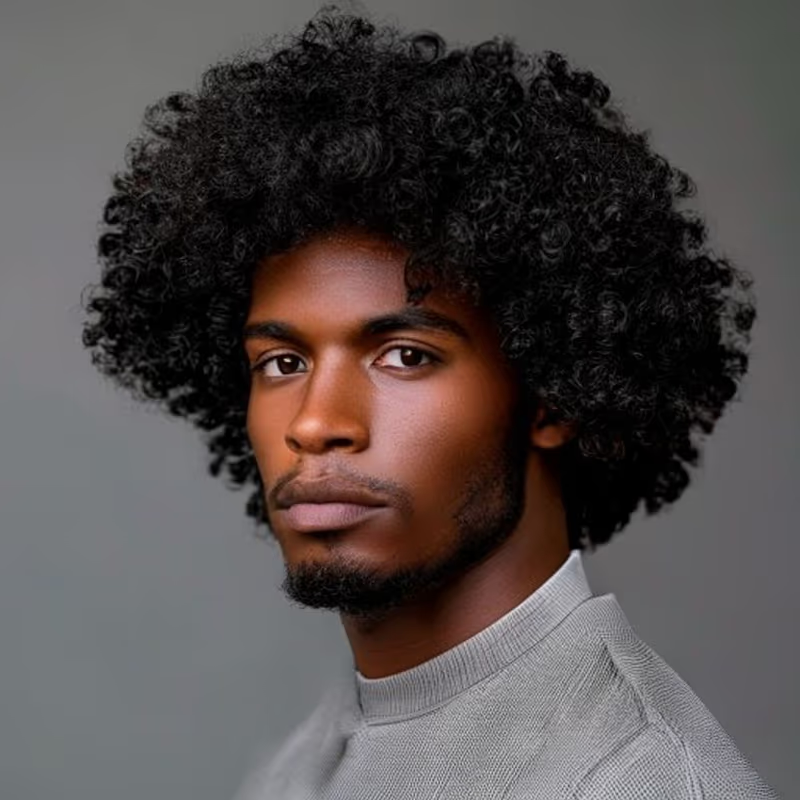
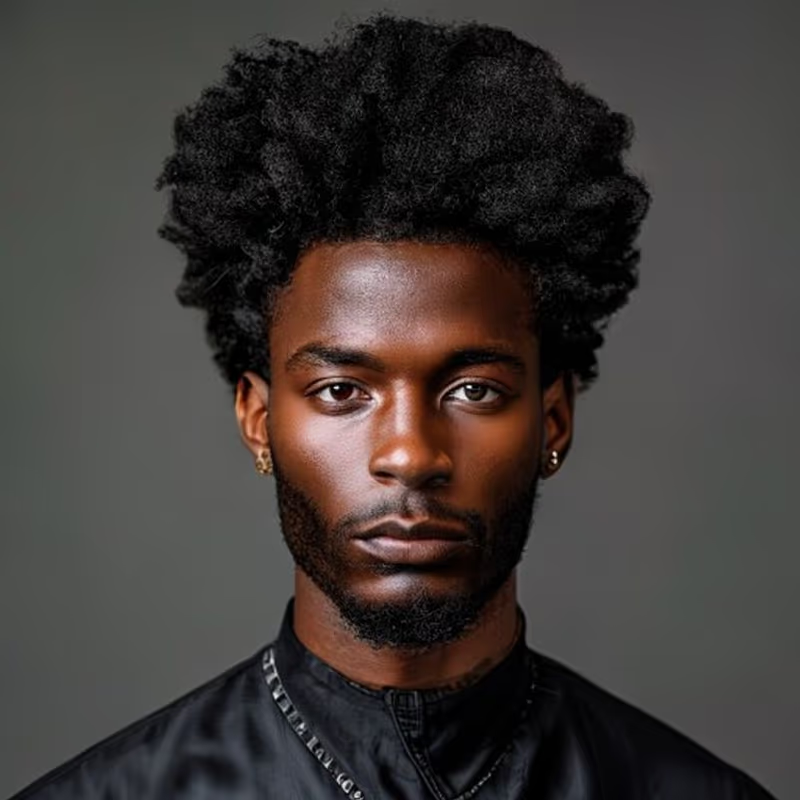
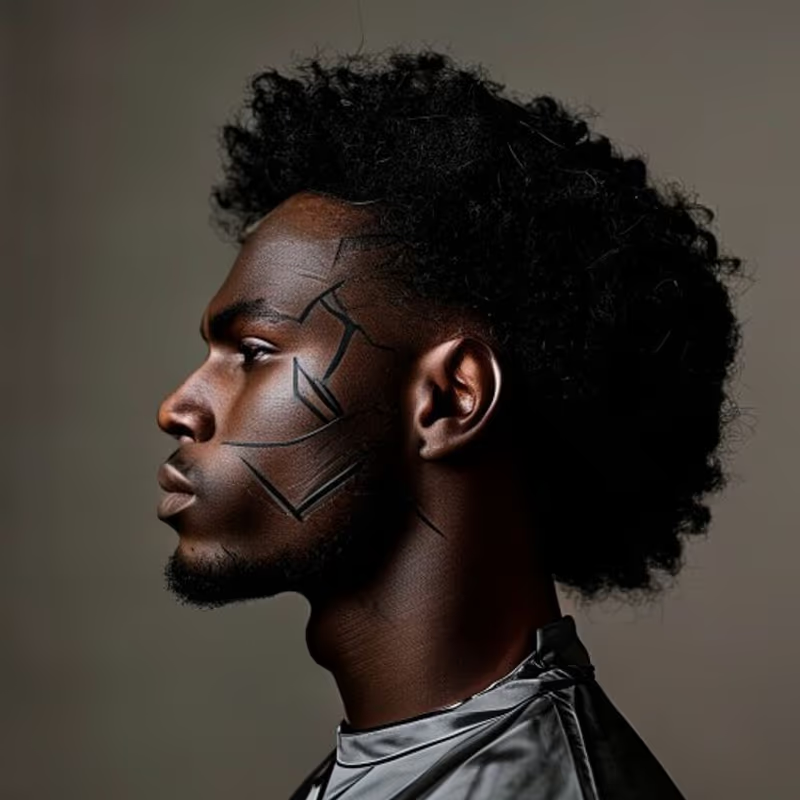
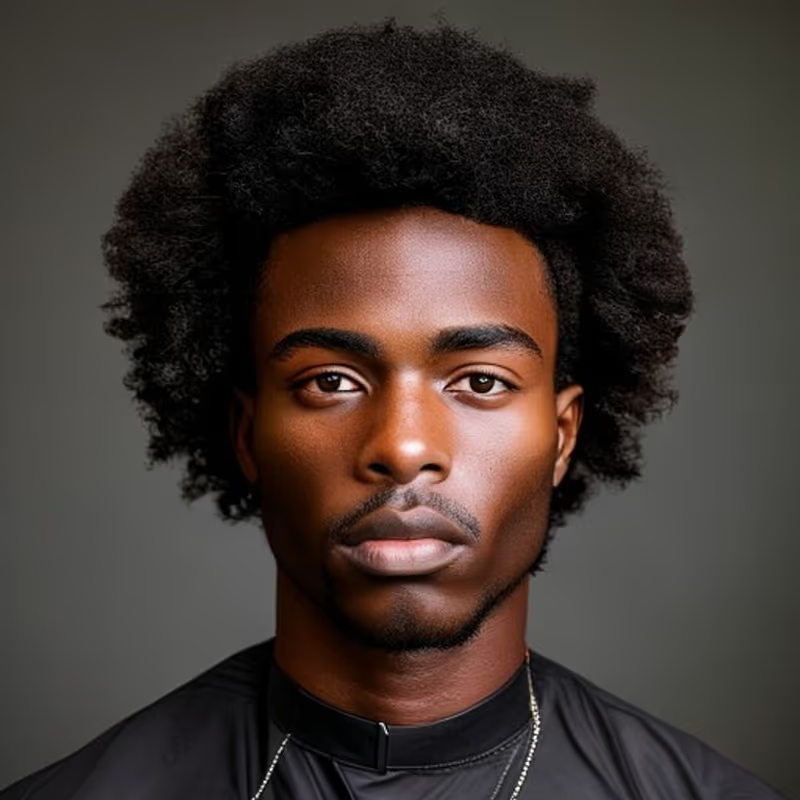
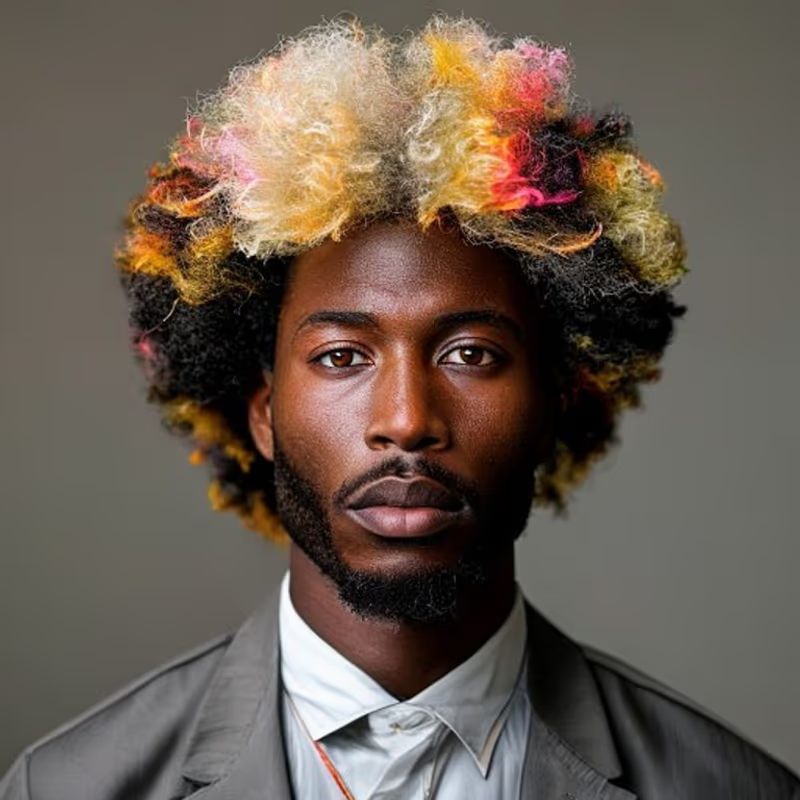
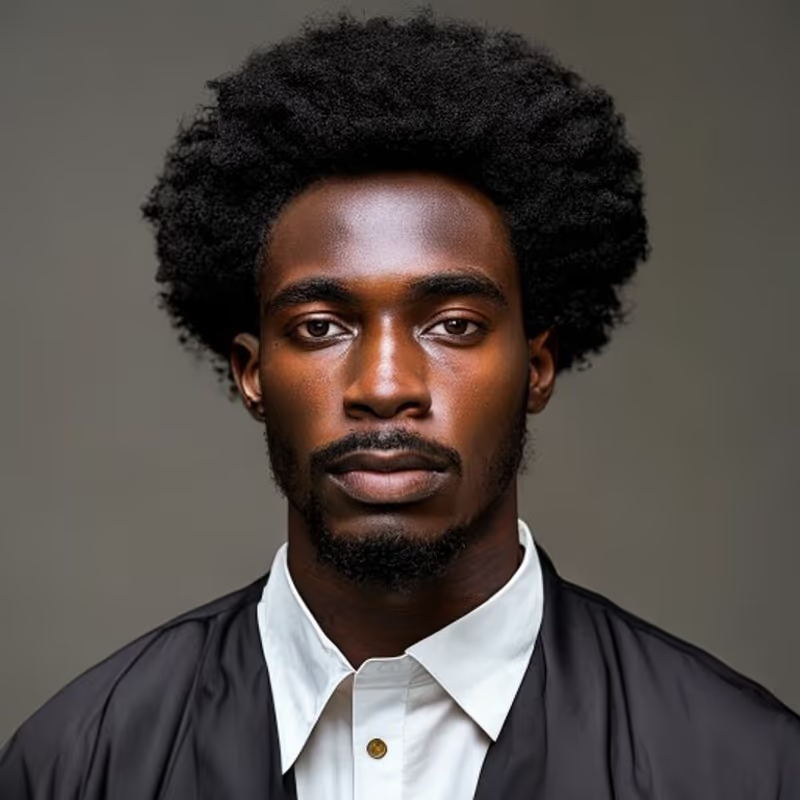
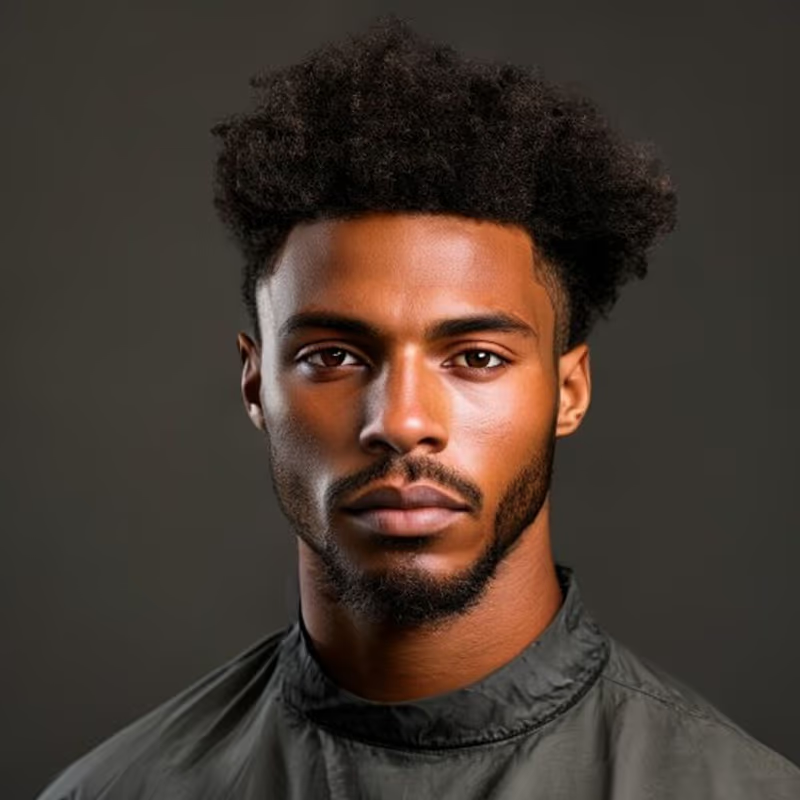
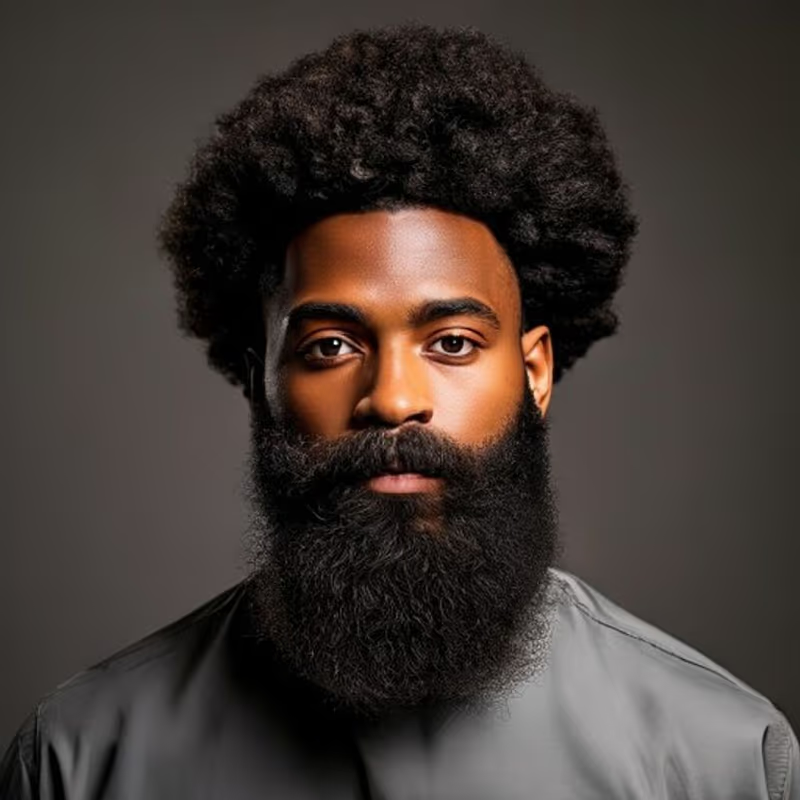
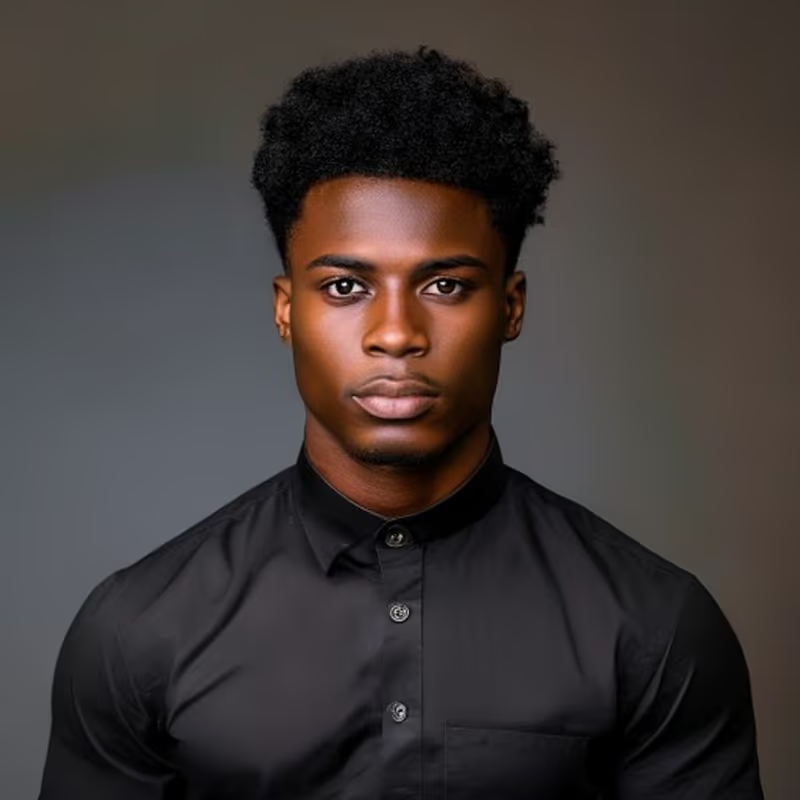
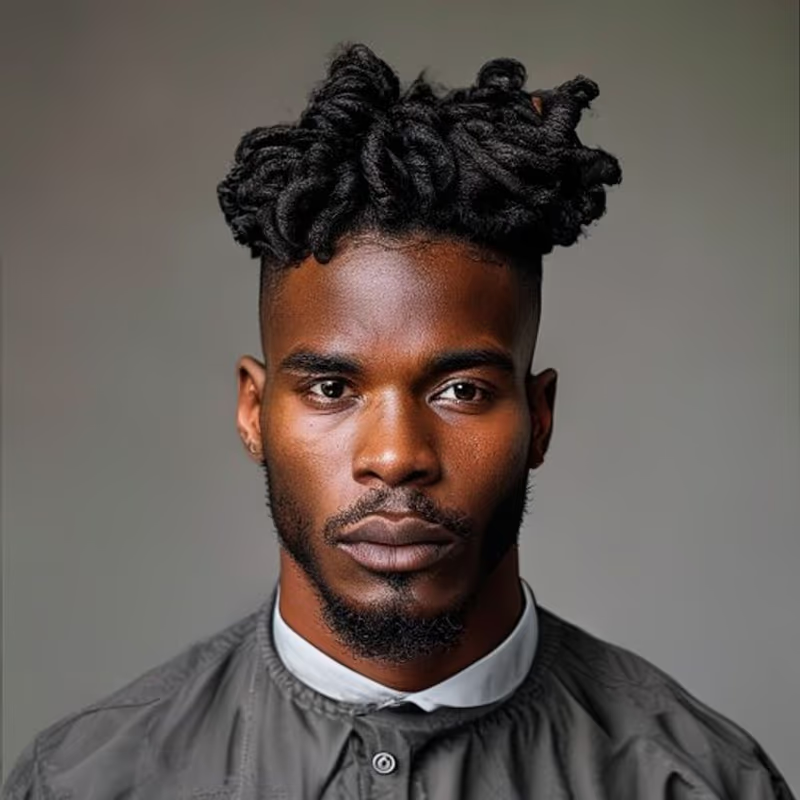
An afro is a hairstyle for naturally coily or kinky hair (types 4A to 4C, and looser 3C curls) where the hair is grown out, picked up from the roots, and shaped into a full, rounded silhouette. It can be worn big and free, cropped short, or paired with a taper, fade, or line-up.
Q2: What hair type do you need for an afro?+
Naturally coily or kinky hair (type 4A to 4C) holds the classic afro shape best, and looser 3C curls can too with the right shaping and a pick. The tighter the coil, the more height and density the afro builds. Straighter hair types won't form a true afro without a perm.
Q3: How do I keep my afro from getting dry?+
Moisture is everything for coily hair. Use a leave-in or water-based moisturiser daily, seal it with a light oil or shea butter, and deep-condition weekly. Wear a durag or satin bonnet at night, and avoid over-washing; once or twice a week is plenty. Dryness is the number-one thing that makes an afro look dull and breaks the ends.
Q4: What is the best afro fade?+
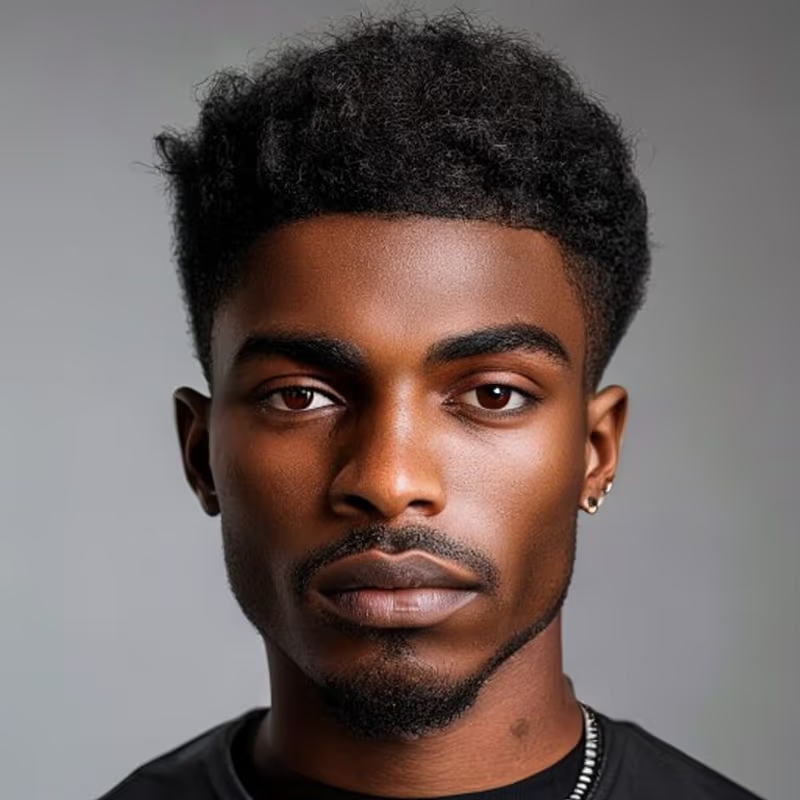
The mid and low taper fades are the most popular and versatile, clean contrast without being stark, and office-friendly. A high or skin fade gives the boldest, sharpest statement but needs a touch-up every one to two weeks. A temple fade keeps it streamlined with a sharp line-up. Match the height to how much contrast you want.
Q5: How often should you get an afro shaped up?+
Every 2 to 3 weeks for the shape and line-up, or every 1 to 2 weeks if you have a skin or high fade, since those show regrowth fast. The line-up is what keeps it looking fresh, so even between full shape-ups a quick edge-up makes a big difference.
Q6: How do I ask my barber for an afro?+
Say: 'Shape my afro round and even, clean line-up, and [leave the sides full / taper them / give me a low, mid, high, or skin fade].' If you want defined texture, ask for a sponge, twist-out, or blowout. Bring a photo, since afro shapes and fade heights vary a lot.
Q7: What is the difference between an afro and a high-top fade?+
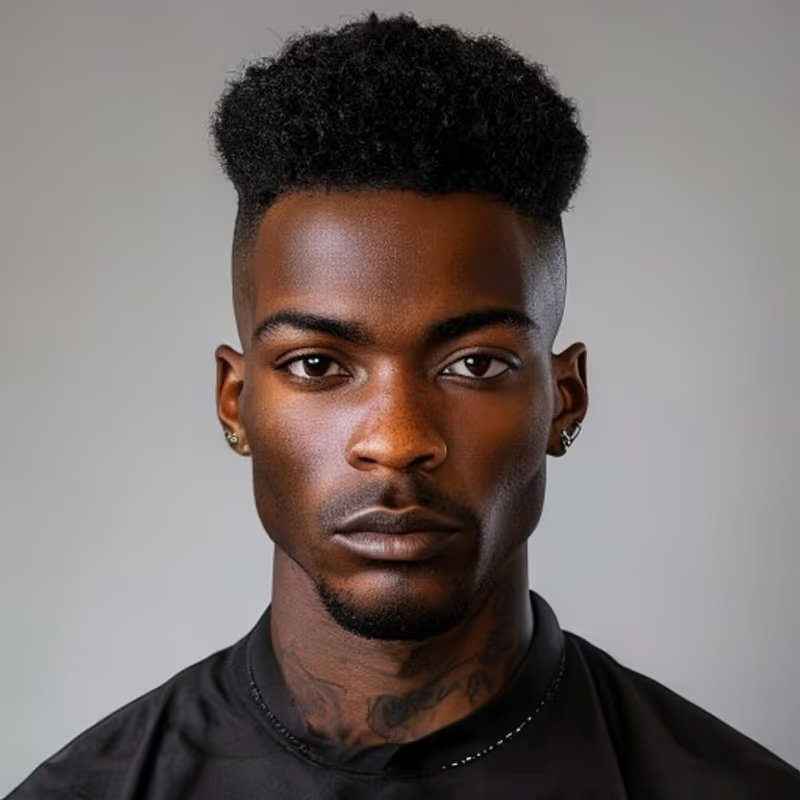
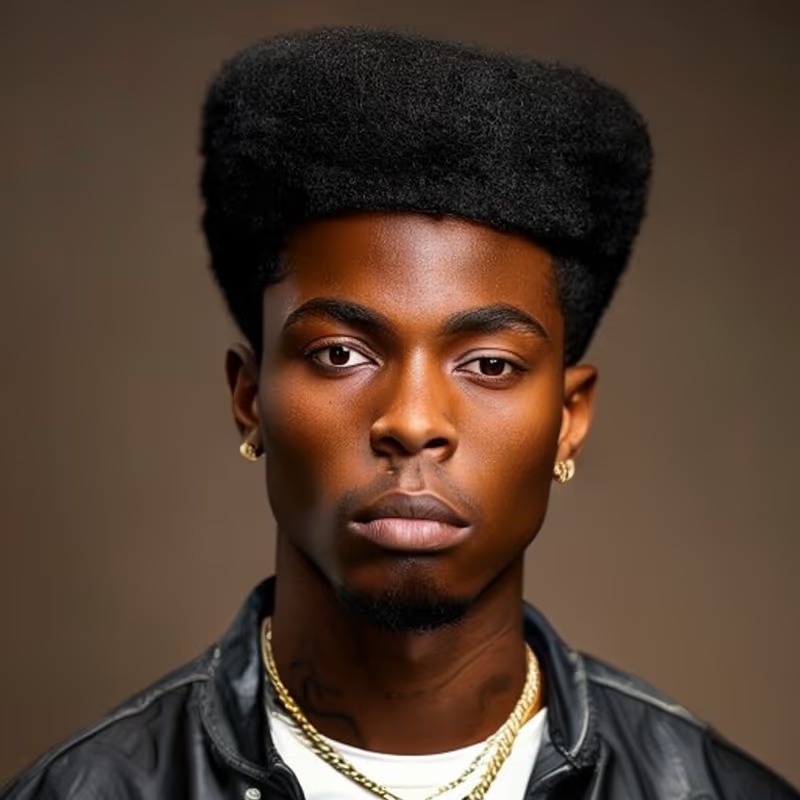
An afro is round and full with free, tapered, or faded sides. A high-top fade is a tall, flat-topped, squared-off box shape over a very short fade — the iconic 80s and 90s hip-hop look. The afro is the timeless natural silhouette; the high-top is the bolder, more structured, higher-maintenance statement.
Q8: How do I make my afro fuller or grow it bigger?+
Keep it moisturised so it doesn't break, pick it out from the roots daily to build height, and trim the ends every 6 to 8 weeks so they stay healthy and even, since broken ends make an afro look sparse. Time is the main ingredient; coily hair shrinks a lot, so it's often longer than it looks.
Q9: What is a blowout afro, a sponge afro, and a twist-out?+
All are ways to define the texture. A blowout uses a diffuser or pick attachment to blow the curls into soft volume. A sponge afro uses a curl sponge to twist the coils into tight, defined curls. A twist-out sets two-strand twists, then unravels them into elongated, defined coils. Each gives a different texture over the same base.
Q10: Does an afro suit my face shape?+
Almost all of them with the right shape. Oval faces wear any afro. Square faces suit a rounder, fuller shape to soften the jaw. Round faces do best with a high-top or frohawk for height. Heart and long faces suit a fuller, wider afro (with a beard for heart shapes) to balance the proportions.
Q11: Why is the line-up so important on an afro?+
The line-up (the razor-clean hairline and edges) is what separates a sharp, intentional afro from a shapeless, grown-out one. It frames the natural texture and is the single detail that makes the whole cut read fresh. It's why many guys get a quick edge-up between full shape-ups.
Q12: Is the afro still in style in 2026?+
Very much so: 2026 is all about natural texture worn intentionally. The afro fade, blowout, sponge curls, twist-outs, and the returning high-top are some of the most popular looks for Black men, paired with clean line-ups and beards. Natural hair that looks deliberate and grows out well is exactly the direction the year is going.
Final Takeaway
The afro is the proudest, most versatile expression of natural Black hair, and in 2026 it is sharper and more celebrated than ever. With 24 styles, from the classic and big afro to afro fades, blowouts, sponge curls, twist-outs, the frohawk, and the returning high-top, there is a shape for every hair pattern and face. Keep it moisturised, keep the line-up clean, and the afro is as sharp as any cut going.
Full. Proud. Natural. Twenty-four ways to wear the afro in 2026.