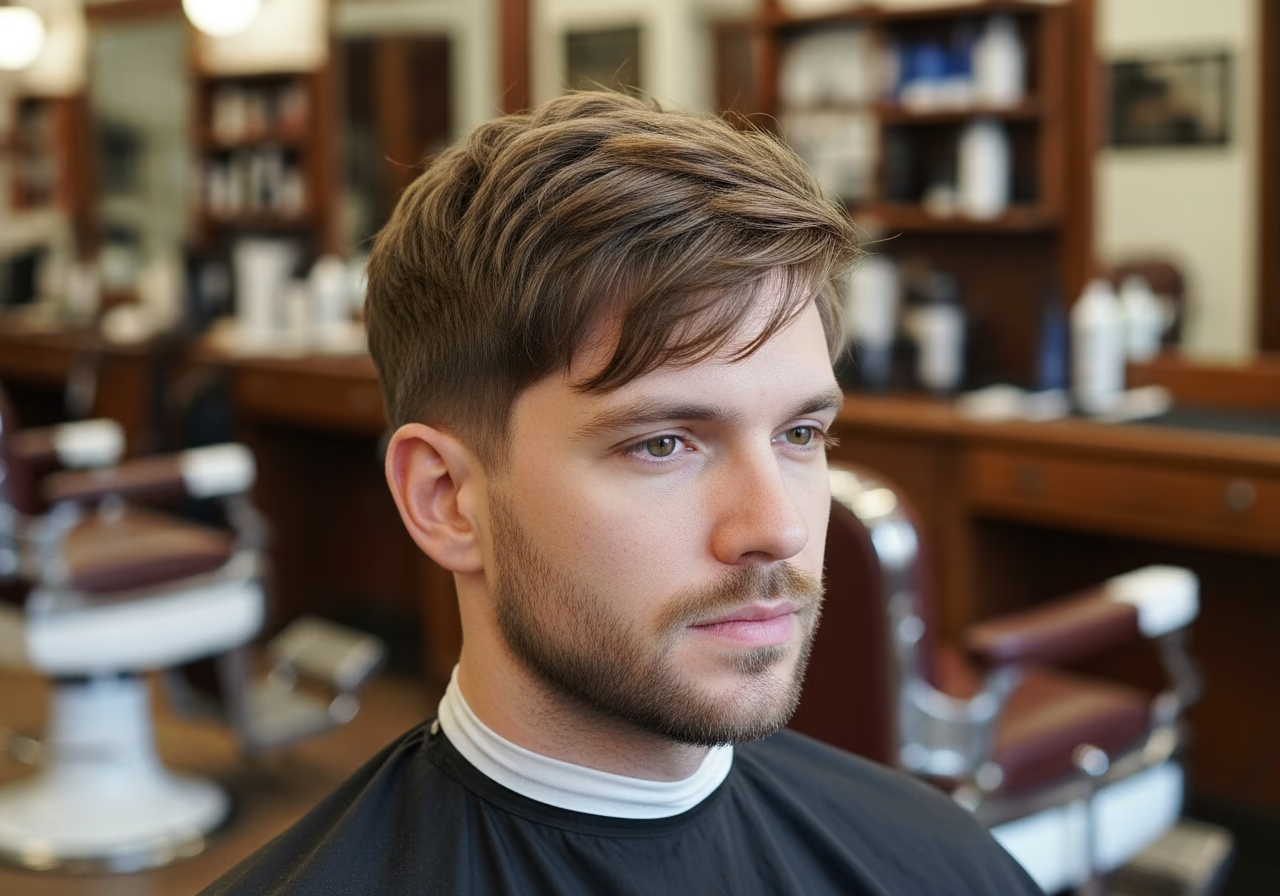
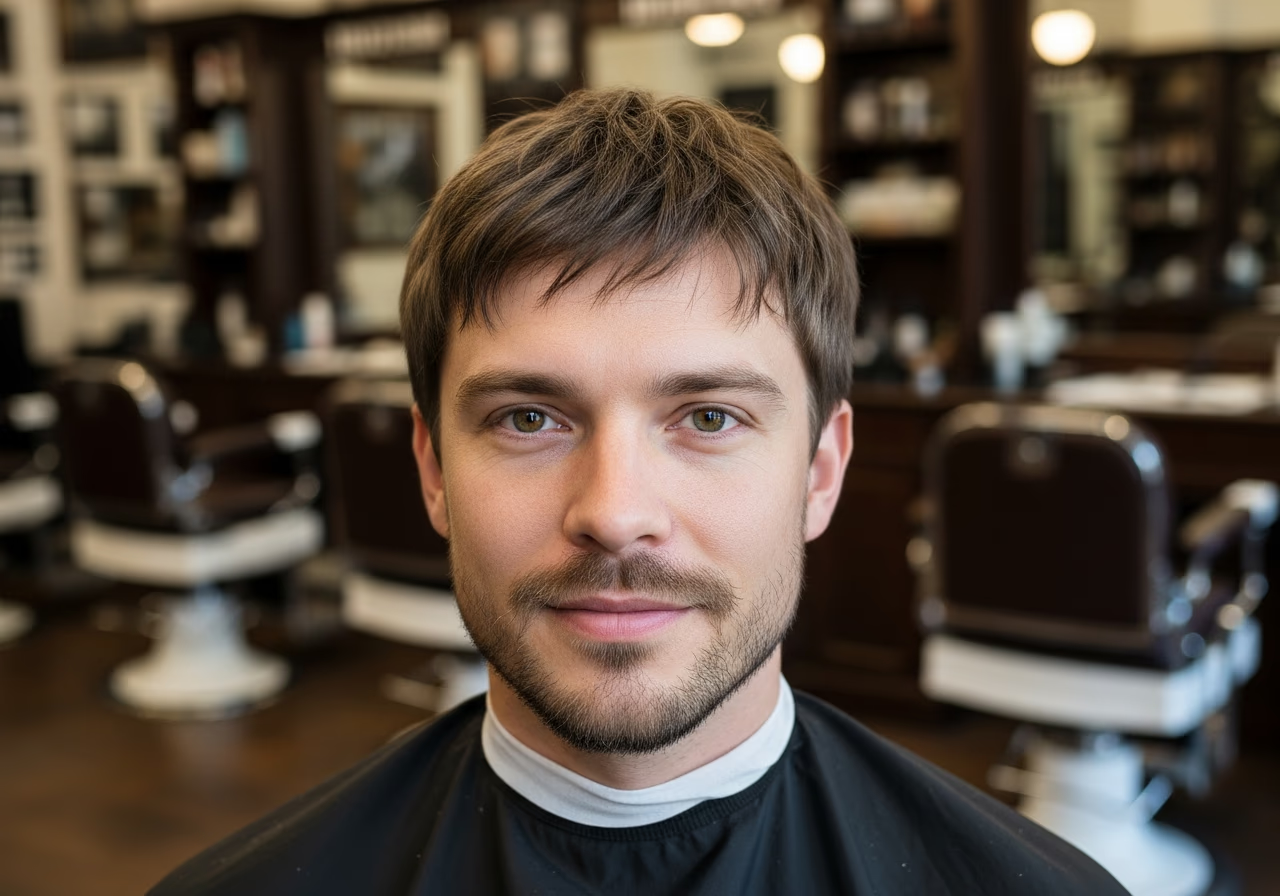
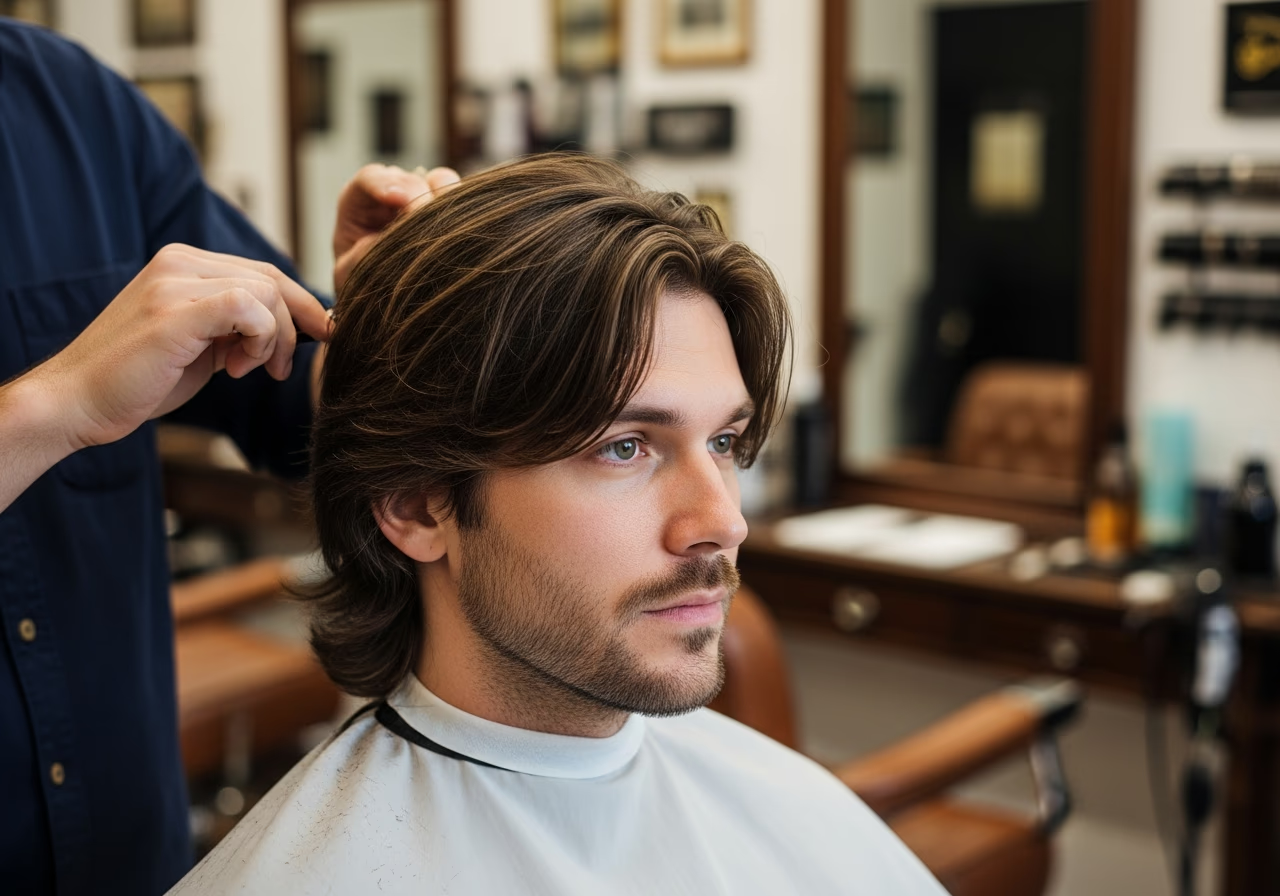
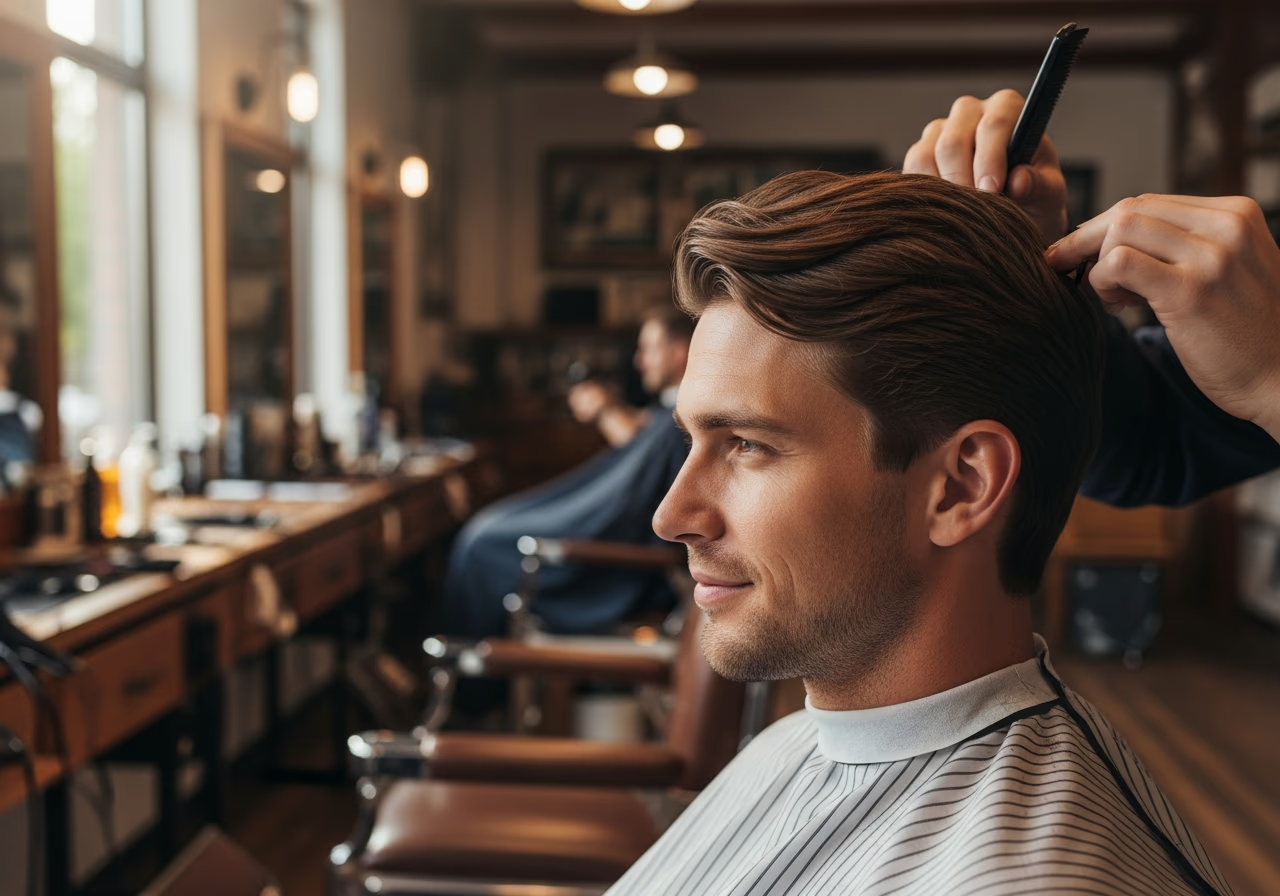
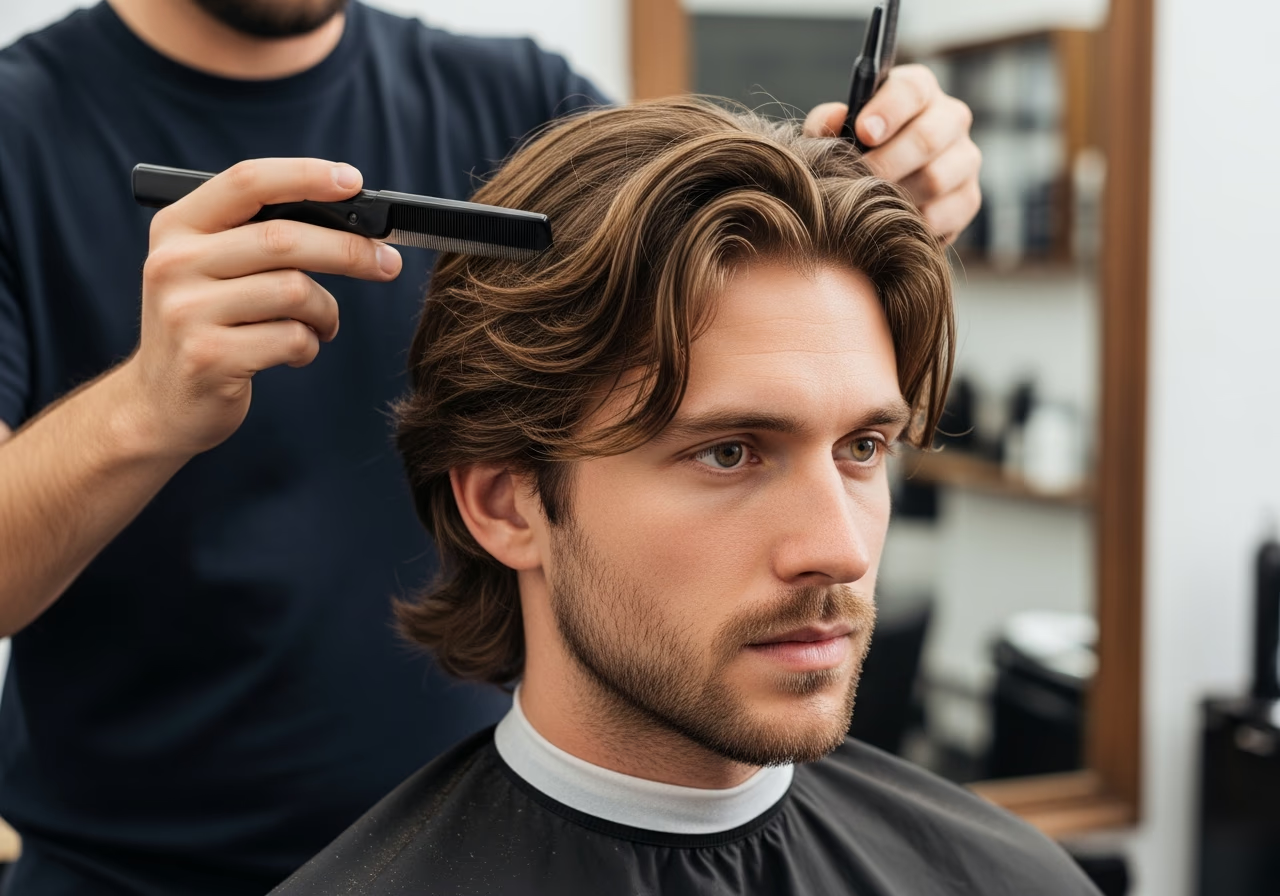
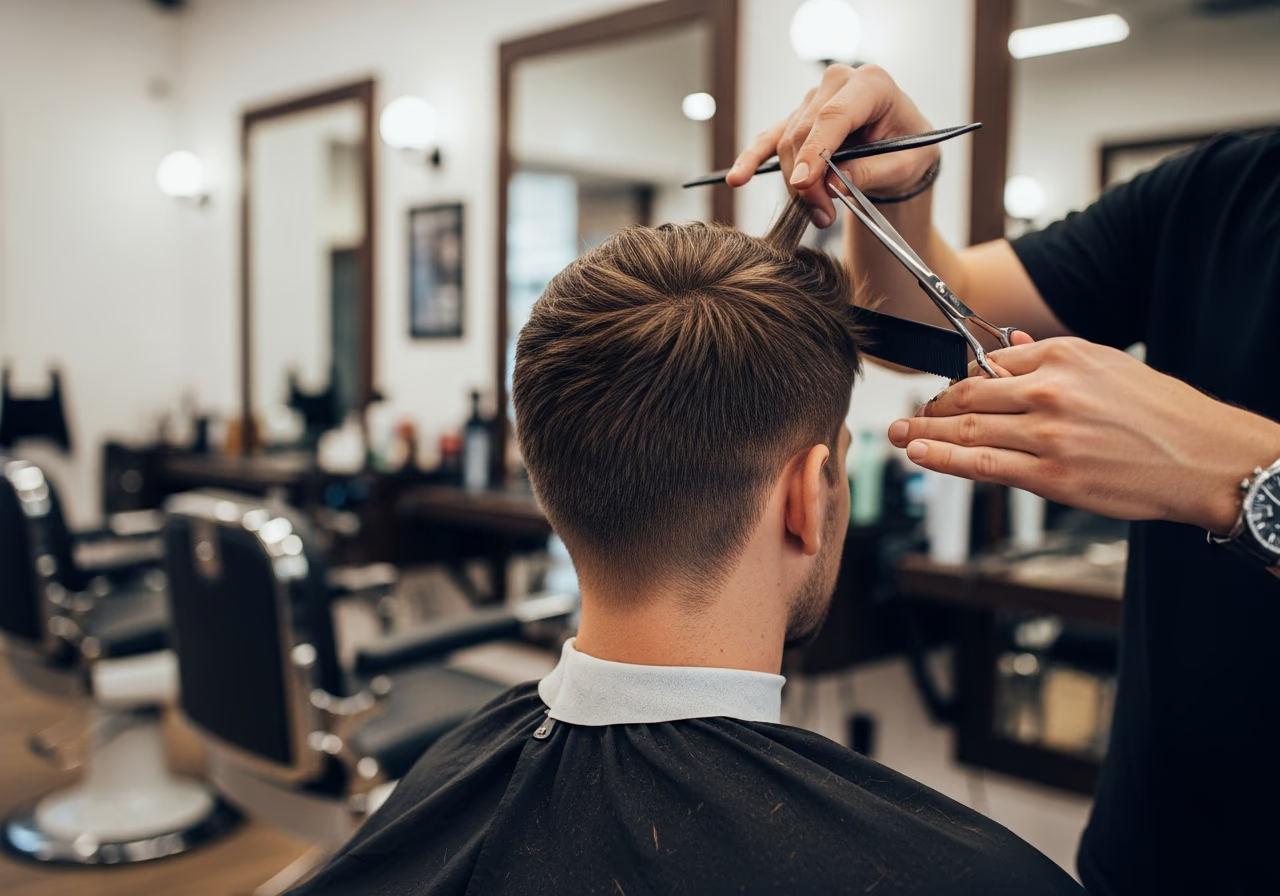
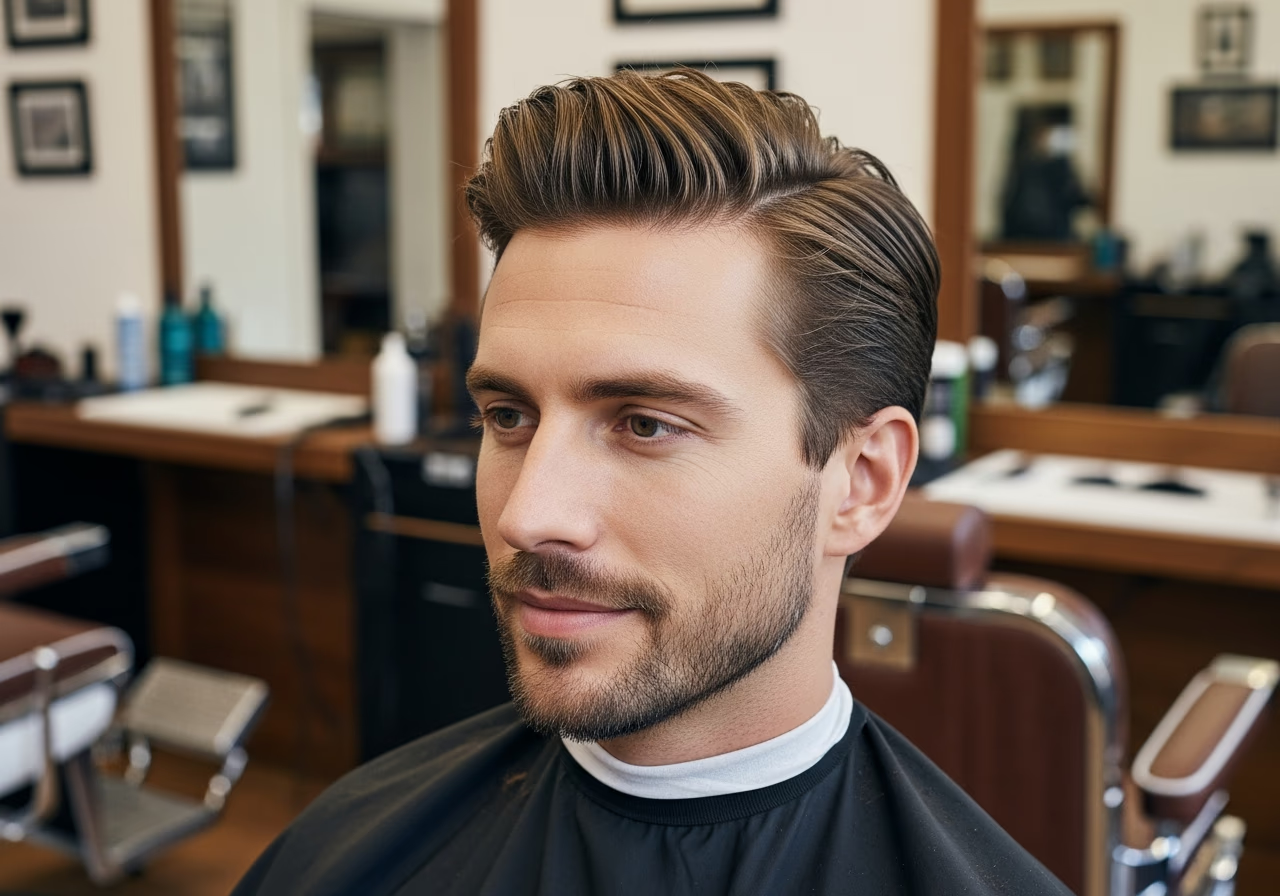
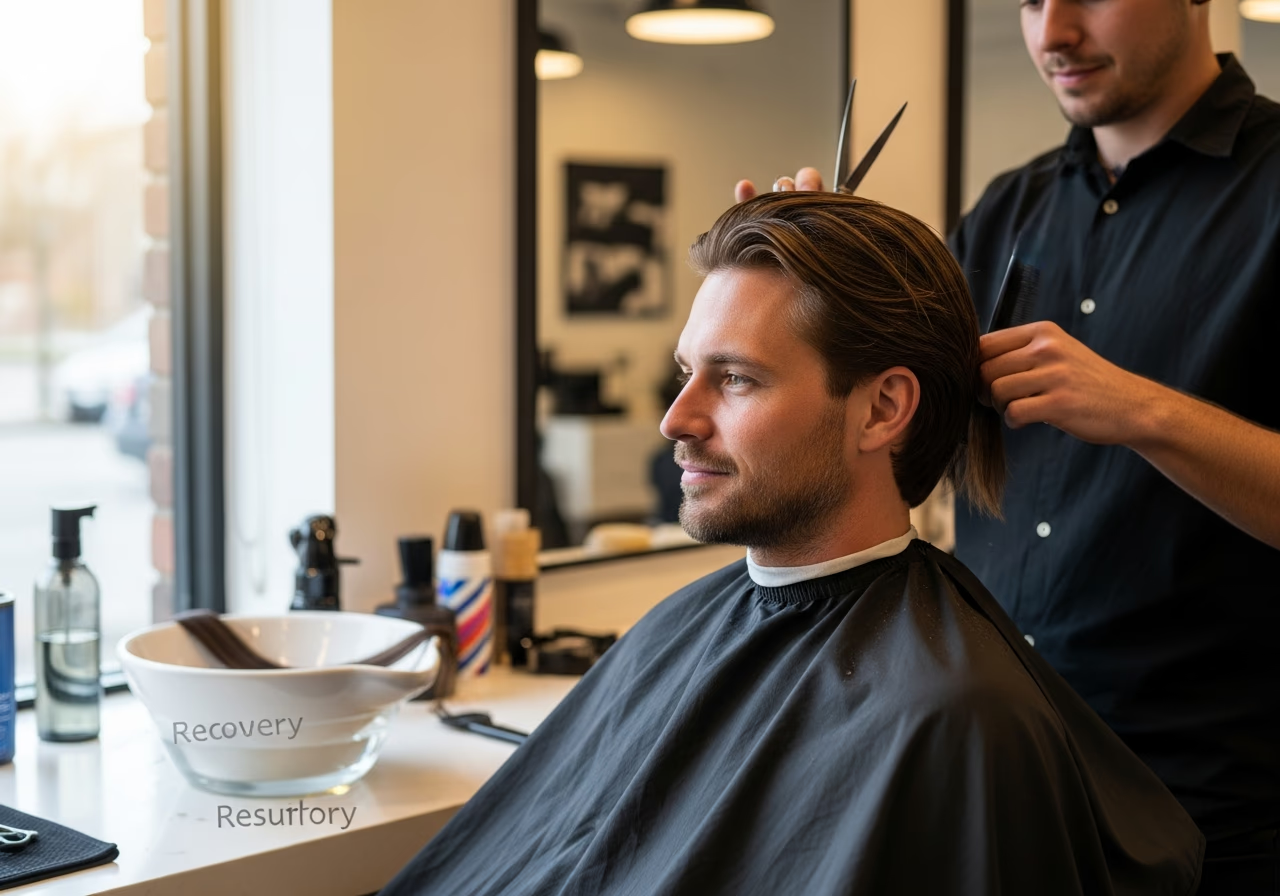
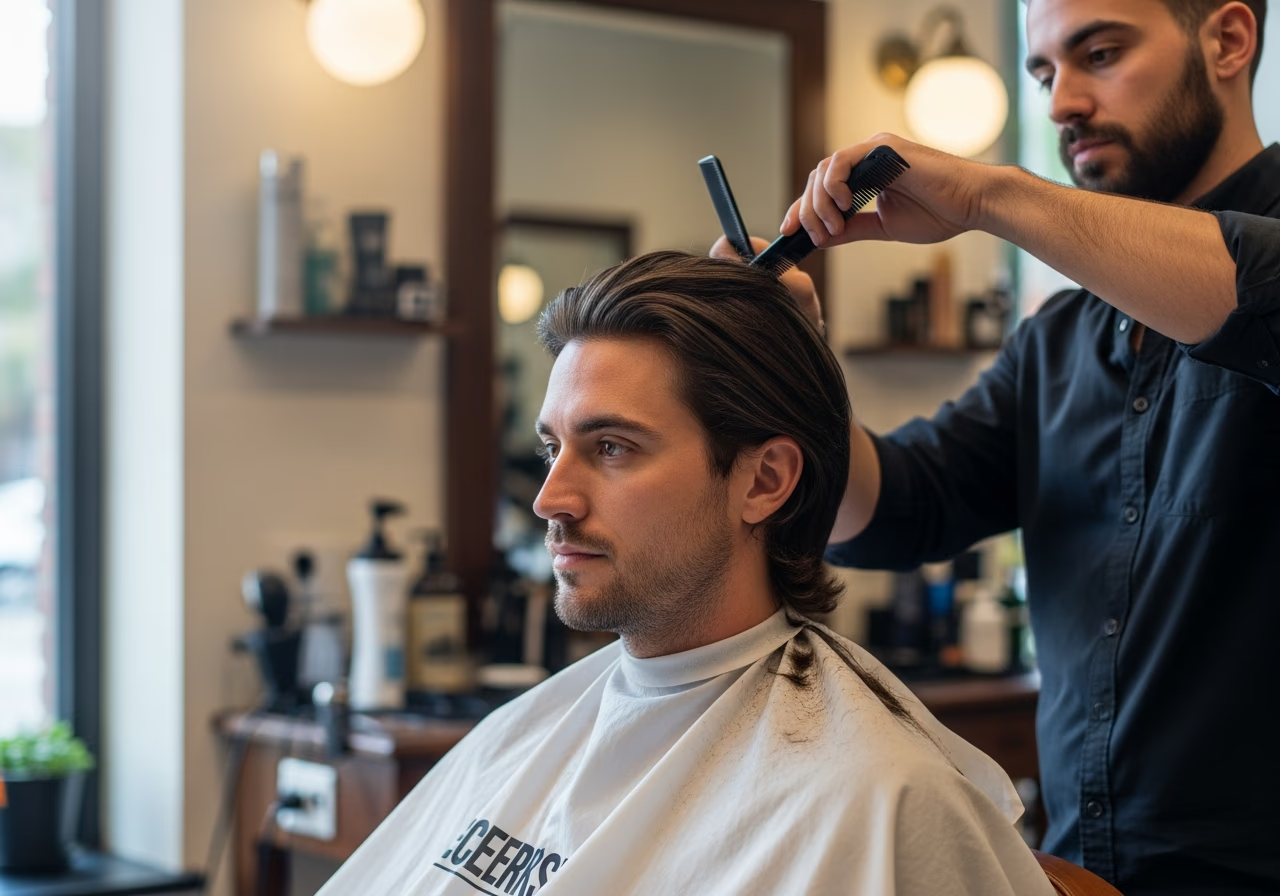
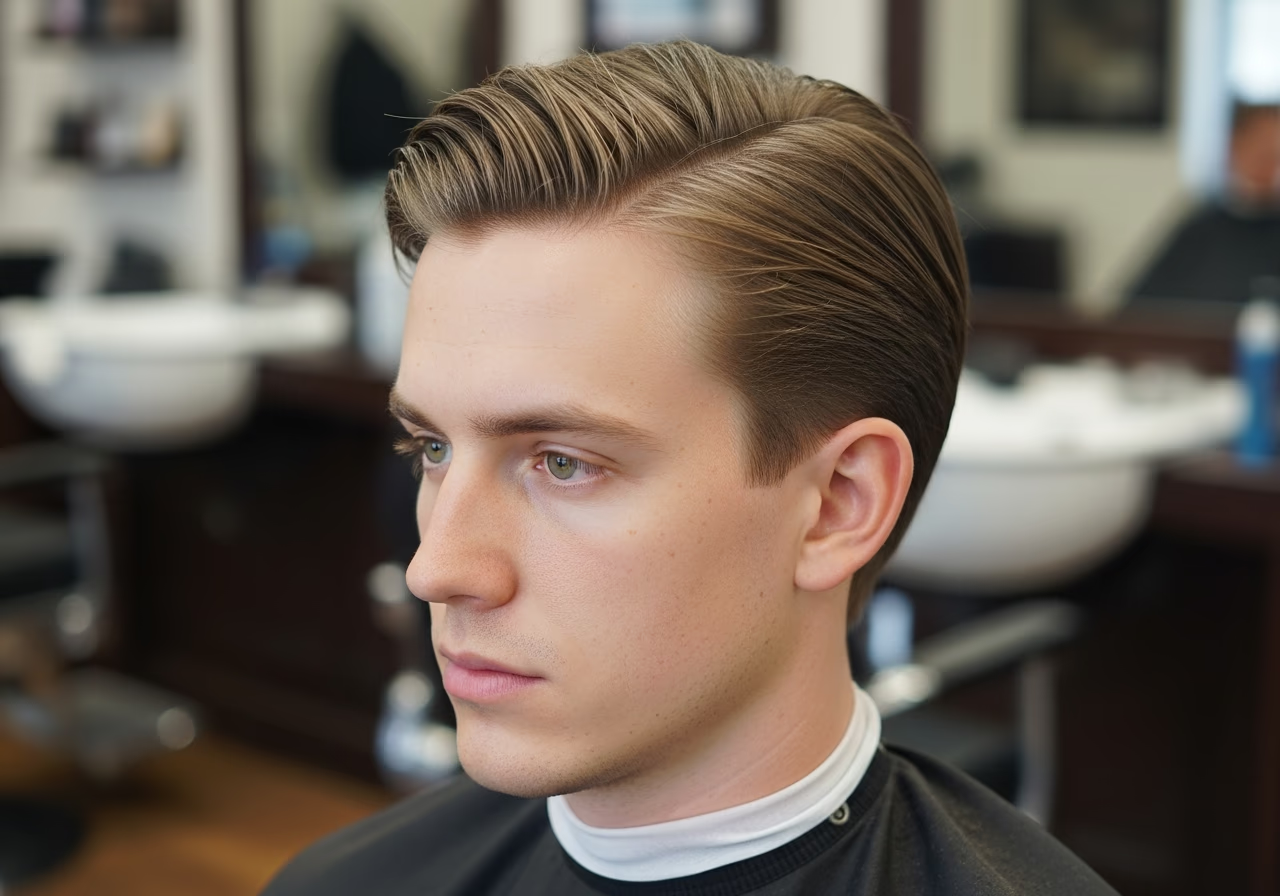
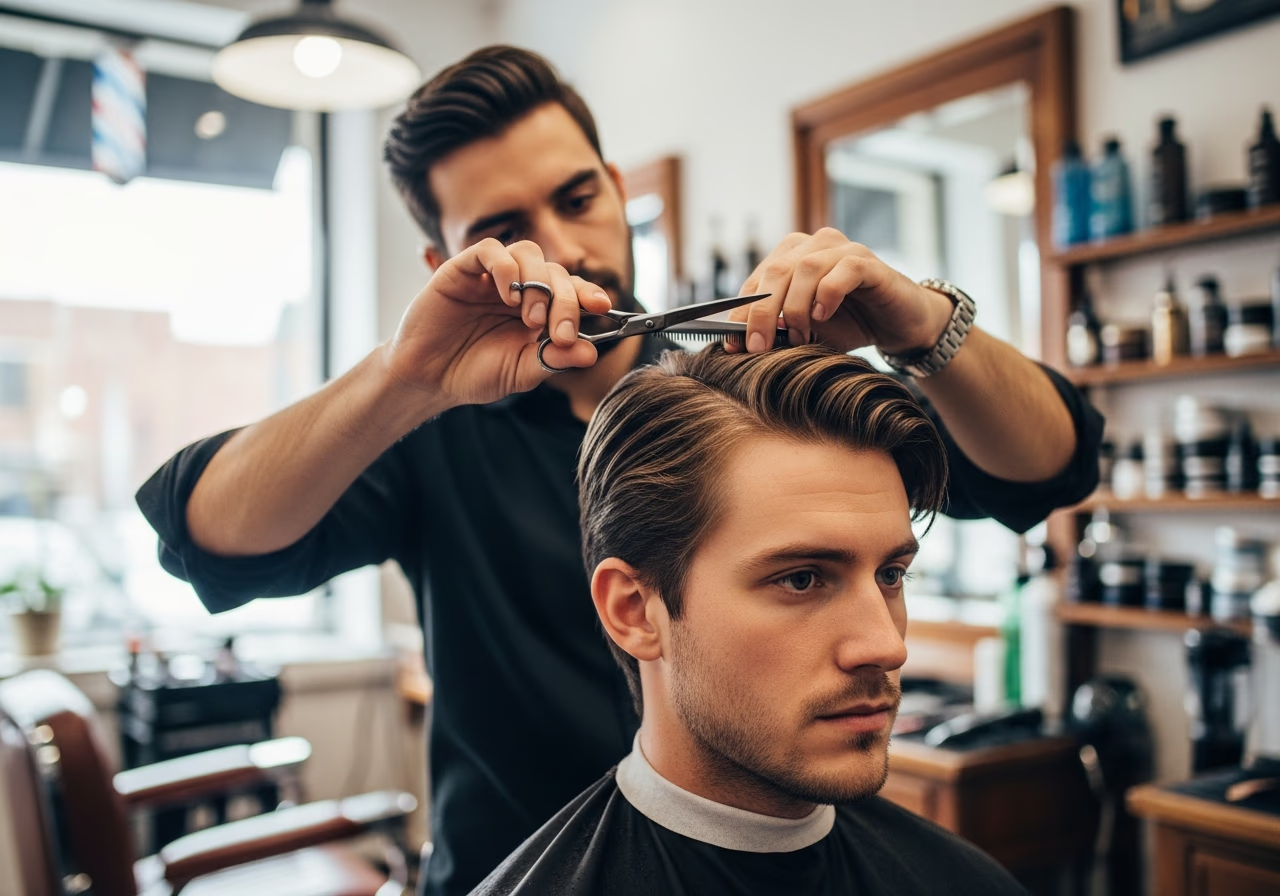
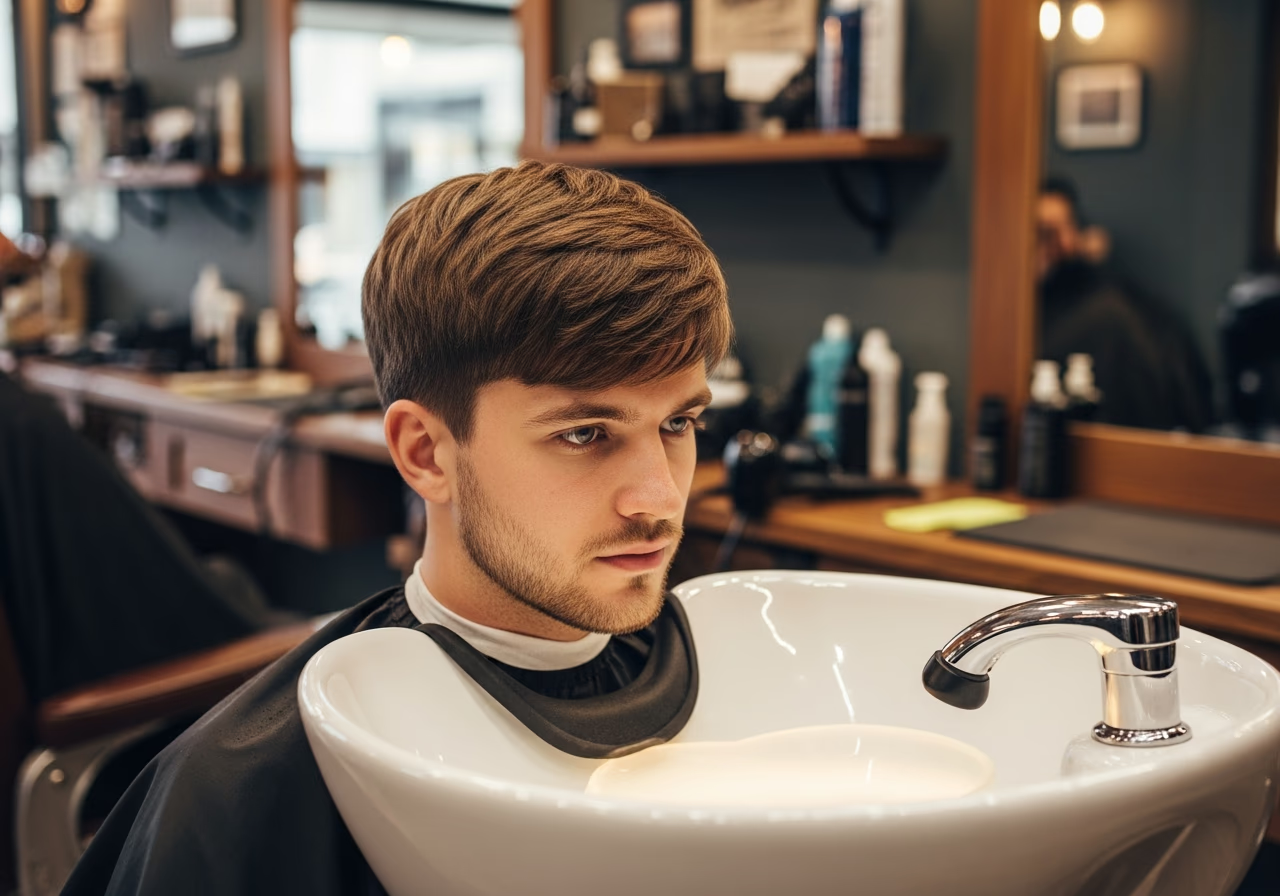
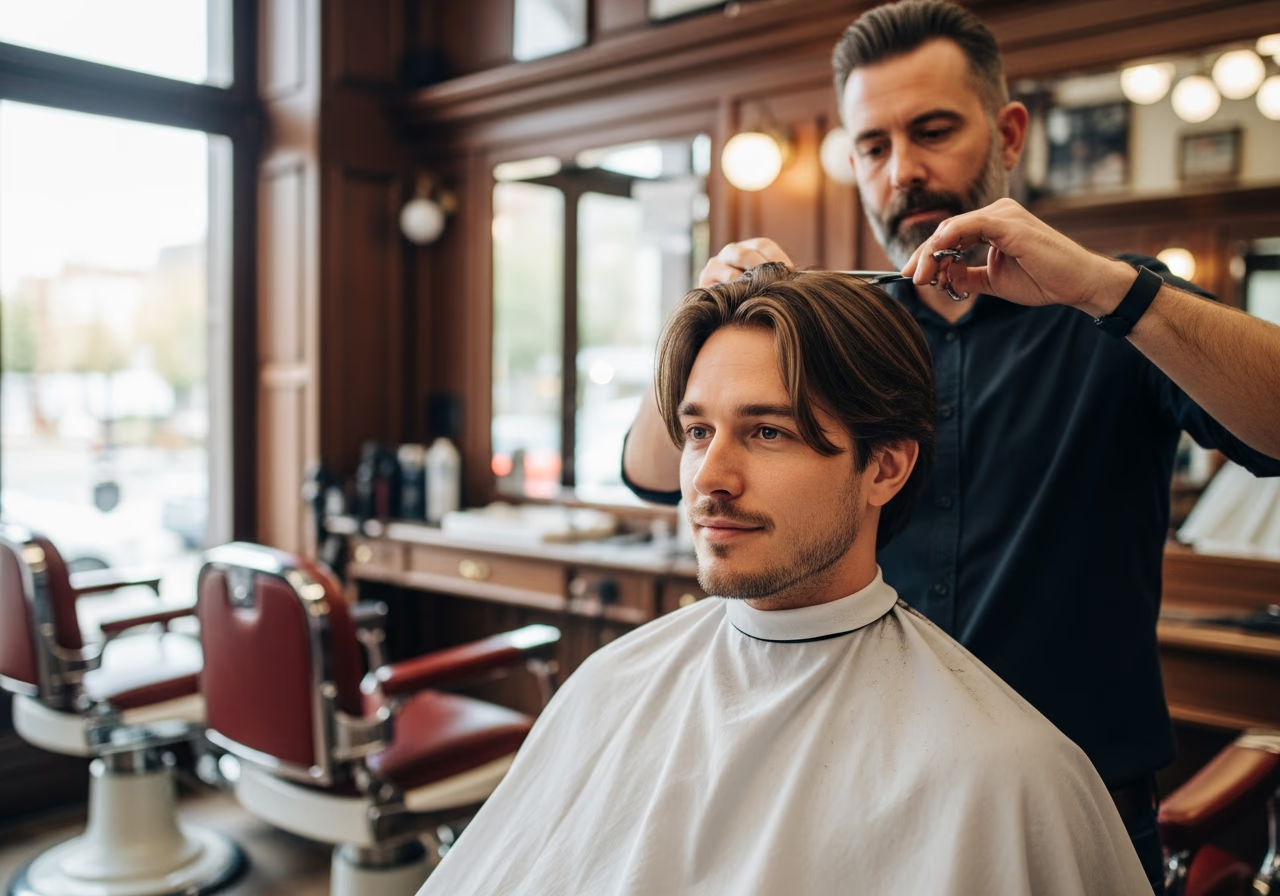
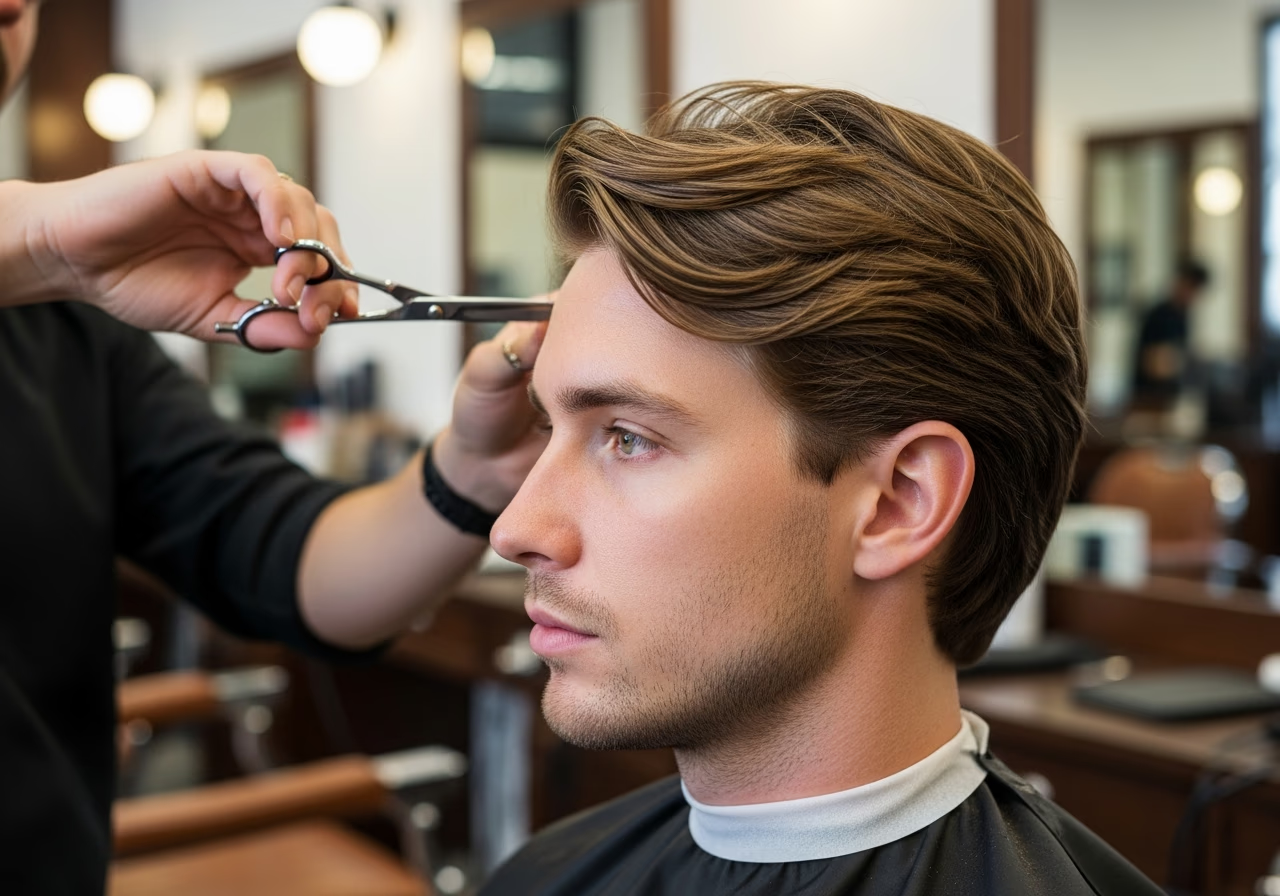
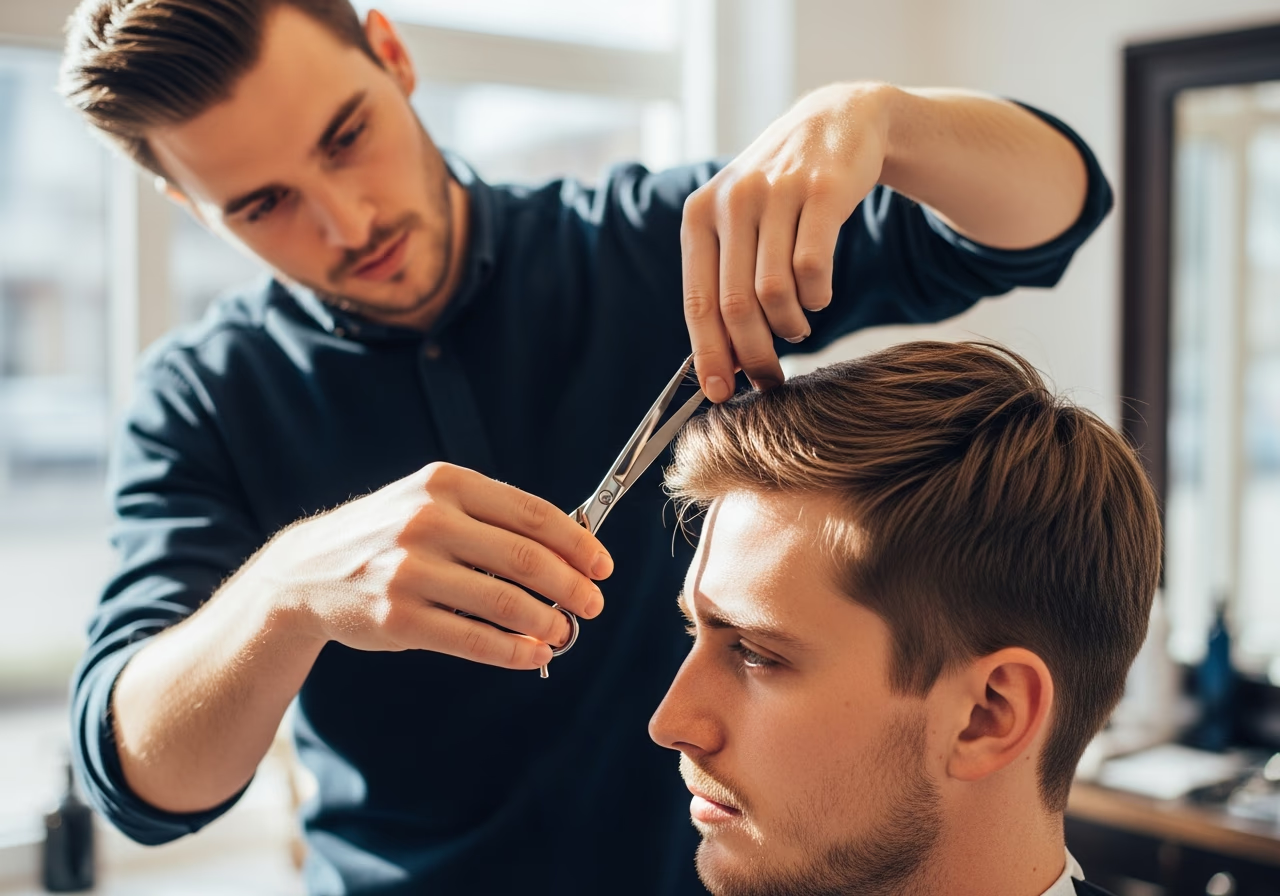
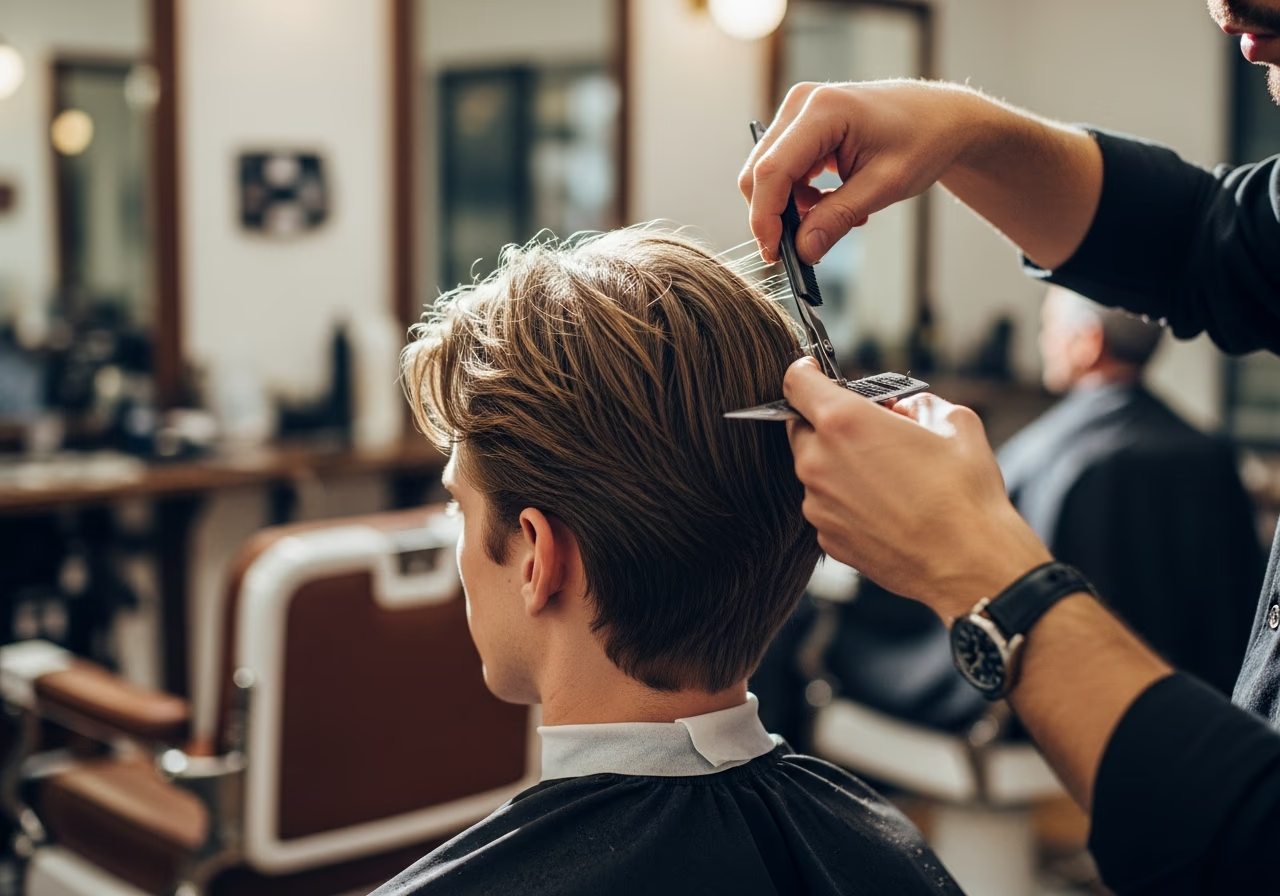
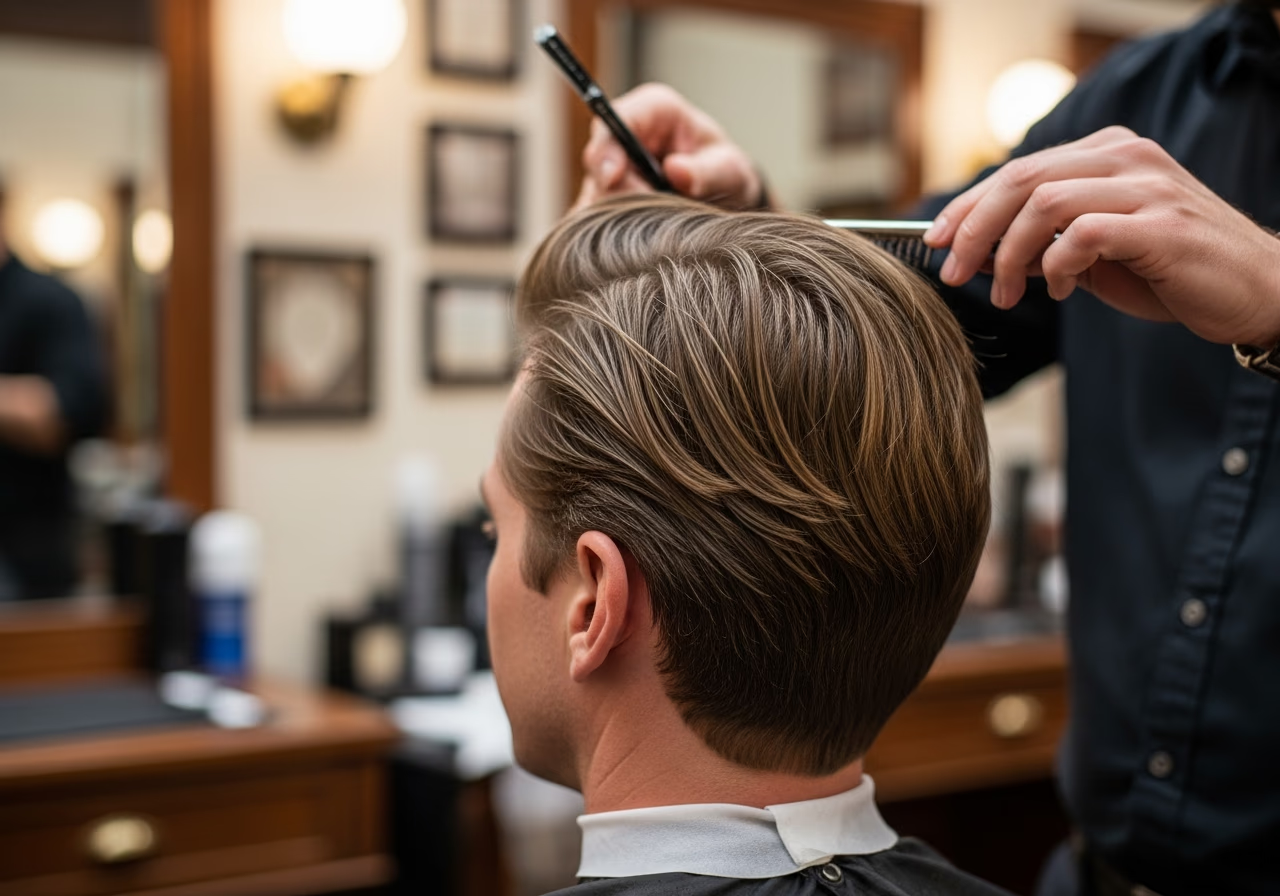
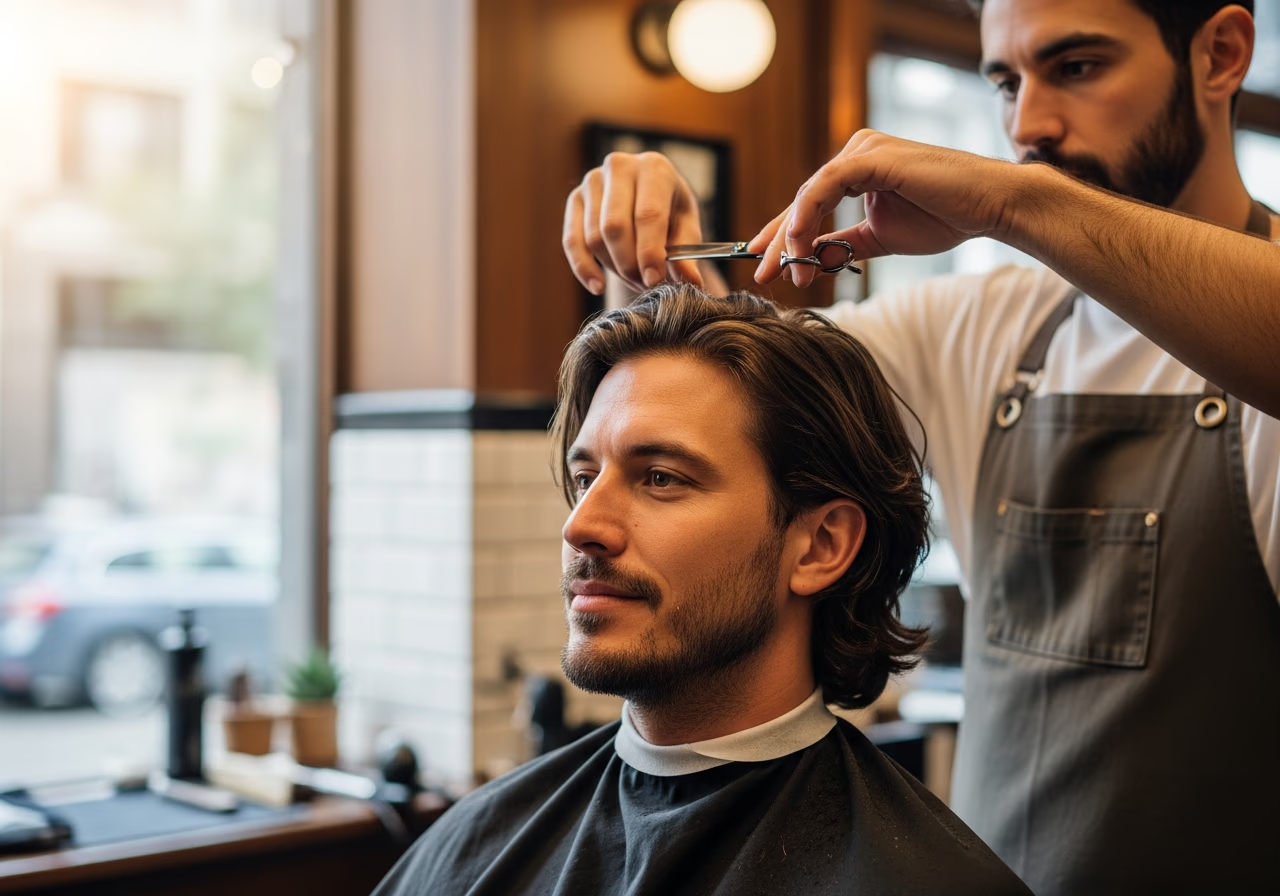
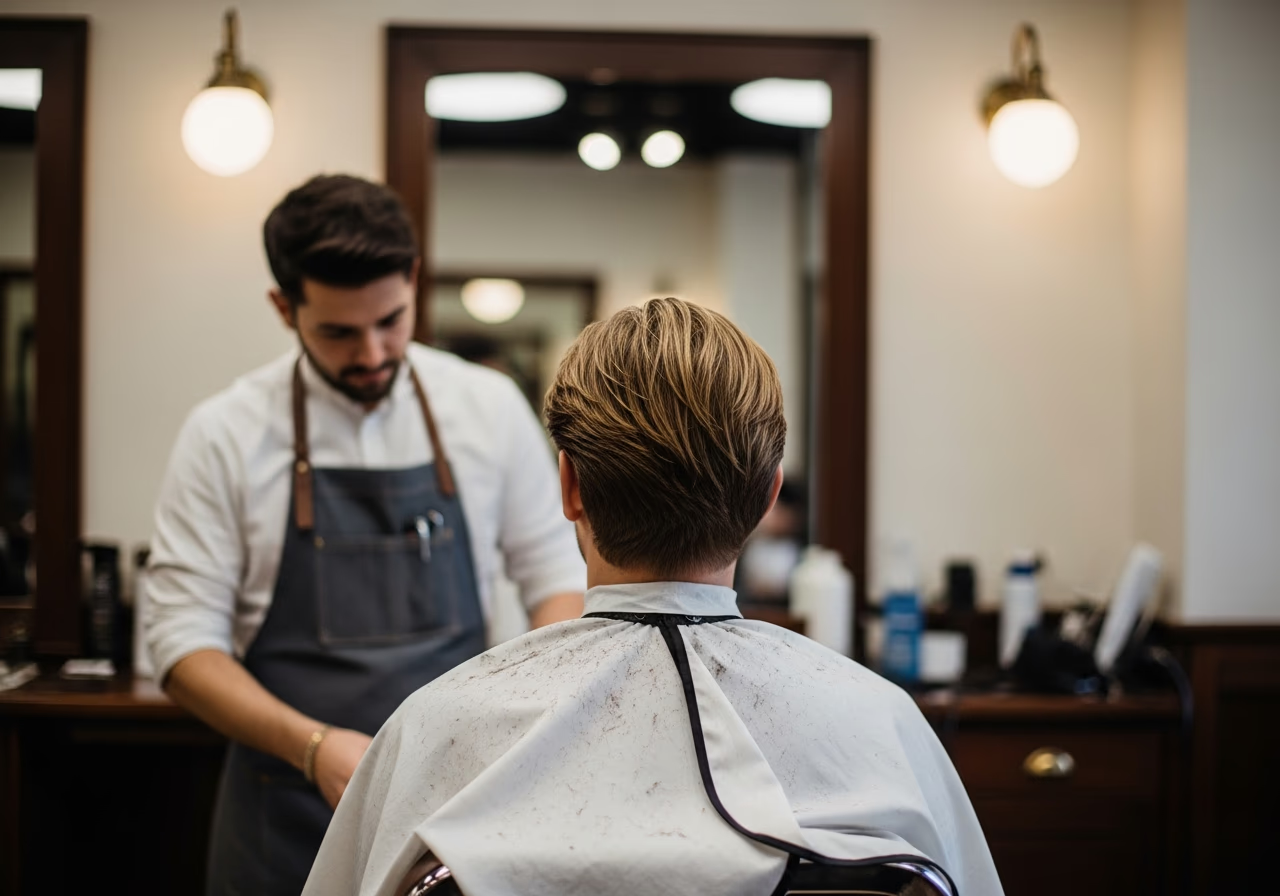
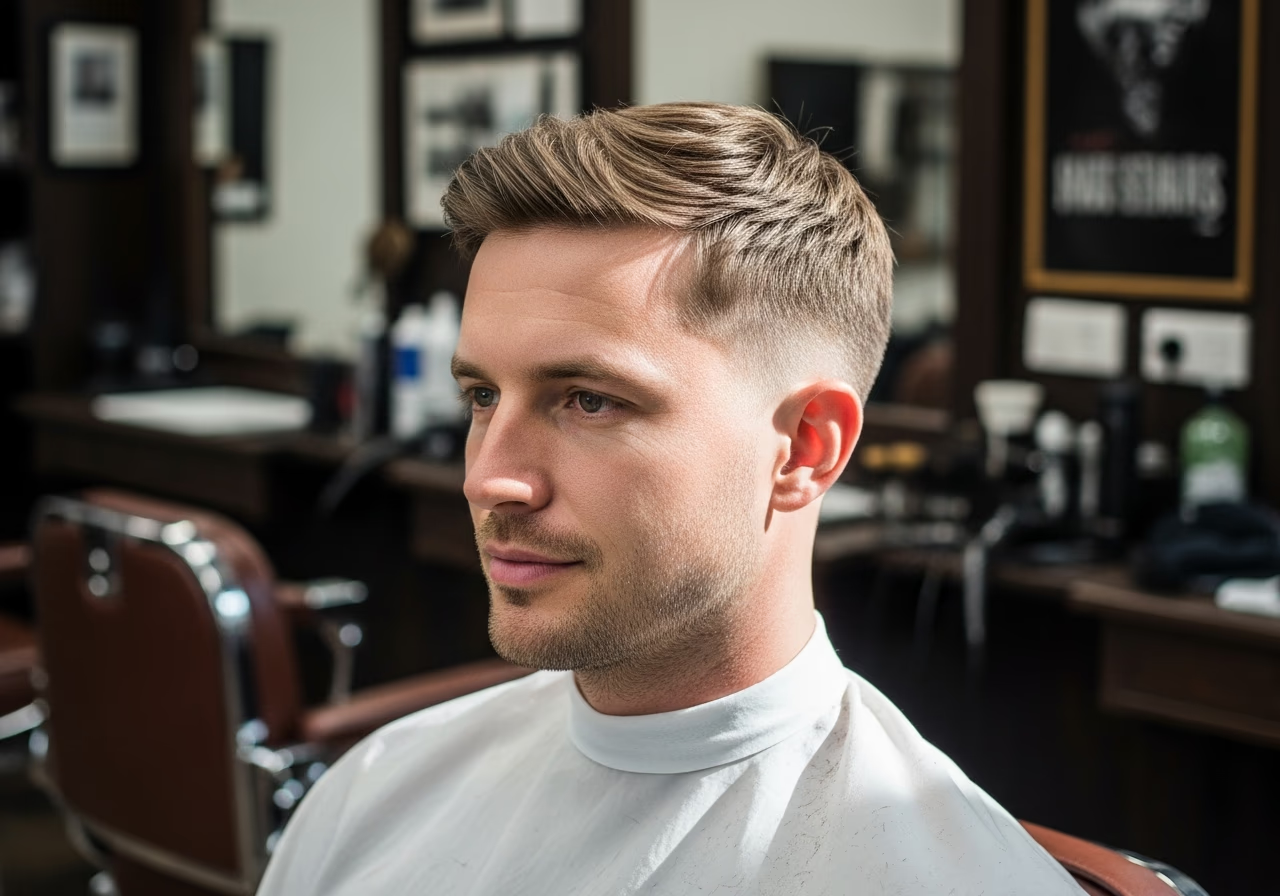
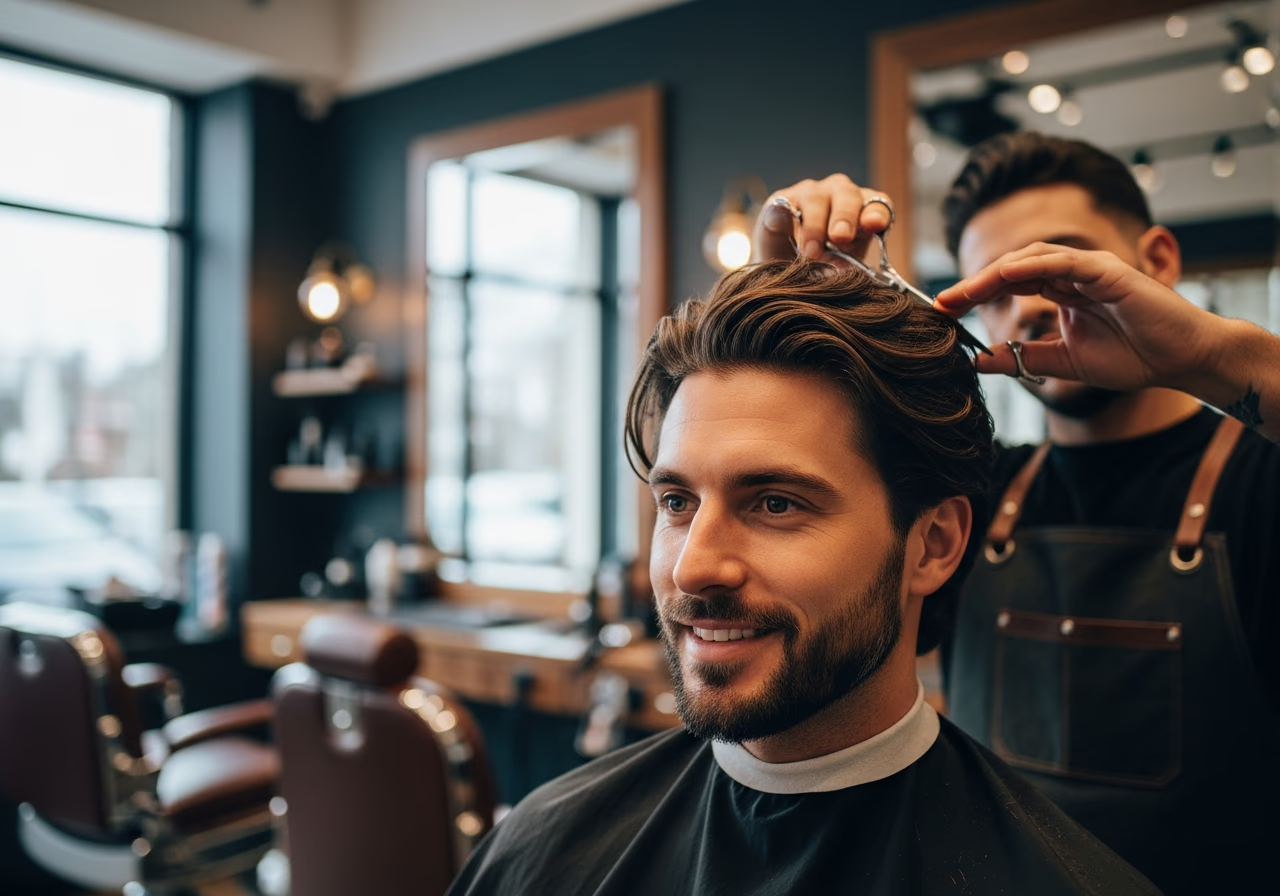
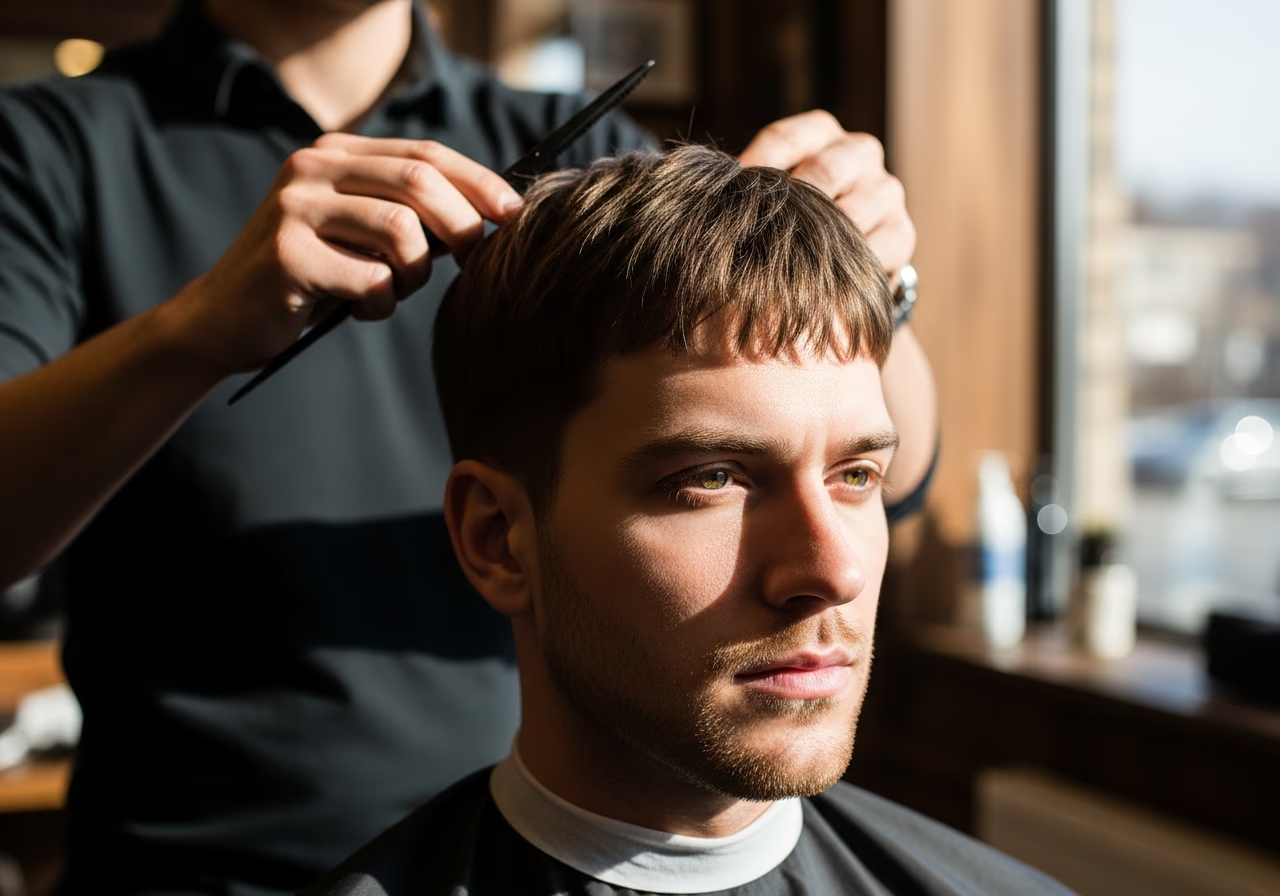
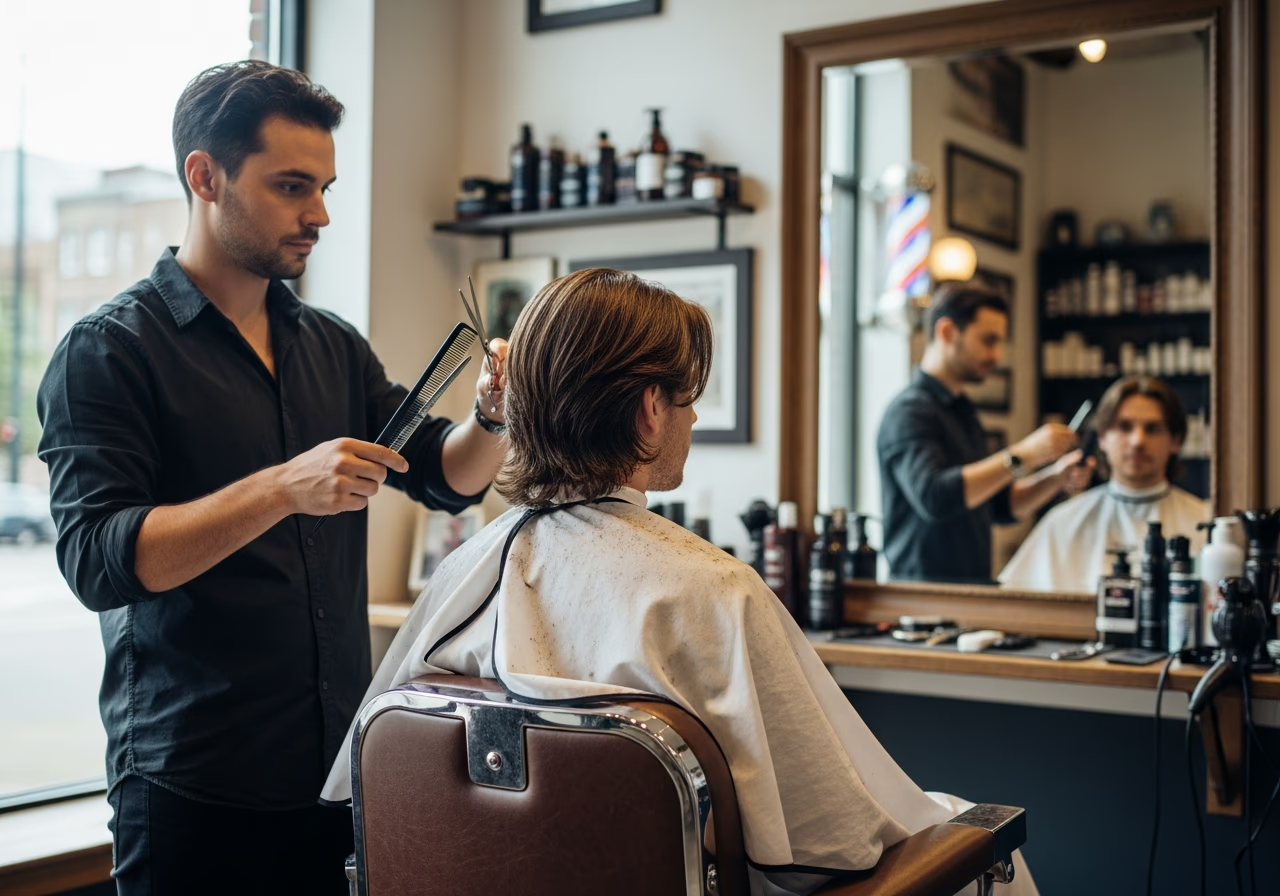
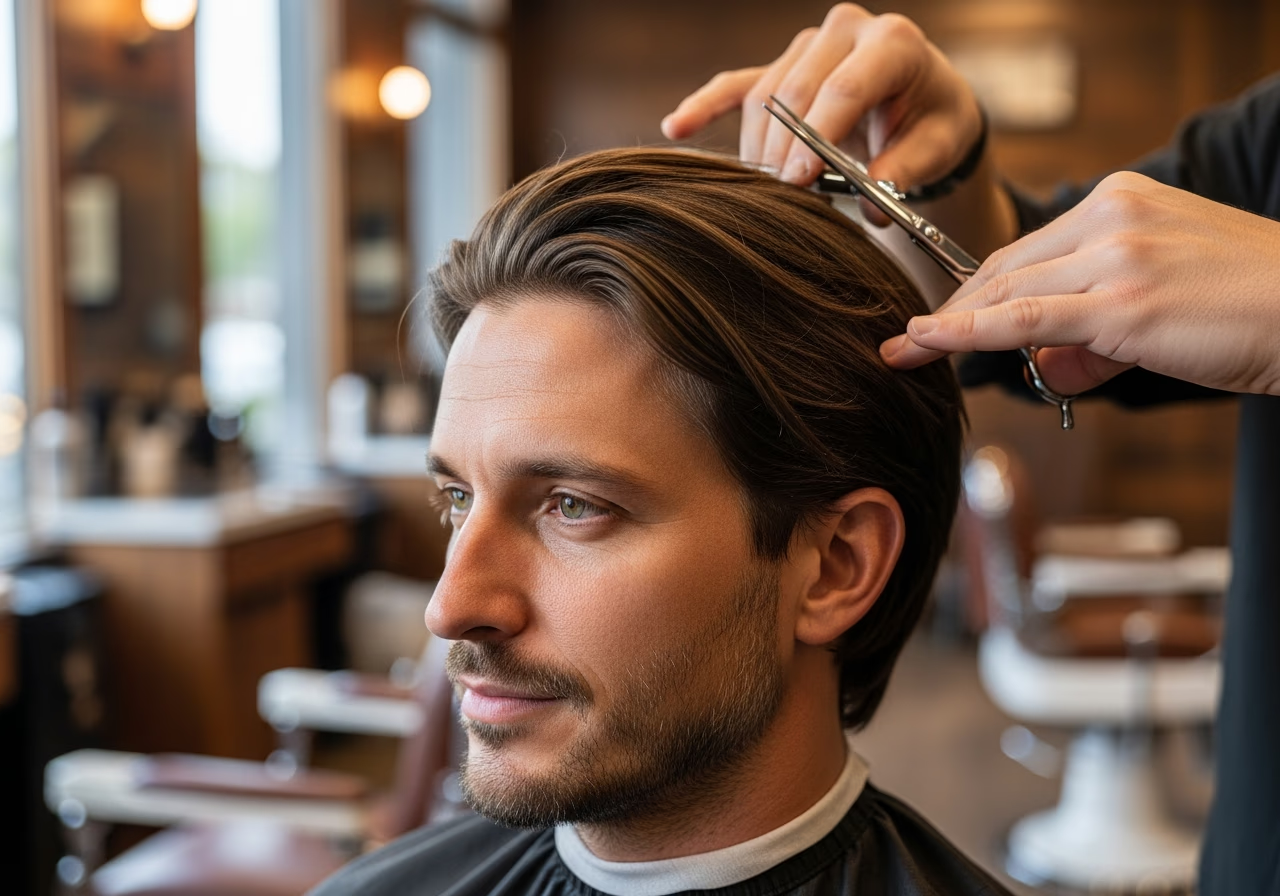
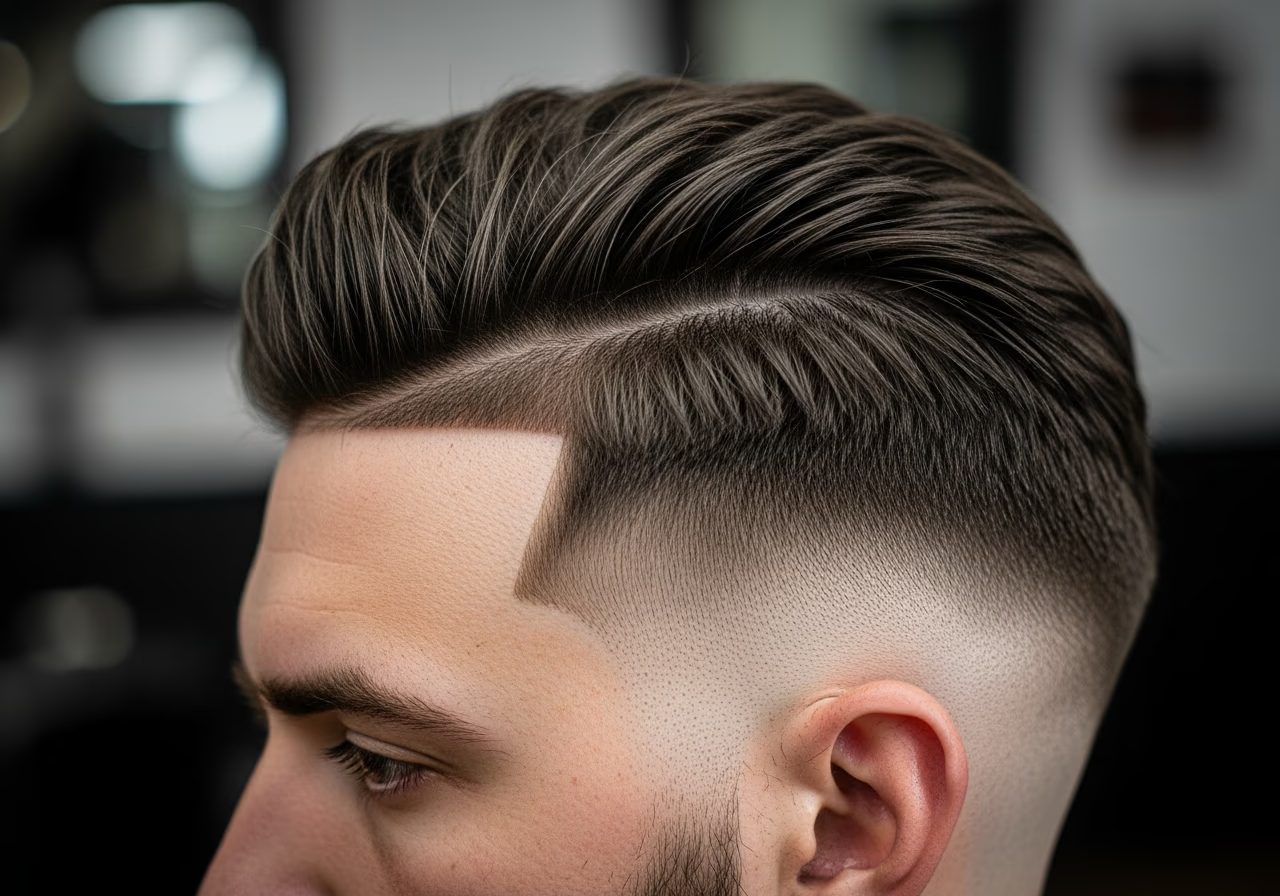
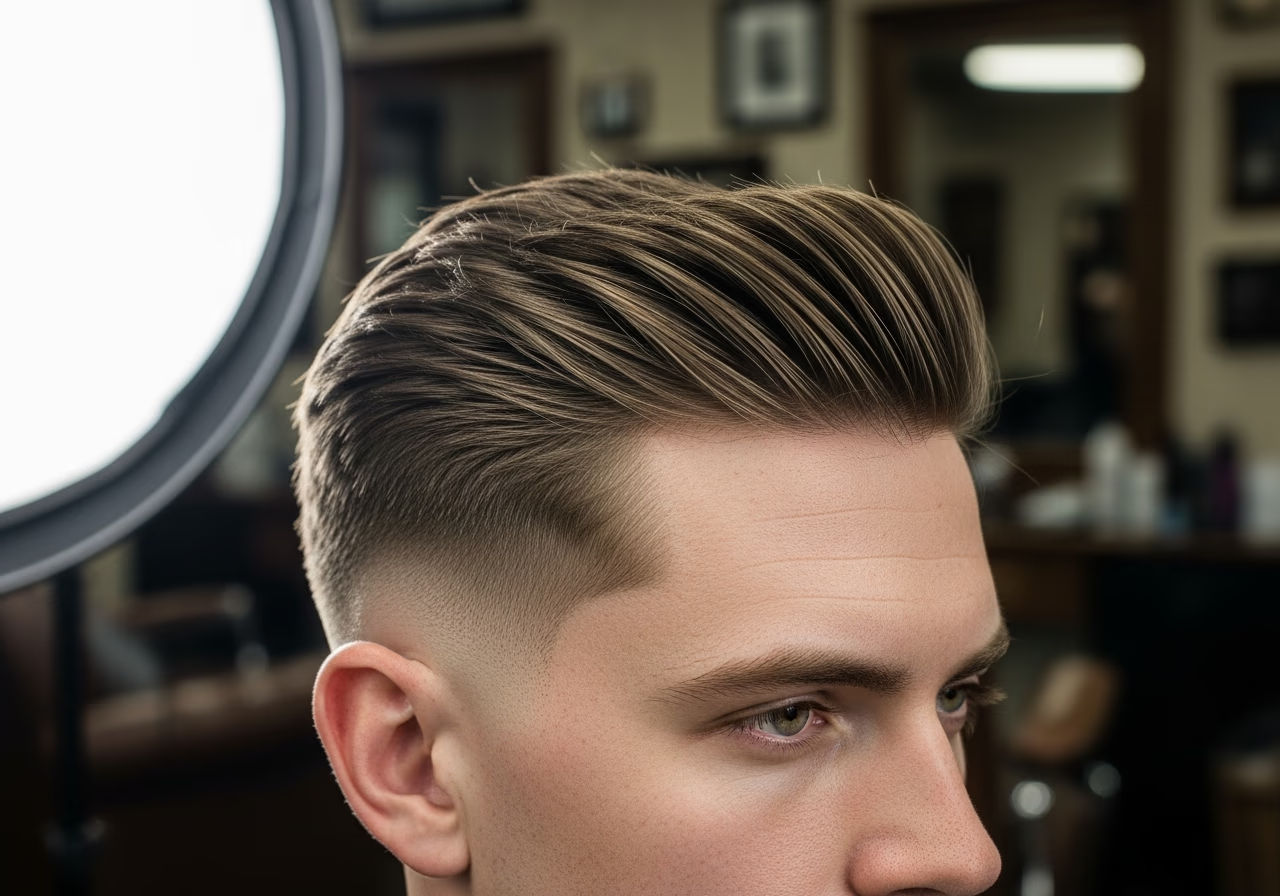
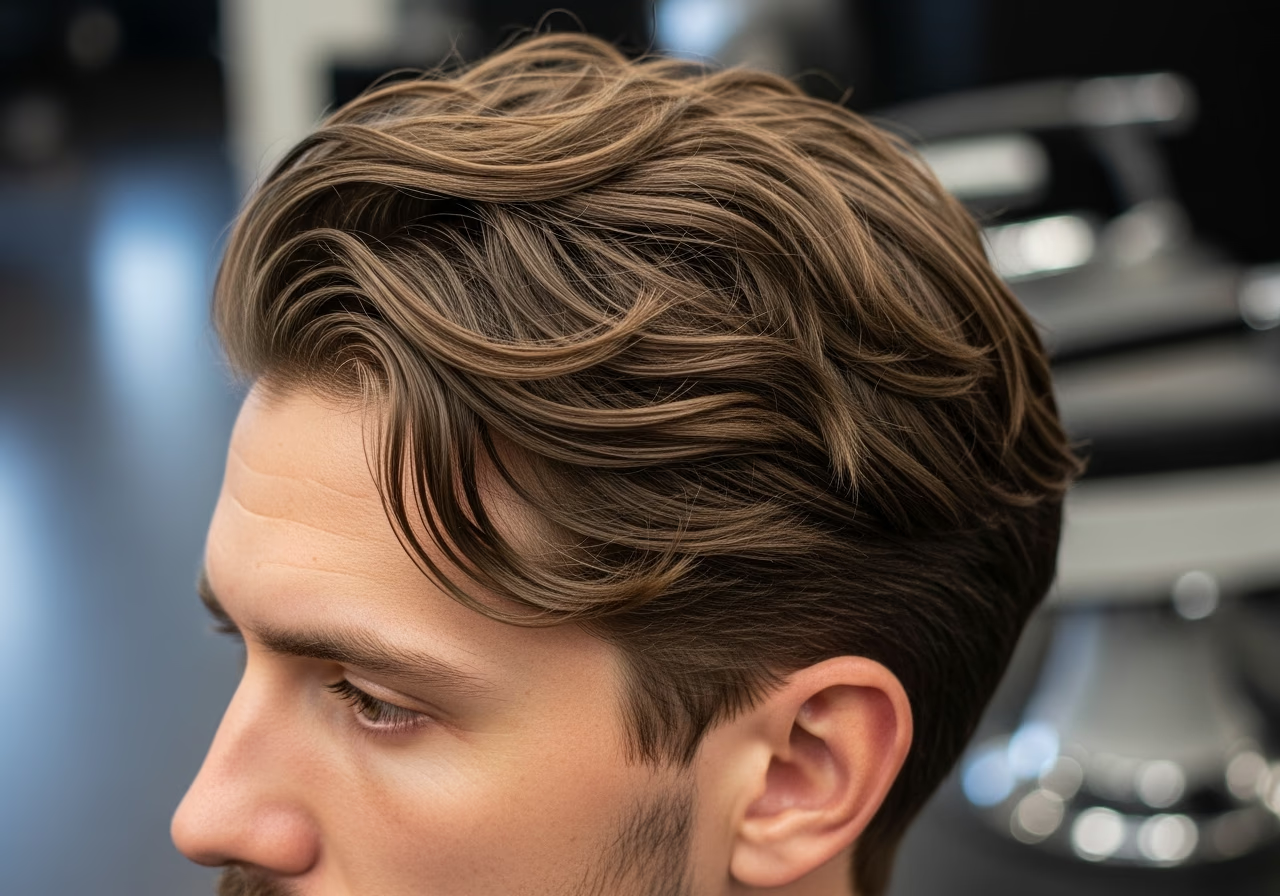
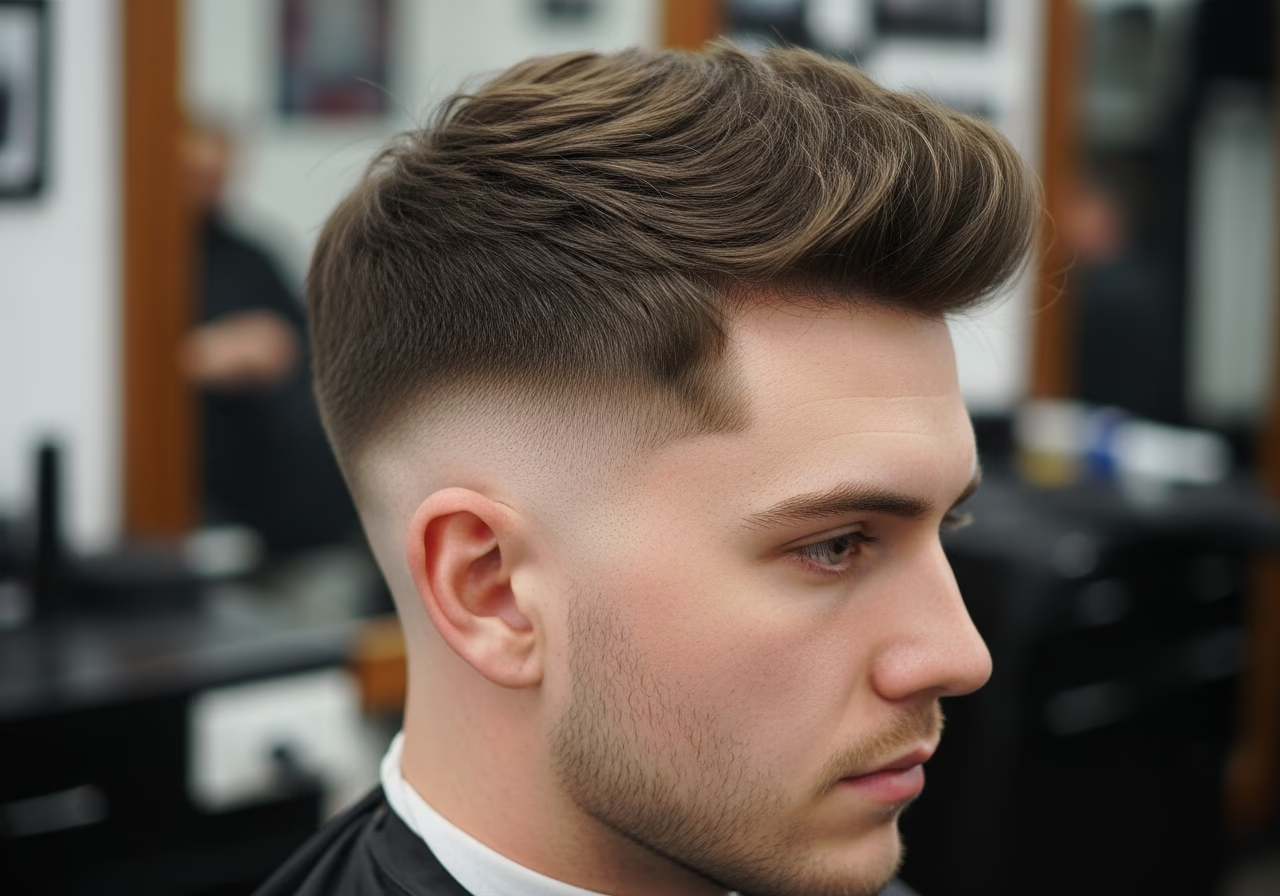
"I have dry/damaged hair. Please use light point-cutting only to remove split ends, no thinning shears, and keep as much length as possible. I want to air-dry today so I can see the result before I leave."
1. What are the 5 best recovery haircuts for damaged hair in 2026?+
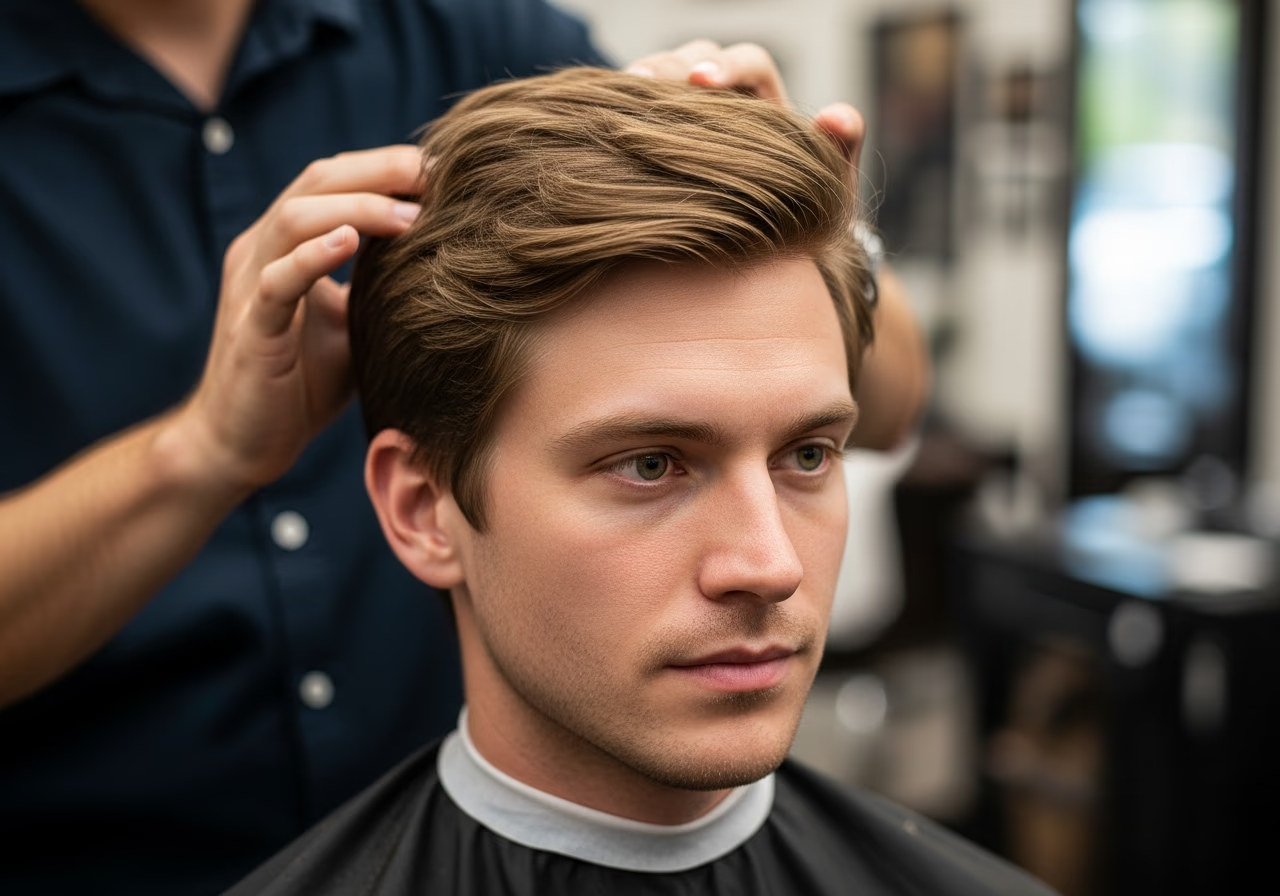
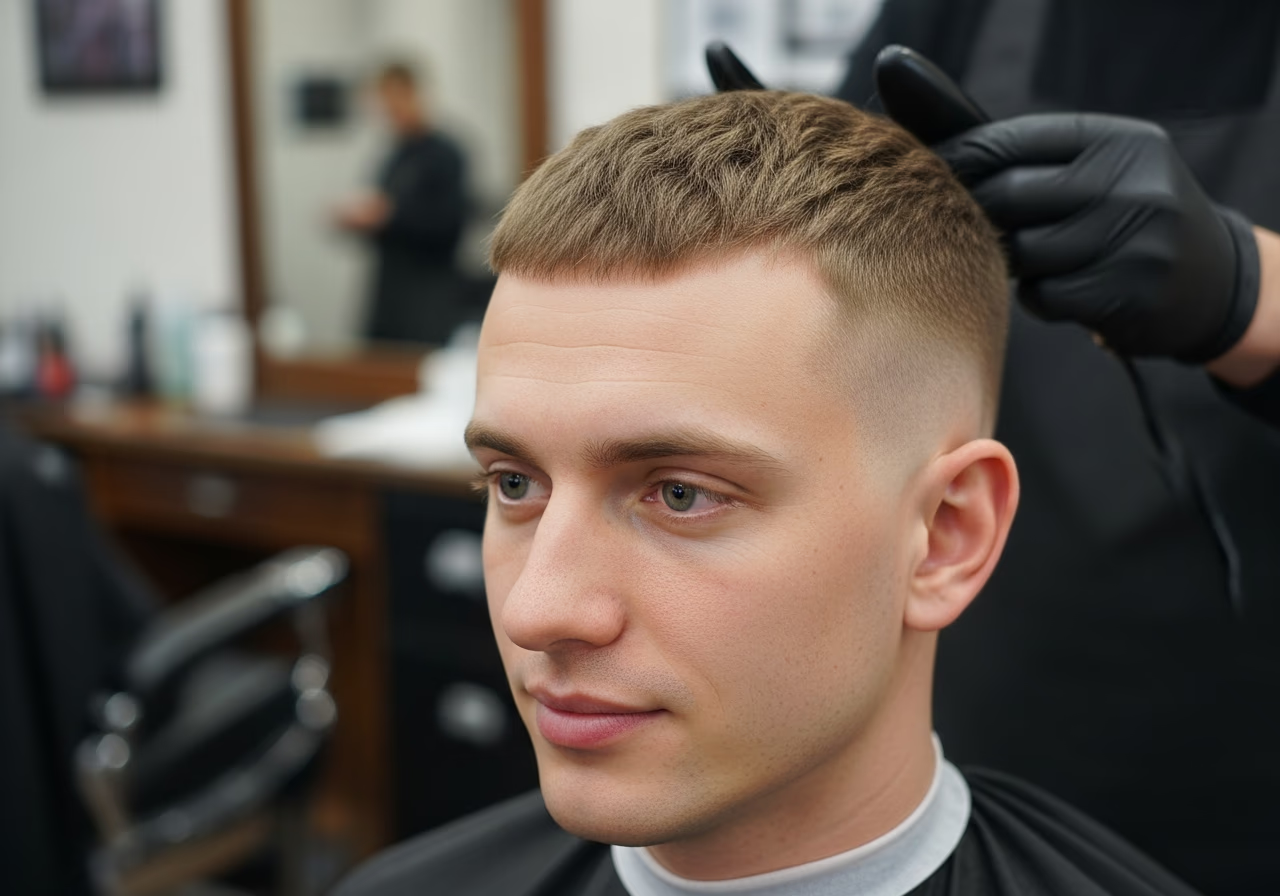
1) Ultimate Gentle Recovery Layers (35), the most comprehensive recovery cut, built purely around hair health. 2) Short Recovery Taper (30) — removes the most damage fastest while looking clean and styled. 3) Soft Curtain Bangs Recovery (5, 33). Most face-flattering option that hides damaged ends at the fringe. 4) Air-Dry Wavy Recovery Layers (8, 20, 31), wave movement disguises damaged texture better than straight hair. 5) Minimalist Rounded Bowl Recovery (4, 14): self-styling shape that requires zero product or heat.
2. Does cutting damaged hair more often really help?+
Yes. Significantly. Hair doesn't repair from the inside out. The only way to actually remove damage is to cut the damaged sections off. The more frequently you trim (every 3–4 weeks instead of every 8–12 weeks), the faster the damaged portions are removed and replaced by healthy growth from the root. The math: hair grows approximately 0.5 inches per month. A 1/4-inch trim every 3–4 weeks removes all new split ends before they travel, while net length still grows approximately 1 inch over 3 months.
3. What's the fastest way to make damaged hair look healthy?+
The three fastest visual fixes: 1) Cut the worst-damaged sections, even a 1–2 inch cut immediately improves the visual quality of the hair. 2) Apply argan oil before air-drying — the oil fills the cuticle gaps that make damaged hair look dull and frizzy, adding immediate shine. 3) Choose a style that works with damaged texture. Wavy styles, curtain bangs, and messy textures use the irregular surface to create an intentional look.
4. Can I color my hair while it's damaged?+
Not recommended during active recovery. Chemical coloring processes (bleach, dye, perms, relaxers) are the most common cause of severe hair damage, adding more chemical processing to already-damaged hair compounds the damage significantly. If color is important, wait until the most damaged sections have grown out (typically 3–6 months), then start with the gentlest possible option (semi-permanent, deposit-only color) before considering any lifting processes.
5. Should I use protein treatments or moisture treatments for damaged hair?+
Most damaged hair needs primarily moisture: but chemically damaged hair (bleach, relaxers) often also needs protein. The test: if your hair feels mushy when wet and stretches significantly before breaking, it needs protein. If it feels dry and brittle and snaps without stretching, it needs moisture. Most men with heat-damaged hair need moisture first. Most men with bleach-damaged hair need protein treatments (Olaplex No.3) combined with moisture conditioning. Start with argan oil and a moisturizing mask. Add protein only if the mushy test applies.
6. What is the best haircut for men with bleach-damaged hair?+
The best haircuts for bleach-damaged hair prioritize removing the most chemically compromised sections: Short Recovery Crop (9, 12, 21), Short Recovery Taper (30), and Gentle Layered Recovery Crop (11) are the most effective. Bleach damage is most concentrated in the oldest, longest sections, a shorter cut removes the majority of chemically processed hair in one appointment. Combine with weekly Olaplex No.3 treatment and zero heat styling for the fastest recovery.
7. Is dry shampoo safe for damaged hair?+
Use dry shampoo sparingly on damaged hair. Most dry shampoos contain starch and alcohol — the starch absorbs oil effectively, but the alcohol can dry out already-moisture-depleted damaged hair with regular use. The best approach: use dry shampoo at the roots only (not mid-lengths or ends), and choose an alcohol-free formula when possible. Limit to 1–2 uses between washes. The goal is to extend wash intervals. Washing less frequently is one of the most effective things for damaged hair recovery.
8. What is the most low-maintenance haircut for very damaged hair?+
Style 35 (Ultimate Gentle Recovery Layers) is the most low-maintenance overall, it requires only argan oil and air-drying. Style 4 (Minimalist Rounded Bowl Recovery) requires even less daily effort: the bowl's shape maintains itself. For the absolute minimum daily commitment, the Short Recovery Taper (30) and Short Textured Recovery Crop (12) are the most effortless. Short hair simply has less surface area that needs managing. At very short lengths, oil and air-drying is all that's needed.
9. How do I ask my barber to cut out damage without going too short?+
Say 'take off the dead ends and any split, brittle sections, but keep as much healthy length as you can.' Bring it to their attention, run your fingers down a strand and show them where it gets rough. A good barber will cut above the damage line section by section rather than taking a blunt amount off the bottom. Trim every six weeks while it recovers.
10. Is it better to cut damaged hair short or grow it out?+
Short, almost always. Damage doesn't repair — a split end travels up the strand if you leave it, so the fastest route to healthy hair is cutting above the damage and growing fresh from there. A buzz, crop, or short textured cut gets you healthy hair quickest. Trying to grow out damaged lengths just keeps the brittle ends in play longer.
Final Takeaway
Dry or damaged hair recovery haircuts prove that healthy hair can still look stylish in 2026. With 35 distinct styles specifically designed to remove split ends, reduce styling time, and promote natural recovery. From gentle tapers and soft crops to protective layers and air-dry friendly textures, this guide gives you more practical, health-focused options than any other source. Show your barber the exact style, use the script, and follow the moisture-first maintenance. Your hair will look better while it heals.
Recovery isn't a temporary phase to endure: it's the foundation for the best hair you've ever had.