1. What is a Caesar cut?+
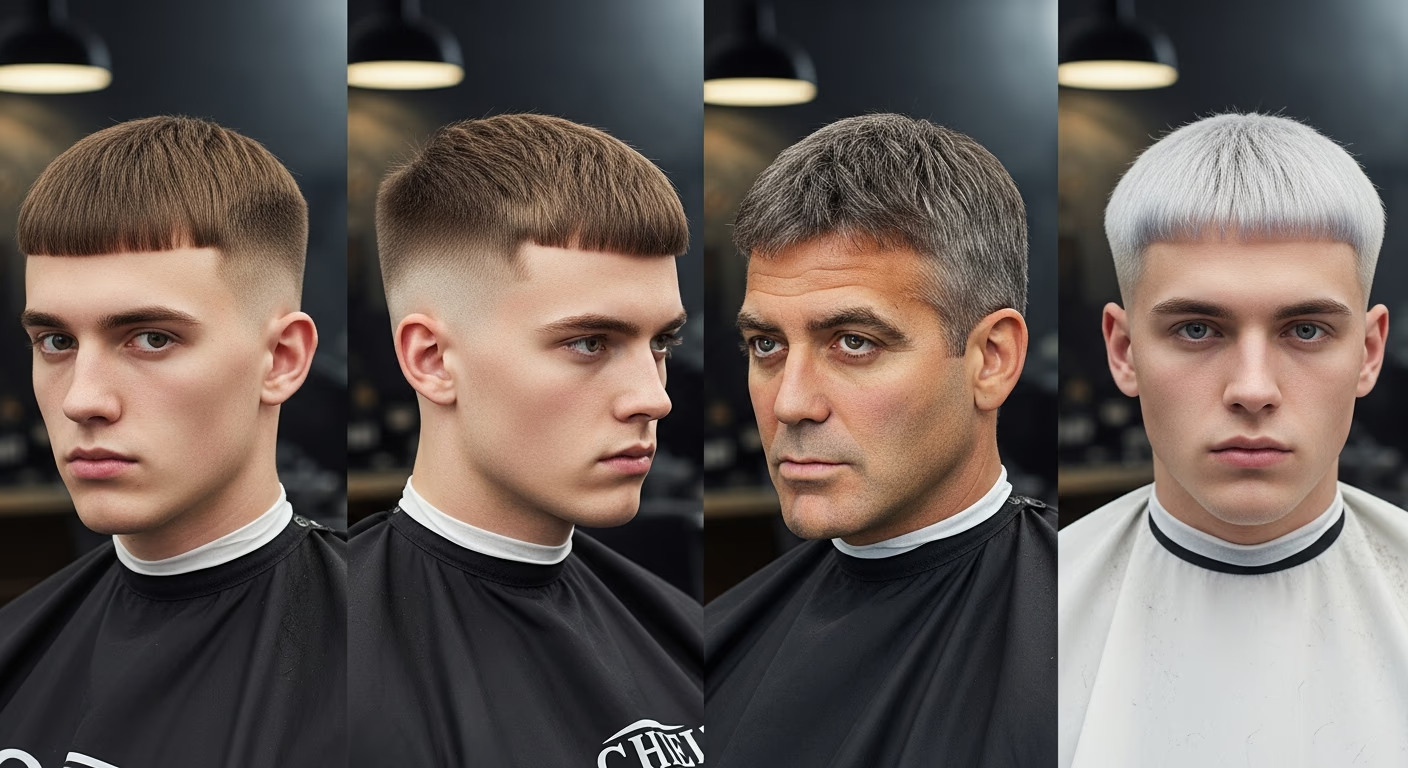
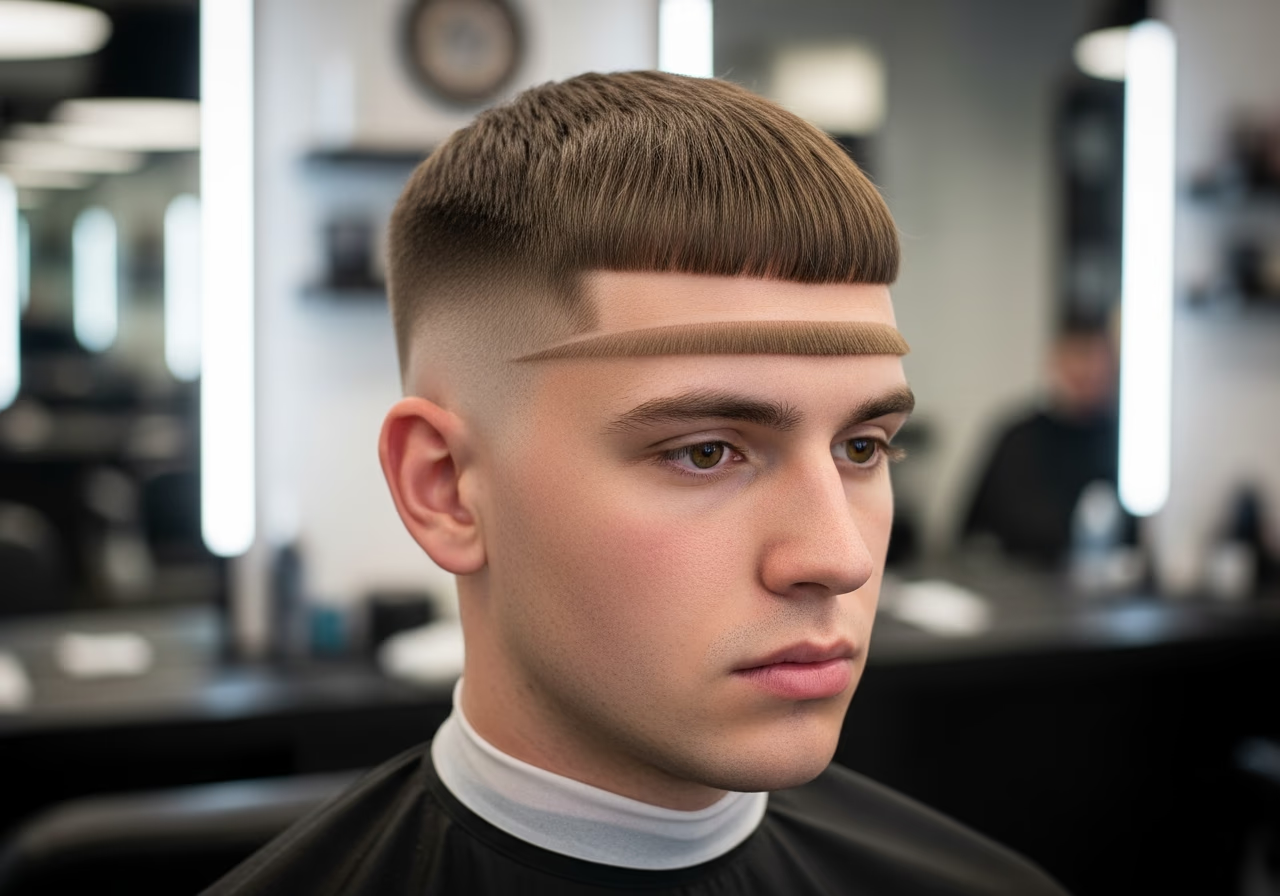
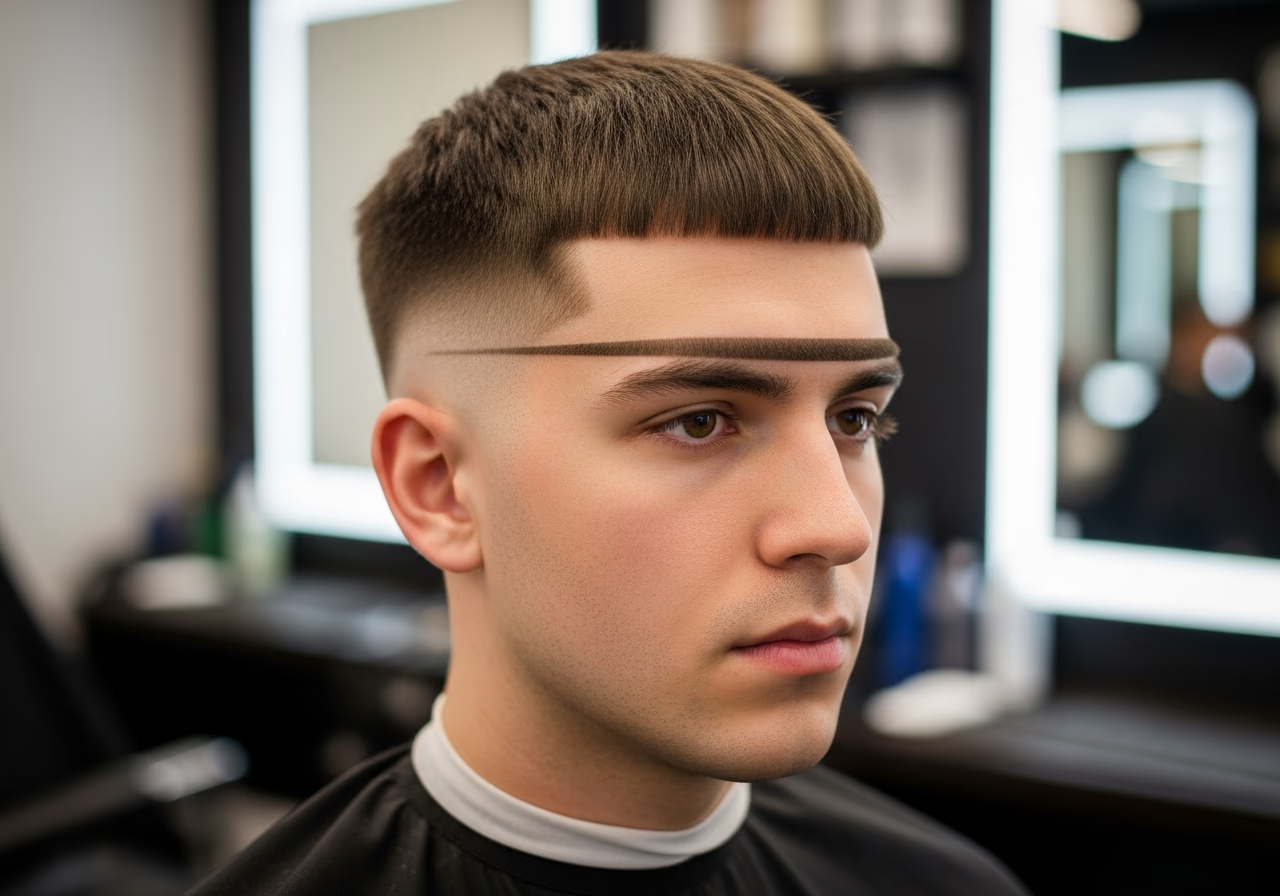
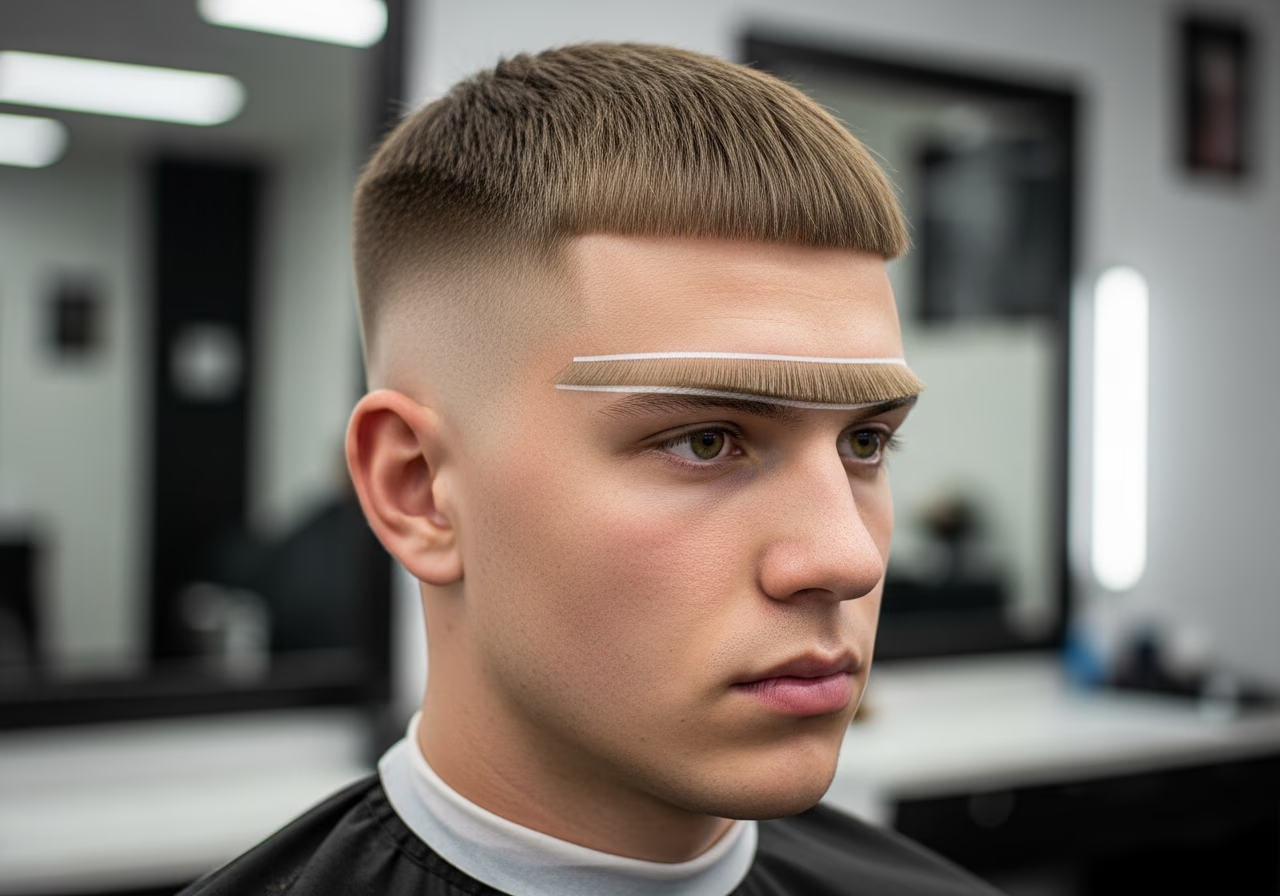
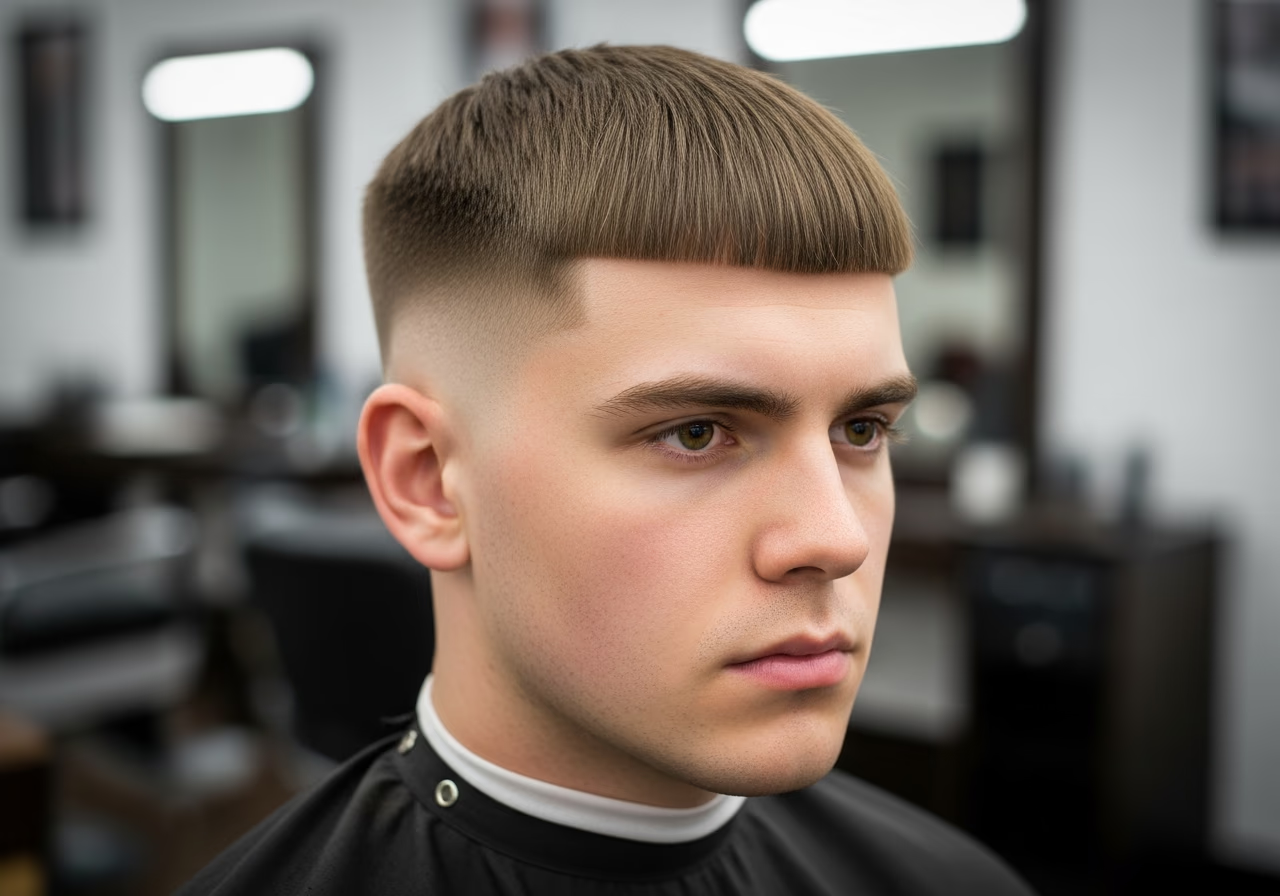
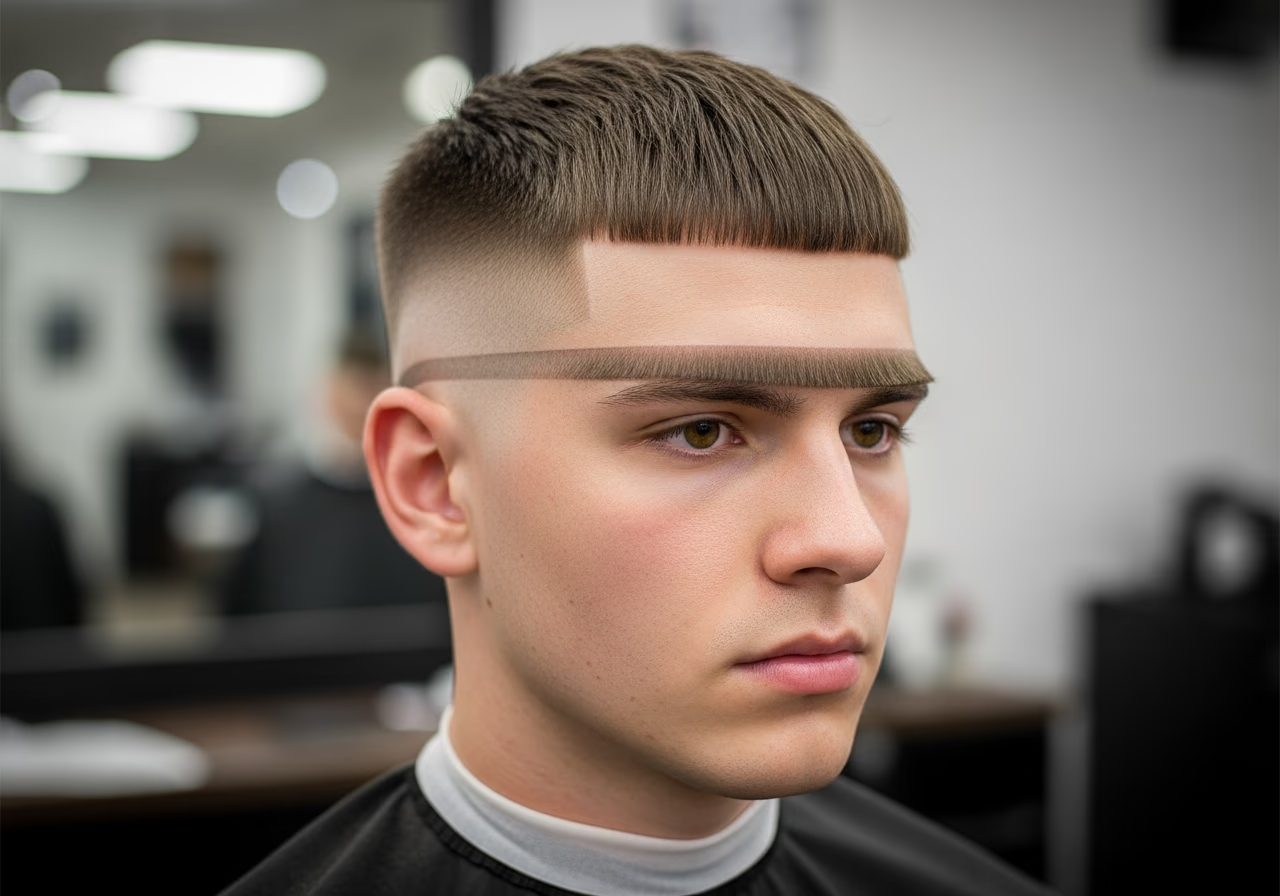
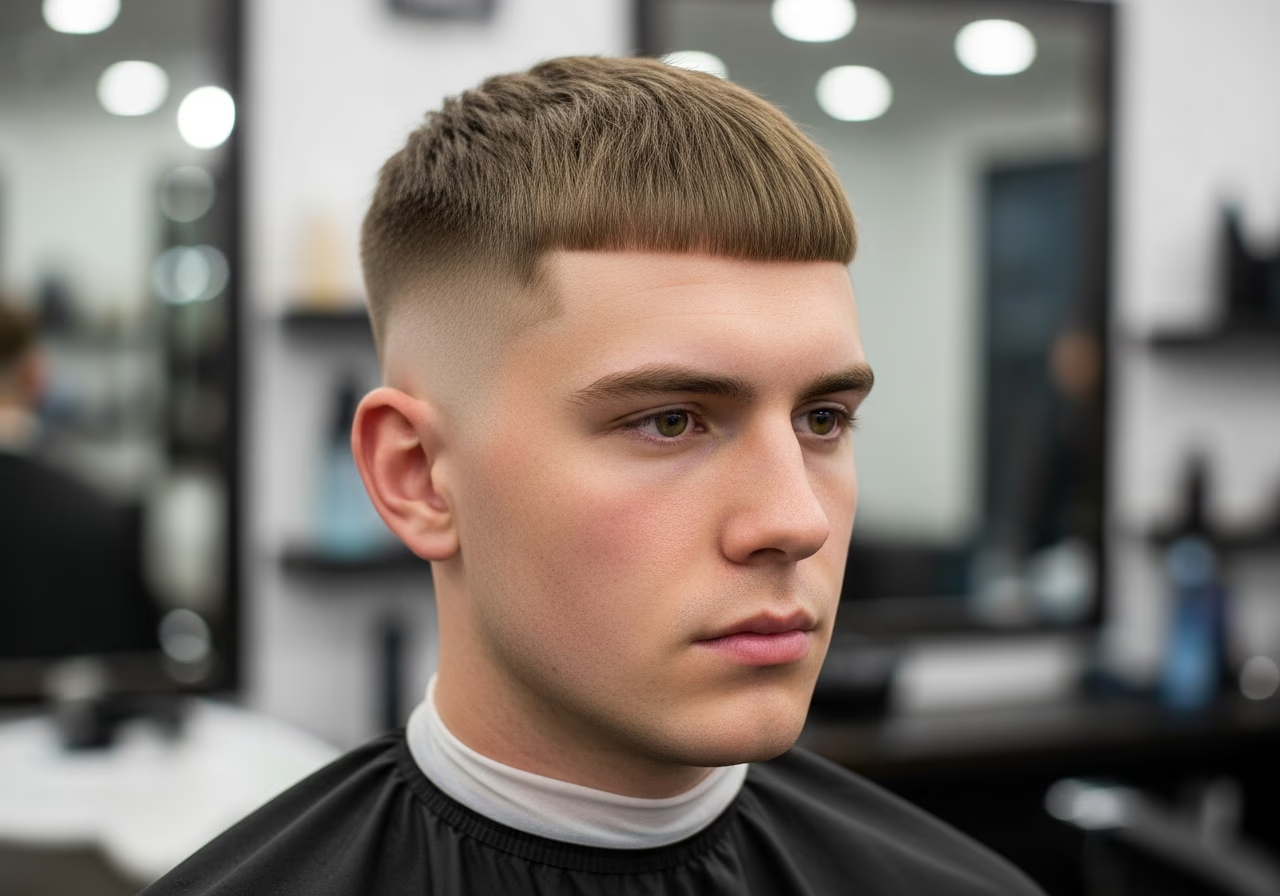
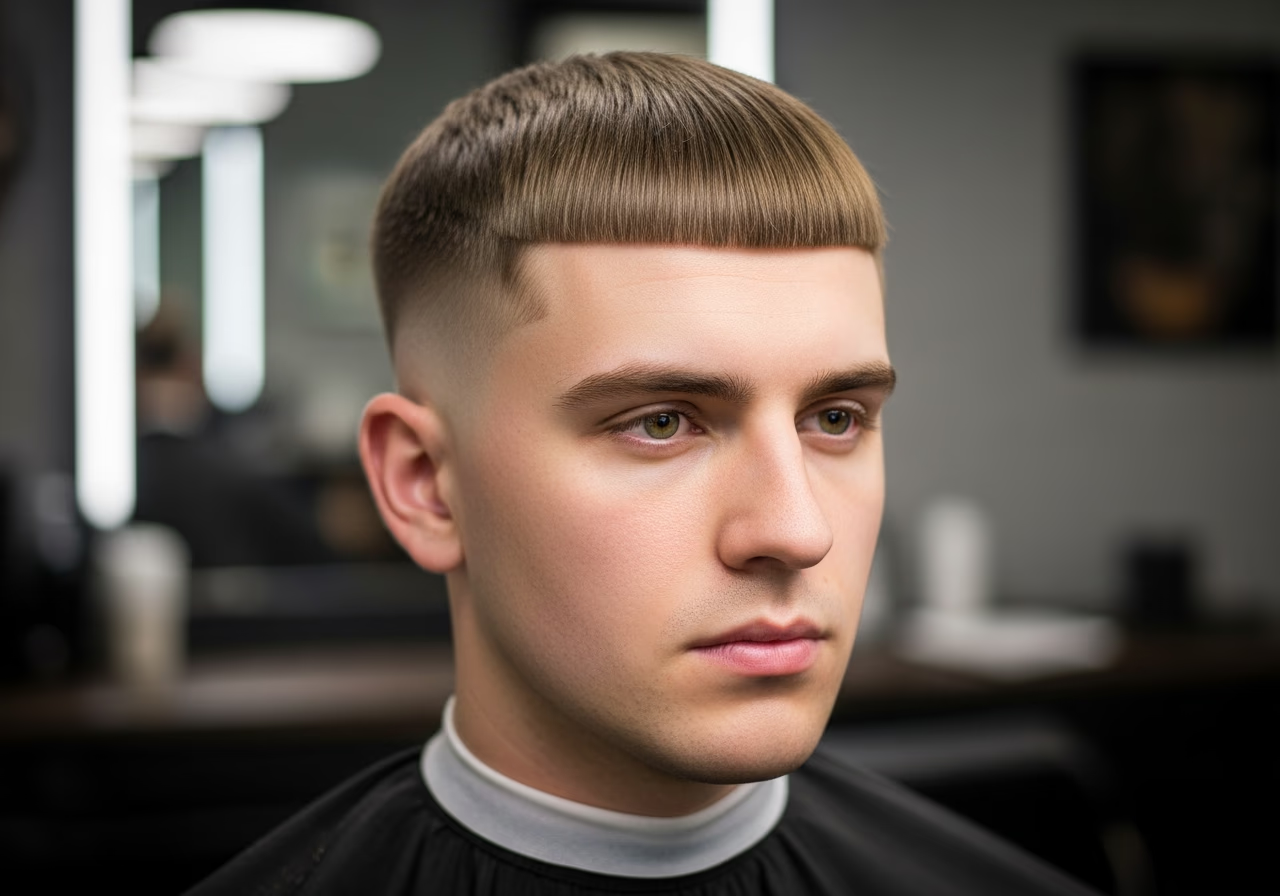
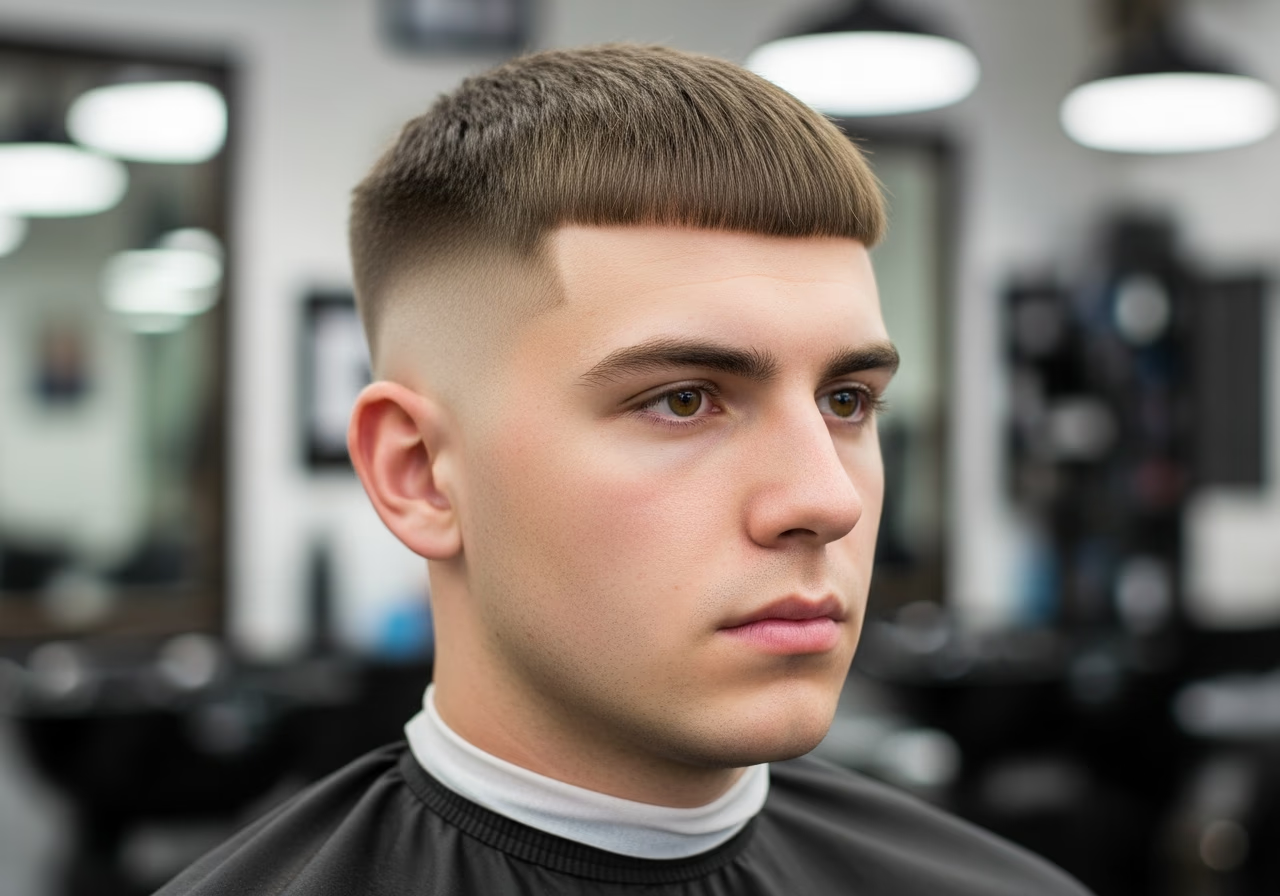
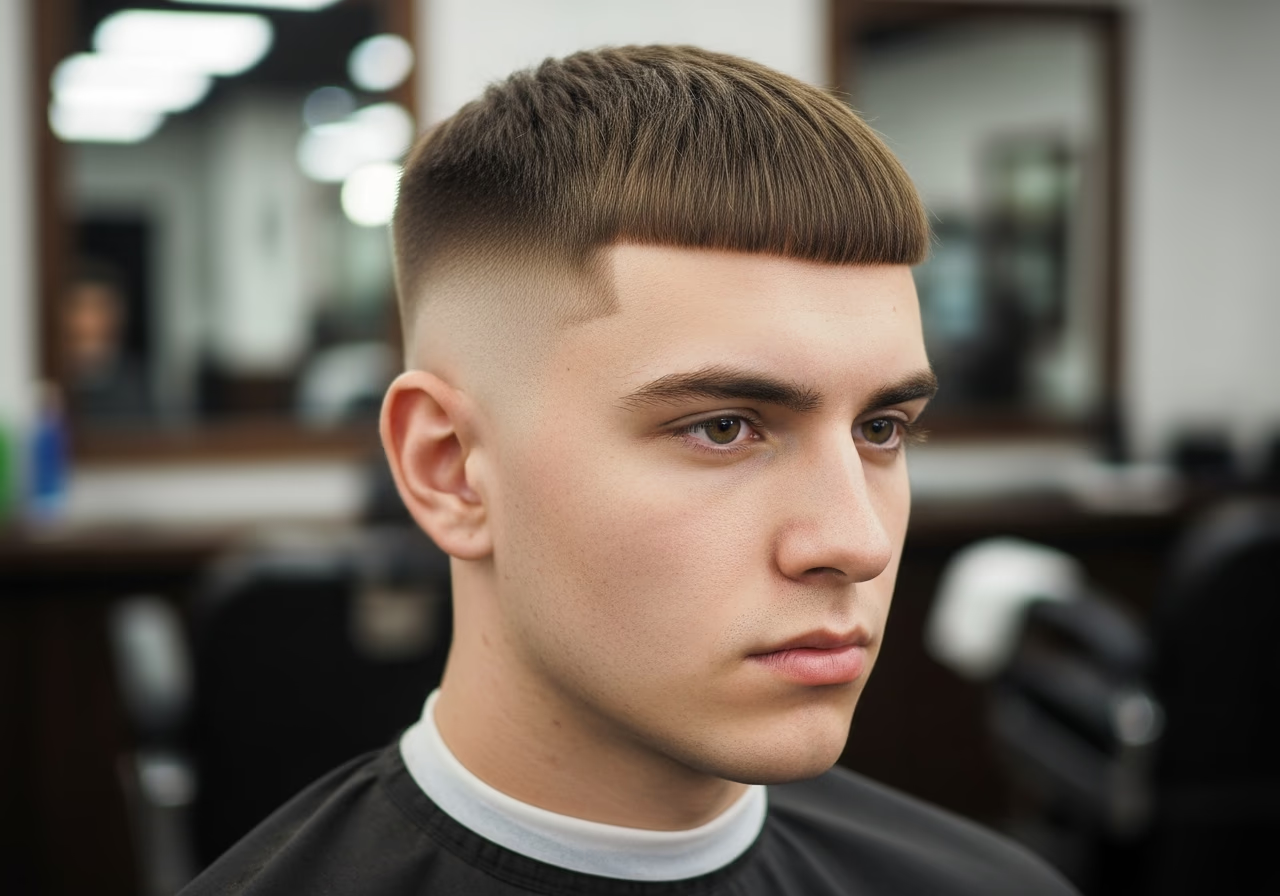
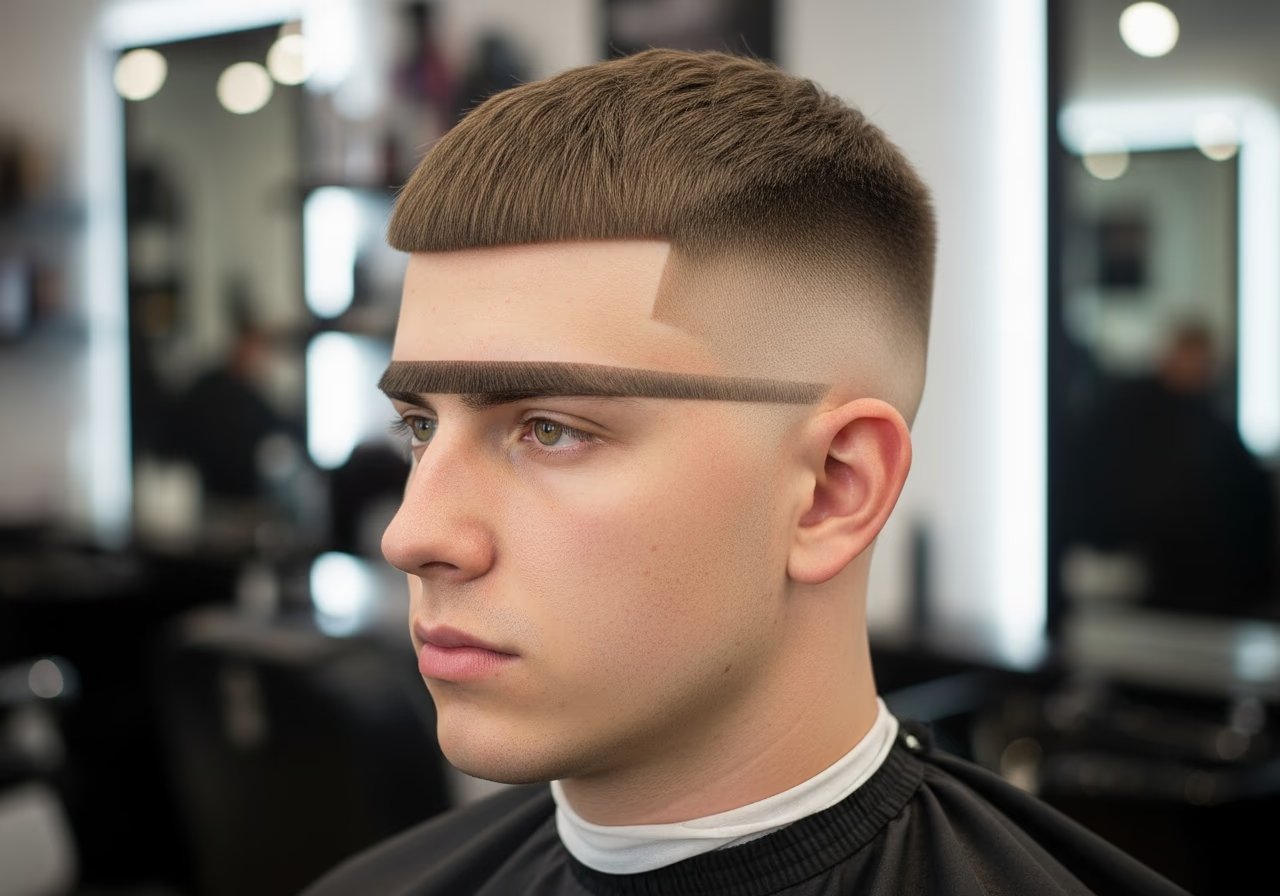
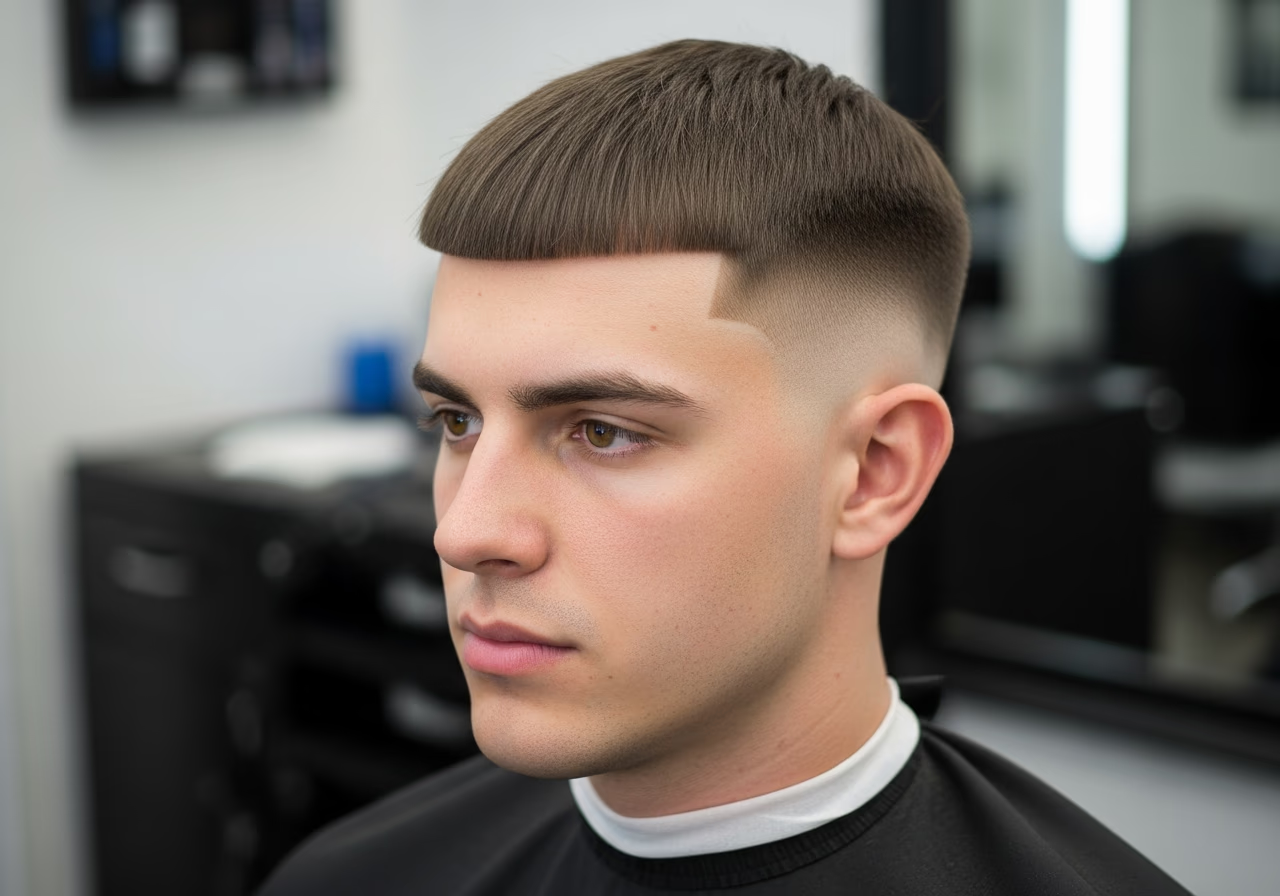
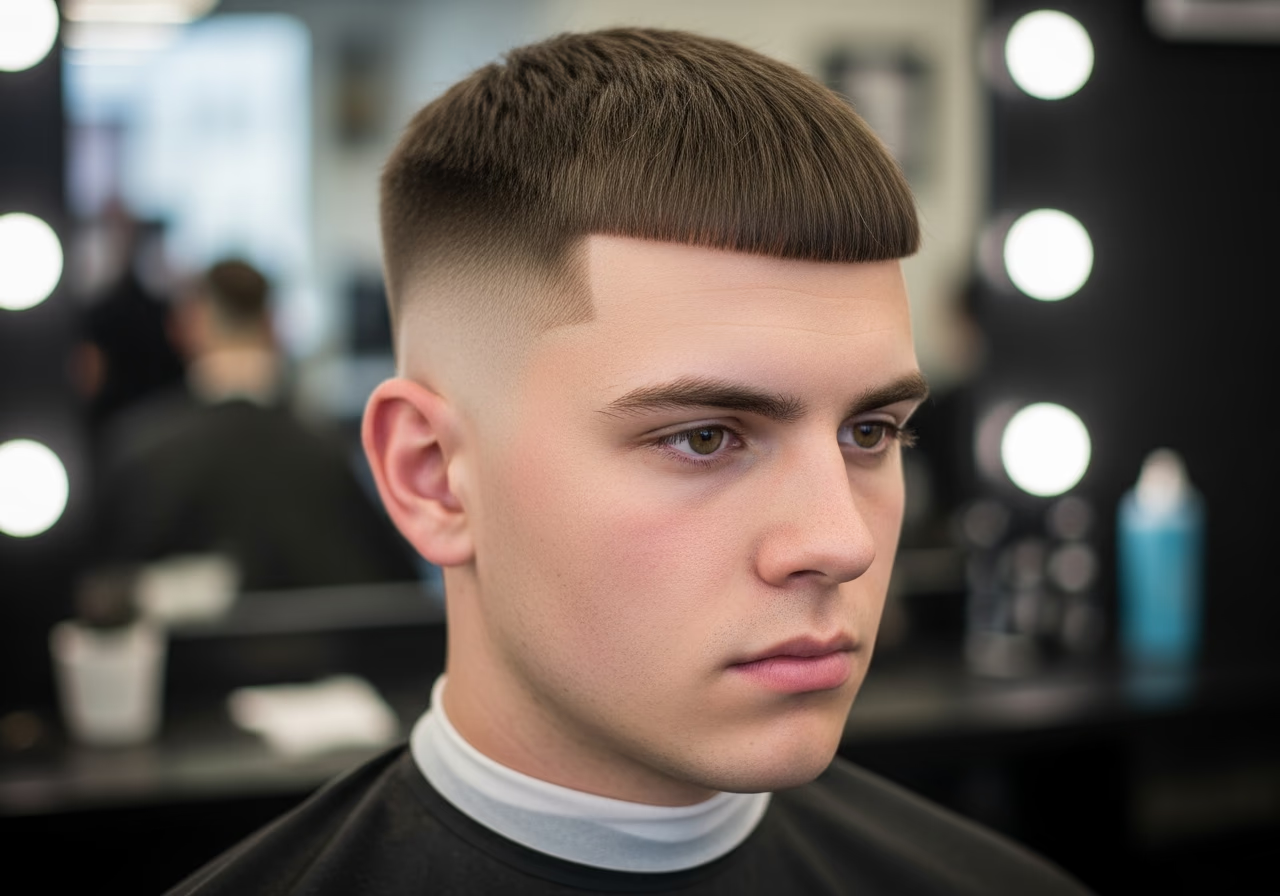
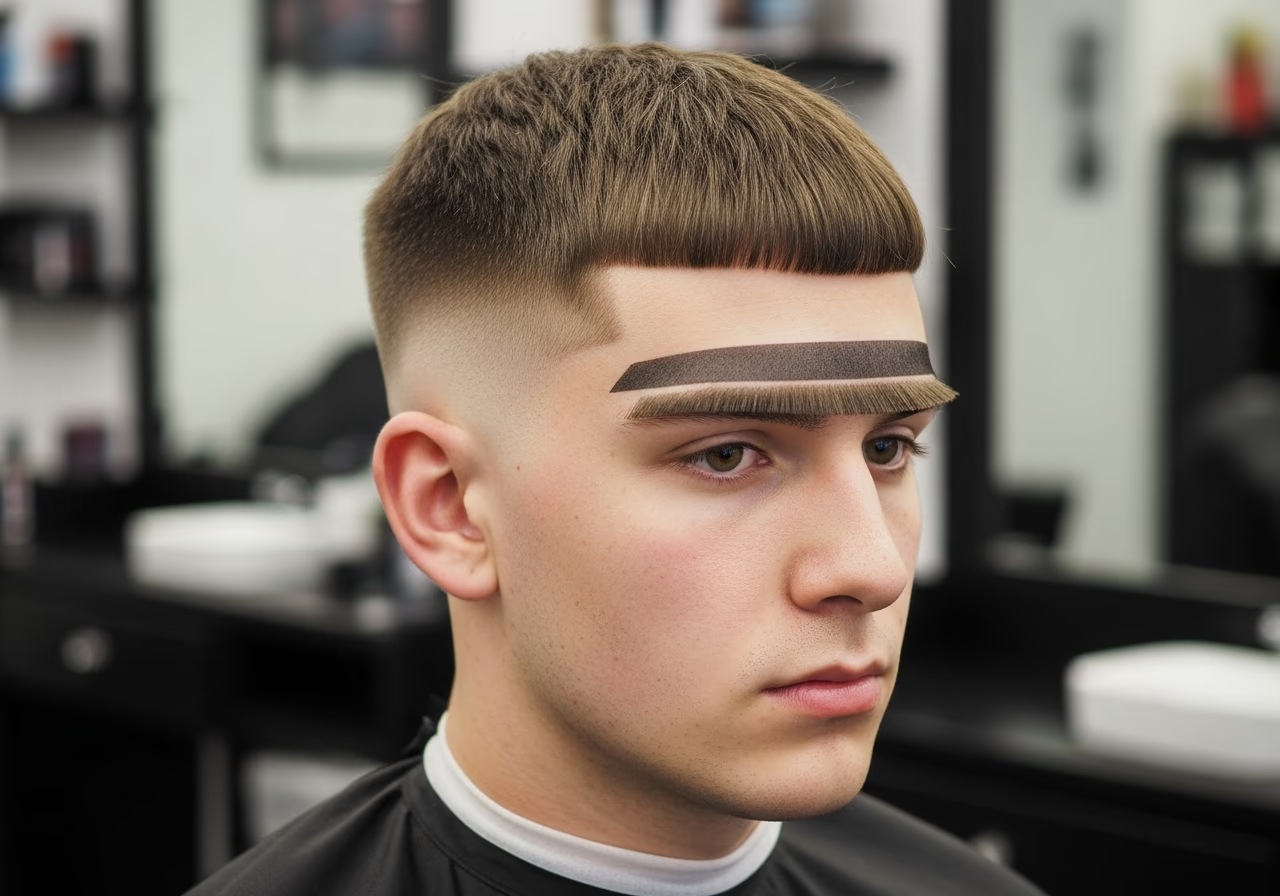
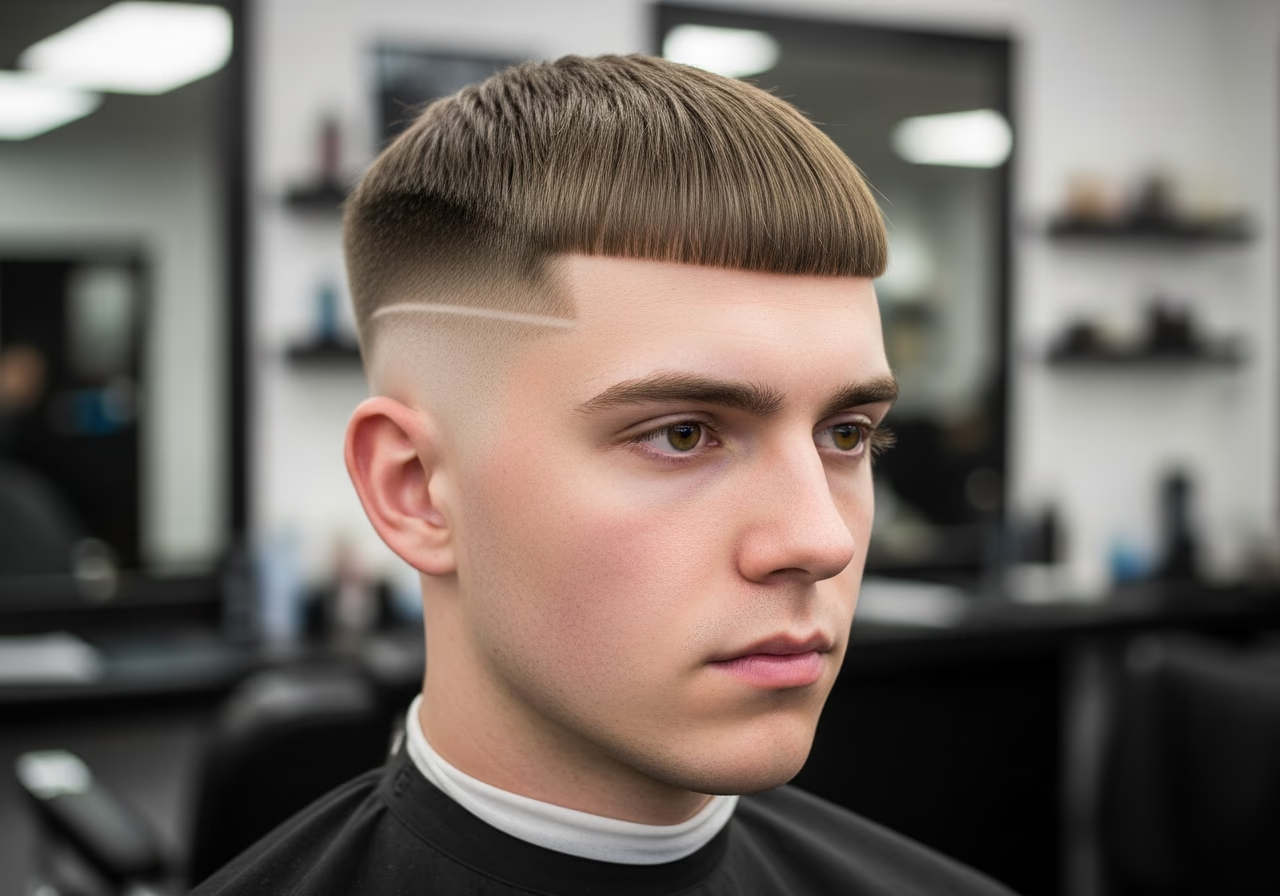
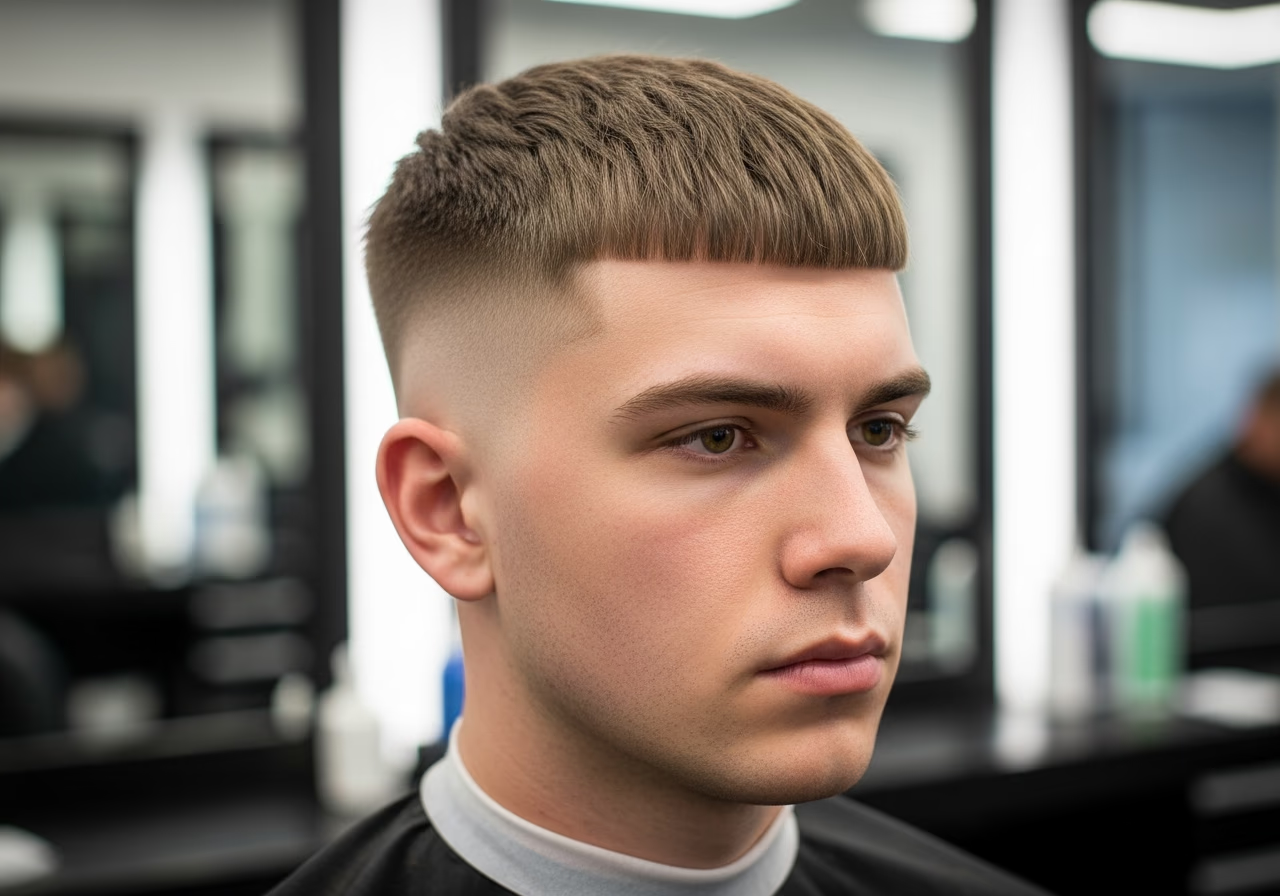
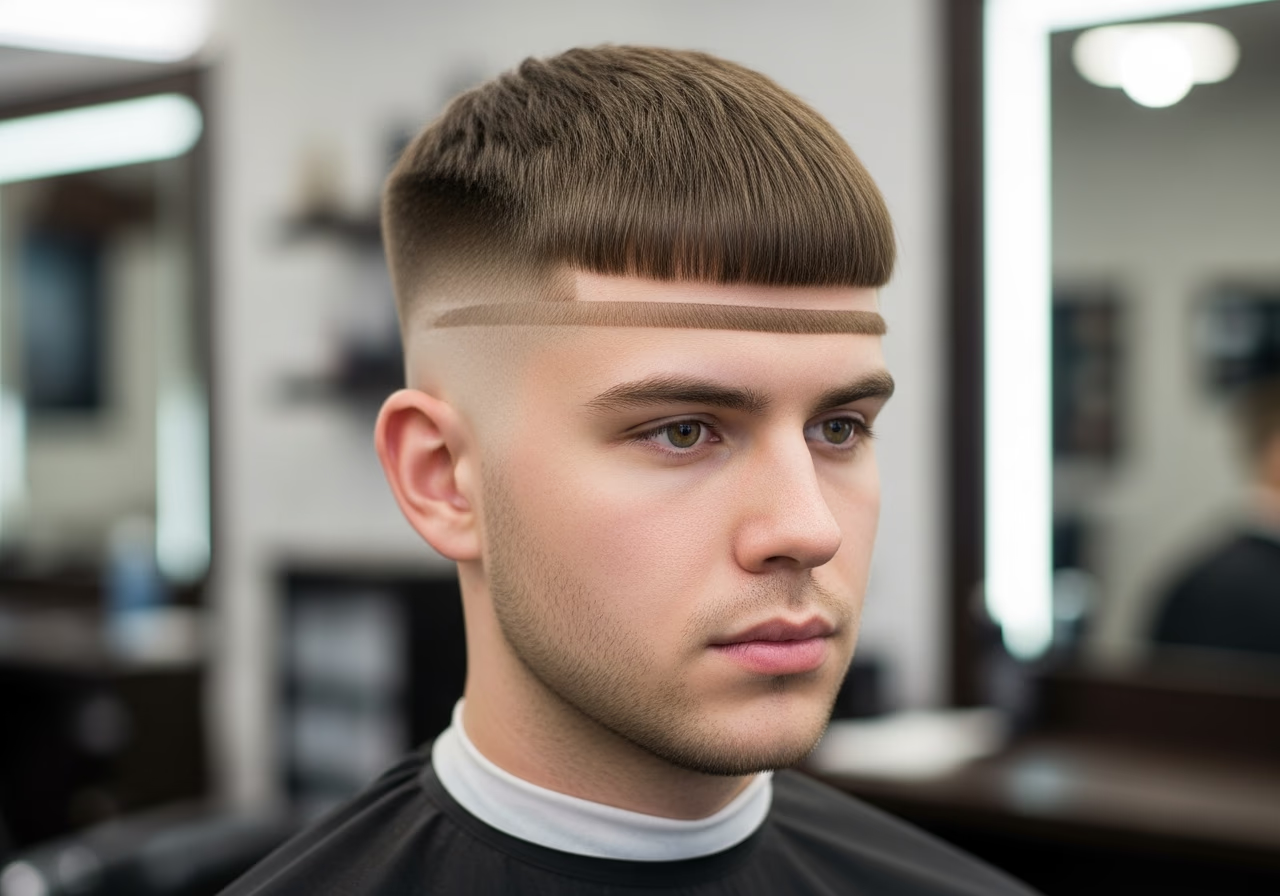
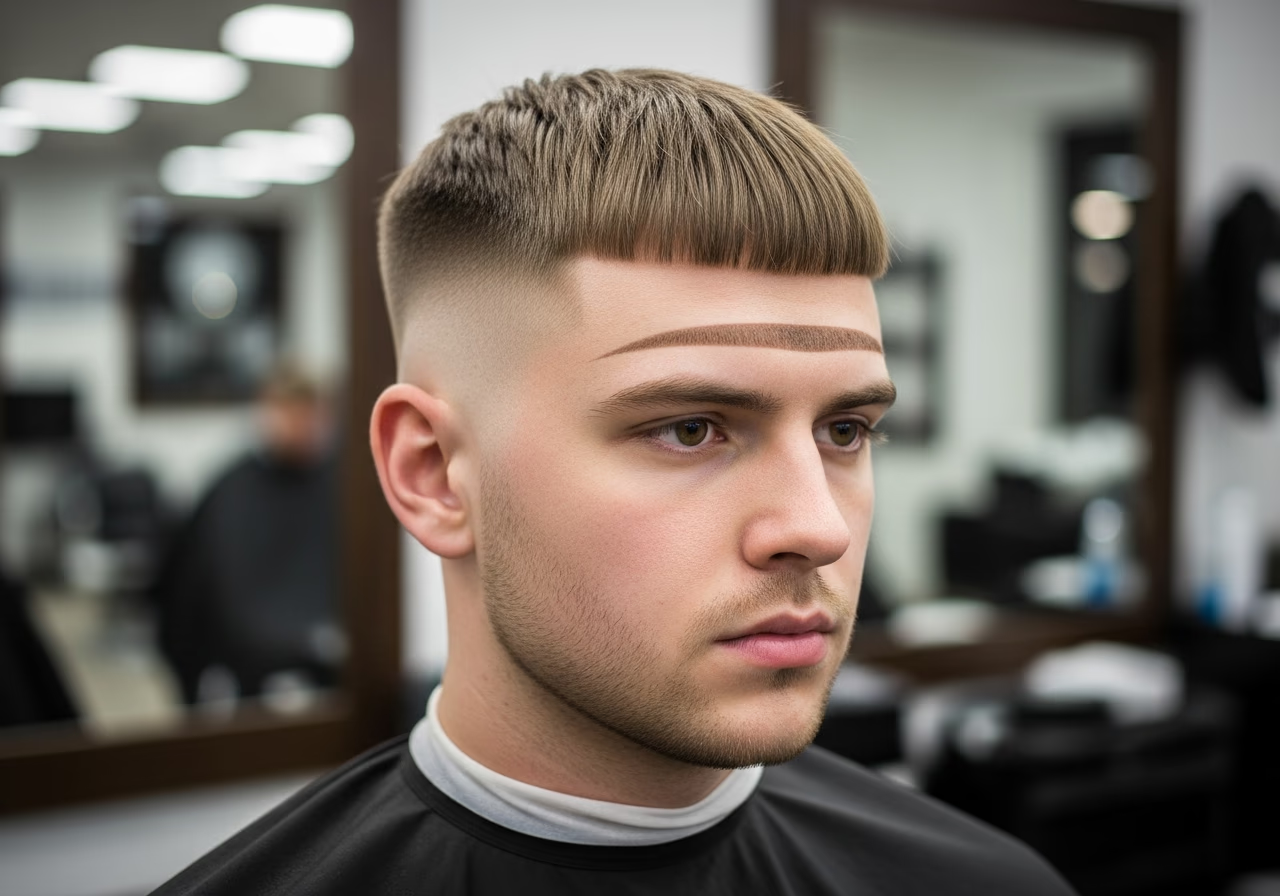
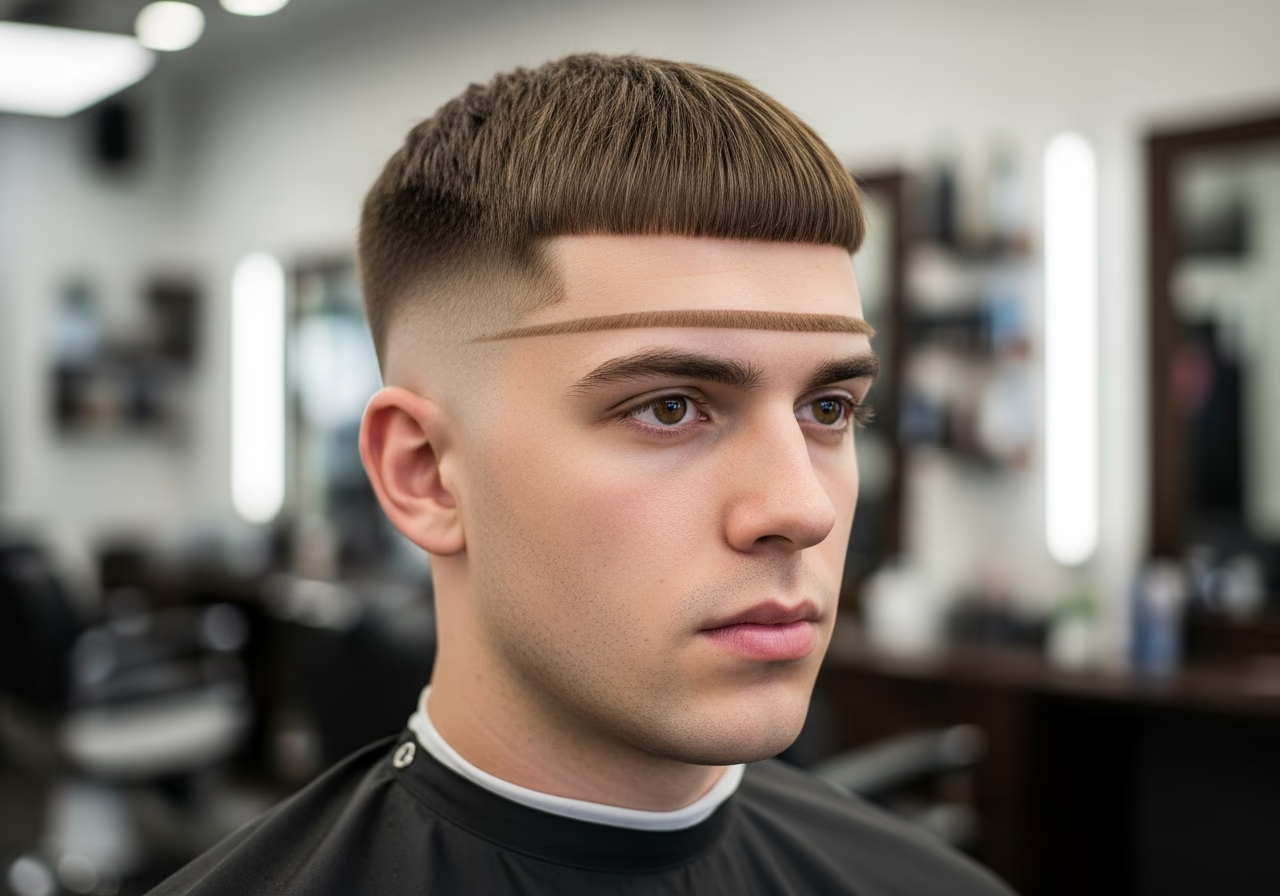
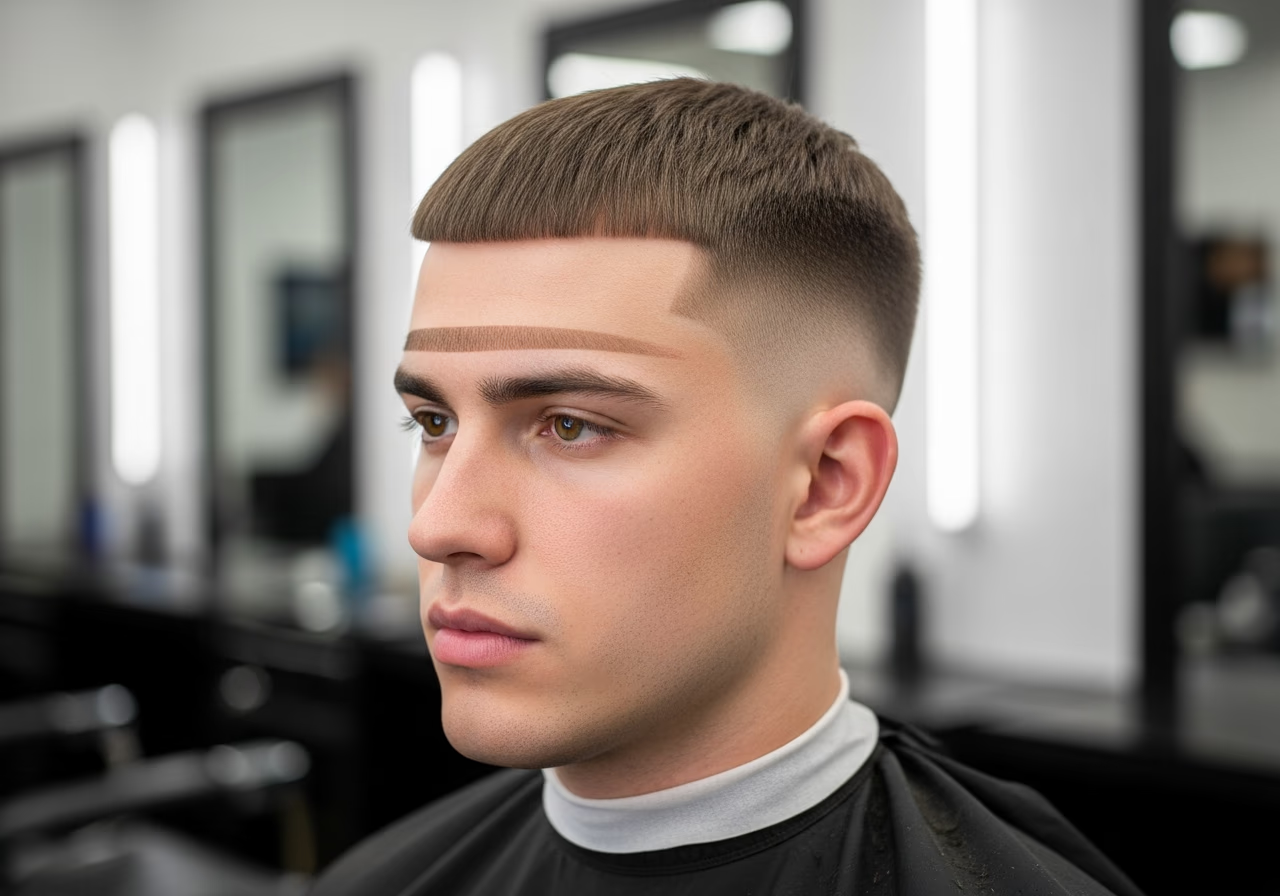
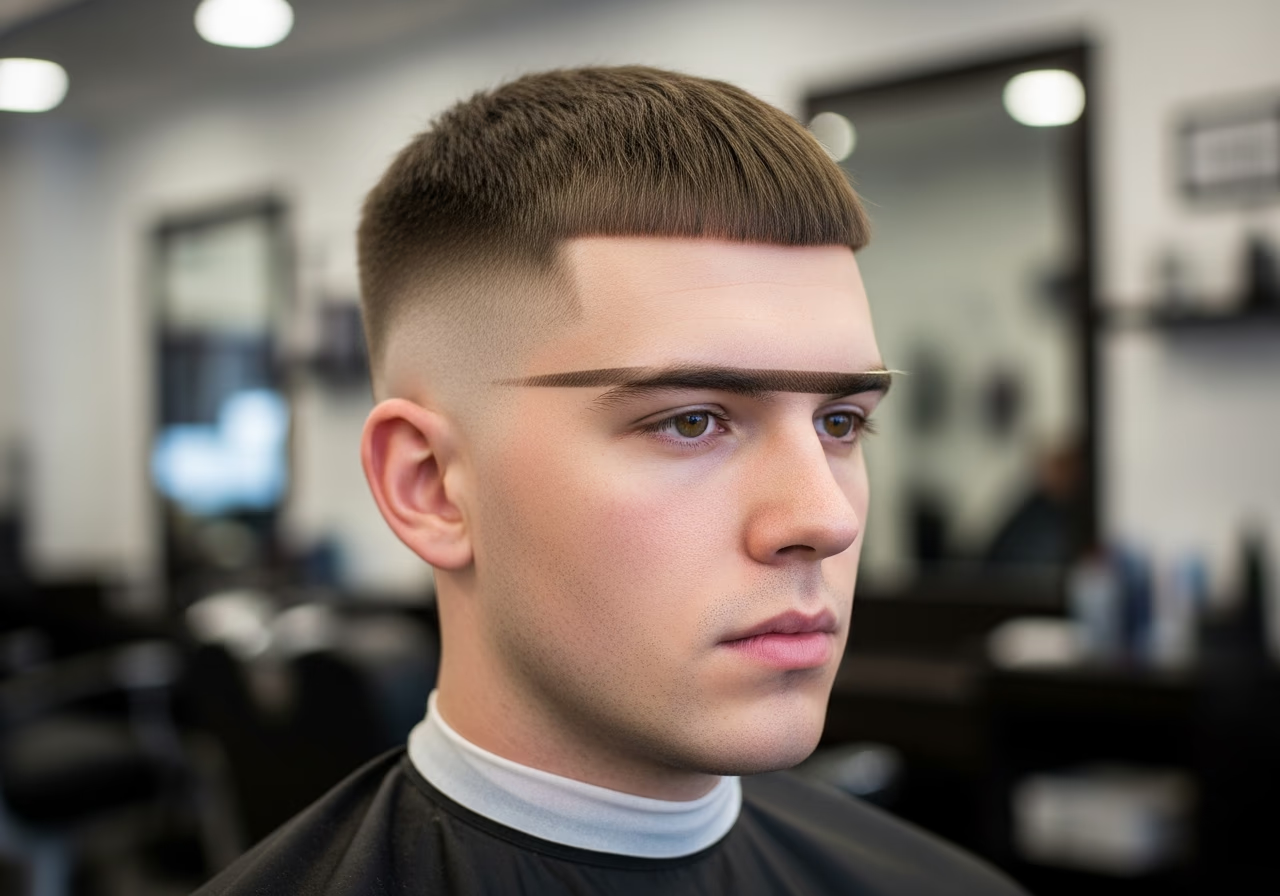
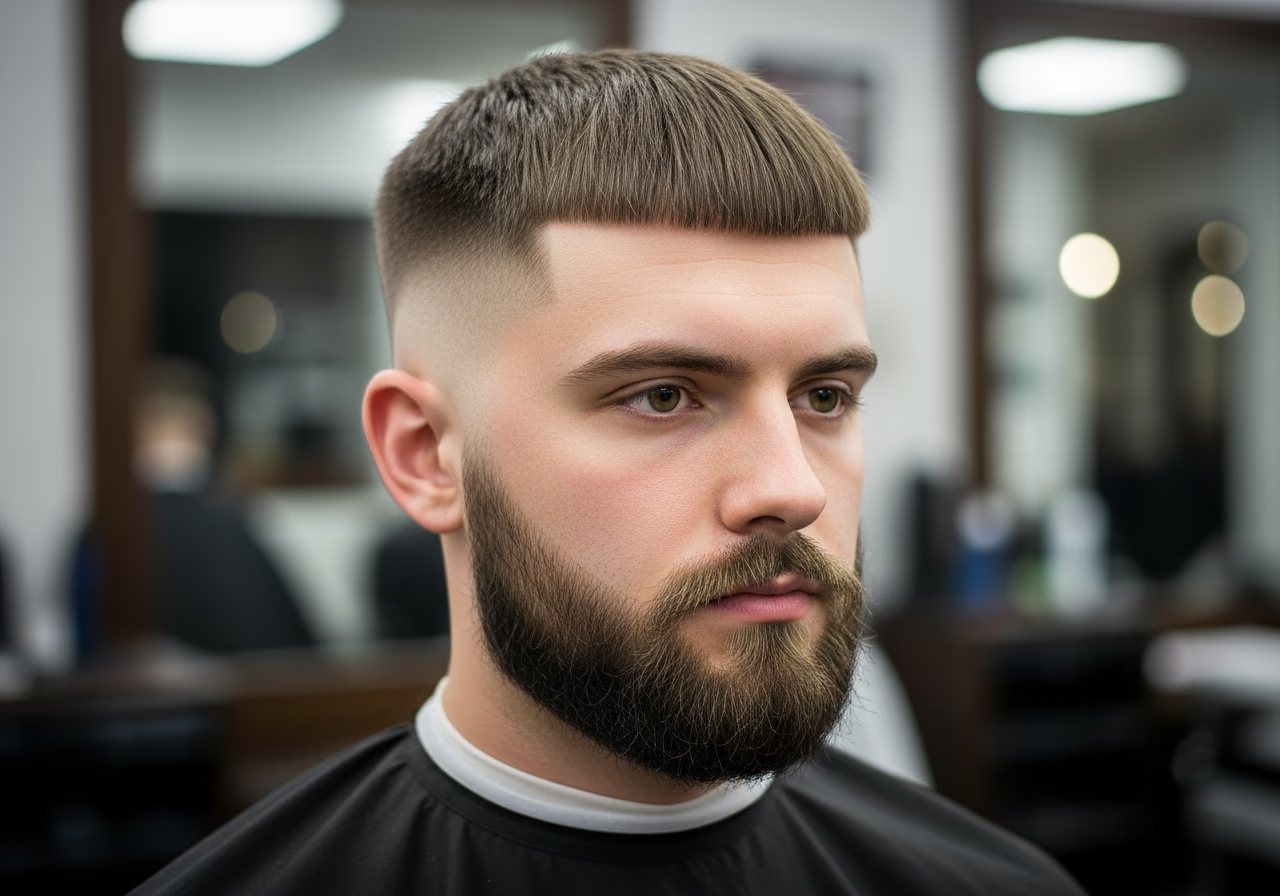
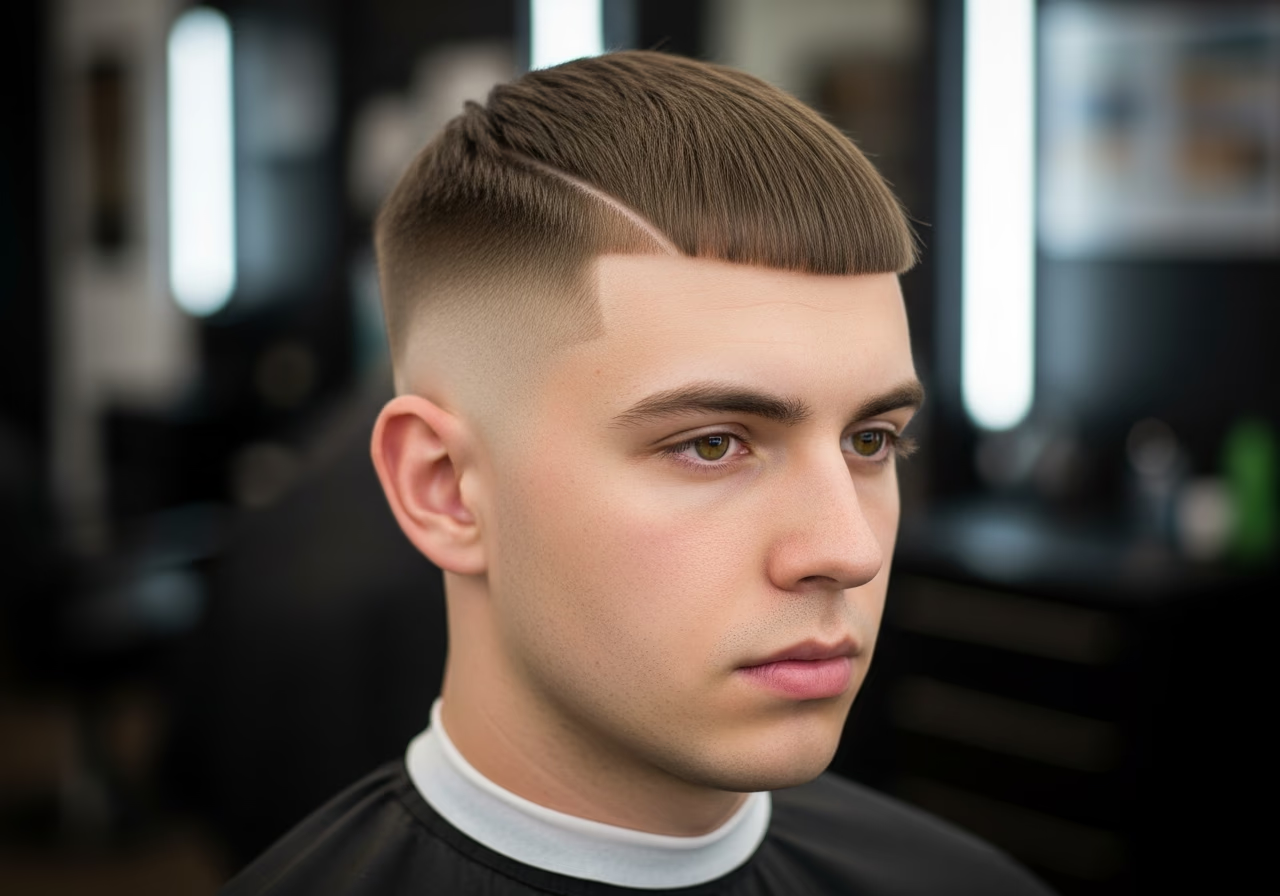
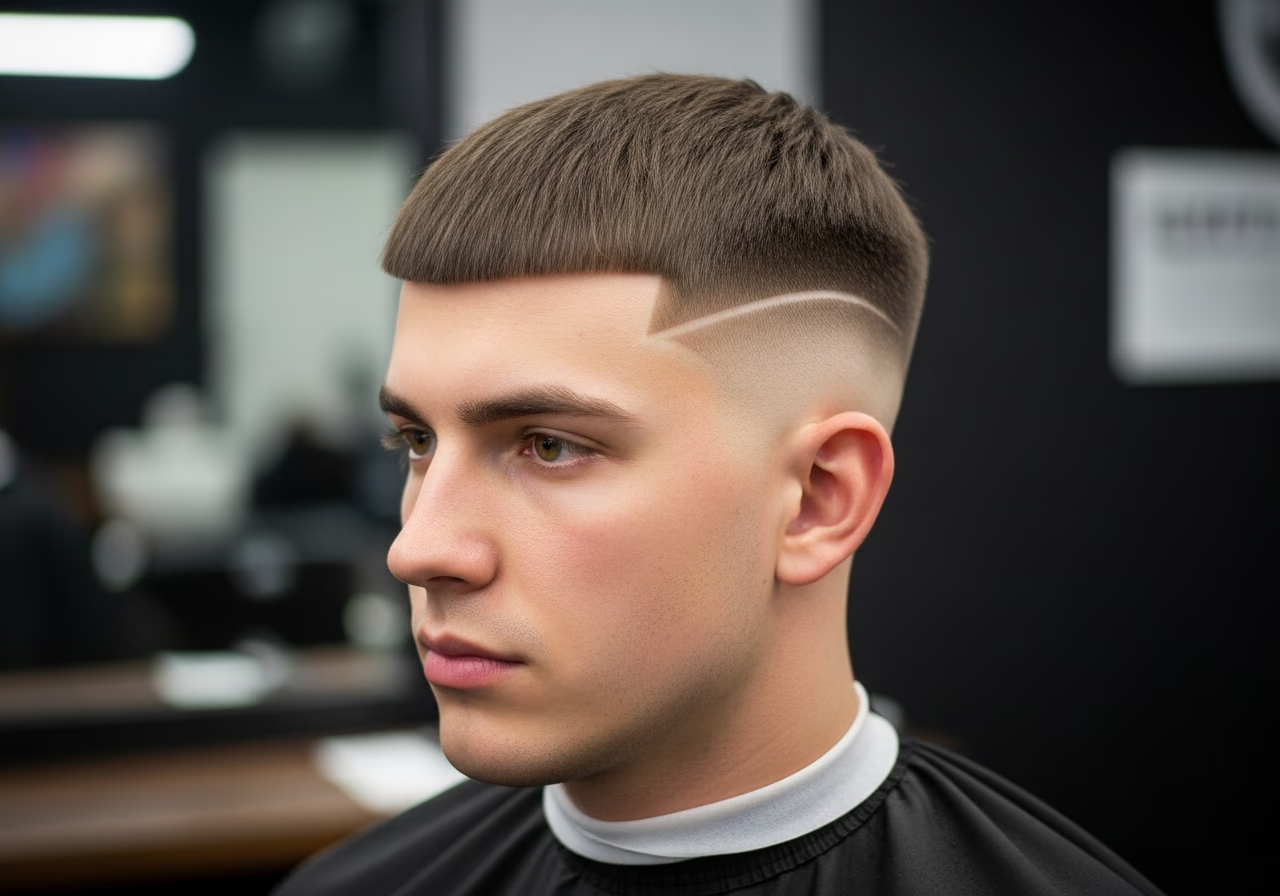
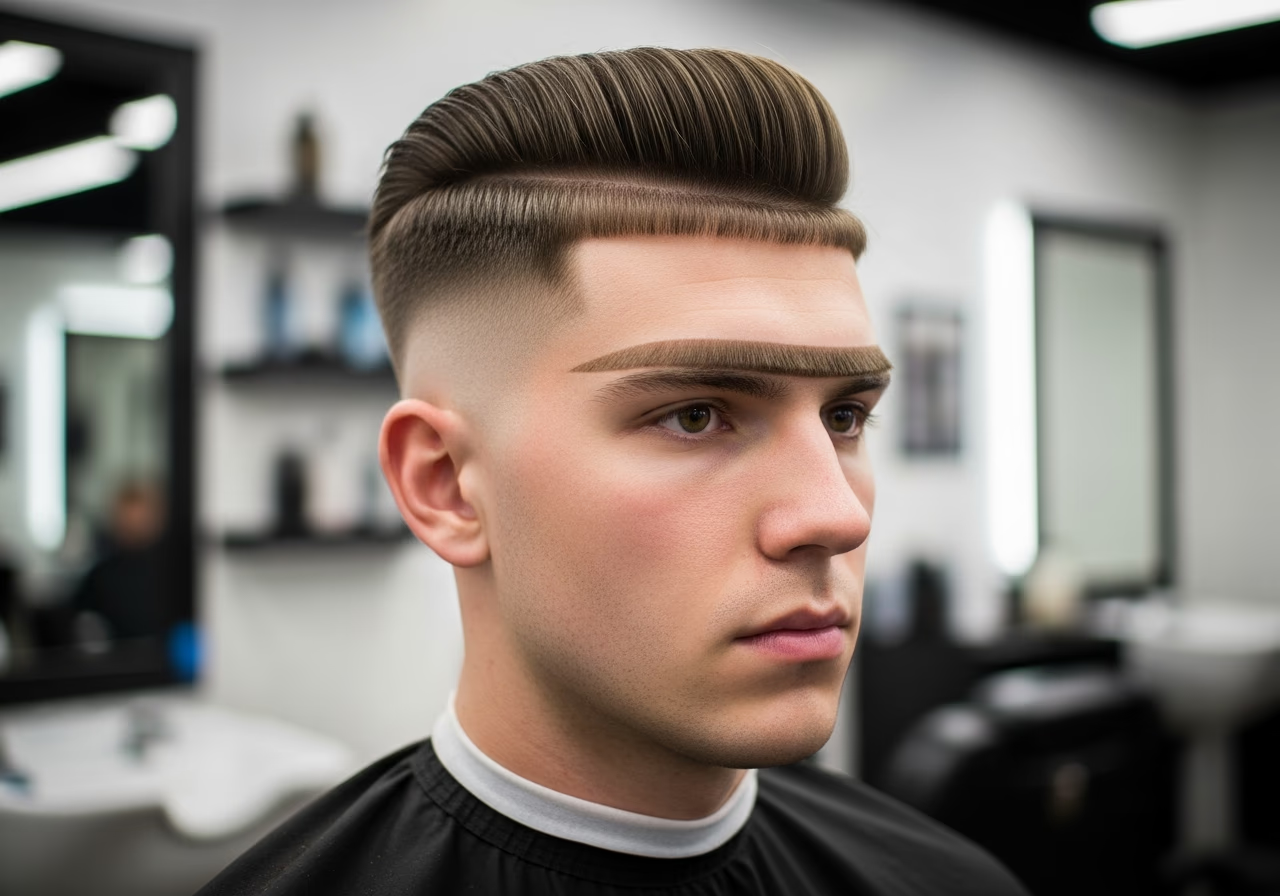
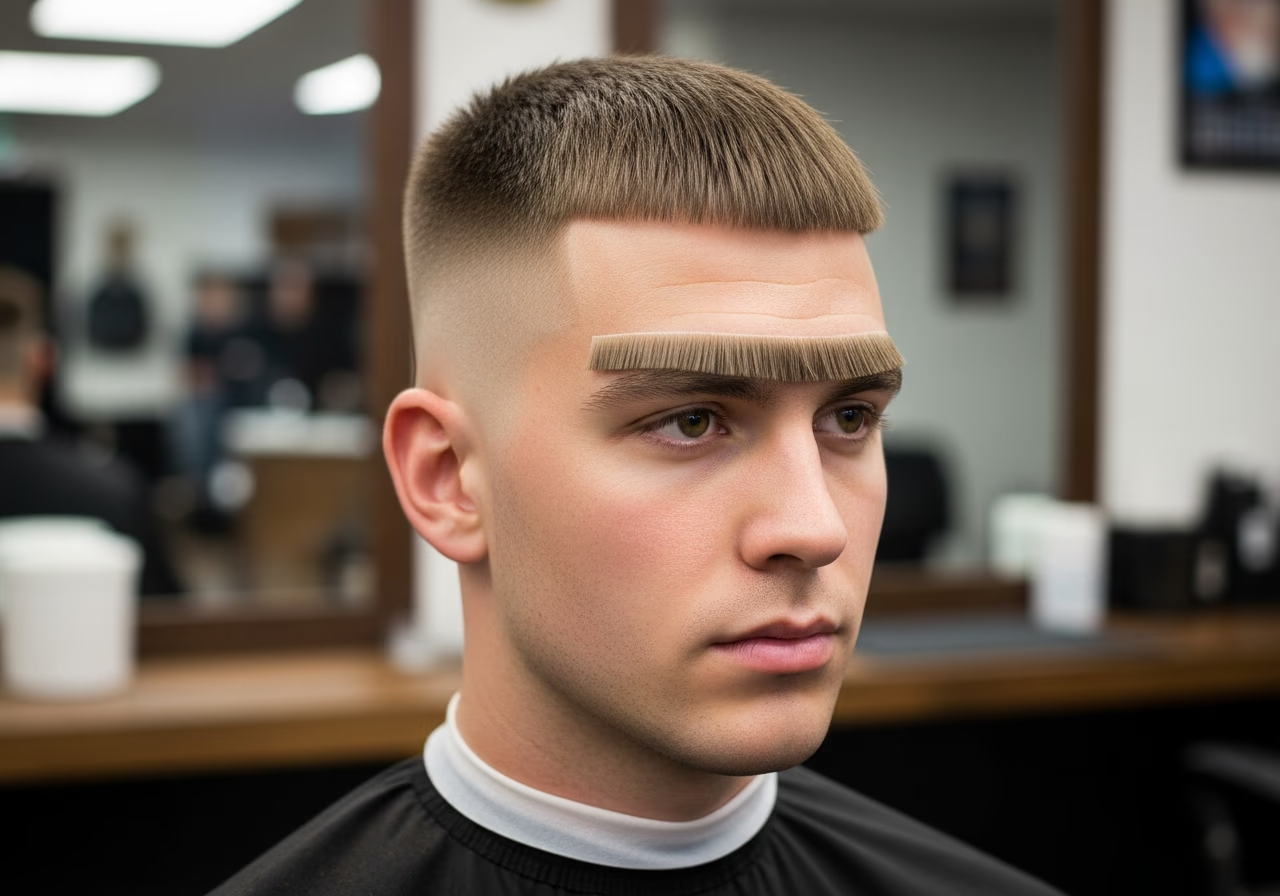
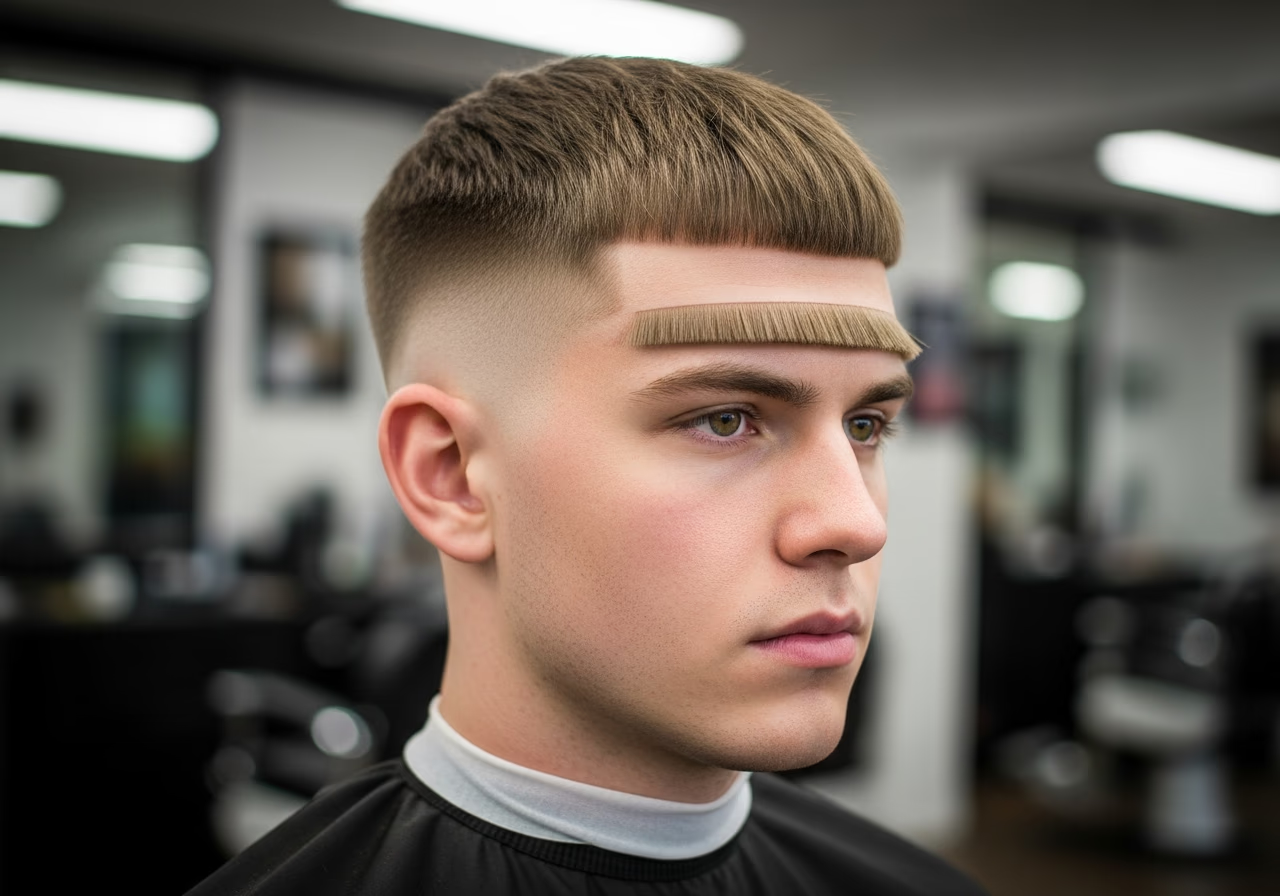
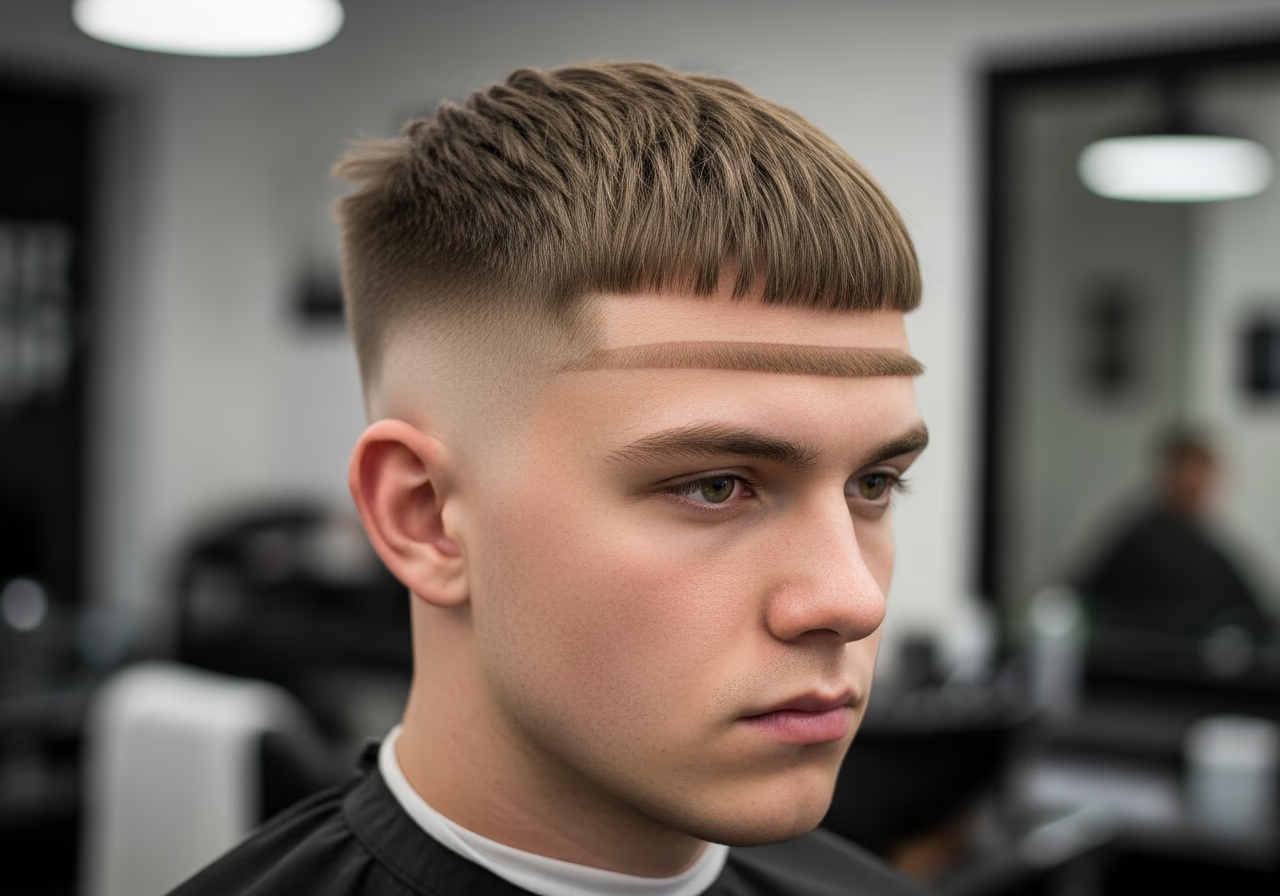
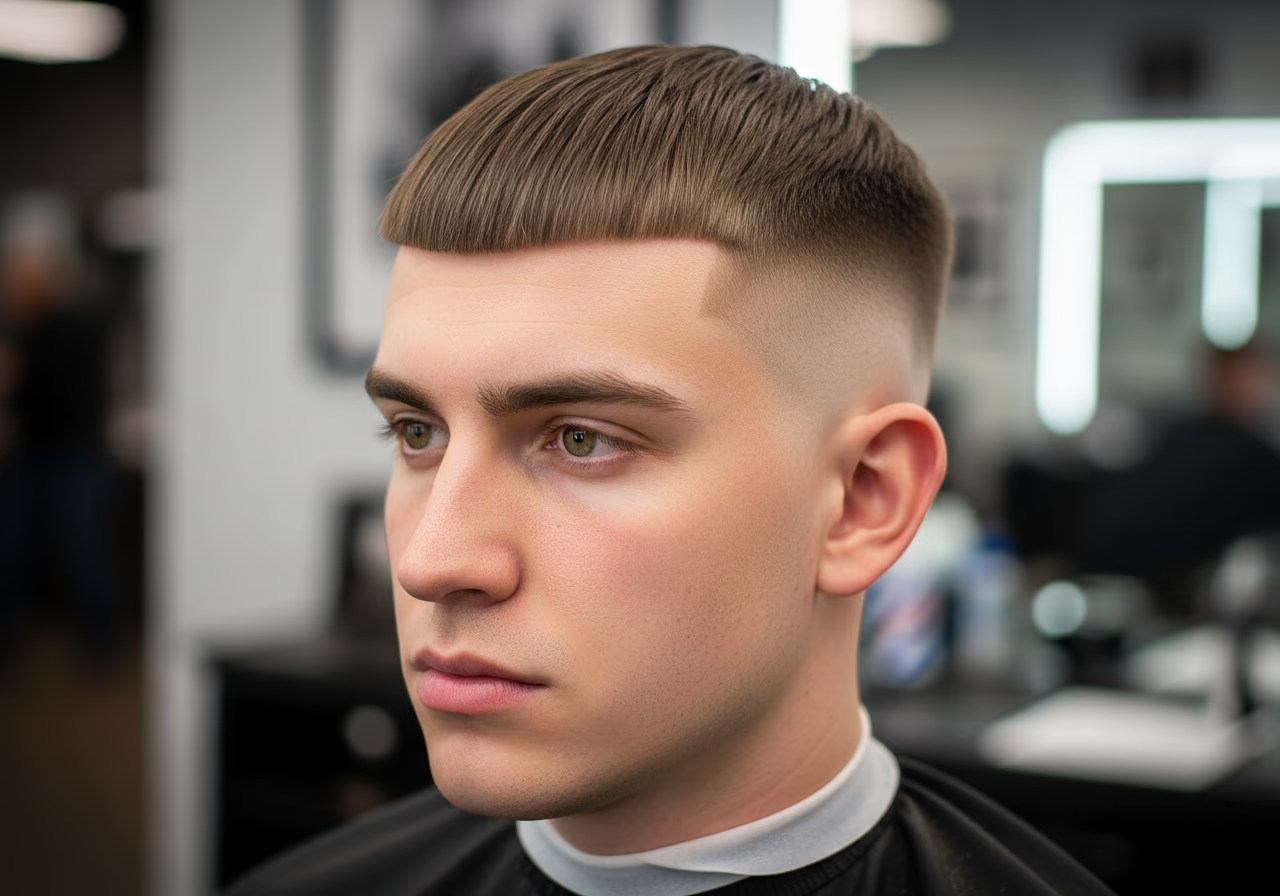
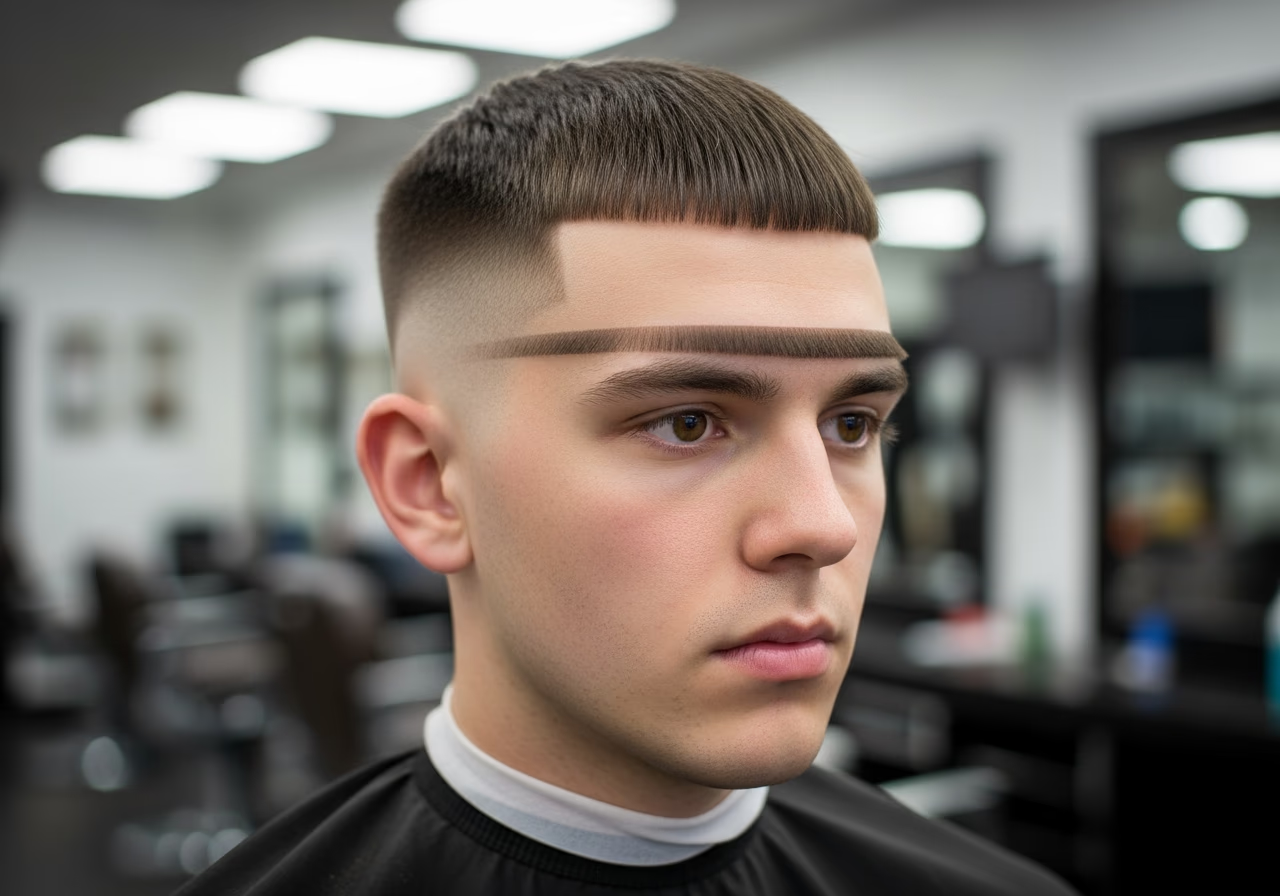
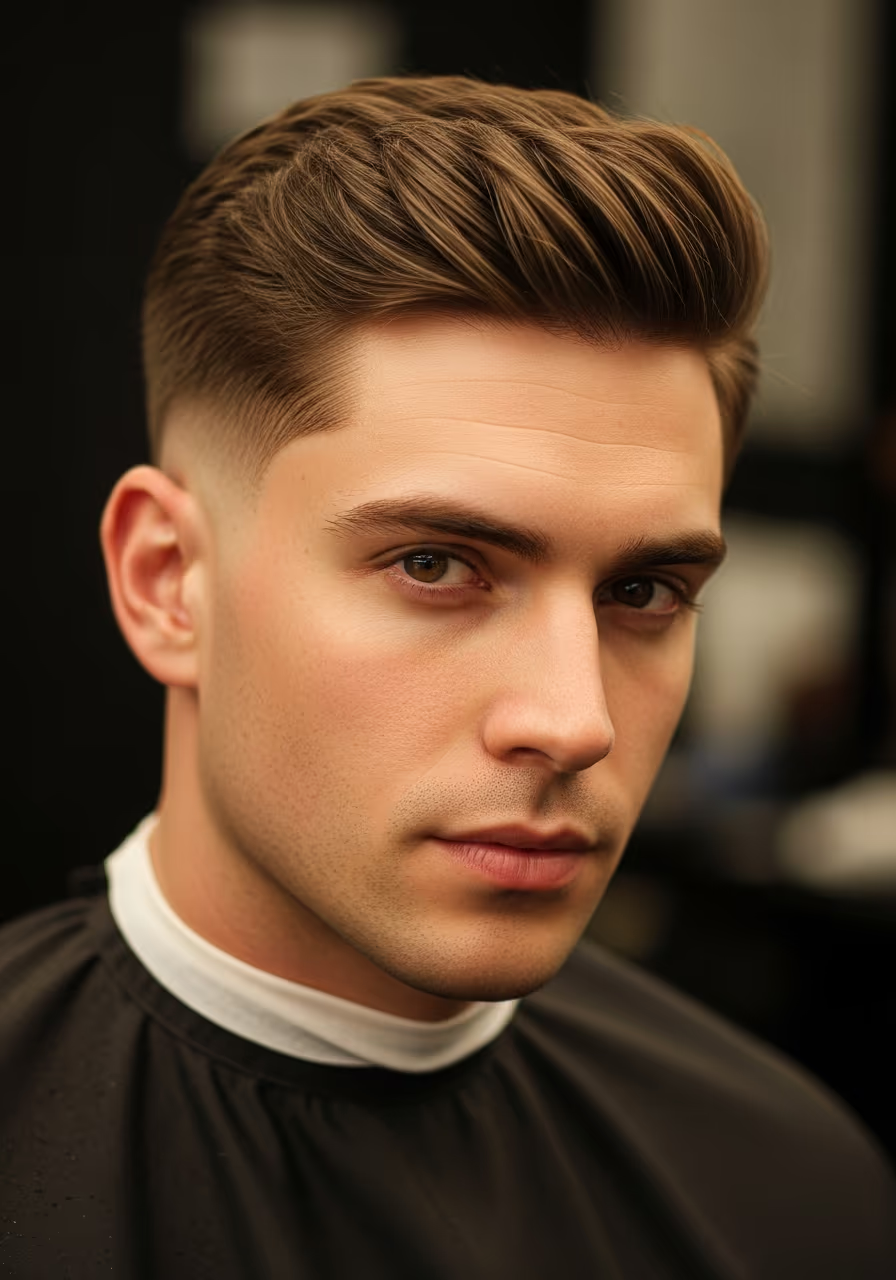
The Caesar cut is a men's haircut featuring short uniform length all over (typically 1–2 inches) with a horizontal blunt fringe straight across the forehead. Named after Julius Caesar — who reportedly wore the style to disguise his receding hairline — the cut has remained a barbershop staple for two thousand years and is one of the most-requested low-maintenance men's cuts in 2026.
2. Is the Caesar cut still in style in 2026?+
Yes — the Caesar cut is one of the most-requested low-maintenance men's cuts in 2026, particularly the modern (style 2), Caesar with mid fade (9), and George Clooney revival (27) variations. The cut works across age groups, hair types, and environments, making it one of the most versatile entries in the modern barbershop catalogue.
3. Who does the Caesar cut suit best?+
The Caesar suits oval, square, and round faces particularly well. The horizontal fringe is also one of the best men's cuts for receding hairlines (style 19), thinning hair (20), and difficult cowlicks (21) — many hair loss specialists recommend Caesar variations as the first cut to try when early hair loss appears.
4. How long does hair need to be for a Caesar cut?+
The classic Caesar requires only 1–2 inches on top, making it one of the easiest cuts to grow into. From a buzz cut, you'll have a short Caesar in 6 weeks. The long Caesar (style 4) requires 3–4 inches on top, achievable in 3–4 months from short hair.
5. What products work best for the Caesar cut?+
Texture Cream is the daily essential for most variations. Light Pomade works for the formal (style 33) and Ivy League (28) variations. Wax Stick is useful for the very short version (3). The Caesar is one of the lowest-product-requirement cuts — many wearers use no daily product at all.
6. Is the Caesar cut professional enough for an office?+
Yes — the Caesar cut is one of the most universally professional men's cuts. Choose: Modern Caesar (2), Caesar with Low Fade (8), Soft Caesar (7), Executive Caesar (34), or Subtle Caesar (35) for the most traditional environments. The Caesar reads as polished and intentional in virtually every workplace setting.
7. Does the Caesar cut work for receding hairlines?+
Yes — the Caesar is historically the cut Julius Caesar wore specifically to disguise his receding hairline, and it remains one of the best men's cuts for early hair loss. The horizontal fringe naturally covers temple recession (style 19), and the short uniform length minimises visual contrast in thinning areas (style 20).
8. What's the difference between a Caesar cut and a French crop?+
Both feature short tops with forward fringes, but the Caesar has a horizontal blunt fringe straight across the forehead, while the French crop has a textured/choppy fringe with more deliberate disorder. The Caesar reads as more classical and traditional; the French crop reads as more modern and edgy. Both work for receding hairlines and thinning hair.
9. Which face shape suits a Caesar cut best?+
Round and oval faces wear it best — the straight, horizontal fringe adds structure and the short sides keep things tight. It's also a smart pick for a receding hairline because the fringe falls forward and disguises the front. If your face is long, the flat fringe helps by breaking up the length; just keep the top short so you don't add height.
10. Can you add a fade to a Caesar cut?+
Absolutely, and it's the most common modern version. A low or mid fade on the sides keeps the blunt fringe and flat top as the focus while sharpening the whole shape. Purists keep the sides scissor-cut and uniform for the classic Roman look, but a fade brings it up to date without losing the cut's identity.
Final Takeaway
The Caesar cut isn't just a 2,000-year-old Roman classic in 2026 — it's a fully evolved cut family with 35 distinct variations covering every age, hair type, environment, and even hair-loss stage. Whether you go classic blunt-fringe, modern George Clooney, refined executive, or bold platinum statement, the formula is the same: short uniform top, horizontal blunt fringe, no fuss. Show your barber the exact style number, follow the maintenance rhythm, and the Caesar cut works year-round.
Short top, horizontal fringe, 2,000 years of barbershop tradition — and unmistakably yours.