
Matte vs Shine Products:
Which Look Do You Want?
Finish changes a haircut more than most men realise. Here's when matte wins, when shine wins, and who should avoid shine entirely.
By Jessica Hamilton — Master Stylist & Creative Director
📚 Part of our Styling, Products & DIY guide hub: explore every related guide in one place.
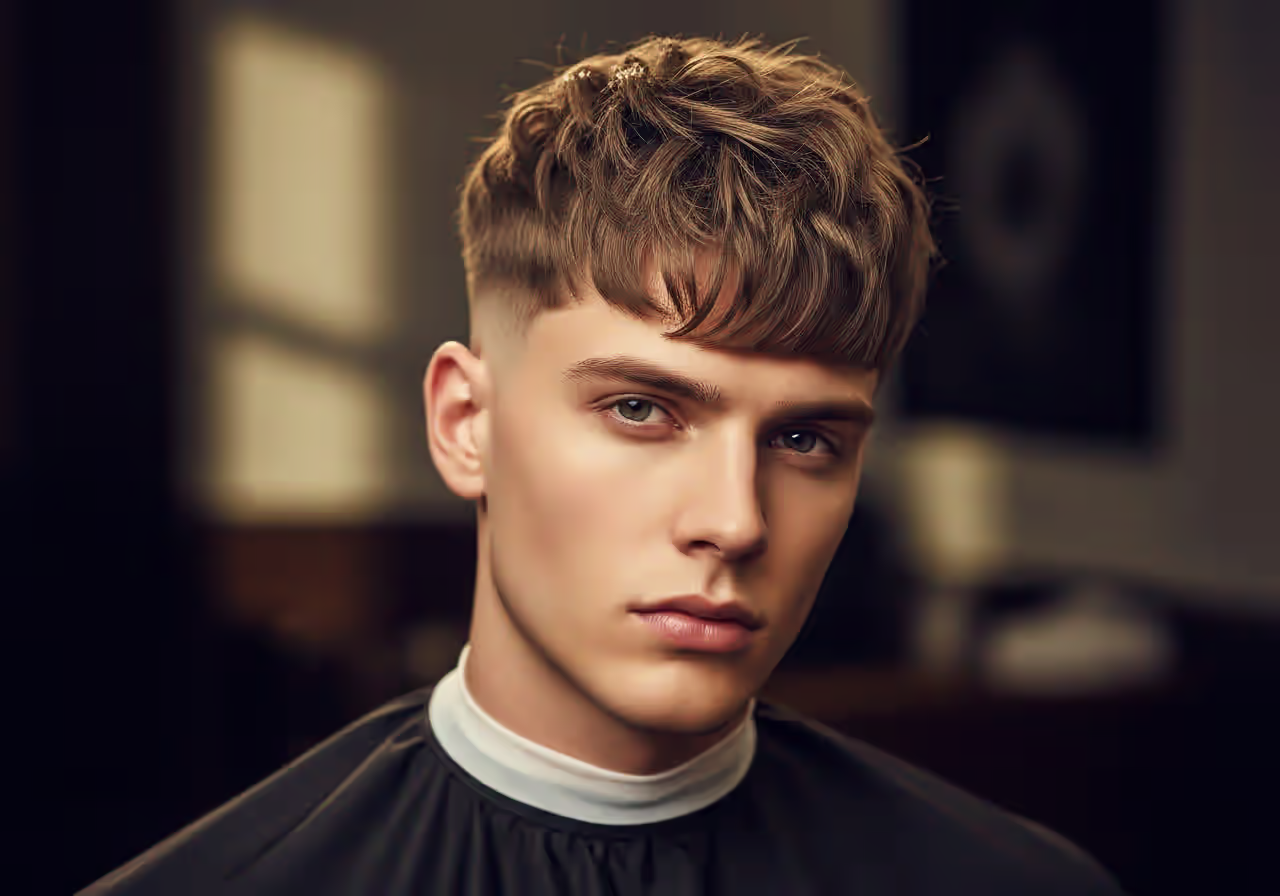
Two men can have the same haircut and look completely different based on one variable: finish. Matte reads modern, natural, and textured; shine reads classic, polished, and deliberate. Neither is better: but one is usually right for your hair and the era of look you're going for.
What Each Finish Says
| Matte | Shine | |
|---|---|---|
| Reads as | Modern, natural, effortless | Classic, formal, deliberate |
| Suits | Textured crops, messy styles, casual | Slick backs, side parts, formal occasions |
| Products | Clay, matte paste, texture powder | Pomade, gel, shine serum |
| Thinning hair | Excellent: hides scalp | Poor. Reflects light off scalp |
| Thick hair | Great for control without heaviness | Great for taming and polish |
| Era | Current default for most men | Timeless for formal looks |
When to Choose Matte
- You have fine or thinning hair: this is the big one. Shine highlights scalp; matte disguises it.
- Your style is textured (crop, French crop, messy quiff). Matte is what makes texture read.
- You want an effortless look — matte reads as 'my hair just does this.'
- Daily/office wear, matte is the safer modern default.
When Shine Works
- Formal occasions. Weddings, black tie, a classic side part.
- Slicked styles (slick back): shine is part of the look.
- Thick, healthy hair that can carry polish without looking greasy.
- Retro or classic styling where the polish is intentional.
- Go light. A little shine reads polished; a lot reads greasy, especially in photos.
Matching Finish to Hair Texture
Finish and texture interact more than most men expect. A shine-based pomade on fine, straight hair can weigh it down until it looks thin and flat against the scalp, while the same product on thick, coarse hair simply adds a polished sheen without collapsing volume. Matte products behave the opposite way: they add grip and perceived thickness, which is exactly why they became the default finish for textured crops and fringe styles.
- Fine or thin hair usually looks better in matte, since shine products emphasize how little volume is there.
- Thick or coarse hair can carry a shine finish well, since there is enough natural volume to spare.
- Curly or wavy hair generally suits a light matte cream over a heavy pomade, which can clump curls together unnaturally.
Common Application Mistakes
- Applying shine product to fully dry hair, which tends to sit on top of the strand rather than distribute evenly; work it through while hair is still slightly damp.
- Using too much matte clay, which can turn chalky and dull rather than textured; a coin-sized amount is enough for most short to medium styles.
- Mixing a high-shine pomade with a matte clay hoping for a middle ground, which usually just looks patchy; if you want in-between, look for a product labeled low-shine or satin finish instead.
- Not washing out yesterday's product before restyling, which builds up on the scalp and can leave hair looking greasy no matter how little new product is added.
Choosing Finish for the Occasion
Beyond hair type, the setting matters. A wedding, interview, or formal event generally suits a shine finish, since it photographs as deliberate and reads as more formal under indoor lighting. Everyday wear, especially in a casual workplace, tends to look more current in matte, which also holds up better through a physically active day without needing a touch-up. Many men keep both in rotation rather than choosing one finish permanently.
Frequently Asked Questions
Q1: Should I use matte or shine hair product?+
Q2: Is matte or shine better for thinning hair?+
Q3: What products give a matte finish?+
Q4: Does shine make hair look greasy?+
Q5: Which finish suits a textured crop?+
Make us a Preferred Source on Google
See our latest articles first in your Google Search & AI Overviews.