

Styling, Products & Cutting Your Own Hair
By Jessica Hamilton — Master Stylist & Creative Director
Once you have the cut, this is how you make it look good every day, and how to maintain it yourself between visits. This hub covers product choices, styling technique for every situation, and step-by-step DIY guides for buzzing, fading, and tidying your own hair.
Products & Styling
Pomade vs Clay vs Wax
Pomade, clay, and wax compared: hold, finish, hair type suitability, and washability, so you can pick the rig…

Matte vs Shine Hair Products
Matte or shine? How product finish changes your haircut, which suits modern vs classic styles, and why matte i…

How to Choose the Right Comb for Your Hair Type (2026)
Wide-tooth, fine-tooth, or brush: how to pick the right comb for straight, wavy, curly, or coily hair, and th…
Heatless Styling Techniques for Men (2026 Guide)
Style your hair without heat, air-drying with direction, towel techniques, product timing, and how to get vol…
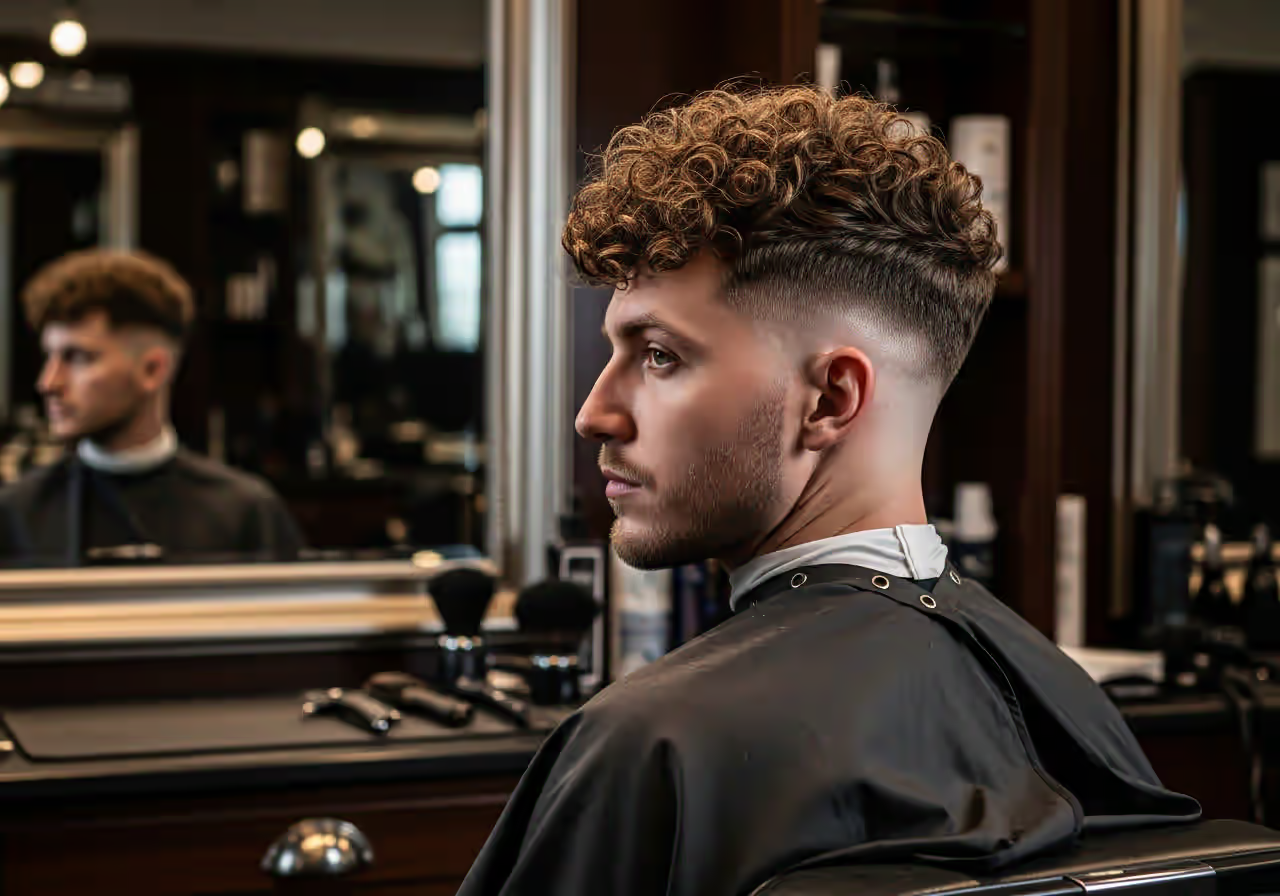
Men's Hair in High Humidity
Beat humidity frizz: why humid air puffs up hair, the products that actually hold, cuts that survive humidity…
How to Use a Diffuser for Curly Hair (Men's Guide 2026)
A men's guide to using a hair dryer diffuser for curly hair (why it works, the step-by-step technique, produc…
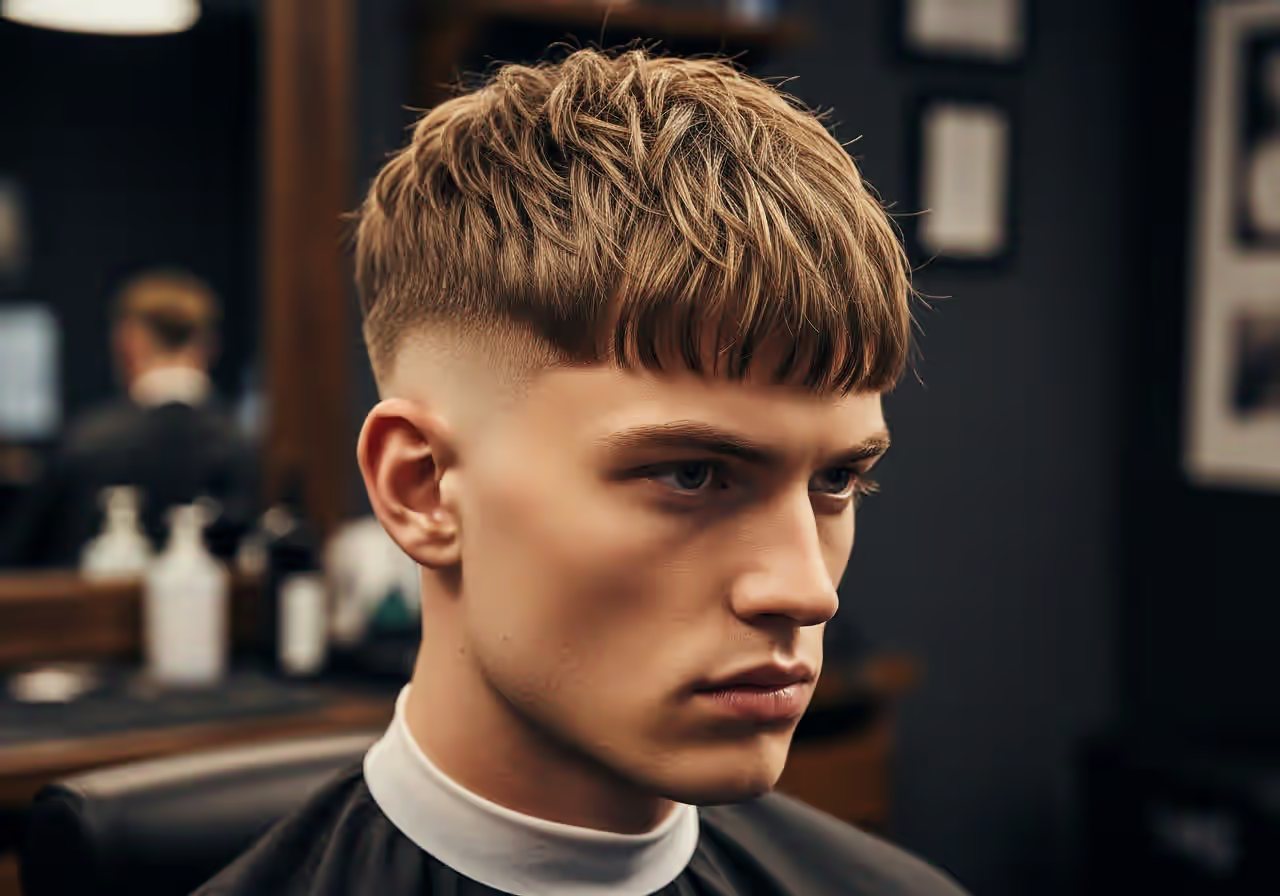
How to Keep Your Haircut Looking Good Under a Hat (2026)
Beat hat hair in cold weather. The cuts that survive a beanie, why damp hair is the real culprit, and quick f…

Scalp Care Basics for Healthier-Looking Hair (Men 2026)
A simple men's scalp care routine: how often to wash, why over-washing backfires, exfoliating and massaging t…
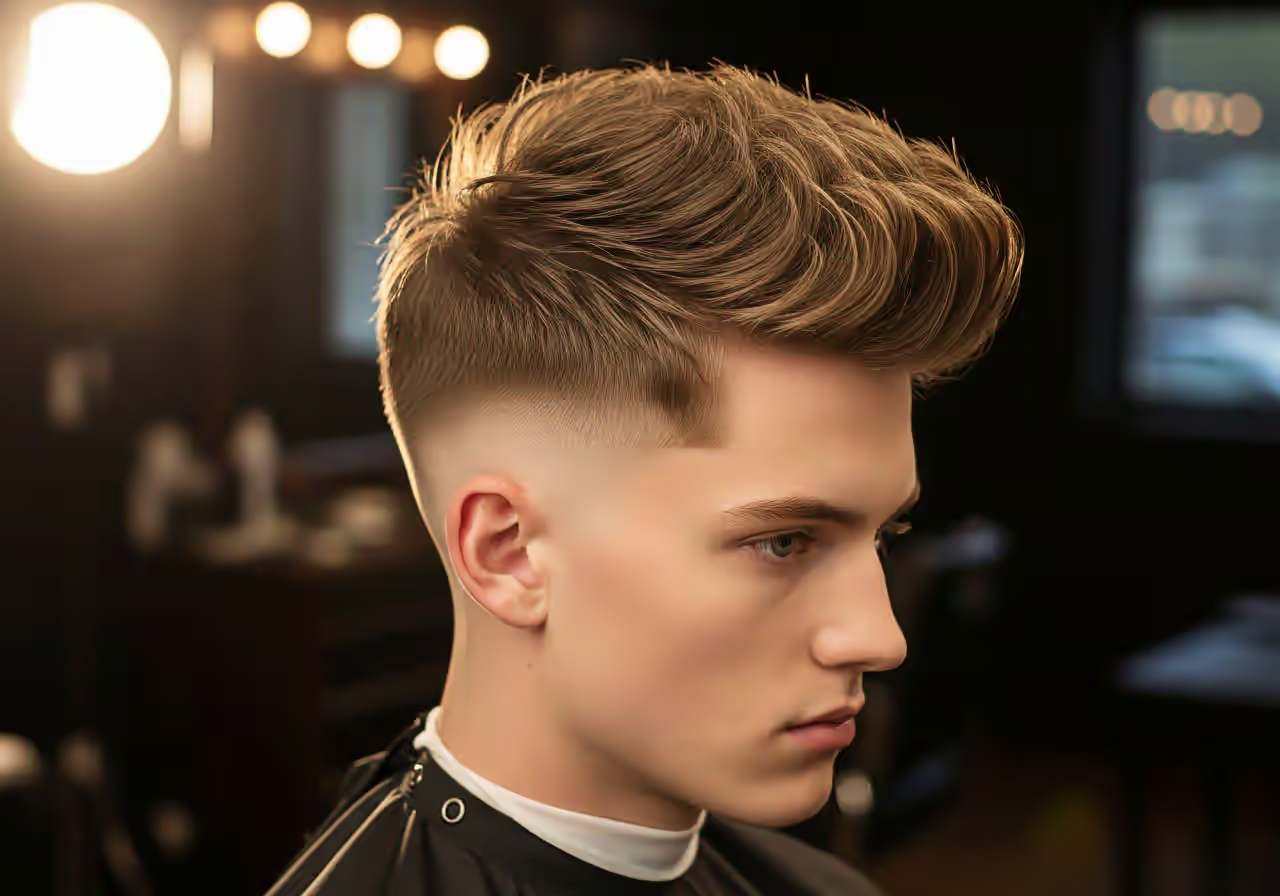
Hair Product Buildup
Hair dull, waxy, or refusing to hold style? Learn to spot product buildup, how to clarify properly, how often …
Do It Yourself

How to Buzz Cut Your Own Hair at Home (Step-by-Step 2026)
A foolproof step-by-step guide to buzzing your own hair at home, what you need, guard choice, the order to go…
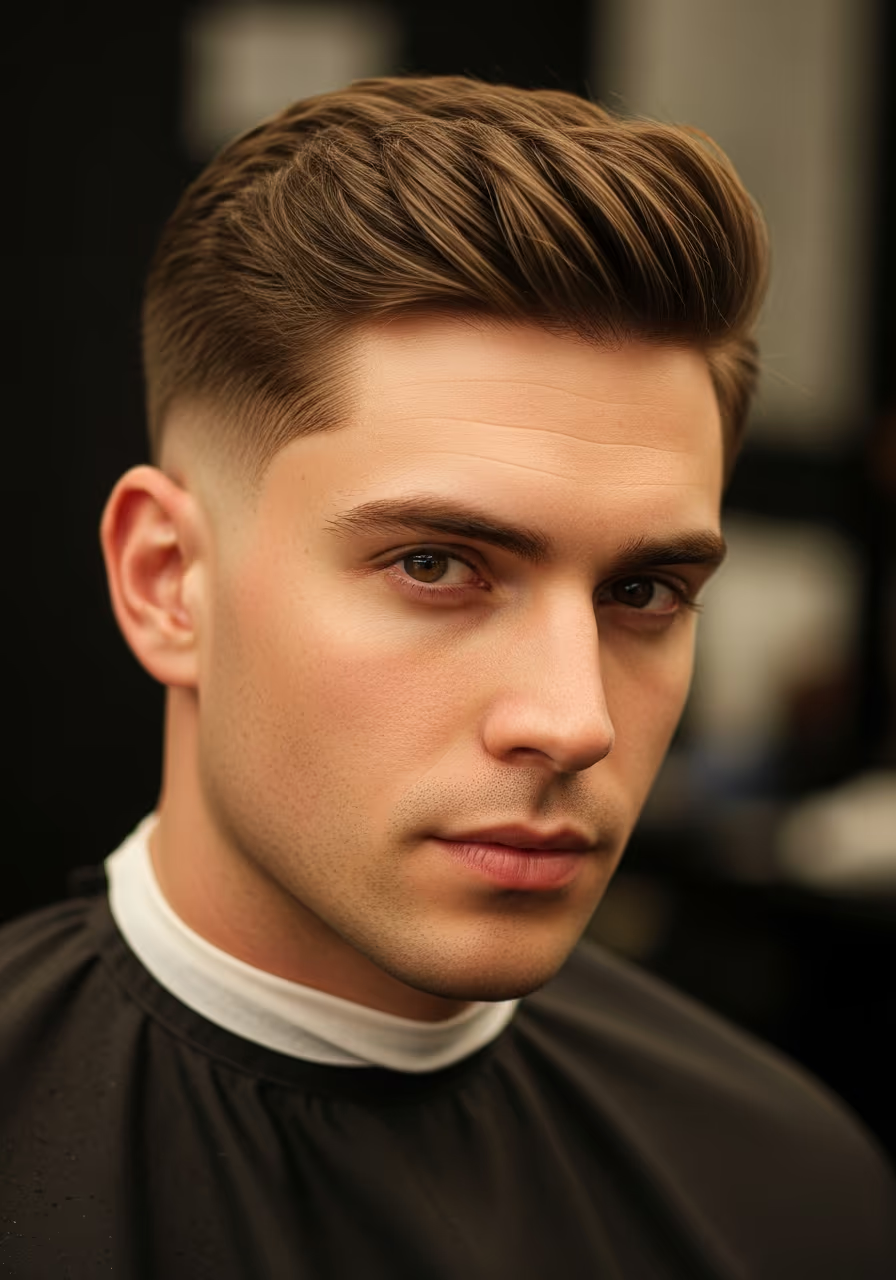
How to Fade Your Own Hair with Clippers (2026 Guide)
An honest guide to fading your own hair: the guard-ladder method, the crucial blending step, doing the back, …
How to Trim Your Own Neckline Between Barber Visits (2026)
Keep your haircut fresh longer, how to safely trim your own neckline at home, the tools to use, where to stop…

How to Cut a Friend's Hair at Home
A beginner-safe guide to cutting a friend's hair at home (the easiest cuts to attempt, tools you need, the cl…
How to Clean and Oil Your Hair Clippers (Full Guide 2026)
Clippers pulling or leaving patches? Learn the correct clean-and-oil routine: how often, which oil, where to …
Clippers vs Trimmers vs Shavers
Clippers, trimmers, and foil shavers explained — what each is built for, which you need for cutting, lining up…
Barbershop vs At-Home Grooming
What men's grooming actually costs per year, barbershop visits vs cutting your own hair, the real break-even …
Matching Product to Hair and Finish
Choosing a product comes down to two questions: how much hold your hair needs to stay in place, and whether you want it to look natural or polished. Fine hair collapses under heavy formulas, while thick or coarse hair can shrug off anything light.
- Clay: strong hold with a matte, dry finish. Suited to short textured cuts and crops, especially on fine hair that needs grip without weight.
- Paste: medium hold and a low sheen. A flexible middle ground for quiffs and messy styles that should move a little.
- Pomade: smooth control and more shine. Water-based versions wash out easily and suit side parts, slick backs and pompadours.
- Cream: light hold and moisture. The better choice for wavy and curly hair, longer styles and anyone fighting frizz.
- Sea salt spray: used on damp hair before drying to add grip and volume, then finished with a small amount of clay or paste.
Getting the Application Right
Most styling problems are application problems rather than product problems. Start with less than you think you need, roughly a fingertip for short hair, and warm it between your palms until it is almost invisible. Work it in from the back to the front so the fringe, which shows most, gets the smallest amount.
Apply clays and pastes to dry or nearly dry hair; creams and sprays usually work best on damp hair. If your hair looks greasy by midday, you used too much or applied it to wet hair, which dilutes the hold and spreads it unevenly.
Knowing When Not to DIY
Cutting your own hair works well for maintenance: keeping a buzz even, cleaning up the neckline between appointments or running the same guard over the sides you already wear. It gets risky when you try to create shape you cannot see, like a high fade, a curved neckline or layered length on top.
- Safe at home: single-length buzz cuts, neckline tidying with a trimmer, and touching up sides with the same guard your barber used.
- Better left to a barber: first-time fades, scissor work on longer hair, line-ups that move your hairline, and fixing a cut that has already gone wrong.
- Useful habit: ask your barber which guard numbers they used so your home touch-ups match.
Make us a Preferred Source on Google
See our latest articles first in your Google Search & AI Overviews.