

Quick answer: Haircut problems and fixes pair up once you know the cause: most bad cuts can be corrected or grown out. This hub collects the troubleshooting guides: rescuing a bad or too-short cut, correcting an uneven or patchy fade, repairing a line-up pushed too high, preventing razor bumps on the neckline, hiding a wide parting and surviving awkward regrowth.
Style images are AI-generated illustrations.
Haircut problems and fixes start here: something went wrong in the chair, or your cut is just growing out awkwardly. This hub gathers every troubleshooting guide on the site: how to recover from a bad or too-short cut, fix an uneven or patchy fade, deal with a line-up that's too high, prevent razor bumps, and handle the awkward regrowth stages calmly and correctly.
When a Cut Goes Wrong
How to Fix a Bad Haircut: Step-by-Step Recovery Guide
Got a bad haircut? What a second barber can salvage, quick styling fixes, when to wait it out, and how to grow it back without making it worse.

My Barber Cut Too Much Off: Now What?
Barber took off too much? In-chair damage control, how to style a too-short cut, realistic grow-back timelines, and how to prevent it next time.

What to Do If You Hate Your New Haircut
Hate your new haircut? A calm plan: why it looks worse than it is, quick fixes, whether to go back to the barber, and how to move on.
Fade & Line-Up Fixes
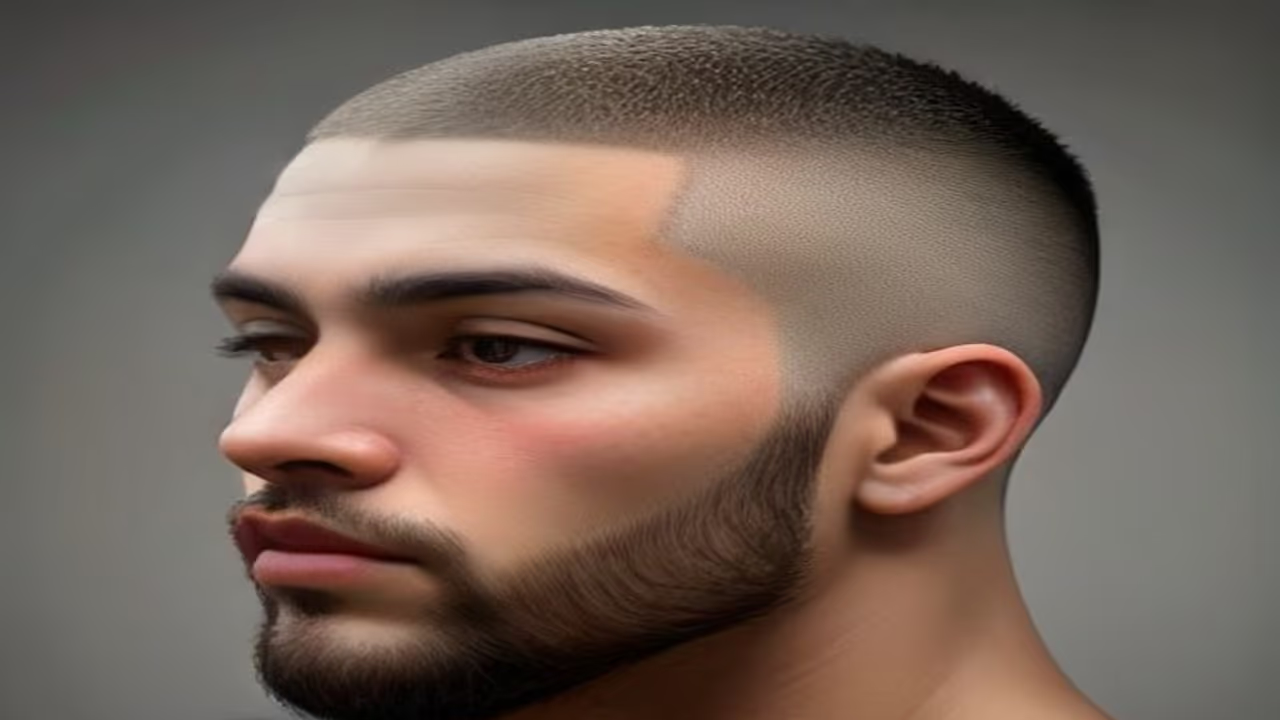
How to Fix an Uneven Fade: Causes and Corrections
An uneven fade with visible lines or a lopsided blend? The common causes, from guard skips to dull blades and cowlicks, and how a barber fixes it.
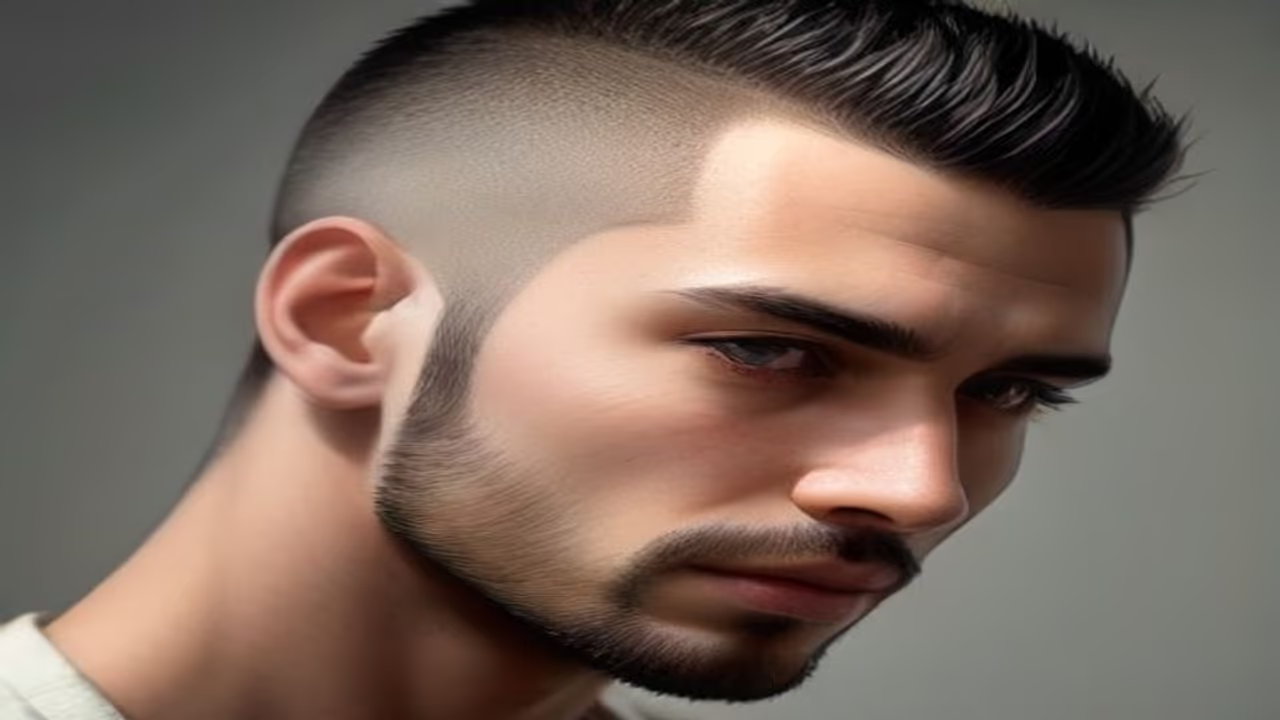
Why Does My Fade Look Patchy? Causes and Fixes
Why does a fade look patchy? A missed spot from dull clippers, or a short fade exposing natural gaps, scars or cowlicks, and how each one gets fixed.

How to Fix a Line-Up That's Too High
Line-up cut too high or too deep? Realistic recovery time, how to soften it now, why not to re-line it, and how to ask for a conservative line-up.
Growing It Out & Skin Care

How Long Does Hair Grow Back After a Buzz Cut? (Timeline)
A month-by-month buzz cut grow-back timeline: hair grows about half an inch a month, so expect crew-cut length at one month and medium length at six.

How to Prevent Razor Bumps on the Neckline
Razor bumps on your neckline after every haircut? The routine that prevents them: prep, blade direction, aftercare, and when to skip the razor.

Hair Parting Shows Too Much Scalp? How to Fix It
Parting line showing too much scalp? Learn why hard parts widen the look, and how to switch, soften or ditch your part with the right cut.

Worst Haircuts
Worst haircuts for men that barbers often talk clients out of: why each one fails on certain hair or faces, and the better cut to ask for instead.
Diagnose Before You Fix
Most haircut problems fall into one of three groups, and each needs a different response. Working out which one you have stops you from making it worse on day one.
- Too much removed: the length is simply gone. Nothing restores it except time, so the job is styling around it and protecting the grow-out, not more cutting.
- Uneven or unblended: lines in a fade, one side longer, a lopsided fringe. These are usually correctable by a barber, often in a short visit, because there is still hair to work with.
- Wrong shape for you: the cut was done well but does not suit your head shape, hairline, or hair type. This is the slowest to fix, since you usually have to grow into the next shape.
Look at the cut in daylight after your first normal wash. Fresh cuts often look harsher under salon lighting and with product the barber applied, and a surprising number of problems soften once hair has been washed and has settled for a day or two.
The First 48 Hours
- Do not grab the clippers at home. Evening up a fade or neckline yourself is the most common way a small problem becomes a buzz cut.
- Take clear photos of the problem from the side and back, in natural light. They make a correction appointment faster and more precise.
- Go back to the same shop first if the issue is a technical miss such as a visible line or an uneven side. Most barbers would rather fix it than lose a client, and a calm, specific description gets better results than a general complaint.
- Switch to a matte product if the cut is shorter or patchier than expected. Shine highlights scalp and edges; matte texture blurs them.
- Skip the razor on the hairline and neckline until you know what you are dealing with. Shaving edges back is permanent for weeks.
Stopping It Happening Again
Most bad cuts start with a vague request. Words like short, clean, or just a trim mean different things to different barbers, so replace them with specifics: where the fade should start, how much length to keep on top in inches or with a finger measurement, and if you want a natural or squared hairline.
- Bring two or three photos of the result you want, ideally of someone with a similar hair type.
- Say what you do not want, for example no skin at the sides or keep my hairline natural. Limits are often clearer than goals.
- Ask the barber to check in before taking the sides down past a certain point, especially on a first visit.
- Stay with a barber who gets it right. Consistency comes from someone who already knows your growth patterns, cowlicks, and hairline.
Make us a Preferred Source on Google
See our latest articles first in your Google Search & AI Overviews.