
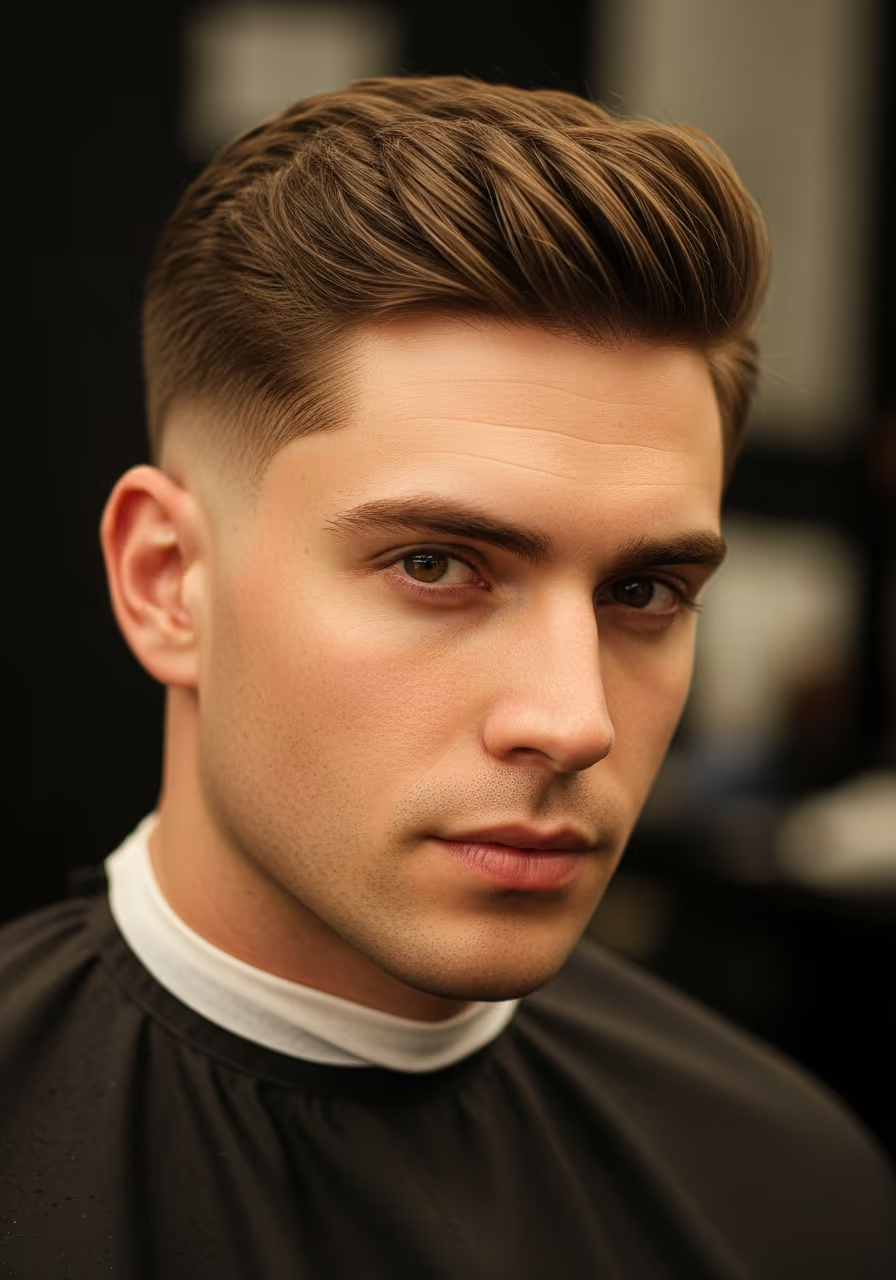
Barbering Basics: Terminology, Costs & Etiquette
By Jessica Hamilton — Master Stylist & Creative Director
Everything you need to walk into a barbershop and get exactly the cut you want. This hub covers the language (guard numbers, blend, fade types, nape shapes), the money (costs, tipping), and the etiquette, plus how to find a barber worth staying with.
Talk Like You Know
How to Talk to Your Barber
The complete guide to talking to your barber: the exact terms to use, guard numbers, how to describe length, …

Clipper Guard Numbers Explained
A clear clipper guard number chart for men: what #1 to #8 leaves in inches and millimetres, which to pick for…

Clipper Guard Sizes
A complete clipper guard conversion chart: guard numbers to inches and millimetres, including half sizes, plu…

Fade Types Explained
Low, mid, high, taper, drop, burst, and skin fades explained in plain English, where each one starts, who it …

What Does 'Blend' Mean at the Barbershop? (2026)
'Blend' explained in plain English: what barbers mean by blending, how it differs from a fade or taper, why a…
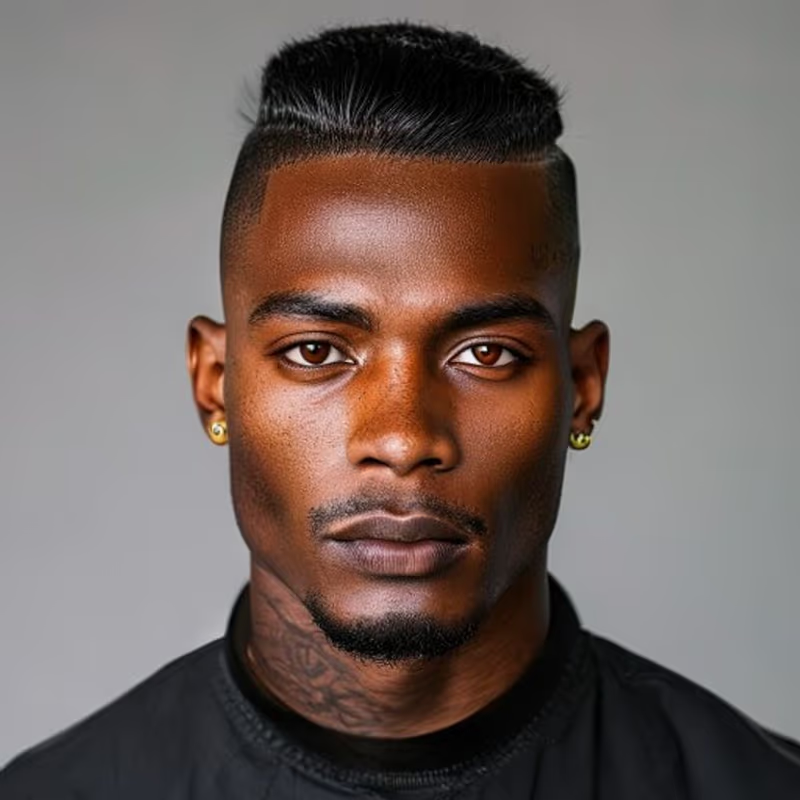
Line-Up vs Edge-Up
Line-up, edge-up, shape-up: what these barbershop terms actually mean, whether there's any real difference, a…
Block vs Tapered vs Rounded Nape
The three neckline shapes explained. Blocked, tapered, and rounded napes, how each looks fresh vs grown out, …
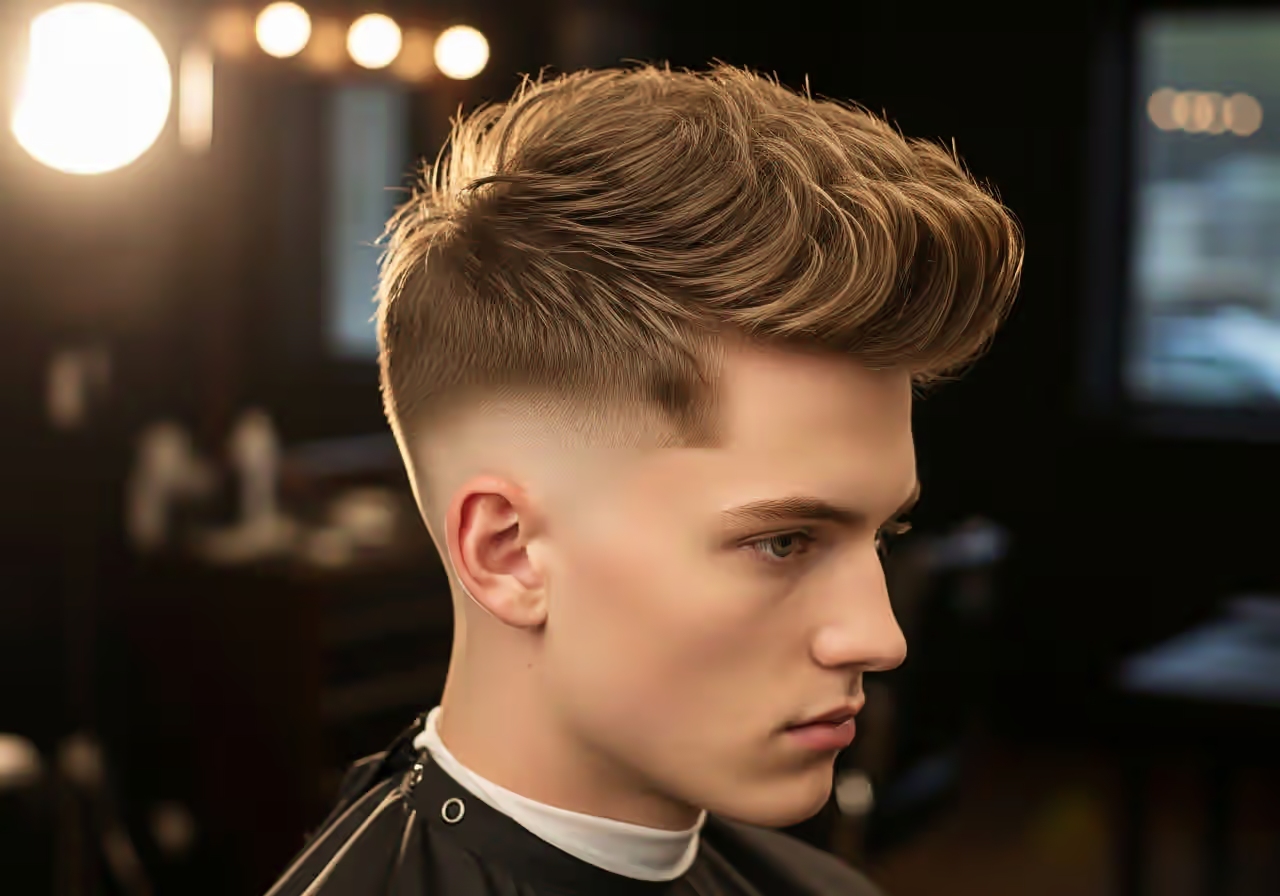
How to Ask for Texture Without Getting Thinning Shears (2026)
Asking for 'texture' can get you thinned-out, fluffy hair. Learn the difference between point-cutting, thinnin…
How to Ask for a Fade Without Knowing the Terminology (2026)
No barbershop vocabulary? Here's how to describe the fade you want in plain English: pointing, photos, and si…
Costs, Timing & Etiquette
How Much Does a Men's Haircut Cost in 2026? (US Guide)
A 2026 US price guide for men's haircuts: what you'll pay at chains, neighborhood barbershops, and upscale sh…
How Much Does a Skin Fade Cost? (2026 Price Guide)
What a skin fade costs in 2026: typical price range, why it costs more than a basic cut, the real monthly cos…

How Much Should You Tip Your Barber in 2026? (US Guide)
How much to tip a barber in 2026 — the standard percentage, when to tip more or less, whether to tip a shop ow…
How Often Should You Get a Haircut? By Hair Type (2026)
How often men should get a haircut by style and hair type. Fades every 1-2 weeks, medium cuts every 4-6 weeks…
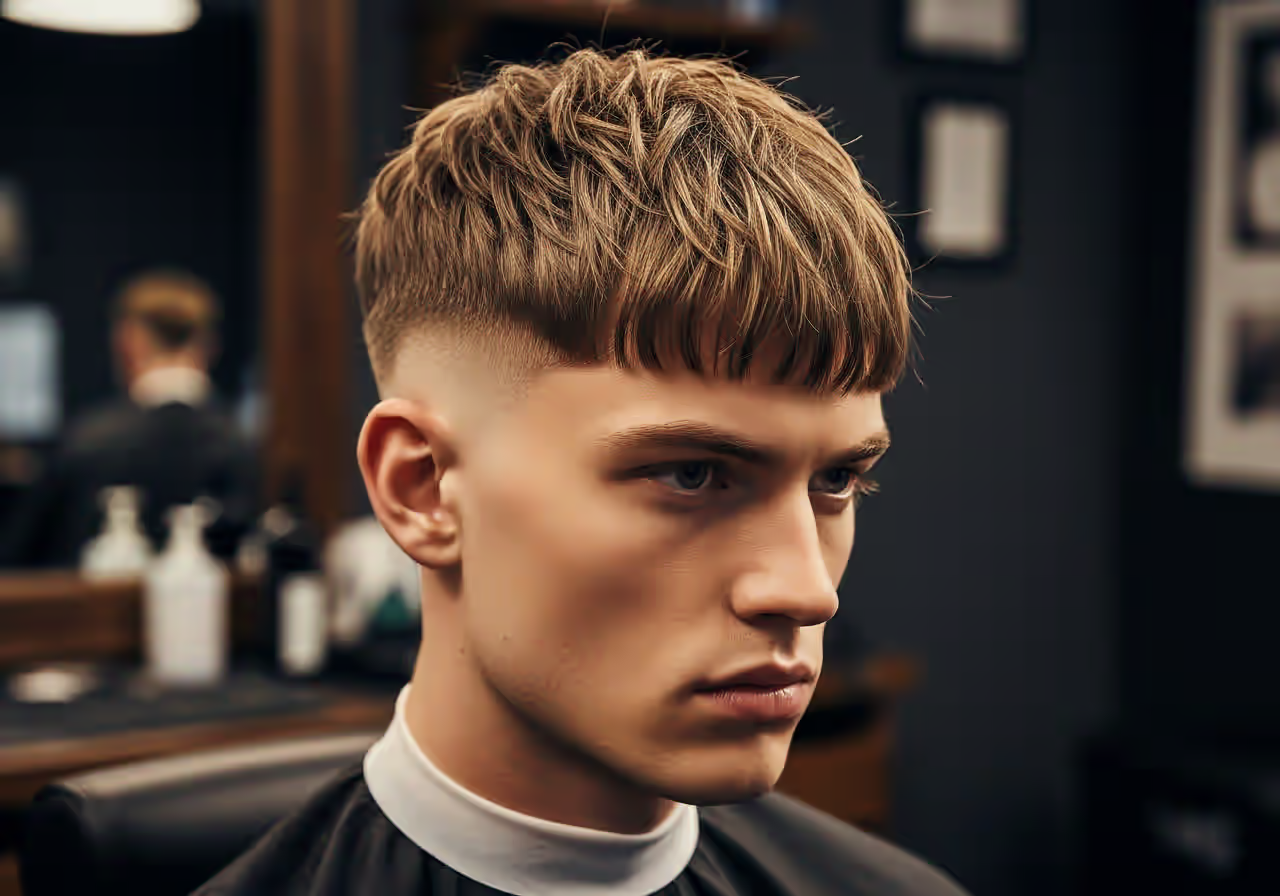
Barbershop Etiquette
Barbershop etiquette explained, how to book and wait, talking during the cut, phone and tipping rules, and th…
Barbershops vs Hair Salons
Barbershop or salon for men? The real differences in skills, pricing, atmosphere, and which cuts each does bes…
How to Find a Good Barber Near You
A practical checklist for finding a good barber near you: how to read reviews and Instagram, the trial-cut ap…

Best Haircuts for Job Interviews (2026 Guide)
The safest sharp haircuts for a job interview: conservative cuts that read competent in any industry, when to…
Your First Visit to a New Barber
A first appointment with an unfamiliar barber goes better when you treat it as a consultation as much as a haircut. Arrive with your hair in the state you normally wear it, not freshly slicked down or stuffed under a hat, so the barber can see how it falls, where the cowlicks sit and how dense it is at the crown.
- Bring two or three photos, ideally of people with hair similar to yours, and point out what you like in each one.
- Say how often you plan to come back. A cut designed to be refreshed every two weeks is built differently from one that has to survive six.
- Mention what went wrong last time, such as a neckline that grew out fuzzy or a top that was cut too short to style.
- Ask to be shown the back before the cape comes off. It is far easier to adjust then than on a return visit.
Terms People Mix Up
A handful of words cause most barbershop misunderstandings, because customers use them loosely while barbers use them precisely.
- Fade vs taper: a fade usually takes the sides and back down very short or to skin over a wider area, while a taper shortens gradually and mostly at the sideburns and neckline.
- Trim vs cut: a trim keeps the existing shape and removes length or bulk; a cut can change the shape entirely. If you only want tidying, say trim and say roughly how much.
- Texture vs thinning: texture usually means separation at the ends, while thinning removes weight throughout. They look very different a week later.
- Line-up: a sharp outline at the forehead, temples and neck. Say whether you want your natural hairline followed or pushed back, because pushing it back is hard to undo.
Building a Relationship With One Barber
The single biggest improvement most men can make is staying with one barber long enough for them to learn their head. Hair grows unevenly, crowns swirl in different directions and some men carry length differently on each side. After a few visits a good barber knows these quirks and cuts around them without being told.
Book your next appointment before you leave, at the interval that suits your cut, so you never reach the stage where it has lost its shape. If something is not quite right, say so calmly at the next visit rather than quietly switching shops; small adjustments are routine and most barbers would rather hear the feedback.
Make us a Preferred Source on Google
See our latest articles first in your Google Search & AI Overviews.