
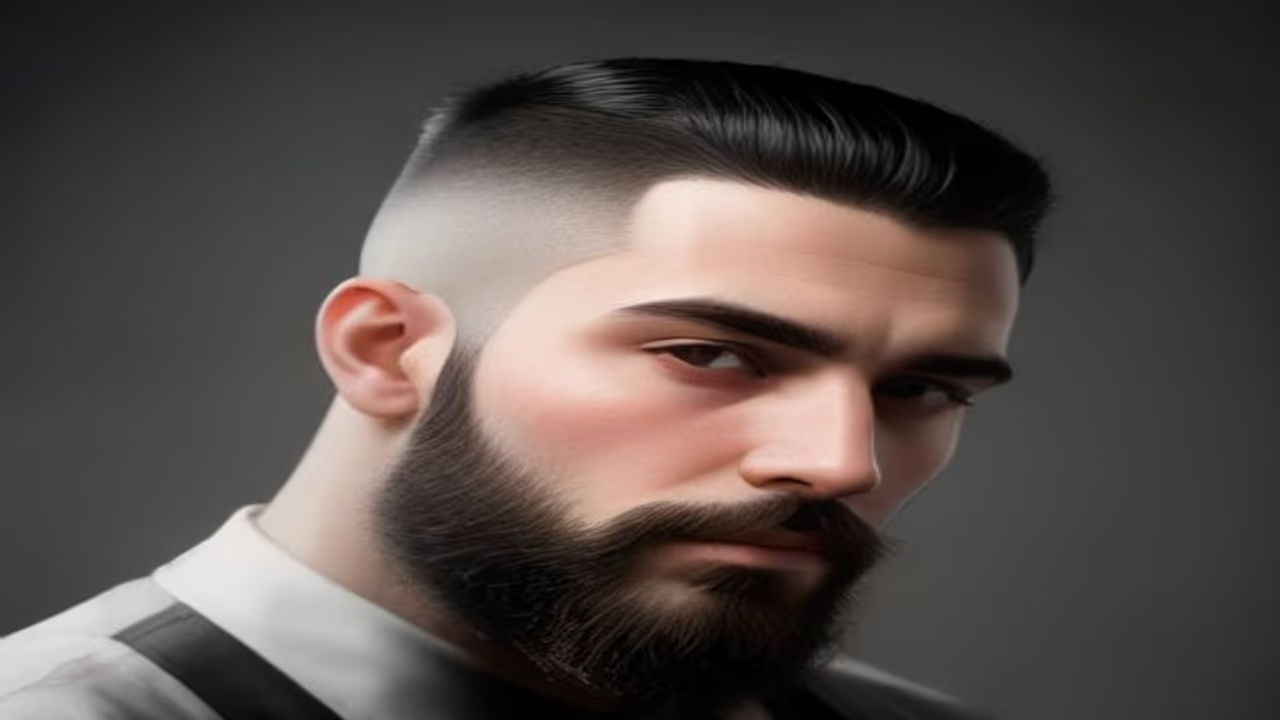
Quick answer: Choose a beard the way you choose a haircut: by the shape it gives your face. This hub covers the named styles (boxed, anchor, Balbo, Van Dyke), the handlebar and chevron moustaches, where to set the neckline, matching a beard to your jawline, pairing one with a skin fade, and what to expect while it grows in.
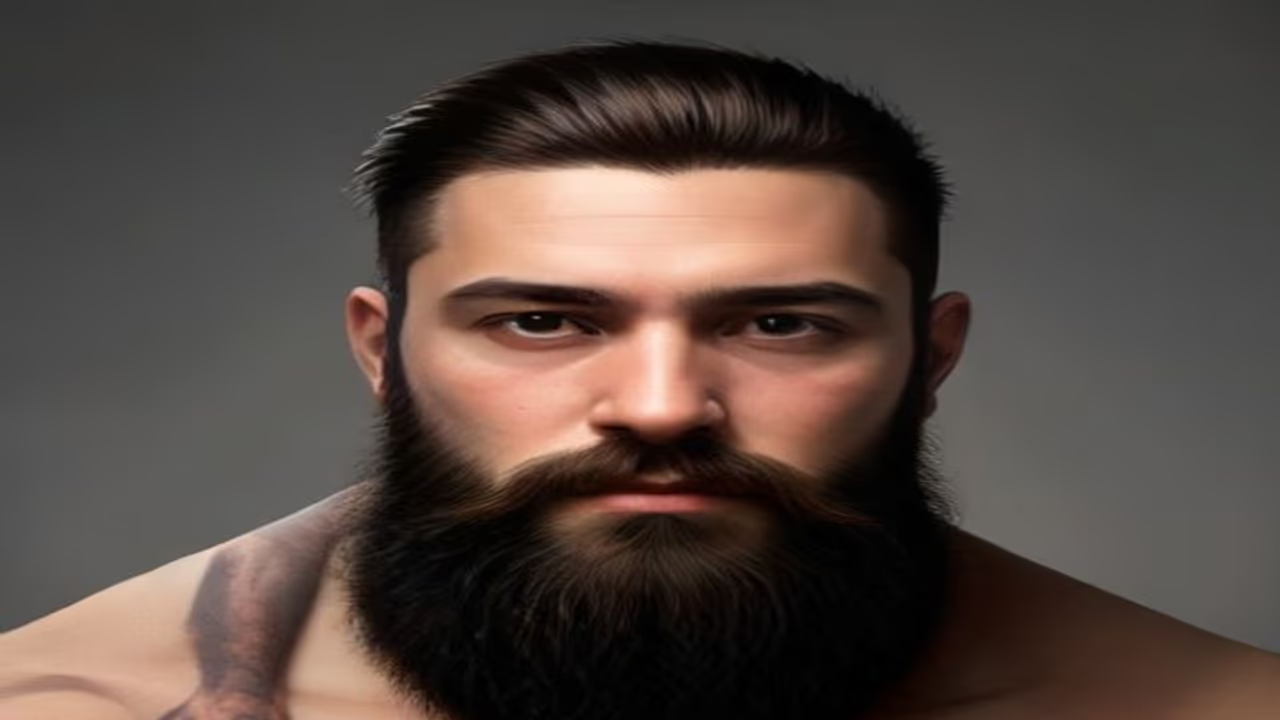
Style images are AI-generated illustrations.
A great beard is a shaping tool, matched to your face and haircut: it does as much for your look as the cut itself. This hub covers every beard and moustache guide on the site: the classic named archetypes, how to shape the neckline correctly, matching a beard to your jawline, pairing it with a fade, and the products that keep it healthy.
Named Beard Styles
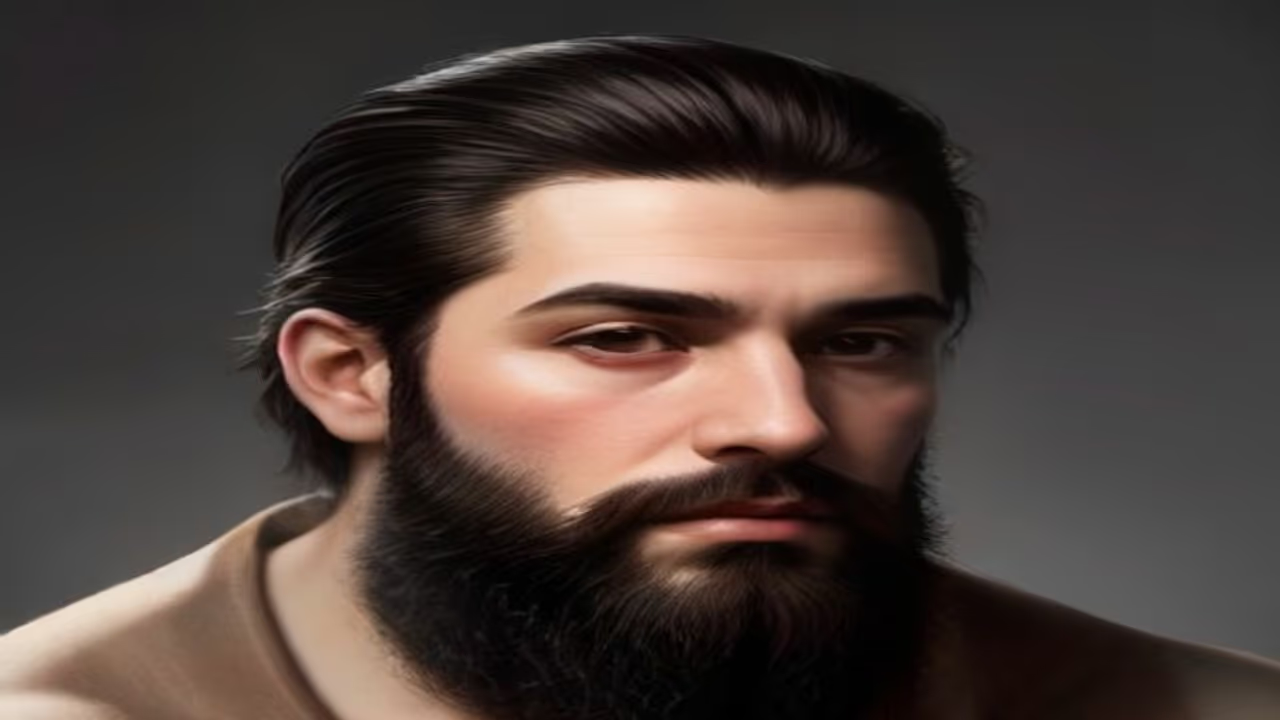
The Boxed Beard: Complete Styling & Shaping Guide
The boxed beard explained: what it is, who it suits, how to shape and maintain the clean edges, and the trimmer settings that keep it sharp.
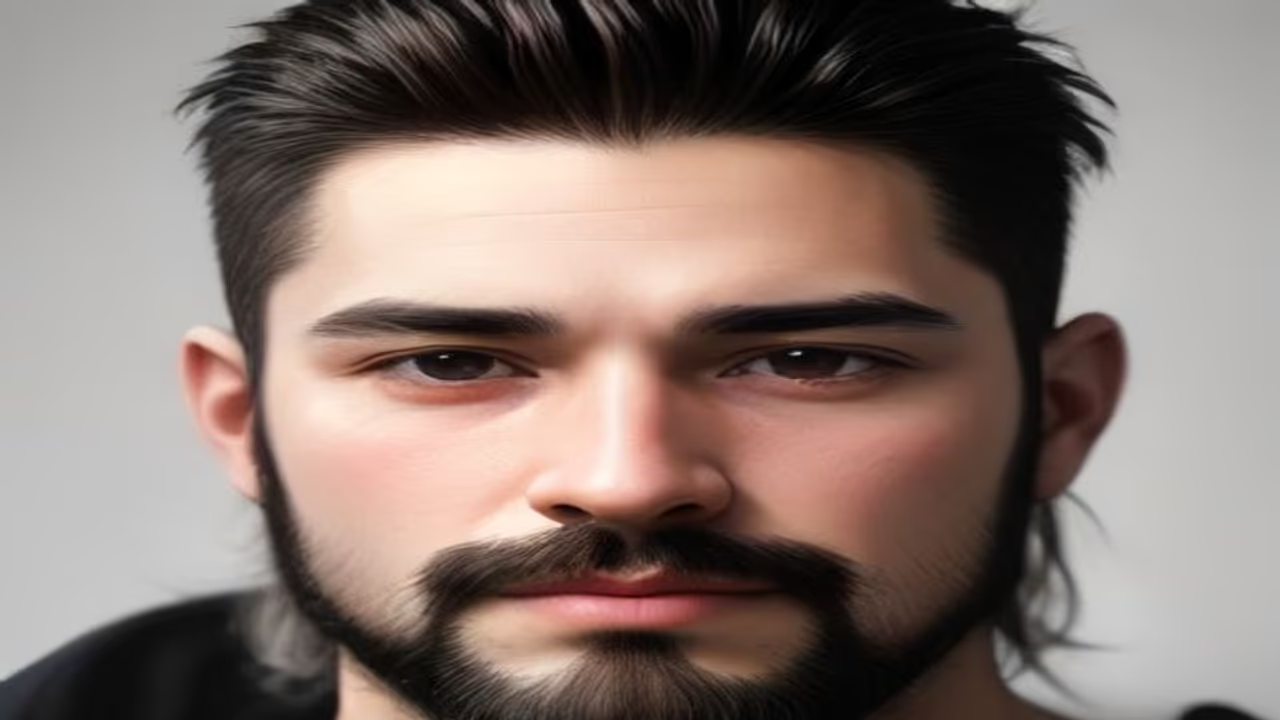
The Anchor Beard: Styling and Maintenance Guide
The anchor beard explained: the shape, who it suits, how to trim and maintain the precise lines, and how it differs from a Van Dyke or Balbo.
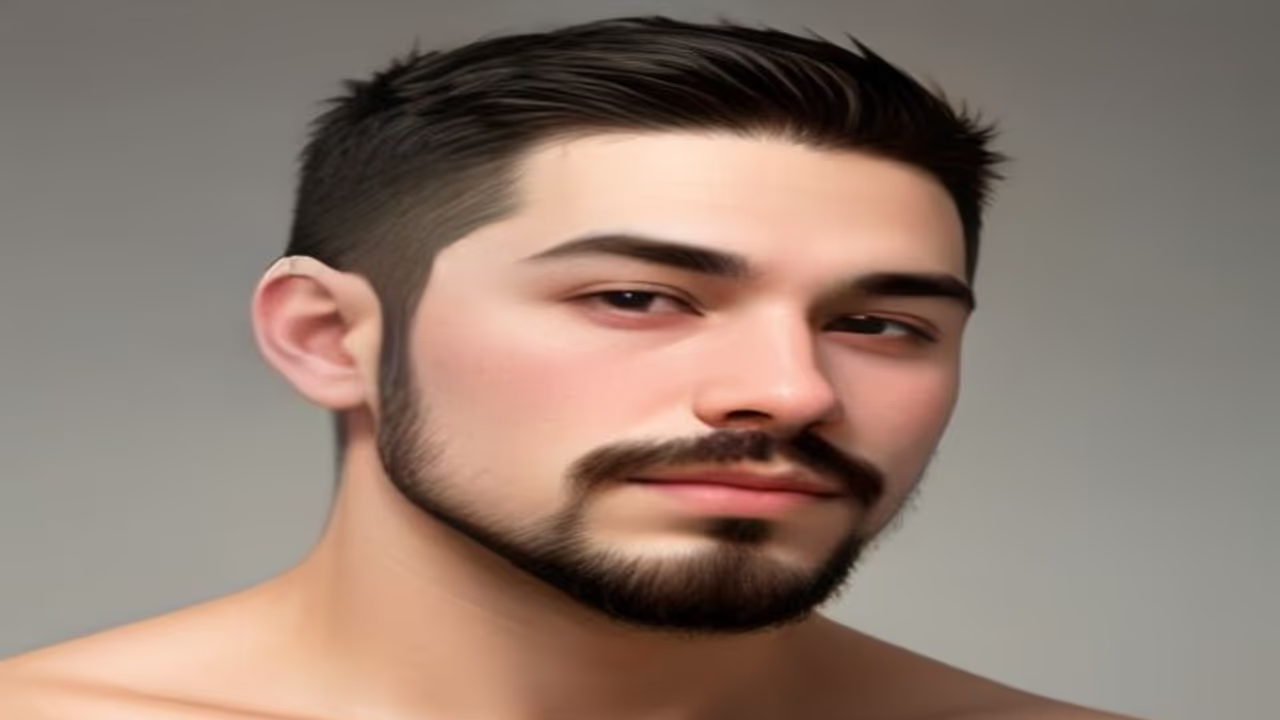
The Balbo Beard: How to Cut, Style and Wear It
The Balbo beard explained: a disconnected moustache over a wider chin beard, who it suits, step-by-step trimming, and how it differs from a Van Dyke.
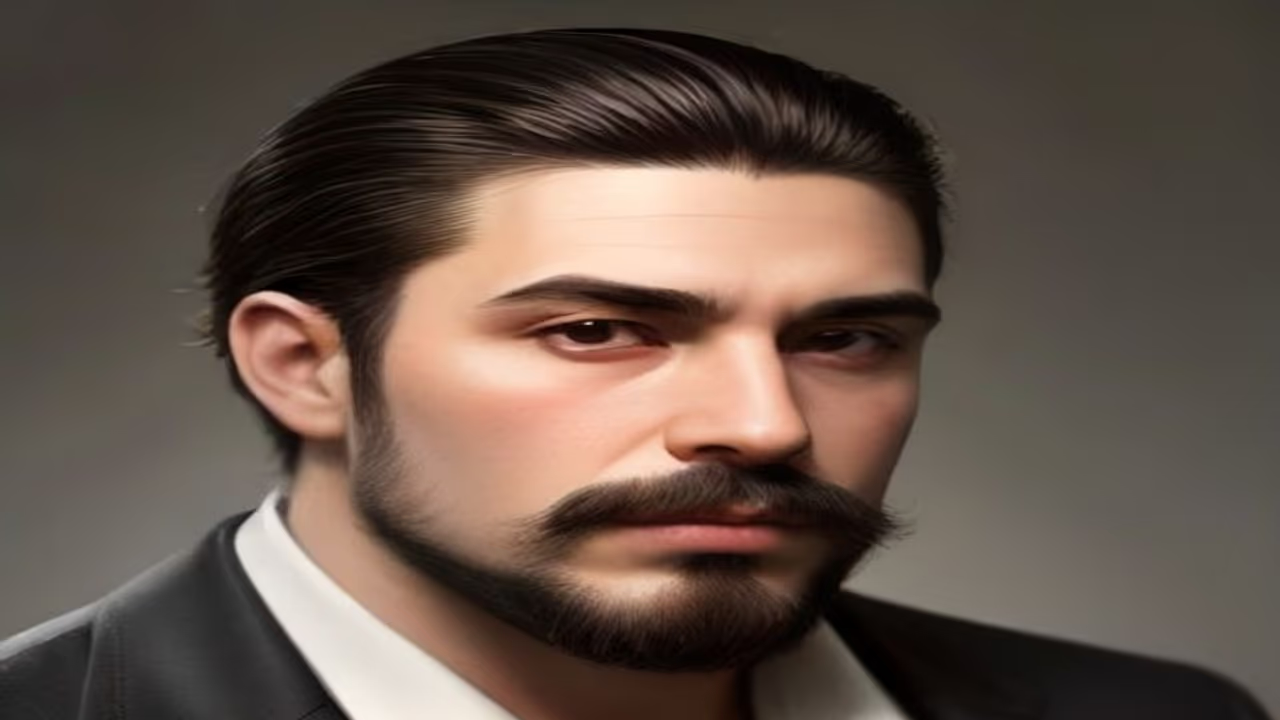
Van Dyke Beard Guide: Trimming, Shaping & Face Types
The Van Dyke beard explained: a pointed goatee with a disconnected moustache, who it suits (round faces most), and how to trim both sides evenly.
Moustache Guides
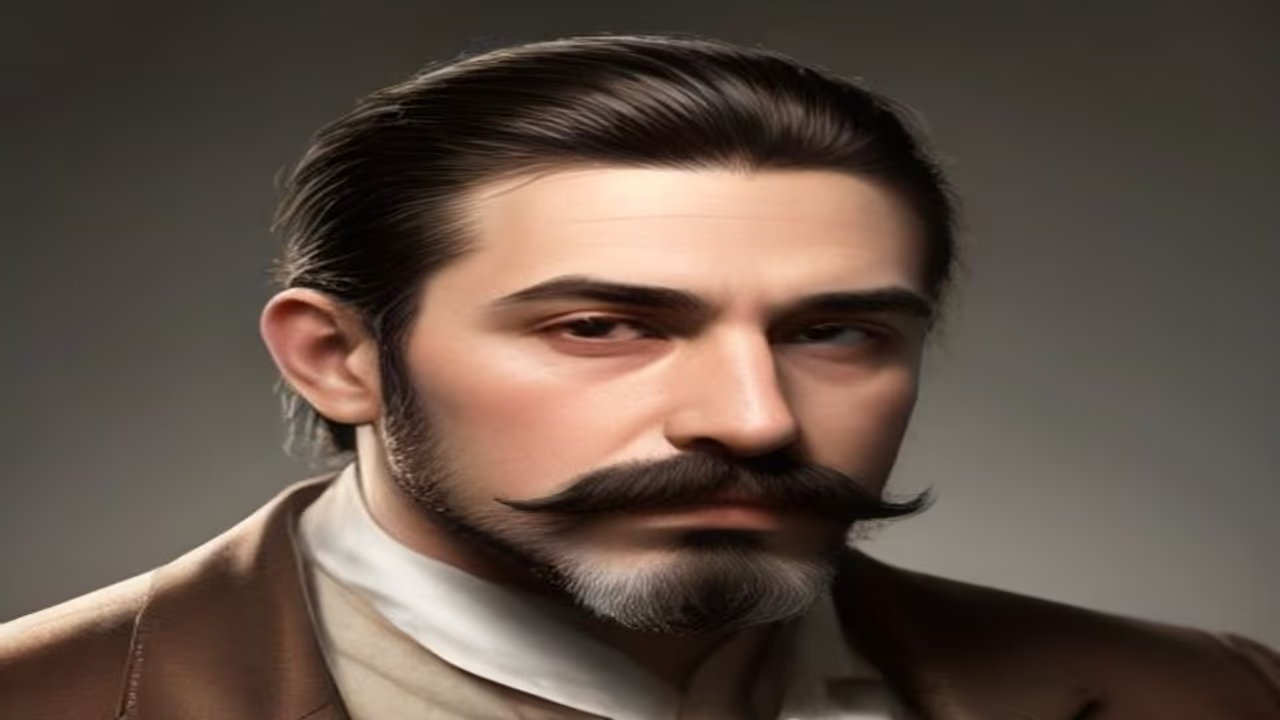
Handlebar Moustache: How to Grow and Style It
How to grow a handlebar moustache: the 3–4 months it takes, getting through the scruffy weeks 4 to 10, training the ends to curl, and the wax to use.
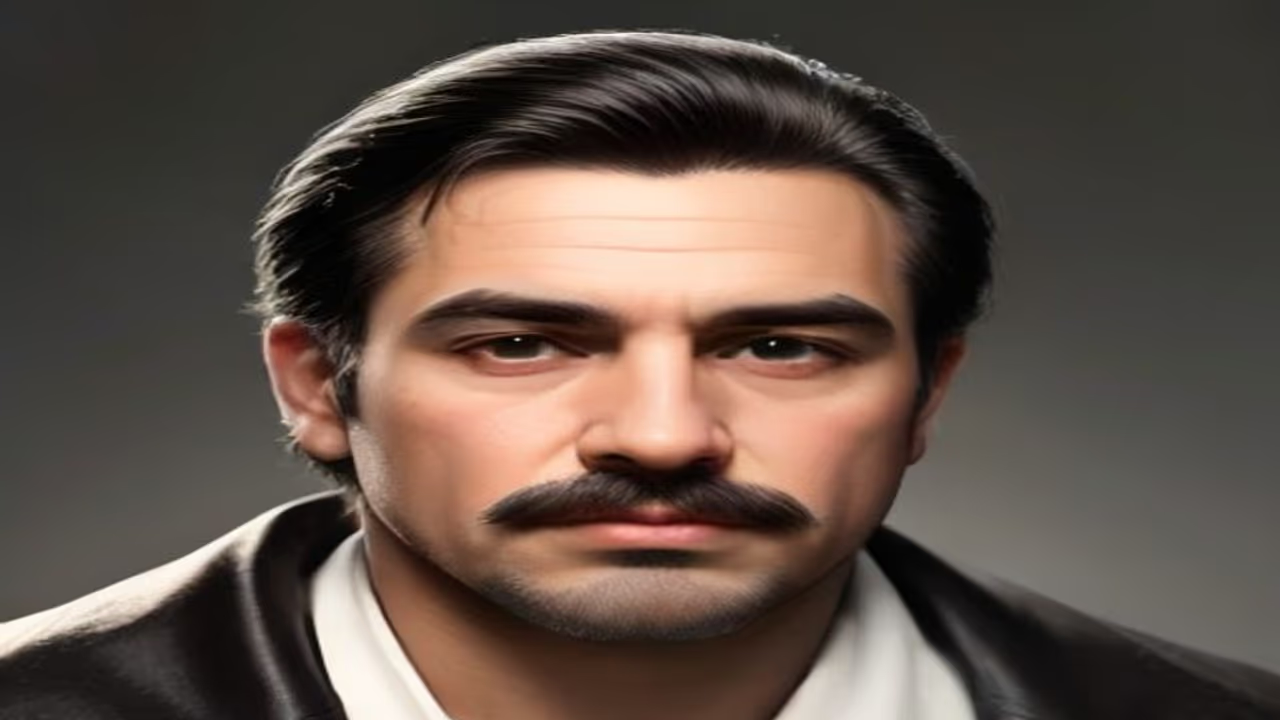
The Chevron Moustache: A Guide for Modern Men
The chevron moustache explained: the thick, full 70s-style stache, which face shapes it suits, and how to grow, trim and shape it at home.
Shaping & Matching
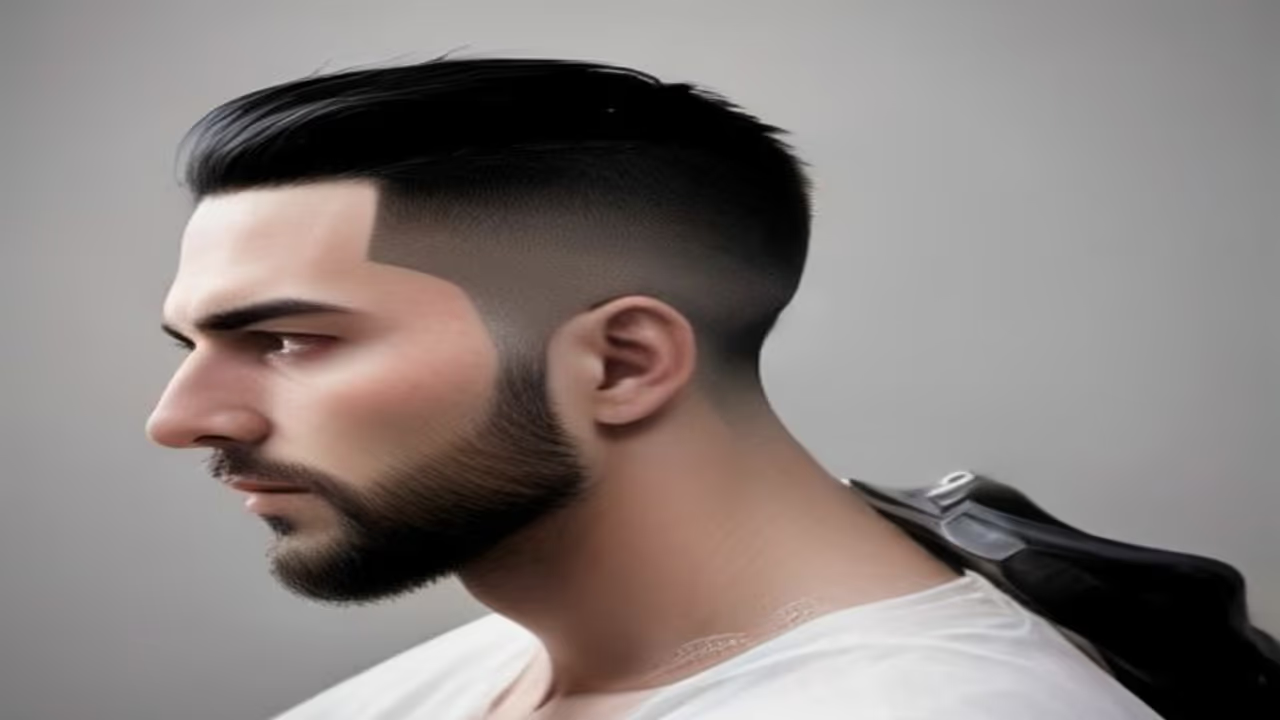
How to Shape a Beard Neckline Properly
The correct beard neckline: why the jawline is the wrong place, the two-finger rule, how to curve it, and how to fix a neckline you've shaved too high.

Best Beard Shapes for Different Jawlines
Match your beard to your jawline: the shapes that add definition to a round jaw, soften a heavy square jaw, or add width to a narrow chin.
Best Beard Styles to Pair With a Skin Fade
How to pair a beard with a skin fade: connected vs disconnected, which beard lengths work, and how the fade should blend into the facial hair.
Growth & Care
Beard Growth Stages & Timeline: What to Expect
A realistic month-by-month beard growth timeline: the stubble, itchy and patchy stages, when patches fill in, and how to get through each phase.
Beard Oil vs Beard Balm: Which Do You Need?
Beard oil vs balm explained: oil moisturises the skin and softens hair, balm adds light hold. Which your beard length needs, and how to apply each one.
Beard Fade
Beard fade guide: how barbers blend the sideburn and cheek into your hair fade, with guard numbers and 35 faded beard styles from stubble to full.
Black Men Beards
Beard styles for Black men: 30 looks from lined-up full beards to bump-friendly cuts, with coily beard care, razor bump advice and barber requests.
Beard Styles
Beard styles from stubble to Garibaldi: 50 beard types with photos, lengths, trim schedules and what to ask your barber for each shape.
Best Beard Oil
Best beard oil for men: six oils and serums for short, long, coarse and scent-free beards, compared on carrier oils, scent and use from published specs.
Best Beard Trimmer
Best beard trimmer picks for stubble, short beards, long beards and sharp lines, compared on length settings, run time and blade type from published specs.
Chin Strap Beard
Chin strap beard guide: how wide to cut the band, where the lines go, how to trim it at home and 15 styles from thin to faded, with barber requests.
Full Beard
Full beard guide: how long it takes to grow, where to set the neckline and cheek line, the weekly upkeep, and 15 full beard styles with barber requests.
Goatee Styles
Goatee styles explained: 25 goatee types from the chin goatee to the Musketeer, with lengths, face shapes and what to ask your barber.
Haircuts with Beards
Haircuts for men with beards: 40 named haircut and beard pairings, with fade height, beard shape, guard numbers and what to tell your barber.
Patchy Beard
How to fix a patchy beard: why gaps happen, how long to wait, the beard styles and trims that hide thin spots, and when to talk to a doctor.
How to Trim a Beard
How to trim a beard at home: the tools, which guard to use, and step-by-step help with bulk, neckline, cheek line and mustache, without going too short.
Mustache Styles
Mustache styles from chevron to handlebar: 25 mustache types with growth times, face shapes, wax tips and what to ask your barber for each.
Sideburns
Sideburn styles for men: how long sideburns should be, how to trim them evenly at home, and 15 styles from short and faded to flared and mutton chop.
Stubble Beard
Stubble beard guide: the trimmer setting in mm for short, medium and long stubble, how to keep it even, and 12 styles with what to ask your barber.
Building a Routine by Beard Length
A stubble-length beard, a short boxed beard, and a long full beard need different daily care, and treating them all the same is one of the most common reasons a beard looks unkempt rather than intentional. Stubble mainly needs a beard oil to soften the sharp new growth and stop it catching on clothing or irritating the neck. A short, shaped beard like a boxed or Balbo needs regular outline maintenance with a trimmer plus a light balm to hold the shape without weighing the hair down. A longer beard past a couple of inches benefits more from a heavier balm or butter that controls flyaways and adds a little hold, along with a wide-tooth comb used daily to train the hair to lie in one direction rather than growing out in every direction at once.
- Stubble and short beards mainly need oil and a defined neckline and cheek line.
- Mid-length shaped beards need a trimmer touch-up every few days plus a light balm.
- Long beards need daily combing, a heavier balm or butter, and occasional conditioner.
Common Beard Grooming Mistakes
- Shaving the neckline too high. The natural line sits above the Adam's apple, not at the jaw, and shaving it too high makes any beard look shorter and less deliberate.
- Trimming a patchy beard too aggressively. Thin areas usually fill in with more time than most men expect, so trimming them down early only draws more attention to the gap.
- Washing a beard with regular shampoo every day. This strips the natural oils that keep beard hair soft and can leave the skin underneath dry and itchy.
- Ignoring the skin underneath. A beard hides irritation and buildup that still needs regular washing and occasional exfoliation to prevent ingrown hairs and breakouts.
- Copying someone else's density and expecting the same result. Beard thickness and growth speed vary a great deal, and the shape that suits your own density is the one worth building toward.
Talking to Your Barber About Beard Work
Not every barber offers the same level of beard detailing as a haircut, so it is worth asking directly what a beard trim includes before you sit down. Some shops only offer a basic clipper-guard trim to even out length, while others will shape the outline with a straight razor and hot towel, which gives a noticeably sharper edge along the neckline and cheeks. If you want the beard and haircut to work together as one shape, rather than looking like two separate decisions, say so before the cut starts. A barber who knows the beard length and outline you plan to keep can taper the sideburns and hairline to connect with it properly, instead of leaving an obvious seam where the haircut ends and the beard begins.
Make us a Preferred Source on Google
See our latest articles first in your Google Search & AI Overviews.