
How to Trim a Beard:
Tools, Guards and Steps
Start long, work down a guard at a time, and leave the lines until last. That order prevents most mistakes.
By Jessica Hamilton · Updated
Quick answer: How to trim a beard: wash and fully dry it, comb it out, then run a trimmer with a long guard over the whole beard. Step down one guard at a time on the sides only if you want shape. Set the neckline two fingers above the Adam's apple, tidy the cheek line, then trim the mustache above the lip.
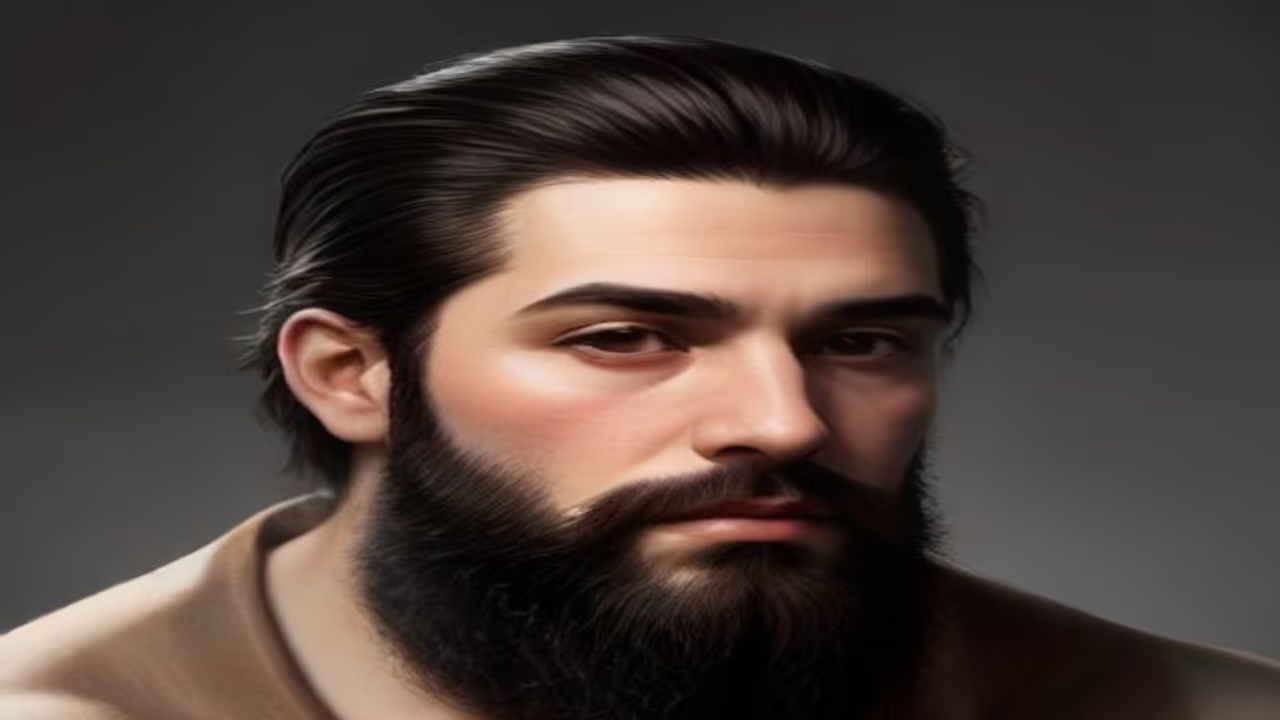
Style images are AI-generated illustrations.
📚 Part of our Beard Grooming guide hub; start there for the rest of the topic.
How to trim a beard at home comes down to order and patience. Most bad trims happen when someone starts with a short guard, works on wet hair or cuts the lines first. This guide covers the tools you need, which guard length suits each beard length, and a step-by-step routine for bulk, sides, neckline, cheek line and mustache.
What Tools Do You Need to Trim a Beard?
A basic kit costs less than two barber visits and lasts years. The trimmer matters most: look for one with a set of guards or an adjustable comb in small steps, and enough battery for a full trim. Hair clippers work on longer beards but are bulkier around the lips and ears. Our comparison of clippers, trimmers and shavers explains which tool does what. Trim in good, even light, ideally facing a window or a bright mirror light, so you see both sides equally.
Beard trimmer with guards
Does almost all of the work. Guards in 1 to 2 mm steps make it easy to take a little off at a time.
Fine-tooth comb and beard brush
The comb lifts hair for scissor work and checks length; the brush trains the beard in its growing direction.
Small, sharp scissors
For stray hairs, the mustache line and longer beards where a guard would remove too much.
Hand mirror
Lets you check the jaw, the neckline and under the chin from the side.
Beard oil or balm
Softens the hair and skin after trimming. See beard oil vs beard balm to pick one.
Which Guard Length Should You Use on a Beard?
Beard trimmers are usually marked in millimetres, while hair clippers use numbers. The table below matches the two, along with the beard length each setting gives. Always start one or two settings longer than you think you need. Hair looks shorter after it is trimmed, and a beard that is a millimetre too long is easy to fix while one that is too short needs weeks. Our clipper guard numbers page has the full conversion.
| Beard style | Trimmer setting | Clipper guard | Typical use |
|---|---|---|---|
| Light stubble | 1 to 2 mm | #0 | A shadow; trim every 2 to 3 days |
| Heavy stubble | 3 to 5 mm | #1 | Full coverage, still reads as stubble |
| Short beard | 6 to 10 mm | #2 to #3 | Office-friendly short beard |
| Medium beard | 12 to 19 mm | #4 to #6 | Rounded or boxed shape with sides shorter than chin |
| Long beard | 20 mm and up | Scissors and comb | Guards too short; shape by hand |
How Do You Trim a Beard Step by Step?
Follow these steps in order. Bulk first, lines last is the rule that keeps a home trim safe, because the outline depends on how full the beard is. Give yourself fifteen to twenty minutes the first time and do not rush the second side to match the first. If you are growing a beard for the first time, skip shaping until about week four; our beard growth stages guide explains why.
1. Wash and dry completely
Wet hair stretches and looks longer, so trimming it wet takes off more than you mean to. Wash with a gentle cleanser and let it dry fully.
2. Comb it out
Comb downward and slightly outward so every hair sits at its full length. This shows uneven patches before you cut.
3. Run a long guard over the whole beard
Choose the guard for your target length or one longer. Move against the direction of growth with slow, even passes over cheeks, jaw and chin.
4. Shape the sides shorter than the chin
For a tapered or boxed look, drop one guard on the cheeks and upper sideburns. Leaving the chin longer narrows a round face; keeping the sides fuller widens a long one. See beard shapes for your jawline.
5. Blend the sideburn into the hair
Where the beard meets the haircut, use a guard midway between the two lengths so there is no step.
6. Set the neckline
Take everything below the line off with the bare trimmer. Details are in the next section.
7. Tidy the cheek line
Remove only the strays above the natural line. Do not lower it.
8. Trim the mustache
Comb it down and trim the hair that crosses the lip line.
9. Check and finish
Comb through again, check both sides in the hand mirror, snip strays with scissors, and work in a few drops of oil.
How Do You Set the Neckline and Cheek Line?
The neckline is where home trims most often go wrong. Place two fingers above your Adam's apple; the top finger marks the center of the line, which then curves up to just behind each earlobe. Shave everything below it and leave everything above. Avoid cutting along the jawline, which makes the beard look like it floats on the face. Our full guide to shaping a beard neckline covers the curve, the mistakes and how to recover if it goes too high.
The cheek line needs a lighter touch. Most men have a natural line running from the top of the sideburn toward the corner of the mustache. Clean up only the stray hairs above it with the bare trimmer blade held flat or a razor. A slight downward curve suits most faces; a dead-straight line looks sharp but can look artificial on a fuller beard. Never lower the cheek line to fix patchiness, because that makes the beard look smaller and the gaps more obvious.
How Do You Trim a Mustache?
The mustache needs its own pass because it sits on a curve and grows over the lip. Comb it straight down while dry. With scissors or the trimmer without a guard, follow the top edge of the upper lip and remove only the hair that hangs past it. Work from the center out to each corner, then check in the mirror with your mouth relaxed, not smiling, since smiling pulls the lip up and leads to over-trimming.
If you want a styled mustache, trim it longer and shape it instead. A handlebar or chevron leaves more length at the center or ends; see our guides to the handlebar and chevron. For the hair between mustache and nose, trim only what you can see, and use a nose trimmer rather than scissors inside the nostril. Blend the mustache corners into the beard with a guard one step shorter than the cheeks.
How Do You Trim Different Beard Lengths and Textures?
The steps above apply to most beards, but length and texture change the details. Short beards are mostly trimmer work with guards, while long beards move to scissors because no guard is long enough. Curly and coily beards shrink as they dry, hide uneven lengths well, and are more prone to ingrown hairs on the neck, so they need a slightly different approach to the outline and aftercare.
Stubble
Run one guard over the whole face every two to three days, then clear the neck below the line with the bare blade. No shaping is needed beyond the outline.
Short beards
Use one guard for the bulk and one shorter for the cheeks. Keep the chin and jaw the same length for a natural shape, or slightly longer for a boxed one.
Medium and long beards
Comb the beard out, hold sections between comb and fingers, and cut with scissors along the comb. Trim less than you think, since long hair springs up after cutting.
Curly and coily beards
Pick or comb the beard out before trimming so you see the full length. Trim the neck with the grain or with a guard to reduce bumps, and moisturize daily.
How Often Should You Trim a Beard?
It depends on length and how sharp you want the edges. Stubble needs a guarded trim every two to three days to stay the same length. A short beard usually needs a full pass every week and the neckline every few days. Medium and long beards can go one to two weeks between bulk trims, though the neckline and mustache still grow at the same rate. A barber visit every four to six weeks is useful for resetting the shape that you then maintain at home.
Wash the beard two or three times a week with a gentle cleanser and use oil or balm daily, especially in the first weeks when the skin underneath can itch. Clean the trimmer blade after every use and oil it regularly; a dull blade pulls hair and causes uneven lengths. If you get irritation or bumps on the neck after trimming, use a slightly longer guard below the jaw and trim with the direction of growth there.
What Beard Trimming Mistakes Should You Avoid?
Most mistakes come from rushing or cutting too short too soon. Each one below is easy to avoid and much harder to fix, since the only cure for a beard cut too short is time. If something does go wrong, stop trimming that area, keep the rest tidy at its current length, and give it one to three weeks before reshaping. Most beards fill back in faster than people expect.
Starting with a short guard
Start long and step down. You can always take more off.
Trimming wet
Wet hair hangs longer, so the dried result ends up shorter than planned.
Neckline on the jaw
Shrinks the beard and softens the jaw. Keep it two fingers above the Adam's apple.
Chasing symmetry
Evening up one side, then the other, takes the beard shorter each round. Stop after one correction and let it grow.
Cutting the cheek line low
Makes the beard look thin. Only remove strays above the natural line.
Skipping a mirror check from the side
Front-on mirrors hide uneven jaws and chins. Use a hand mirror.
Frequently Asked Questions
Q1: Should you trim your beard wet or dry?+
Q2: Which way should you trim a beard?+
Q3: What guard should I use to trim my beard?+
Q4: Where should a beard neckline be?+
Q5: How do you trim a beard without making it uneven?+
Q6: Should I let a barber trim my beard?+
Related Haircut Guides
Make us a Preferred Source on Google
See our latest articles first in your Google Search & AI Overviews.