
Clippers vs Trimmers vs Shavers:
What's the Difference?
Three tools that look alike but do different jobs, and how to tell which one your grooming routine needs.
By Jessica Hamilton, Editor · Updated
Quick answer: Clippers remove bulk, trimmers create edges and shavers remove stubble. Clippers have a wide blade and take guards for cutting or fading the main body of hair. Trimmers have a narrow T-blade for line-ups, necklines and beard edges. A foil shaver takes skin fades or a shaved head down to bare skin. Most men need clippers and a trimmer.
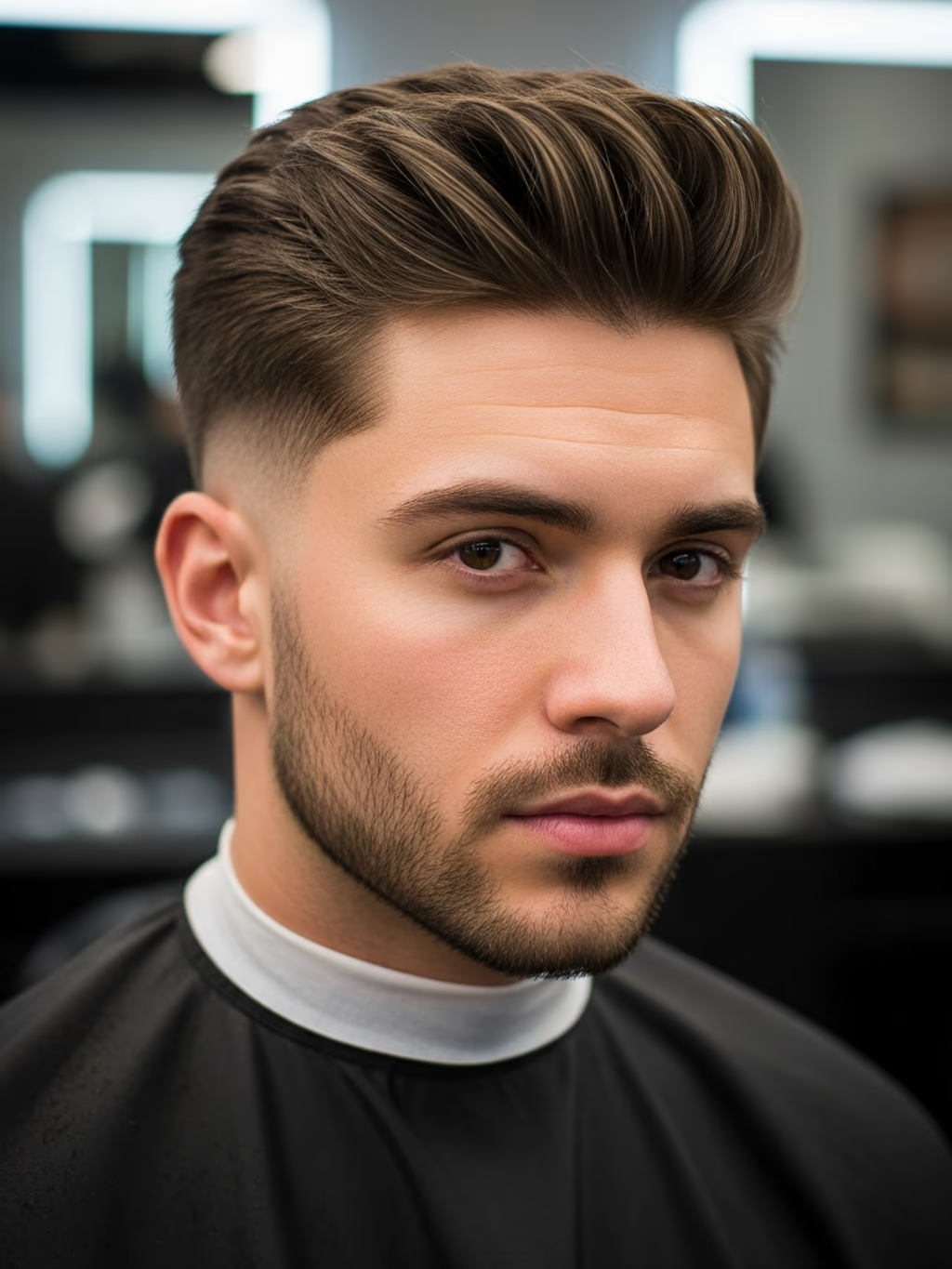
Style images are AI-generated illustrations.
📚 Part of our Styling, Products & DIY guide hub collects every related guide.
Clippers, trimmers, and shavers get used interchangeably in conversation but they're built for genuinely different jobs, and using the wrong one is why home cuts go badly or line-ups look fuzzy. Here's the distinction in one line each: clippers remove bulk, trimmers create edges, shavers remove stubble.
What Is the Difference Between Clippers, Trimmers and Shavers?
Clippers have a wide blade that takes guards and removes bulk, so they cut and fade the main body of your hair. Trimmers have a narrow T-blade for edges such as the line-up (the crisp edge at the forehead and temples), the neckline and the beard. Foil shavers take stubble down to bare skin.
Once you know you need a clipper, our list of the best hair clippers for men compares seven models by use and published specs.
Clippers can't do a crisp line (blade too wide), trimmers can't remove bulk efficiently, and neither gets truly bald. That's the shaver's job.
| Tool | Built for | Blade | Use it to |
|---|---|---|---|
| Clippers | Bulk removal | Wide blade, takes guards | Cut and fade the bulk of your hair |
| Trimmers (edgers) | Detail and edges | Narrow, close-cutting T-blade | Line-ups, neckline, beard edges, around ears |
| Foil shaver | Bare-skin finish | Foil over oscillating blades | Shave head or fade down to true skin |
Should You Buy Clippers or a Trimmer First?
- Just buzzing your own hair? Clippers only: see buzzing your own hair.
- Want to tidy your own neckline and beard edges? Add a trimmer.
- Shaving your head or maintaining a bald fade? Add a foil shaver.
- Most men need clippers + a trimmer; the shaver is only for bald/skin-level work.
Which Tool Does Each Home Grooming Job?
A guard is the plastic comb that clips over a clipper blade and sets the length left behind. Our clipper guard numbers chart lists every size.
| Job | Tool | Setting |
|---|---|---|
| Buzz cut all over | Clippers | #1 to #3 guard |
| Fading the sides | Clippers with taper lever | #0.5 to #4, blended |
| Neckline clean-up | Trimmer | No guard |
| Beard length | Clippers or beard trimmer | 3 to 8 mm guard |
| Line-up at the forehead | Trimmer | No guard, zero gap only with practice |
| Shaved head or skin fade finish | Clippers, then foil shaver | Bare blade, then foil |
Step-by-step guides: how to fade your own hair, how to trim your own neckline and how to clean and oil hair clippers.
What Is a Zero-Gapped Trimmer?
"Zero-gapped" trimmers have the blade adjusted as close to the teeth as safely possible, giving the sharpest possible line. It's what barbers use for crisp line-ups. It cuts extremely close, so it's easy to irritate skin or take too much if you're inexperienced. If you're doing your own edges, a standard trimmer is more forgiving.
What Mistakes Do People Make Choosing Clippers or Trimmers?
- Using a trimmer to cut a full head of hair: trimmers are built for detail work and short sessions, not bulk cutting. The motor overheats and the blades dull faster if pushed through large sections of hair.
- Using clippers for fine beard lining: clipper blades are wider and less precise than a trimmer, so edging a beard or hairline with them usually leaves a rougher, less exact line.
- Skipping blade oil: both clippers and trimmers need a drop of blade oil before and after most uses. Skipping it causes drag, heat, and faster blade wear regardless of price.
- Buying a shaver expecting it to also cut hair down first: foil and rotary shavers only work on hair that is already very short. You still need clippers to bring longer hair down before a shaver can finish the job.
How Do You Clean Clippers, Trimmers and Shavers?
Brush loose hair out of the blades after every single use, since trapped hair is the main reason clippers and trimmers start pulling instead of cutting cleanly. A small brush, often included with the tool, is enough for daily upkeep. Every few uses, remove the blade guard and apply a drop or two of clipper oil directly onto the blade teeth, then run the clippers for a few seconds to spread it evenly.
Shaver foils and rotary heads should be cleaned with the brush that comes with the unit and, for washable models, rinsed under warm water after use. Let any wet-cleaned head air dry fully before storing it, since trapped moisture is the most common cause of early foil or blade corrosion.
When Should You Replace Clipper and Trimmer Blades?
A clear sign blades need replacing is pulling or tugging on hair that used to cut smoothly, even right after oiling. This usually means the teeth have dulled or a tooth has chipped, and no amount of oil will fully fix that. Most home clipper blades last a long time with regular home use since they are not run for hours a day the way a barber's tools are, but trimmer blades used for detailed lining wear faster because of the finer, more frequent contact.
Foil shaver heads and rotary cutters are consumable parts that most manufacturers recommend replacing on a yearly basis with regular use, since foils thin out over time and lose their sharpness even with careful cleaning.
Are Home Clippers Cheaper Than Going to the Barber?
For simple cuts, usually yes. A barbershop cut costs about $25 to $45 at a typical shop, according to our haircut cost guide, and short styles need a visit every 2 to 4 weeks, as covered in how often you should get a haircut. A basic clipper and trimmer set can pay for itself within a few months of home buzz cuts. Our DIY haircut statistics show how many men now cut at home.
Fades and line-ups are where home tools fall short, since they take a practiced hand. Many men split the work: barber for the full cut, trimmer at home for the edges in between. If that is you, ask your barber one question before you leave.
What to say in the chair
“Which guard did you use on the sides, and where should I stop when I clean up the neckline at home?”
More phrasing tips are in how to talk to your barber.
Frequently Asked Questions
Q1: What's the difference between clippers and trimmers?+
Q2: Do I need both clippers and a trimmer?+
Q3: What is a foil shaver used for?+
Q4: What does zero-gapped mean?+
Q5: Can I use clippers for a line-up?+
Q6: Can a beard trimmer cut head hair?+
Related Haircut Guides
Make us a Preferred Source on Google
See our latest articles first in your Google Search & AI Overviews.