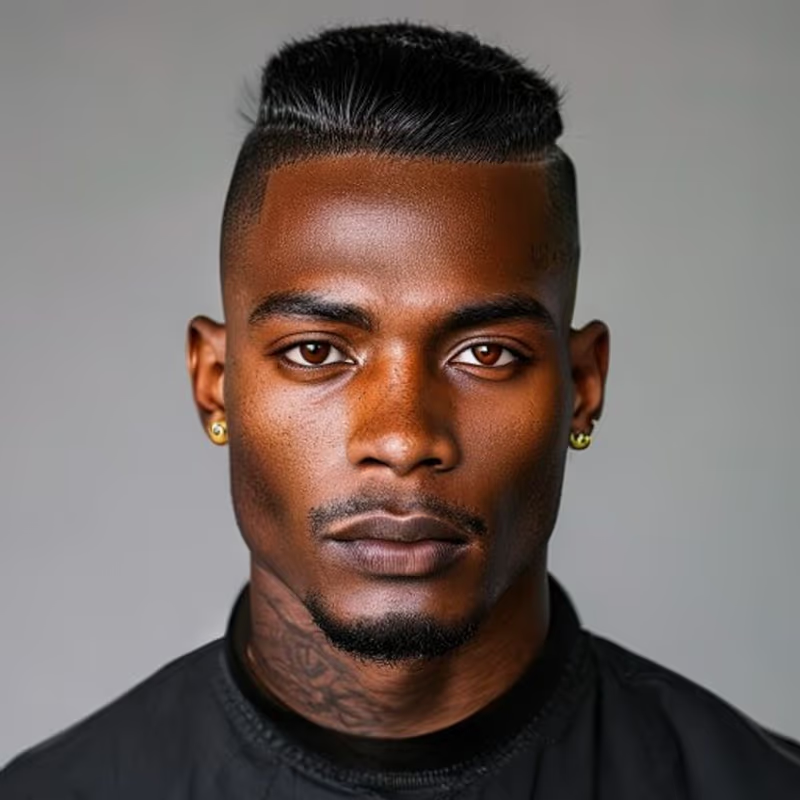
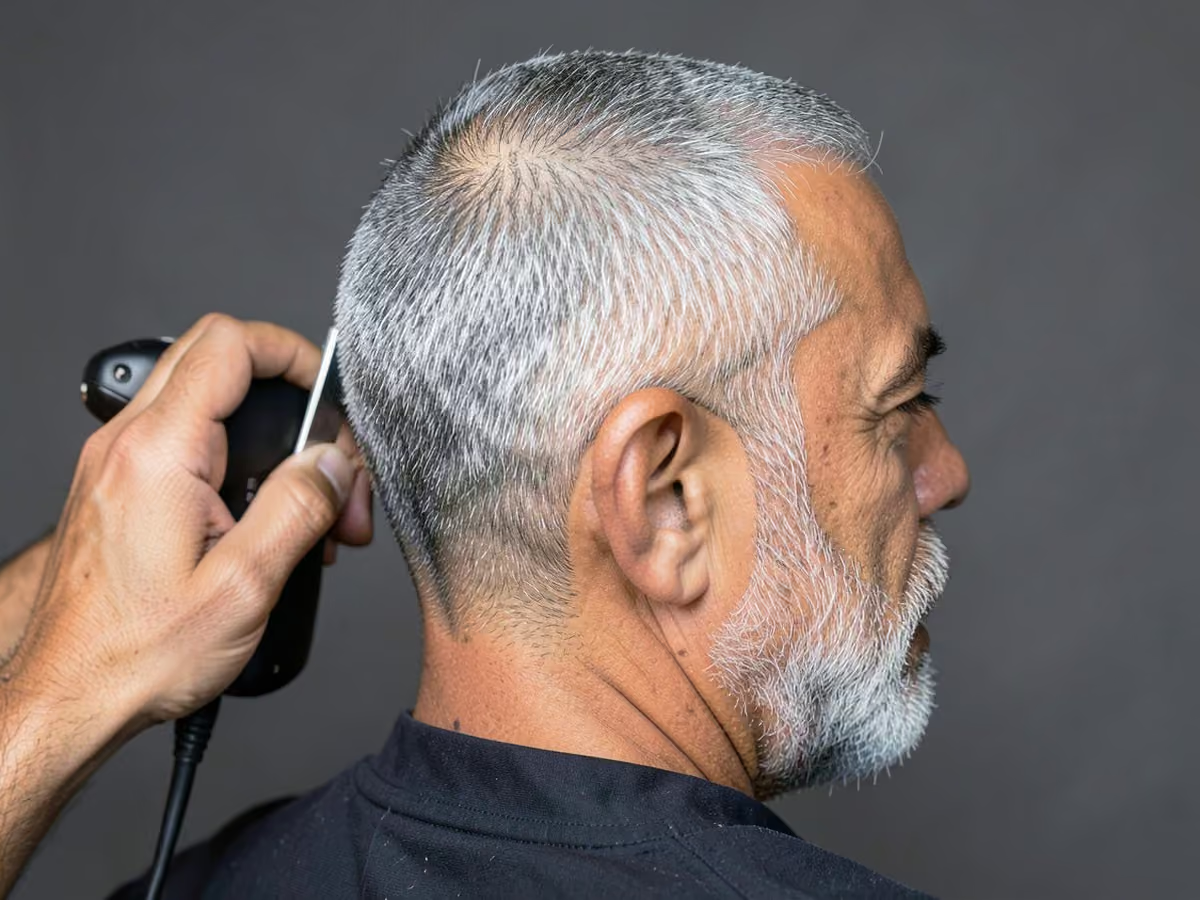
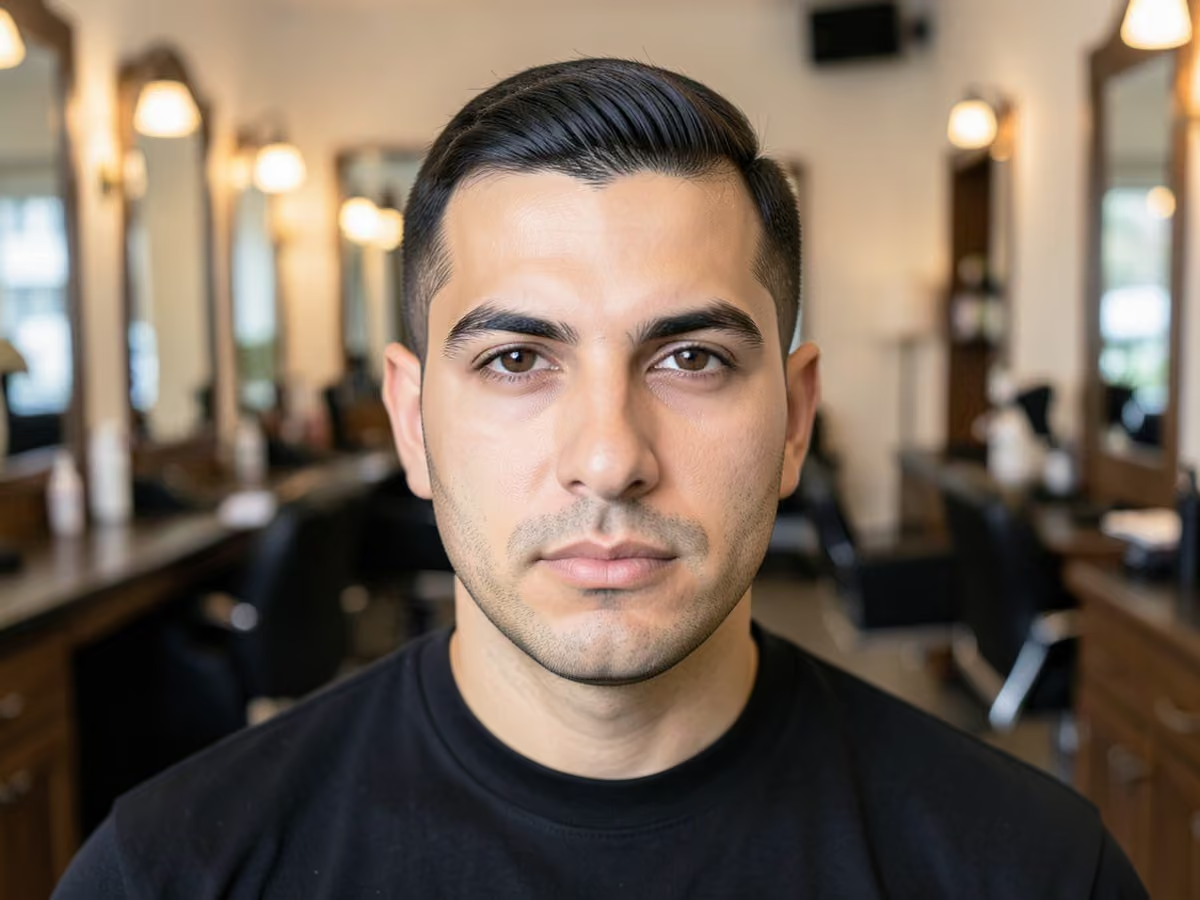
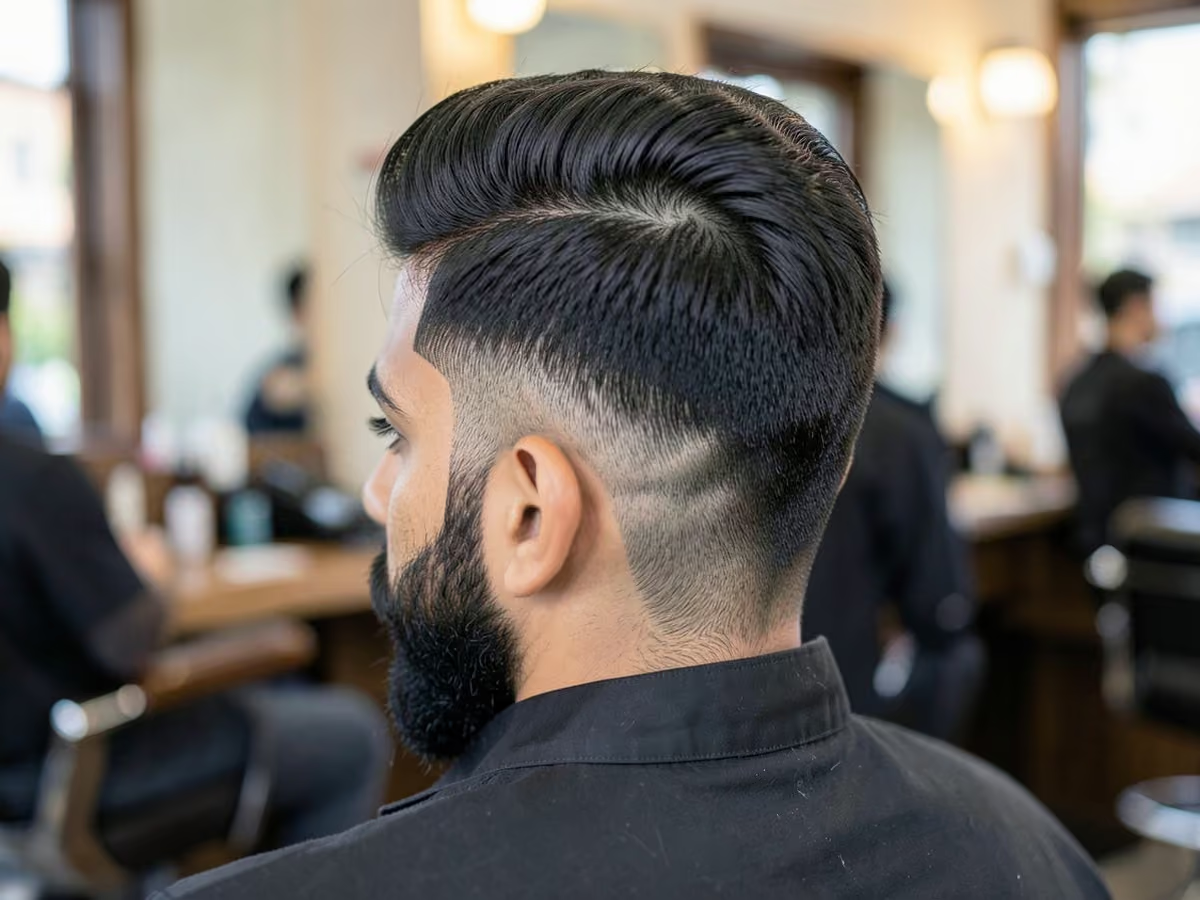
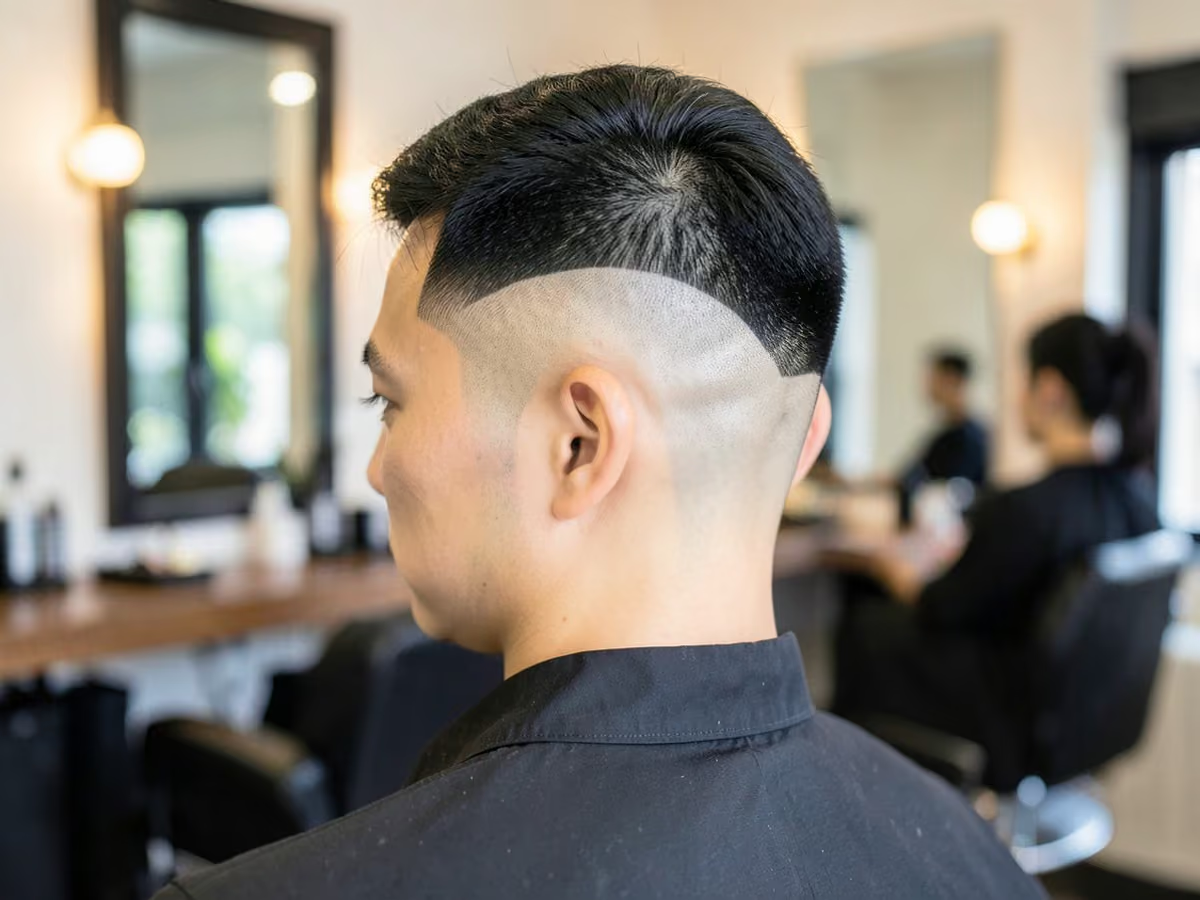
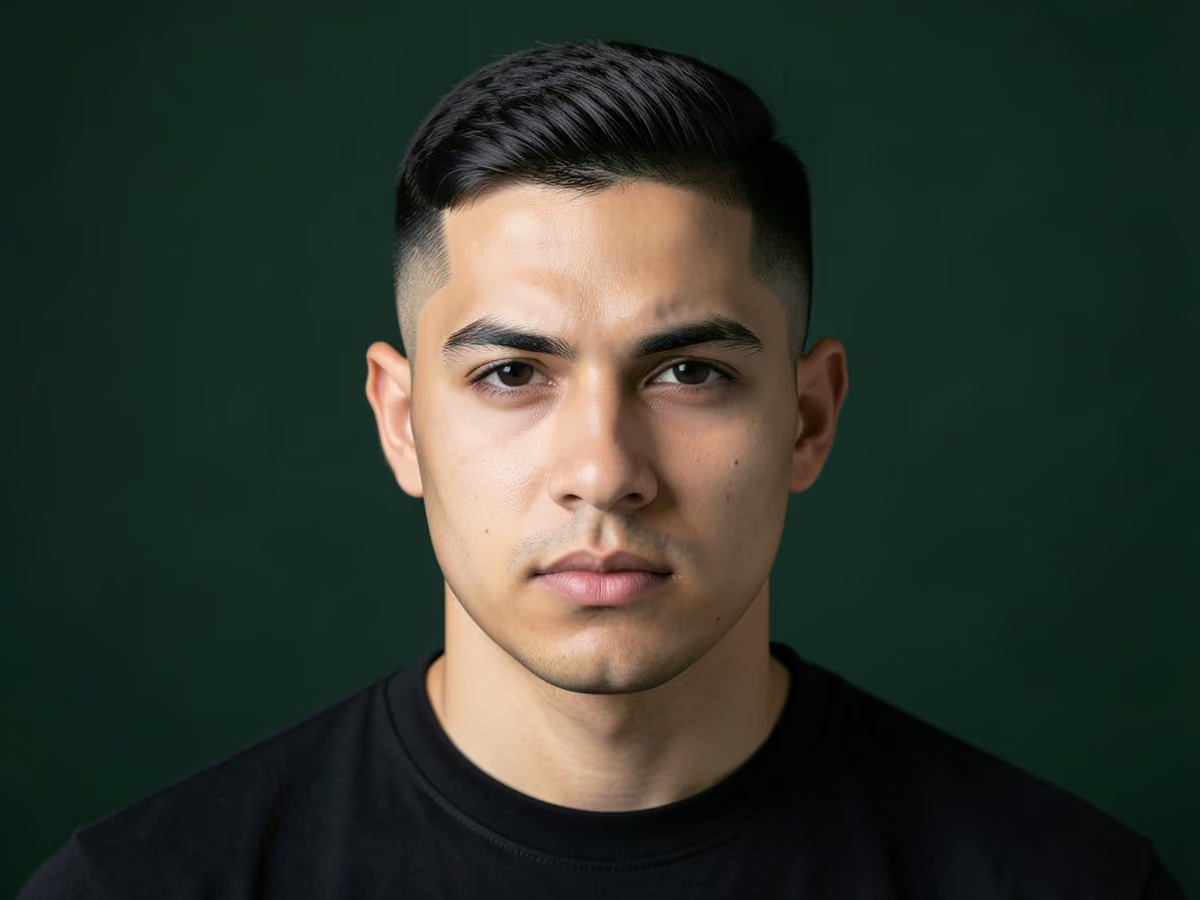
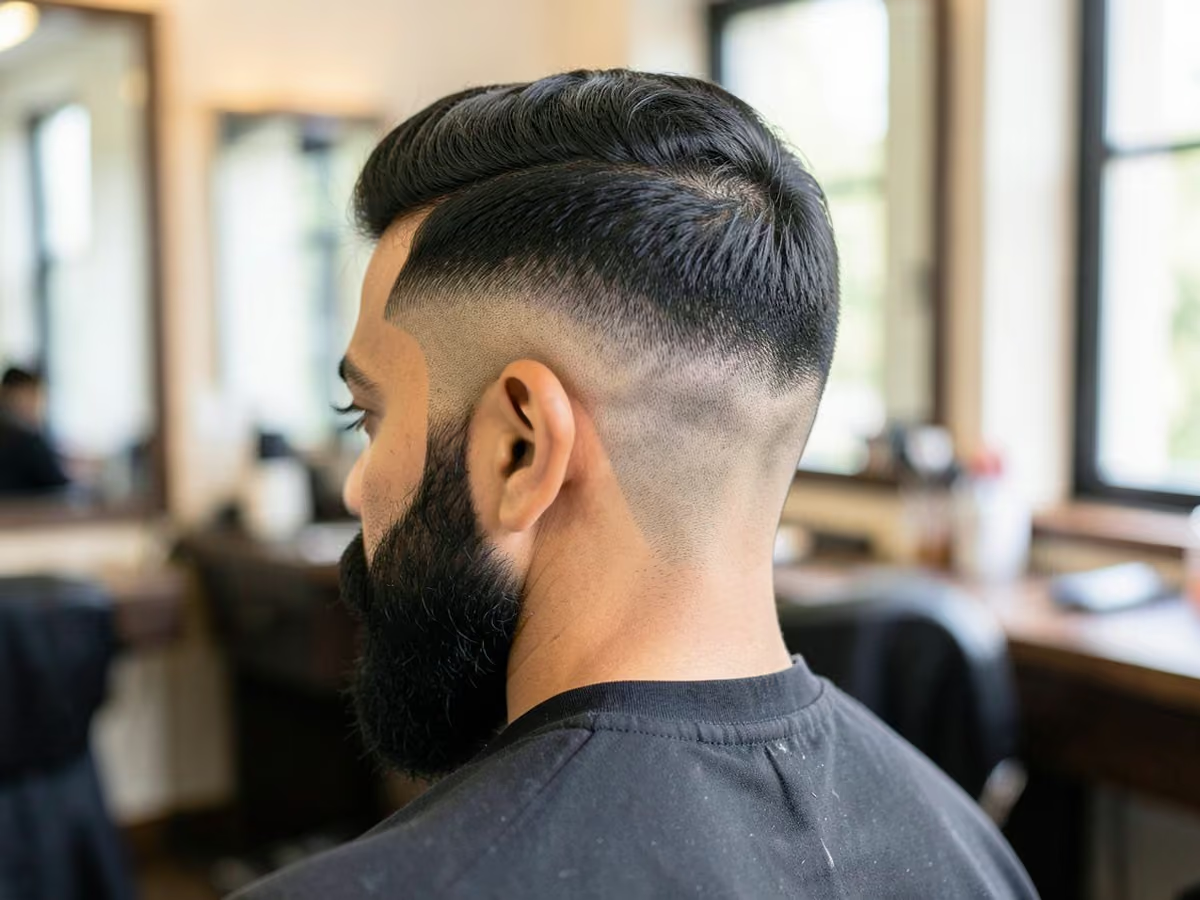
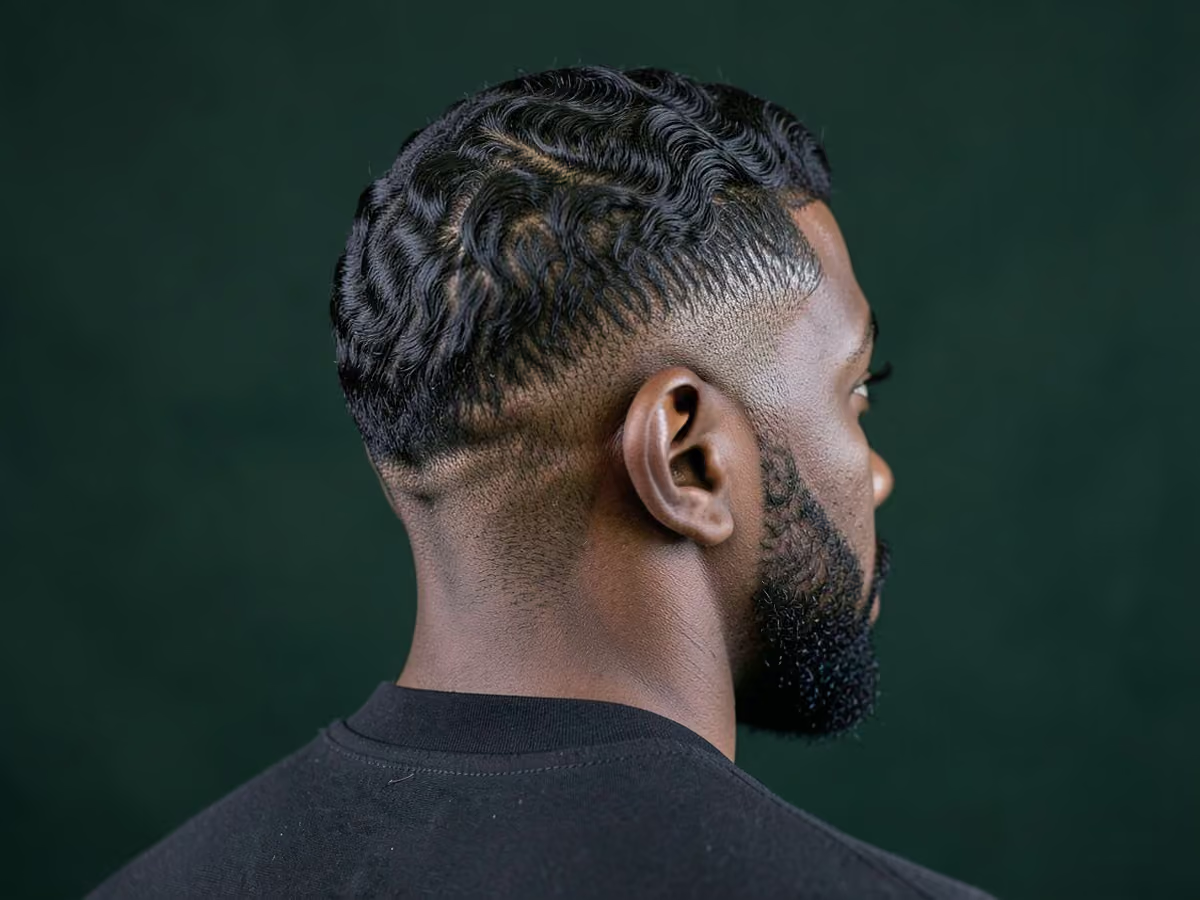
Quick answer: A line-up, edge-up and shape-up are the same service: a barber sharpening your hairline with a trimmer or razor. The names are regional. The real choice is between a hard, squared line and a natural one that follows your hairline. Repeated hard lines can push a hairline back over time. Either kind needs refreshing every 1–2 weeks.
Line-Up vs Edge-Up Styles at a Glance
Every style on this page with its clipper guard, top length and trim interval. Tap a name to jump to that card.
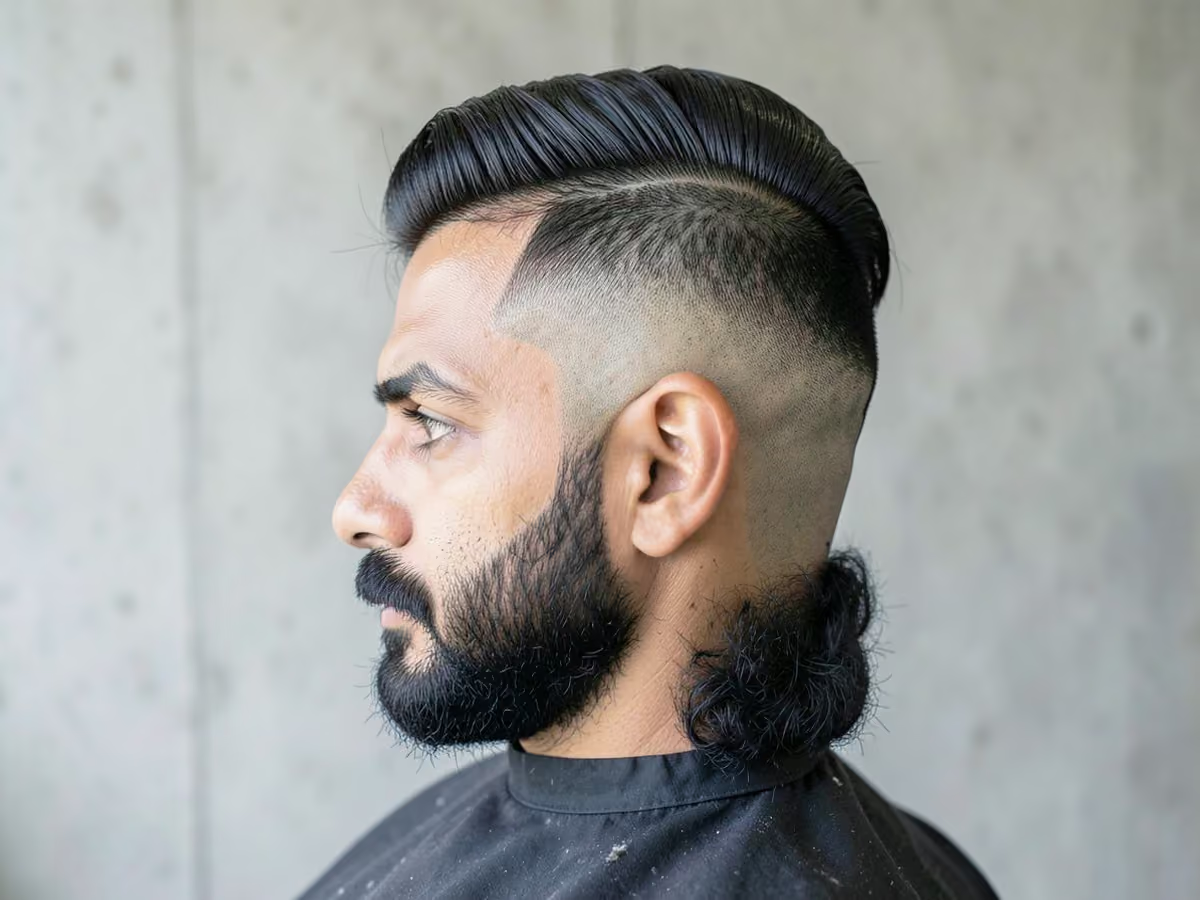
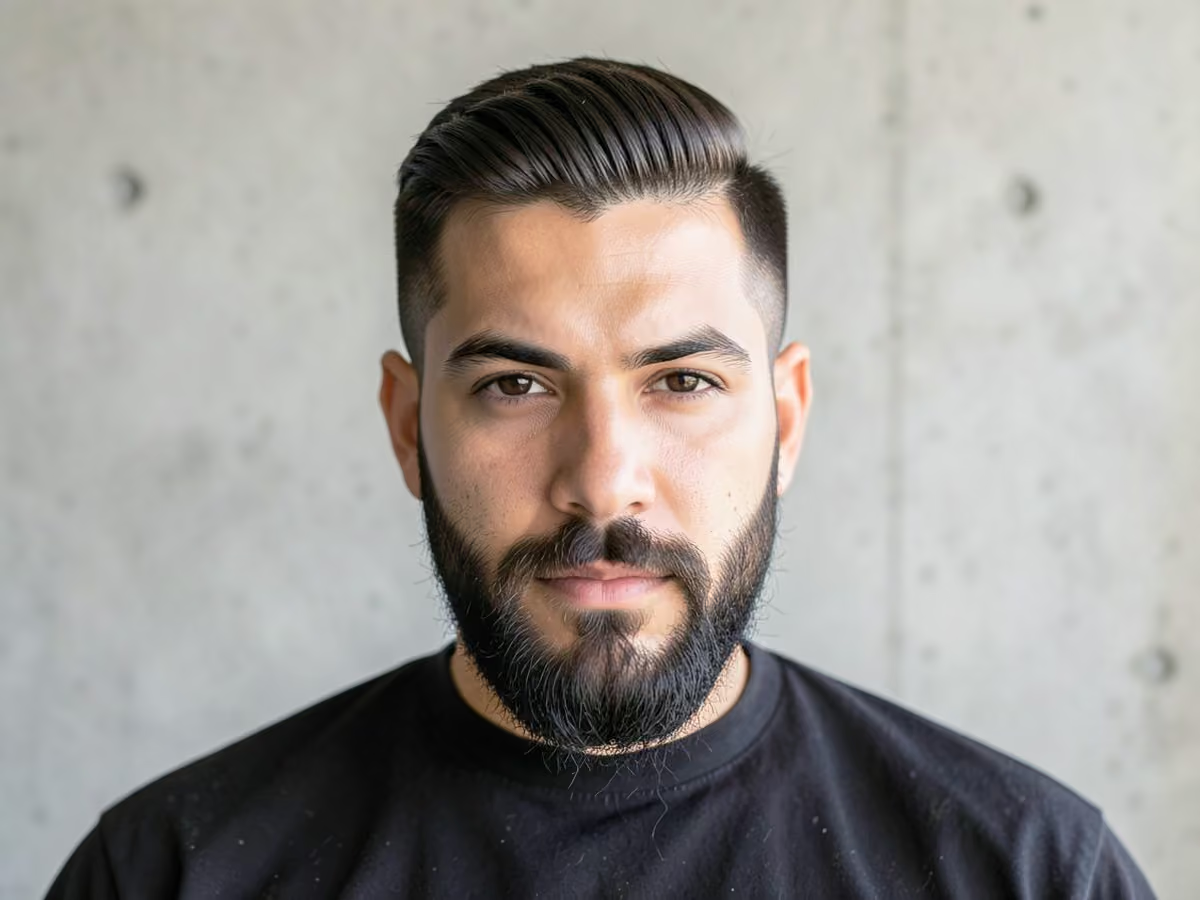
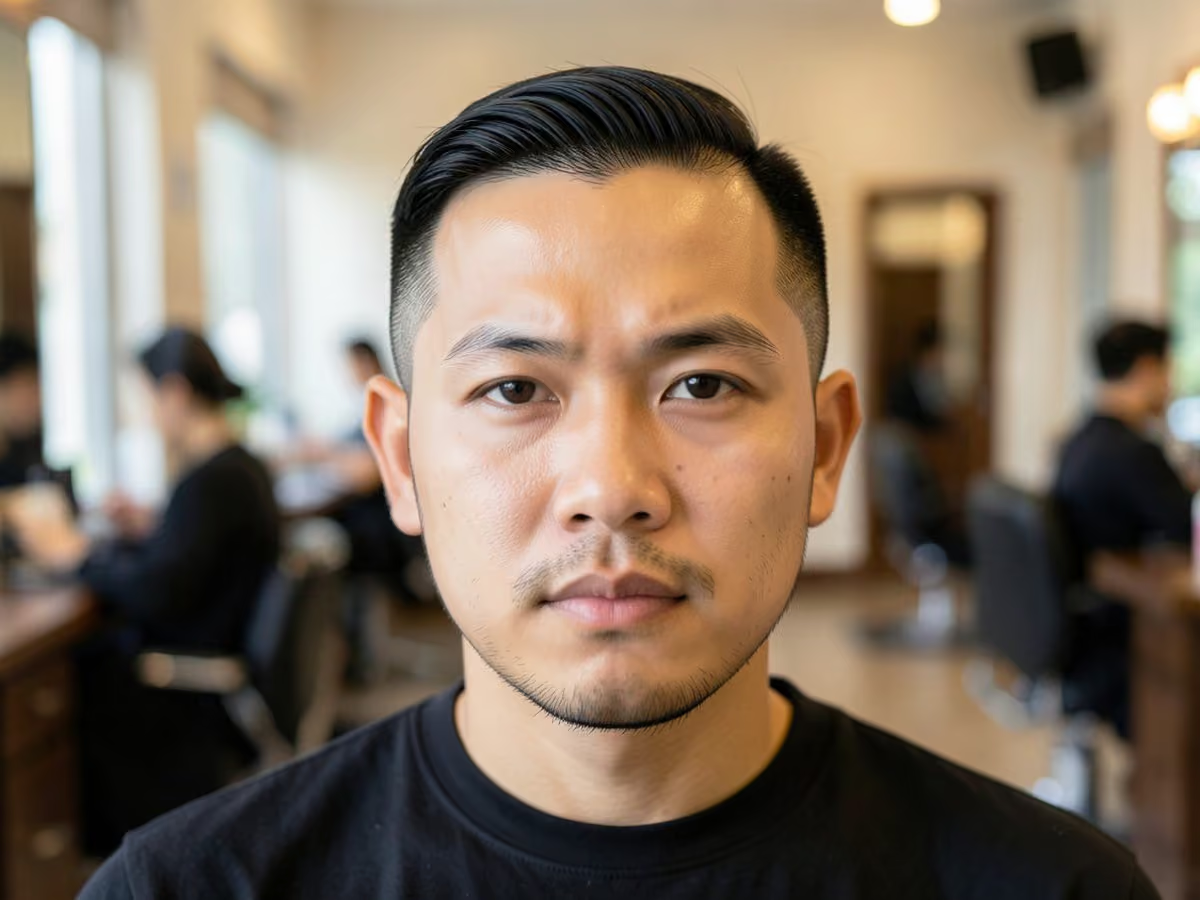
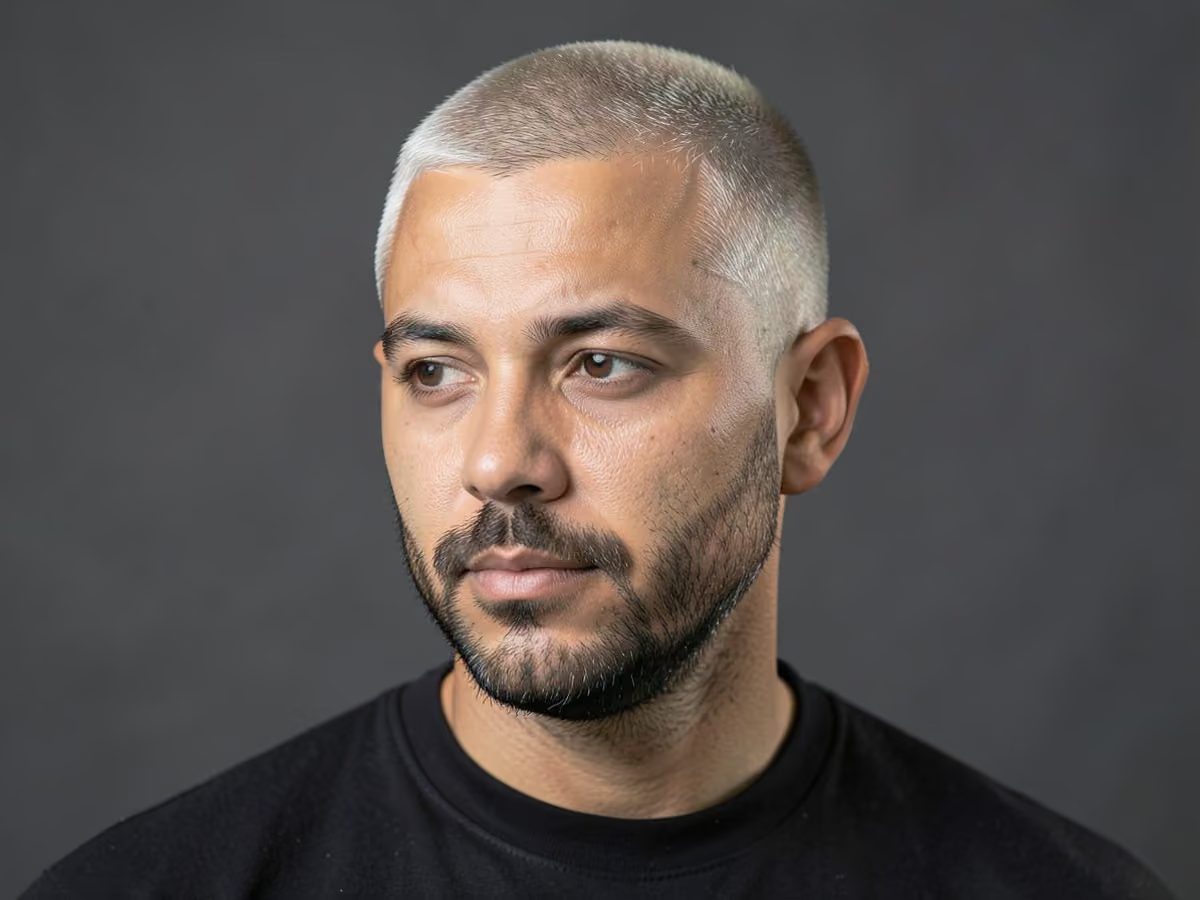
"Line-up," "edge-up," and "shape-up" are, in practice, the same service: a barber squaring off and sharpening your hairline with a trimmer or razor. The words are regional more than technical. What actually matters is not the term you use but how much hairline you're willing to give up.
What Is the Difference Between a Line-Up, Edge-Up and Shape-Up?
If a barber distinguishes them at all, they usually mean edge-up/shape-up for the whole perimeter and line-up for the front hairline specifically, but most use them interchangeably.
Add a short taper at the sideburns and nape and the line-up becomes a tape up haircut, a common clean-up for men growing curls or locs.
What Is the Difference Between a Line-Up, Edge-Up and Shape-Up?
Term
What it means
Where you'll hear it
Line-up
Sharpening the hairline into crisp lines
Widely used, especially US East Coast
Edge-up
Same service; emphasis on the edges/perimeter
Common in many US shops
Shape-up
Same again; emphasis on the overall shape
Common, slightly older term
Taper (neckline)
A softer, blended edge instead of a hard line
A genuine alternative, not a synonym
Which Matters More: the Name or How Hard the Line Is?
Forget the vocabulary: the real choice is hard line vs natural. A hard, squared line looks sharpest but requires the barber to cut into your hairline, and repeated hard lines are how hairlines creep back over time (see line-up too high). A natural or soft line-up follows your existing hairline and just cleans the strays. Tell your barber which you want; that's the conversation worth having.
Which Matters More: the Name or How Hard the Line Is?
Hard line-up
Natural line-up
Look
Square corners, crisp contrast
Clean but soft, follows your edge
Looks sharp for
3 to 5 days
1 to 2 weeks
Hairline risk
Can creep back if done often
Very low
Best for
Dense, dark hair; fades and waves
Receding or fine hairlines; office looks
Filter the styles
Showing all 20 styles
Fade
Hair
Length
Line-Up Shapes: Straight, Rounded, Curved and Boxed
The shape of the front line decides how much hairline the barber removes. Square shapes take the most, curved and rounded shapes take the least, and how to fix a line-up that's too high covers recovery.
Trim:Every 1–2 weeks. A flat front line blurs within days.
Best For:Square, oval faces + dense, dark hair.
About This Style
A single flat line runs across the forehead, then turns down at the temples at close to a right angle. The barber sets it with a T-blade trimmer and often finishes with a straight razor for contrast against the skin. It sits well on a short top of a #1 to #3 and reads sharpest on thick, dark hair. Because the line is drawn rather than followed, ask for it at your natural edge, not above it.
How to Style at Home
Brush the hairline forward and down each morning to keep the edge lying flat.
Wipe the forehead with a cool damp cloth if sweat or product sits on the line.
Leave touch-ups to the barber; home trimmers drift and raise the line.
Ask Your Barber
"Straight line-up across the front at my natural hairline, not higher. Square the temples, trimmer first, razor only if my skin is fine with it. Top stays at a #2."
Trim:Every 2 weeks. Soft corners hide regrowth a little longer.
Best For:Round, oval faces + coily or wavy hair.
About This Style
Here the front stays straight but the corners where forehead meets temple are softened into short arcs instead of sharp points. That small change removes less hair at the temples, which is where most hairlines recede first. It suits round and oval faces because it avoids drawing a hard box around the brow. Expect it on Caesar cuts, short afros and waves, usually with a low or mid fade.
How to Style at Home
Use a soft brush along the temples so the curve stays defined.
Apply a pea of pomade to the edge only on days you want extra shine.
Check the temple arcs in a hand mirror before deciding a visit is due.
Ask Your Barber
"Line-up with rounded corners at the temples, keep the front straight but do not cut into my temples. Low fade under it, #1 on top, natural texture."
Trim:Every 2 weeks. The arch keeps its outline as it regrows.
Best For:Oval, heart faces + curly or coily hair.
About This Style
Instead of a flat front, this edge follows the arch most hairlines already have, rising gently toward the middle or toward each temple. The barber traces the existing curve and only clears strays outside it, so very little hair is lost. It looks cleaner on heart-shaped faces than a flat bar, and it grows out without a visible step. Pair it with a curly top or a #2 crop.
How to Style at Home
Pat curls or coils into place with damp hands before touching the edge.
Skip pomade on the forehead line if your skin breaks out easily.
Book a line-up only visit at two weeks if the arch starts to blur.
Ask Your Barber
"Curved line-up that follows my natural arch, do not flatten it. Clean the strays only. Mid fade on the sides, curly top left at about two inches."
Best For:Square, oblong faces + thick, coarse hair.
About This Style
The boxed version cuts a deliberate 90 degree corner at each temple and often squares the sideburns too, creating a frame around the face. It takes more hair than any other shape, so it suits young, dense hairlines with no recession. Most often seen with a high top, a flat top or a short buzzed top. Weekly touch-ups are normal, and a few soft visits a year help protect the temples.
How to Style at Home
Keep hands off the corners; rubbing the temples blurs them quickly.
Apply a thin layer of wave pomade to the top, not the edge.
Alternate a soft line-up every third visit to rest the temples.
Ask Your Barber
"Boxed line-up with square corners at the temples and squared sideburns. Keep it at my hairline, do not push the corners back. High top fade, skin at the bottom."
Recommended Products
Edge Brush
Wave Pomade
Line-Ups Paired With Fades
Most line-ups come with a fade at no extra charge. The fade height changes how sharp the edge looks, so match them with our fade types explained guide before you sit down.
Trim:Every 2–3 weeks. A taper hides regrowth better than a fade.
Best For:Most face shapes + straight to coily hair.
About This Style
Only the sideburns and nape are tapered, cleaned down from a #2 to a #0.5, while the rest of the sides keep length. A crisp front line then frames a top that can be anything from a short crop to a longer twist set. It is the safest pairing for work, school or a first line-up, and it grows out evenly because only the edges were taken short.
How to Style at Home
Brush the tapered sideburns downward with a soft brush after washing.
Style the top with your usual product; the taper needs none.
Trim stray neck hair below the taper only if a partner can help.
Ask Your Barber
"Low taper at the sideburns and nape, #2 down to a #0.5, rest of the sides left on a #3. Natural line-up at the front, nothing pushed back."
Trim:Every 1–2 weeks. The arc around the ear fills in fast.
Best For:Oval, diamond faces + curly or coily hair.
About This Style
A burst fade curves around the ear in a half circle while the nape stays longer, and the line-up continues that curve forward into the temple. The result is a rounded frame that meets the front edge without a corner. It is popular under mohawks, curly tops and short mullets. The burst needs skin or a #0 at the center, so plan on frequent visits to keep the arc readable.
How to Style at Home
Shape the top or mohawk first, then check the temple edge.
Use a curl sponge on coily tops for even definition.
Keep a soft brush handy to smooth the area above the ear.
Ask Your Barber
"Burst fade around the ear, skin to a #2, nape left longer. Carry the line-up into the temple so it curves into the burst. Curly top left alone."
Trim:Every 1–2 weeks. Skin bands show stubble within days.
Best For:Oval, square faces + dark, dense hair.
About This Style
The sides drop to bare skin around the middle of the head, usually a mid skin fade starting at the temple, and blend through a #1 and #2. With that much contrast below, the front edge looks strongest when it is clean and close to the natural line. This is the combination most barbers mean by a fresh cut. Short tops between a #1 and a short crop suit it best.
How to Style at Home
Moisturize the shaved band so it does not look dry or flaky.
Brush the top flat in one direction for an even surface.
Book the fade and line-up together so both stay the same age.
Ask Your Barber
"Mid skin fade starting at the temple, blend through #1 and #2. Line-up at my natural edge, trimmer finish. #2 on top."
Trim:Every 2 weeks. The drop behind the ear blurs first.
Best For:Round, oval faces + wavy, curly or coily hair.
About This Style
In a drop fade the line dips behind the ear and sits lower at the nape, so the whole perimeter follows a curve. An edge-up here usually means the full outline: front, temples, sideburns and the dropped neckline. It works well on round faces because the curved back lowers the visual weight of the head. Tops range from a sponge twist set to a short textured crop.
How to Style at Home
Follow the dropped curve with a soft brush after showering.
Twist or sponge the top before adding any edge product.
Keep the back clean with a mirror check before events.
Ask Your Barber
"Drop fade, skin behind the ear dropping low at the nape, up to a #3. Full edge-up around the perimeter, front at my natural hairline."
Recommended Products
Curl Sponge
Matte Cream
Line-Ups for Waves, Curls, Twists and Locs
Texture changes how a clean edge reads. Waves and twists frame tightly, while curls and locs soften the outline. For more texture-led cuts, see our taper fades for coily hair gallery.
Trim:Every 1–2 weeks. Waves look best with a fresh border.
Best For:Oval, round faces + coily 4A to 4C hair.
About This Style
360 waves are trained by brushing and wearing a durag, and the line-up is what gives the wave pattern a hard border at the forehead and temples. Most wavers keep the top at a #1 or #1.5 with a low taper or temple fade below. A curved or rounded front often lasts longer than a boxed one. Barbers cut with the grain on the top so the pattern stays intact.
How to Style at Home
Brush outward from the crown, following the way your waves already lie.
Wear a durag overnight to press the waves and protect the edge.
Use wave pomade on the top only, keeping the line free of buildup.
Ask Your Barber
"Line-up for my waves, keep the front rounded and at my natural line. #1.5 on top cut with the grain, low taper at the sides and nape."
Trim:Every 2–3 weeks. Curls hide a softening edge well.
Best For:Oval, long faces + 3B to 4A curly hair.
About This Style
Loose to tight curls on top, often two to three inches long, give the face a soft frame, so a sharp line at the forehead adds needed structure. Barbers usually cut a light line here rather than a boxed one, because curls fall over the front anyway. A low or mid fade keeps the sides tidy. Defining the curls with cream each wash keeps them clear of the edge.
How to Style at Home
Rake curl cream through soaking wet hair from root to tip.
Scrunch, then let the curls air dry without touching them.
Lift any curls lying on the forehead so the line stays visible.
Ask Your Barber
"Light line-up at the front, nothing boxed. Mid fade from a #0.5 up to a #3, curls on top left two to three inches with weight taken out."
Trim:Every 2 weeks. Twists last, but the edge does not.
Best For:Oval, square faces + coily 4B to 4C hair.
About This Style
Two-strand twists or sponge twists on top create a lot of texture, and a clean line-up keeps that texture from reading as unkempt. The usual setup is a high or mid fade under one to three inches of twists. Twists can be redone at home, so most people book line-up only visits between full cuts. A natural-edge front line protects the temples when visits are frequent.
How to Style at Home
Retwist sections with a light loc gel once a week.
Sleep in a satin bonnet or durag to keep the twists and edge neat.
Spray detangling spray on dry ends before retwisting.
Ask Your Barber
"Line-up at my natural hairline, not too sharp. High fade, skin up to a #2, leave the twists on top untouched."
Trim:Every 2–3 weeks. Retwist and edge-up on one visit.
Best For:Oval, long faces + coily hair with locs.
About This Style
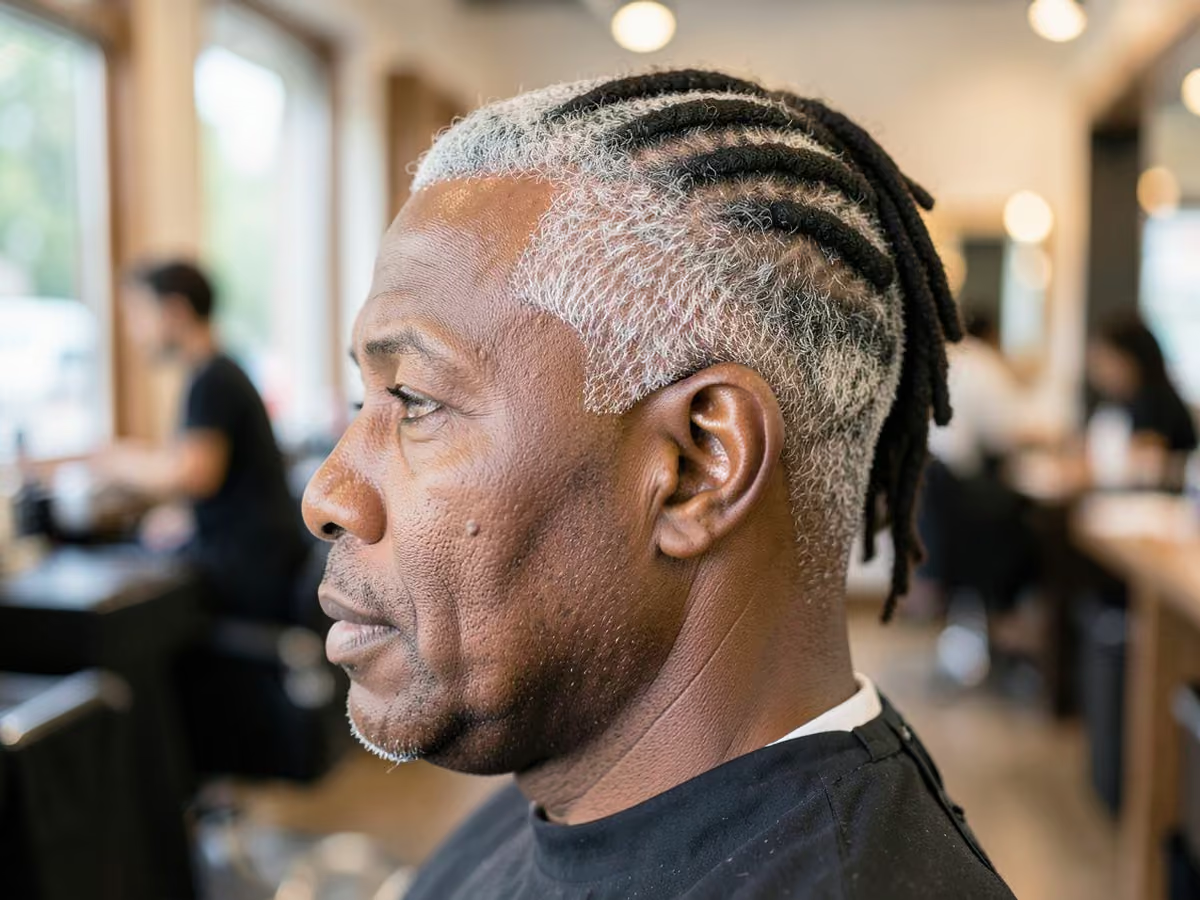
Locs pulled up or back expose the hairline, which is why many loc wearers ask for a shape-up at retwist appointments. The edge is usually soft, following the natural line, because tension from styling already stresses the temples. A taper or low fade at the sides and nape frames the locs without needing them cut. Starter locs and mature locs both work with this outline.
How to Style at Home
Retwist new growth with loc gel, working root to tip.
Tie locs loosely; tight styles pull at the edge.
Oil the scalp between partings once or twice a week.
Ask Your Barber
"Soft edge-up following my natural hairline for my locs. Low taper at the sides and nape, #1 down to skin, do not cut into the temples."
Recommended Products
Loc Gel
Scalp Oil
Line-Ups With a Beard, Part or Design
A line-up can continue past the hairline into the beard or onto the top as a shaved part. These cuts take more razor work, so read how to prevent razor bumps on the neckline first.
Trim:Every 1–2 weeks. Cheek and front lines grow at once.
Best For:Round, square faces + full beard growth.
About This Style
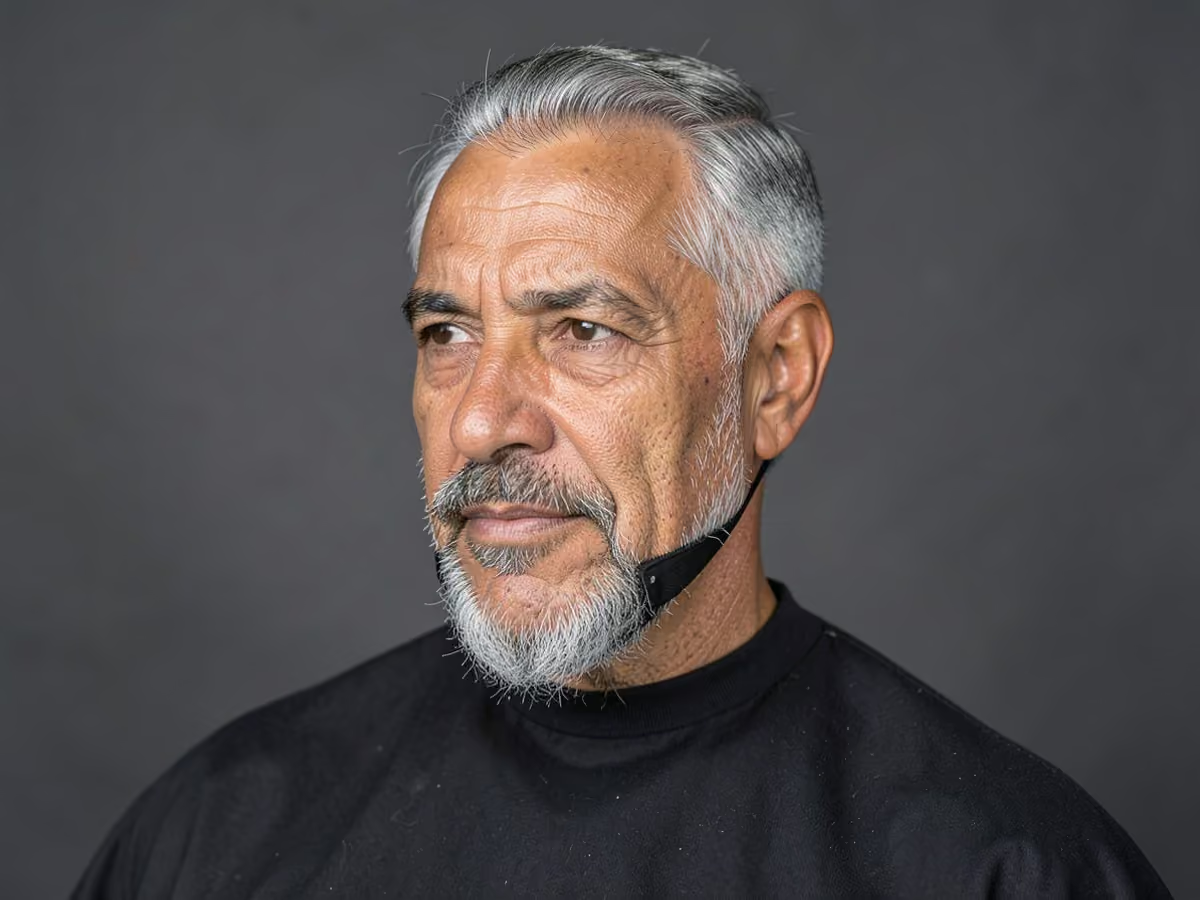
Once the front edge reaches the temple, the barber carries the line down the sideburn and along the cheek, so hairline and beard read as one outline. A fade at the sideburn blends hair length into beard length, typically from skin through a #1 into a #3 beard. Sharp cheek lines slim a round face. It needs dense cheek growth; patchy cheeks look better with a natural cheek line.
How to Style at Home
Brush the beard down and the sideburns forward after washing.
Work beard oil into the skin under the beard, then comb.
Trim only below the neckline at home, never the cheek line.
Ask Your Barber
"Line-up connected into my beard: front, temples, sideburns and cheek line. Fade the sideburn from skin into a #3 beard, neckline one finger above the Adam's apple."
Trim:Every week. A thin strap loses its width fast.
Best For:Oval, round faces + coarse beard growth.
About This Style
A chin strap is a narrow band of beard, often half an inch to an inch wide, running from the sideburns along the jaw. Paired with a line-up, the front edge, sideburns and strap form one continuous border around the face. It defines the jaw on round faces without a full beard. Expect a mid or low skin fade on the head and weekly razor work on both strap edges.
How to Style at Home
Trace the strap edges with a detail trimmer every few days.
Rub a little beard balm into the strap to keep hairs lying flat.
Shave the cheeks above the strap with the grain to avoid bumps.
Ask Your Barber
"Line-up connected to a thin chin strap along my jaw, about half an inch wide. Low skin fade, blend the sideburn into the strap."
Trim:Every 1–2 weeks. Shaved lines fill in quickly.
Best For:Oval, diamond faces + short coily or wavy hair.
About This Style
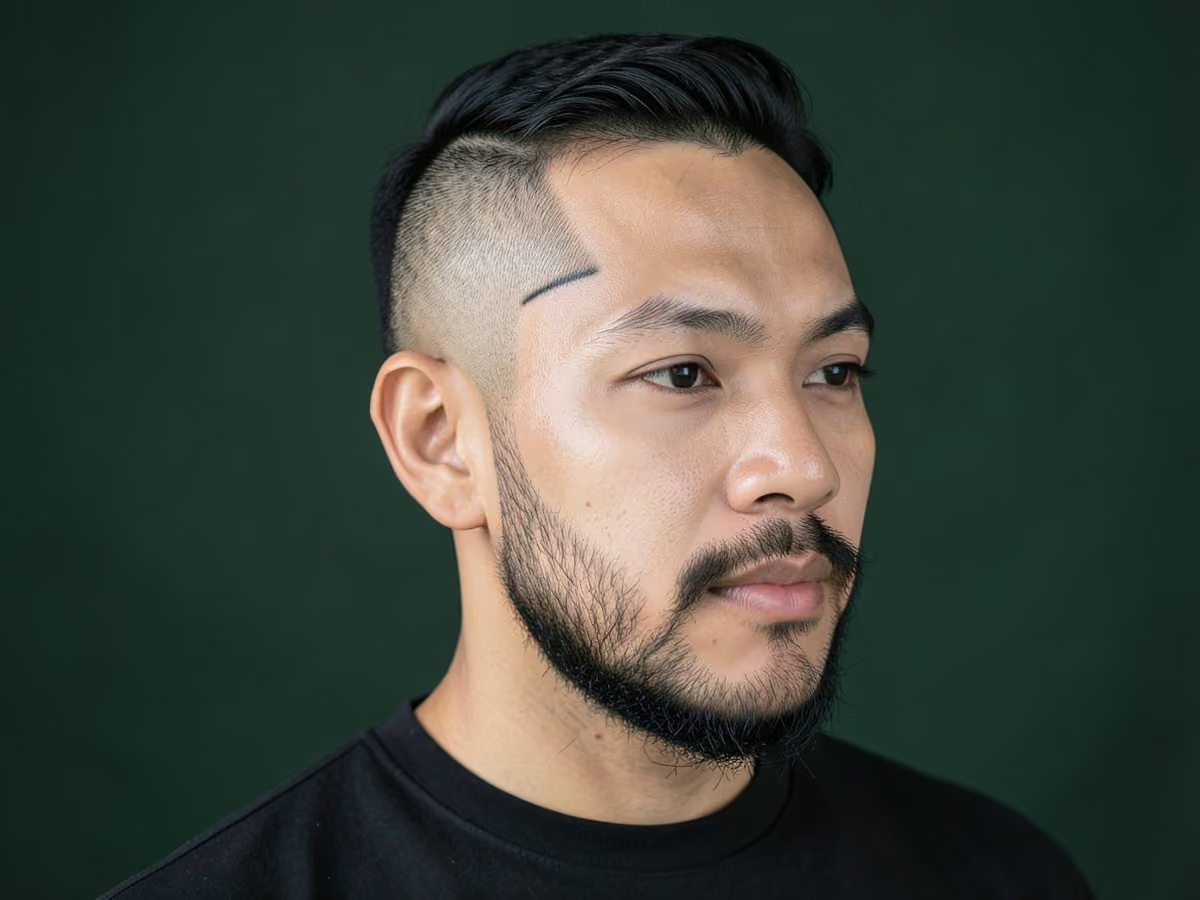
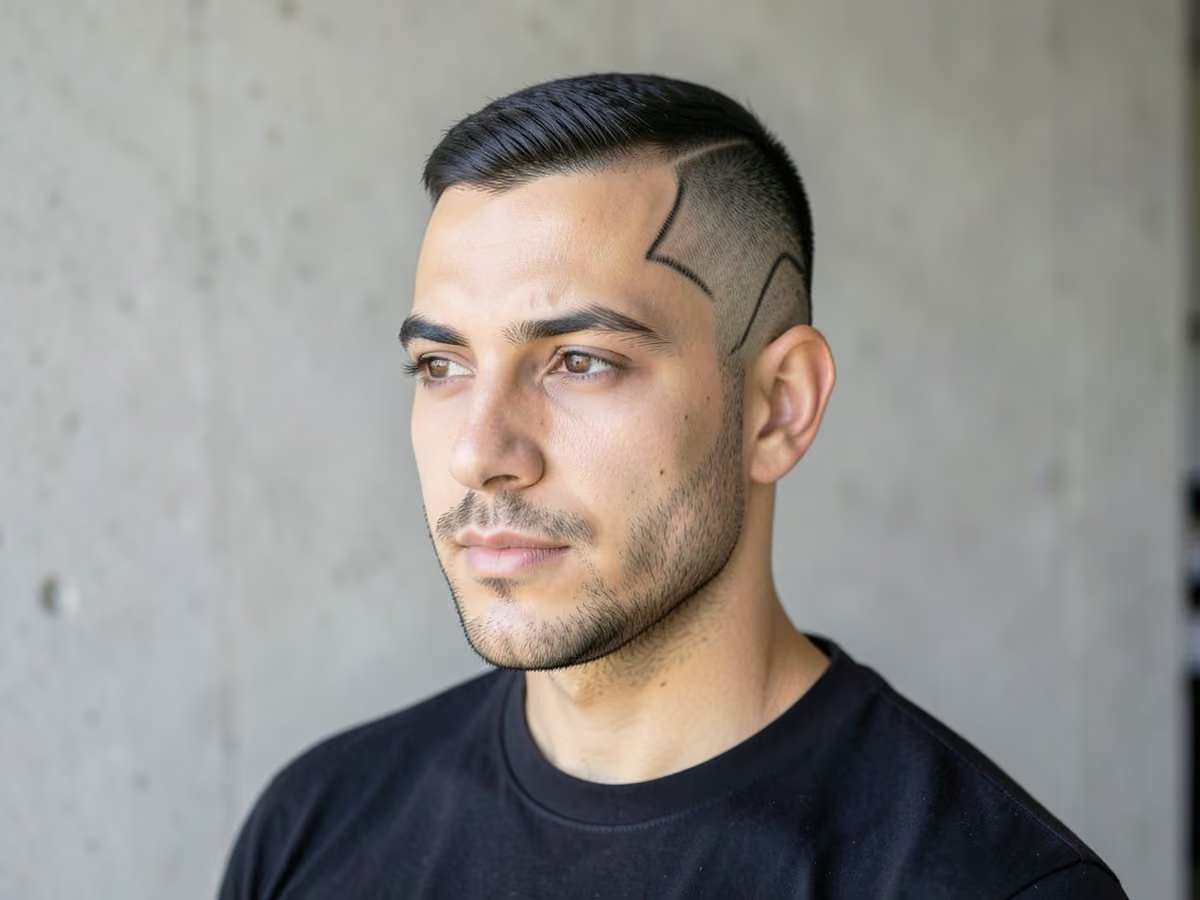
One or two shaved lines are cut into the side of a fade, often starting at the temple and curving back toward the crown, as an extension of the line-up. Simple lines need only a detail trimmer, while zigzags or curves take longer. They show best on the faded part of a mid or high fade with a #1 or #2 top. Many schools and workplaces allow a single line; check before you book.
How to Style at Home
Keep the design area clean; product buildup hides the line.
Avoid tight hats that press the fade flat for the first day.
Return within two weeks if you want the line kept sharp.
Ask Your Barber
"Mid fade with one curved design line starting at the left temple and running back toward the crown. Line-up at my natural hairline, #2 on top."
Trim:Every 2–3 weeks. The part grows in before the top does.
Best For:Oval, square faces + straight or wavy hair.
About This Style
A hard part is a shaved line along the side of the top where a comb part would sit, and the line-up meets it at the front so the two join. It suits a side part, comb over or slick back sitting above a low fade. Straight and wavy hair show the part best. The part regrows into stubble within days, so many people let it soften between visits.
How to Style at Home
Comb damp hair away from the hard part toward the opposite side.
Apply pomade and smooth the top with a fine-tooth comb.
Blow dry on low heat so the top sets in place.
Ask Your Barber
"Hard part on the left, cut where my natural part sits, joined to a natural line-up at the front. Low fade, #1 to #3, three inches on top."
Recommended Products
Pomade
Light Gel
Soft Edge-Ups for Receding, Thin and Straight Hair
Not every hairline suits a hard edge. These versions follow the line you already have, which matters if you are receding, thinning or have straight hair. Our best haircuts for a receding hairline guide has full cuts.
Best For:All face shapes + any hair type or hairline.
About This Style
The barber removes only the stray hairs outside your existing hairline and leaves its shape exactly as it is. No square corners, no straight bar, no razor needed. It is the version to ask for if you get edged weekly, because it removes almost no hair over time. It looks clean for one to two weeks and suits office settings, older clients and anyone growing back a hairline.
How to Style at Home
Wash and dry as usual; the edge needs no product.
Pluck or leave single strays rather than trimming the line yourself.
Ask for this version on alternate visits if you also like hard lines.
Ask Your Barber
"Natural edge-up, follow my hairline exactly and just clean the strays. Trimmer only, no razor at the front, and do not square the temples."
Trim:Every 2–3 weeks. Keep visits soft to protect the temples.
Best For:Oval, long faces + receding or M-shaped hairlines.
About This Style
With temples already pulled back, any squared corner exaggerates the recession. This edge-up leaves the temple points alone and only tidies the forehead and sideburns. A short top, like a #2 buzz or a textured crop pushed forward, makes the line less obvious. Pair it with a low taper rather than a high skin fade so there is less contrast near the temples.
How to Style at Home
Push the top forward with matte clay to cover the corners.
Rough-dry the top with your fingers rather than combing it back.
Avoid hard parts near the temple, which draw the eye there.
Ask Your Barber
"Edge-up that leaves my temples alone, just clean the forehead and sideburns. Low taper on the sides, #3 on top, pushed forward."
Trim:Every 3 weeks. Thin hair hides a fading edge.
Best For:Oval, heart faces + fine or thinning hair.
About This Style
Fine hair lets the scalp show through a hard line, so the result can look patchy rather than sharp. A soft shape-up uses the trimmer at a slight angle to blur the edge instead of drawing it, cleaning the neck and around the ears with the same light touch. A short textured top with thickening powder makes the density look even. It costs less hairline than any other option here.
How to Style at Home
Dust thickening powder into dry roots, then ruffle with fingers.
Use a light matte paste to separate the top into small pieces.
Avoid heavy pomade, which clumps fine hair and shows scalp.
Ask Your Barber
"Soft shape-up, blur the front instead of a hard line. Clean the neck and around the ears. Low taper with a #2, textured top at about two inches."
Trim:Every 2–3 weeks. Straight regrowth softens the edge evenly.
Best For:Oval, square faces + straight, lighter hair.
About This Style
On straight or light-colored hair, a hard front line has less contrast against the skin and can look like a mistake as it regrows. Barbers usually clean the sideburns, around the ears and the neckline, then lightly tidy the front. Common pairings are a crew cut, a short side part or a low skin fade with a crop. Lighter hair benefits from the trimmer rather than a razor.
How to Style at Home
Blow dry the front in the direction it falls before styling.
Use a small amount of matte paste to hold the top.
Check sideburn length is even in a mirror between visits.
Ask Your Barber
"Clean up around the ears, sideburns and neck, light trimmer edge at the front only. Low skin fade, #3 on the upper sides, short crop on top."
Recommended Products
Matte Paste
Sea Salt Spray
How Do You Ask for the Line-Up You Want?
"Sharp line-up, square it off": maximum crispness.
"Natural line-up, follow my hairline": clean but no hairline loss.
"Just clean up the edges": minimal, safe.
"Taper the neckline instead of a hard line": softer, grows out cleaner.
If your hairline is receding, always ask for natural, since hard lines make recession look worse over time.
What to say in the chair
"Natural line-up, please. Follow my hairline exactly, don't push the temples back, and use the trimmer instead of the razor at the front."
A line-up is usually included with a fade at no extra charge. On its own between cuts, many shops charge less than a full cut, which runs about $25 to $45 at a neighborhood barbershop. See our haircut cost guide for prices by shop type.
Clipper Guards Used in Line-Up vs Edge-Up Styles
A clipper guard is the plastic comb that clips onto the blade and sets how much hair is left: a #1 leaves 3 mm (1/8 inch), each step up adds about 3 mm. The right column lists the cards on this page that call for each guard. See the full clipper guard numbers guide for the complete chart.
A sharp line-up looks its best for a few days, then the edges start to blur as the hair grows. Most people get a line-up every one to two weeks, often with a fade. A natural line-up can go longer because there is no hard edge to lose. If your line-up is being done weekly, ask for a softer edge on some visits so the hairline is not shaved back constantly.
Hair grows about half an inch a month, so the edge changes fast. Here is how a fresh line-up usually ages:
How Often Should You Get a Line-Up?
Time
Hard line-up
Natural line-up
Days 1 to 3
Crisp, square edge
Clean and neat
Week 1
Corners start to blur; stubble shows
Still tidy
Week 2
Looks grown out
Starts to look soft
Week 3 to 4
Edge fully grown in
Ready for a cleanup
Which Line-Up Suits Your Hair Type?
Coarse or coily hair: takes a sharp line-up well because the hair is dense and dark right up to the edge. It is also more prone to razor bumps, so a trimmer finish is often gentler than a razor.
Straight or fine hair: the hairline is often softer and less even, so a hard line can look harsh. A natural clean-up usually suits it better.
Receding or thinning hairline: a natural line is the safest choice; a squared shape draws attention to the temples.
Light-coloured hair: the contrast between hair and skin is smaller, so a line-up looks less dramatic and a soft finish may be enough.
If you have a beard, the line-up usually carries on down the sideburns and along the cheek line. Ask for the same finish on both, hard or natural, so the edges match. A crisp hairline next to a soft, fuzzy cheek line looks unfinished, and the reverse looks overdone.
How Do You Care for Your Edges After a Line-Up?
Avoid touching up at home with a razor. Small corrections quickly turn into a higher hairline.
Use an unscented moisturiser or soothing aftershave on the edges if they are prone to redness.
Watch for bumps. If they appear after a line-up, ask for a trimmer instead of a razor next time.
Keep the skin clean. Oil and product along the hairline can clog pores near the fresh edge.
What Line-Up Mistakes Should You Avoid?
Asking for a sharper line each visit. Each extra bit of sharpness comes from your hairline.
Letting the barber square off a rounded hairline. If your natural edge curves, a square line means shaving into it.
Ignoring bumps. If a razor line leaves bumps every time, switch to a trimmer finish.
Which Line-Up vs Edge-Up Is Right for You?
Pick your hair type and how much upkeep you will put in. The matches below come from the Best For and Maintenance notes on each card. Upkeep follows the Maintenance badge: low means a cut every 3 to 6 weeks and almost no daily styling, high means weekly line-ups or daily product.
Q1: What's the difference between a line-up and an edge-up?+
In practice, none. They're regional names for the same service: a barber sharpening your hairline with a trimmer or razor. Some barbers use 'edge-up' for the whole perimeter and 'line-up' for the front hairline, but most use them interchangeably.
Q2: What is a shape-up haircut?+
A shape-up is the same as a line-up or edge-up: cleaning and sharpening the hairline and perimeter. It's a slightly older term for the identical service, and barbers will understand any of the three.
Q3: Should I get a hard line-up or a natural one?+
That's the choice that actually matters. A hard squared line looks sharpest but cuts into your hairline, and repeated hard lines make hairlines creep back over time. A natural line-up follows your existing hairline and just cleans strays, the safer option, especially if you're receding.
Q4: How often do I need a line-up?+
Every 1-2 weeks to stay sharp, since the crisp edge blurs quickly as hair regrows. Many barbers offer a line-up-only touch-up for less than a full cut, which keeps the look fresh between haircuts.
Q5: Does a line-up damage your hairline?+
A single line-up doesn't, but repeatedly taking a hard line higher than your natural hairline is how hairlines creep back over time. Ask for a natural line-up that follows your existing hairline rather than raising it.
Q6: Can I get a line-up without a haircut?+
Yes. Most barbershops do a line-up on its own, and it is a short appointment. It is a common way to keep a fade or waves looking fresh between full cuts. Ask for a natural line if you plan to do this often.
Medical & Dermatology Sources
If bumps recur, or leave dark marks or scars behind, get them checked by a dermatologist. The medical references below go further into causes and prevention.