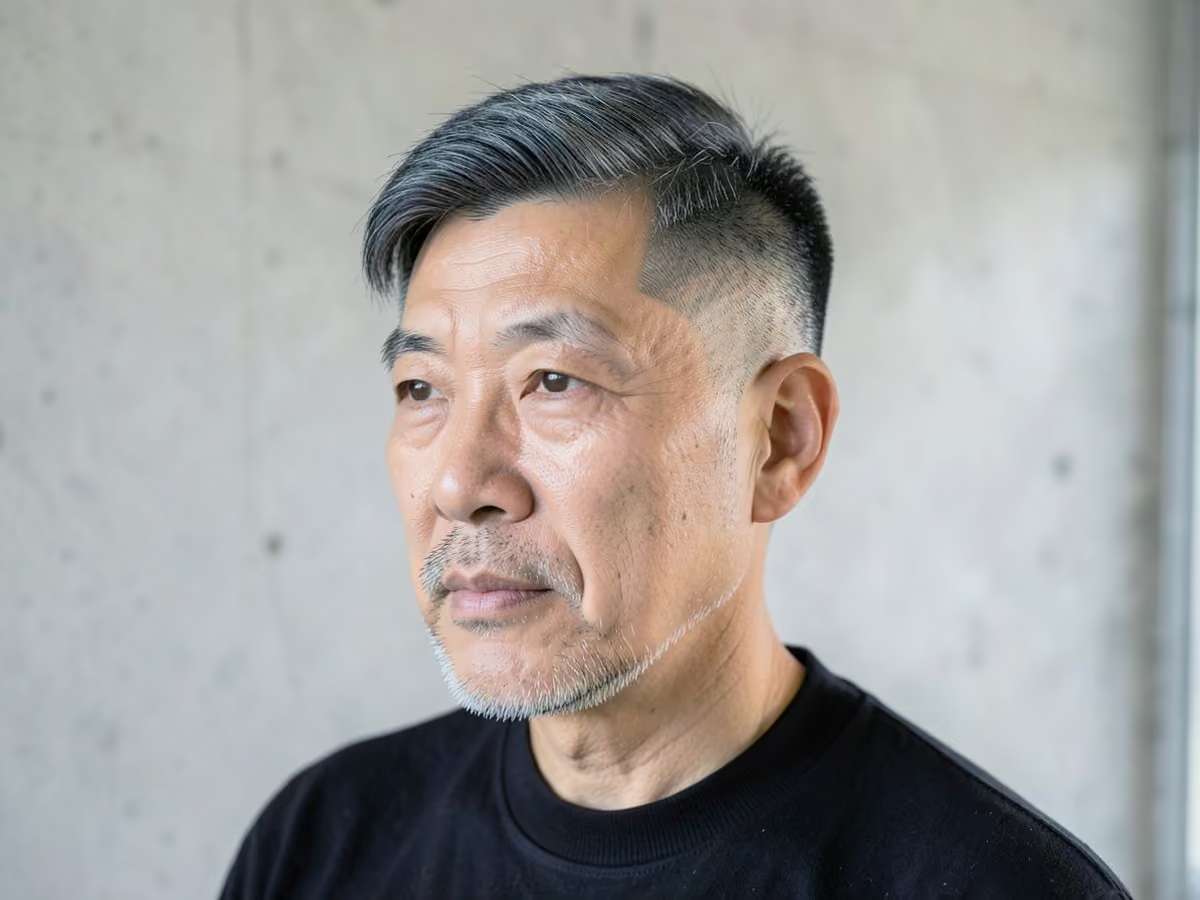
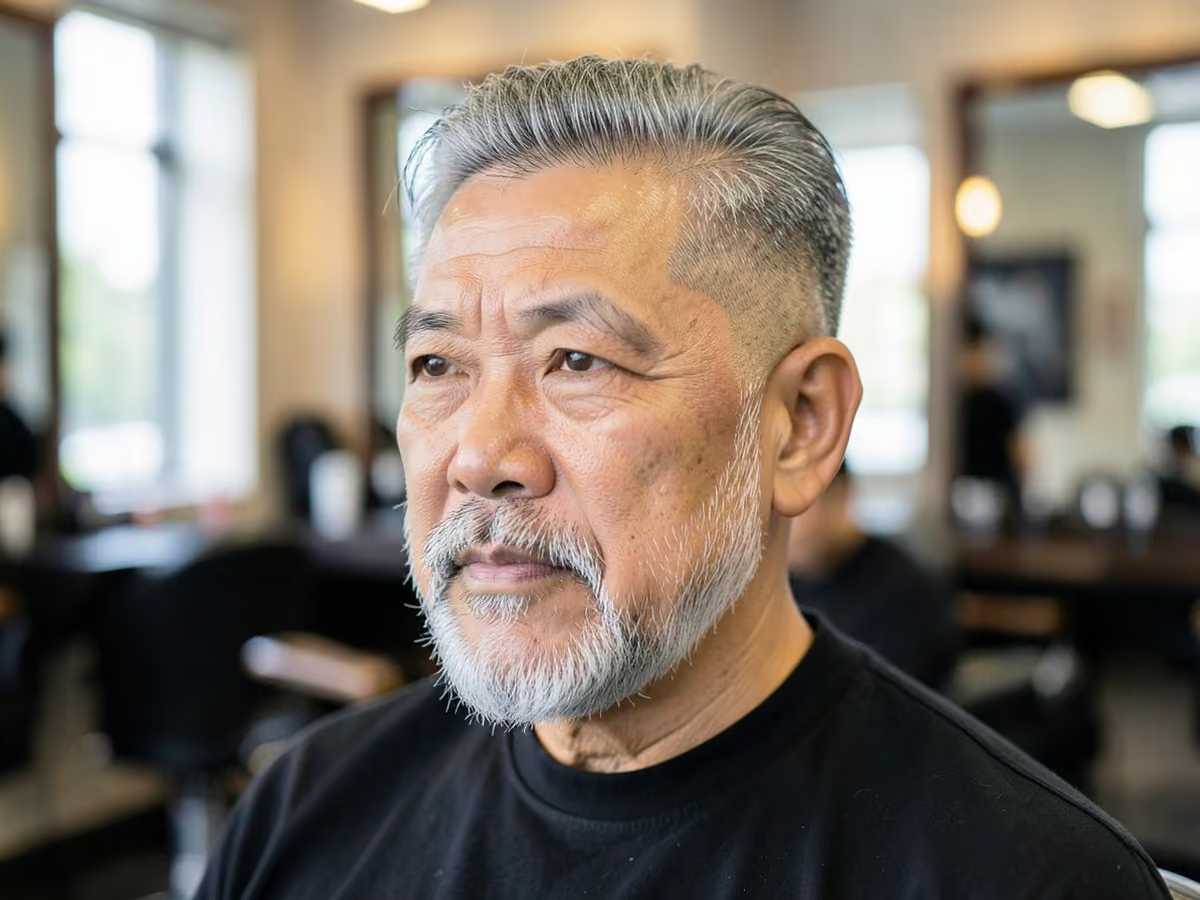
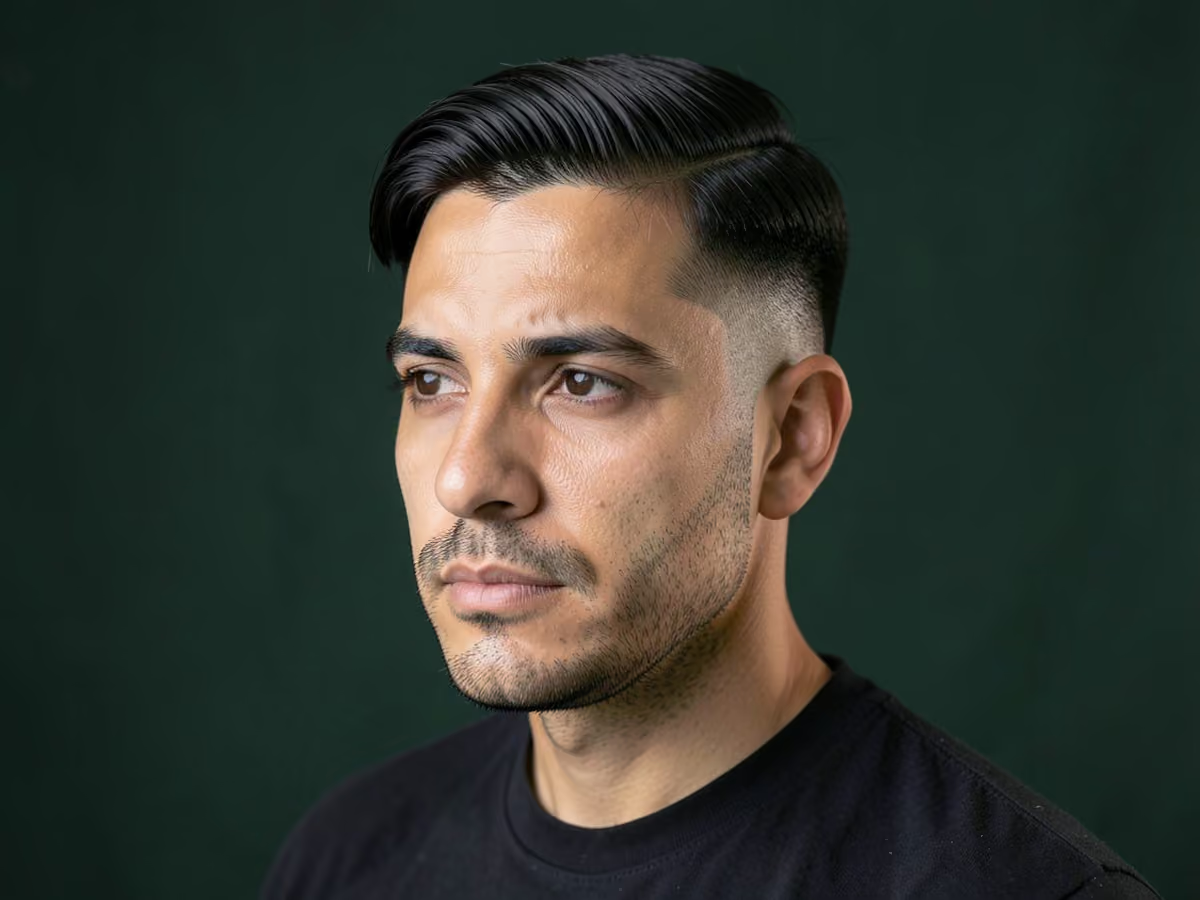
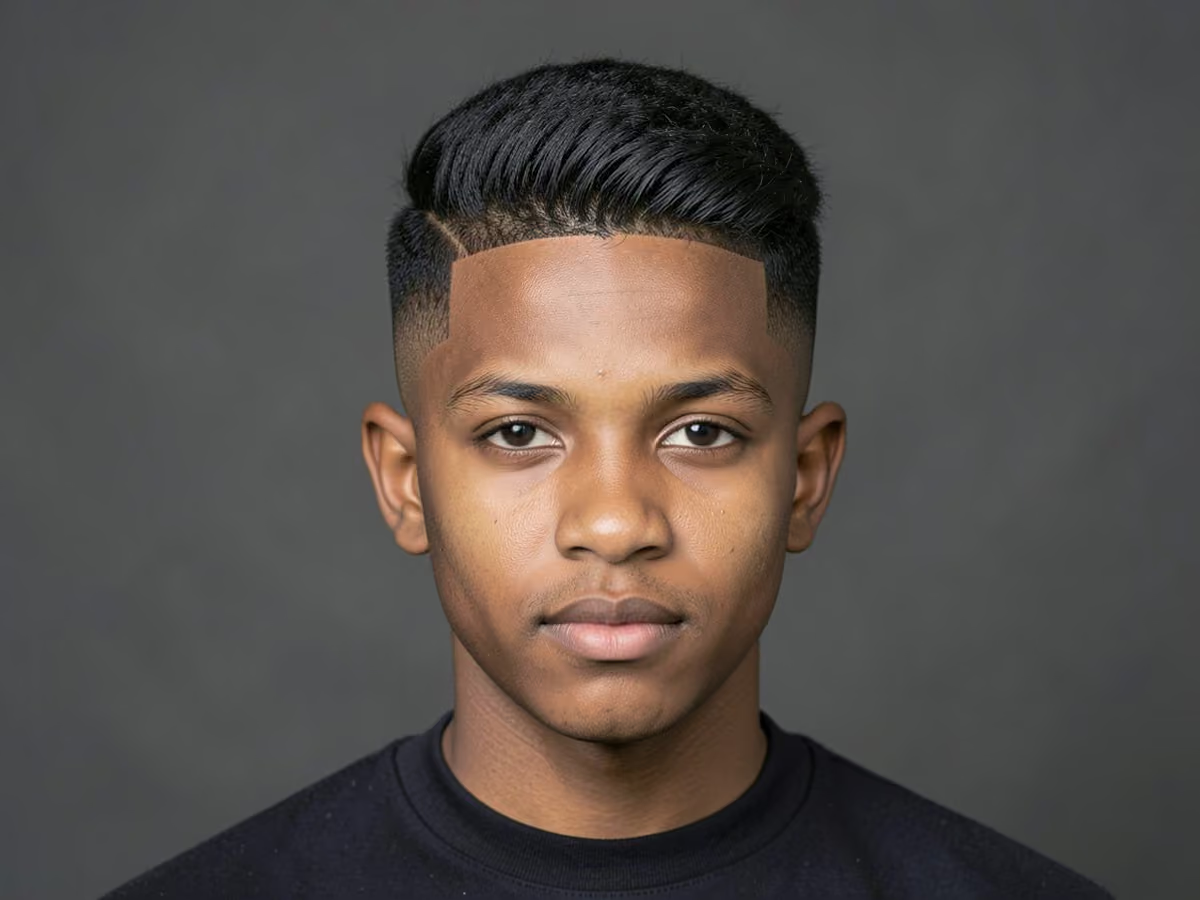
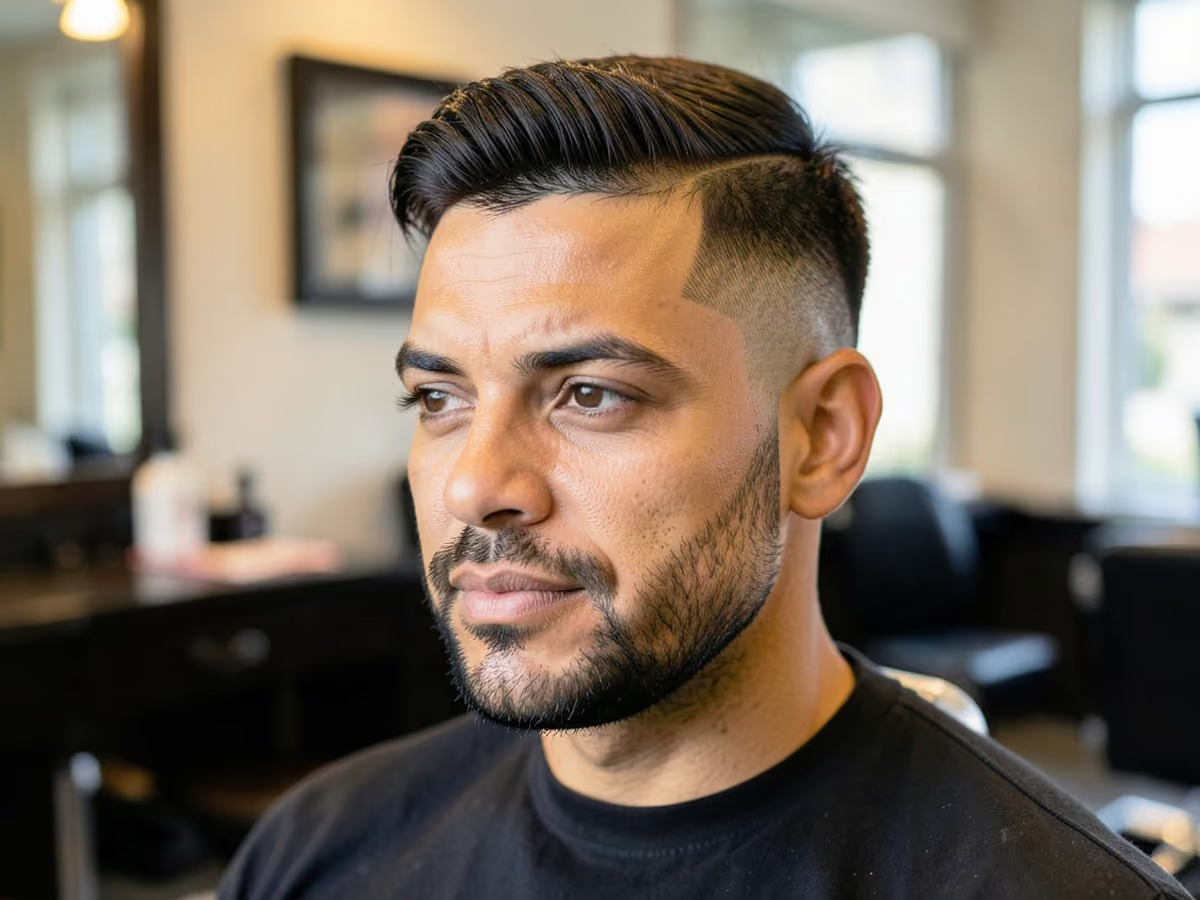
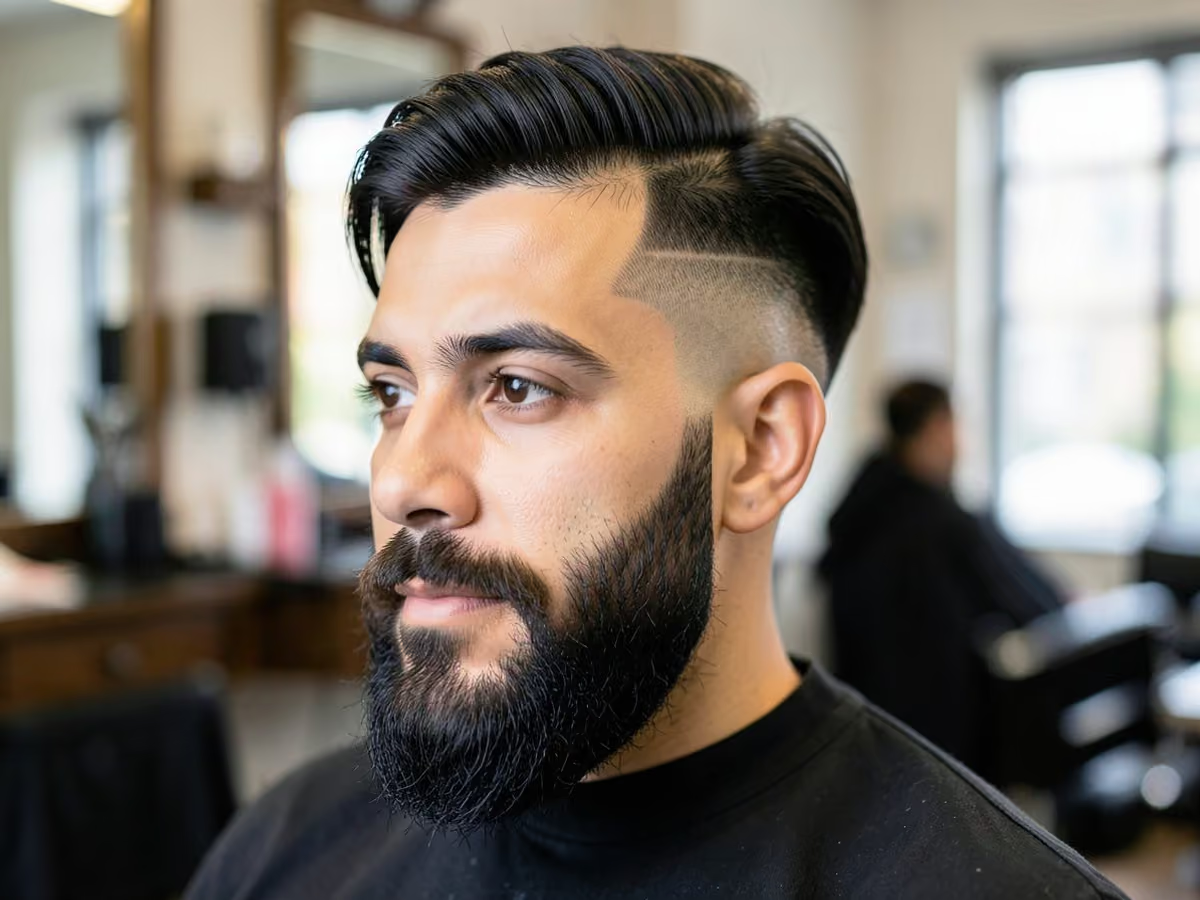
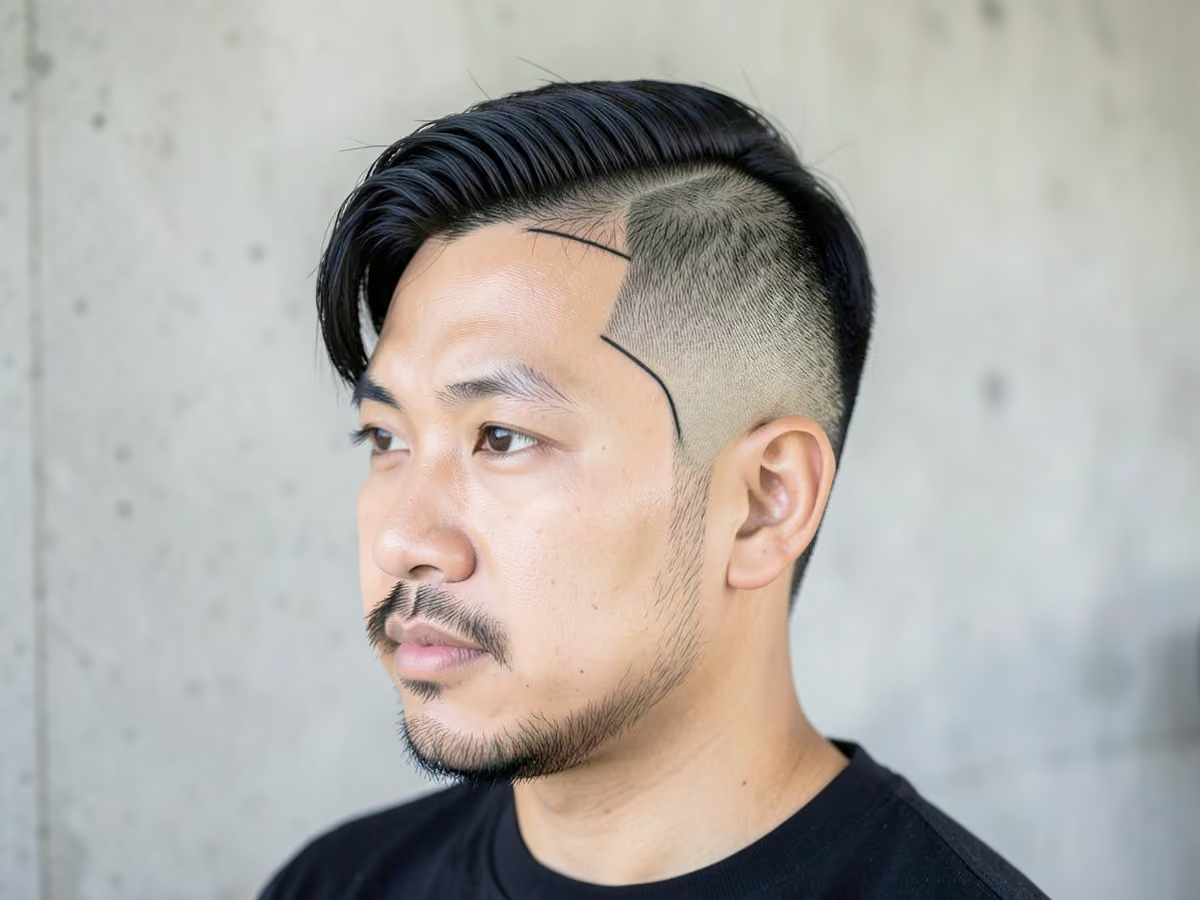
Quick answer: A disconnected undercut is a haircut where the sides and back are clipped short, usually skin to a #2, and the top is left three inches or longer with no blending between the two. The result is a visible step or shelf around the head. Most men trim it every two to four weeks.
Disconnected Undercut Styles at a Glance
Every style on this page with its clipper guard, top length and trim interval. Tap a name to jump to that card.
Disconnected undercut styles skip the blend on purpose. The sides drop to a short, even length and the top hangs over them, so a clear shelf shows where one ends and the other begins. Below are 30 versions grouped by side length, top style, long hair, texture, audience and beard, each with guard numbers, upkeep and the words to use in the chair.
What Is a Disconnected Undercut?
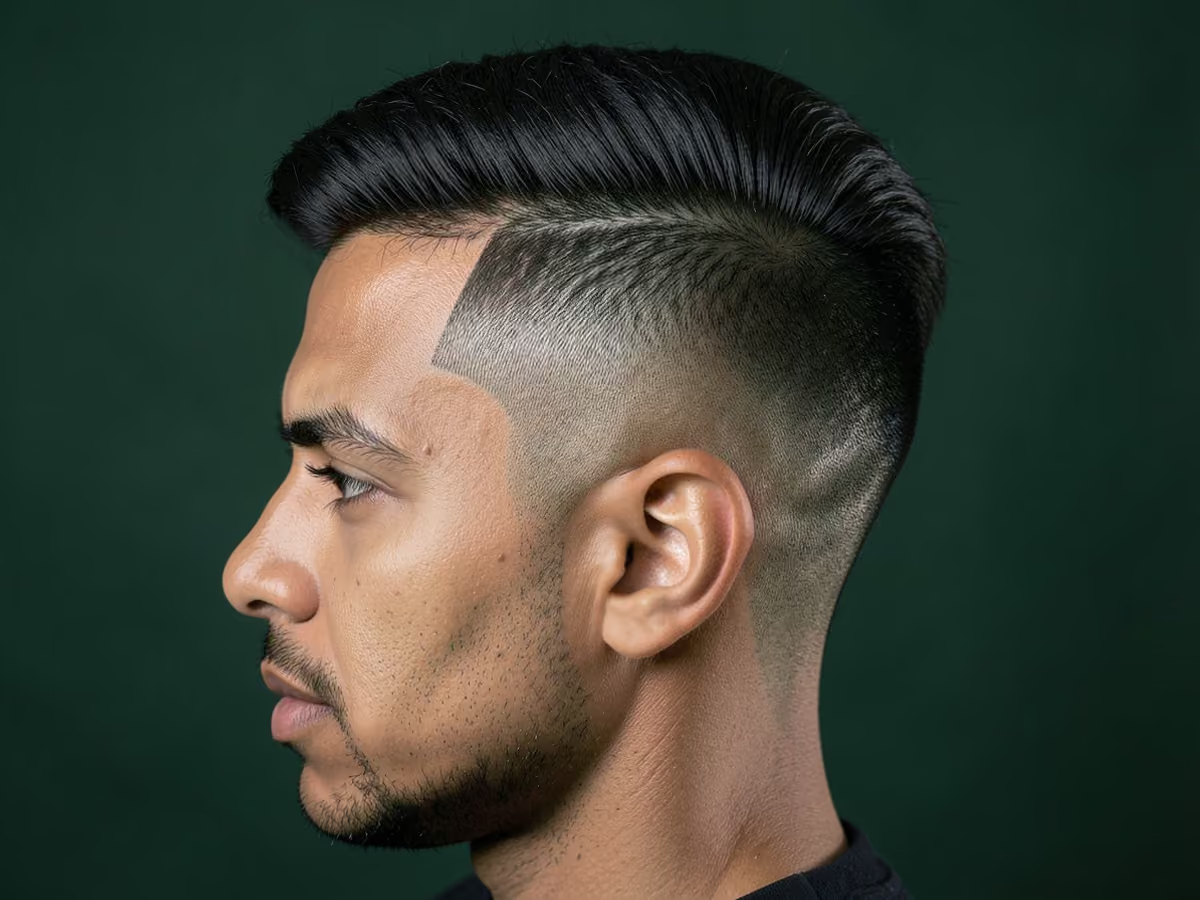
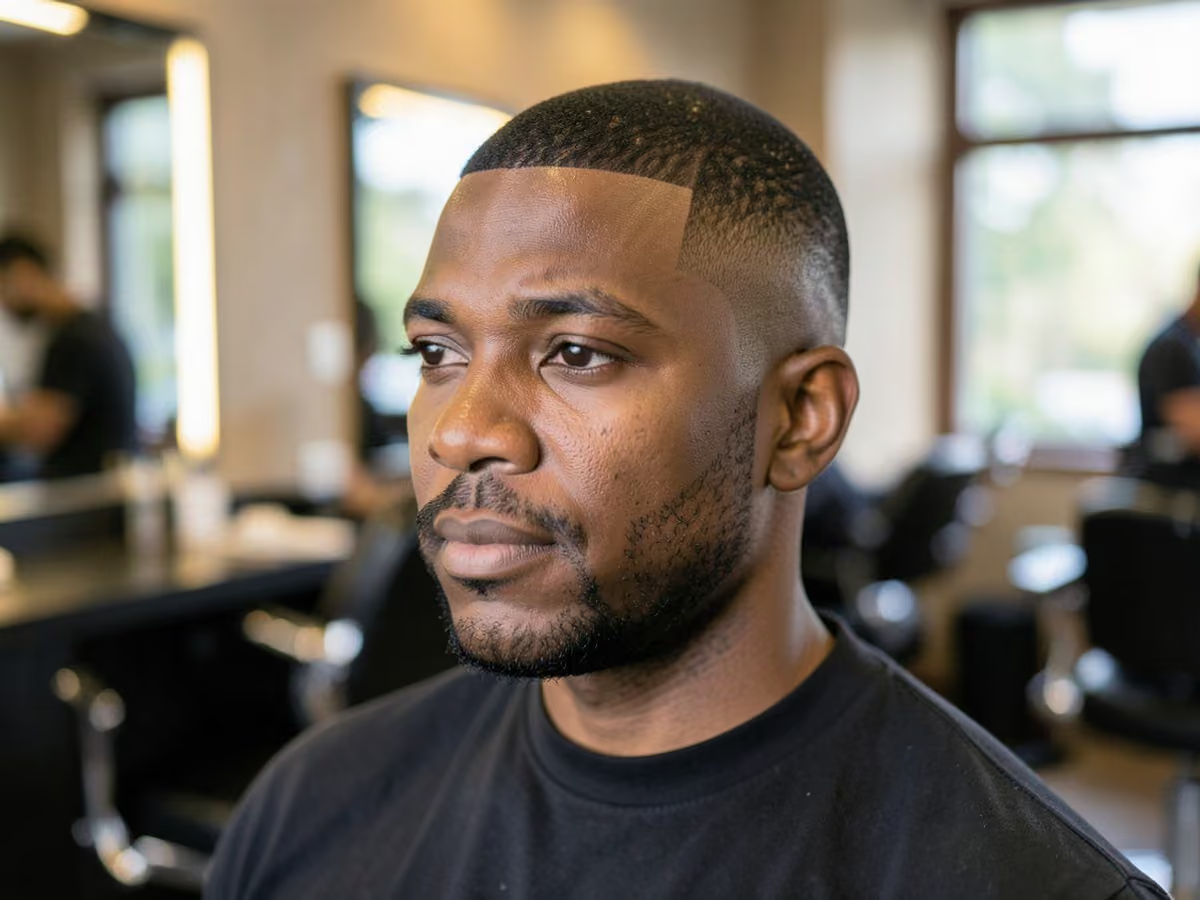
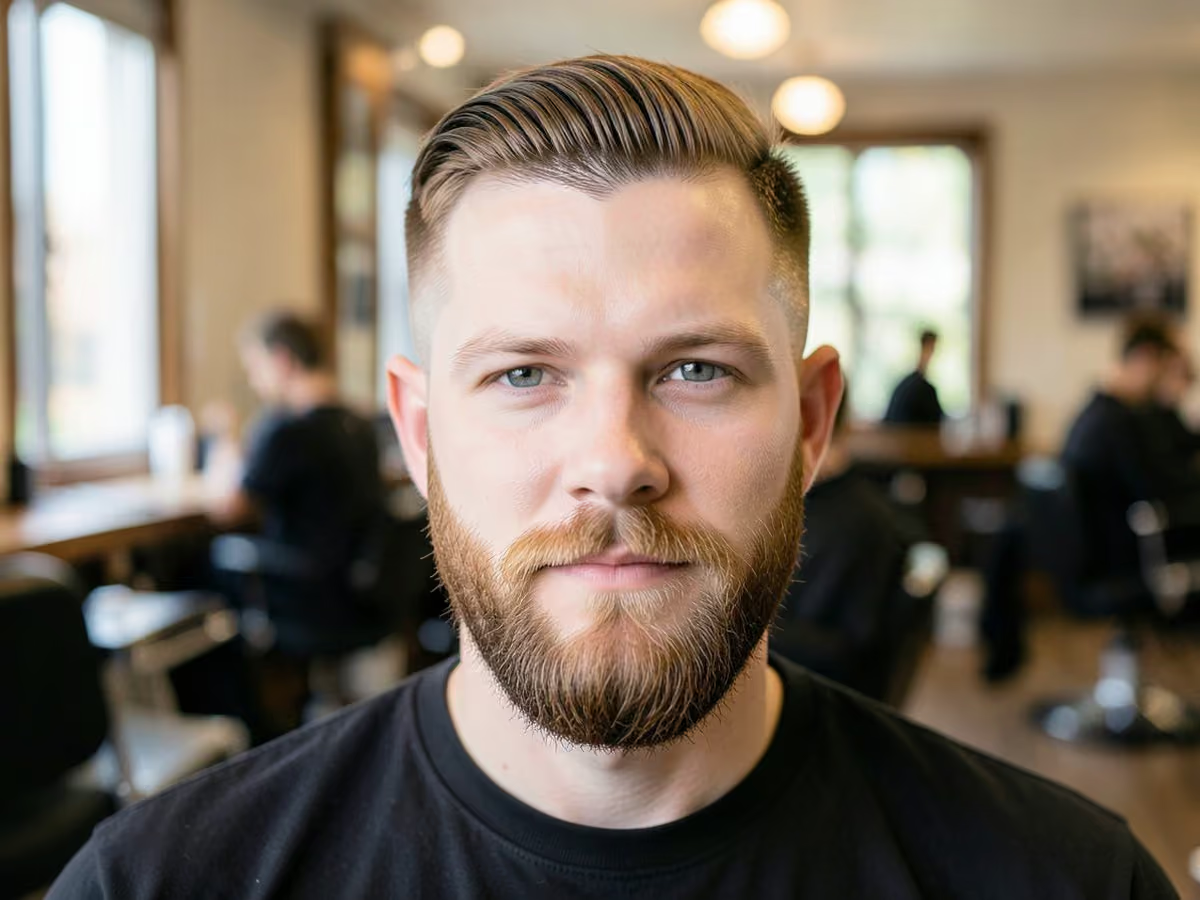
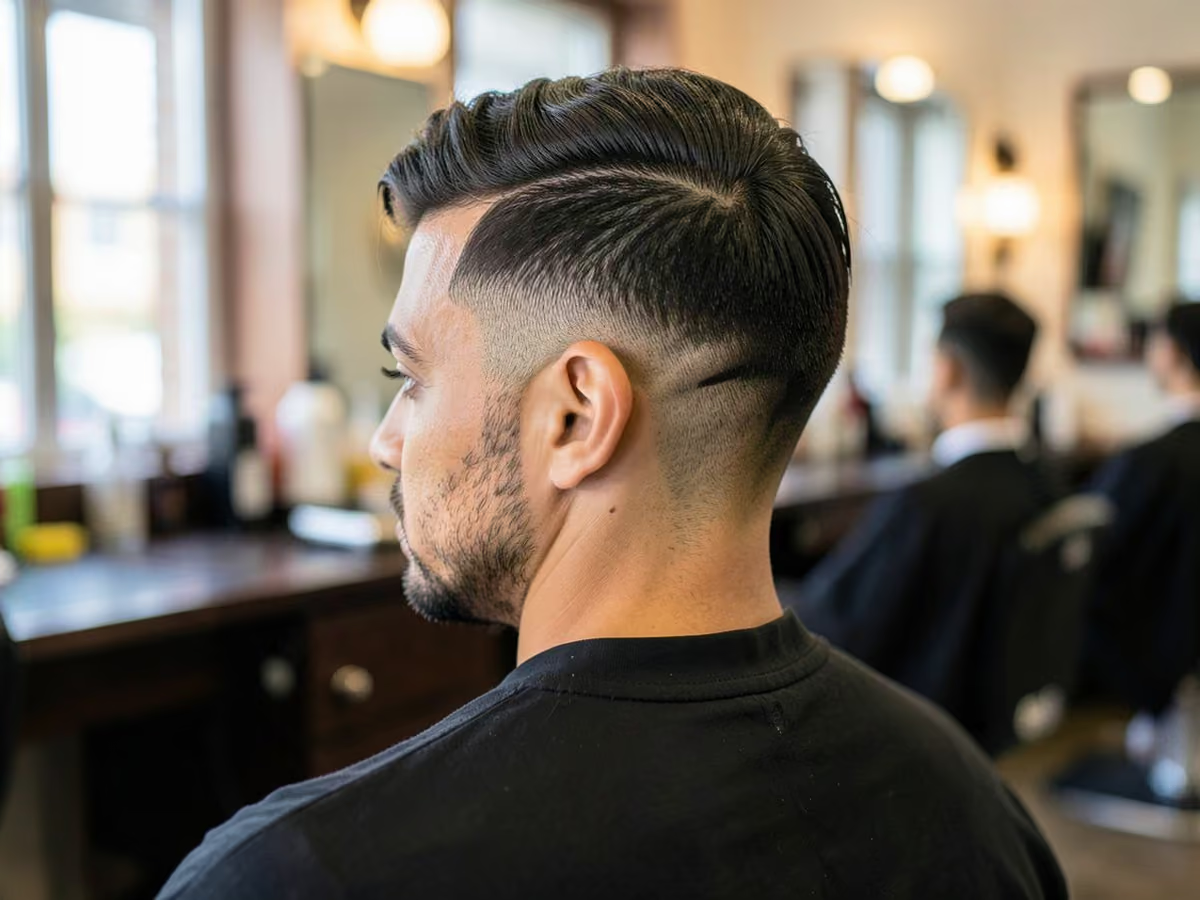
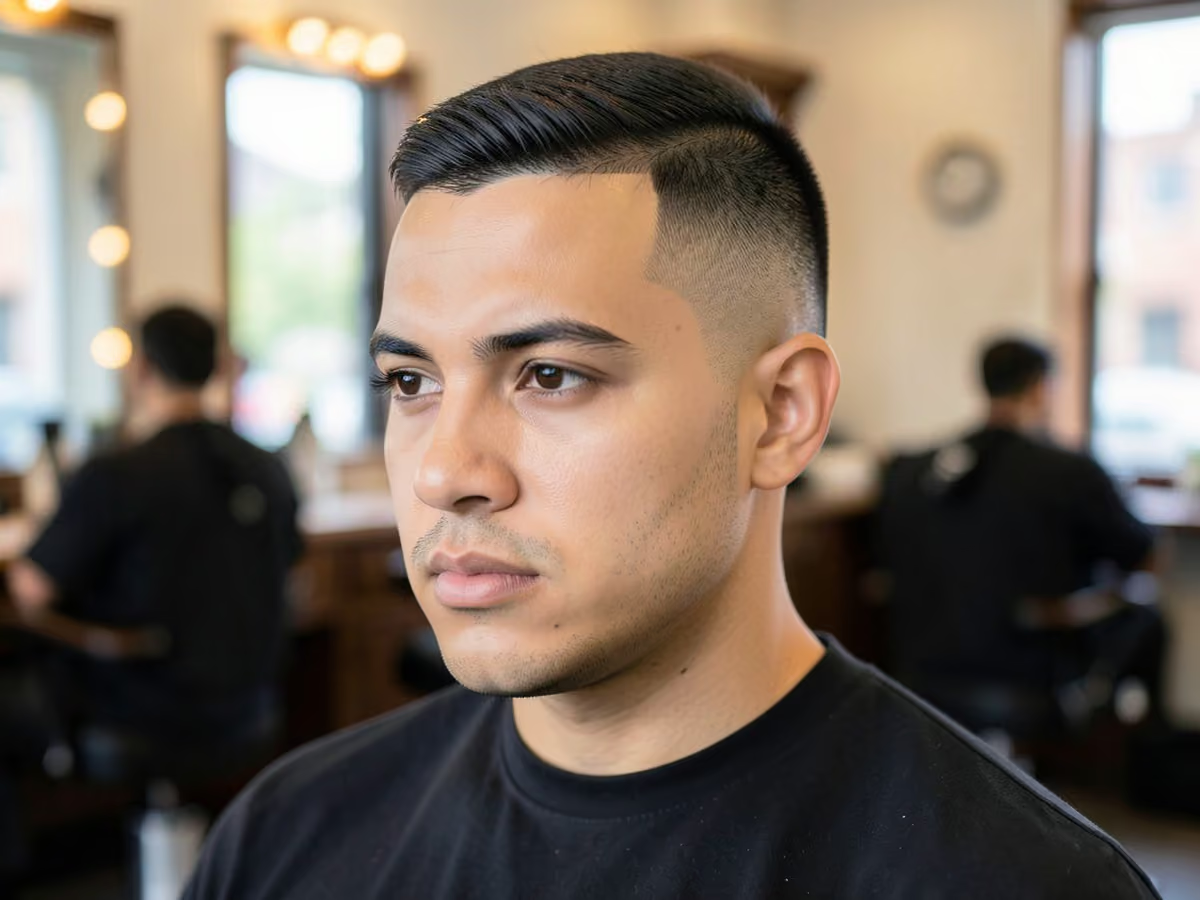
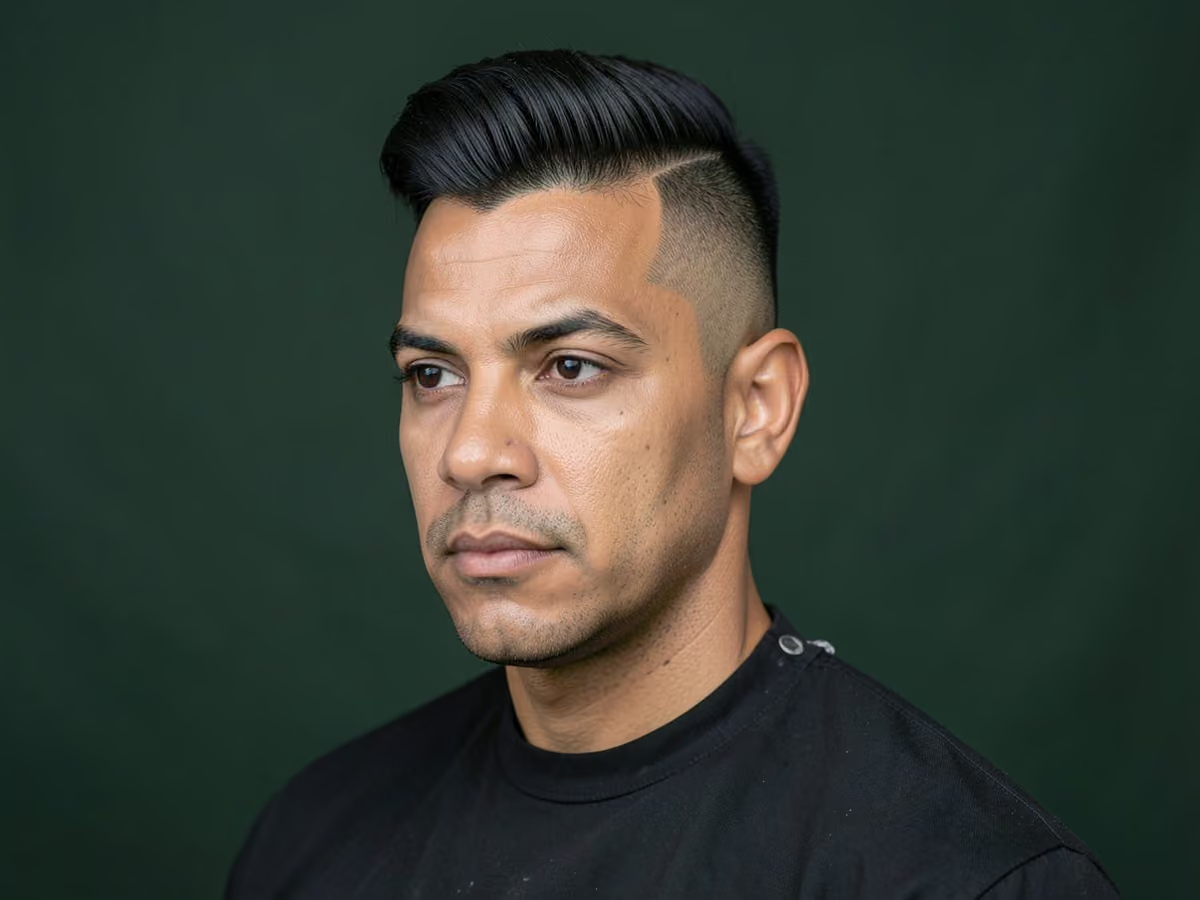
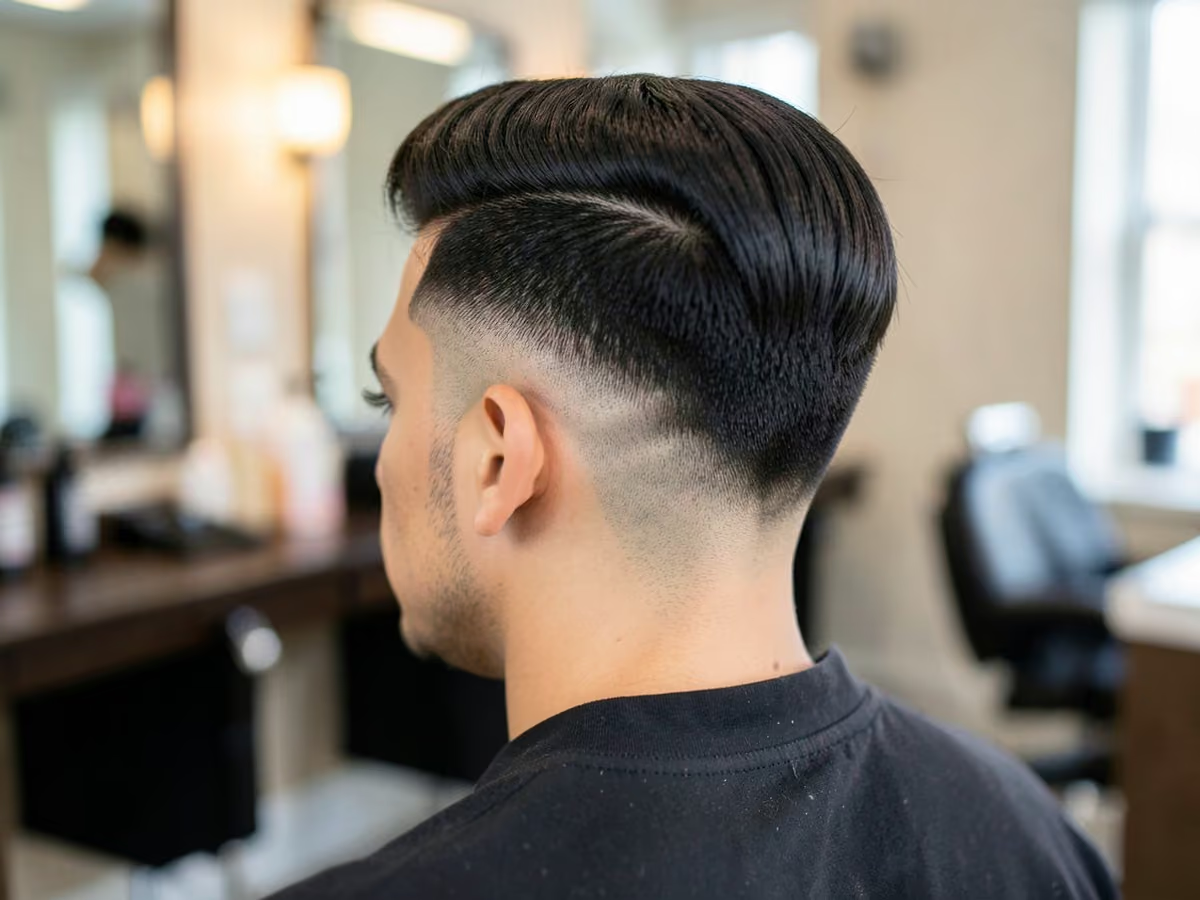
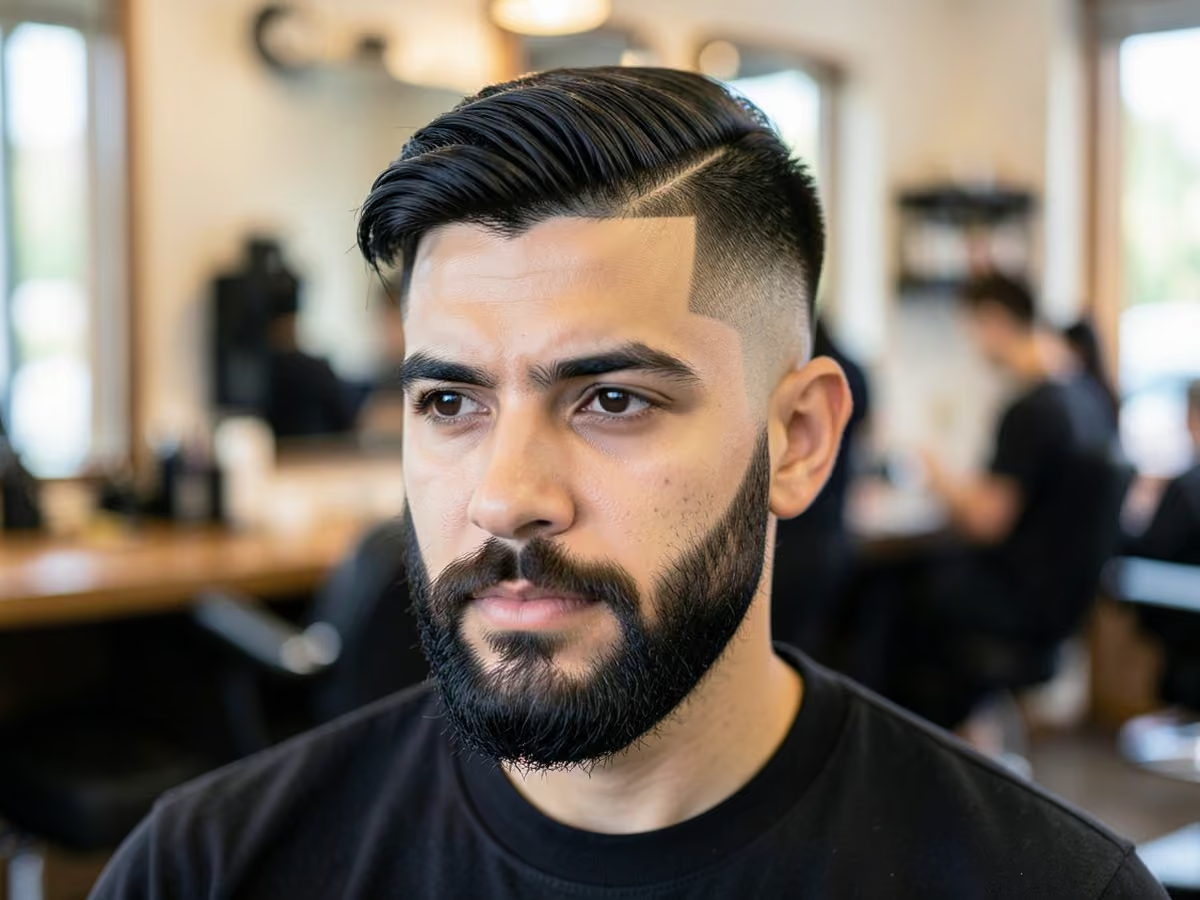
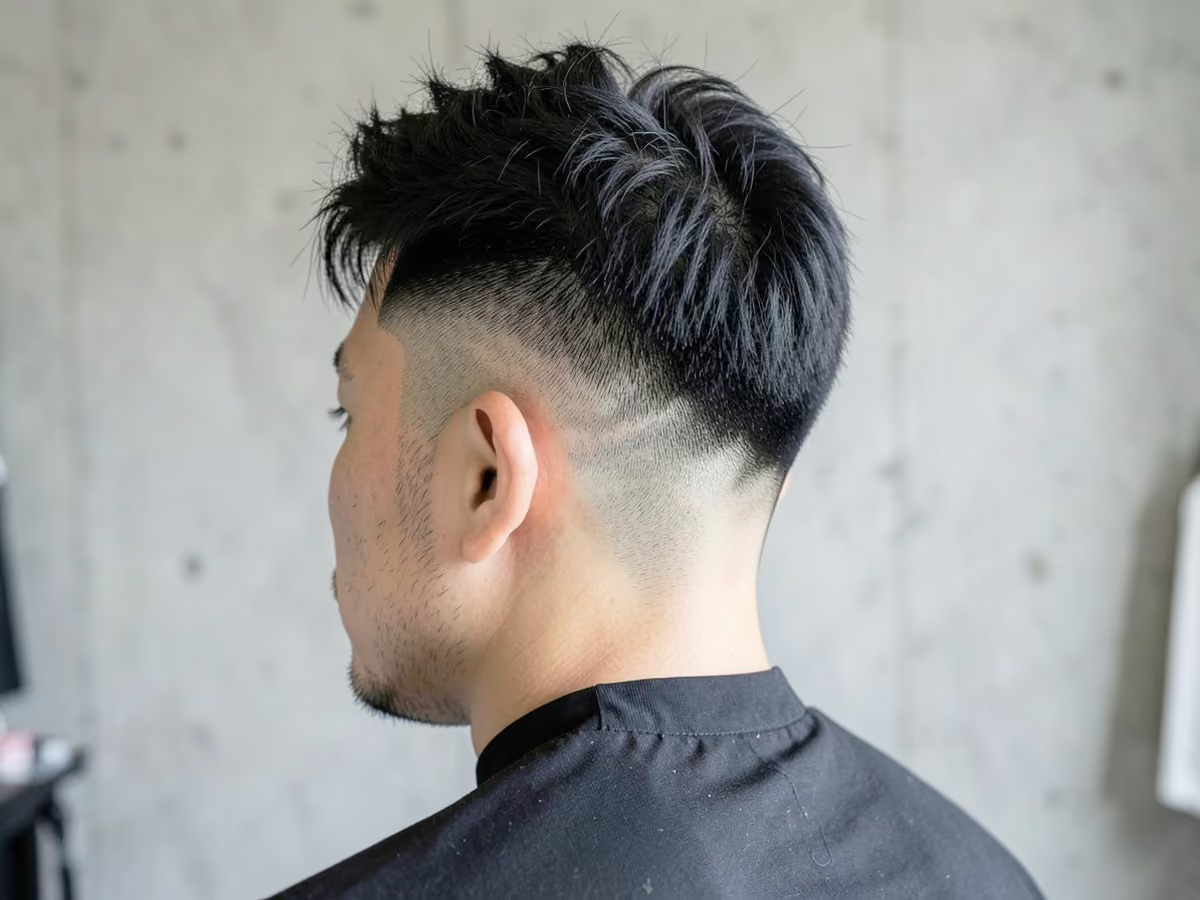
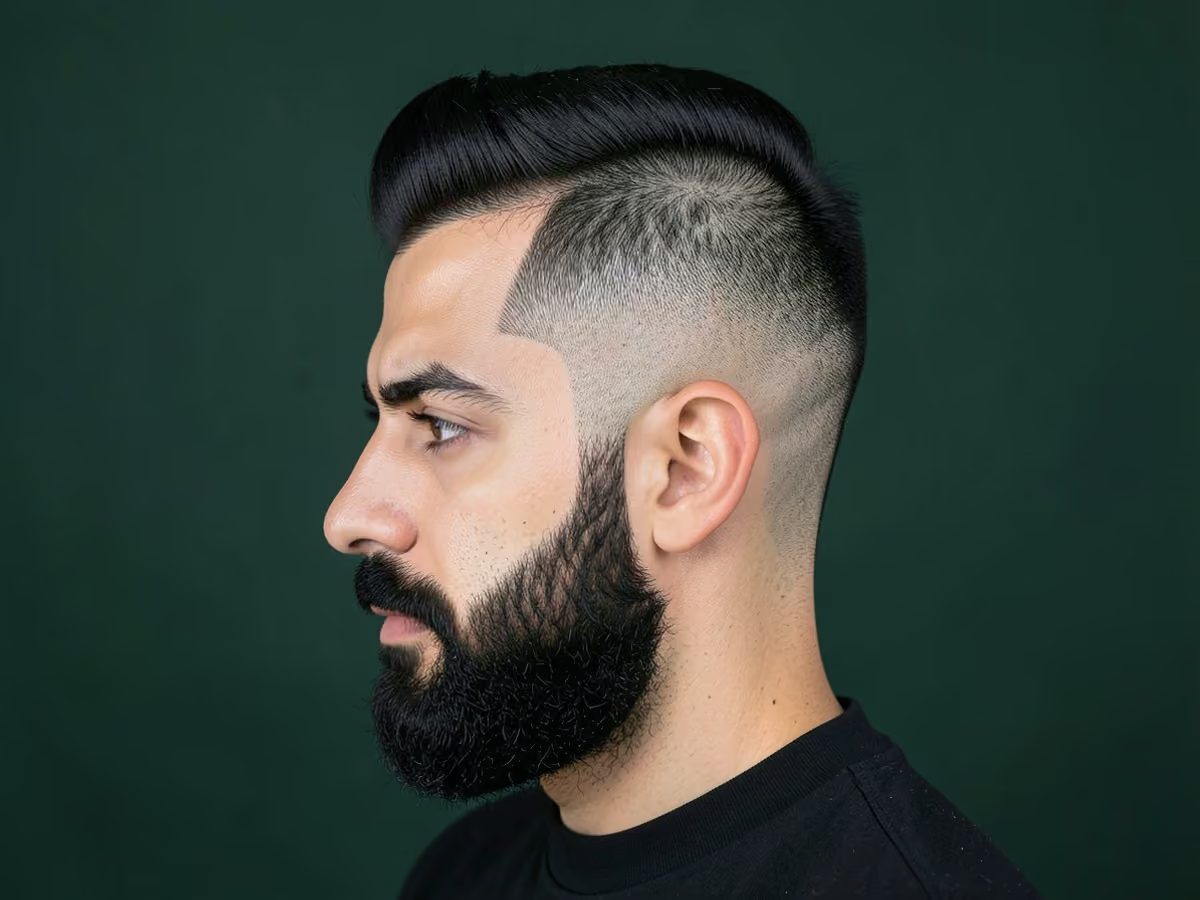
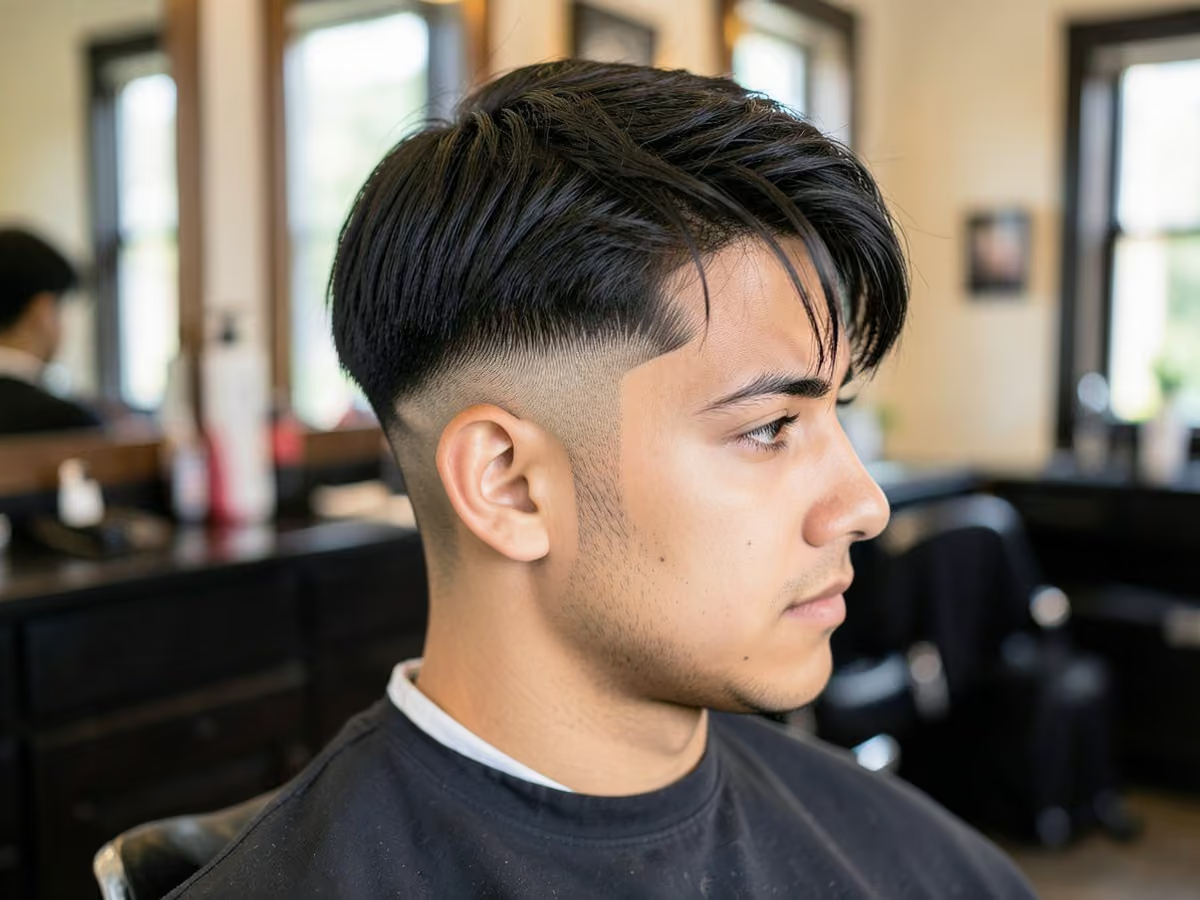
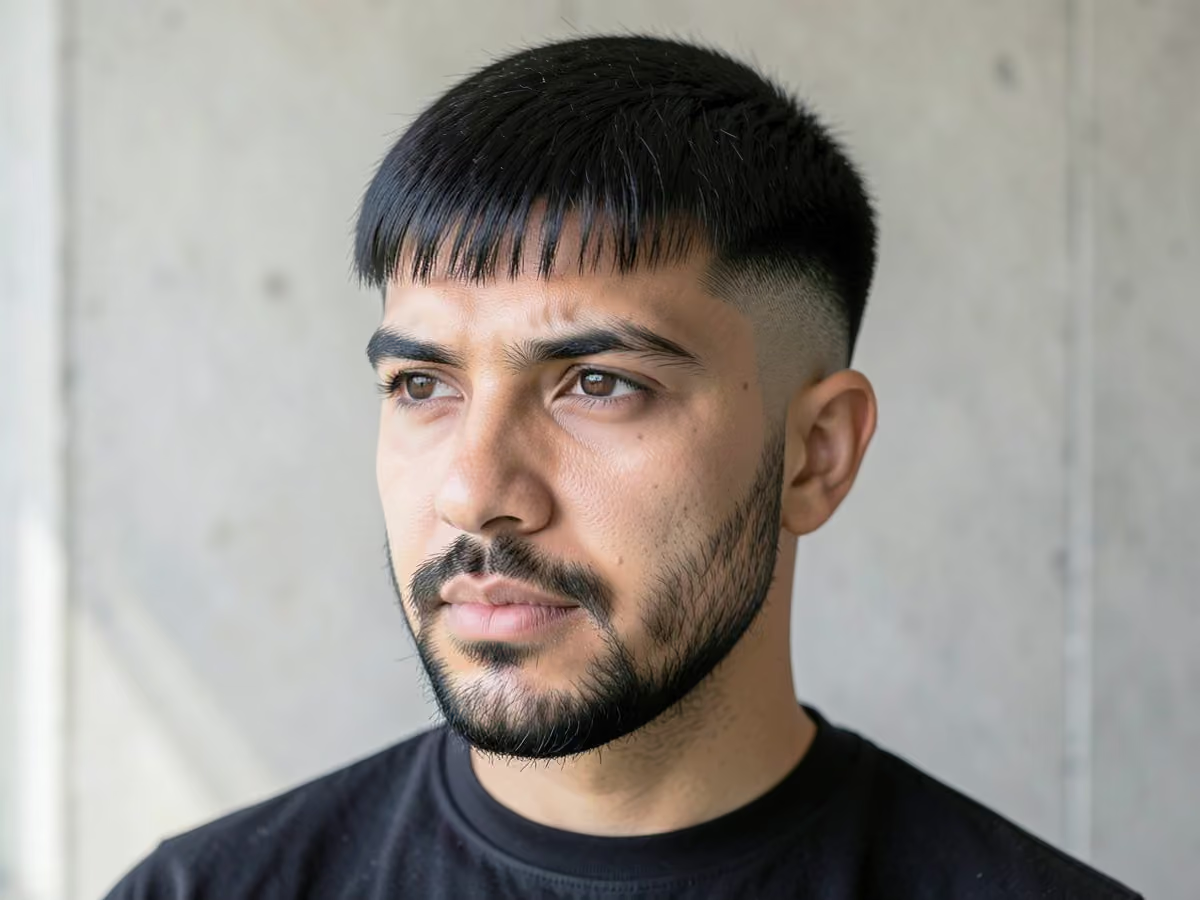
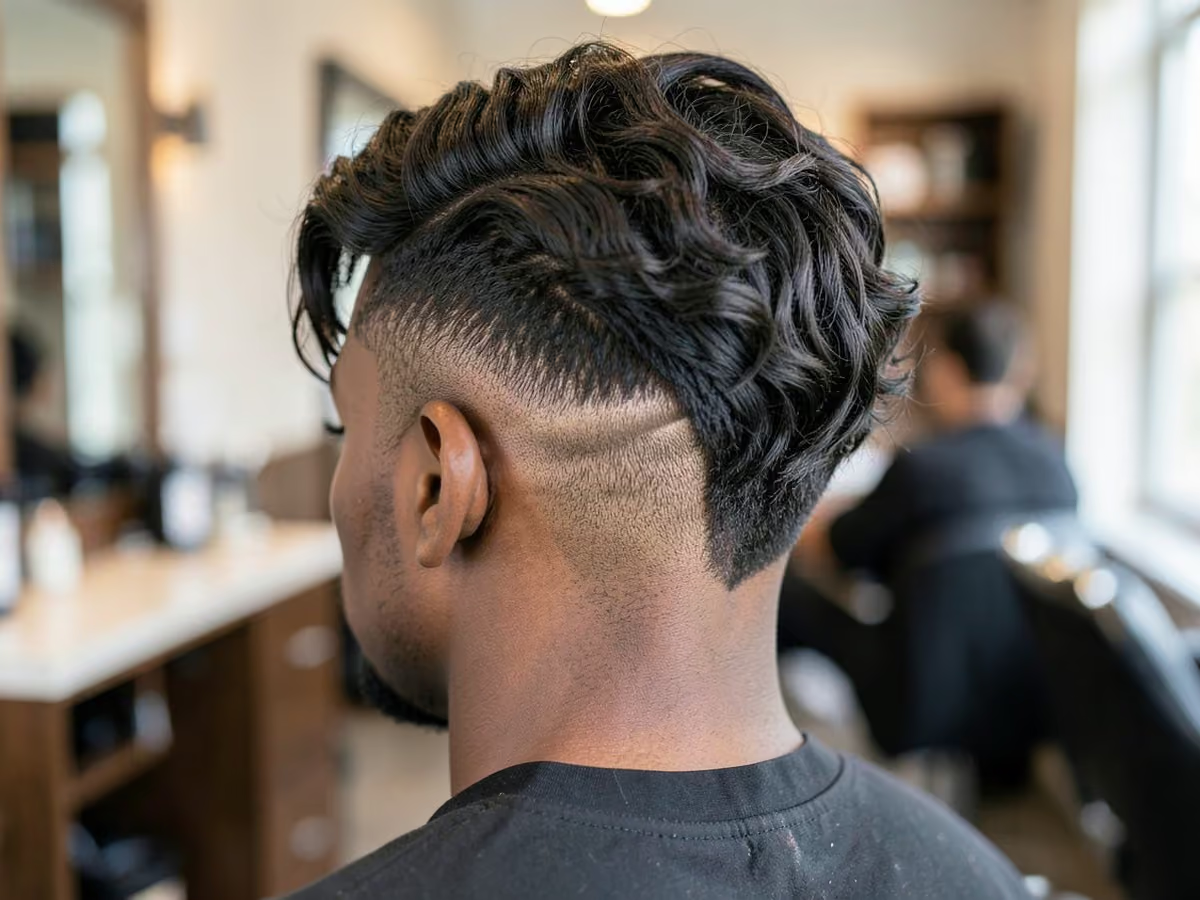
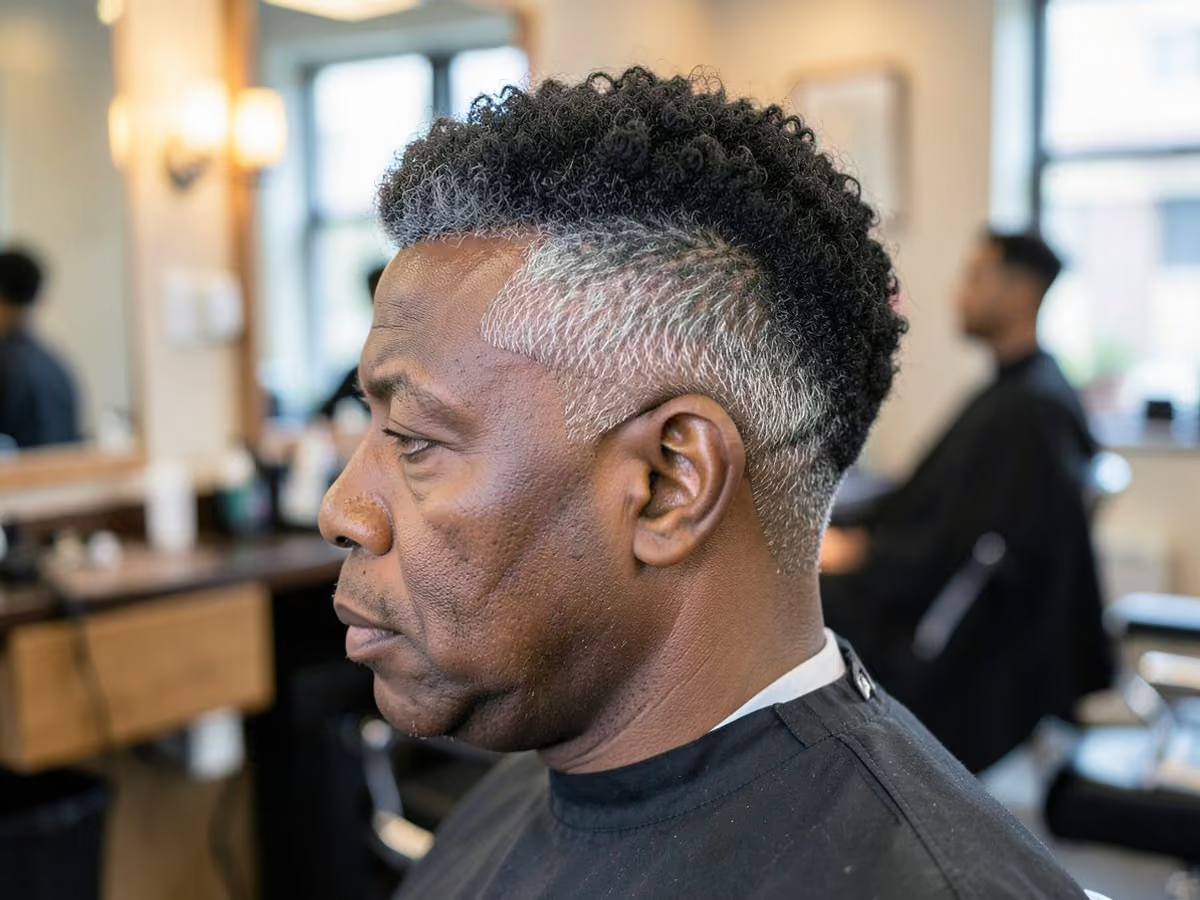
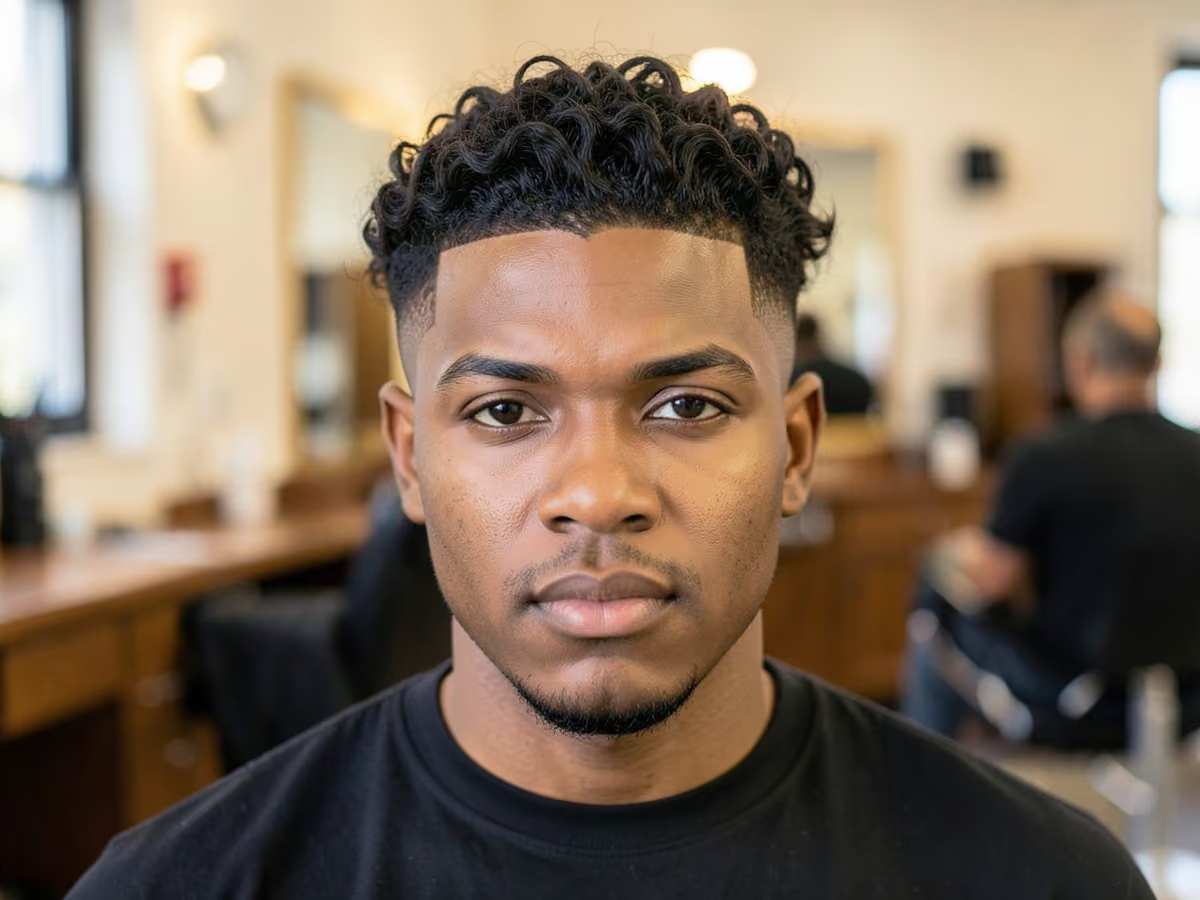
A disconnected undercut cuts the sides and back to one short length, anywhere from skin to a #2, and leaves the top much longer, usually three to seven inches. The barber does not blend the two lengths, so when the top is lifted you see a sharp step running around the head at the temple or parietal ridge. When the top is combed down, it covers that step and hangs over the short sides like a lid.
The disconnection can be strong or subtle. A high disconnection on bare sides gives the most contrast; a low one at a #2 looks closer to a plain undercut. Many barbers now add a short fade at the bottom of the sides, which softens the neckline while keeping the hard step at the top. Name both parts when you ask so the barber knows where the line goes.
How Is a Disconnected Undercut Different from a Regular Undercut or Fade?
All three have short sides and a longer top. What changes is the join. A fade blends gradually from short to long so there is no visible line. A standard undercut also skips the blend, but the length difference is often small and the line sits low. A disconnected undercut makes the gap large and keeps the line high, so the step is part of the design. The what does blend mean guide explains how barbers talk about joins.
The table compares the three by side length, join and upkeep. Use it to pick the term that matches the photo you have saved before you sit in the chair. The two block is included because it is often confused with a disconnected cut: its step is hidden under a longer layer rather than left on show. If you are still unsure, ask the barber to show you the step with the top lifted before they start on the sides.
How Is a Disconnected Undercut Different from a Regular Undercut or Fade?
Thick, straight or wavy hair works best, because the top needs enough density to hang over the sides and hide the step when you want it hidden. Fine hair can wear it with a shorter top and texture, but the shelf will show more. Round and square faces gain the most from the narrow sides; long faces do better with a lower step and a top styled back or to the side rather than straight up.
Lifestyle matters too. The cut suits men who are happy to style the top every day, since it falls flat over the sides when left alone. It is easy to hide at work by combing the top down, and easy to show off on weekends by slicking it back. Men with a visible scar or a flat back of the head may prefer a #2 on the sides over bare skin.
Filter the styles
Showing all 30 styles
Fade
Hair
Length
Disconnected Undercut by Side Length
These five cuts share the same hard step and differ in how short the sides go and where the line sits. Pick the side first, then add a top from the sections below or compare with the classic undercut.
Trim:Every 1–2 weeks. Bare skin under the step shows stubble fast.
Best For:Round, square faces + thick, straight hair.
About This Style
Sides and back are razor or foil shaved to skin up to the parietal ridge, and the top keeps four to six inches with no blend at all. The contrast is the strongest in this gallery: when the top is lifted, the step looks like a shelf over bare scalp. It needs weekly side shaves to keep that contrast, and it shows any bumps or scars on the head.
How to Style at Home
Apply a few drops of scalp oil to the shaved sides after you shower.
Blow-dry the top back with a round brush to show the step.
Finish with pomade combed through for a smooth, shiny top.
Ask Your Barber
"Shave the sides and back to skin up to the parietal ridge, no blend, hard step. Leave five inches on top so it hangs over the sides."
Trim:Every 2–3 weeks. A #2 side hides regrowth for longer.
Best For:Oval, long faces + straight, wavy or fine hair.
About This Style
A #2 guard on the sides leaves 1/4 inch, enough to cover the scalp, while the top stays three to five inches. The step is still visible but softer, which makes it the easiest disconnected cut to wear in an office. It also suits men with sensitive skin or scars on the sides. You can buzz the sides at home with the same guard to stretch barber visits.
How to Style at Home
Run a #2 guard over the sides at home once a week if needed.
Push the top to one side with a comb and a little styling cream.
Let it air-dry or use a low heat setting for a softer finish.
Ask Your Barber
"Number two on the sides and back, one length, no fade. Hard line at the temple and four inches on top swept to the side."
Trim:Every 2 weeks. A high step shows regrowth on most of the head.
Best For:Round, square faces + thick or coarse hair.
About This Style
The short area climbs above the parietal ridge so only a narrow strip of long hair is left on top. That leaves more of the head short, making the top look taller and narrower. It suits round faces and thick hair that can stand up on its own. Long faces should avoid it, since the high step plus a tall top adds length.
How to Style at Home
Blow-dry the top straight up at the roots for height.
Work matte clay through the top and shape it back or up.
Touch up the sides with a trimmer if stray hairs appear.
Ask Your Barber
"High disconnected undercut, sides at a number one up above the parietal ridge, hard step, and four inches on a narrow top section."
Trim:Every 3–4 weeks. A low step grows out without looking messy.
Best For:Oval, long faces + straight or wavy hair.
About This Style
Here the step sits just above the ears, so most of the sides are left long with only a band of short hair underneath. When the top is down, the short band is almost hidden; when it is tied up or swept back, it shows. It suits long faces, men who want a discreet cut and anyone growing hair longer. Upkeep is lower than any other version here.
How to Style at Home
Comb the top down over the short band to hide the step.
Lift and sweep the top back with light pomade to show it.
Trim the short band at home with a guard every few weeks.
Ask Your Barber
"Low disconnected undercut just above the ears at a number one, no blend. Leave the sides above the step and the top at five inches."
Trim:Every 2–3 weeks. The tapered neckline grows out cleanly.
Best For:Oval, square faces + straight or thick hair.
About This Style
A short taper is added at the sideburns and nape, going from skin or a #0 up to a #1, while the hard step at the top stays. The taper gives a neat outline around the ears and neckline, which makes the cut look tidier between visits. It is a simple way to soften a disconnected undercut for an office without losing the shelf.
How to Style at Home
Comb the top into place while damp with a fine-tooth comb.
Use matte paste to hold the top back or to the side.
Check the neckline in a hand mirror and tidy stray hairs.
Ask Your Barber
"Taper the sideburns and nape from a zero to a one, then keep the sides at a one with a hard step to the top. Four inches on top."
Recommended Products
Matte Paste
Disconnected Undercut Top Styles
These seven tops all sit over a short, unblended side. The top length and product decide whether the step shows or stays hidden. For more slick back versions, see the slick back undercut guide.
Trim:Every 2–3 weeks. The quiff front needs reshaping often.
Best For:Round, square faces + thick, straight or wavy hair.
About This Style
A quiff needs length at the hairline, so the barber leaves about four inches there and tapers the top to two at the crown, then stops dead at a #1 side with no blend. Over a hard step, the raised front looks taller than it would over a fade. Expect five minutes with a dryer most mornings, and use thickening spray if your hair is fine.
How to Style at Home
Mist thickening spray over the front roots before you reach for the dryer.
Lift the front with a round brush and dryer, aiming the heat at the roots.
Pinch matte clay through the front for hold and texture.
Ask Your Barber
"I'd like a number one on the sides with a hard step, no blend. Four inches at the front for a quiff, tapering to two at the crown."
Trim:Every 2–3 weeks. Sides need cleaning to keep the roll tall.
Best For:Oval, round faces + thick or straight hair.
About This Style
For this one, the entire top is rolled up and back as one smooth mass, which takes at least five inches at the hairline. Under it, the sides are clipped to a #0 and left unblended, so the roll sits on a clean shelf instead of a gradient. It is a classic barbershop look; shine pomade gives the traditional finish and roughly ten minutes of styling sets it.
How to Style at Home
Blow-dry the top straight back with a round brush to build volume.
Comb pomade through the top from the front to the back.
Push the front forward slightly with your palm to set the roll.
Ask Your Barber
"Sides at a zero with a hard step, no blend. Five inches at the front and four at the crown so I can sweep it back into a pompadour."
Trim:Every 3 weeks. The part side shows regrowth first.
Best For:Oval, square faces + straight or fine hair.
About This Style
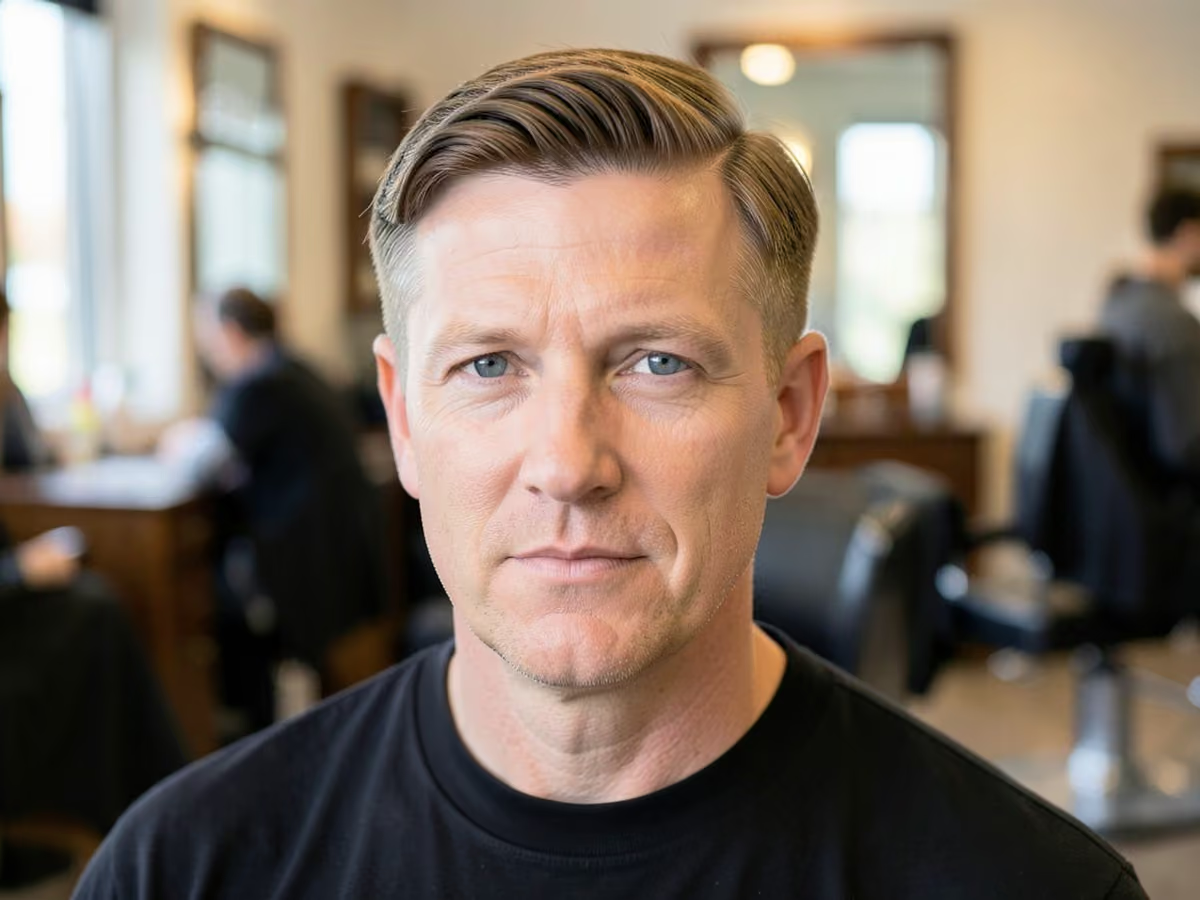
Three to four inches on top are combed across from a side part to the opposite side, over sides clipped to a #1 with a hard line. Combed across, the top covers the step on one side and shows it on the other, giving a neat but sharp shape. It suits office settings and weddings. Light pomade gives a soft shine without stiffness.
How to Style at Home
Set the part with a fine comb and guide the damp top across.
Work light pomade through the top with the comb.
Smooth the crown down with your palm if a cowlick lifts it.
Ask Your Barber
"Can you do a number one on the sides, hard step, side part on the left. Three and a half inches on top combed across to the right."
Trim:Every 3 weeks. A short top keeps the step visible.
Best For:Round, oval faces + thick, wavy or straight hair.
About This Style
Unlike most versions in this gallery, the top is kept short at about two inches with choppy texture pushed forward, while the sides drop to skin or a #0 with no blend. The short top makes the step easy to see all the time, so this is the cut for men who want the disconnection to show without styling. It needs only a pinch of clay each morning.
How to Style at Home
Towel-dry the hair and work a pinch of matte clay through the top.
Push the top forward and twist small sections for separation.
Wipe a drop of scalp oil over the bare sides if they feel tight.
Ask Your Barber
"Skin on the sides with a hard step, no blend. Two inches of choppy texture on top pushed forward into a short fringe."
Trim:Every 2–3 weeks. The ridge loses its shape as sides grow.
Best For:Round, square faces + thick or straight hair.
About This Style
Hair on top is pushed toward the center into a ridge, three inches in the middle, over sides clipped to a #1 with a hard step. The step creates a clear outline at the base of the ridge, so the faux hawk looks taller without the shaved strip of a mohawk. It can be worn down and forward on workdays. See the faux hawk guide for other ridge shapes.
How to Style at Home
Work texture clay through dry hair from the roots to the ends.
Sweep the hair from each edge of the top toward the middle.
Twist the center ridge into loose peaks between finger and thumb.
Ask Your Barber
"I'd like a number one on the sides with a hard step. Three inches in the middle of the top and two at the edges so I can push it into a faux hawk."
Trim:Every 3–4 weeks. The curtains grow longer without losing shape.
Best For:Oval, heart faces + straight or wavy hair.
About This Style
Four to five inches on top are parted down the center and fall to each side as curtains, over sides clipped to a #2 with a hard line. The curtains hang over the step and hide most of it, so the cut looks soft from the front and sharp from the side. Straight hair falls the cleanest. It pairs well with a longer fringe that reaches the cheekbones.
How to Style at Home
Part the top down the center with a comb while damp.
Dry each half outward from the part, rolling the ends under with a brush.
Smooth the ends with a small amount of styling cream.
Ask Your Barber
"Can you do a number two on the sides, hard step, no blend. Five inches on top with a center part so it falls into curtains to the cheekbones."
Trim:Every 3 weeks. The fringe needs trimming above the eyes.
Best For:Long, oval faces + straight or thick hair.
About This Style
Three to four inches on top are brushed forward so a long fringe falls to the brows, over sides clipped to a #1 or #0 with a hard line. The forward fringe shortens long faces and covers a high forehead. Fringe hides the step from the front, but it shows clearly from the side. Ask for the fringe point-cut so it does not look blunt.
How to Style at Home
Blow-dry the top forward with your fingers for loose movement.
Twist the fringe ends with a little matte paste.
Keep the fringe off your eyes by trimming every few weeks.
Ask Your Barber
"Can you do a number one on the sides with a hard step. Four inches on top cut forward into a point-cut fringe that sits at the brows."
Recommended Products
Matte Paste
Disconnected Undercut with Long Hair
Long tops over short, unblended sides cut weight and heat at the ears while you grow out the rest. These five cuts need six inches or more on top; see how to grow your hair out for the in-between stages.
Trim:Every 3–4 weeks. Only the sides need regular cutting.
Best For:Oval, square faces + straight, wavy or thick hair.
About This Style
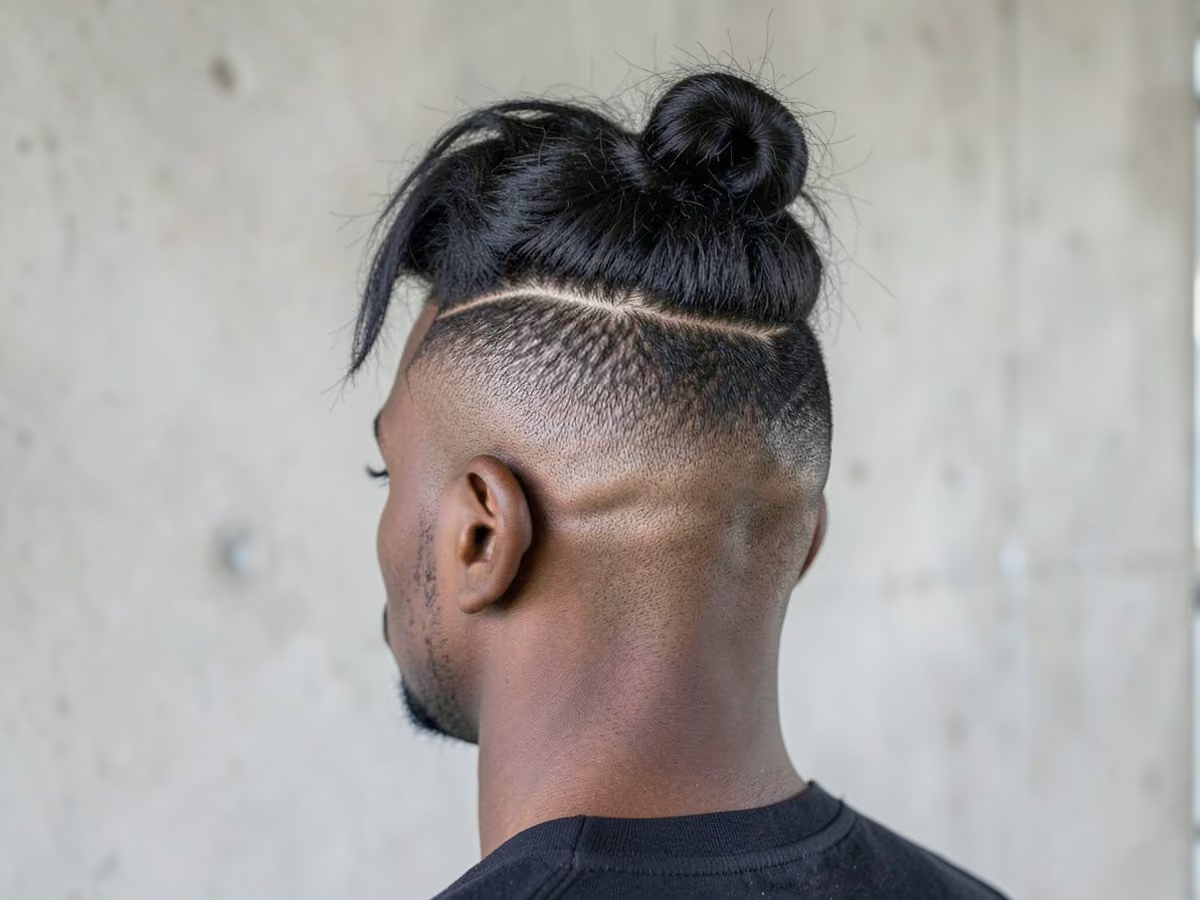
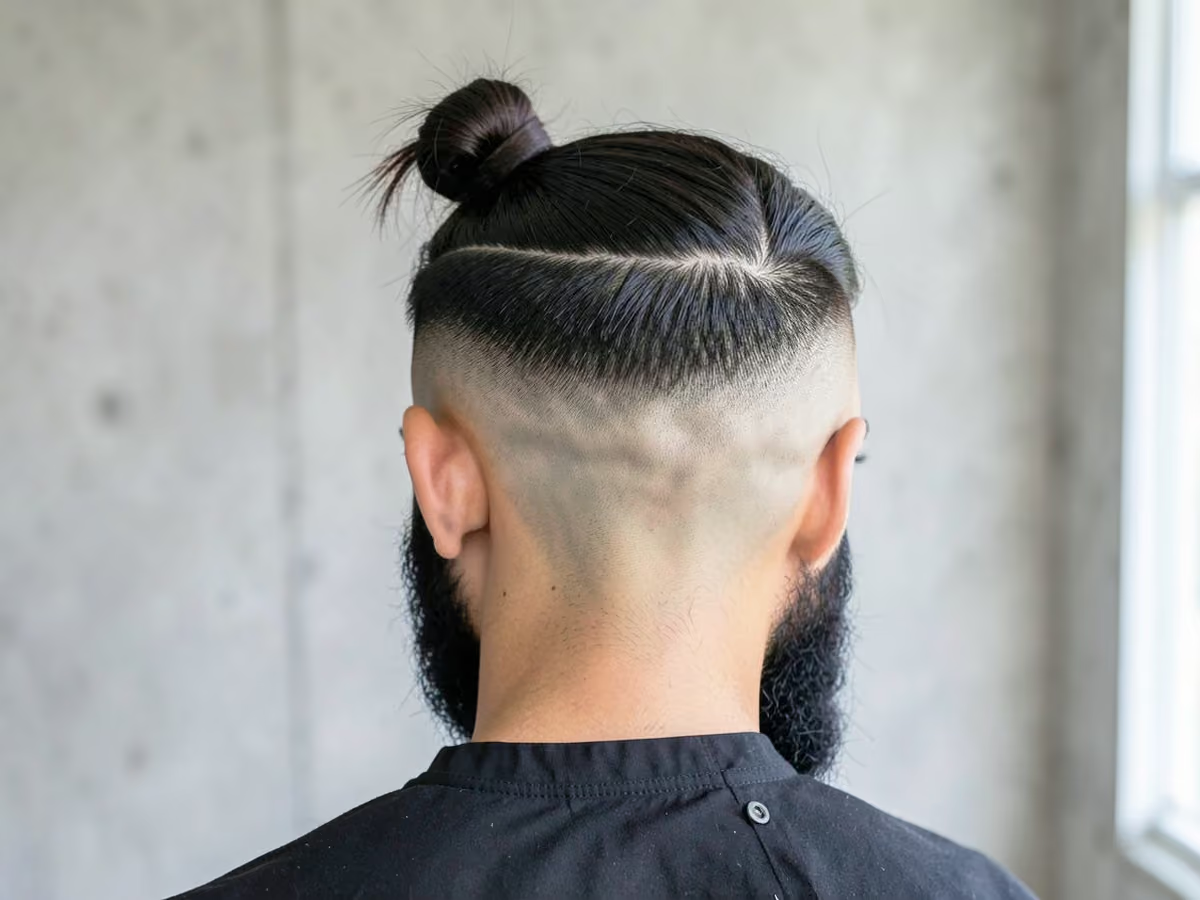
Grow the top past eight inches and it ties into a bun at the crown; underneath, a #1 band wraps the sides and back with a hard step and no fade. Once the hair is up, that band shows as a clean ring around the head, and the bun itself is smaller because there is no side hair in it. The man bun guide compares bun heights.
How to Style at Home
Brush the long top back toward the crown with detangling spray.
Tie the hair into a bun with a soft elastic, leaving it slightly loose.
Tame loose hairs at the hairline with a fingertip of argan oil.
Ask Your Barber
"Keep all the length on top for a bun. Number one on the sides and back up to the parietal ridge, hard step, no blend."
Trim:Every 3 weeks. The short base keeps the knot neat.
Best For:Long, oval faces + straight or thick hair.
About This Style
Only a narrow top panel is grown out for this knot, so six to eight inches is enough, and everything below the step goes to skin or a #0. Because the knot sits right on top of the head and the base is clipped, it stays cool and secure for training and sports. It reaches tying length months sooner than a full-head bun.
How to Style at Home
Pull only the long top section upward and hold it at the crown.
Twist the ponytail into a small knot and secure it with an elastic.
Rub scalp oil over the short sides to keep the skin soft.
Ask Your Barber
"Clip everything below the parietal ridge to a zero with a hard step. Leave six to eight inches on top for a high knot."
Trim:Every 4 weeks. Long hair only needs the ends dusted.
Best For:Oval, long faces + straight or wavy long hair.
About This Style
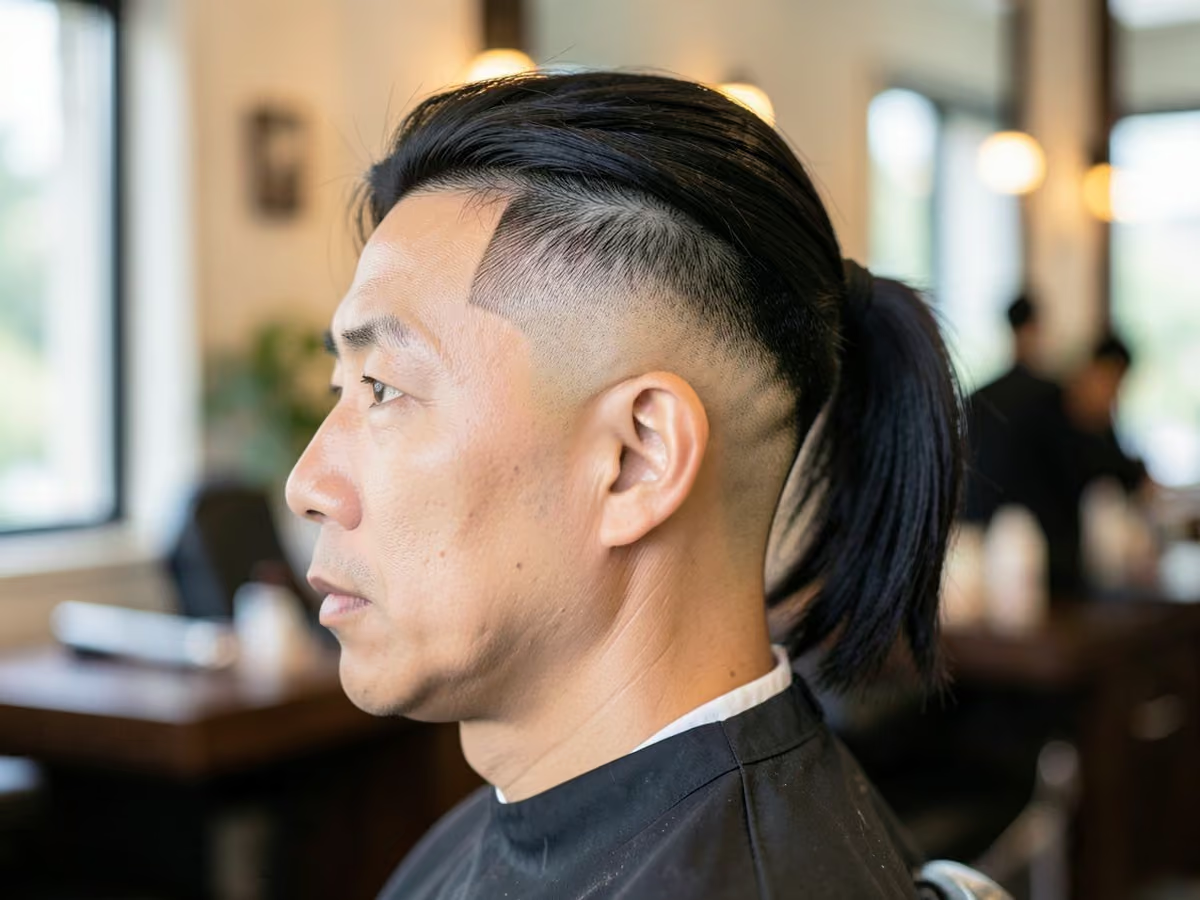
Shoulder-length hair on top is tied low at the nape, with the sides clipped to a #2 underneath and a hard step at the temple. When the hair is down, the short band is almost invisible; tied back, it shows on both sides. It gives long hair a cleaner outline and reduces bulk at the ears. Dust the ends every two months.
How to Style at Home
Work leave-in through the lengths and detangle them with a wide-tooth comb.
Pull the hair back into a low ponytail at the nape.
Flatten stray front pieces with a little styling cream on your palms.
Ask Your Barber
"Keep the top at shoulder length and only dust the ends. Number two on the sides and back with a hard step at the temple."
Trim:Every 3 weeks. The sides need cutting while the back grows.
Best For:Oval, heart faces + wavy, straight or thick hair.
About This Style
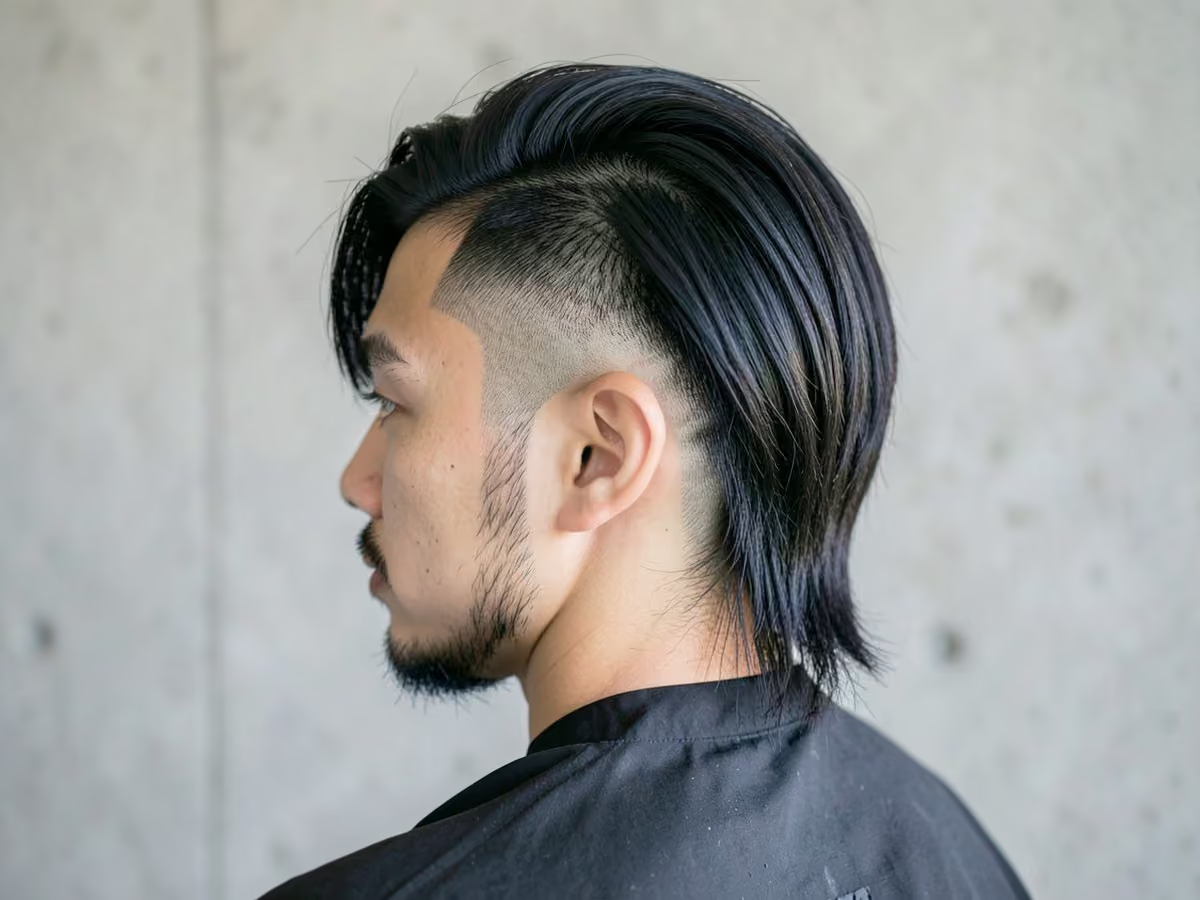
This mullet keeps about three inches at the front, lets the nape grow past the collar, and clips the area above the ears to skin with a hard step to the top. The step splits the short sides from the long back more sharply than a tapered mullet, which reads cleaner from the side. Wavy hair gives the back movement; the modern mullet guide covers nape lengths.
How to Style at Home
Spray sea salt spray through the back while the hair is damp.
Rough-dry with your fingers to give the back a loose texture.
Rub a little matte clay between your palms and press the front forward.
Ask Your Barber
"Mullet with three inches on top, length past the collar at the back, sides clipped to skin above the ears with a hard step."
Trim:Every 3–4 weeks. The bowl line needs evening out monthly.
Best For:Oval, heart faces + straight, thick Asian hair.
About This Style
The top is cut to one length all round into a bowl with a heavy fringe at the brows, and a #1 band sits underneath with a hard step. The bowl covers the step on every side, so the short hair only shows when the top moves or is lifted. Thick, straight hair holds the round outline best; a two block is the softer cousin of this cut.
How to Style at Home
Blow-dry the top down and forward with a round brush.
Smooth the surface with a little matte cream for a soft finish.
Trim stray hairs at the bowl line between visits if needed.
Ask Your Barber
"Bowl cut on top with a heavy fringe to the brows. Number one on the sides and back underneath with a hard step, no blend."
Recommended Products
Matte Cream
Round Brush
Disconnected Undercut for Wavy, Curly and Coily Hair
Texture hides the step more naturally than straight hair, since waves and curls hang over it. These five cuts keep the curl pattern on top. For more curl-specific shapes, see the curly undercut gallery.
Trim:Every 3 weeks. Waves hide regrowth at the step.
Best For:Oval, square faces + 2A to 2C wavy hair.
About This Style
Wavy hair of about four inches is pushed back or to the side on top, and the sides are clipped to a #1 with a clear step. Light layers on top let the waves spring rather than lie flat. The wave pattern makes the step look softer than on straight hair. Air-drying with sea salt spray is usually enough on most days.
How to Style at Home
Mist sea salt spray evenly through damp hair from the roots.
Push the top back or to the side with your fingers to air-dry.
Define the waves with a small amount of styling cream.
Ask Your Barber
"Give me a number one on the sides with a hard step. Four inches on top with light layers so the waves lift, pushed back or to the side."
Trim:Every 2–3 weeks. The rounded top needs shaping.
Best For:Long, oval faces + 4A to 4C coily hair.
About This Style
Coily hair on top is picked out and cut into a rounded shape of three to five inches, and the barber shaves the sides beneath it to skin with a sharp step and a front line-up. With nothing at the sides, the afro reads as a sculpted block on top instead of a full circle. Keep the top lower if your face is long, since height adds length.
How to Style at Home
Moisturize the top with leave-in and a little curl cream.
Pick the afro out from the roots into the shape you want.
Pat the surface with your palms to keep the outline even.
Ask Your Barber
"Shave the sides to skin with a hard step and a line-up. Shape the afro on top to about four inches, rounded and even when picked out."
Trim:Every 2–3 weeks. Retwist the top every week or two.
Best For:Oval, square faces + 4A to 4C coily hair.
About This Style
Two-strand or sponge twists of three to five inches sit on top, and a #0 side runs underneath with a hard step. Longer twists drop over the step when they fall forward and expose it when pushed back, so one cut gives two looks. Retwist the roots every week or two, and keep the sides clipped so the twists frame the face rather than crowd it.
How to Style at Home
Moisturize the top with a leave-in conditioner before twisting.
Twist small sections with curl cream from the roots to the ends.
Wrap the twists at night with a durag or silk scarf.
Ask Your Barber
"Let's go with a number zero on the sides with a hard step and a line-up. Leave four inches on top for two-strand twists."
Trim:Every 2–3 weeks. Retwist the roots every four to six weeks.
Best For:Oval, square faces + 4A to 4C coily hair.
About This Style
Locs on top, from short starters to shoulder length, sit above sides shaved to skin with a clear step. Tied up, the locs show the short band all the way around; worn down, they hang over it. The short sides keep the look tidy as the locs grow. Plan root maintenance every four to six weeks to keep the locs neat.
How to Style at Home
Palm-roll the new growth with loc gel every four to six weeks.
Tie longer locs up or back to show the short sides.
Oil the scalp lightly along the partings between washes.
Ask Your Barber
"Shave the sides and back to skin with a hard step below the locs. Line up the hairline and leave all loc length on top."
Trim:Every 3–4 weeks. The perm lasts about three months.
Best For:Oval, round faces + straight hair that needs curl.
About This Style
Straight hair on top is permed into loose curls or waves, then cut with a hard step over sides clipped to a #1. The perm adds volume and texture that straight hair lacks, and the short sides keep the shape from getting wide. It is common in Korean and Asian barbershops. Plan on re-perming every three months or so.
How to Style at Home
Squeeze curl cream into the damp permed top to set the pattern.
Hold the diffuser still under each section on low heat until dry.
Separate the curls with your fingers once fully dry.
Ask Your Barber
"Number one on the sides with a hard step. Four inches on top permed into loose curls so it sits full and textured."
Recommended Products
Curl Cream
Disconnected Undercut by Hair Type and Audience
These four cuts adjust the step and top for straight hair, thin hair, Asian hair and teenagers. Each card names the top length and side guard that suit that hair best.
Trim:Every 2–3 weeks. Thick straight hair pushes out at the sides.
Best For:Oval, round faces + straight, thick Asian hair.
About This Style
Dense, straight Asian hair is left at about four inches on top and worn as a side fringe or brushed up, while a #1 side with a hard step sits beneath. That kind of hair tends to push outward at the sides as it grows, so clipping them short keeps the outline narrow. Compared with the hidden step of a two block, this one stays visible.
How to Style at Home
Point the dryer nozzle downward and dry the fringe toward one side.
Spread a fingertip of matte paste through the dry top for light hold.
Spray thickening spray at the roots if the top lies flat.
Ask Your Barber
"I'm after a number one on the sides with a hard step. Four inches on top, texturized so it falls to one side as a fringe."
Trim:Every 3 weeks. Short tops make thin hair look denser.
Best For:Oval, square faces + fine or thinning hair.
About This Style
Fine hair cannot hold a long top over a big step, so the top is kept at two to three inches with texture, and the sides go to a #1. The short sides reduce contrast with a thin top, so it looks fuller. Avoid slicking it back, which shows scalp. Texture powder at the roots adds grip and lift.
How to Style at Home
Dust texture powder into dry hair at the roots across the top.
Push the top forward or to the side with your fingertips.
Avoid heavy pomades that weigh fine hair down and show scalp.
Ask Your Barber
"Could I get a number one on the sides with a hard step. Keep the top at about two and a half inches, texturized so it looks fuller."
Trim:Every 2–3 weeks. Straight hair shows the step clearly.
Best For:Oval, square faces + straight, medium-thick hair.
About This Style
Straight hair shows the cleanest step of any type, because it hangs evenly over the sides without bending. Keep the top at four to five inches so it can be combed back, parted or worn forward. The sides at a #1 or #2 give enough contrast. Straight hair also falls flat easily, so blow-drying is needed for any lift.
How to Style at Home
Blow-dry the top back or to the side at the roots for lift.
Comb light pomade through for a neat finish.
Use a fine comb to keep the part line straight.
Ask Your Barber
"I'd like a number one on the sides with a hard step. Four and a half inches on top so I can slick it back or wear it to the side."
Trim:Every 3–4 weeks. A #2 side grows out slowly for school.
Best For:Teens + straight, wavy or thick hair.
About This Style
Teenagers get a gentler setup here: sides at a #2, a low to mid step, and a three-inch top that can be pushed forward or to the side. It looks current without the upkeep of bare skin, and it usually fits school dress codes. Check the school rules first if your teen wants a shaved line. More cuts are in our teenage guys haircuts guide.
How to Style at Home
Push the top forward with a pinch of matte clay each morning.
Rinse product out at night to keep the scalp clean.
Book a quick side clean-up between full cuts if needed.
Ask Your Barber
"Can you do a number two on the sides with a hard step at the temple. Three inches on top, texturized so it can go forward or to the side."
Recommended Products
Matte Clay
Disconnected Undercut with Beard or Design
A beard or a design changes how the short sides read. These four cards pair the hard step with facial hair or a cut line. See our hair designs gallery for more patterns.
Trim:Every 2–3 weeks. Trim the stubble every few days.
Best For:Round, oval faces + straight or wavy hair.
About This Style
Stubble on the jaw is kept at the same length as the #1 sides, so short hair runs from temple to chin in one even shadow while the long top sits above the step. It sharpens the jawline with very little beard work. Two to three millimetres on the trimmer gives the closest match to the sides.
How to Style at Home
Run a beard trimmer at two to three millimetres over the jaw twice a week.
Clean the neckline just above the Adam's apple with a trimmer.
Rough up the long top with a pinch of matte clay for texture.
Ask Your Barber
"Let's go with a number one on the sides with a hard step, matched to my stubble at the sideburns. Four inches on top and clean up my neckline."
Trim:Every 2–3 weeks. The beard needs shaping every month.
Best For:Oval, long faces + thick or coarse hair.
About This Style
Weight at the jaw from a full beard of an inch or more balances a long top over a hard step. A short fade at the sideburns links the #1 sides to the beard, so nothing breaks between cheek and temple. This pairing helps long faces, because the beard widens the lower half. Slicking the top back shows the step and the beard together.
How to Style at Home
Massage beard oil into the skin under the beard after showering.
Brush the beard downward and outward to keep the chin rounded.
Slick the top back with pomade to show the step.
Ask Your Barber
"I'm after a number one on the sides with a hard step, faded into my beard at the sideburns. Shape the beard at an inch and a half, rounded at the chin."
Trim:Every 2 weeks. The shaved part line fades within a week.
Best For:Oval, square faces + straight or thick hair.
About This Style
Along the natural part, a shaved line runs from the front hairline back toward the crown, with the top combed away from it and the sides at a #1 with a hard step. The part line and the step create two sharp edges on the same side of the head. It needs the part re-shaved often, since it softens within a week.
How to Style at Home
Comb the top away from the shaved part while damp.
Work light pomade through the top for a neat hold.
Avoid rubbing the part line with a towel while it is fresh.
Ask Your Barber
"Could I get a number one on the sides with a hard step, and a shaved hard part on the left. Four inches on top combed across."
Trim:Every 1–2 weeks. Designs blur as hair regrows.
Best For:Oval, square faces + coily, thick or straight hair.
About This Style
Curved or straight lines are cut into the short sides with a trimmer, often tracing the hard step or sweeping back from the temple. For contrast, the sides need a #1 or #2; on bare skin the lines vanish. Lines like these soften in roughly seven days, which makes them a good fit for a wedding, a match day or anyone already booked in weekly.
How to Style at Home
Keep hats off the design for the first day so the lines stay clean.
Keep the short sides moisturized with a few drops of scalp oil.
Ask for the lines to be re-cut at your next side clean-up.
Ask Your Barber
"Number one on the sides with a hard step and two curved lines cut from the temple back toward the crown. Four inches on top."
Recommended Products
Scalp Oil
Matte Clay
How Do You Ask Your Barber for a Disconnected Undercut?
Give four details: the side length (skin, #0, #1 or #2), where the step should sit (temple, parietal ridge or lower), whether the bottom of the sides should fade, and how long the top stays. A #1 leaves 1/8 inch and a #2 leaves 1/4 inch; our clipper guard numbers chart lists every size. Say the words no blend so the barber does not soften the line out of habit.
Show a photo with the top lifted so the step is visible, and a second with the top styled the way you plan to wear it. If you want the option to hide the step, ask the barber to leave the top long enough to cover the sides by at least half an inch. The guide on how to talk to your barber has more tips for the chair.
Clipper Guards Used in Disconnected Undercut Styles
A clipper guard is the plastic comb that clips onto the blade and sets how much hair is left: a #1 leaves 3 mm (1/8 inch), each step up adds about 3 mm. The right column lists the cards on this page that call for each guard. See the full clipper guard numbers guide for the complete chart.
Clipper guard sizes for disconnected undercut styles
How Do You Style and Maintain a Disconnected Undercut?
Most of the work is on the top. Blow-dry it in the direction you plan to wear it, then use pomade for shine or matte clay for texture; the pomade vs clay vs wax guide compares them. Pushing the top back shows the step, while combing it forward or to the side hides most of it. Fine hair holds shape better with thickening spray at the roots before drying.
Short sides grow about 1/8 inch a week, so the step starts to soften after two weeks and blurs into a regular undercut by week four. Book a side clean-up every two to three weeks and a full cut every four to six. The top can be left to grow if you are heading for a man bun or ponytail; just keep the sides short so the disconnection stays clear.
Which Disconnected Undercut Is Right for You?
Pick your hair type and how much upkeep you will put in. The matches below come from the Best For and Maintenance notes on each card. Upkeep follows the Maintenance badge: low means a cut every 3 to 6 weeks and almost no daily styling, high means weekly line-ups or daily product.
Q1: What is the difference between an undercut and a disconnected undercut?+
Both skip the blend between the sides and top. A disconnected undercut makes the length gap bigger and usually places the line higher, so a clear step shows when the top is lifted. A standard undercut can have a smaller gap, such as a #2 on the sides under a two-inch top, which looks softer.
Q2: How long does hair need to be for a disconnected undercut?+
The top needs at least three inches to hang over the sides and make the step obvious. Four to six inches gives the most styling options, from a slick back to a quiff. For a man bun or ponytail version, you need six to eight inches or more on top.
Q3: Can you have a disconnected undercut with a fade?+
Yes. The barber fades the bottom of the sides from skin up to the undercut length, then stops with a hard step where the top begins. This keeps the neckline clean as it grows and makes the cut look tidier at work, while the disconnection at the top stays sharp.
Q4: Is a disconnected undercut professional?+
It can be. Comb the top down or to the side and it hides most of the step, so the cut looks like a neat side part from the front. A #2 on the sides reads more conservative than bare skin. If your workplace has a grooming policy, check it before going to skin.
Q5: How often should you trim a disconnected undercut?+
Clean up the sides every two to three weeks to keep the step crisp, since regrowth softens the line quickly. The top only needs a cut every four to eight weeks, depending on how long you want it. Some men buzz the sides at home between visits with the same guard.
Q6: Does a disconnected undercut work on curly hair?+
Yes, and curls hide the step naturally when they hang over the sides. Ask the barber to cut the top dry so you see the real curl length, and leave a little more length than you would on straight hair. Our curly undercut guide covers curl-specific versions.