

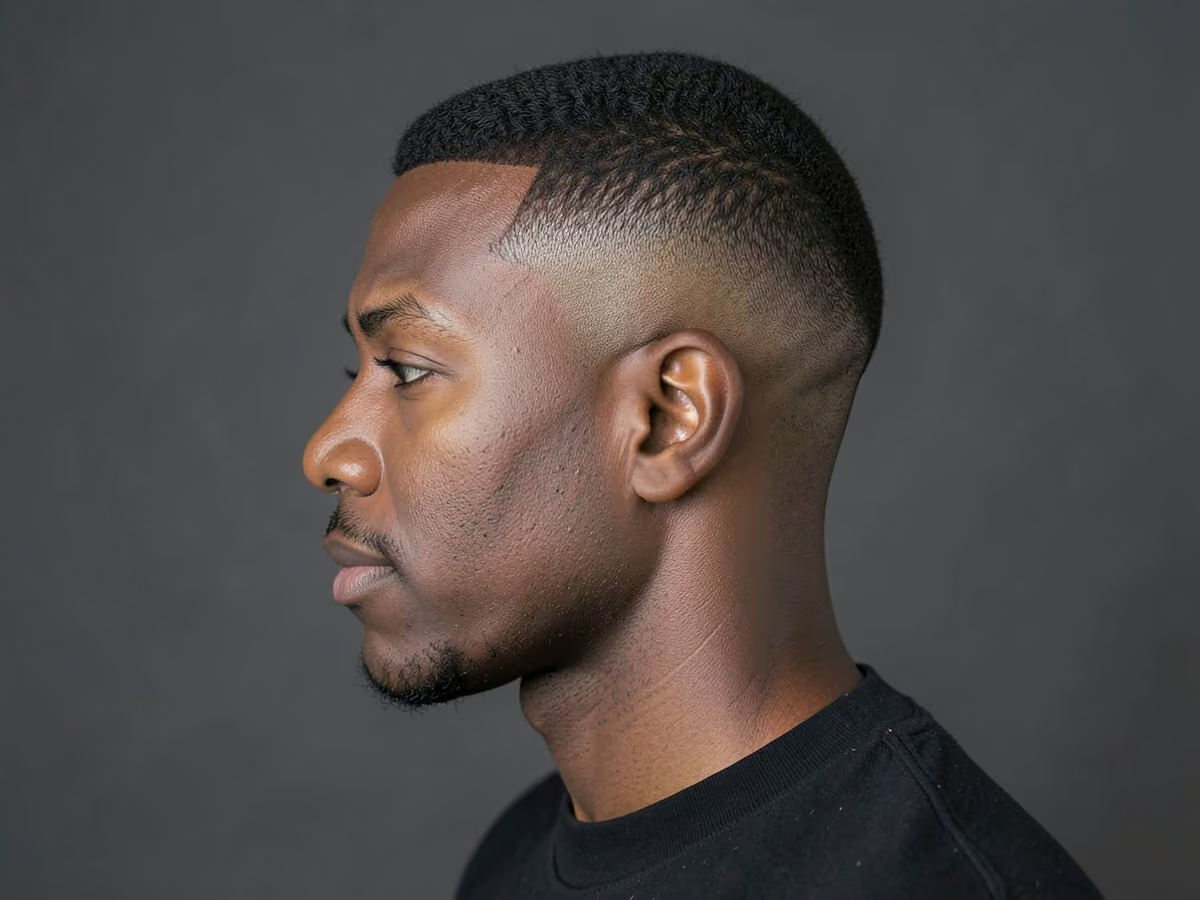
Quick answer: Fades and tapers for men are both clipper gradients: a fade runs from very short or bare skin up to longer hair, and a taper does the same only at the sideburns and neckline. This hub sorts every fade by where it starts (low, mid, high, drop, burst, temple), how to ask for one and fix a bad one.
Style images are AI-generated illustrations.
Fades and tapers for men are the backbone of modern short hair: a smooth gradient from short to long that sharpens almost any cut. This hub brings together every fade and taper guide on the site: the individual fade types, how to choose and ask for one, what they cost, and how to fix the things that go wrong. Start here and branch into whichever fade fits your hair and lifestyle.
Fade & Taper Types
Skin Fade
Skin fade (bald fade) haircuts for men: 75 styles that blend down to bare skin, low to high, with barber scripts and a touch-up every one to two weeks.
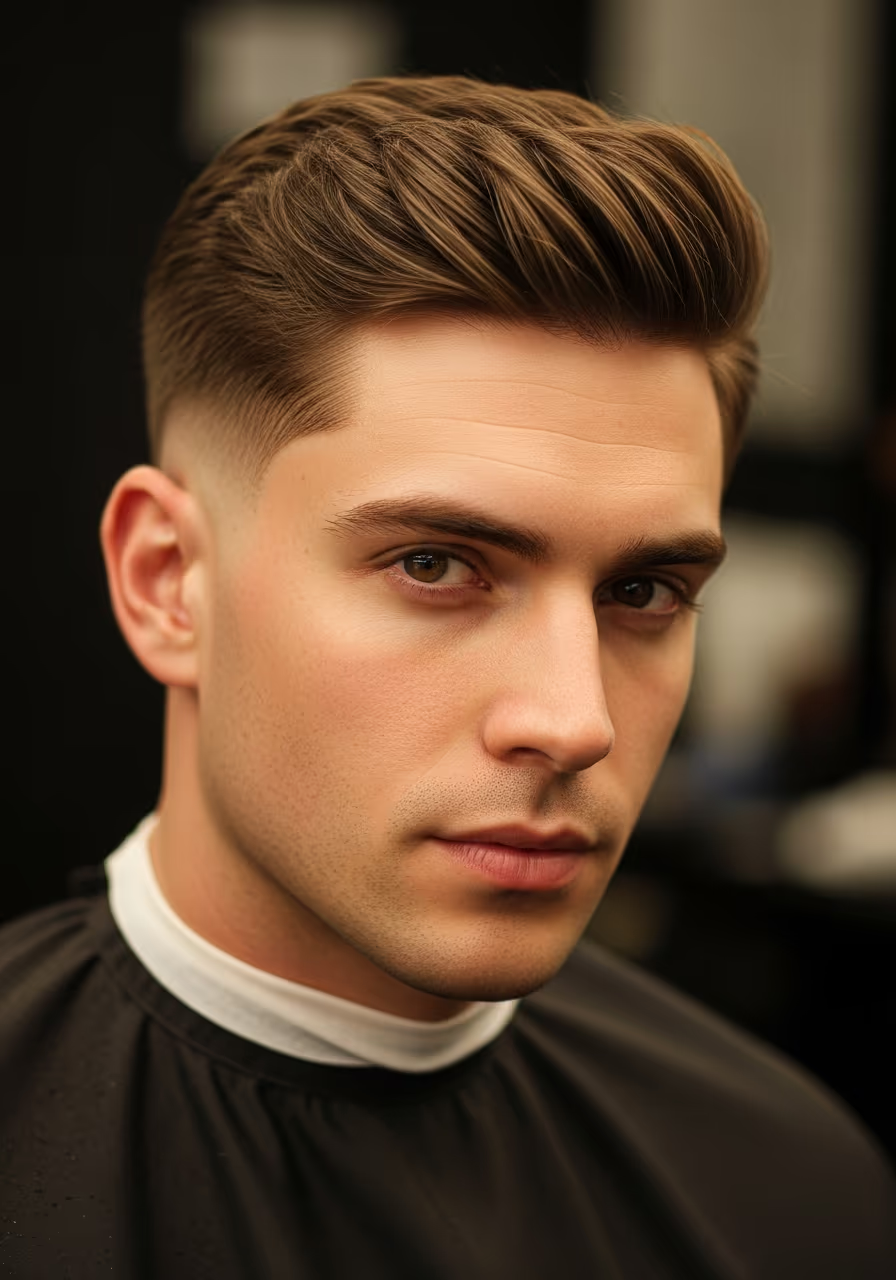
Low Taper Fade
Low taper fade haircuts for men: 50 styles that blend from a #0.5 or #1 above the ear without going to skin, with barber scripts and 3–4 week upkeep.
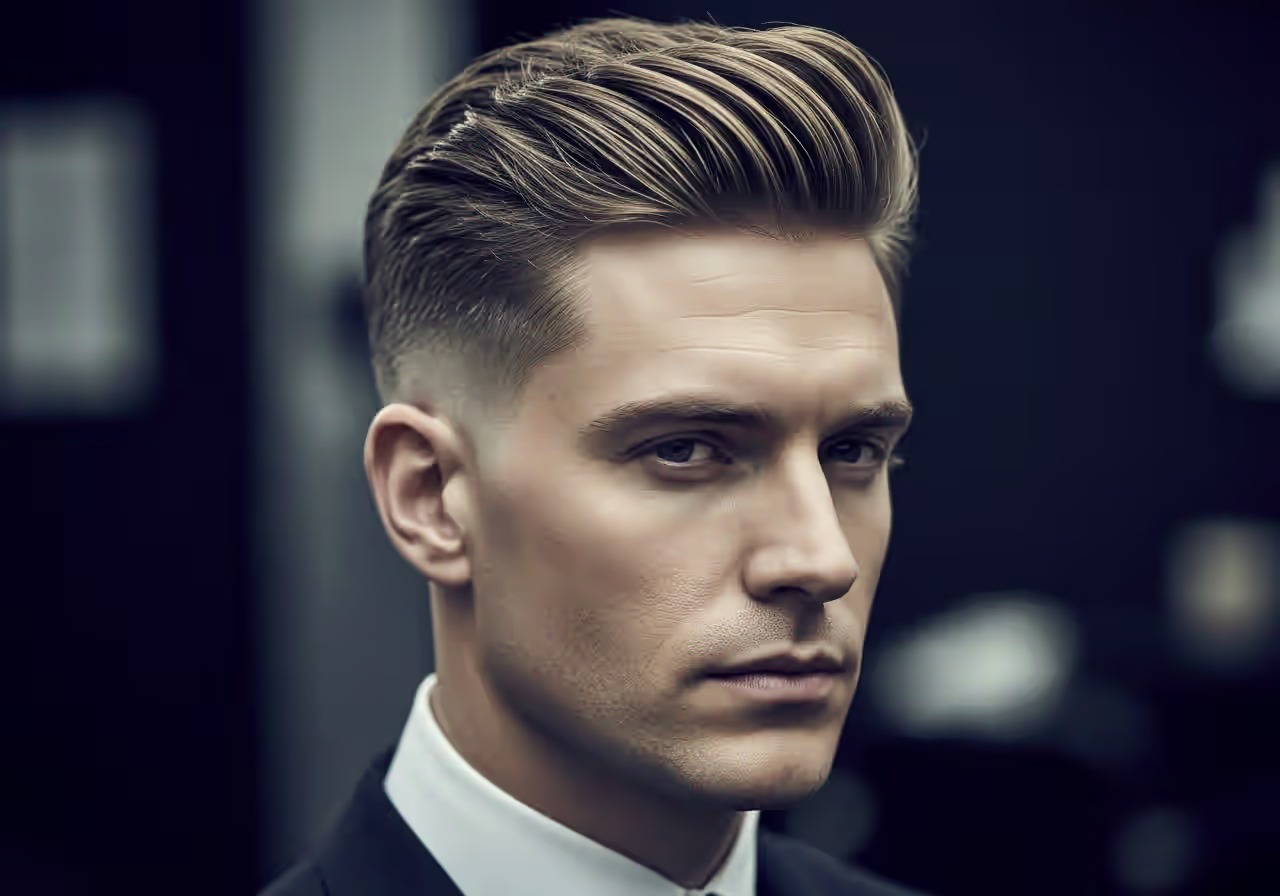
Medium Taper Fade
Medium taper fade haircuts for men: 35 styles that start the blend at temple height for balanced, office-friendly contrast, with barber scripts.
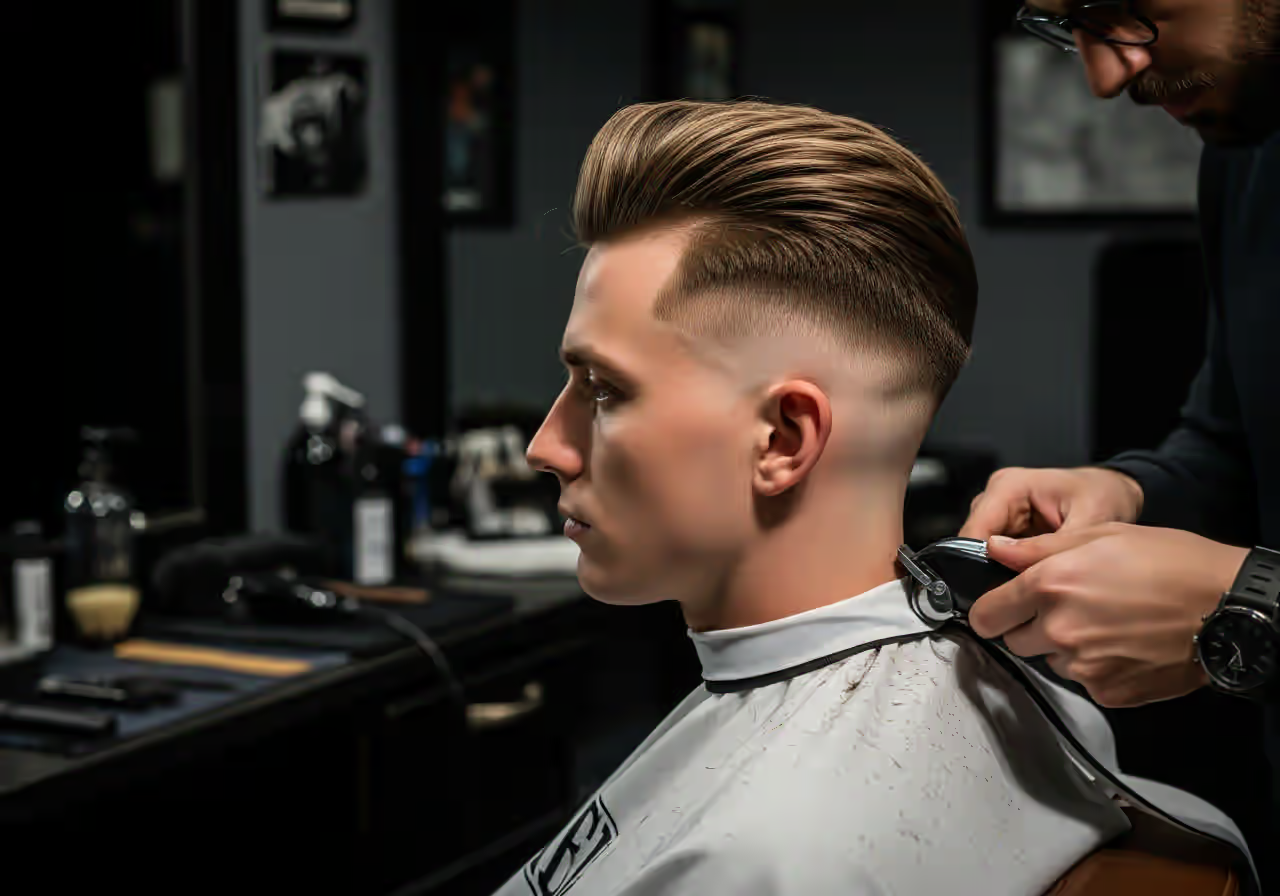
High Taper Fade
High taper fade haircuts for men: 35 styles that start the blend above the temples for the sharpest contrast, with barber scripts and 1–2 week upkeep.

Drop Fade Haircut
Drop fade haircuts for men: 35 styles where the fade curves down behind the ear, step-by-step barber instructions, and a cleanup every two weeks.

Burst Fade Haircut
Burst fade (round fade) guide for 2026: 56 styles that curve around the ear, for every face shape and hair type, plus exactly what to ask your barber.

Temple Fade Haircut for Men
Discover the 46 best temple fade haircuts for men in 2026: low, mid, high, bald temp, plus waves, afro, twists, blowout, beard, and Brooklyn fade styles.
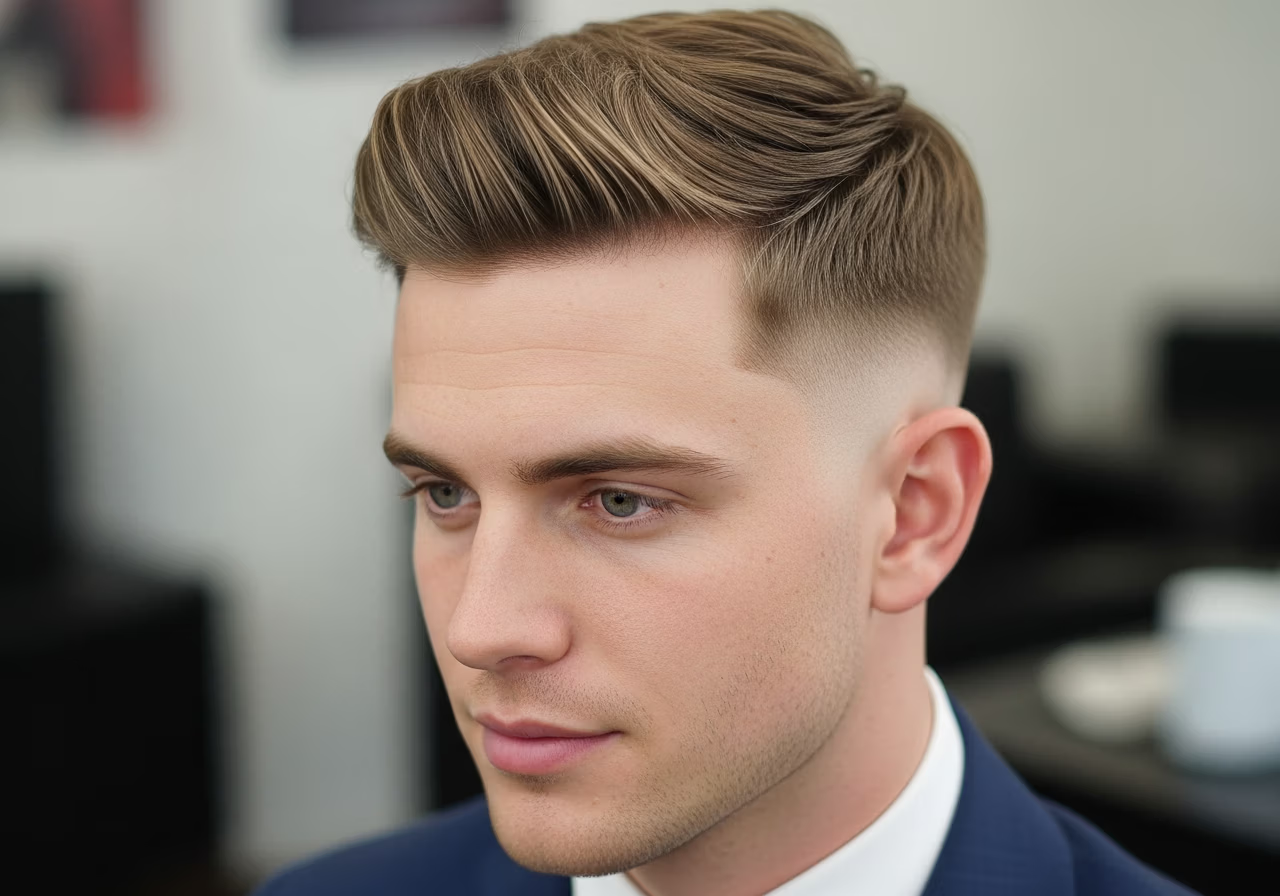
Taper Fade Haircut
What a taper fade is, how low, mid and high tapers differ, which suits your face and hair, and the guard numbers to ask your barber for.
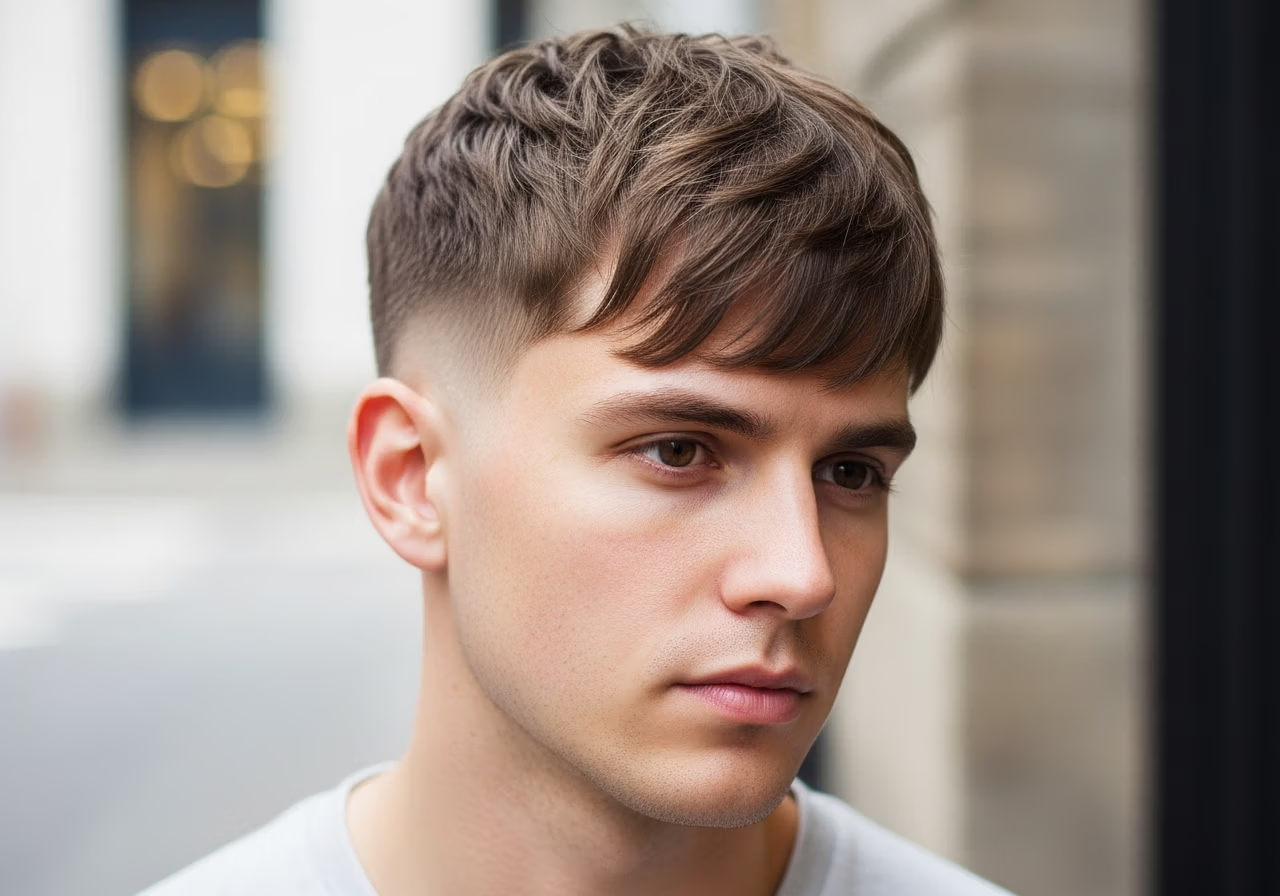
Low Fade Haircut
A low fade starts just above the ears and neckline. See how it differs from a low taper, who it suits, styles on top and the guard numbers to ask for.
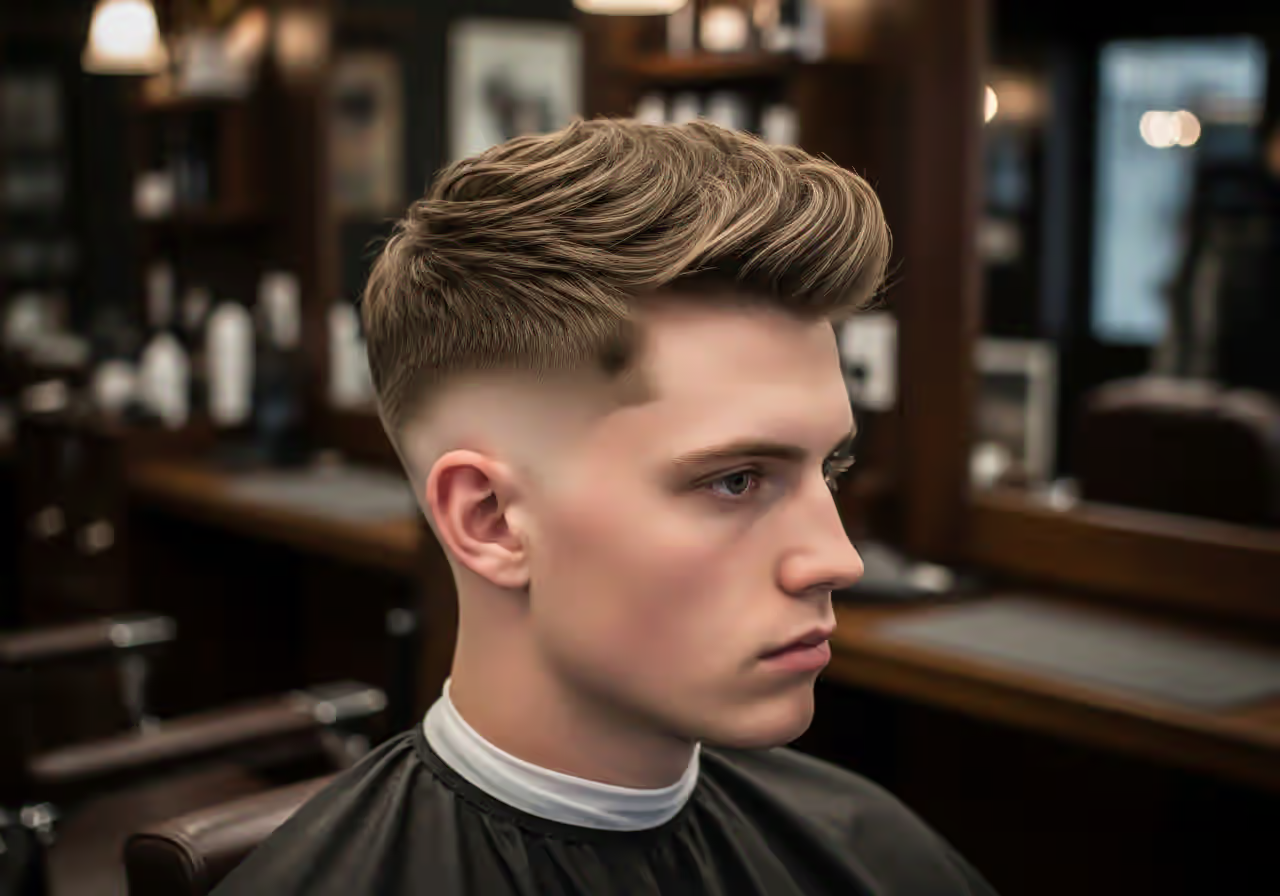
Mid Fade Haircut
A mid fade starts at the temple for balanced contrast. Learn how it compares to low and high fades, who it suits, top styles and what to ask for.

High Fade Haircut
High fade haircut guide: where it starts, guard numbers, upkeep and 40 styles from textured crops to locs, with what to ask your barber.

High Top Fade Haircuts for Men (Curly & Straight)
High top fade haircuts for men: 48 flat-topped, box-shaped styles over sharp fades, why curly or coily hair holds best, and fortnightly barber visits.

Curly High Top Fade Haircuts for Men
Curly high top fade haircuts: 40 tall, flat-topped styles over faded sides for 3A–4C hair, and why you need about 6 inches of stretched length to start.
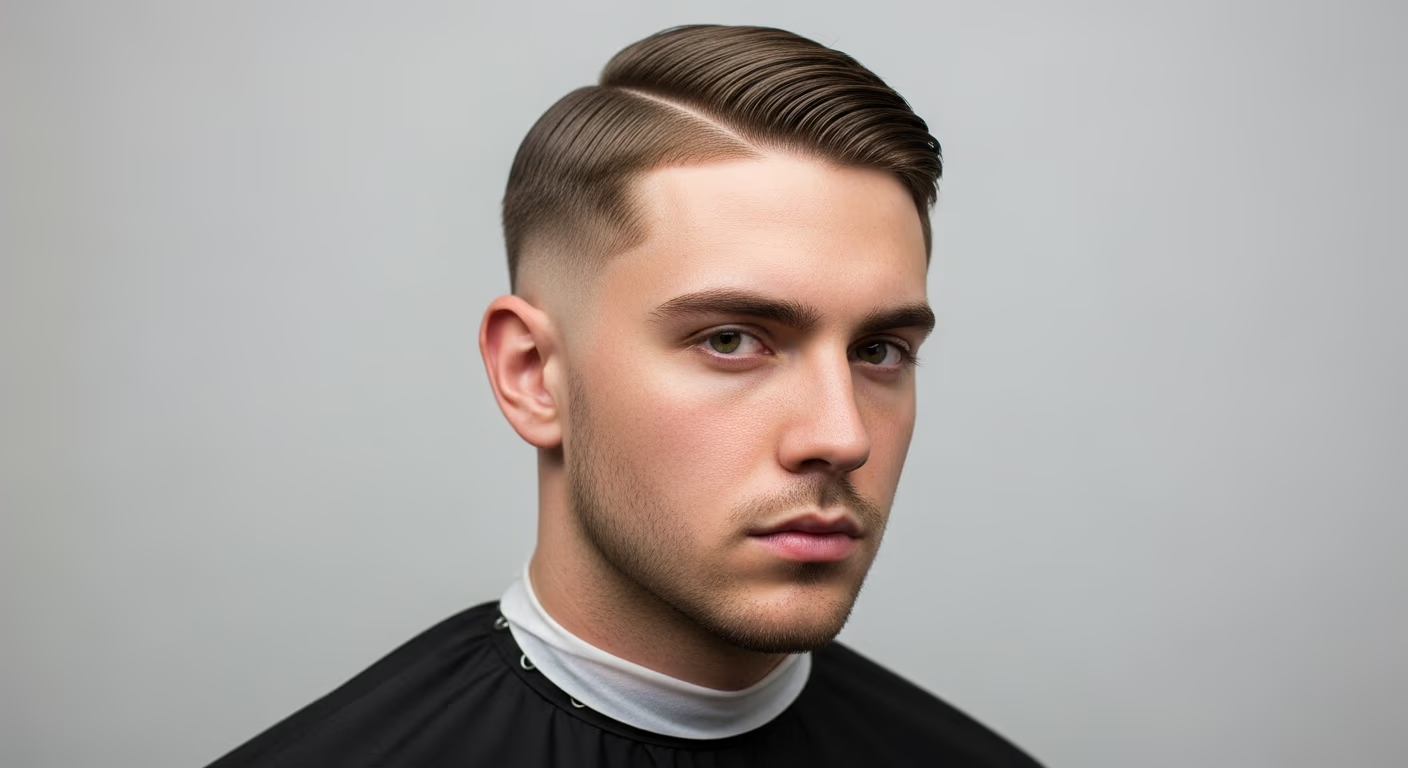
Low Skin Fade with Side Part Combo
The low skin fade with a side part: 43 styles with skin just above the ear, 3–4 inches on top and a razored part line, subtle enough for most offices.

Slick Back Undercut
Complete 2026 slick back undercut guide for men: 35 variations from classic gangster and modern corporate to skin fade, disconnected, platinum, punk.
Understanding & Asking for a Fade
Fade Types Explained
Low, mid, high, taper, drop, burst and skin fades explained in plain English: where each one starts, how short it goes, who it suits and how to order it.
What Does 'Blend' Mean at the Barbershop?
What 'blend' means at the barbershop: a smooth transition between lengths with no visible line, how it differs from a fade or taper, and why it matters.
How to Ask for a Fade Without Knowing the Terminology
No barbershop vocabulary? How to describe the fade you want in plain English, using photos, pointing and a few simple phrases that work.
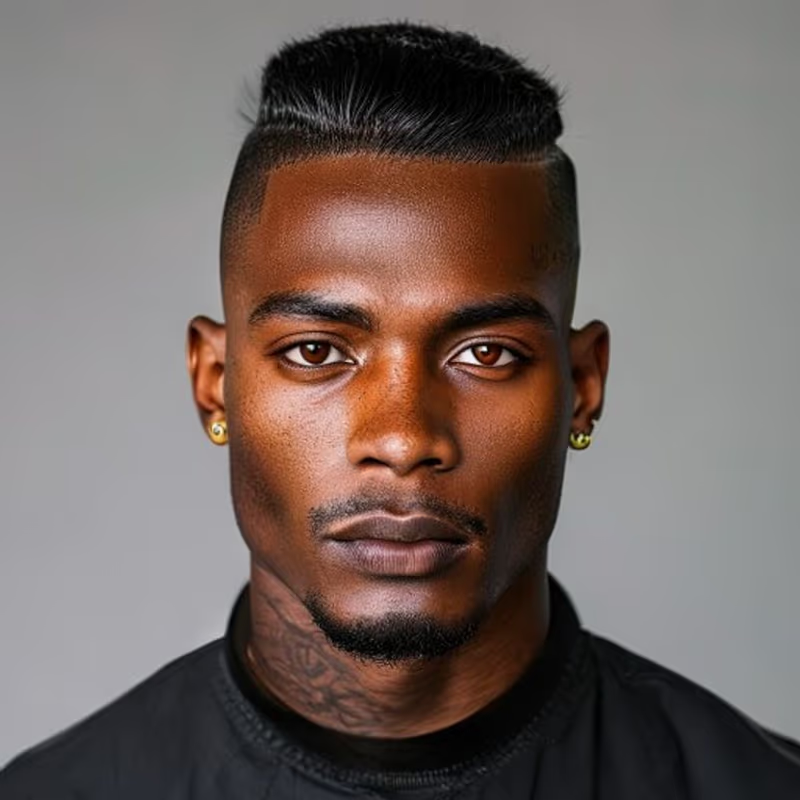
Line-Up vs Edge-Up
Line-up, edge-up, shape-up: what these barbershop terms actually mean, whether there's any real difference, and how to ask for the one you want.
How Much Does a Skin Fade Cost? (2026 Price Guide)
What a skin fade costs in 2026: typical price range, why it costs more than a basic cut, the real monthly cost once you factor in upkeep.
Fixing Fade Problems

Taper Fades That Work Best on Coily Hair
The best taper fades for coily 4C hair: why coily texture fades differently, which taper heights hold up, and how to keep the line sharp.

Blowout Taper
Blowout taper haircut guide: what it is, taper heights, how to blow-dry it and 35 styles for straight, curly and coily hair, with what to ask.
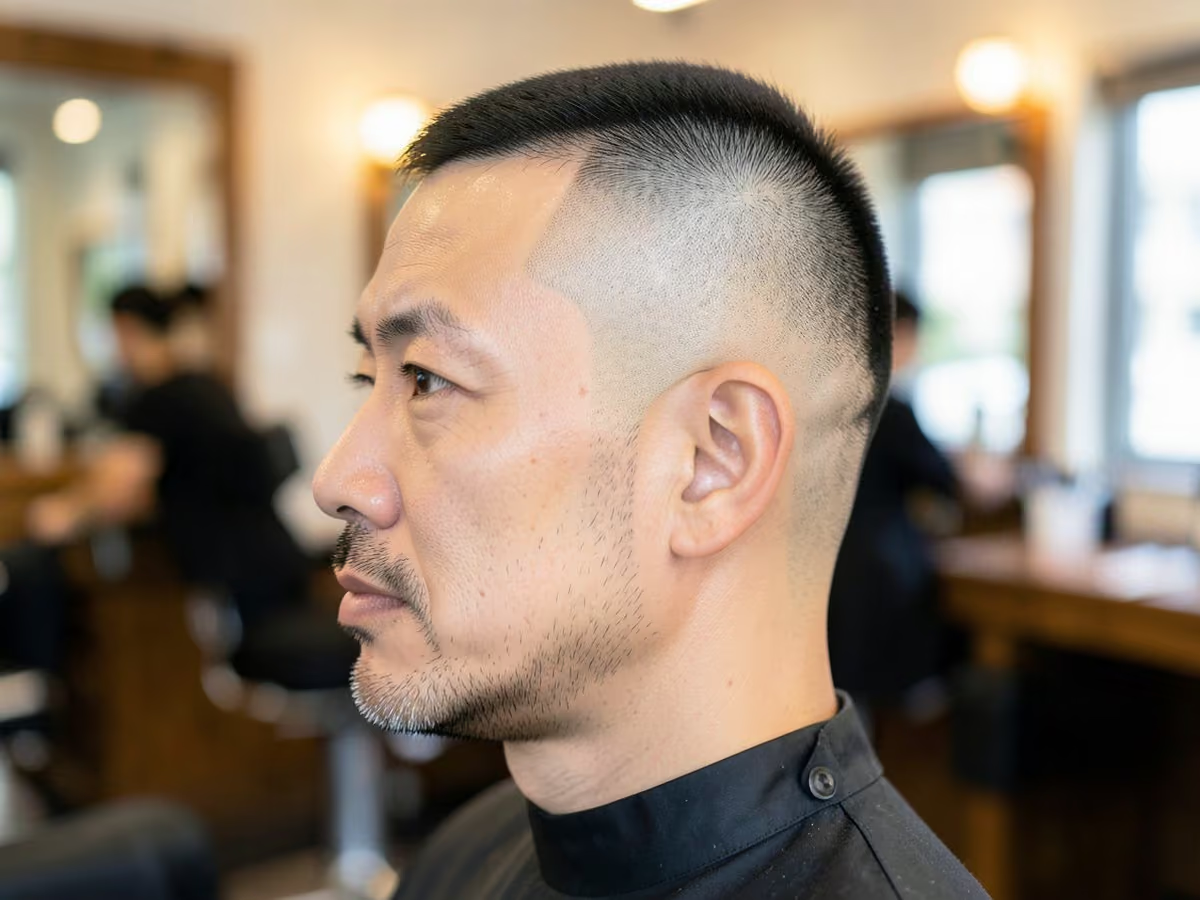
Boosie Fade
Boosie fade guide: what the high bald fade is, where the name comes from, how it differs from other fades, and 15 styles with what to ask for.
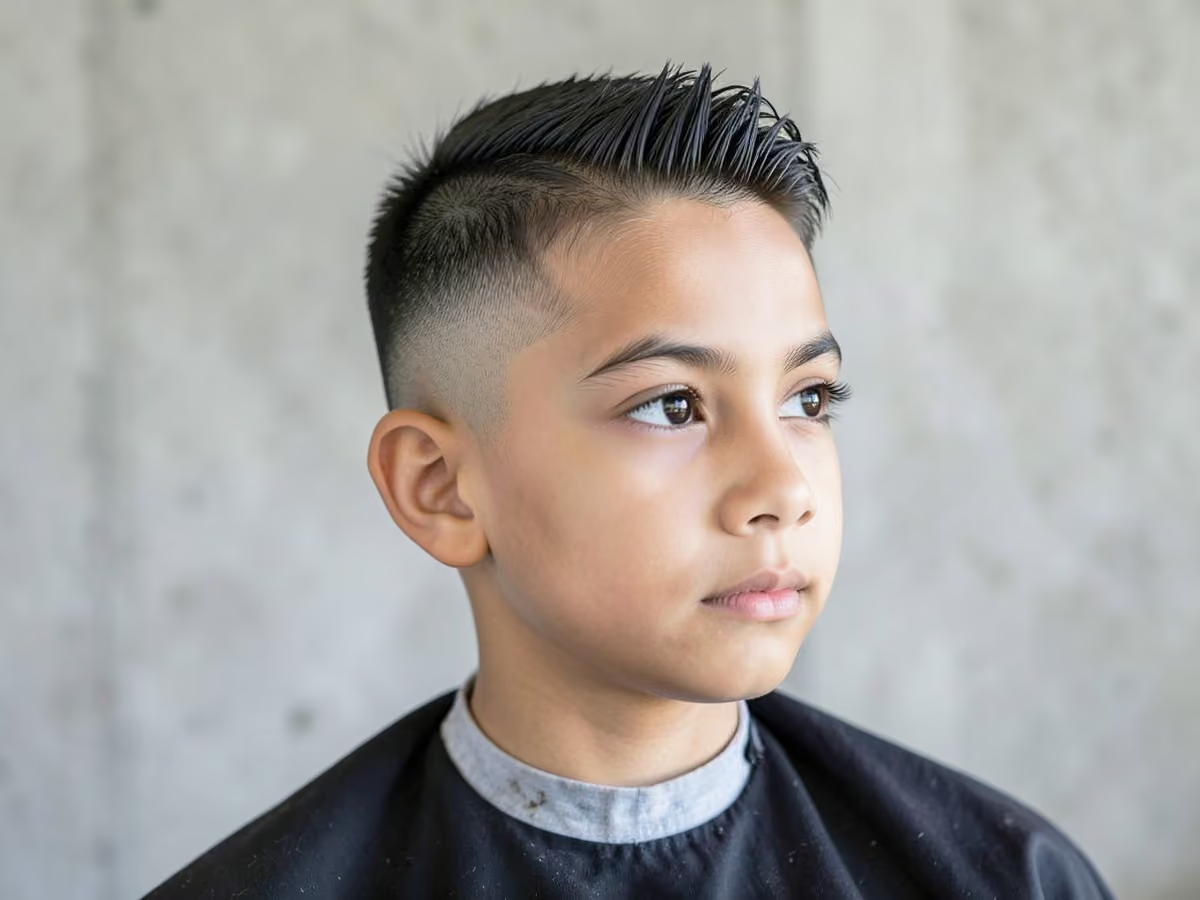
Boys Fade Haircuts
Boys fade haircuts by height and top style: 30 kids fades from low tapers to curly tops, with guard numbers, trim schedules and words for the barber.
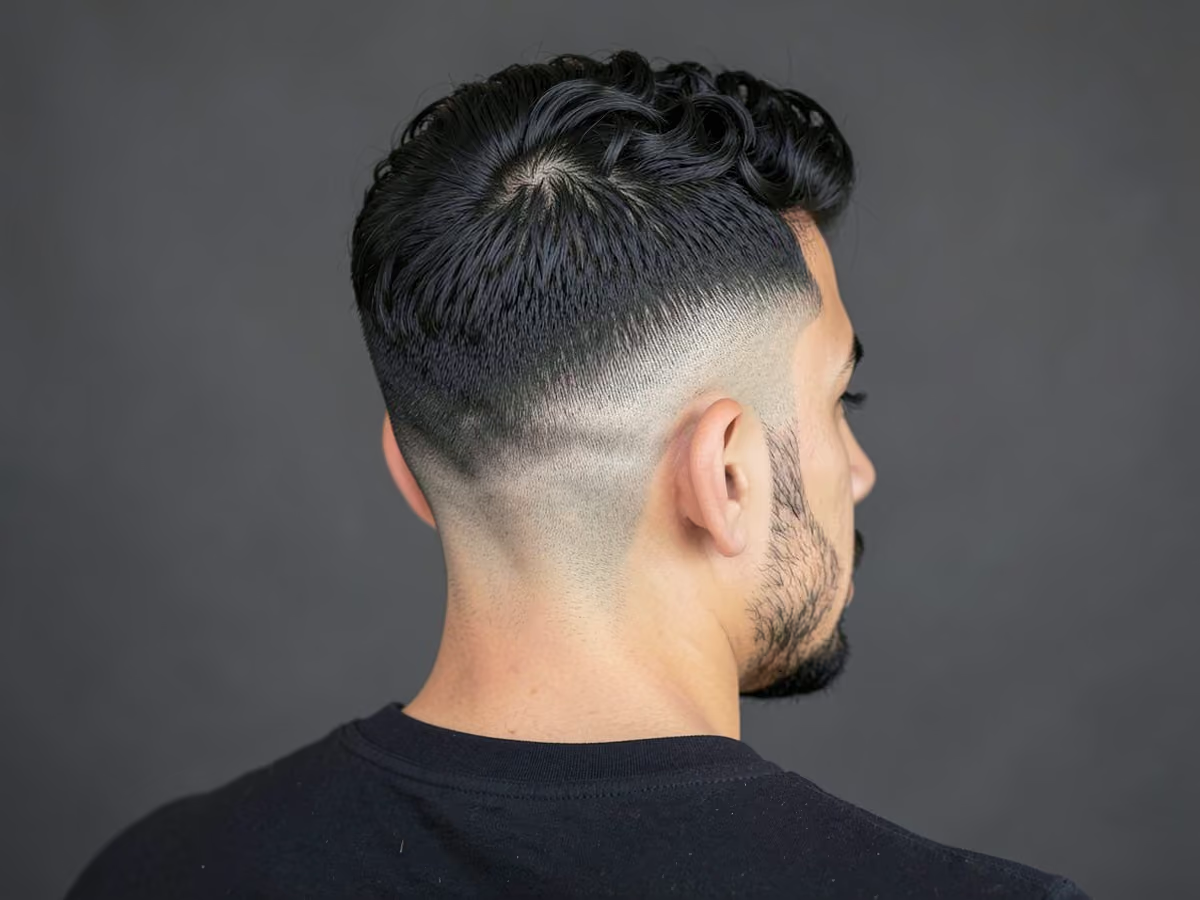
Curly Hair Fade
Curly hair fade guide: 35 fades for curls and coils, from low tapers to skin fades, with guard numbers, top lengths and what to ask your barber.
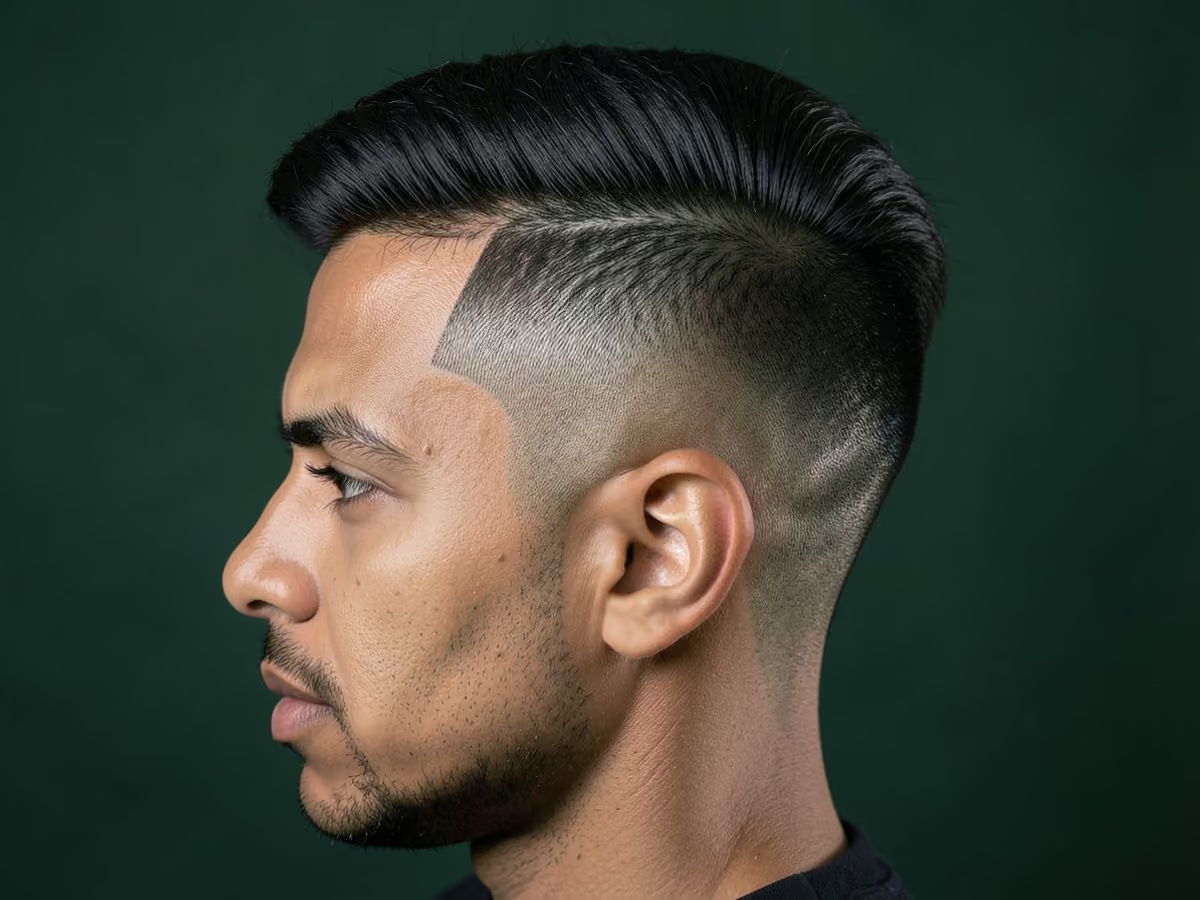
Disconnected Undercut
Disconnected undercut guide: what the hard step is, guard numbers, upkeep and 30 styles from quiffs to man buns, plus what to ask your barber for.
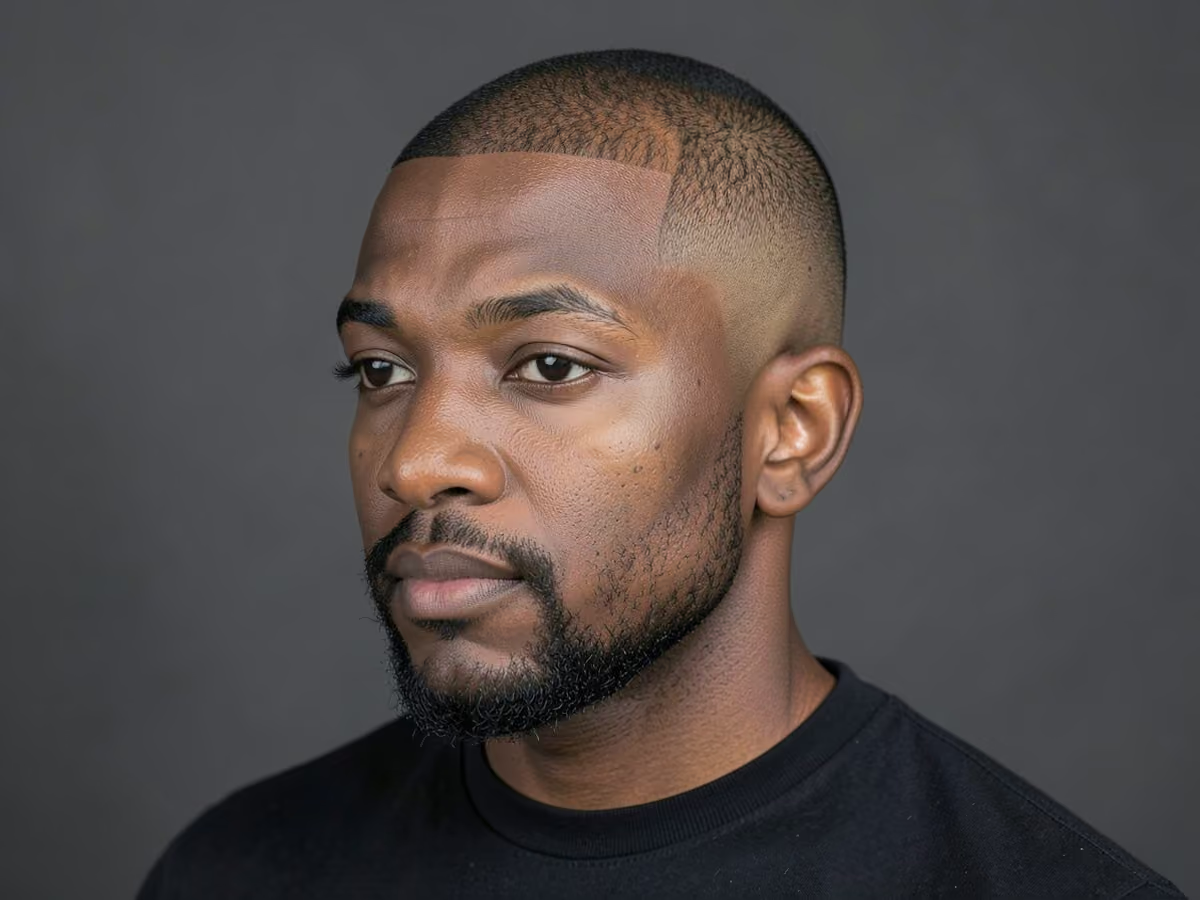
Fades for Black Men
Fade haircuts for Black men: 40 styles from bald fades and low cuts to coils, locs, afros and beards, with guard numbers and how to ask.
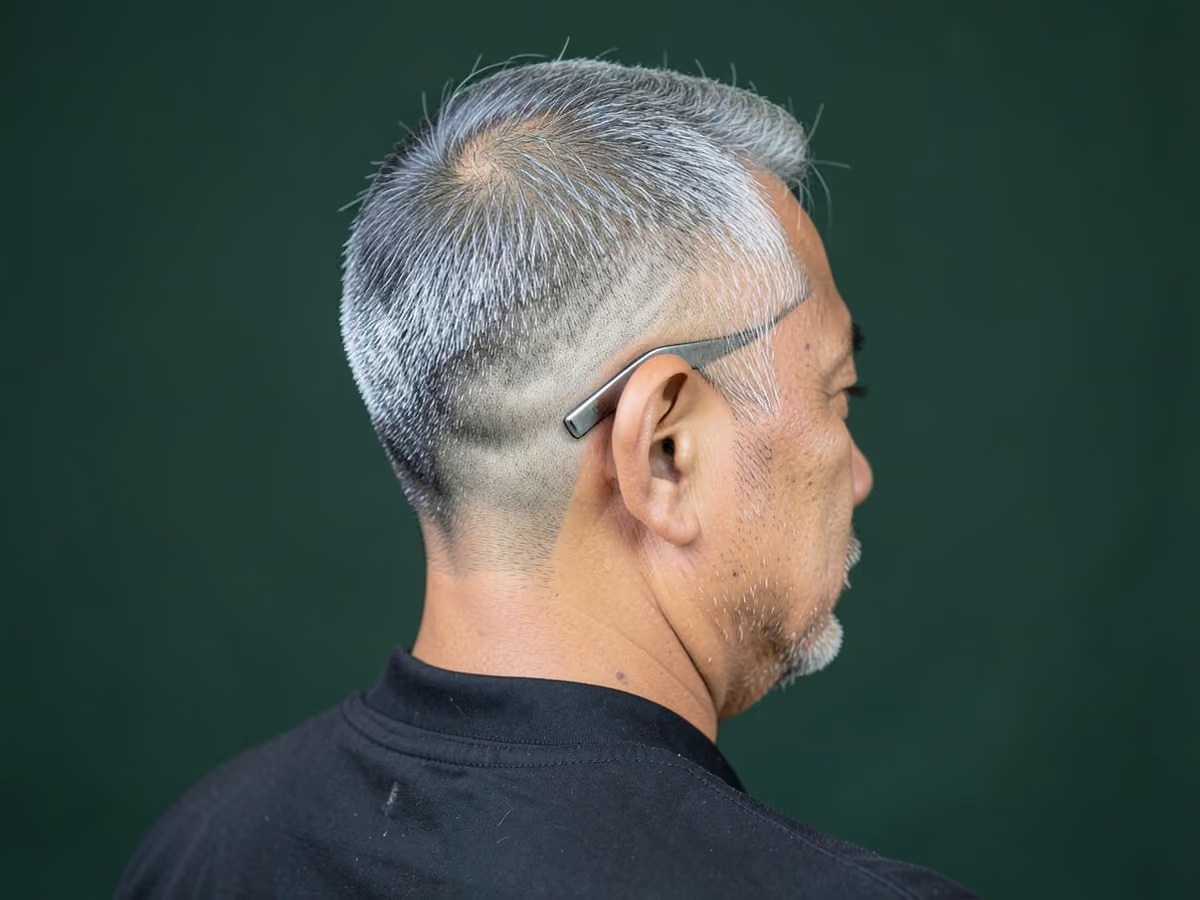
Low Skin Fade
Low skin fade haircut guide: where it starts, guard numbers, upkeep and 30 styles from buzz cuts and crops to curls, waves and beard pairings.

Mohawk Fade
Mohawk fade haircut guide: 35 styles from low and mid fades to burst, South of France and curly mohawk fades, with guard numbers and barber scripts.

Razor Fade
Razor fade guide: how a fade finished with a straight razor differs from a skin or bald fade, who suits it, razor bump risks, and 20 styles.
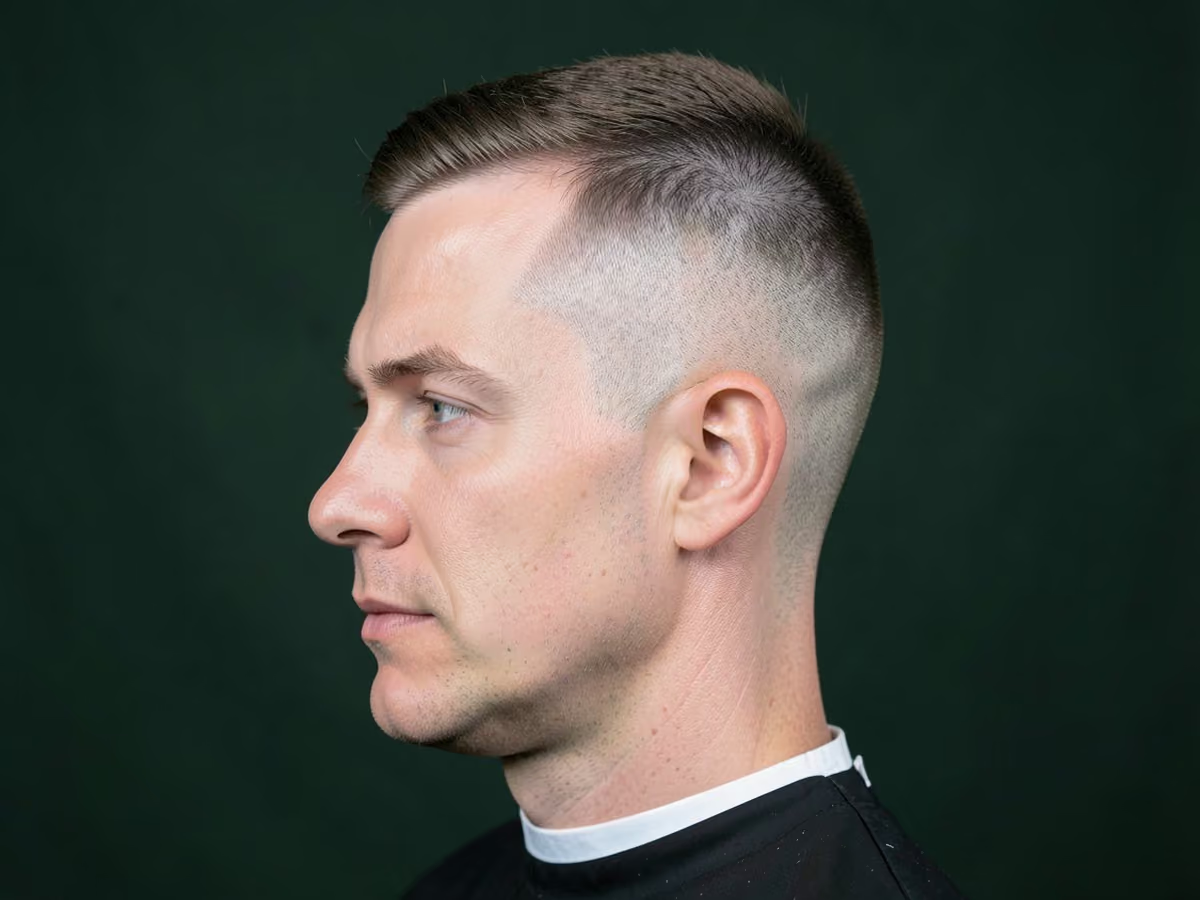
Shadow Fade
Shadow fade haircut guide: how it differs from a skin fade, the guard numbers to use, upkeep, and 20 styles with what to tell your barber.
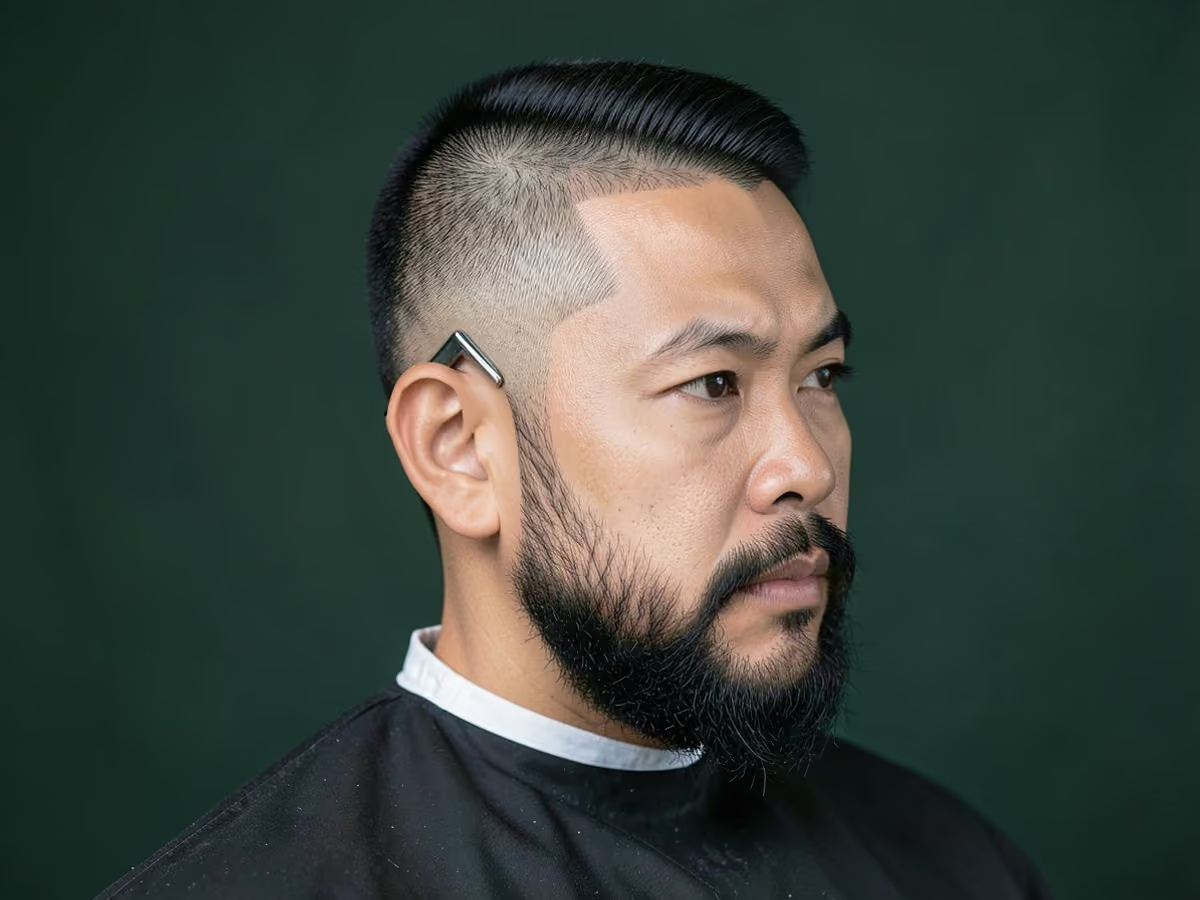
Shaved Sides
Shaved sides haircuts for men: razor, buzzed and one-side shaves, guard numbers, upkeep and 35 styles from crops to man buns, and what to ask your barber.
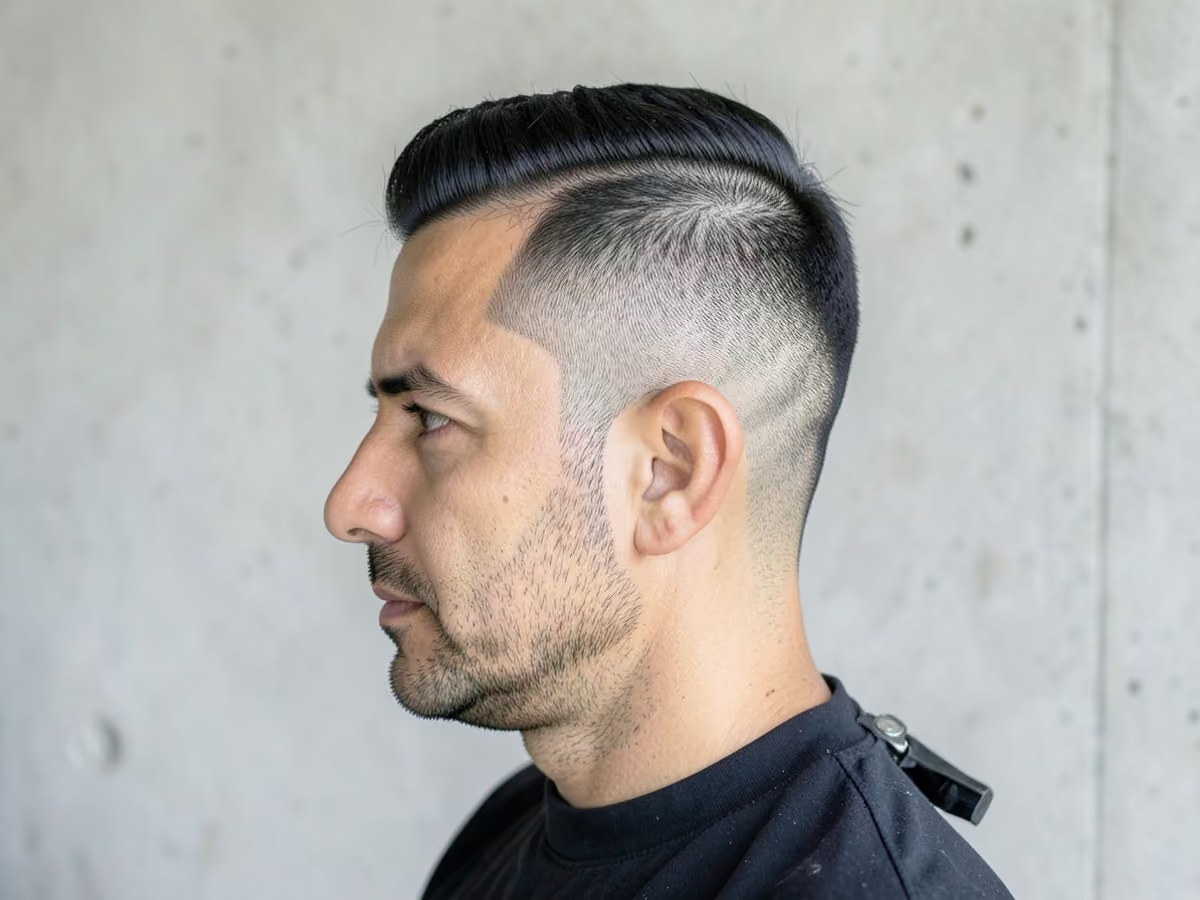
Short Sides Long Top
Short sides long top haircuts: how short to go on the sides, how long to leave on top, and 40 styles from slick backs to man buns and curls.
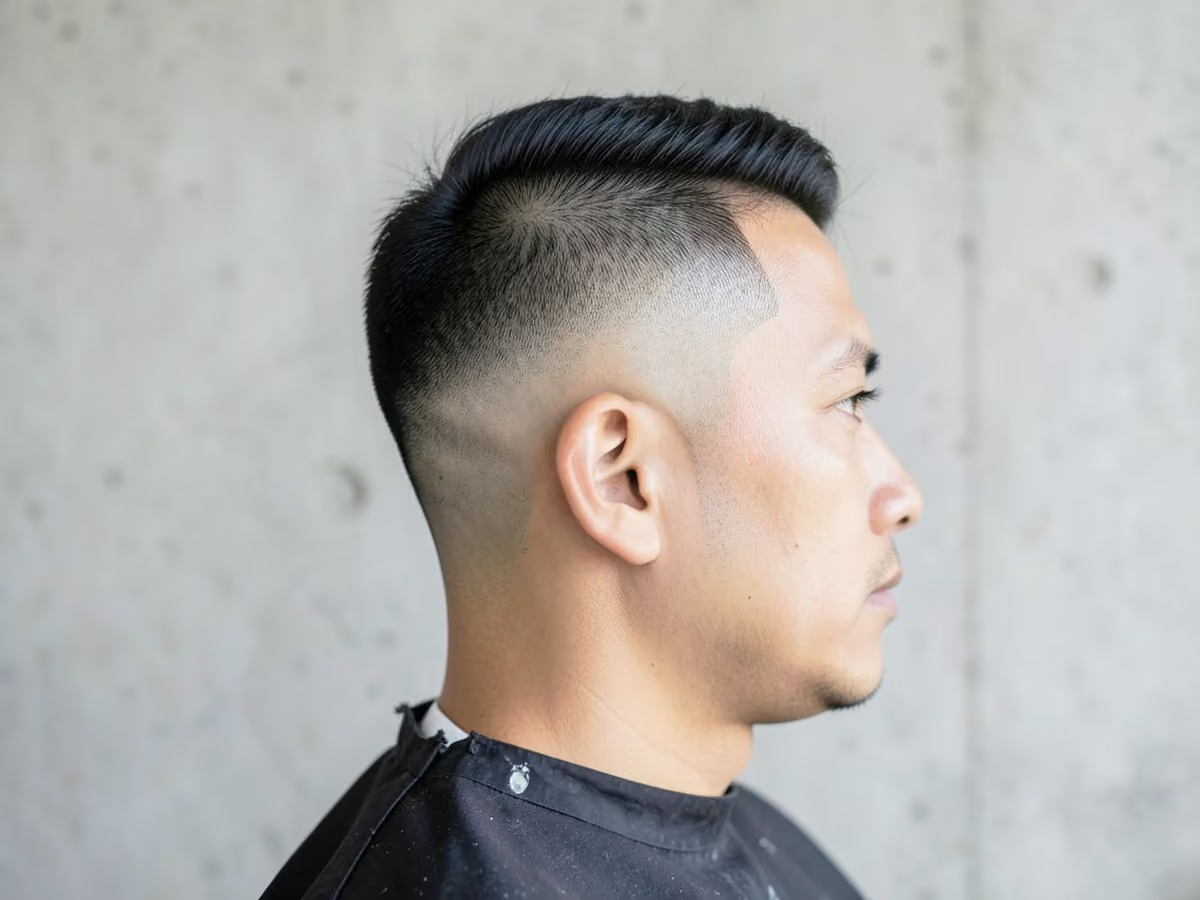
Southside Fade
Southside fade guide: what the high, tight skin fade is, how it differs from a burst fade, who suits it, and 15 styles with what to tell your barber.
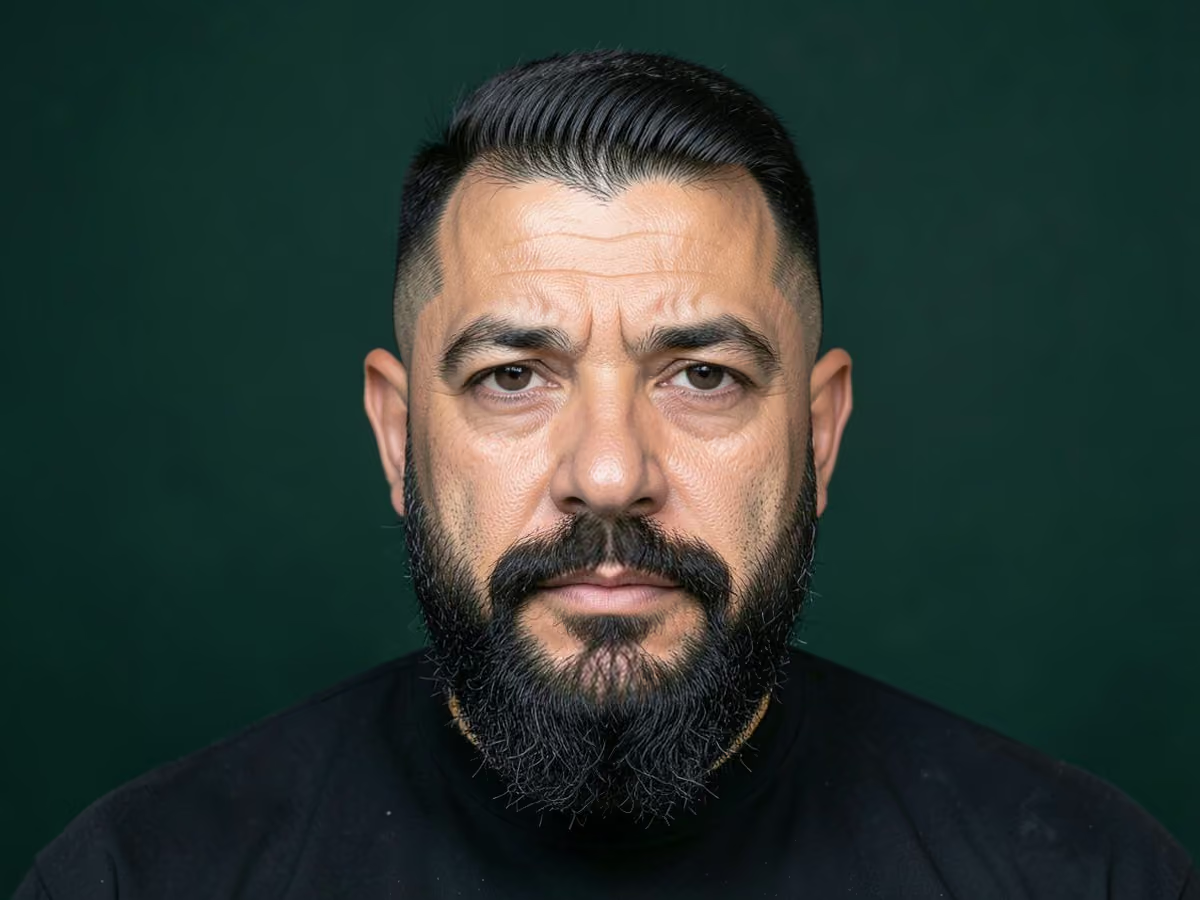
Takuache Haircut
Takuache haircut guide: what the cut is, how it differs from the Edgar, fade heights, curly and perm versions, and 25 styles with barber notes.
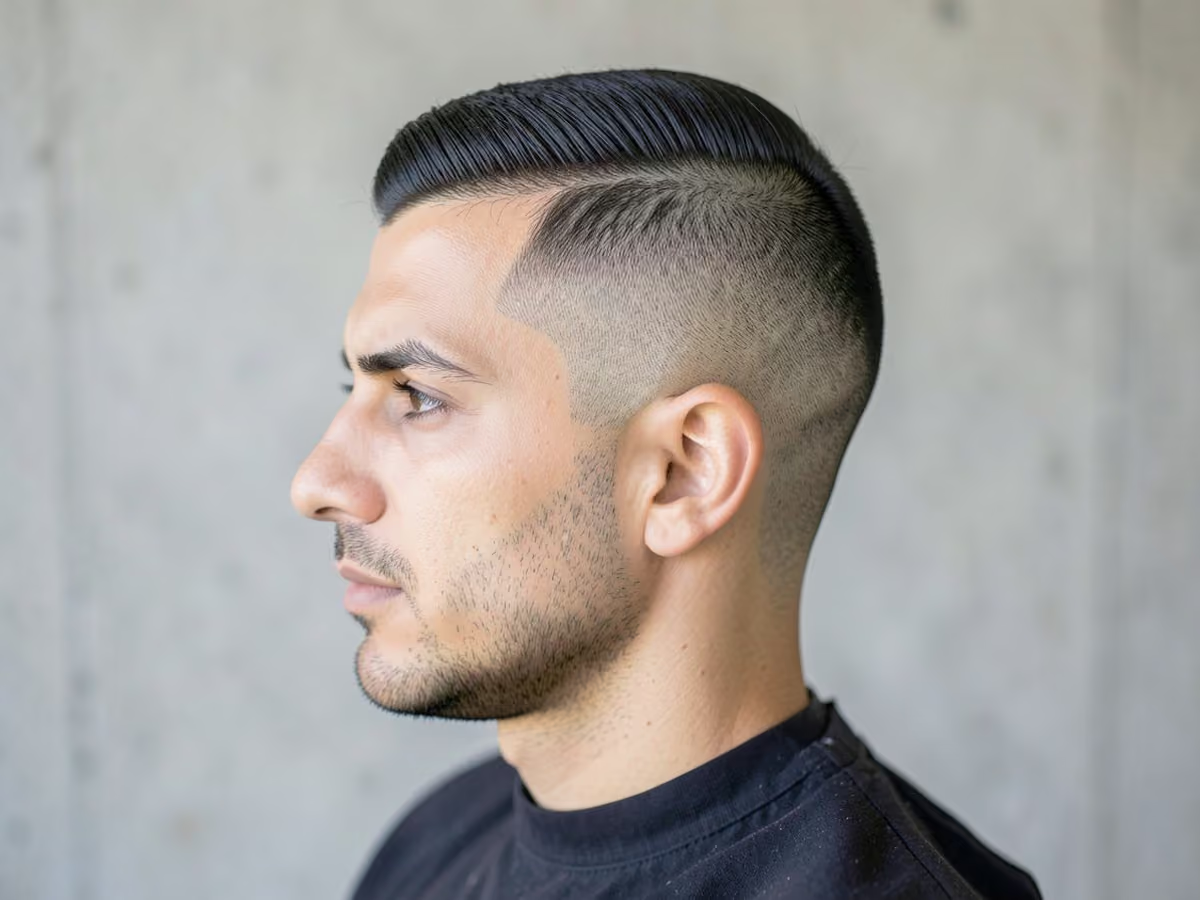
Tape Up
Tape up haircut guide: what a tape up or taper up is, how it differs from a taper fade and line-up, upkeep, and 25 styles from curls to locs.
Taper vs Fade
Taper vs fade explained: where each one sits, how short it goes, how fast it grows out, and 8 side-by-side examples so you can order the right cut.
How Often a Fade Needs a Refresh
A fade grows out faster than almost any other men's cut because the whole point of the style is contrast between skin and hair. On a high or skin fade, even four or five days of regrowth can blur the sharp line at the temple, so most men book every one to two weeks to keep the gradient crisp. A low taper fade hides regrowth longer since the transition sits closer to the ear and neckline, and can often stretch to three weeks between visits. Faster-growing or coarser hair pushes the fade out of shape sooner than fine, slow-growing hair, so the right interval is really about your own growth rate, not a fixed rule.
Between visits, a lineup or neckline cleanup at home (or a quick trip for just the outline) keeps the shape looking intentional even as the fade itself softens. Letting a fade grow out completely before recutting it usually means starting the blend over from scratch, which costs more chair time than a routine touch-up would have.
Matching a Fade to Your Hair Type
Straight hair takes a fade cleanly because the clipper line reads the same way from every angle, which is why skin fades and high tapers look so sharp on straight, fine-to-medium hair. Wavy hair tends to soften the blend slightly, which usually works in your favor since it hides any small unevenness left in the transition zone. Curly and coily hair behaves differently under the clippers: the hair springs up after cutting, so a length that looks short and even on straight hair can look uneven on curls until it's styled. Barbers working on curly or coily hair often cut slightly longer on top and check the fade with the hair both wet and dry, since the visible length changes a lot between the two.
- Straight hair: holds crisp fade lines well; skin and high fades show the most contrast.
- Wavy hair: forgives small blending mistakes and adds natural texture on top.
- Curly hair: needs the fade checked dry, since curls shrink up after cutting.
- Coily hair: often pairs better with a lower or mid fade so shrinkage doesn't eat into the taper zone.
Fade Mistakes Worth Avoiding
The most common problem isn't a bad haircut, it's a vague request. Asking for "a fade" with no starting height, no guard numbers, and no reference photo leaves the outcome up to guesswork, and different barbers will interpret it differently. Bringing a photo and naming where you want the fade to start (temple, above the ear, or at the hairline) removes most of that ambiguity before the clippers ever touch your head.
Trying to maintain a fade at home with a single clipper guard is another common misstep: a real fade blends several guard lengths (or none at all near the skin), and running one length over the whole area just turns it into a short buzz cut over a few weeks. Skipping the neckline and around-the-ear cleanup between barber visits is the other quiet way a fade loses its shape, since those two spots grow in and blur the outline faster than the rest of the head.
Make us a Preferred Source on Google
See our latest articles first in your Google Search & AI Overviews.