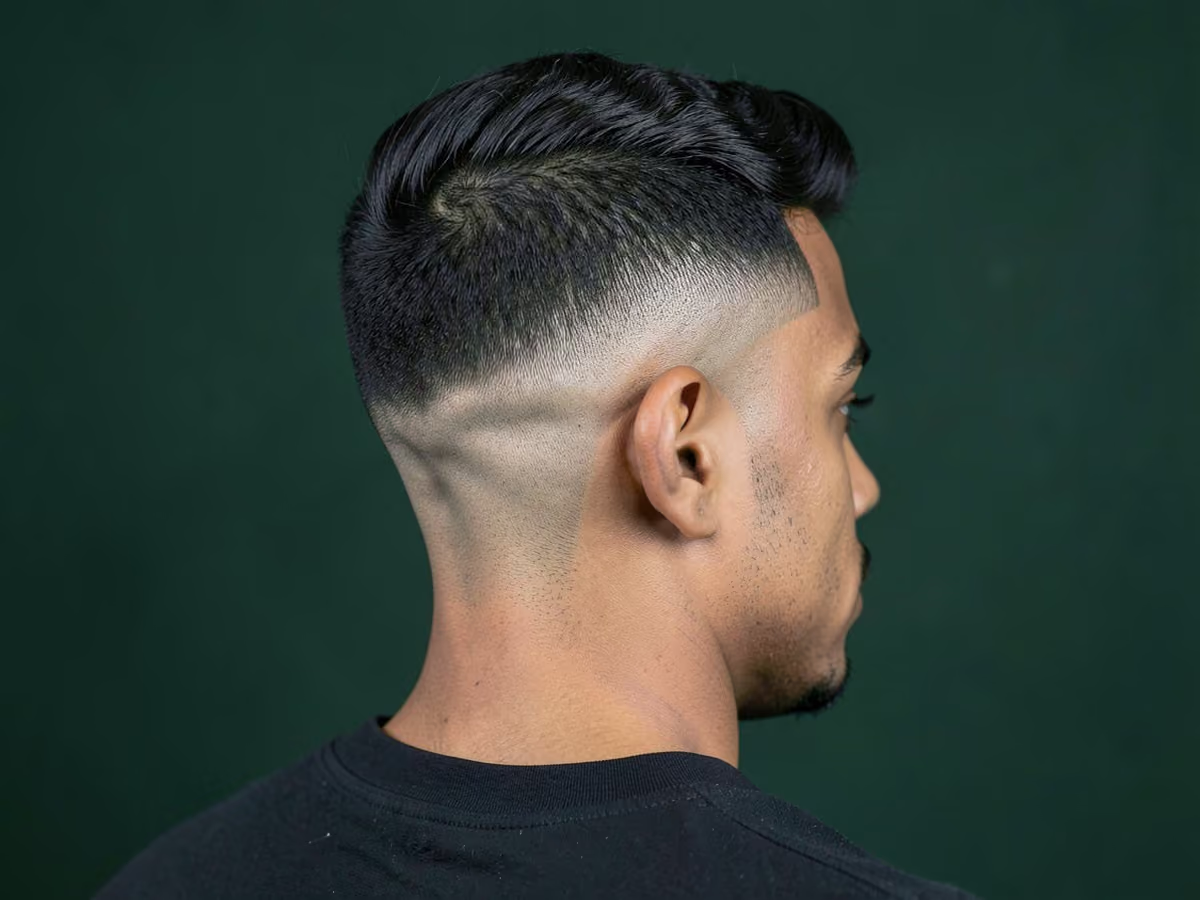
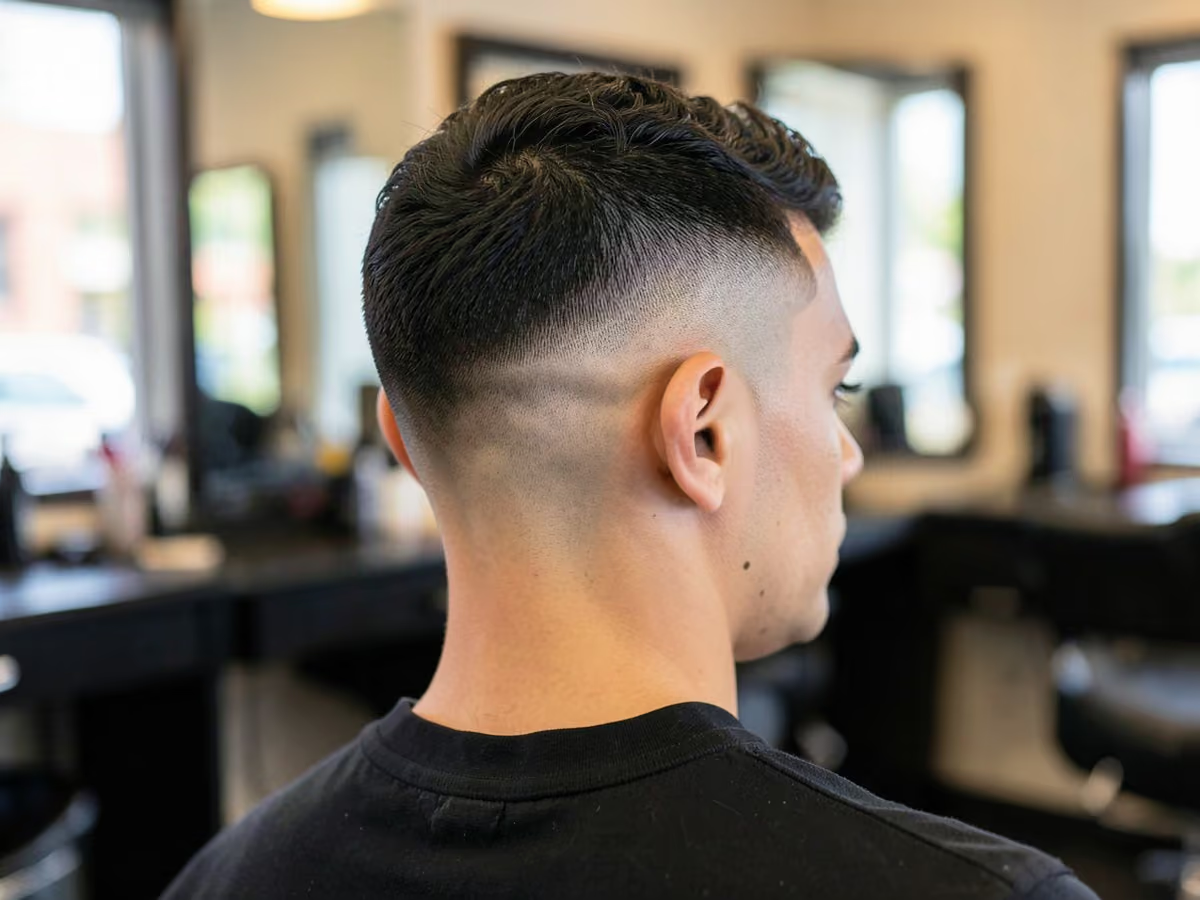
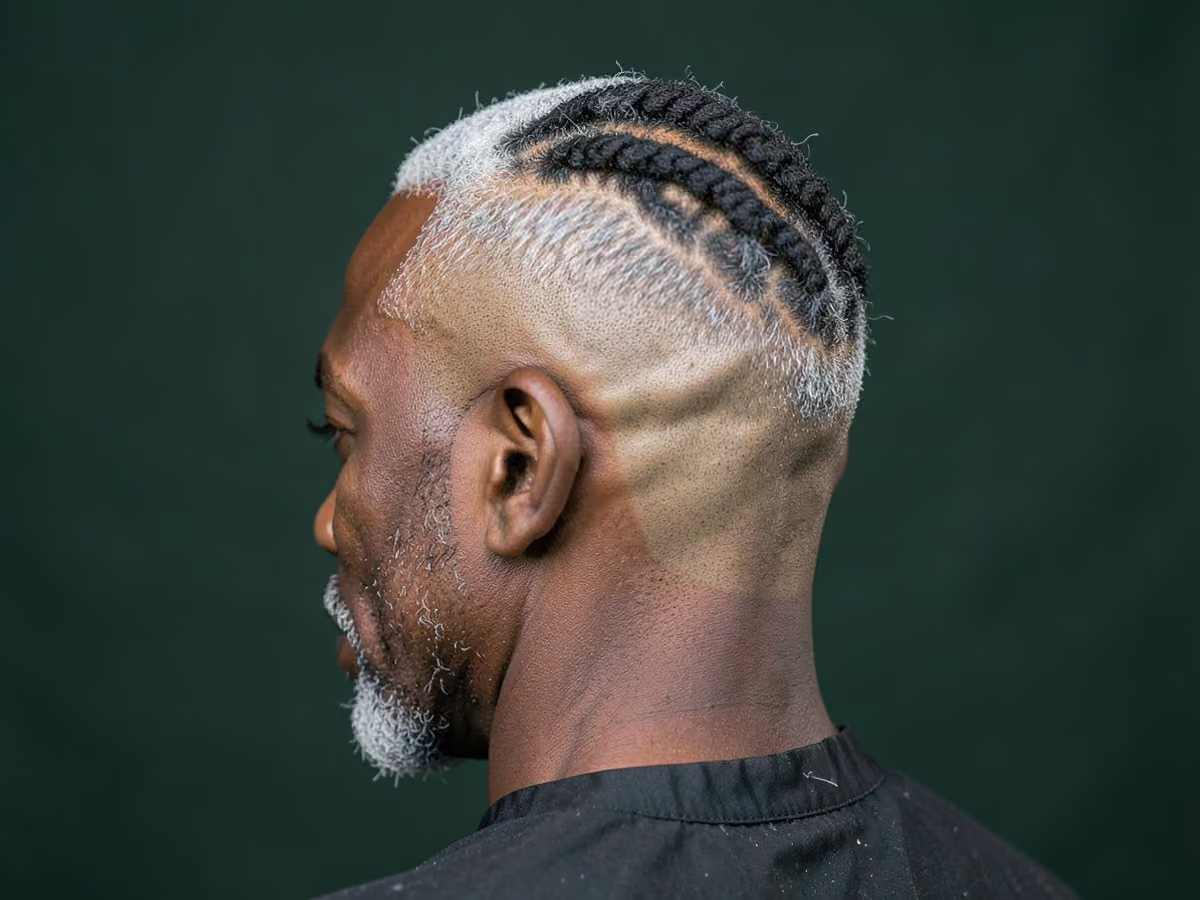
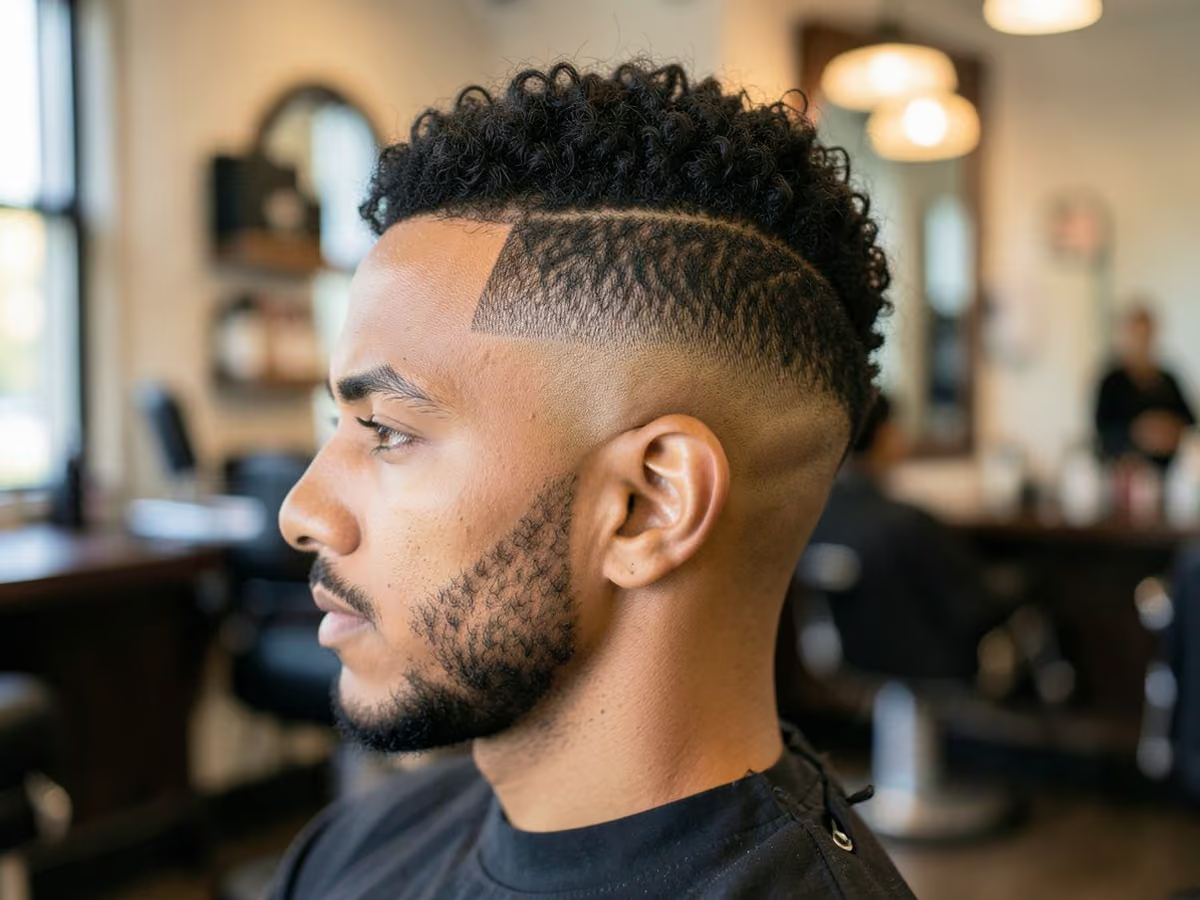
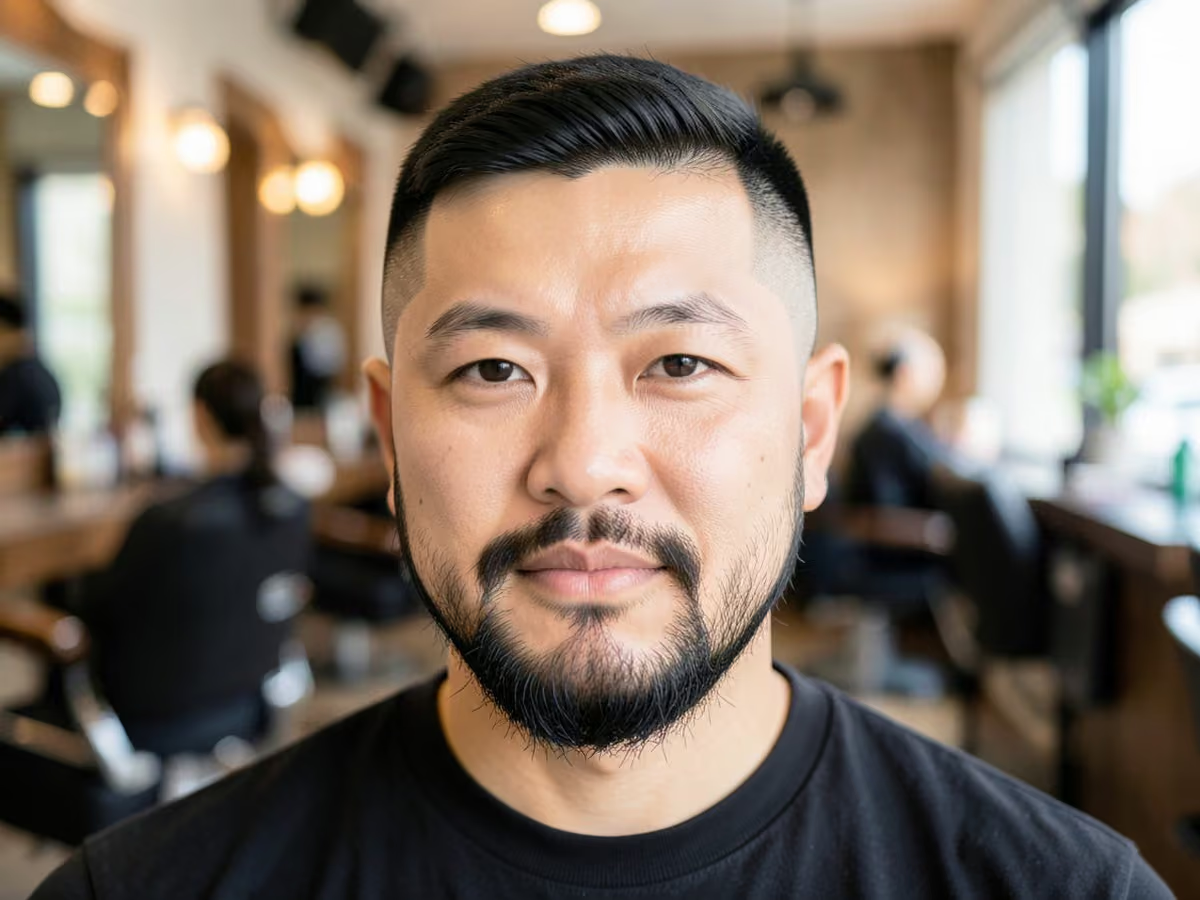
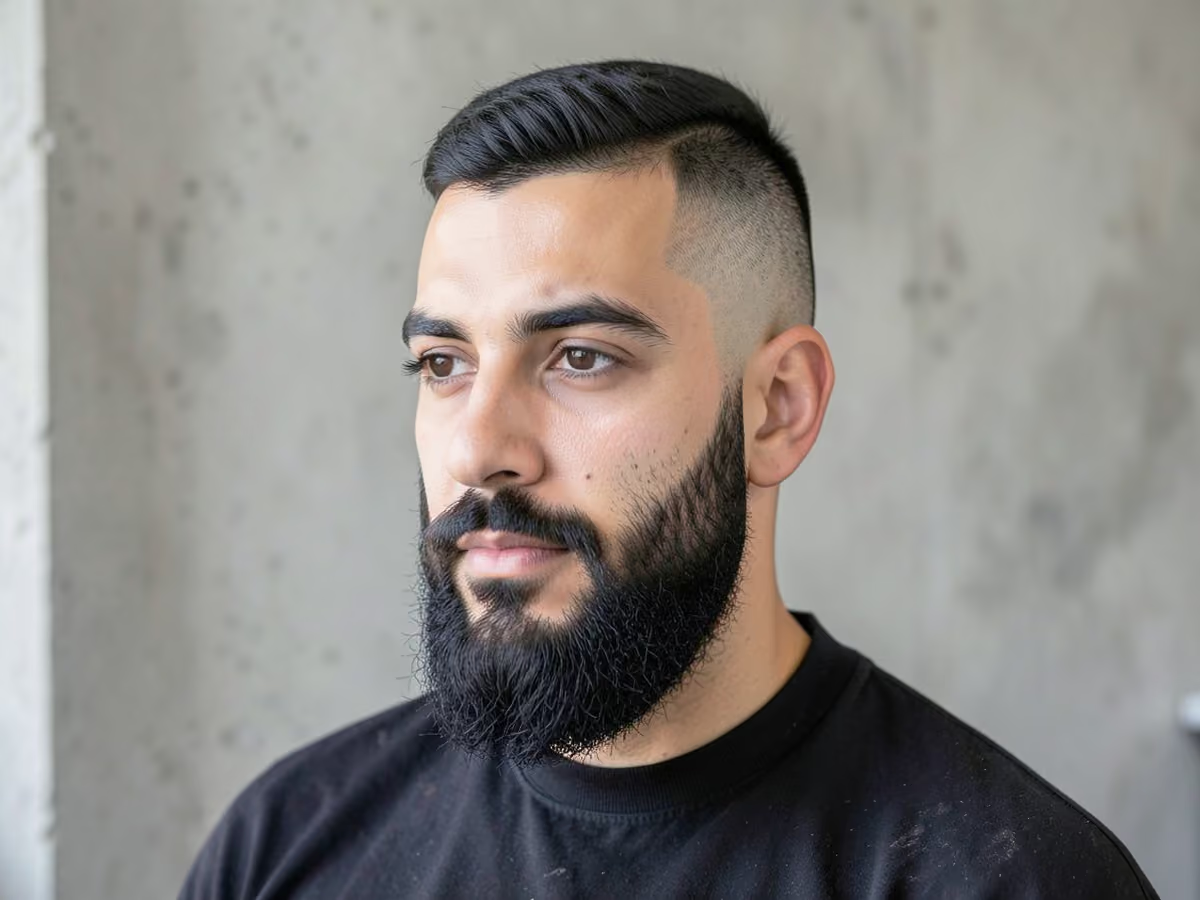
Quick answer: A Boosie fade is a very high bald fade: the sides and back are shaved to skin up to or above the parietal ridge, leaving a compact, often rounded patch of short hair on top. The name honours the rapper Boosie Badazz. Barbers use it loosely, so bring a photo and name the height and top length.
Boosie Fade Styles at a Glance
Every style on this page with its clipper guard, top length and trim interval. Tap a name to jump to that card.
The Boosie fade takes a high bald fade close to its limit, so only a small, neat block of hair stays on top. The name comes from the rapper Boosie Badazz, but shops apply it to a range of high fades, so the details matter more than the label. Below are 15 versions grouped by height, top texture and finishing touches, with what to say in the chair.
What Is a Boosie Fade?
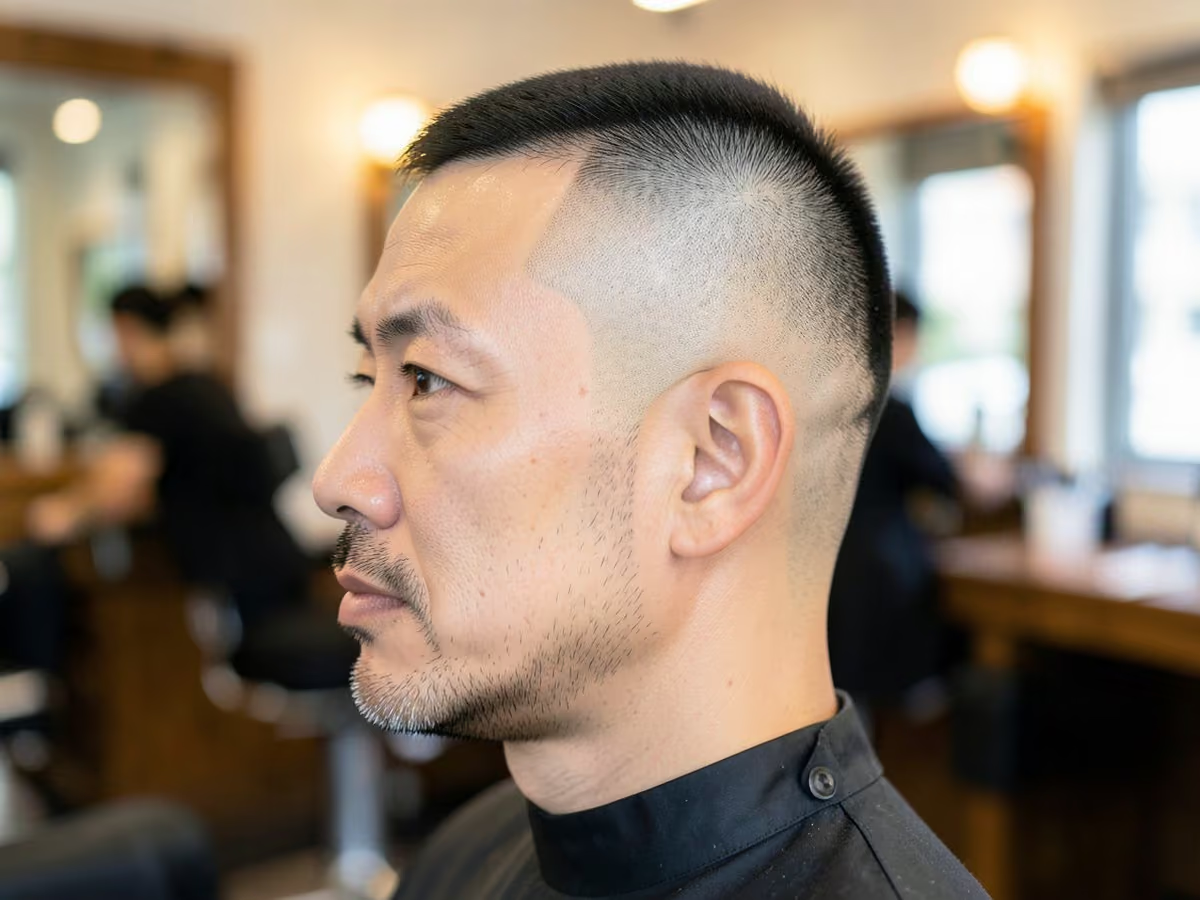
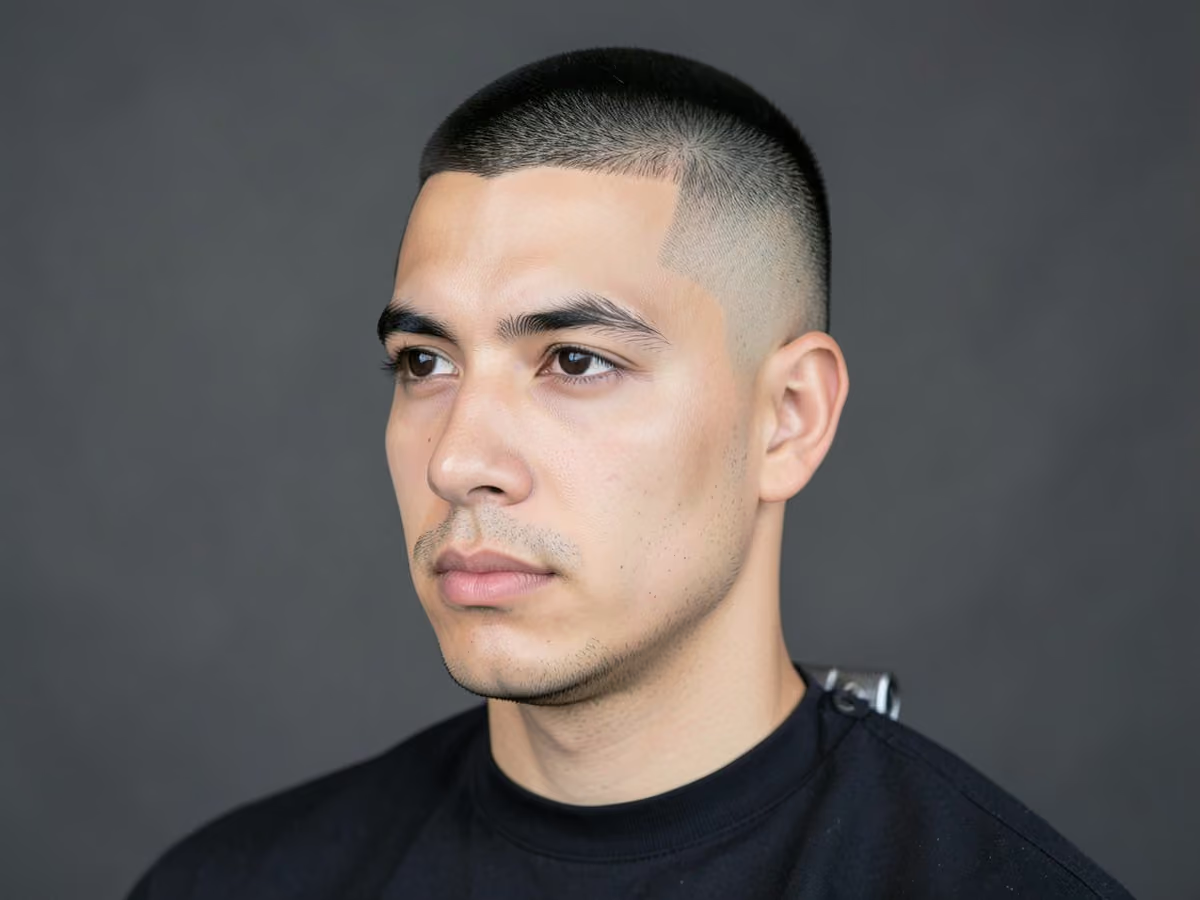
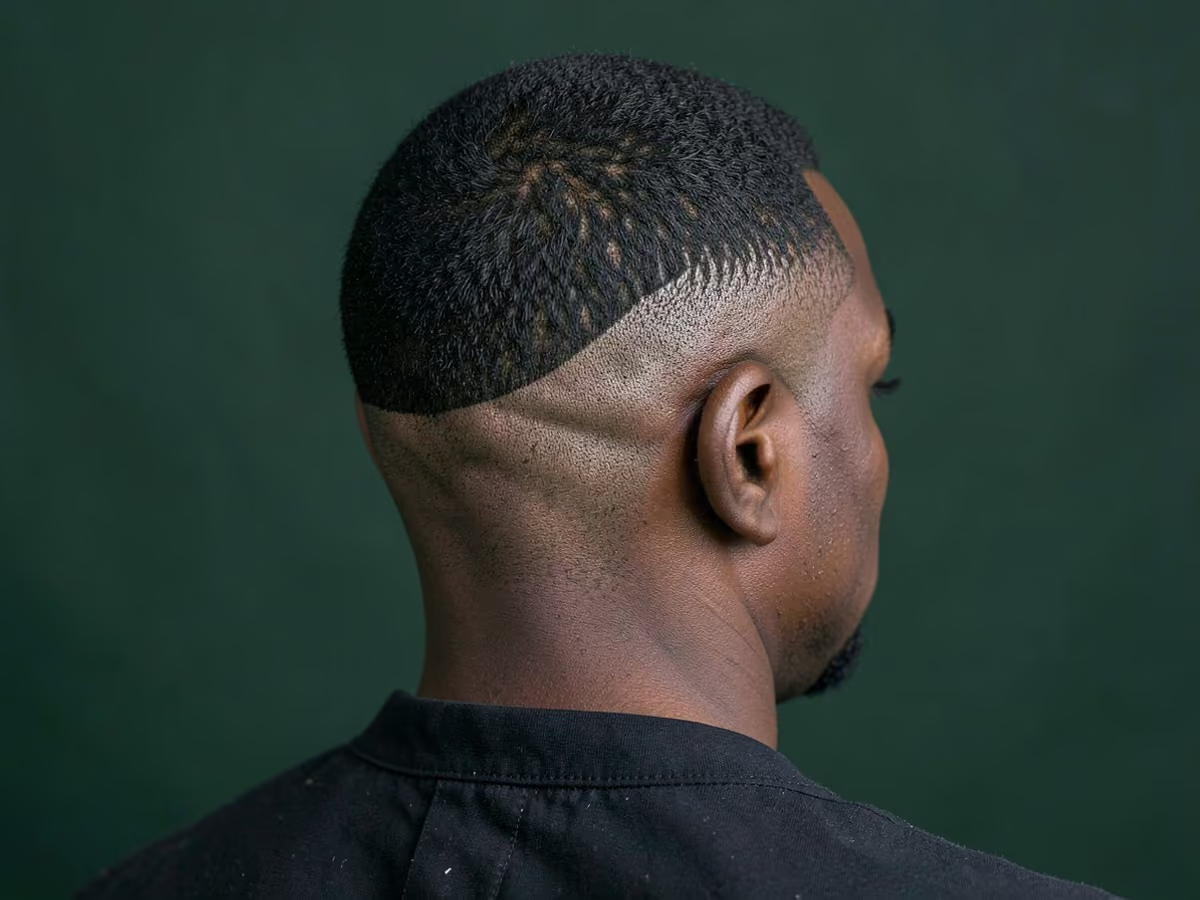
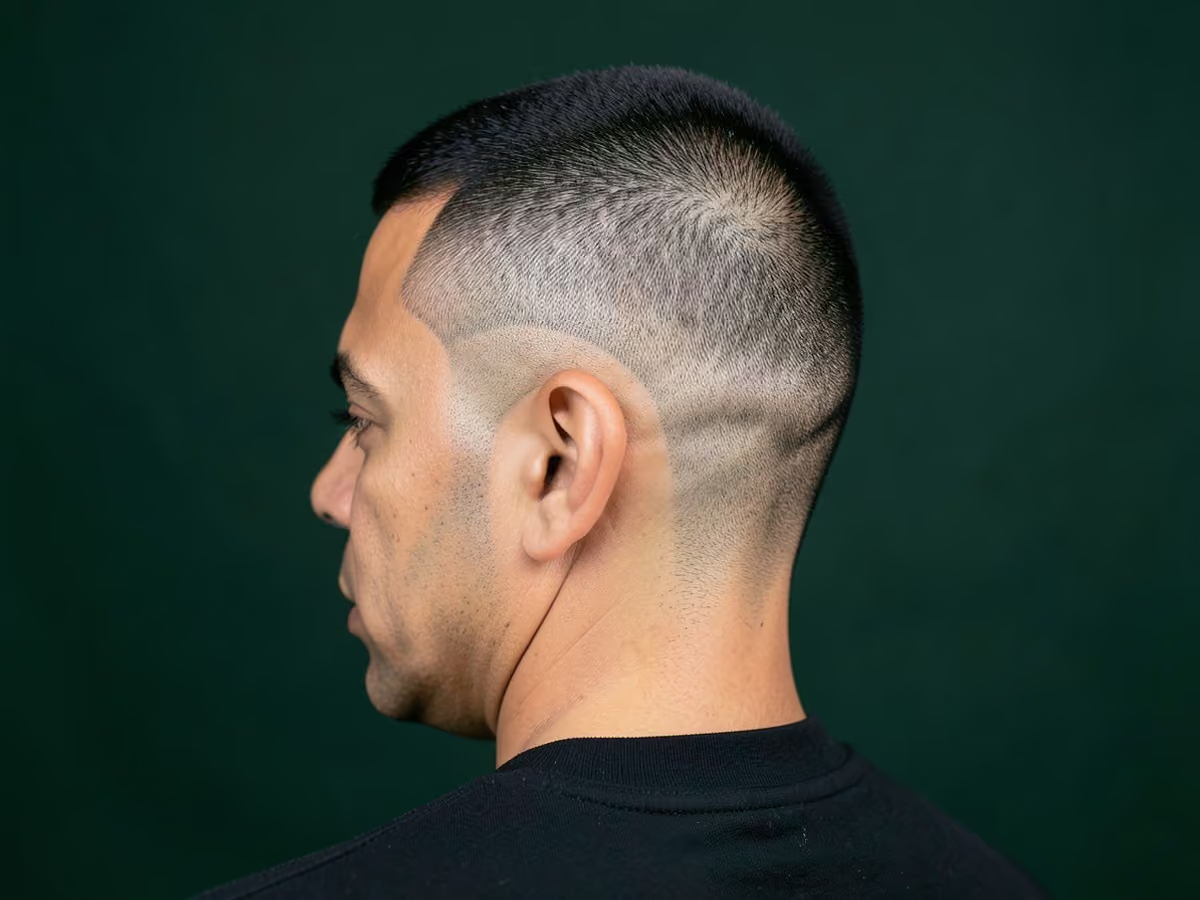
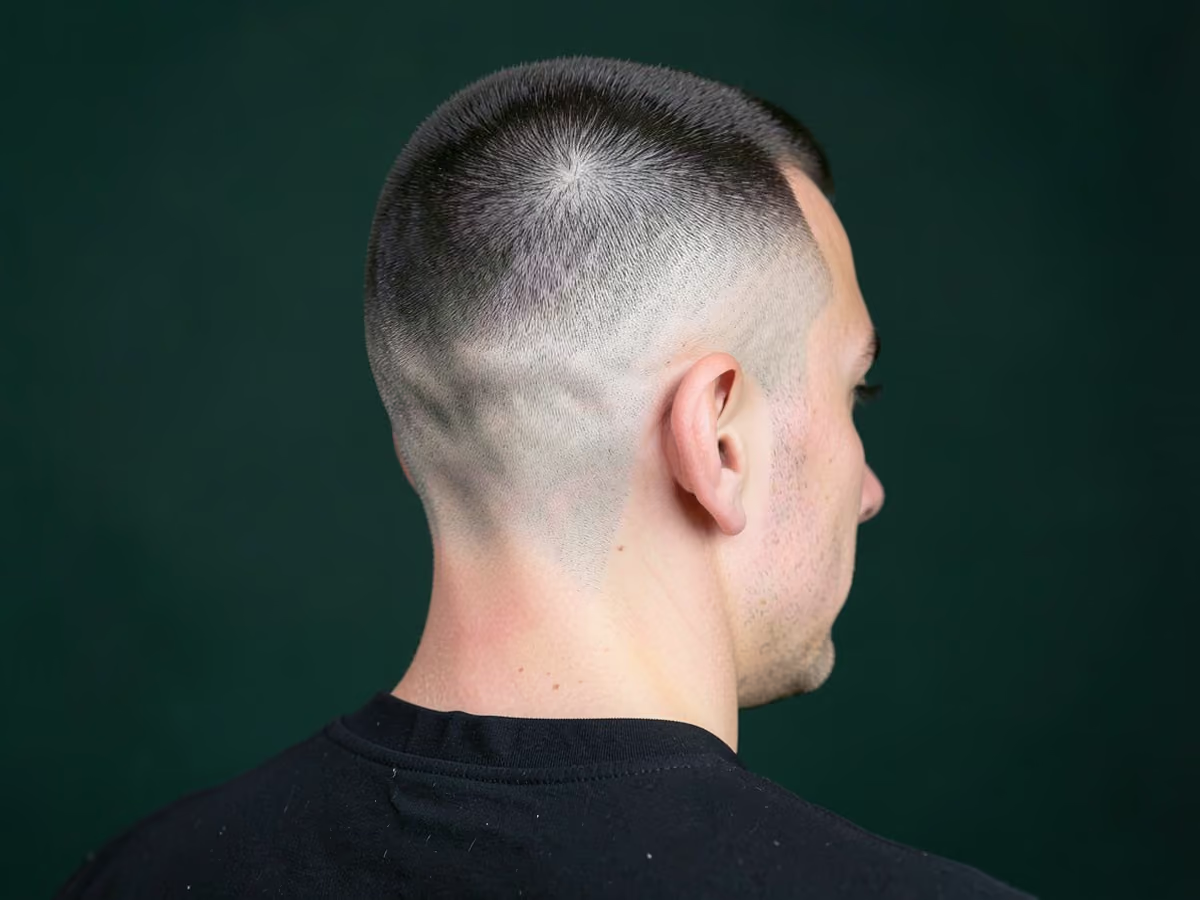
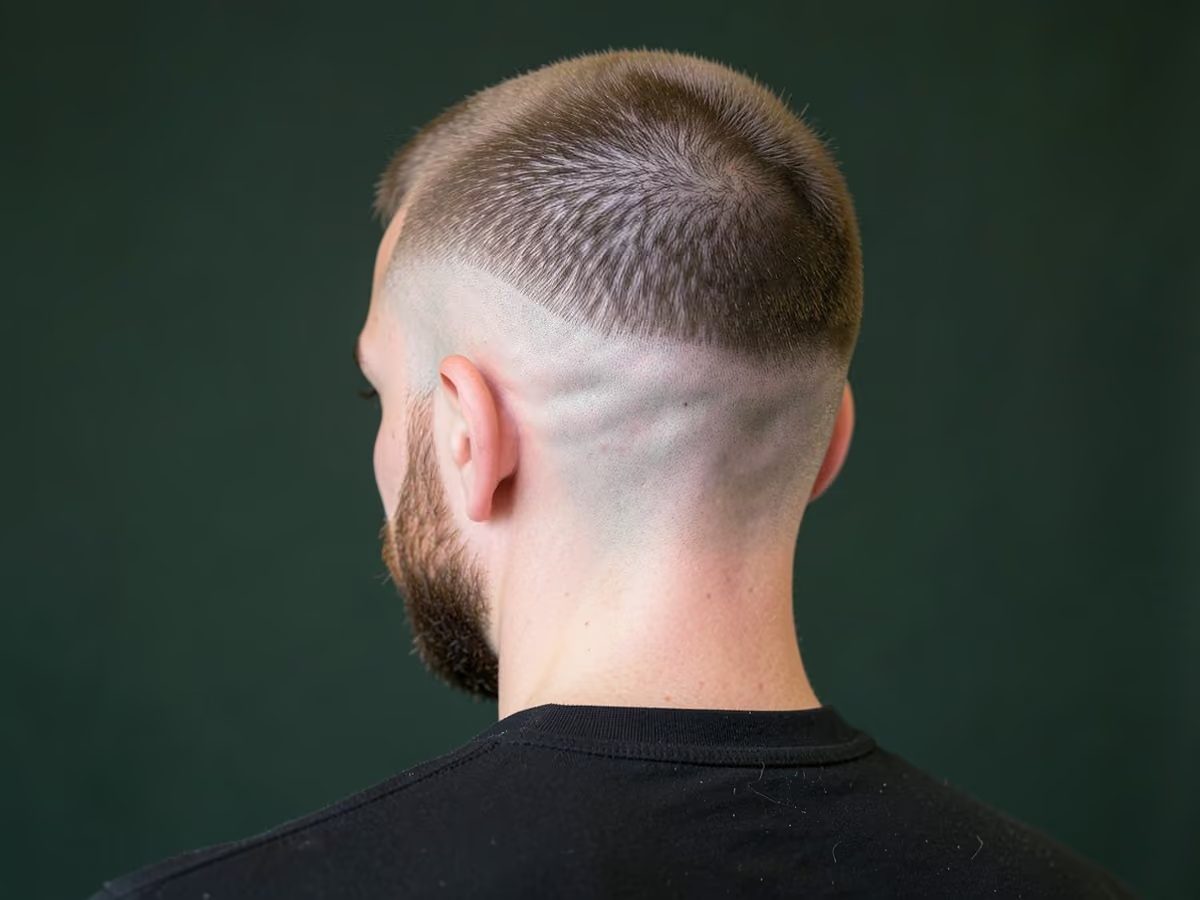
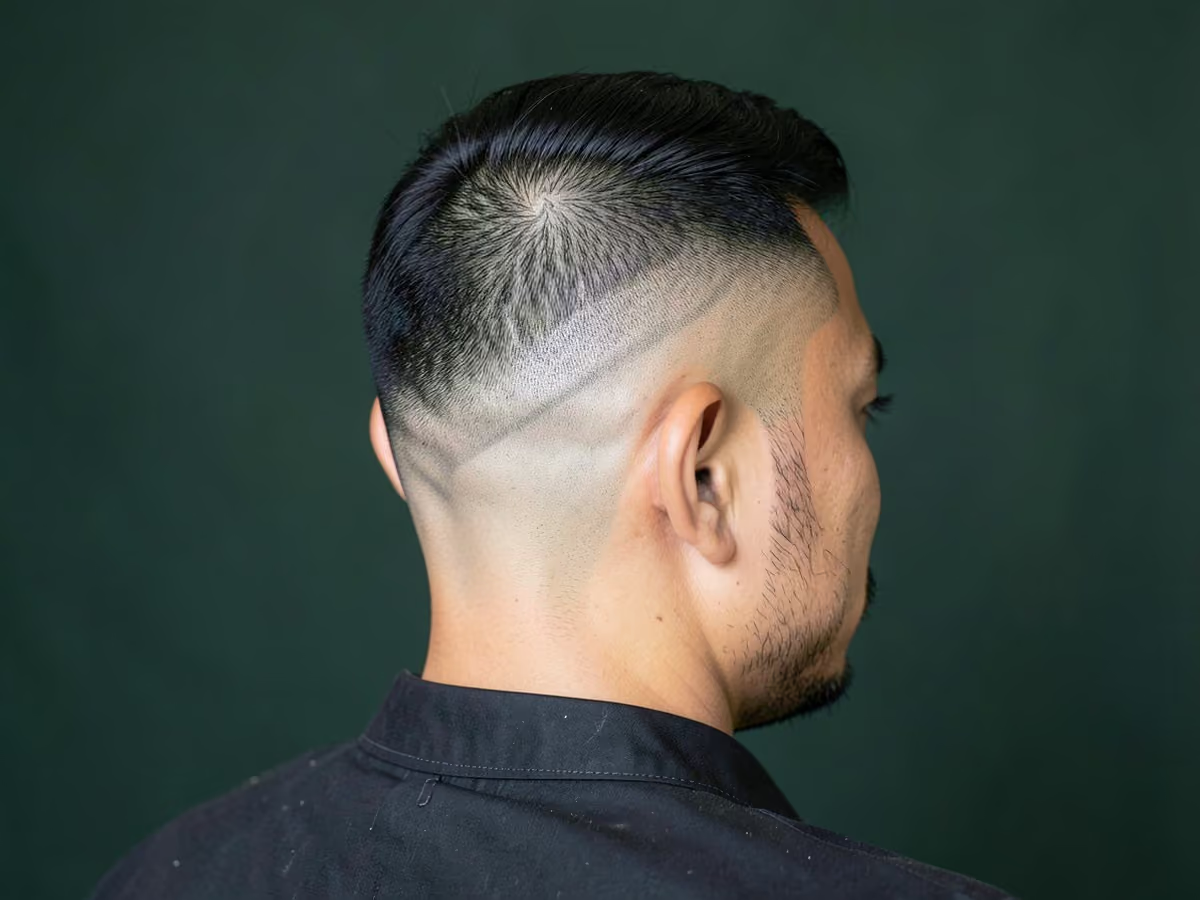
A Boosie fade is a high bald fade in which the barber shaves the sides and back to skin, usually with a foil shaver or razor, and carries the fade up to or past the parietal ridge. What remains is a compact patch of short hair on the crown, often one to two inches, shaped round or slightly square and frequently brushed for waves or left in tight curls. From the side, the patch can look like it sits on top of the head rather than growing down into the sides.
The name honours the Baton Rouge rapper Boosie Badazz, who was photographed with a high, tight fade of this kind during his early career. Online, the term is also used jokingly for a fade cut higher than the client wanted, so be clear about what you mean. Definitions vary: some barbers call a lower bald fade a Boosie, while others insist the line must reach the crown.
How Does a Boosie Fade Differ from a High Fade and a Southside Fade?
A standard high fade starts at the parietal ridge and blends through several guards into a top that can be any length. A Boosie fade usually goes to bare skin and climbs a little higher, so the blend is shorter and the top patch smaller. A southside fade is a close regional cousin, also high and tight, and many barbers treat the two names as near-synonyms. The main point is the very small top area and the bald finish.
A burst fade is different because it curves around the ear and keeps length at the nape, while the Boosie fade wraps all the way round the back at the same high line. That makes the Boosie the shorter-lived of the two: the bald nape shows regrowth sooner than a burst, which hides it under longer hair. The table compares the four cuts by height, bottom length and top.
How Does a Boosie Fade Differ from a High Fade and a Southside Fade?
Cut
Where the fade reaches
Bottom length
Top
Boosie fade
At or above the parietal ridge, all around
Bare skin
Small patch, often 1 to 2 inches
High fade
At the parietal ridge
Skin or a #0 to #1
Any length
Southside fade
High, wrapped around the head
Usually skin
Short to medium, often with a part
Burst fade
Curves around the ear only
Skin or a #0
Any; nape keeps length
Who Suits a Boosie Fade?
Because so little hair remains, the cut shows the full shape of the head. It suits round heads without pronounced bumps and faces that are round or square, since the bare sides take width away from the cheeks. Long or oblong faces should keep the top patch flat or rounded rather than tall, so the head does not look stretched. Coily and curly hair gives the clearest patch, as the dense texture contrasts with bare skin.
It also suits men who sweat heavily, play sports or live in hot climates, and anyone happy to visit the barber every week or two. Men with razor bumps or a sensitive scalp should ask for a #0 or a shadow fade finish instead of a razor, since bald fades high up the head expose more skin to irritation and to sunburn in summer.
Filter the styles
Showing all 15 styles
Fade
Hair
Length
Boosie Fade Styles by Height and Shape
These five cuts show how the name stretches across shops, from the classic crown-high bald fade to lower and curved versions. Compare the heights with our fade types explained guide before you choose.
Trim:Every 1–2 weeks. Bare skin shows stubble within days.
Best For:Round, square faces + coily or tight curly hair.
About This Style
Shaved to skin from the nape and ears up past the parietal ridge, this version leaves roughly an inch and a half of hair in a rounded patch on the crown. The blend between skin and patch is short, often just a #0.5 and #1. With coily hair the patch looks dense and neat. It is the version most barbers picture when a client asks for the cut by name.
How to Style at Home
Rub a light layer of scalp oil over the shaved sides each morning.
Brush the top patch from the crown outward to keep it round.
Wear a soft durag at night to stop the patch flattening on one side.
Ask Your Barber
"Bald fade shaved to skin, starting above the parietal ridge and wrapping the back. Leave about one and a half inches on top, rounded, with a line-up."
Trim:Every 2 weeks. A lower line hides regrowth a little longer.
Best For:Oval, long faces + coily, curly or wavy hair.
About This Style
Some shops use the name for a bald fade that starts just above the ear rather than at the crown. The skin band is narrow and the top keeps more hair, often two inches, rounded and dense. It is a gentler first step for anyone curious about the look, and it suits long faces that would look taller under a crown-high line. Ask clearly, because many barbers will assume you want it high.
How to Style at Home
Moisturize the top with a leave-in after washing.
Shape the top into a rounded outline with a soft brush.
Book a neck clean-up at one week if you want it extra sharp.
Ask Your Barber
"Low bald fade, skin just above the ear and at the nape, blended to a #2. Leave about two inches on top, rounded, like a lower version of a Boosie fade."
Trim:Every 2–3 weeks. Only the edges need frequent cleanup.
Best For:Oval, square faces + coily or short curly hair.
About This Style
Instead of shaving the whole side, the barber takes the sideburns and nape to skin and climbs high only at those points, leaving a #2 band across the middle of the side. The outline still reads high and tight from the front, but the grow-out is slower. It is a compromise for workplaces where a full bald fade feels too stark, while keeping the compact top patch.
How to Style at Home
Brush the sides down and the top into a neat round.
Apply a little wave pomade if you want the top flat and shiny.
Clean the taper at the nape weekly with a trimmer.
Ask Your Barber
"High skin taper at the sideburns and nape, #2 across the middle of the sides, with a short rounded patch of about an inch and a half on top."
Trim:Every 1–2 weeks. The curve above the ear loses shape fast.
Best For:Round, oval faces + coily or curly hair.
About This Style
A high burst curves from skin around each ear, rising almost to the crown, while the back keeps a strip of short hair at the nape. Front-on it reads like a Boosie fade, but from behind it looks closer to a mohawk outline. The top patch is often a little longer here, two inches of curls or twists, to balance the curved sides. See our burst fade guide for the base cut.
How to Style at Home
Apply curl cream to the top and shape the curls with your fingers.
Use a curl sponge on the top if you want small twists.
Check the burst curves on both sides in a mirror after a few days.
Ask Your Barber
"High burst fade from skin curving around each ear up near the crown, keeping a short strip at the nape. Leave two inches of curls on top."
Trim:Every 1–2 weeks. The curve behind the ear blurs first.
Best For:Oval, square faces + coily, wavy or curly hair.
About This Style
Here the high bald line drops behind the ear and curves down toward the nape, so the back sits lower than the sides. That curve softens the look on heads with a flat back or a prominent occipital bone. The top patch stays short, about an inch, often brushed for waves. Expect to visit weekly if you want the dropped curve to look as sharp as on day one.
How to Style at Home
Brush the top in a consistent pattern each morning for waves.
Apply a thin layer of scalp oil over the bald sections.
Look at the drop curve with a hand mirror to check it stays even.
Ask Your Barber
"Bald fade high on the sides that drops behind the ear toward the nape. Leave one inch on top for waves and line up the front."
Recommended Products
Wave Pomade
Scalp Oil
Boosie Fade by Top Texture
With so little hair left, the texture on top decides the look. These five show the patch brushed for waves, sponged into curls, twisted, lifted into a frohawk or cut for straight hair; our black men haircuts gallery has more texture ideas.
Trim:Every 1–2 weeks. Waves need the edges kept sharp.
Best For:Oval, round faces + coily or 4C hair.
About This Style
Short coily hair on top, about half an inch to an inch, is brushed daily into a ripple pattern, and the high bald sides make the waves look like a cap sitting on the crown. Training waves takes several weeks of brushing and nightly durag use. The barber cuts the top with the grain so the pattern is not disturbed, and adds a crisp line-up at the front.
How to Style at Home
Brush the top outward from the crown with a medium brush for several minutes.
Apply a thin layer of wave pomade before brushing to hold the pattern.
Tie on a durag at night to set the waves.
Ask Your Barber
"Bald fade high on the sides and back, about three quarters of an inch on top cut with the grain for waves, crisp line-up at the front."
Trim:Every 2 weeks. Curls hide top growth; sides need shaving.
Best For:Round, square faces + coily or tight curly hair.
About This Style
One to two inches of coily hair on top is rubbed with a curl sponge into small, defined coils, so the patch looks textured instead of smooth. The bald sides keep the outline tight, and the curls add height that lengthens a round face. Curl cream keeps the coils from drying out. The sponging takes about two minutes each morning once you get the motion right.
How to Style at Home
Spray a leave-in on the top to soften the coils.
Rub a curl sponge in small circles across the top until curls form.
Pat curl cream over the finished curls to hold them.
Ask Your Barber
"Can you do a high bald fade wrapping the back, leave about one and a half inches on top for sponge curls. Line up the front and temples."
Trim:Every 2 weeks. Retwist the top every one to two weeks.
Best For:Oval, long faces + coily, kinky or 4C hair.
About This Style
Short two-strand or comb twists, two to three inches long, sit in a neat group on the crown above bald sides. The cut leaves more length on top than most Boosie fades so the twists have enough hair to hold. Twists take an hour or two to install, then last about a week or two before they need retwisting. The bald sides make the twist pattern easy to see.
How to Style at Home
Moisturize the twists with a light leave-in every few days.
Seal the ends of each twist with a small amount of curl cream.
Sleep with a satin cap or durag to keep the twists from frizzing.
Ask Your Barber
"Give me a high bald fade on the sides and back, leave two and a half inches on top for two-strand twists. Clean the line-up and the nape."
Trim:Every 2 weeks. The strip edges blur as the sides regrow.
Best For:Oval, round faces + coily, curly or thick hair.
About This Style
Rather than a round patch, the top is shaped into a strip running from forehead toward the crown, two to three inches tall, picked out for height. The bald sides make the strip narrow, so it reads as a frohawk. It is a more dramatic take that adds height to a round face. Ask for the strip to be rounded at the front so it does not look blocky.
How to Style at Home
Pick the strip upward from the roots with an afro pick.
Shape the sides of the strip with your palms to keep it narrow.
Apply a little curl cream to the ends to reduce frizz.
Ask Your Barber
"Can you do a high bald fade on both sides, leave a strip about three inches wide from the front to the crown, two to three inches long, rounded at the front."
Trim:Every 1–2 weeks. Straight hair shows a fuzzy band fast.
Best For:Round, square faces + straight thick or coarse hair.
About This Style
Straight hair does not pack into a dense round patch, so the barber cuts the top to about an inch and point cuts it for texture, then pushes it forward or up. The bald sides climb high enough that the top still looks compact. It works well on thick straight hair common among Latino and Asian men. Fine straight hair can show scalp through the top, so keep it slightly longer.
How to Style at Home
Rub texture powder into the roots of dry hair on top.
Push the top forward with your fingers into a short, choppy fringe.
Moisturize the shaved sides after showering to prevent dryness.
Ask Your Barber
"Let's go with a high bald fade wrapping the back, leave about an inch on top, point cut for texture and pushed forward. Line up the front lightly."
Recommended Products
Texture Powder
Scalp Oil
Boosie Fade with Line-Up, Part, Design or Beard
Details at the edges change how sharp the cut looks. These five add a line-up, a hard part, a shaved design or a beard to the high bald fade; see our hair designs gallery for pattern ideas.
Trim:Every 1–2 weeks. Sharp corners lose definition within days.
Best For:Oval, square faces + coily, coarse or dark hair.
About This Style
Cut with trimmers and cleaned with a razor, a squared line-up at the forehead and temples frames the small top patch like a box. With the bald sides, the outline looks very crisp. The barber should follow your natural hairline closely, since pushing the line back makes the hairline look higher as it grows in. Many wearers book a quick line-up every week between full cuts.
How to Style at Home
Brush the edges and top lightly with a soft brush each morning.
Dab a little scalp oil along the line to calm any irritation.
Avoid tight caps that press against the lined edges.
Ask Your Barber
"High bald fade with a sharp squared line-up at the forehead and temples, following my natural hairline. Leave an inch on top."
Trim:Every 1–2 weeks. The shaved part fills in quickly.
Best For:Oval, round faces + coily, wavy or curly hair.
About This Style
Along one side of the top patch runs a shaved line, usually starting above the outer corner of one eyebrow and stopping at the crown. On a high bald fade the part sits right at the edge of the patch, so it sharpens the boundary between top and sides. It is a common detail in Southern barbershops. The part fills in after about a week, so it needs regular touch-ups.
How to Style at Home
Brush the top away from the part to keep the line visible.
Moisturize the shaved line with a drop of scalp oil.
Book a quick part touch-up after a week or so.
Ask Your Barber
"High bald fade with a shaved hard part on my left side, starting above the eyebrow corner and ending at the crown. Leave an inch on top."
Trim:Every 1–2 weeks. Designs fade as the hair grows back.
Best For:Oval, square faces + coily, dense or dark hair.
About This Style
Because the bald sections leave little hair to carve into, designs on a Boosie fade usually sit at the edge of the top patch or in the short blend just below it. A curved line, a lightning bolt or a pair of parallel lines is typical. Dense dark hair gives the clearest contrast. Simple designs last about a week before regrowth blurs them.
How to Style at Home
Keep the design area dry and clean for a day after the cut.
Brush around the design, not across it, to protect its edges.
Book a design touch-up when the lines start to fill in.
Ask Your Barber
"High bald fade with a simple curved line design cut into the blend just under the top on the right side. Leave an inch and a half on top."
Trim:Every 1–2 weeks. Fade and beard edges both need attention.
Best For:Round, oblong faces + coily hair and full beard.
About This Style
Half an inch to an inch of full beard adds weight to the lower face, balancing the bare sides and small top. The barber leaves a short sideburn and fades it into the beard so hair and face connect. That balance helps oblong faces, which can look longer when only the top has hair. Expect to trim the beard weekly to keep the cheek and neck lines sharp.
How to Style at Home
Wash the beard and rub in a few drops of beard oil while damp.
Brush the beard downward to set its shape.
Trim the cheek and neck lines with a trimmer twice a week.
Ask Your Barber
"High bald fade with a short sideburn faded into my full beard so they connect. Keep the beard at about an inch, lined up sharp at the cheeks."
Trim:Every 2 weeks. Shave the cheeks every few days.
Best For:Round, square faces + coily or curly hair.
About This Style
With clean cheeks and a short goatee on the chin, the face keeps a narrow, vertical focus that matches the high, tight sides. A goatee also takes less daily care than a full beard. Keep it at a quarter to half an inch and shape it to the width of your mouth. It works especially well on square jaws, where a full beard would add bulk.
How to Style at Home
Shave the cheeks and neck, following the goatee outline.
Rub a small amount of beard balm through the goatee.
Brush the top patch into shape with a soft brush.
Ask Your Barber
"High bald fade with an inch on top and a line-up. Clean the sideburns to skin; I keep a short goatee, so leave the chin."
Recommended Products
Beard Balm
Edge Brush
How Do You Ask Your Barber for a Boosie Fade?
Since the name means different things in different shops, describe the cut rather than relying on it. A clear request is: a bald fade shaved to skin, starting high at the parietal ridge and wrapping around the back, with about an inch and a half left on top, rounded, and a line-up at the front. Say if you want a foil shaver or a razor, and if you want the top brushed, sponged or left natural.
Bring a photo from the side and the back, since the height of the line is easy to misread from the front alone. If the top patch must stay wider than a typical Boosie, say so; it is easier to take more off than to grow it back. Our guide on how to ask for a fade without knowing terminology covers the basic terms.
Clipper Guards Used in Boosie Fade Styles
A clipper guard is the plastic comb that clips onto the blade and sets how much hair is left: a #1 leaves 3 mm (1/8 inch), each step up adds about 3 mm. The right column lists the cards on this page that call for each guard. See the full clipper guard numbers guide for the complete chart.
A bald fade shows stubble within four or five days, and the high line blurs by the second week, so most wearers book every one to two weeks. Between visits, moisturize the shaved skin with a light scalp oil, wear sunscreen outdoors and avoid scratching or shaving the area yourself, which can cause bumps. Brush or sponge the top patch daily, and use a durag at night if you are training waves.
If razor bumps appear along the nape or sides, switch to a #0 finish for a few cuts and read how to prevent razor bumps on the neckline. A patchy blend usually means the shortest section was jumped too quickly, which is easy to do on a fade this high because the blend zone is narrow; why a fade looks patchy explains what to ask for next time.
Which Boosie Fade Is Right for You?
Pick your hair type and how much upkeep you will put in. The matches below come from the Best For and Maintenance notes on each card. Upkeep follows the Maintenance badge: low means a cut every 3 to 6 weeks and almost no daily styling, high means weekly line-ups or daily product.
The cut is named after Boosie Badazz, the Louisiana rapper, who wore a very high, tight fade early in his career. Fans and barbers began asking for the look by his name. The term is used loosely today, and online it is sometimes a joke for a fade that went higher than intended.
Q2: Is a Boosie fade the same as a high bald fade?+
Largely, yes. Most barbers describe a Boosie fade as a high bald fade that wraps around the head and leaves a small patch on top. It often goes a little higher than a standard high fade and almost always finishes at bare skin. Bring a photo, because some shops cut it lower.
Q3: How often do you need to cut a Boosie fade?+
Every one to two weeks keeps it close to fresh. Bare skin shows stubble after about four or five days, and the high line loses definition by the second week. If you can only go every three weeks, ask for a #0 or #0.5 at the bottom instead of a razor finish.
Q4: What is the difference between a Boosie fade and a Southside fade?+
They overlap a lot. Both are high, tight fades that wrap the head. Barbers who separate them often describe the Southside with a sharper line and sometimes a hard part, and the Boosie with a smaller, rounded top patch. Naming varies by region, so describe the height, bottom length and top.
Q5: Can you get a Boosie fade with straight hair?+
Yes, though the top patch reads differently. Straight hair tends to lie flat or stick up, so the barber usually cuts it to about an inch and adds texture or a short forward crop. Coily and curly hair gives the more familiar look, with a dense patch that holds its shape.
Q6: Does a Boosie fade cause razor bumps?+
It can, because the razor or foil shaver touches a large area of skin. Men prone to bumps can ask for a #0 finish, use a soothing scalp oil afterward and avoid shaving the area at home. If bumps persist or become painful, see a dermatologist rather than continuing to shave.