
Taper Fade Haircut:
Low, Mid and High Explained
The overview: what a taper fade is, how the three heights differ, and how to order the one you want.
By Jessica Hamilton · Updated
Quick answer: A taper fade gradually shortens the hair on the sides and back toward the ears and neckline, so the short edges blend into longer hair on top. It can start low, mid or high, usually goes down to a #0.5 or #1 at the bottom, works with any top style and stays sharp for roughly two to four weeks.
Style images are AI-generated illustrations.
📚 Part of our Fades & Tapers guide hub, explore every related guide in one place.
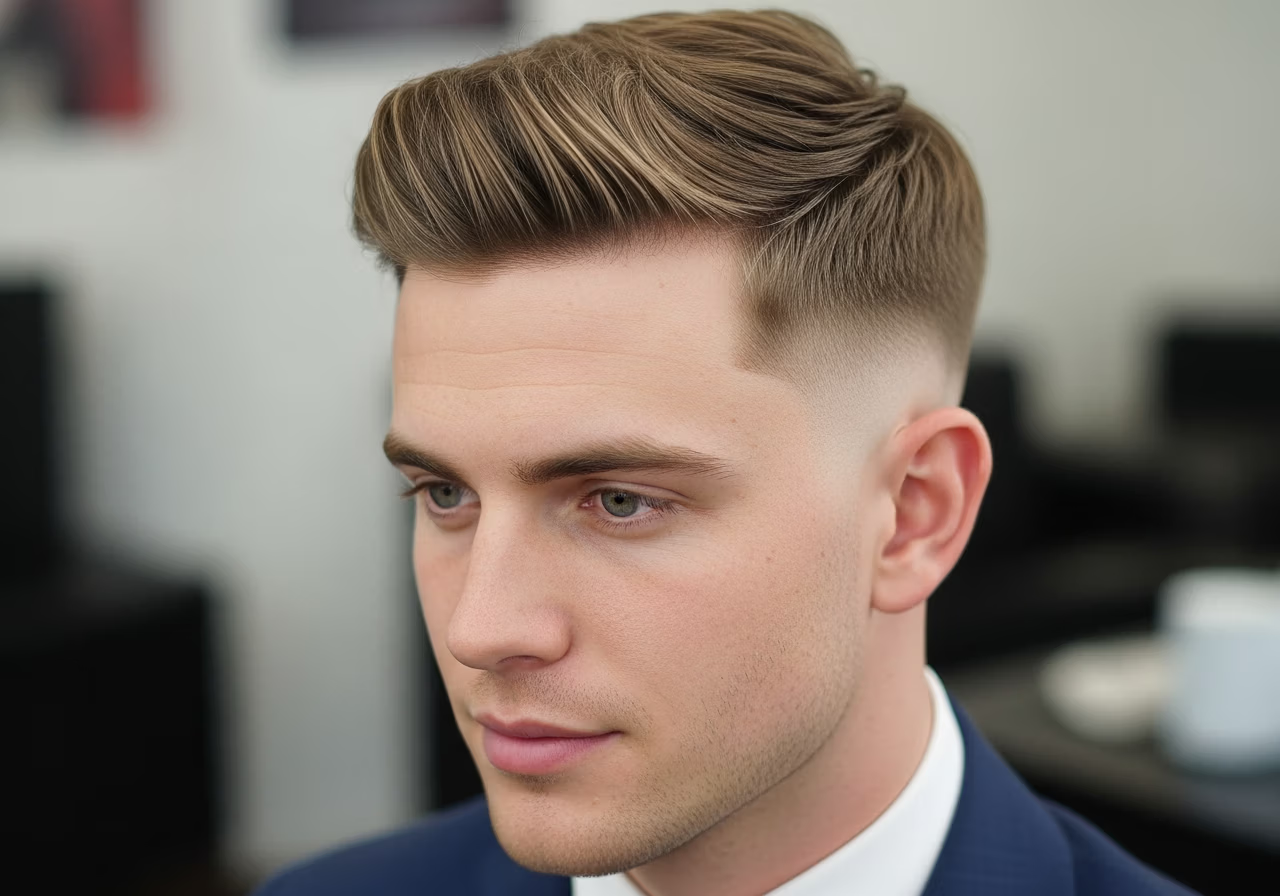
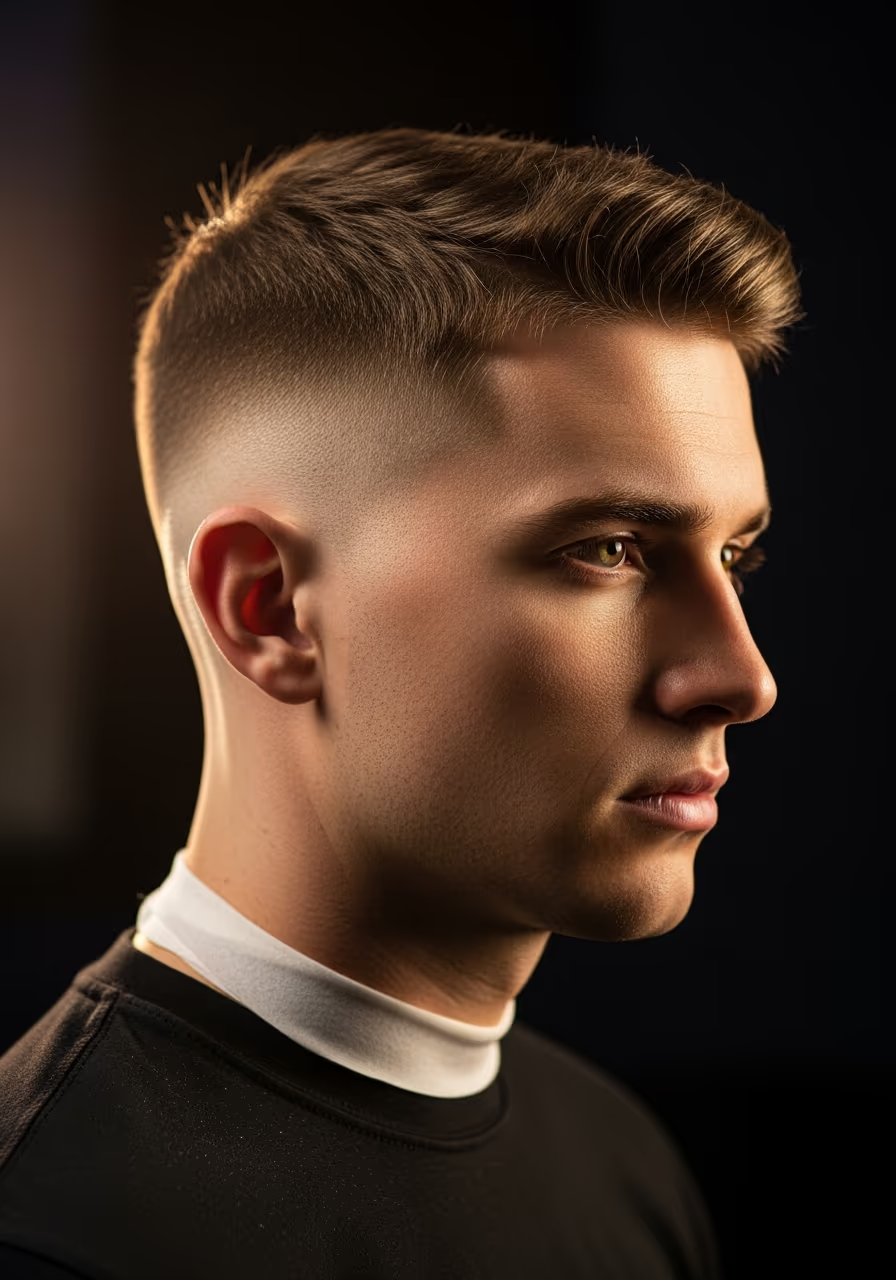
A taper fade is a haircut where the hair on the sides and back gets gradually shorter as it moves down toward the ears and neckline, so the short edges blend smoothly into longer hair on top. The word "taper" describes the gradual shortening, and "fade" describes how low the shortest point goes. Most barbers use "taper fade" for a blend that sits close to the hairline and stays tighter than a full fade, and the height where the blend starts (low, mid or high) is what changes the look the most.
Taper Fade Basics
A taper fade has three parts: the shortest hair at the sideburns and neckline, a transition zone where the barber blends through two or three clipper guard lengths, and the top, which can be any length or style. A classic taper only shortens the outline of the haircut. A taper fade takes that blend a little further up the sides so the gradient is more visible, but it usually stops short of the full wrap-around fade you get with a skin fade.
- Where it starts: low (just above the ear), mid (around the temple) or high (near the parietal ridge, where the head starts to curve).
- How short it goes: usually a #0.5 or #1 at the very bottom, sometimes down to skin at the edges only.
- What stays on top: anything from a short crop to a pompadour, a quiff, curls or a slick back.
- How long it stays sharp: roughly two to four weeks, depending on height and how fast your hair grows.
This page is the overview. Each height has its own detailed guide with dozens of style examples, linked in the next section, so use this page to decide which taper you want and then go deeper.
Low, Mid and High Taper Fades Compared
The height of the taper is the single biggest choice you make. It decides how much contrast you see, how professional the cut reads, and how quickly it looks grown out. The table below sums up the differences, and each row links to the full guide for that height.
| Taper height | Where the blend starts | Look | Grows out | Full guide |
|---|---|---|---|---|
| Low taper fade | Just above the ear and low at the nape | Subtle, office-safe | Most gradually | Low taper fade guide |
| Mid taper fade | Around the temple, mid-way up the sides | Balanced contrast | In the middle | Medium taper fade guide |
| High taper fade | Near the top of the sides | Bold, high contrast | Fastest | High taper fade guide |
Low taper fade

The low taper keeps the blend within an inch or so of the hairline. From a normal distance it reads as a neat, well-kept haircut rather than an obvious fade, which is why it is the most common request from men who work in conservative offices or simply want a cut that does not draw attention. It also grows out the most gracefully: after three weeks it still looks like a haircut, just a slightly softer one. Read the low taper fade guide for top-length options from crops to curls.
Mid taper fade
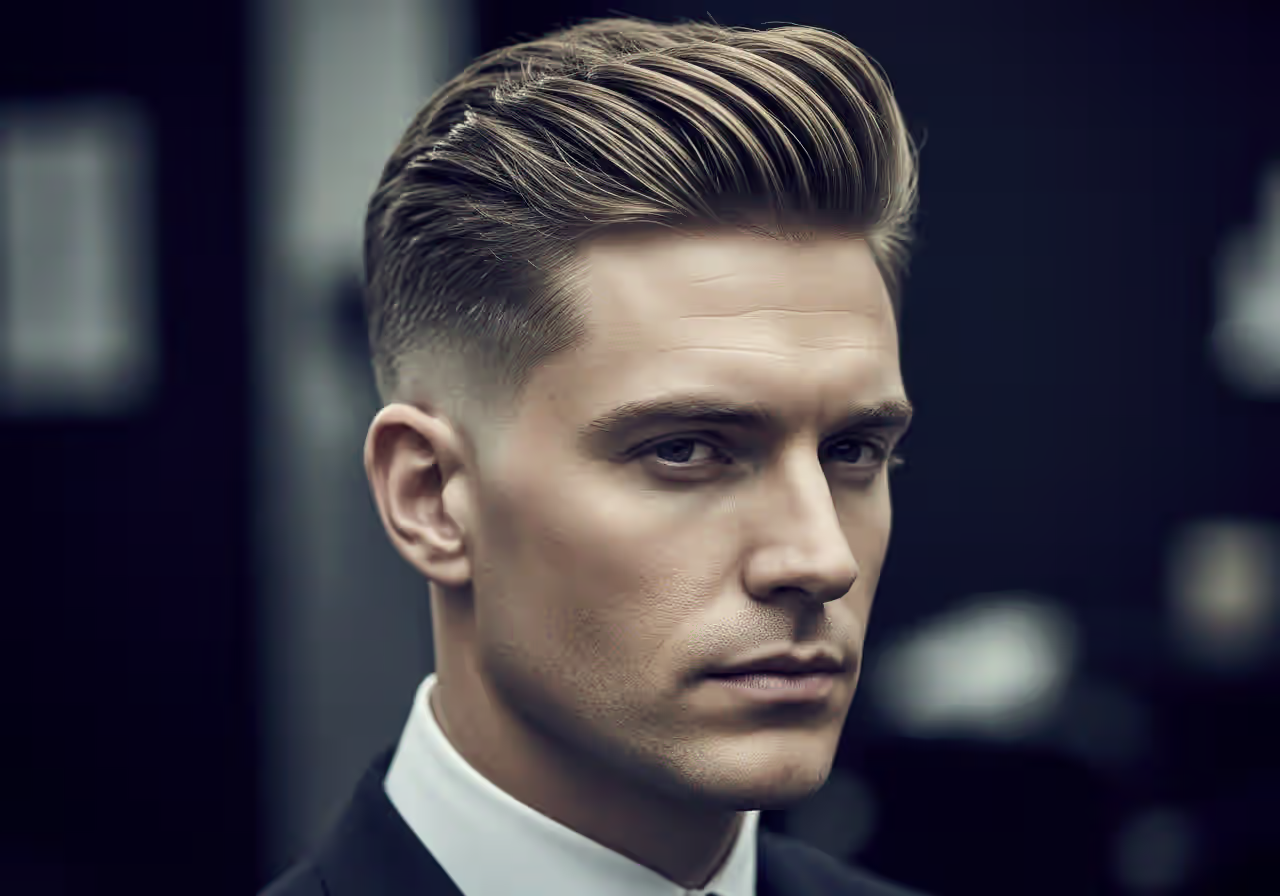
A mid taper starts the blend roughly level with the temples. You can see the gradient from the front and the side, but there is still enough hair on the sides to avoid the stark look of a high fade. It is the default most barbers reach for when a client says "a taper, not too much." The medium taper fade guide covers it in depth, and our separate mid fade page explains how a mid fade differs from a mid taper.
High taper fade
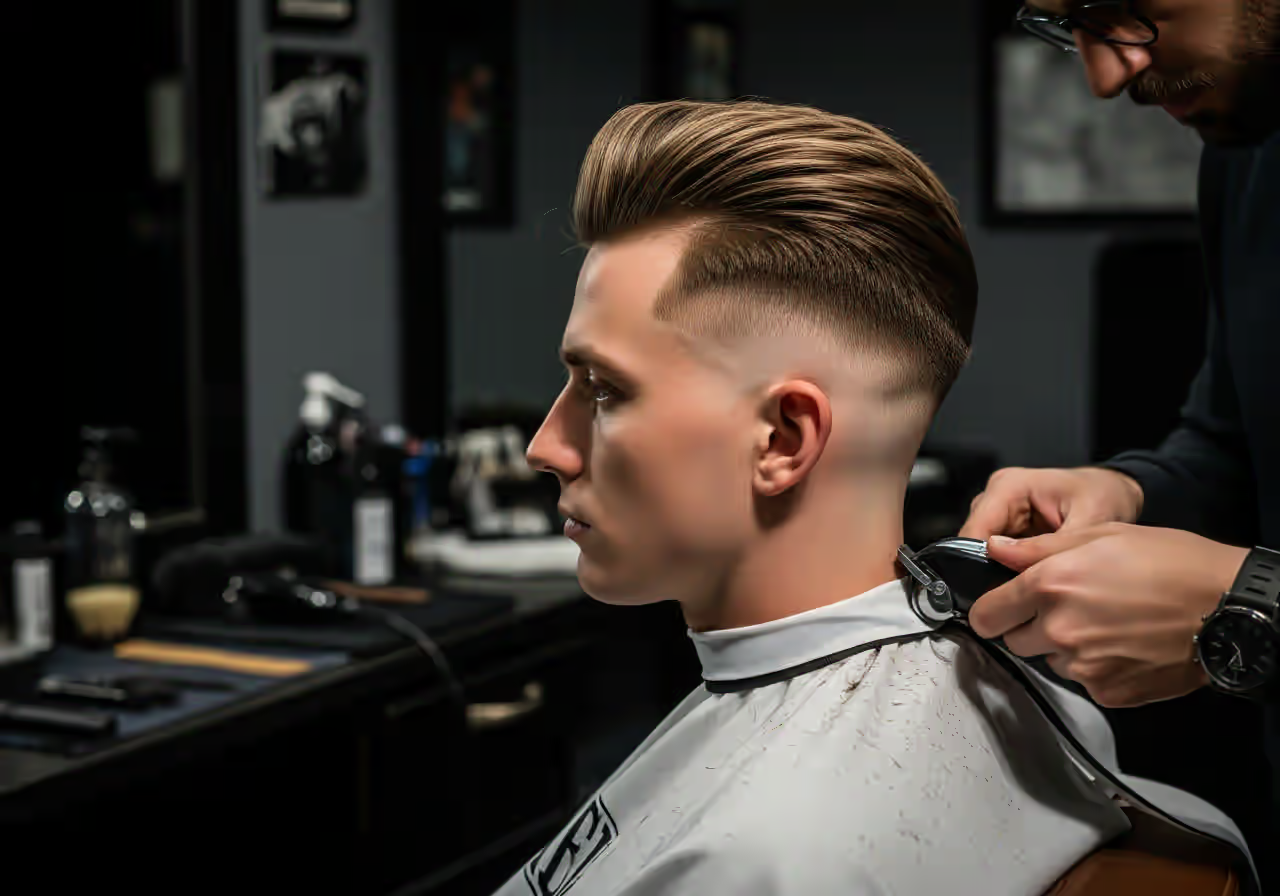
The high taper moves the short section up toward the parietal ridge, so most of the sides are tight and the top stands out. It suits strong top styles like pompadours, quiffs and high-volume curls, and it shows off a clean head shape. The trade-off is upkeep: the shortest hair covers more of the head, so regrowth shows within one to two weeks. See the high taper fade guide for examples.
Taper Fade vs Regular Fade vs Taper
These three terms overlap, and barbers in different shops use them a little differently, which is why it pays to describe the result rather than rely on the name alone. The short version, consistent with our fade types guide:
- Taper: only the outline (sideburns and nape) is shortened. Everything else on the sides keeps some length. This is the most conservative option.
- Taper fade: the taper extends up into the sides with a visible gradient, usually ending at a #0.5 or #1 near the hairline.
- Fade: the short section wraps around the whole head at a set height and often goes down to bare skin, giving the most contrast.
If your barber asks "taper or fade?", they are usually asking how far up and how short you want it. Answering with a height and a guard number removes the guesswork. If you are not sure of the vocabulary at all, our guide on how to ask for a fade without knowing the terminology walks through plain-English descriptions that work.
Popular Taper Fade Styles on Top
The taper is only half the haircut. What you do with the top decides the overall style, and nearly every short-to-medium cut can sit on a taper. Common pairings:
- Textured crop or French crop: short, choppy top pushed forward. Works well with a low or mid taper and needs only a little clay.
- Crew cut: short on top, slightly longer at the front. A low taper keeps it neat without going military.
- Quiff or pompadour: longer top lifted at the front. A mid or high taper makes the height stand out.
- Side part or comb over: classic and work-friendly; a low taper is the usual match.
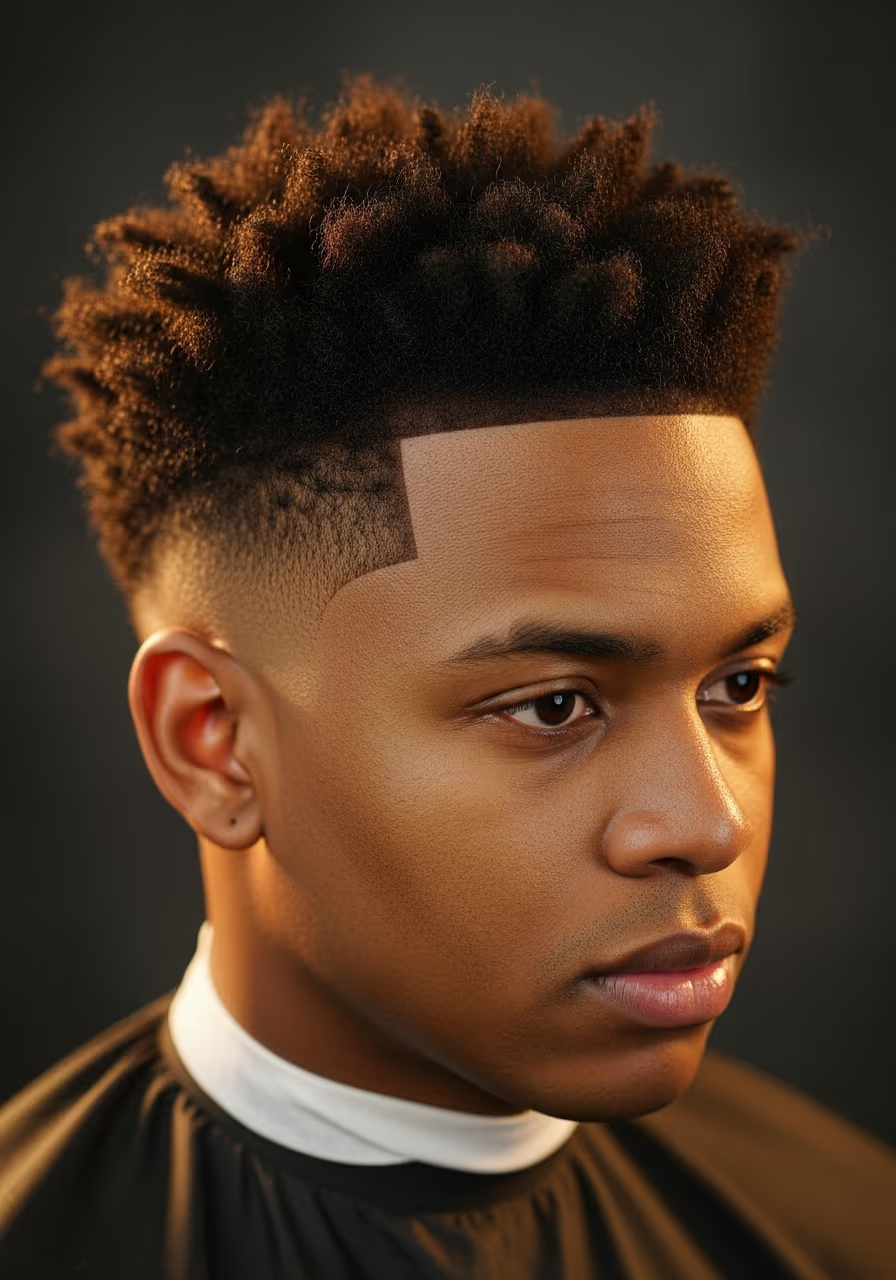
- Curly hair and coily hair: a taper keeps the sides tidy while the curls carry the shape on top.
- Edgar cut and two-block: both often use a taper or fade underneath; the top is what makes them distinct.
Who a Taper Fade Suits
By face shape
A taper fade suits almost every face shape because you can adjust where the short section sits. The general rule is that a higher taper with more height on top makes a face look longer, and a lower taper that keeps some width on the sides makes a face look shorter. If you are unsure of your shape, start with how to figure out your face shape.
| Face shape | Taper height that usually works | Why |
|---|---|---|
| Round | Mid or high | Tight sides and height on top add length |
| Oval | Any | Balanced proportions, so choose by lifestyle |
| Square | Low or mid | Keeps the jaw as the feature without boxing the head in |
| Long | Low | Leaves width at the sides and avoids extra height |
| Heart | Low | Some side length balances a wider forehead |
| Diamond | Low or mid | Avoids exaggerating wide cheekbones |
By hair type
Straight hair shows every step of the blend, so the taper needs to be clean; a low taper is the most forgiving. Thick hair benefits from a taper because it removes bulk from the sides that would otherwise puff out; see haircuts for thick hair. Wavy and curly hair hides small blend imperfections, and a taper keeps the sides from expanding as the hair grows. Coily hair springs up after cutting, so the same guard looks shorter than on straight hair, which is covered in taper fades for coily hair. Thinning hair usually looks fuller with a low taper and a slightly longer top, rather than a high, tight one that increases contrast.
What to Ask Your Barber
Barbers work from guard numbers, so giving them a starting guard, a height and a top length is the fastest way to get the cut you picture. Lengths below follow our clipper guard numbers chart.
| Taper | Bottom (edges) | Blend through | Sides above blend | Top |
|---|---|---|---|---|
| Low taper fade | #0.5 or #1 | #1.5 to #2 | #3 or #4 | Scissors, 2 to 4 inches |
| Mid taper fade | #0.5 or #1 | #1 to #2 | #2 or #3 | Scissors or #6 to #8 |
| High taper fade | #0 or #0.5 | #1 to #2 | #2 up to the ridge | Scissors, longer for volume |
Example request: low taper fade
"Low taper fade, starting just above the ear. A #1 at the sideburns and nape, blended up to a #3 on the sides. Leave about three inches on top for a textured crop, and keep the neckline tapered rather than blocked."
Example request: mid taper fade
"Mid taper fade starting around the temple. Take the bottom down to a half guard, blend through a #1 and #2, and keep the top scissor-cut so I can push it to the side."
Two details often get missed. First, the neckline: a tapered nape grows out more naturally than a squared one, and our guide to block vs tapered vs rounded necklines explains the difference. Second, the line-up: some men want a sharp edge at the hairline, others prefer it natural. See line-up vs edge-up before you decide. If the barber uses a word you do not recognise, our explainer on what blend means at the barbershop helps, and how to talk to your barber covers bringing reference photos.
How to Style a Taper Fade
The sides need no styling, so all the work goes into the top. Match the product to the top style rather than the taper:
- Short textured tops: a small amount of matte clay or paste worked through towel-dried hair, then pushed into shape with fingers.
- Quiffs and pompadours: blow-dry the front upward with a round brush or fingers, then set with a pomade or clay for hold.
- Side parts and comb overs: comb a light pomade through damp hair and set the part with a fine comb.
- Curls and coils: leave-in conditioner or curl cream on wet hair, scrunch, and let it air-dry or use a diffuser.
If you are unsure which product to use, our comparison of pomade vs clay vs wax and the guide to matte vs shine products explain the trade-offs. With curly hair, how to use a diffuser helps the top keep its shape.
Maintenance and Cost
A taper fade looks sharpest in the first week. The shortest hair at the edges is where regrowth shows first, and the higher the taper, the more of the head that short section covers. As a typical guide:
- Low taper fade: every three to four weeks.
- Mid taper fade: every two to three weeks.
- High taper fade: every one to two weeks if you want it crisp.
Between visits, a tidy neckline makes a big difference, and you can do it yourself with a trimmer; see how to trim your own neckline. For general timing by hair type, read how often you should get a haircut.
On cost, a taper fade is usually priced as a standard cut or slightly above it at most shops, because it takes more clipper work than a scissor trim but less than a full skin fade. Our haircut cost guide puts a standard cut at a neighborhood barbershop typically in the $25 to $45 range, with city location and barber seniority moving the price the most. Higher fades and skin finishes usually add a little, as covered in how much a skin fade costs. Remember to budget for the tip.
If a taper comes out uneven, patchy or too high, do not panic: there are usually fixes. Start with how to fix an uneven fade and why a fade can look patchy.
Frequently Asked Questions
Q1: What is a taper fade?+
Q2: What is the difference between a low, mid and high taper fade?+
Q3: Is a taper fade the same as a fade?+
Q4: What guard numbers are used for a taper fade?+
Q5: How long does a taper fade last?+
Q6: Which taper fade is best for a professional job?+
Make us a Preferred Source on Google
See our latest articles first in your Google Search & AI Overviews.