
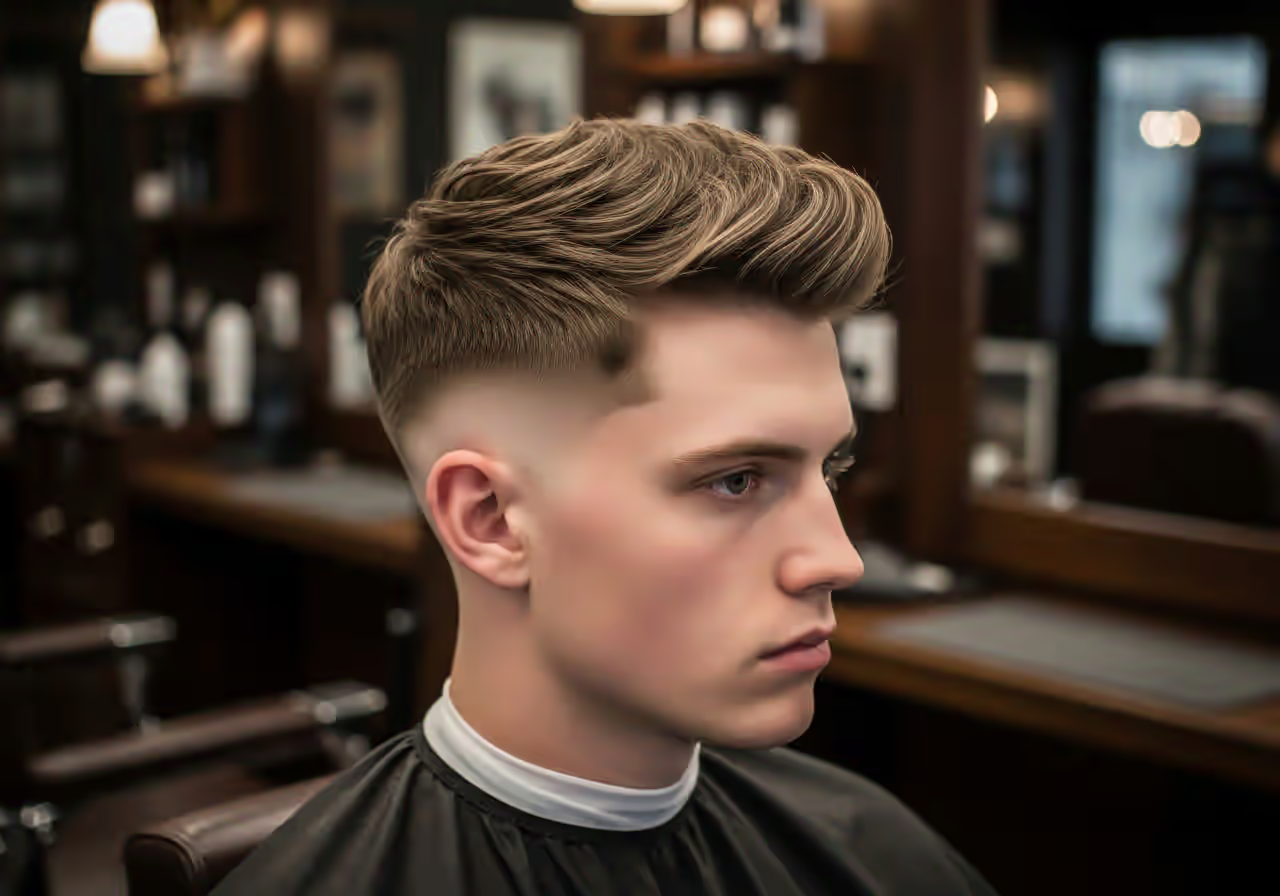
Mid Fade Haircut:
Styles, Guard Numbers and Upkeep
The middle height of the fade family: visible from the front, but less stark than a high fade.
By Jessica Hamilton · Updated
Quick answer: A mid fade starts the blend around the temples. Below that line the hair is clipped very short or to skin, and above it the sides blend into the longer top. It shows a clear gradient from the front, suits most men and top styles, and needs a trim every 2 to 3 weeks.
Style images are AI-generated illustrations.
📚 Part of our Fades & Tapers guide hub, explore every related guide in one place.
A mid fade is a fade haircut where the transition from short to long starts around the middle of the sides, roughly level with the temples and the top of the ears. Below that line the hair is clipped very short or to skin, and above it the sides blend up into the longer top. It sits between a low fade and a high fade: the gradient is easy to see from the front and side, but there is still enough length on the upper sides to keep the look balanced.
What a Mid Fade Looks Like
Picture a line running around the head at about temple height. Under the line, the hair is short enough for the scalp to show through. Over the line, the sides get gradually longer until they meet the top. On most men that puts the shortest section across the lower half of the sides and the back, which slims the head without the shaved look of a high taper fade.
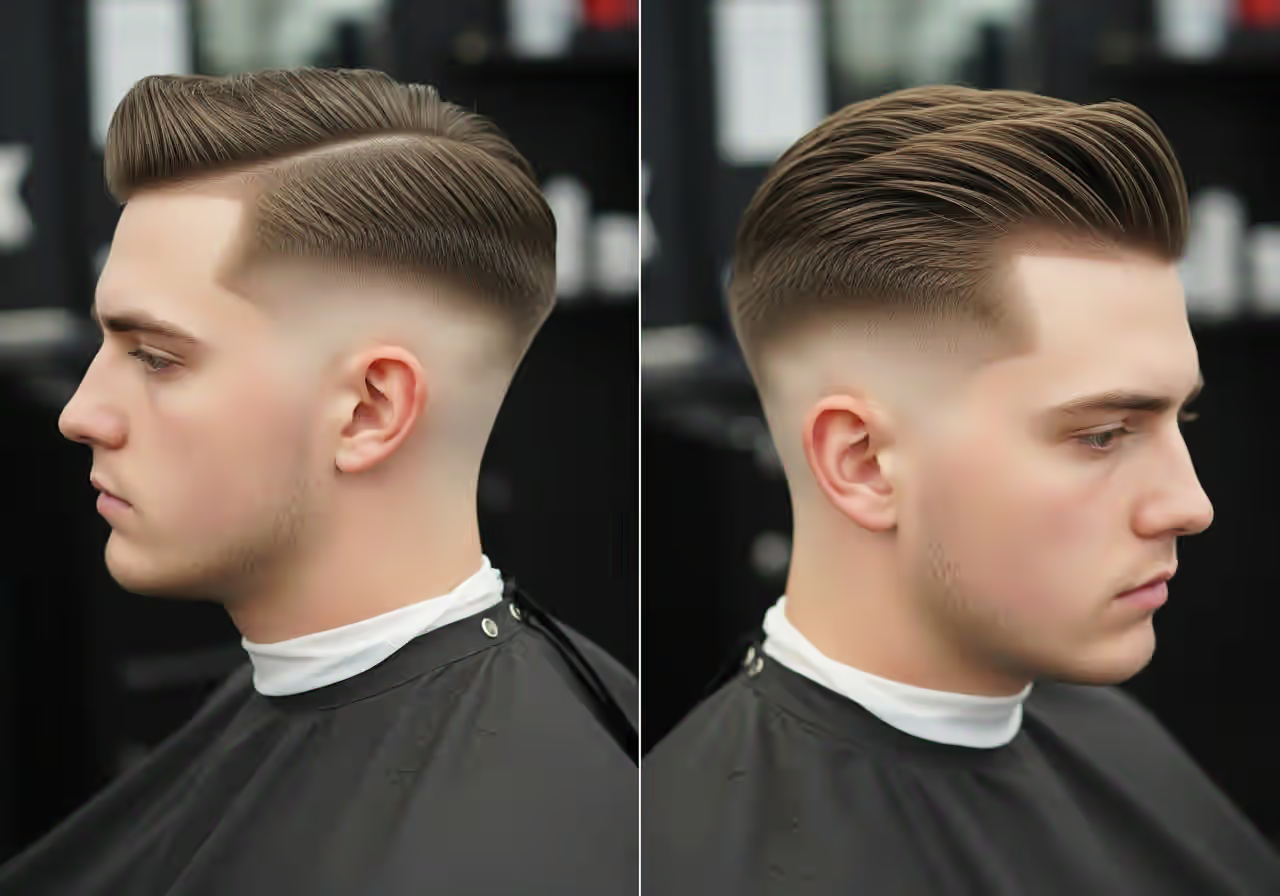
Because the line sits higher than on a low fade, a mid fade shows more of the blend, so the quality of the barber's work matters. A clean mid fade has no visible steps between guard lengths; the hair should look like it fades smoothly from dark to light. If you see lines, our guide to why a fade looks patchy explains the usual causes.
Mid Fade vs Low Fade vs High Fade
Every fade is defined by where it starts and how short it goes. The fade types guide covers the full family; this table focuses on the three main heights.
| Height | Starting line | What you see from the front | Best for | Trim interval |
|---|---|---|---|---|
| Low fade | Just above the ear | Very little | Conservative, subtle looks | 2 to 3 weeks |
| Mid fade | Around the temple | A clear gradient on the lower sides | Most men, most top styles | 2 to 3 weeks |
| High fade | Near the top of the sides | Mostly short sides | Bold contrast, tall tops | 1 to 2 weeks |
The mid fade is often the default when a client asks for "a fade" without saying how high. If you want the cut to look the same every visit, say "mid" out loud rather than leaving the height to the barber.
Mid fade vs mid taper
A mid taper blends at the same height but keeps a little more length and usually stops at a #0.5 or #1 rather than skin. A mid fade tends to go shorter and wrap more fully around the head. The medium taper fade guide shows dozens of mid taper examples, and our taper fade overview explains how tapers and fades differ.
Mid Fade Variations
Mid skin fade
The bottom is taken to bare skin with a foil shaver or razor. It gives the sharpest contrast and the cleanest look for the first week, and it needs trimming the soonest. See the skin fade guide.
Mid drop fade
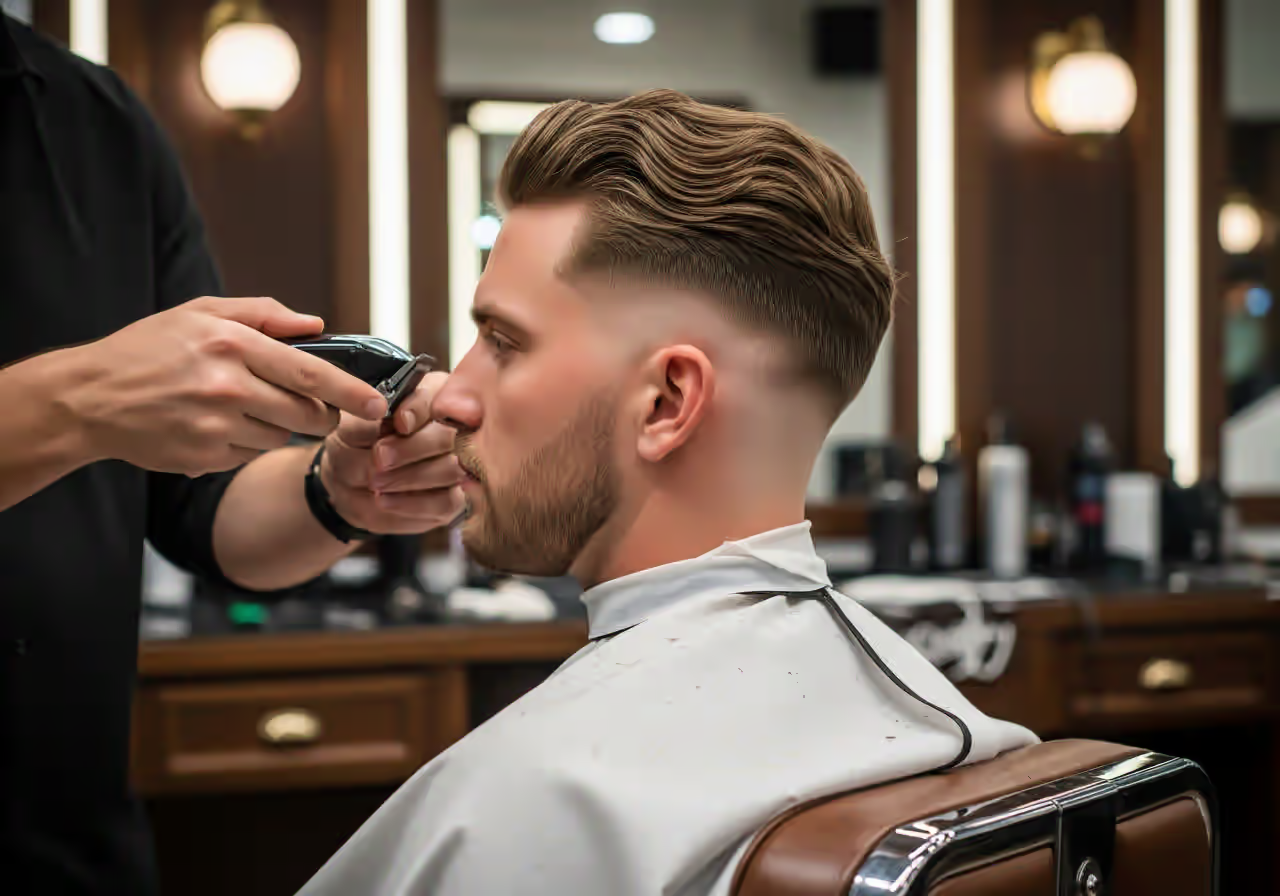
The line starts at mid height above the ear, then curves down behind it toward the nape. It follows the shape of the head and suits curly or textured hair. See the drop fade guide.
Mid burst fade
The fade fans out in a semicircle around the ear and leaves length at the back. It is common with mohawks and mullets. See the burst fade guide.
Mid fade on natural and coily hair
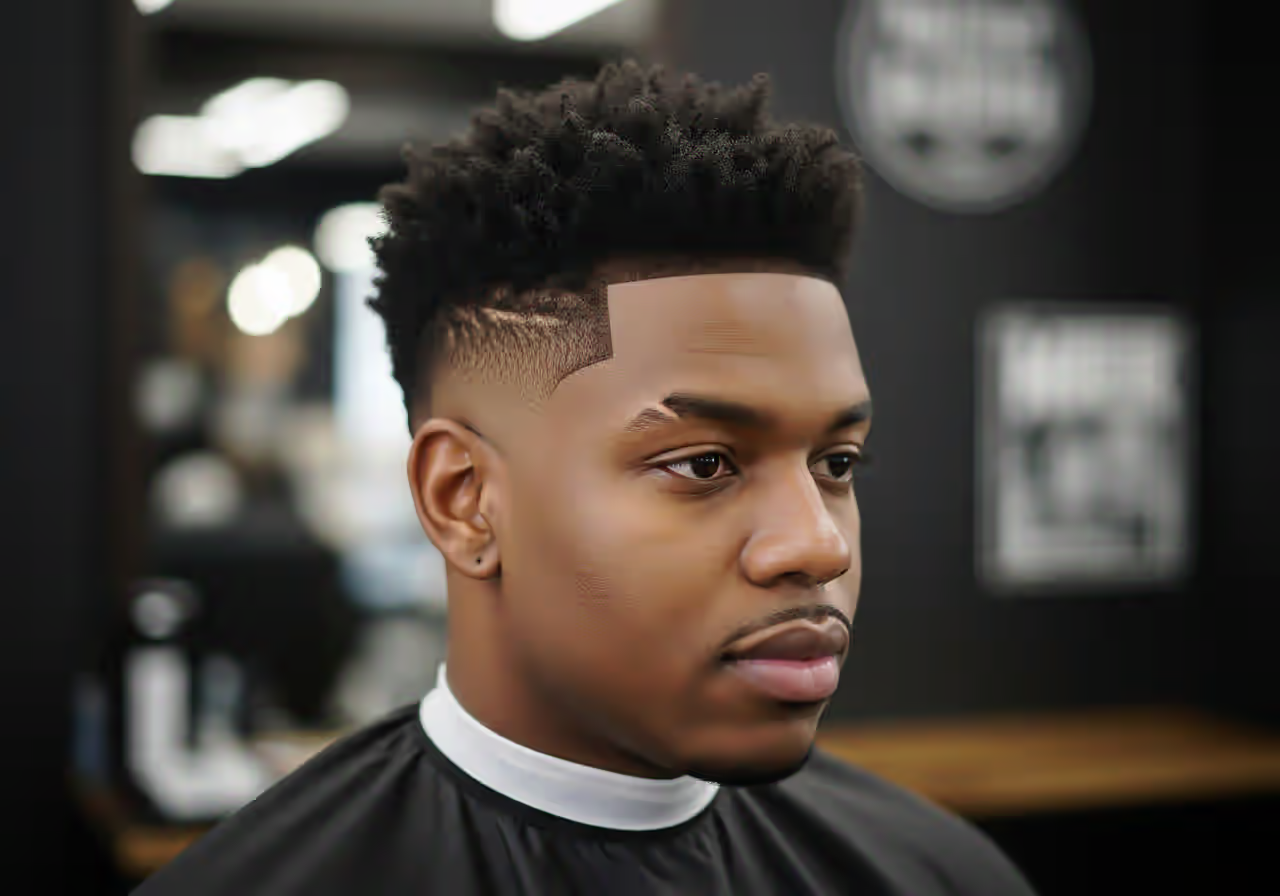
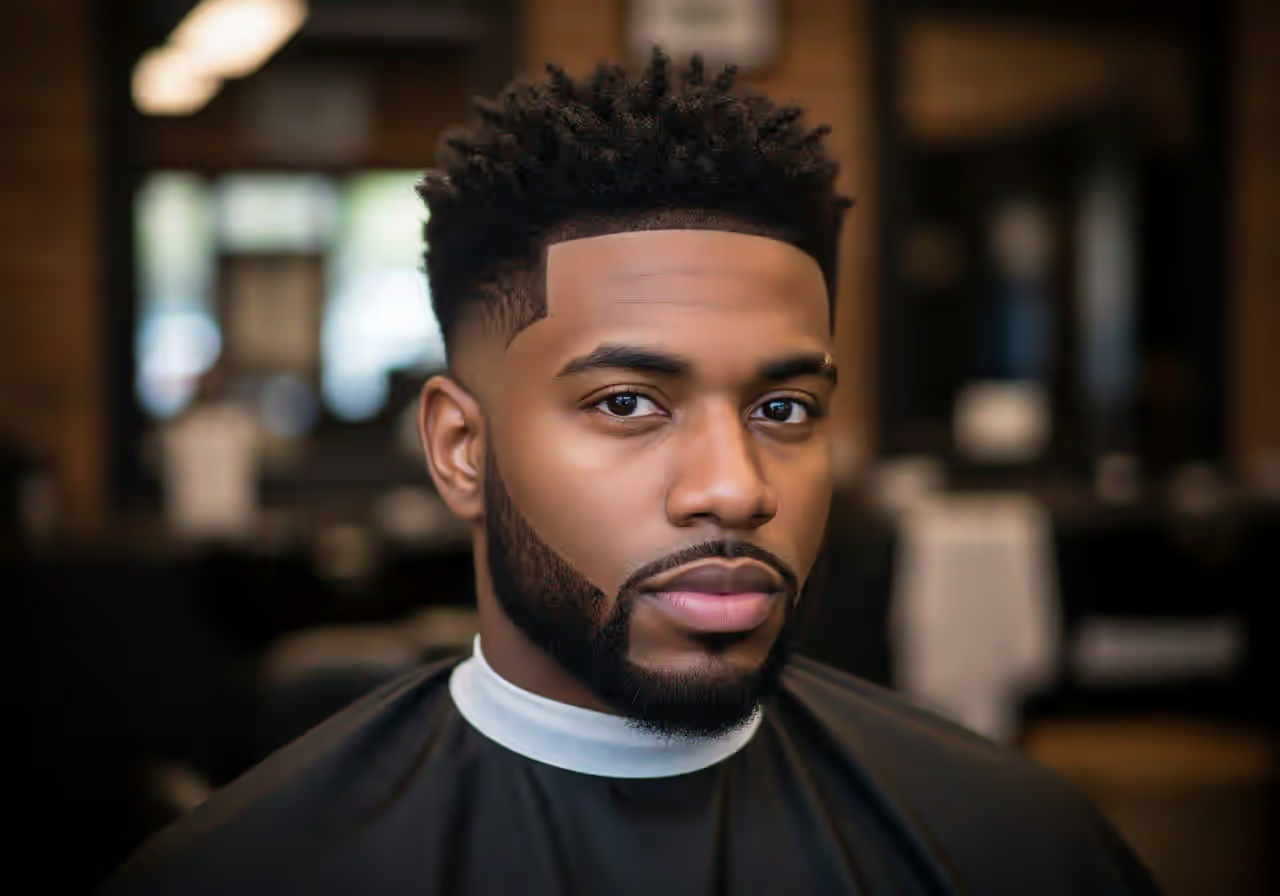
On coily hair the mid fade is often finished with a sharp line-up at the temples and forehead. The same guard looks shorter on coily hair than on straight hair, so many barbers use one guard longer in the blend. See taper fades for coily hair, Black men's haircuts and, for a high-volume top, high top fade haircuts.
Top Styles That Work With a Mid Fade
The mid fade works with short, medium and textured tops. It is high enough to make a top style stand out, but low enough not to dominate it.
- Textured crop: probably the most common pairing; short, choppy and forward.
- French crop and Caesar cut: short fringes that look sharper with tight lower sides.
- Quiff, pompadour and slick back: the fade lets the height on top stand out.
- Side part: a mid fade gives a classic part a more modern finish.
- Edgar cut, two-block and faux hawk: styles built on contrast between the sides and the top.
- Curly tops and the broccoli cut: the fade keeps the sides neat while curls carry the shape.
Who a Mid Fade Suits
Face shape
A mid fade suits more face shapes than either extreme. Tightening the lower sides makes the face look slightly longer and narrower, so it is a good match for round and square faces, especially with some height on top. Oval faces can wear it with any top. Men with long or heart-shaped faces may prefer a low fade that keeps more width at the sides. See the face shape guides hub or start with round face haircuts and square face haircuts.
Hair type
Straight hair shows the blend clearly, so ask for a soft, gradual transition. Thick hair looks less bulky with a mid fade because more weight comes off the sides; see haircuts for thick hair. Wavy and curly hair hides minor steps in the blend. Fine or thinning hair can look thinner next to very short sides, so a mid fade with a soft blend and a fuller top usually works better than a high skin fade; see best haircuts for thinning hair on top.
Head shape
A mid fade shows more of the head's outline than a low fade. If the back of your head is flat, keep a little more length over the crown; haircuts for a flat back of the head explains how. If your ears stick out, the tighter sides make them more visible, and haircuts for big ears may help you choose.
What to Ask Your Barber
Give the barber the height, the shortest guard, the guards to blend through and the top length. Guard lengths follow the clipper guard numbers chart: a #0.5 leaves about 1.5 mm, a #2 about 6 mm and a #4 about 13 mm.
| Version | Bottom | Blend | Upper sides | Top |
|---|---|---|---|---|
| Classic mid fade | #0.5 | #1 to #2 | #3 or #4 into the top | Scissors, 2 to 4 inches |
| Mid skin fade | Skin | #0.5 to #2 | #3 | Scissors |
| Mid fade with crop | #0 or #0.5 | #1 to #2 | #3 | Scissors, 1 to 2 inches, textured |
| Mid drop fade | #0.5 or skin | #1 to #2, dropping behind the ear | #3 | Scissors, any length |
Example request
"Mid fade, starting about level with my temples. Half guard at the bottom, blended through a #1 and #2 so there are no lines, up to a #3 where it meets the top. Scissors on top, about two inches, textured for a crop. Tapered neckline."
If you want skin
"Mid skin fade, same height, but take the bottom to skin and keep the blend soft. Line me up at the temples but leave the front hairline natural."
Show the barber a photo from the side. If you are unsure of the vocabulary, see how to ask for a fade without knowing the terminology and what blend means at the barbershop.
How to Style a Mid Fade
The fade takes care of the sides. For the top:
- Crops and fringes: towel-dry, apply a small amount of matte clay or paste, and push forward with your fingers for separation.
- Quiffs and pompadours: blow-dry the front upward and back, then set with pomade or clay.
- Side parts and slick backs: comb pomade through damp hair, set the part, then smooth the sides.
- Curls: use curl cream on wet hair and air-dry or diffuse; avoid heavy waxes that weigh curls down.
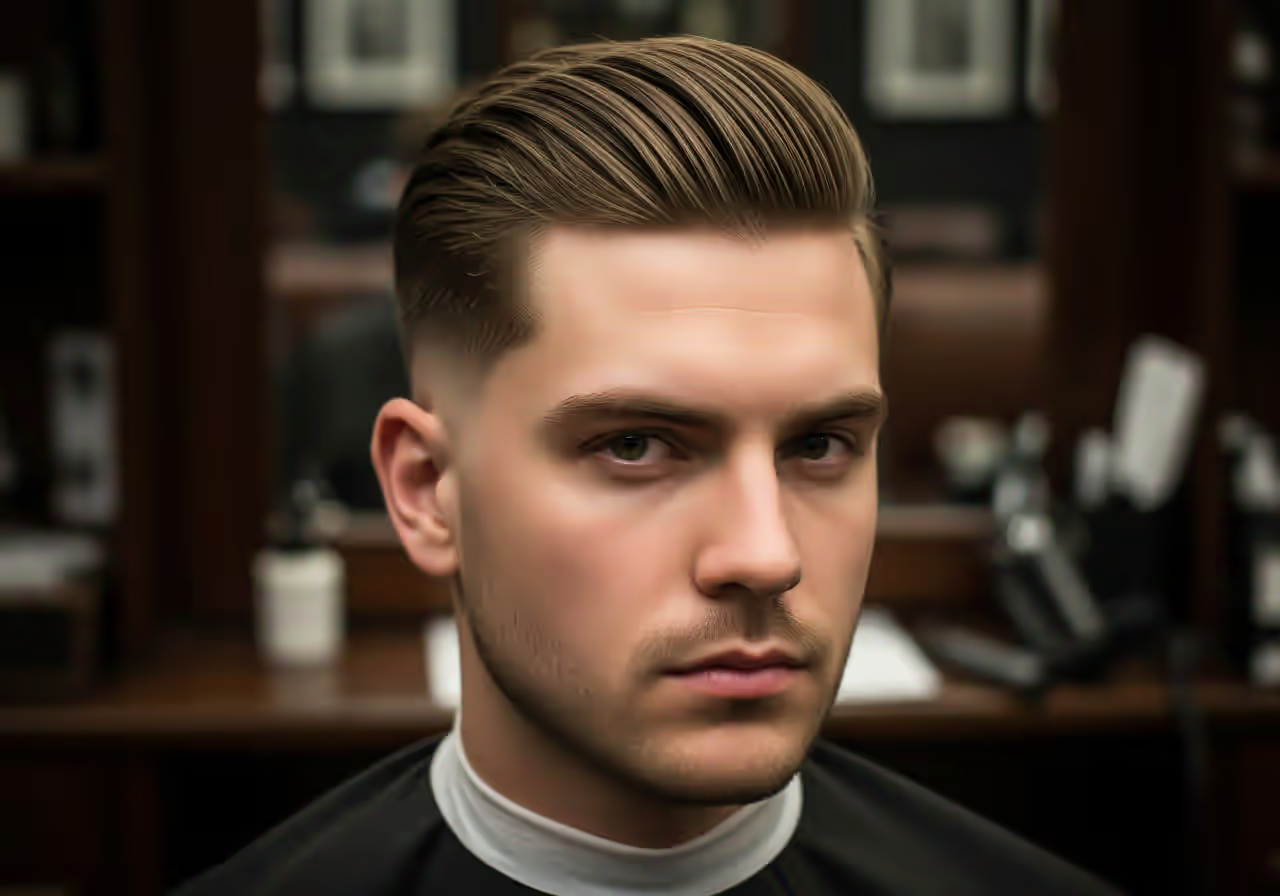
For product choices, see pomade vs clay vs wax. In humid weather, frizz control tips help the top hold its shape.
Maintenance and Cost
A mid fade usually looks crisp for one to two weeks and acceptable for about three. A mid skin fade shows regrowth sooner because the bare skin at the bottom fills in fast. Most men with a mid fade book every two to three weeks; for more on timing, see how often you should get a haircut.
At home, keep the neckline and the area around the ears tidy with a trimmer between visits. Our guides to trimming your own neckline and preventing razor bumps on the neckline help. Some shops offer a quick fade or line-up touch-up between full cuts, which is worth asking about.
On price, a mid fade is typically charged as a standard cut or a little above. The haircut cost guide puts a typical neighborhood barbershop cut in the $25 to $45 range, with skin fades usually costing a little more; see skin fade cost. Since a mid fade needs more frequent visits than a longer cut, the visit frequency affects your yearly spend more than the price of a single cut.
Frequently Asked Questions
Q1: What is a mid fade haircut?+
Q2: What is the difference between a mid fade and a low fade?+
Q3: What guard numbers are used for a mid fade?+
Q4: Does a mid fade suit a round face?+
Q5: How often should I get a mid fade cut?+
Q6: Is a mid fade the same as a medium taper fade?+
Make us a Preferred Source on Google
See our latest articles first in your Google Search & AI Overviews.