

Quick answer: The most flattering haircut balances your face's proportions. Add height to a round face, keep the sides fuller on a long one, and soften a strong square jaw. Measure your face shape at home first using the mirror method. This hub then links the oval, round, square, long, heart and diamond guides, plus guides for ears, foreheads, noses and glasses.
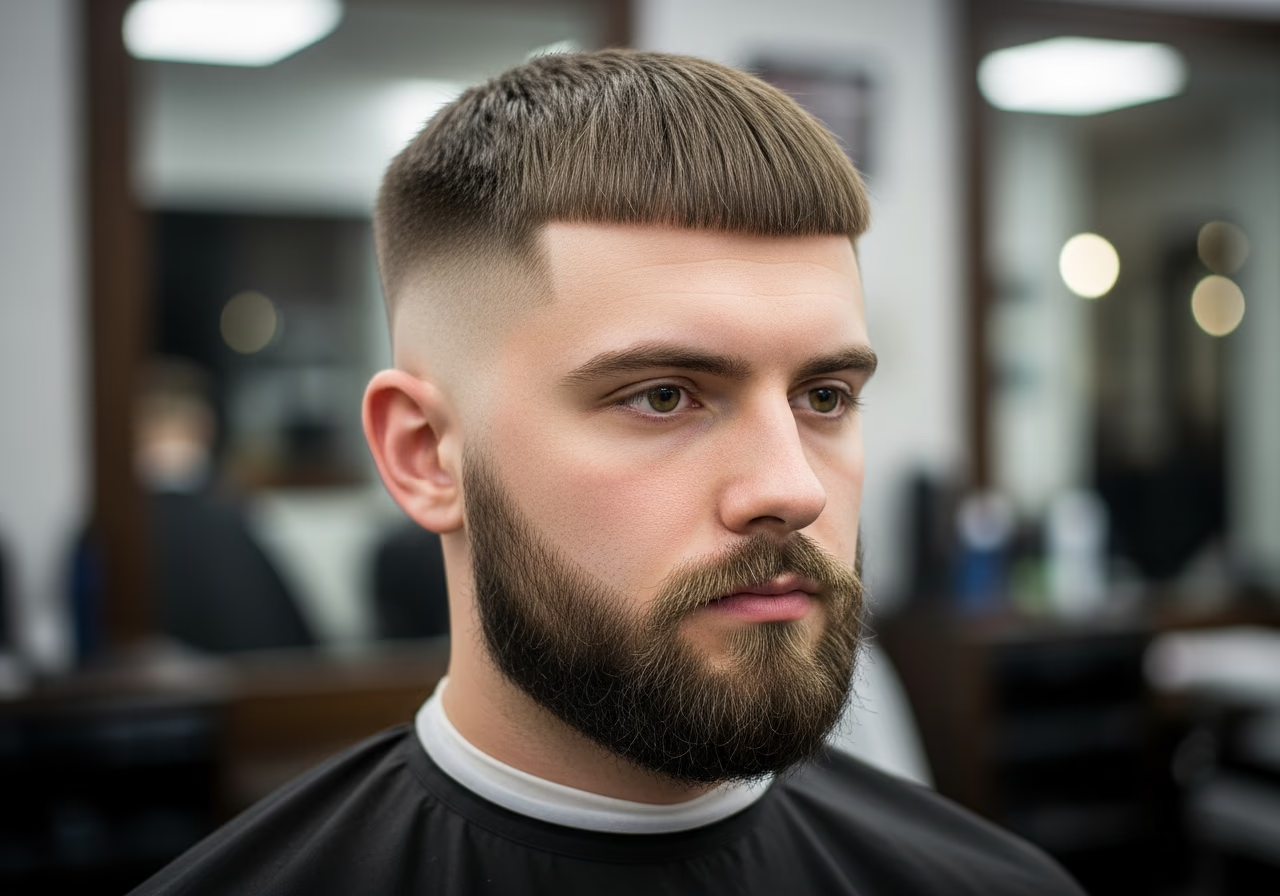
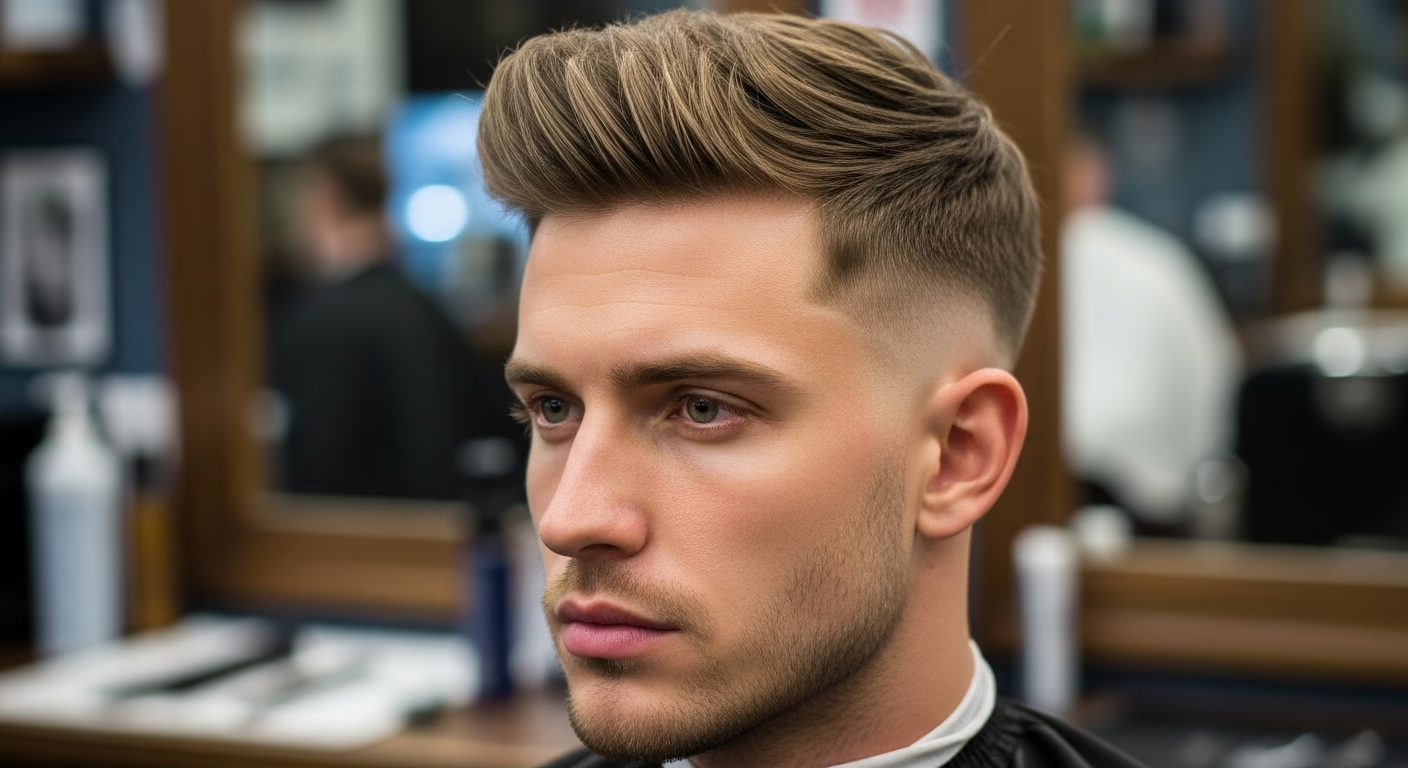
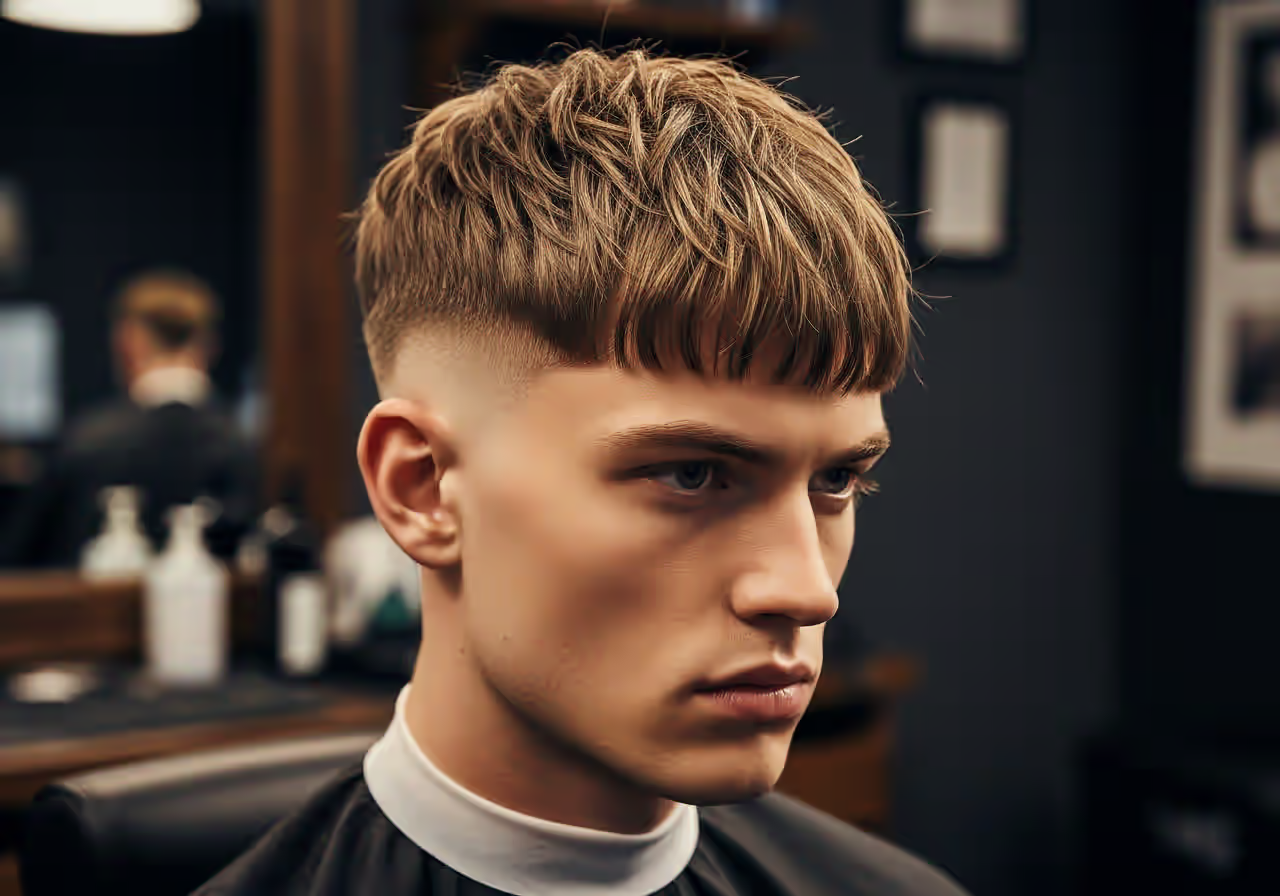
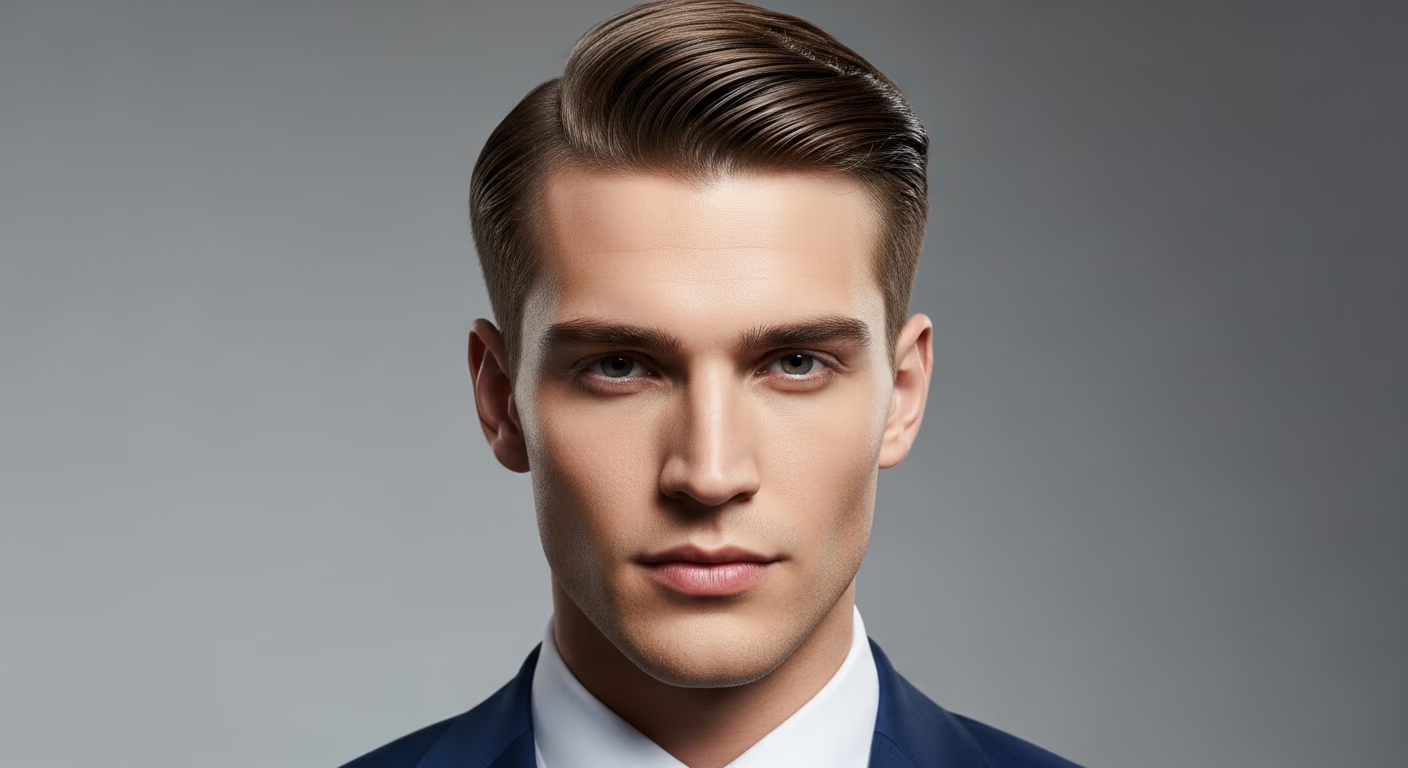
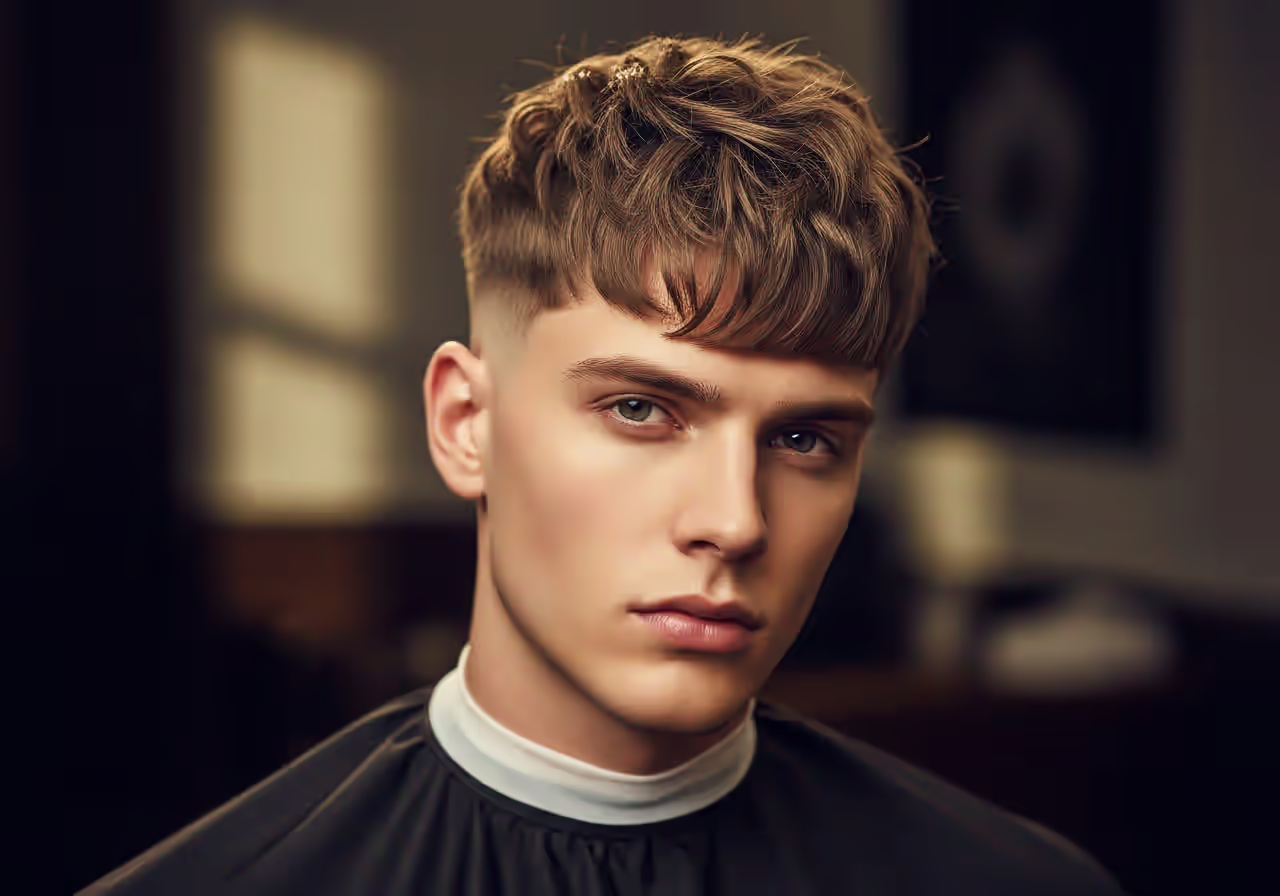
Style images are AI-generated illustrations.
The most flattering haircut is the one that balances your proportions. This hub links every face-shape guide plus the feature-specific ones (big ears, high forehead, prominent nose, glasses) and shows you how to find your own face shape at home first.
Find Your Shape First
By Face Shape
Oval Face Haircuts for Men
Haircuts for oval faces: 35 styles for men, from quiffs and pompadours to wolf cuts, undercuts and Korean two-blocks, chosen by hair type and lifestyle.
Haircuts for Round Faces
Haircuts for round faces: 62 styles for men that add height and slim the sides, from fades and crops to pompadours, undercuts and curly cuts.

Square Face Haircuts for Men
Haircuts for square faces: 35 styles that soften strong angles with height and texture, such as textured quiffs, pompadours, wolf cuts and curtain bangs.

Long Face Haircuts for Men
Haircuts for long faces: 35 styles that add width instead of height, such as wide textured crops and horizontal fringes, plus the tall cuts to avoid.

Heart Shaped Face Haircuts for Men
Haircuts for heart-shaped faces: 35 styles that balance a wide forehead by adding weight at the jaw, from curtain and side-swept fringes to beard pairings.

Diamond Face Fades & Crops
Fades and crops for diamond faces: 35 styles that add temple width to balance wide cheekbones, from low-to-mid fades with textured tops to forward fringes.
By Feature
Best Haircuts for Men with Big Ears
The best men's haircuts for prominent ears: French crops, textured crops and medium-length styles with coverage, and why a low taper beats buzzed sides.

Best Haircuts for Men with High Foreheads
The best men's haircuts for a high or large forehead: fringe, crop and forward styles that shorten it visually, plus what to ask your barber for.

Best Haircuts for Men with Prominent Noses
The best men's haircuts for a prominent nose: why structured volume like a pompadour or quiff balances the profile, and which flat cuts draw attention.

Best Haircuts for Men with Double Chins
The best men's haircuts for a double chin or fuller face: styles with height that draw the eye up, how a beard adds jaw definition.
How to Choose a Haircut That Complements Glasses
How to pair your haircut with your glasses: match hair volume to frame weight, keep the temples clean, and pick cuts that suit thick or thin frames.
Best Haircuts for a Flat Back of the Head
Got a flat back of the head? The men's haircuts that round out the profile, where to keep length and volume, and why a lower fade beats a high skin fade.
When You Sit Between Two Shapes
Most men are not a clean textbook example of one face shape. A jaw that is only slightly narrower than the cheekbones can read as oval in some lighting and square in others, and a forehead that is a fraction wider than the jaw can sit between round and heart. When the mirror method puts you close to two categories, read both guides and borrow from whichever principle addresses your strongest feature. If your jaw is the most noticeable feature, follow the advice for the shape built around jaw width even if your forehead measurement leans a different way.
Profile matters as much as the front-on shape. Two men can share identical face-shape measurements and need different cuts because one has a flat crown and the other has strong natural height at the back of the head. Stand side-on to a second mirror before settling on a style, since a cut chosen purely from a front photo can fall flat from the side.
Mistakes Men Make Chasing a "Flattering" Cut
- Copying a photo of a cut on someone with much thicker or finer hair than yours. The shape principle carries over, but the exact length and layering need adjusting for your density.
- Ignoring a cowlick or strong hairline pattern in favor of a style that assumes hair lies flat. A guide built for a straight hairline can fight your natural growth all day.
- Choosing height at the crown to lengthen a round or square face while skipping the sides, which leaves too much width and cancels out the effect.
- Changing the haircut but not the beard. A jawline strategy from a face-shape guide only works if facial hair is trimmed to match it, not left to its own shape.
What to Tell Your Barber Before They Touch the Clippers
Whichever shape guide you land on, arrive with three things ready: your face shape (or the two you sit between), how much length you are willing to keep on top for styling, and any growth quirks such as a cowlick, a double crown, or a hairline that sits unevenly. A barber who knows the goal is to balance a specific feature, rather than just "something that suits my face," can adjust the guard length and layering on the spot instead of defaulting to a generic template.
Bring a reference photo from the matching guide above, but say out loud which part of it you want kept (the fringe length, the fade height, the amount of texture on top). Barbers work from verbal instruction as much as from the photo, and naming the specific detail you care about is what keeps the cut aligned with your actual shape rather than a rough copy of someone else's.
Make us a Preferred Source on Google
See our latest articles first in your Google Search & AI Overviews.