Who Should Get an Undercut?
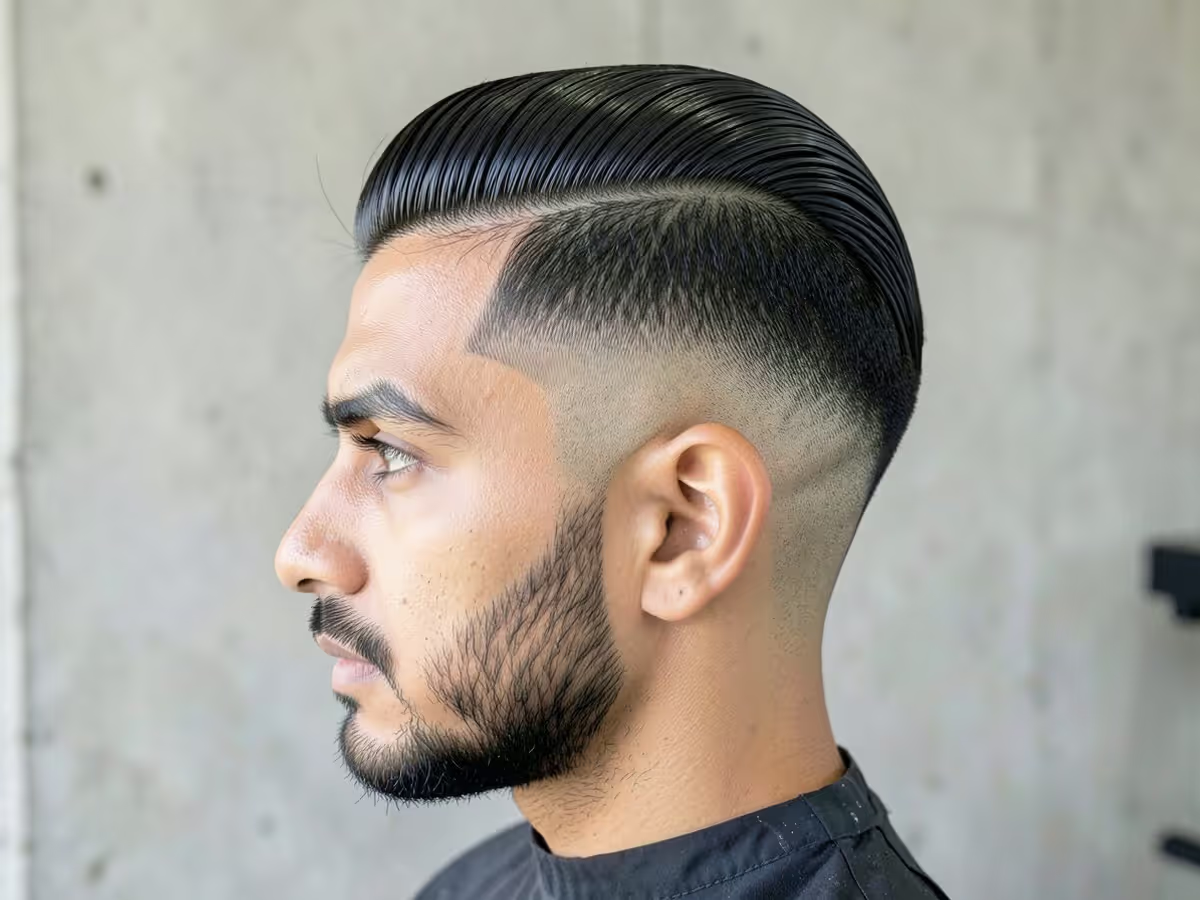
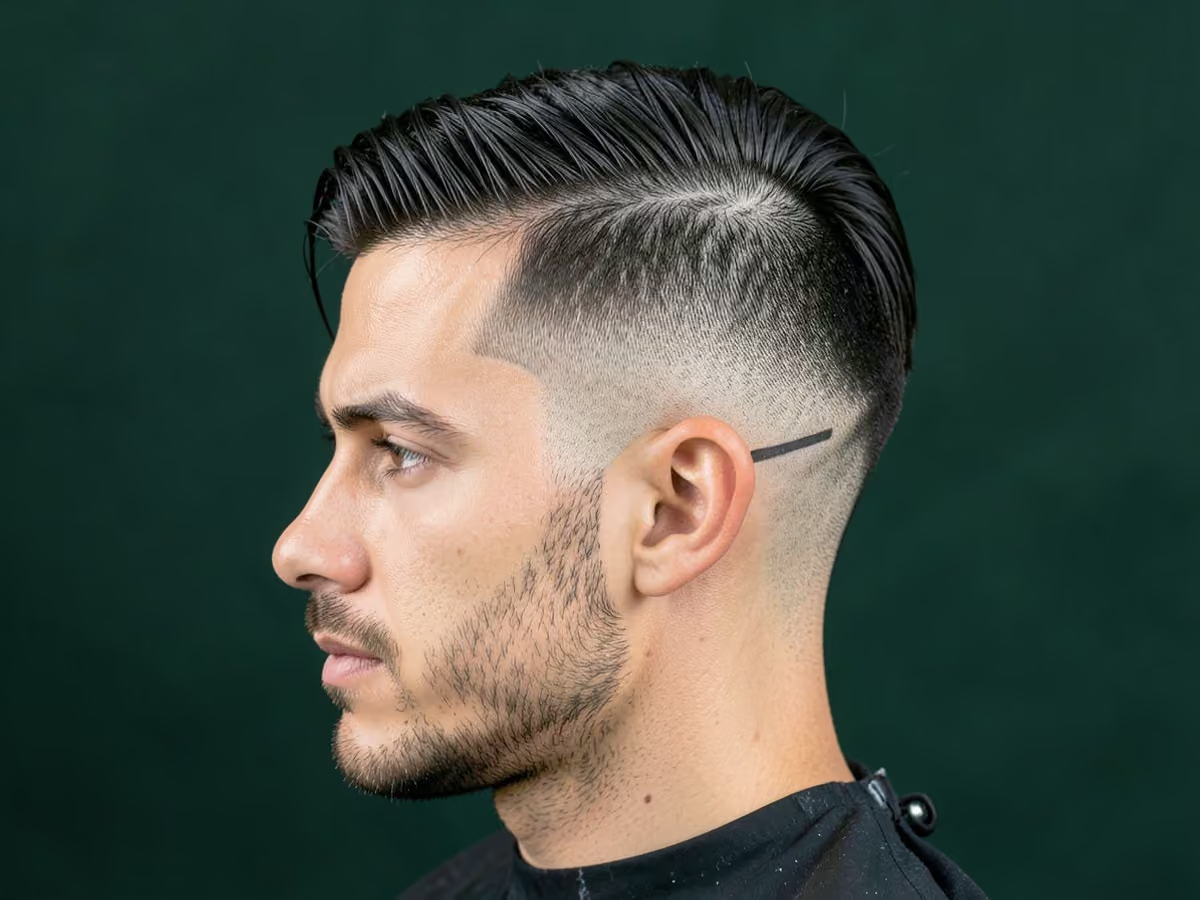
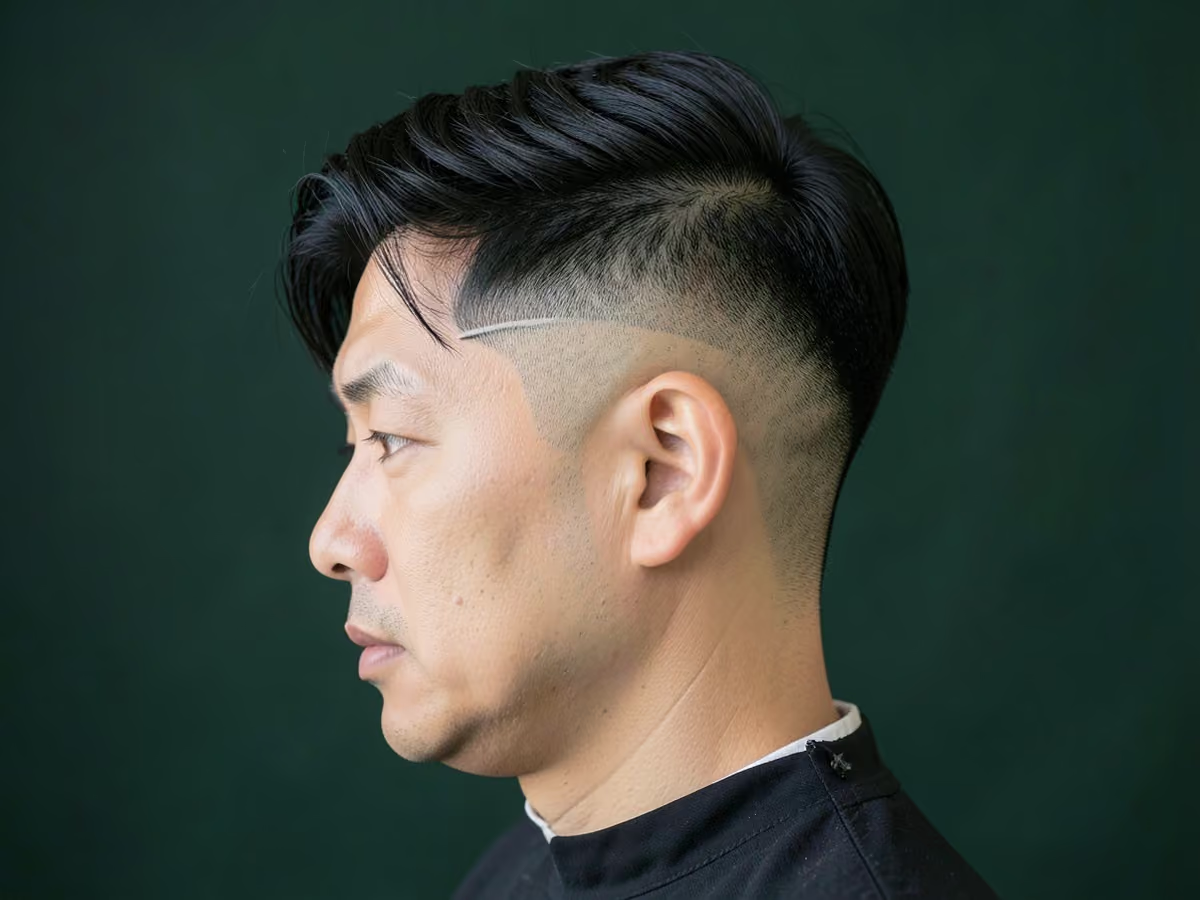
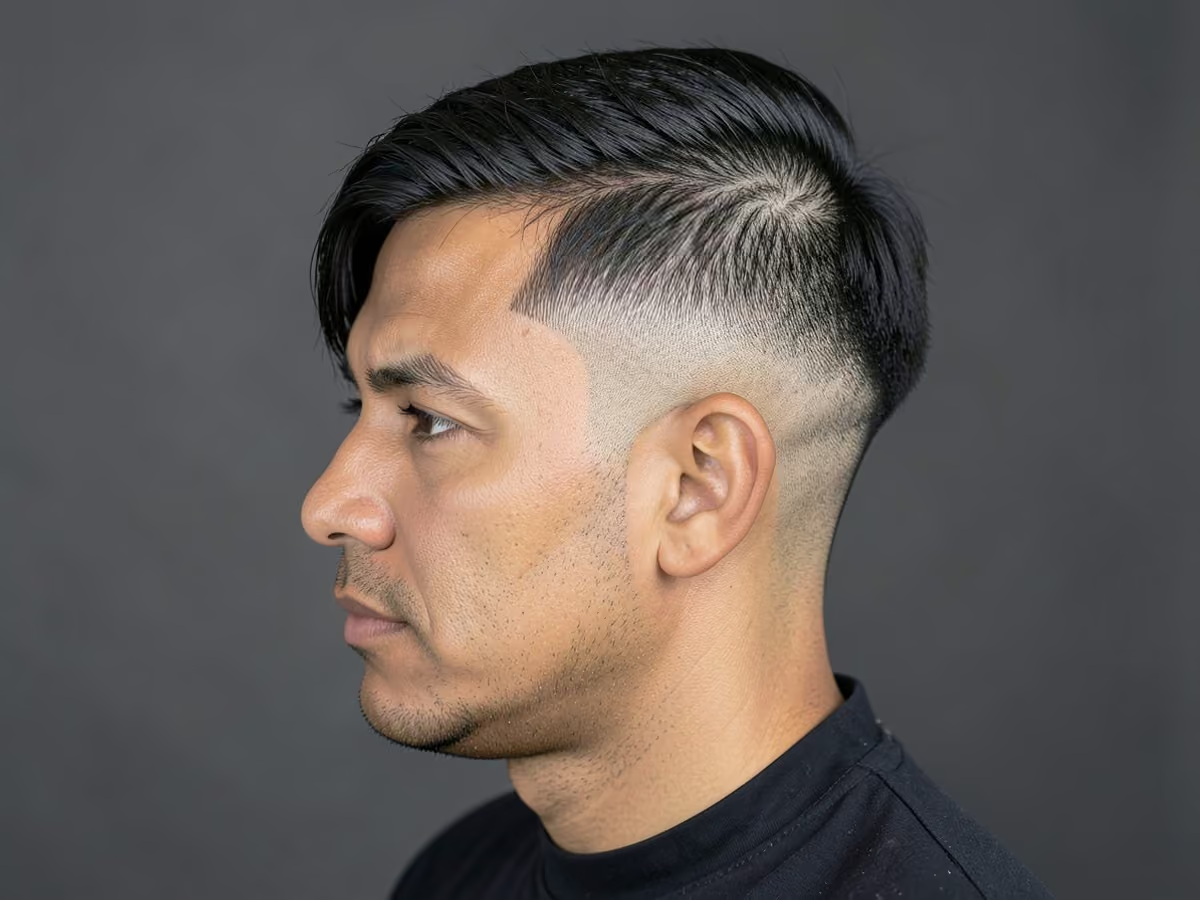
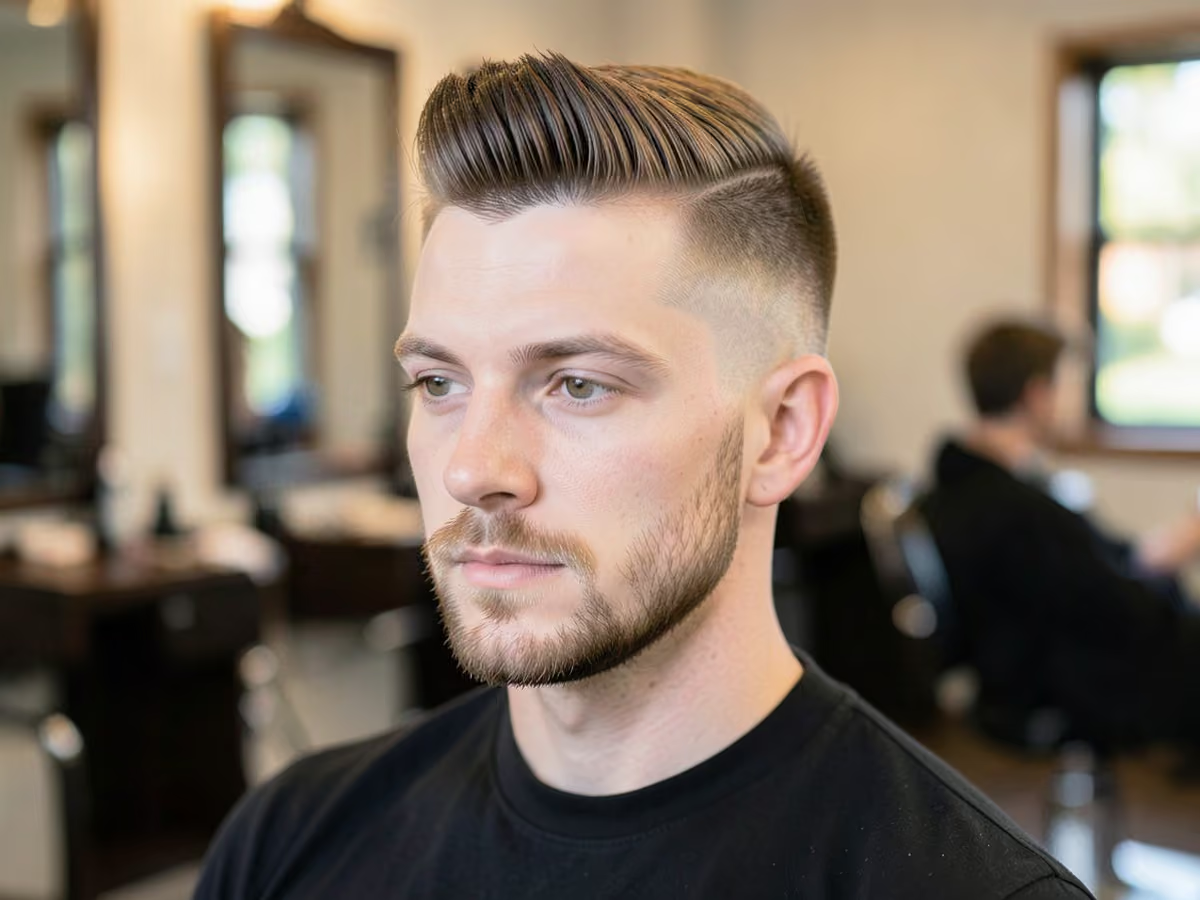
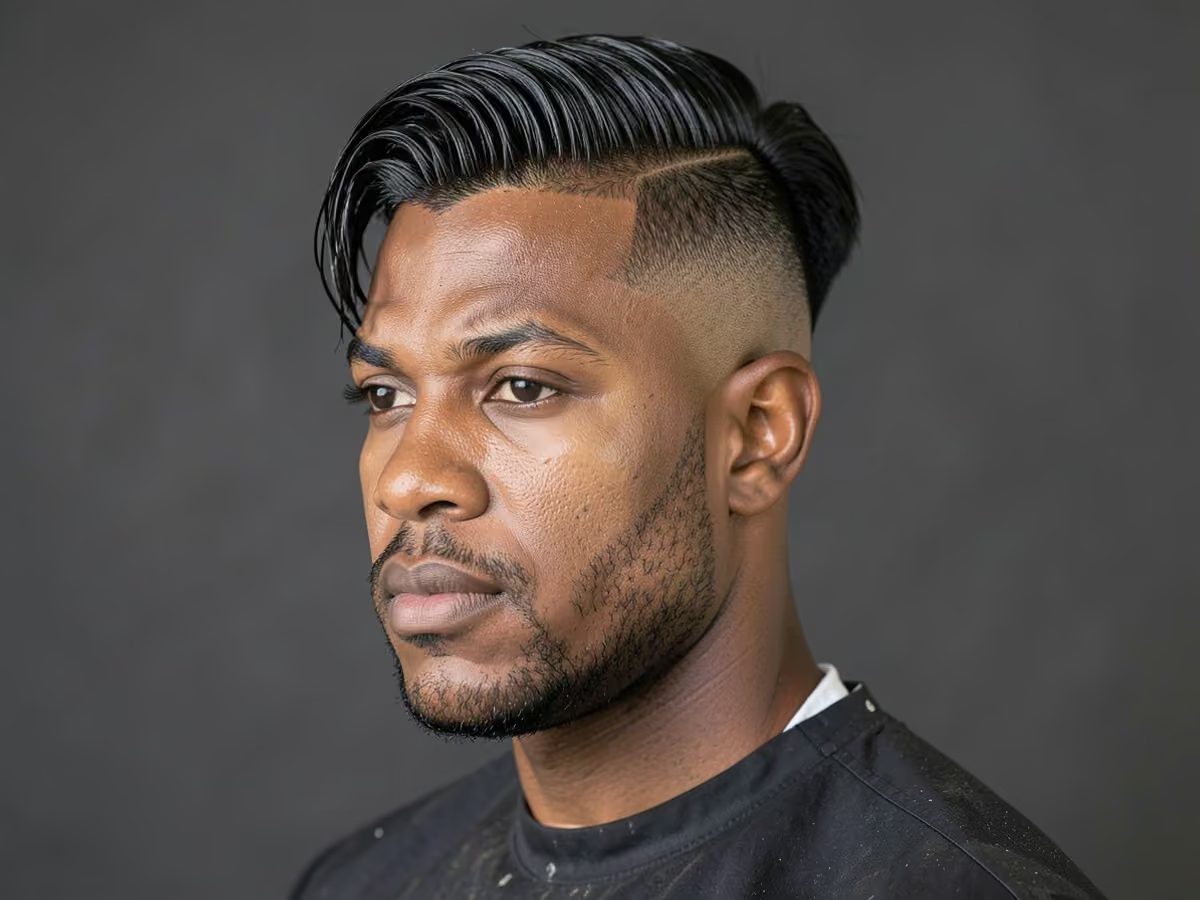
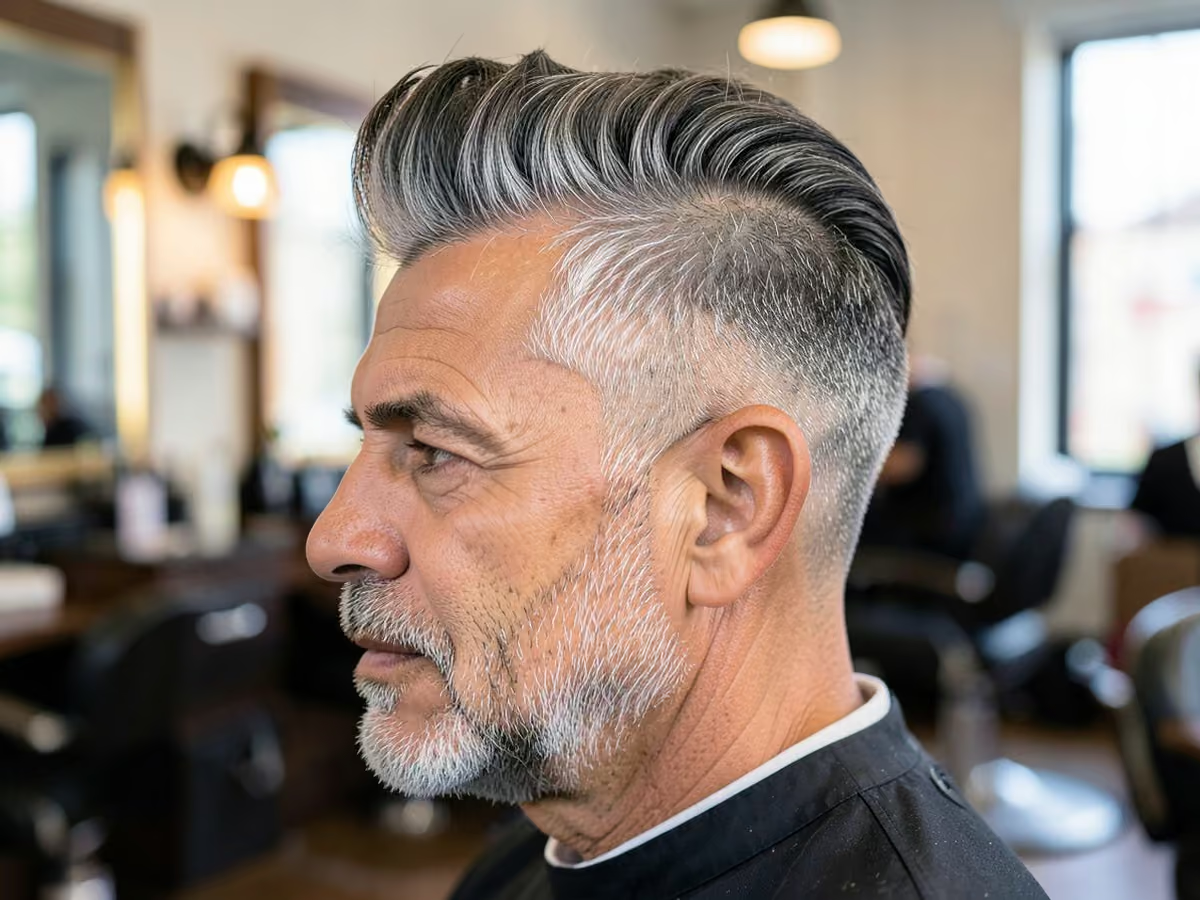
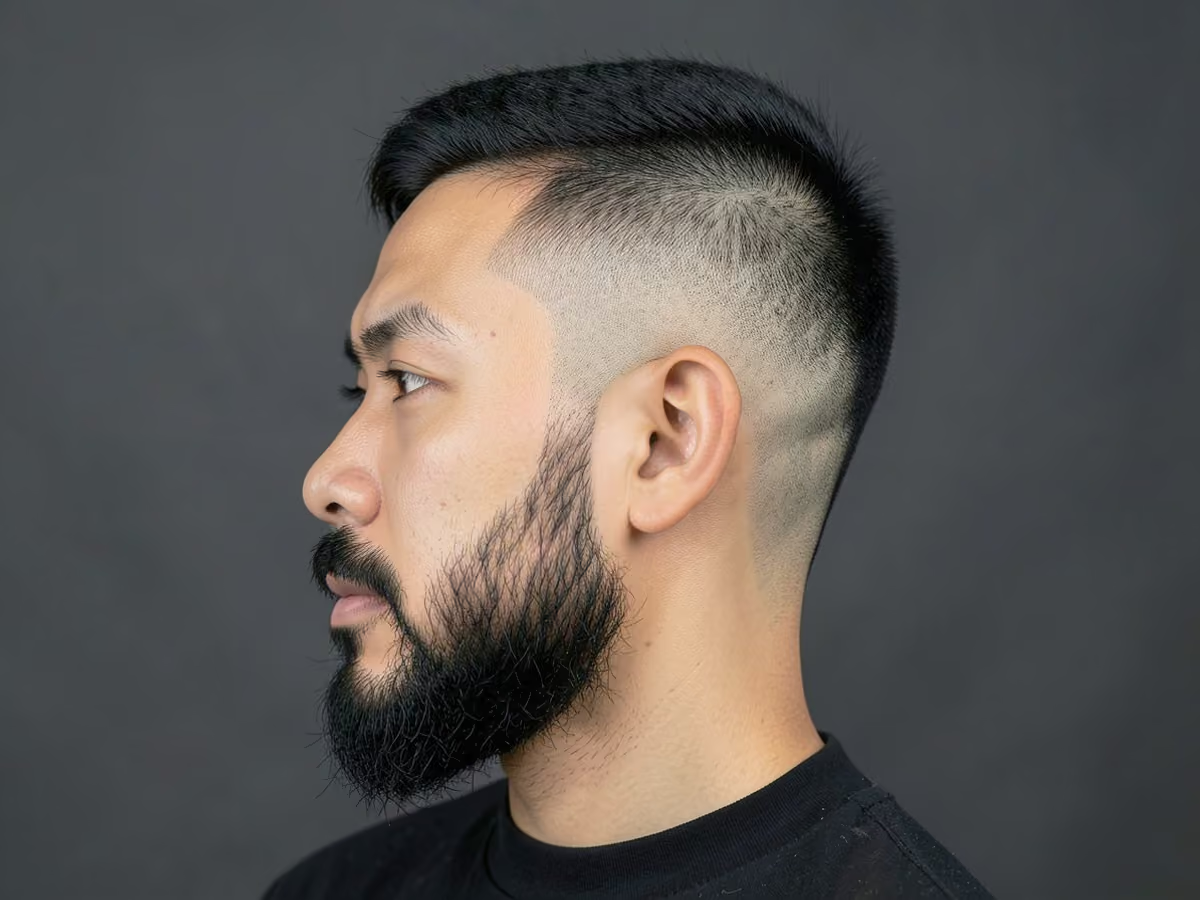
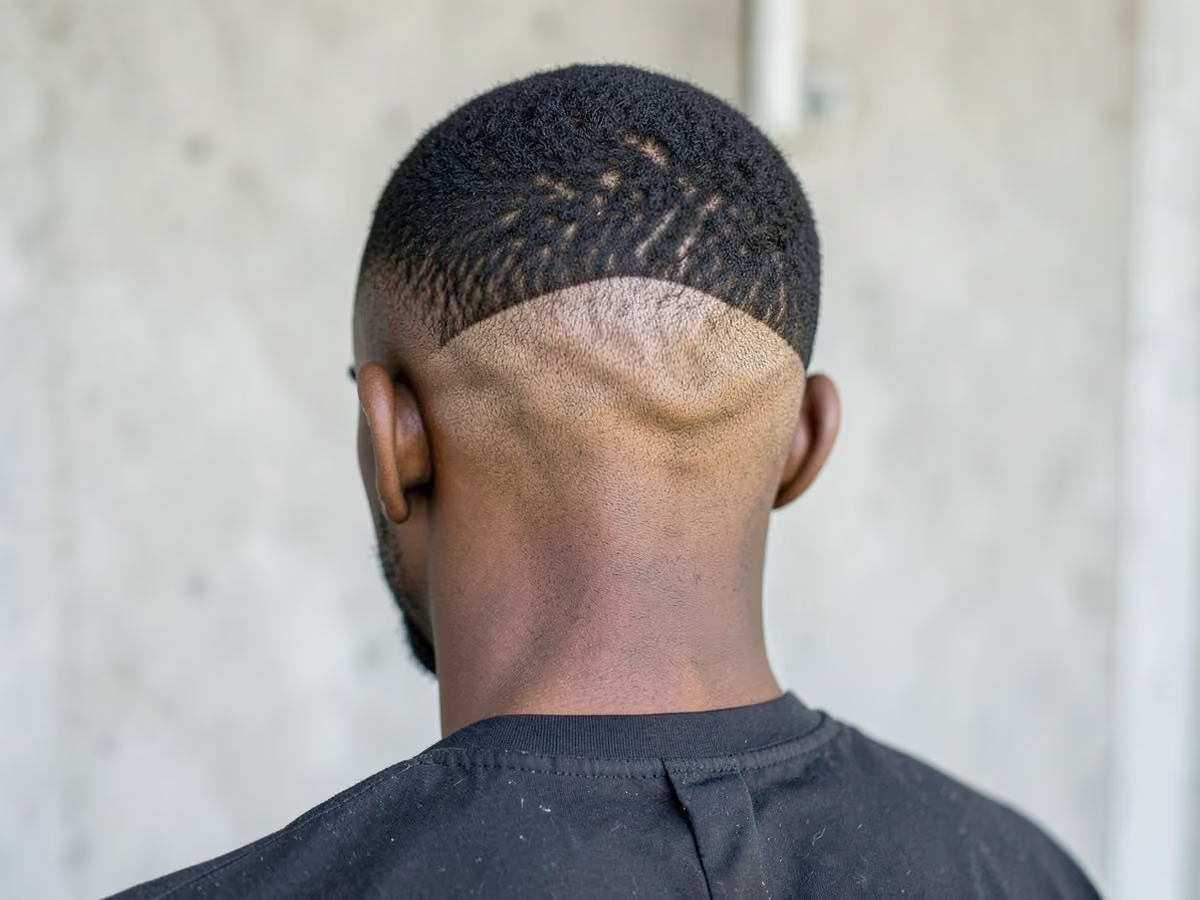
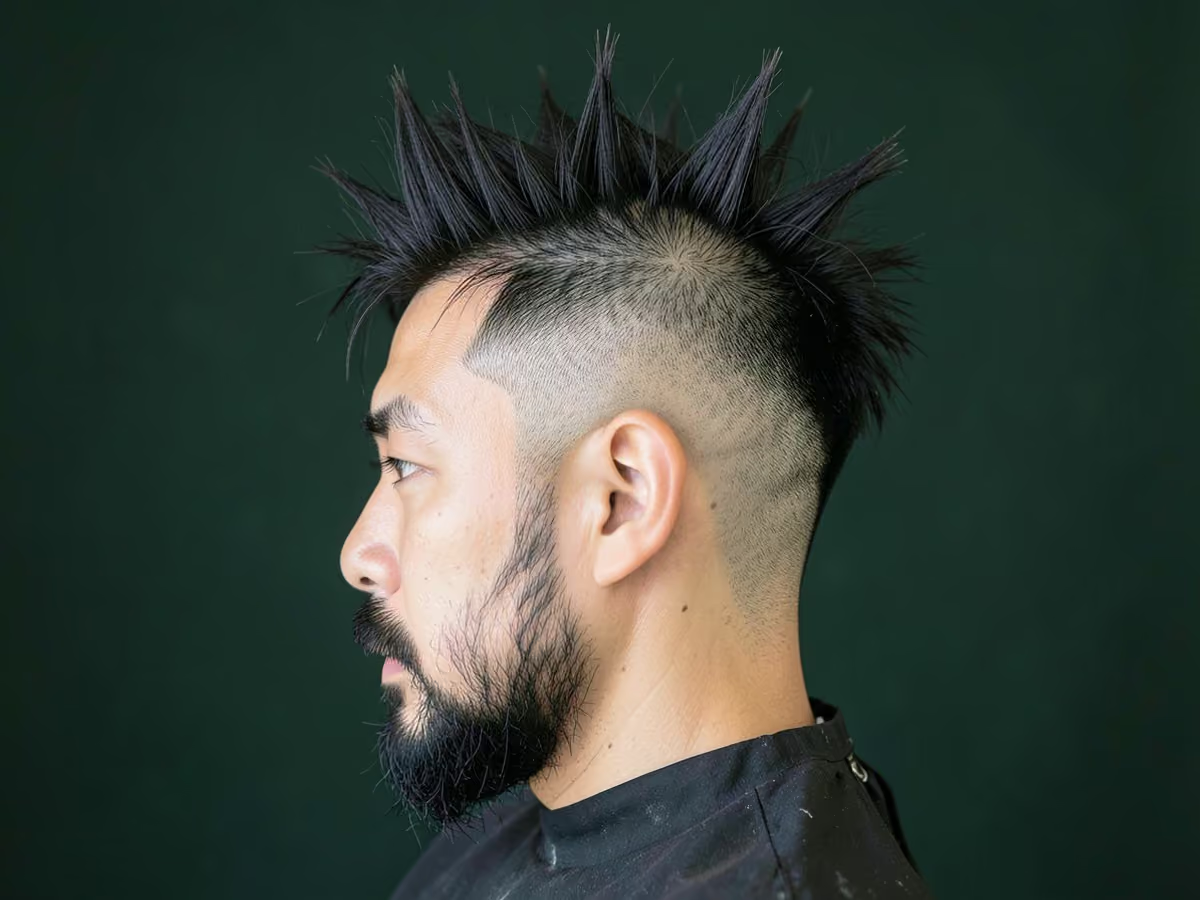
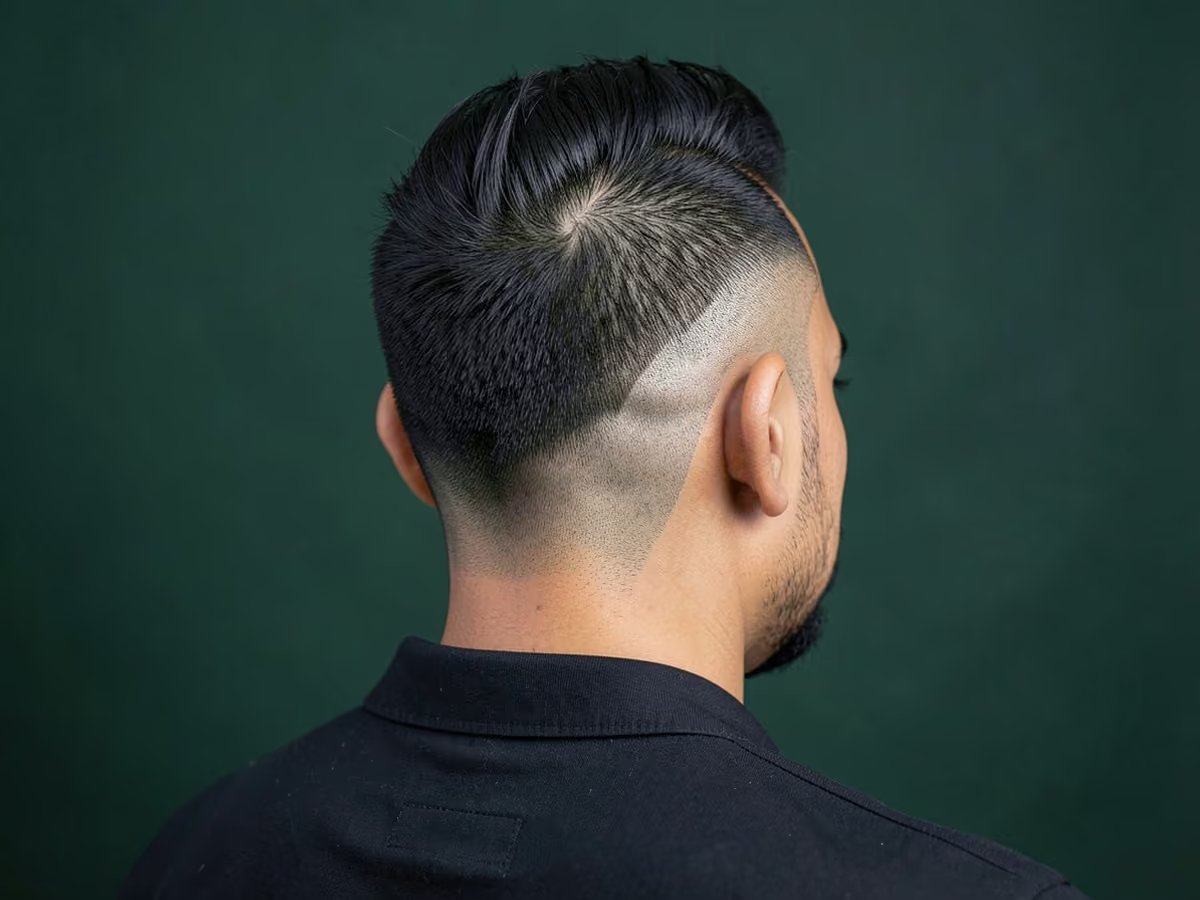
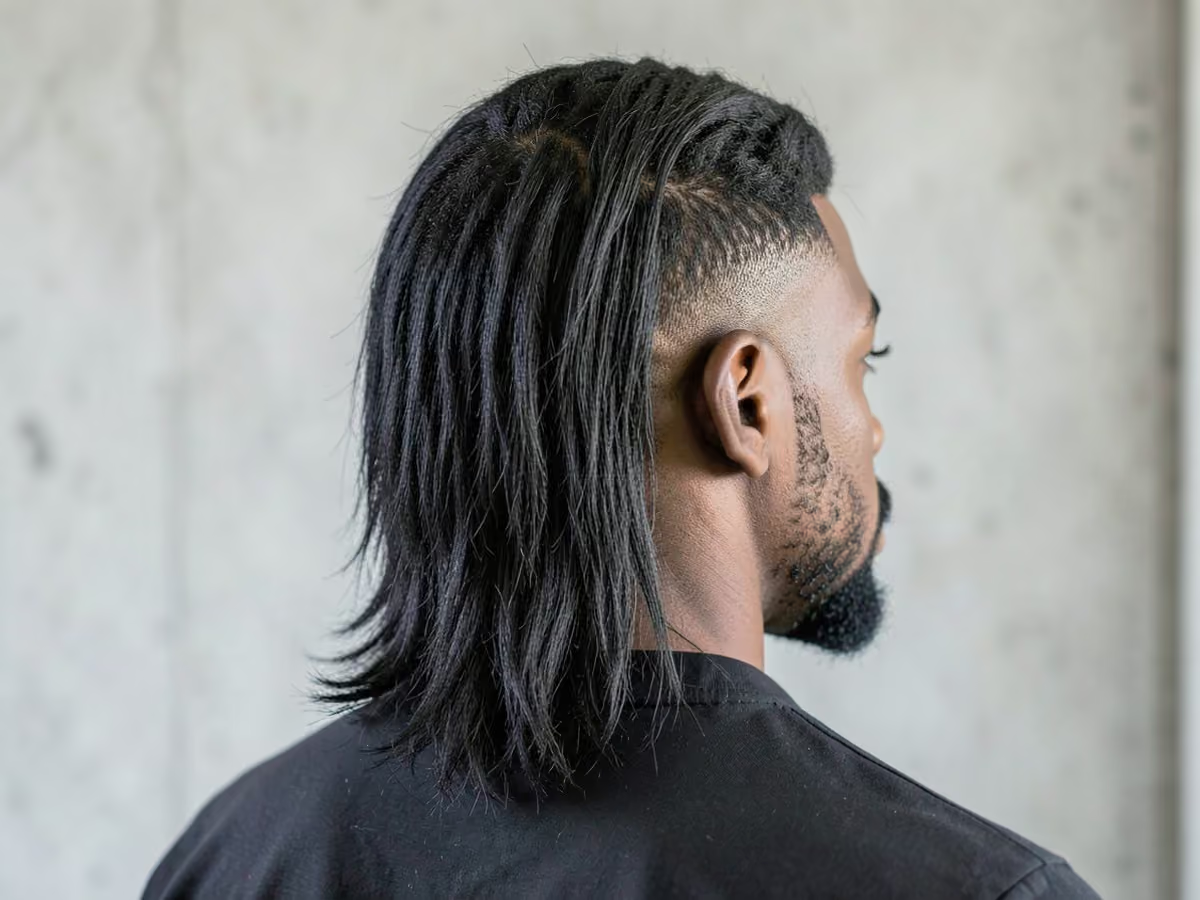
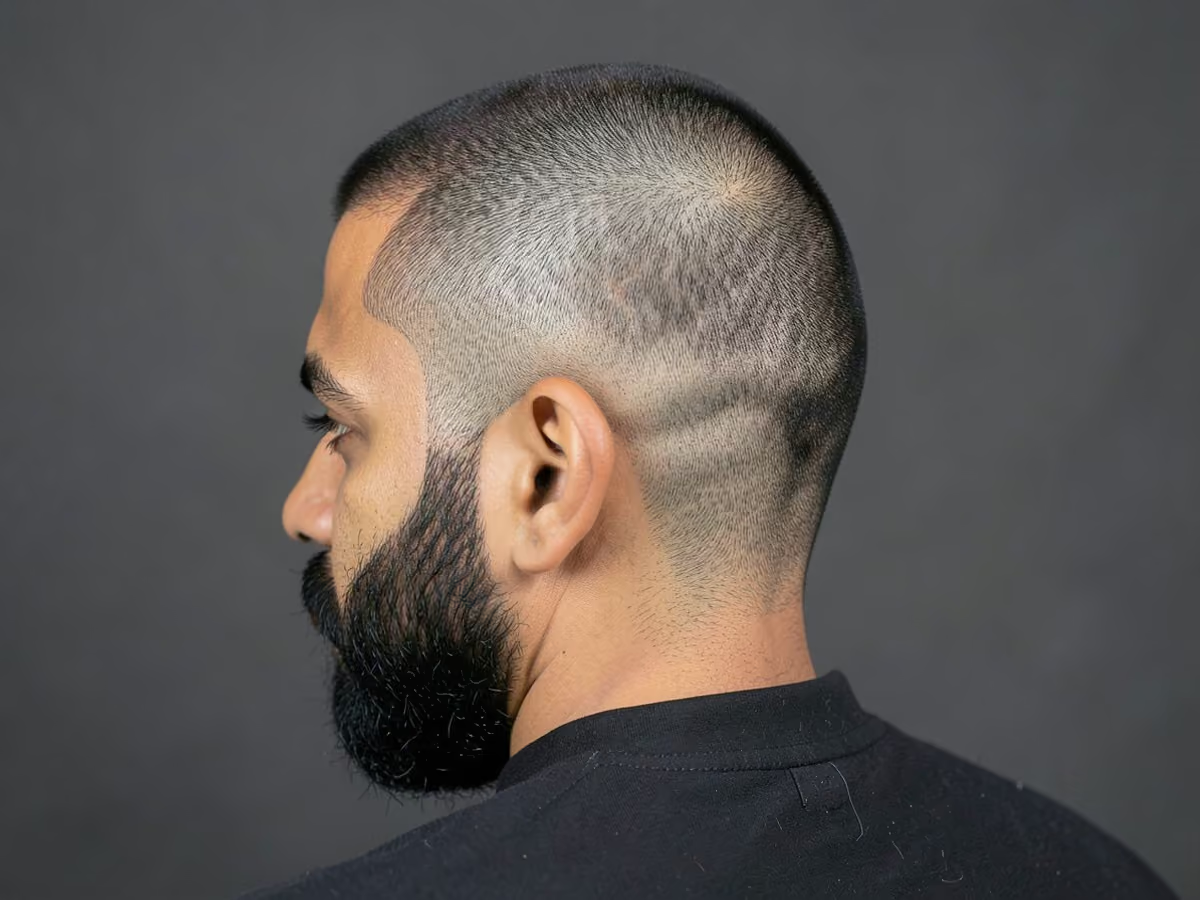
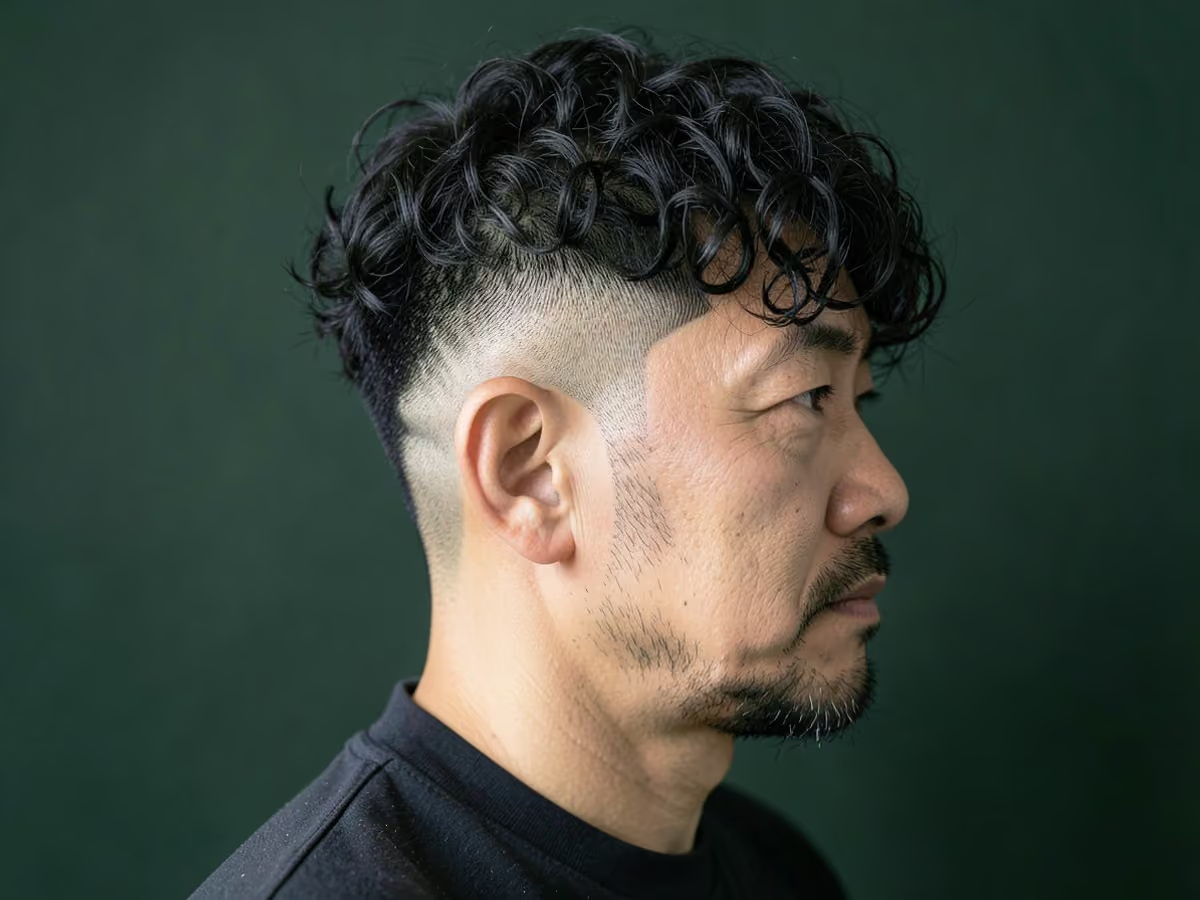
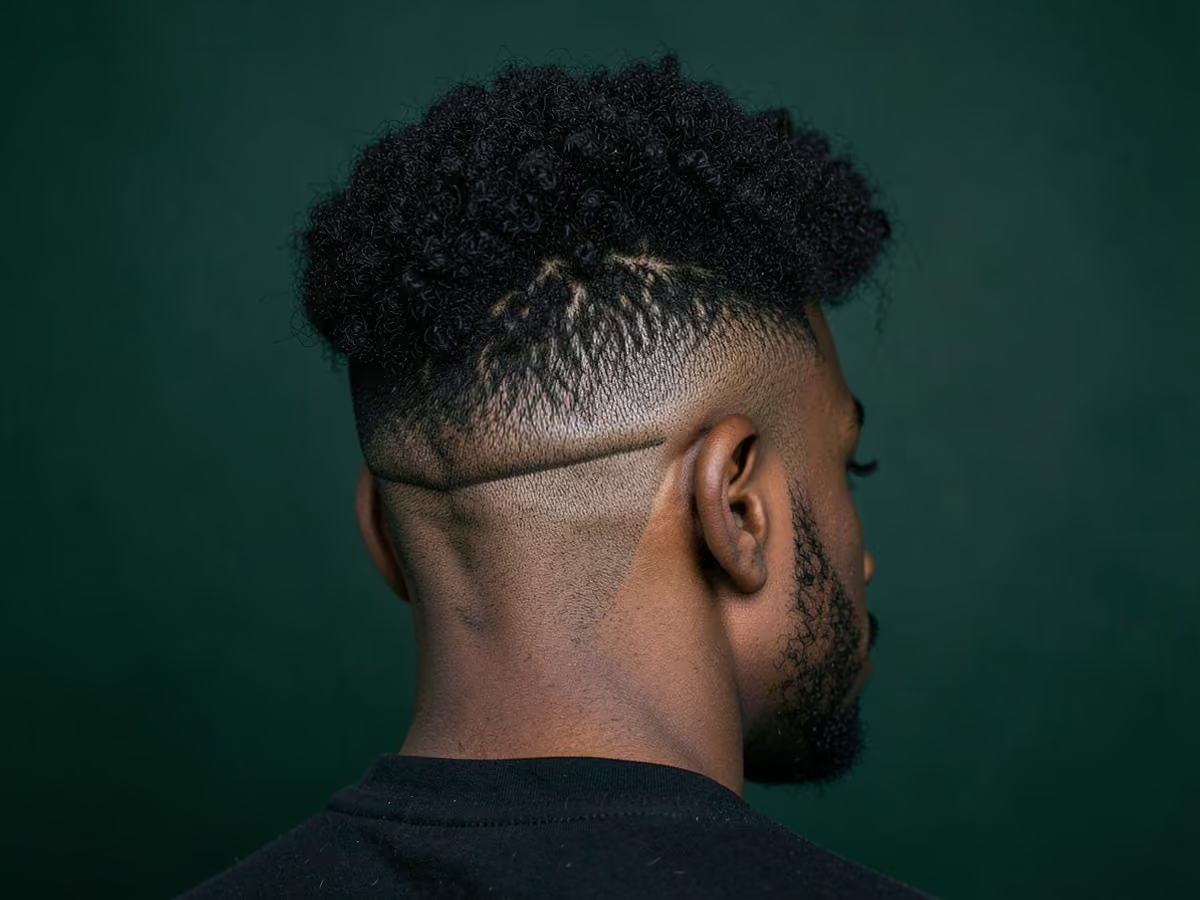
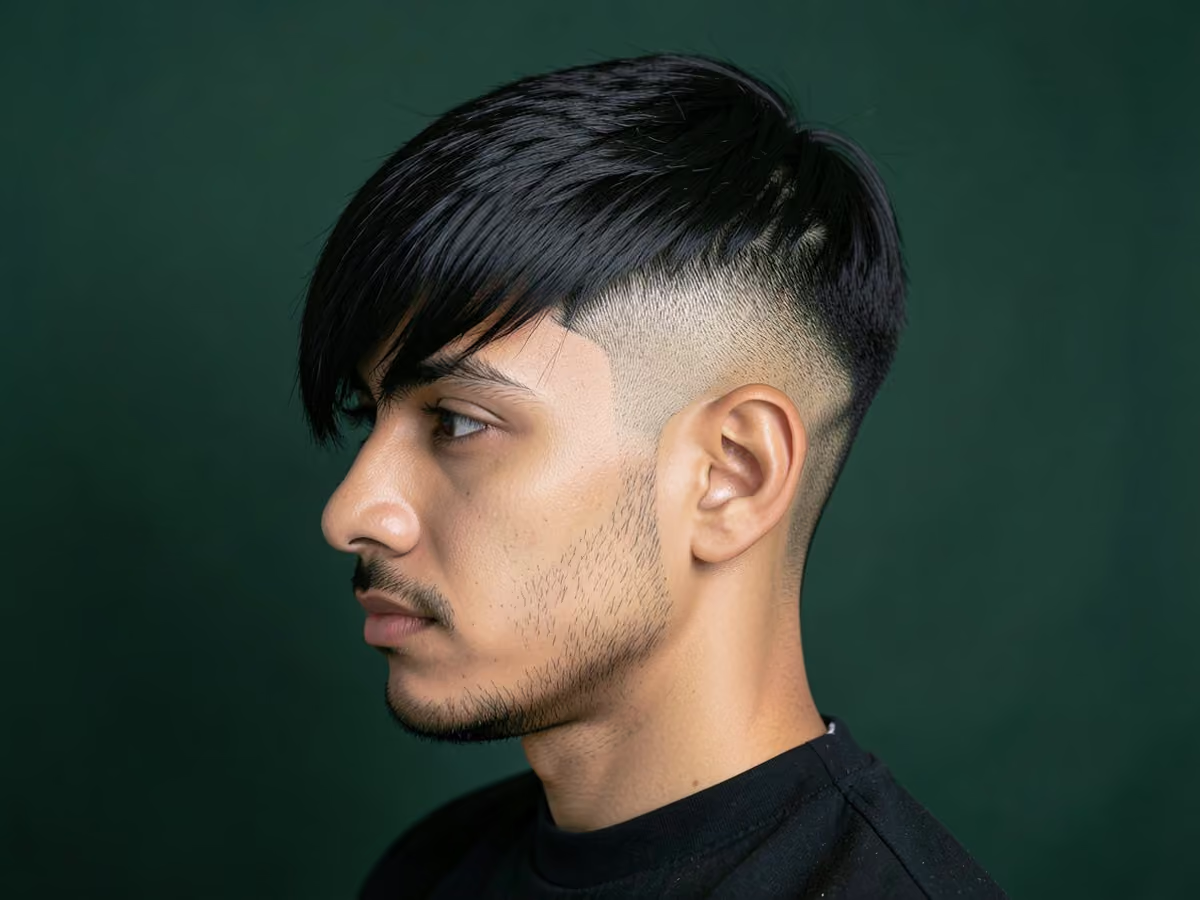
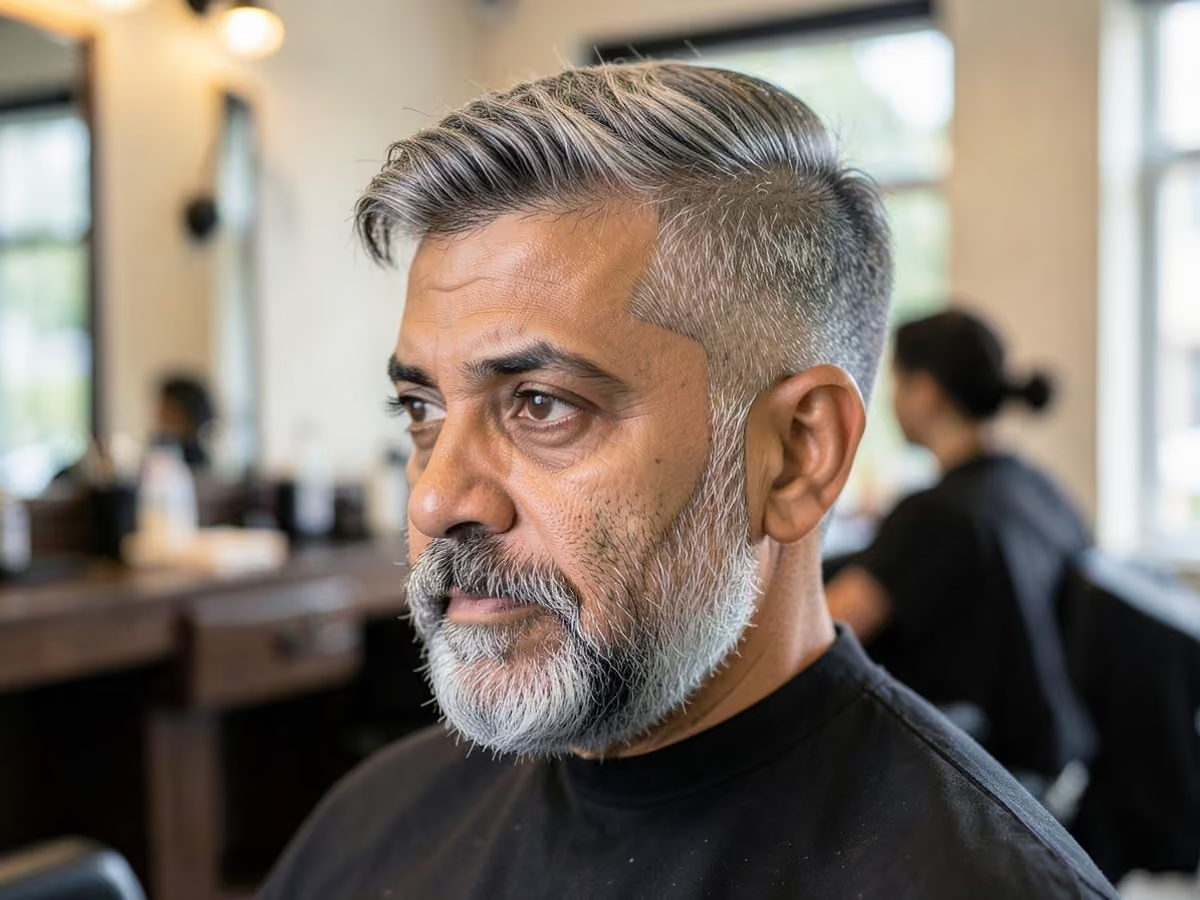
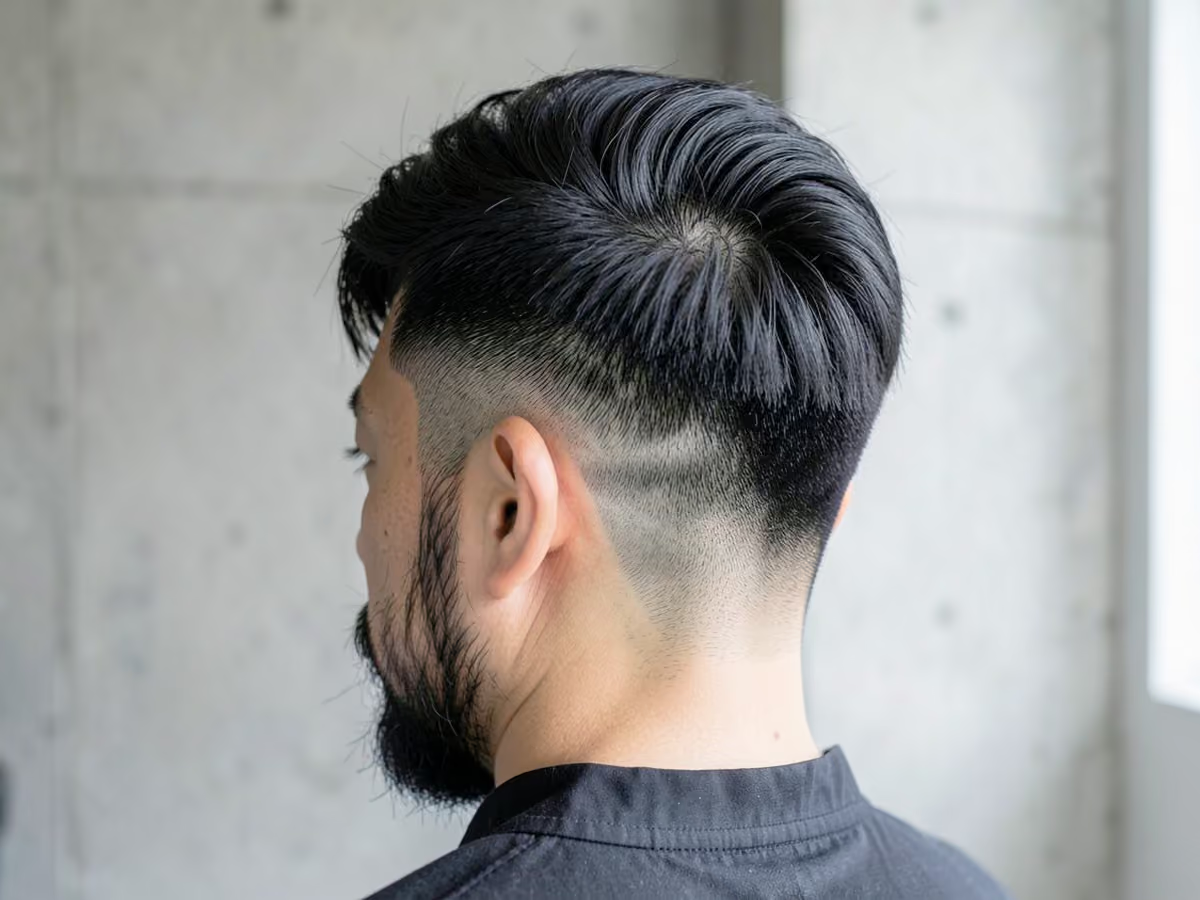
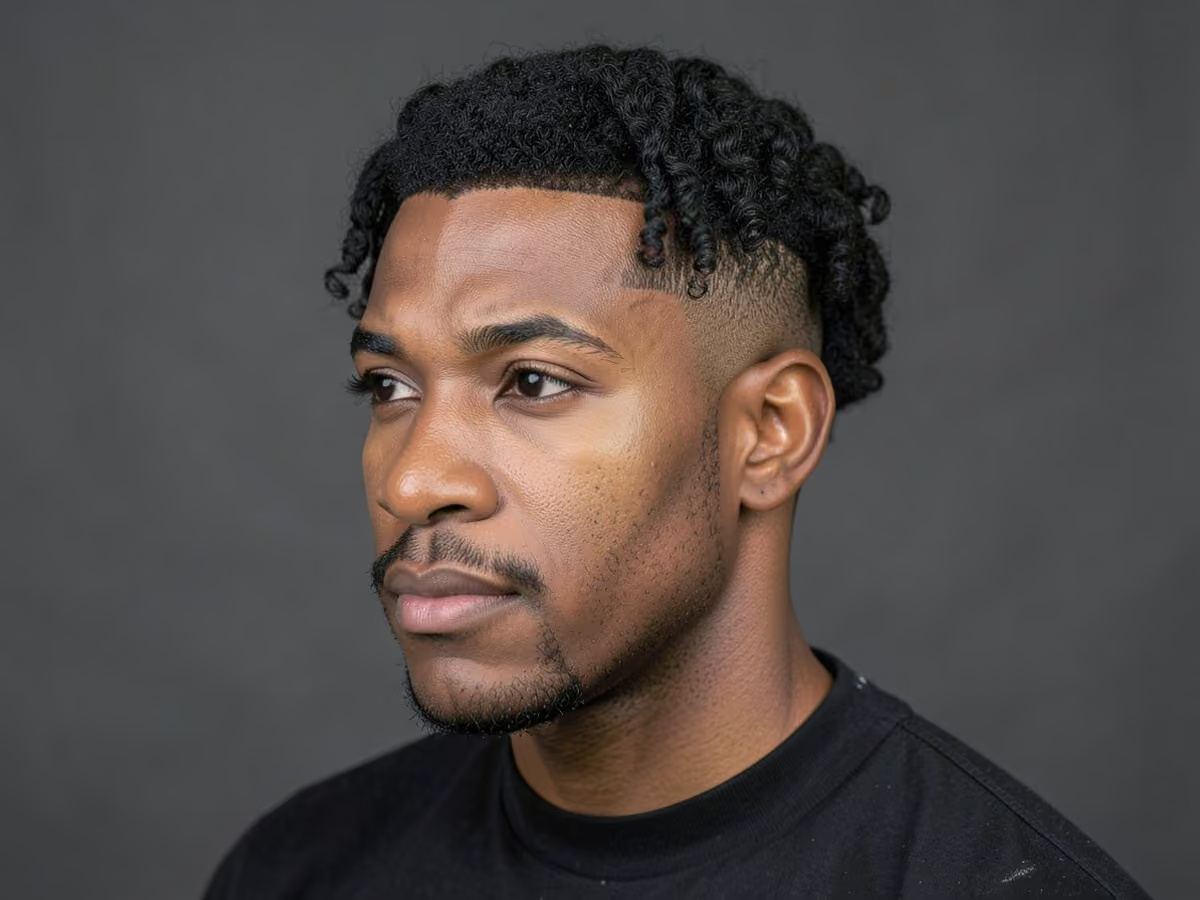
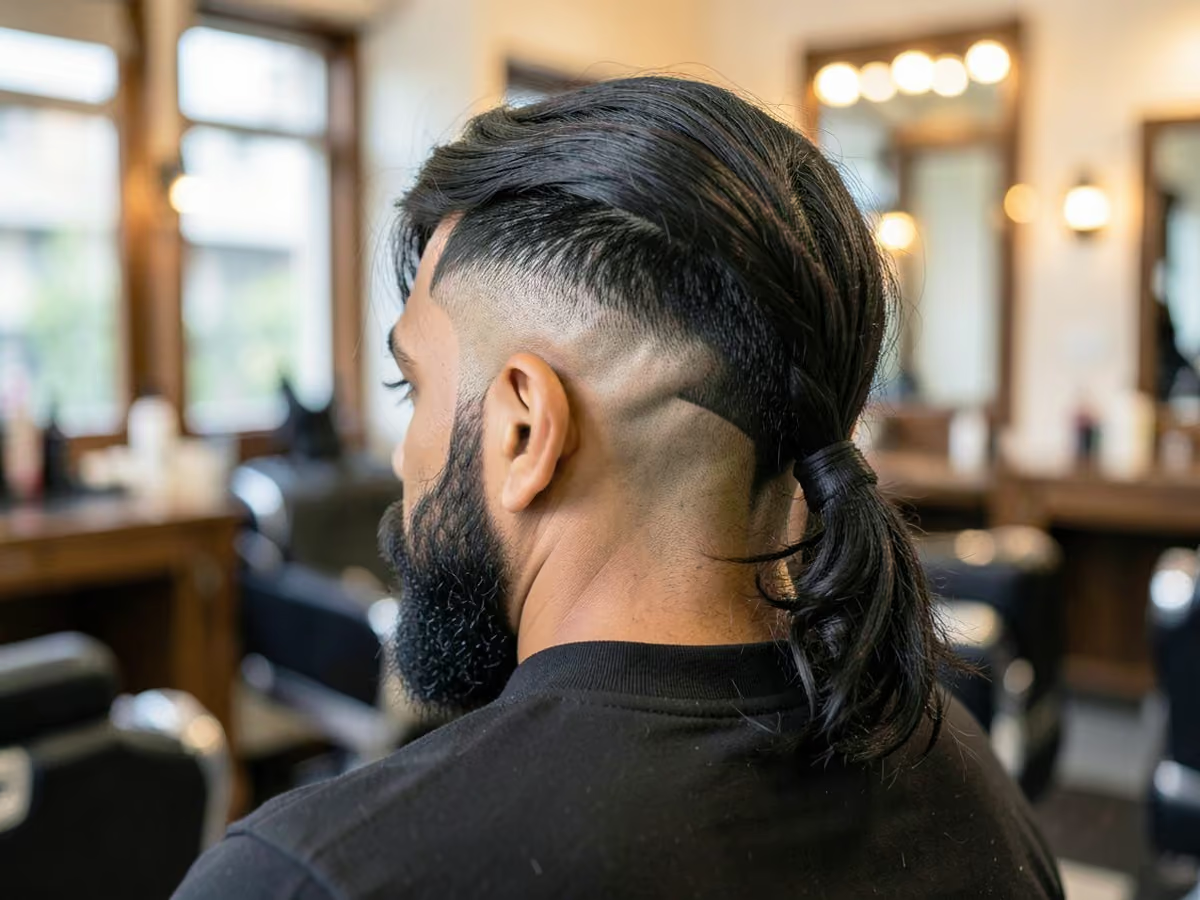
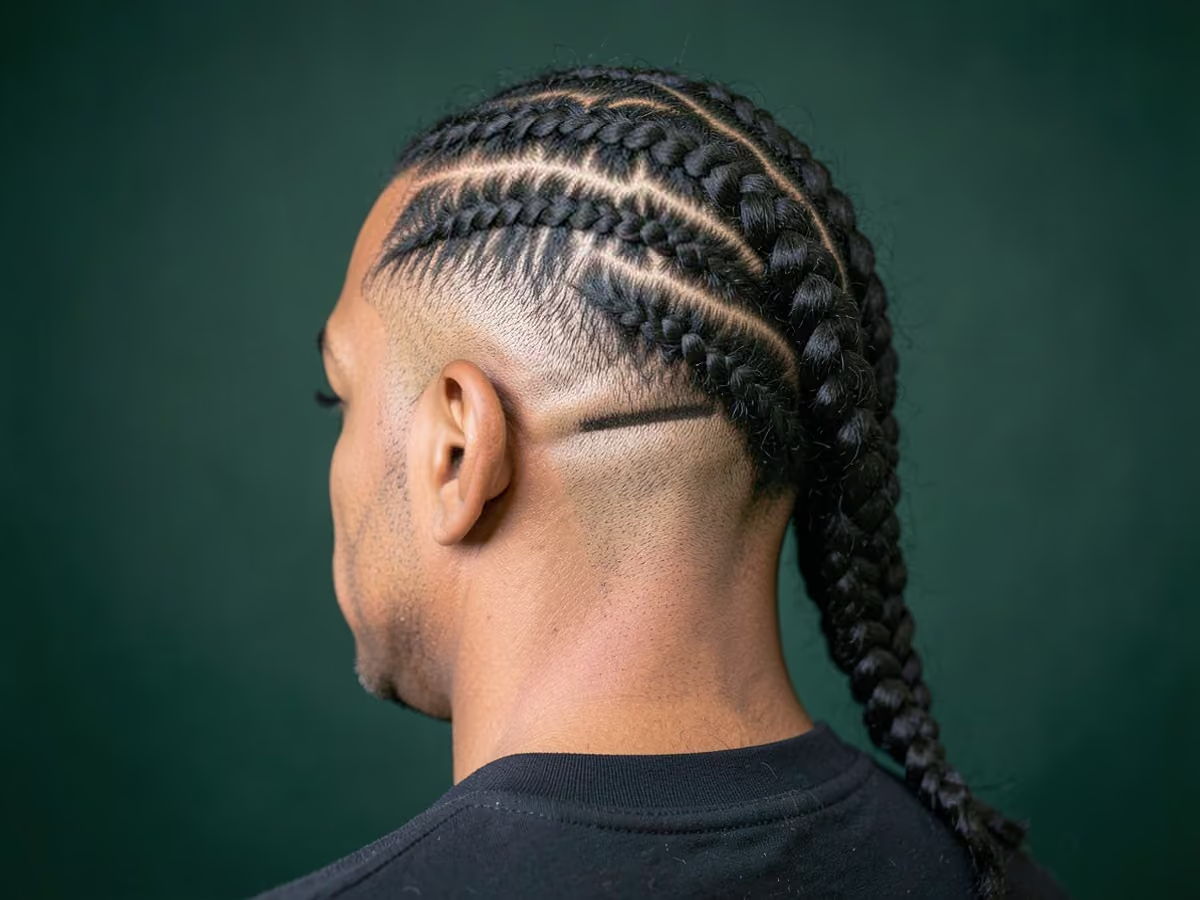
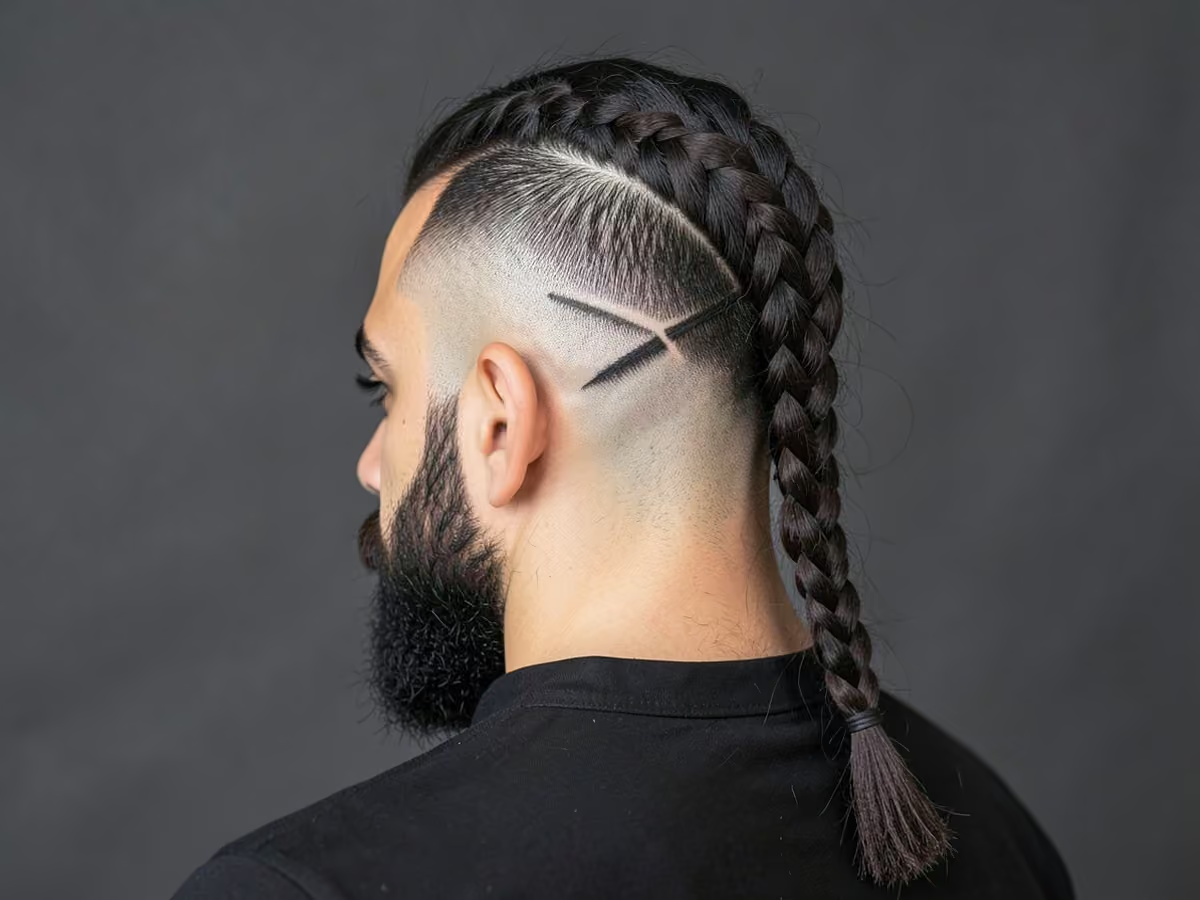
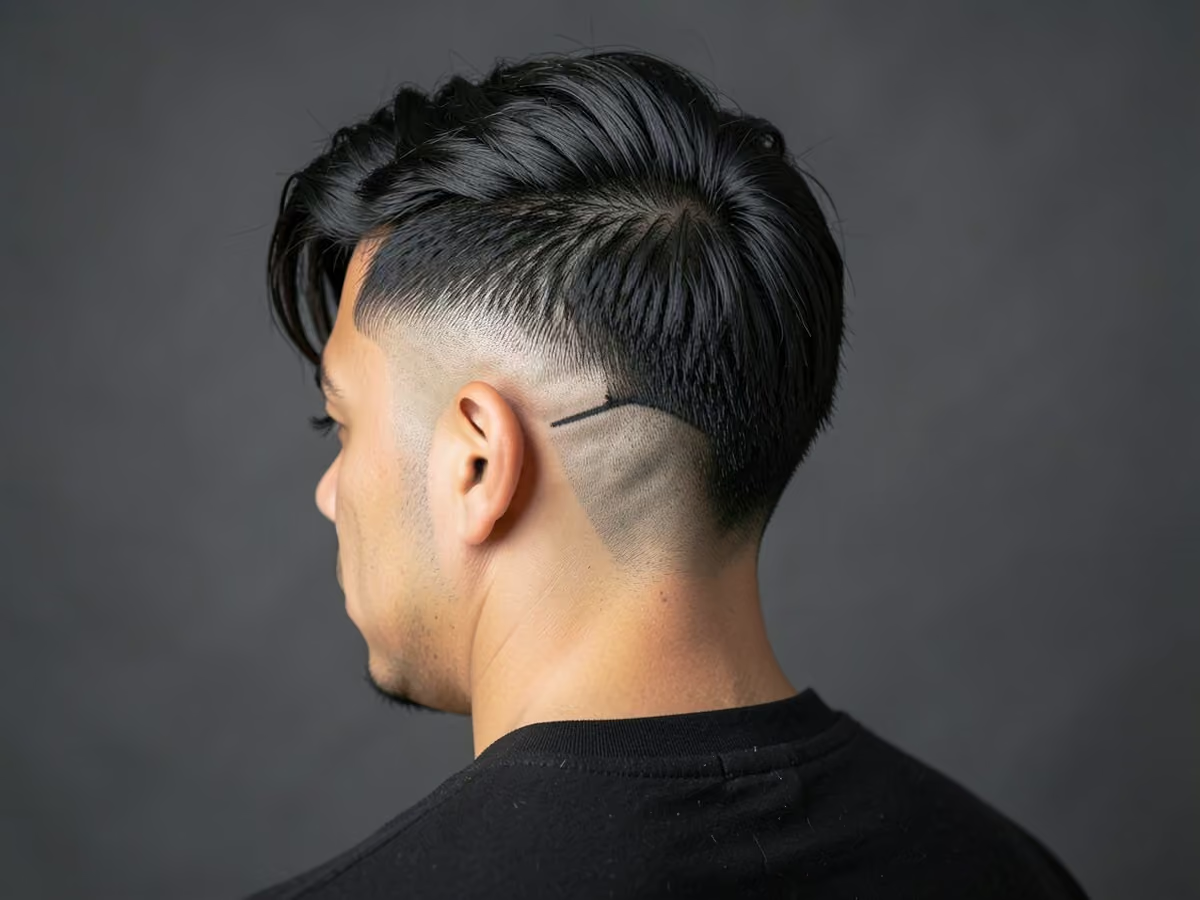
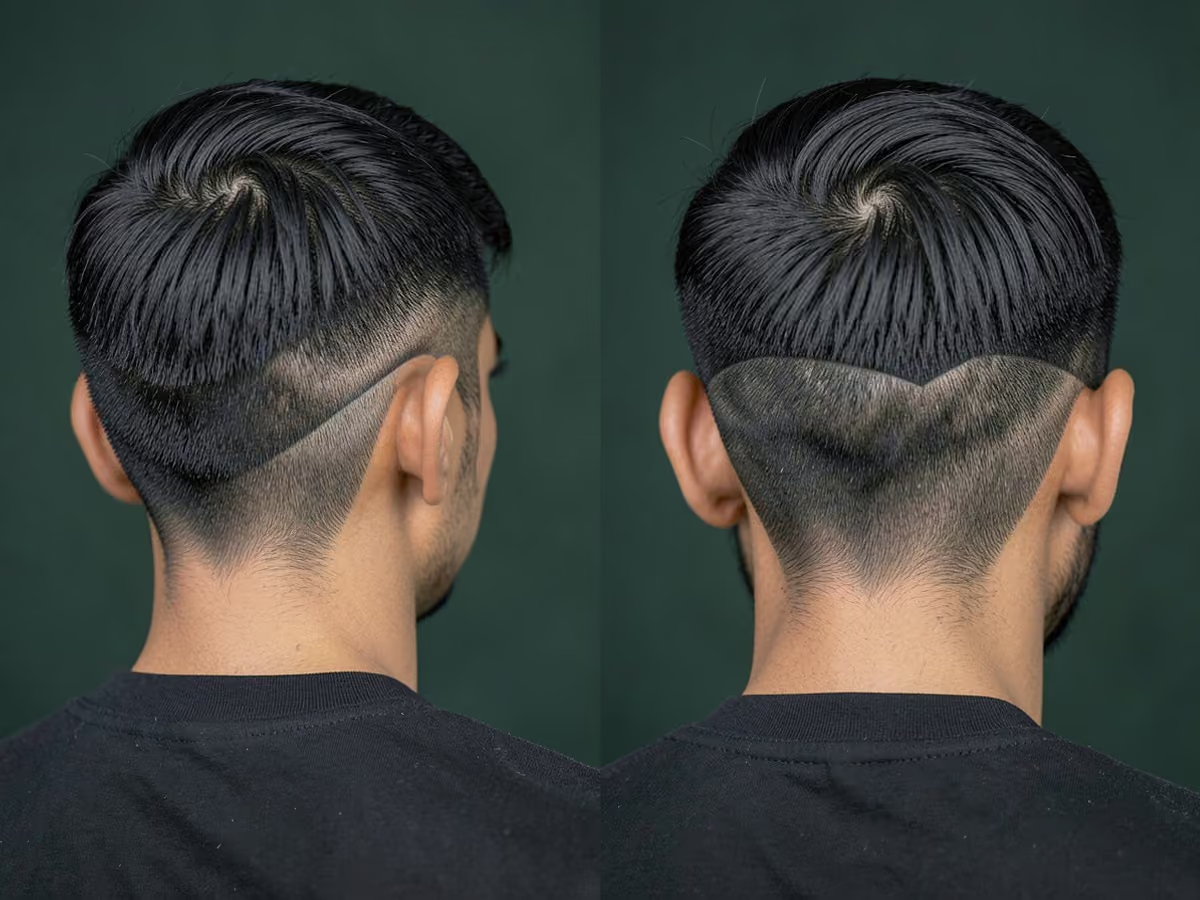
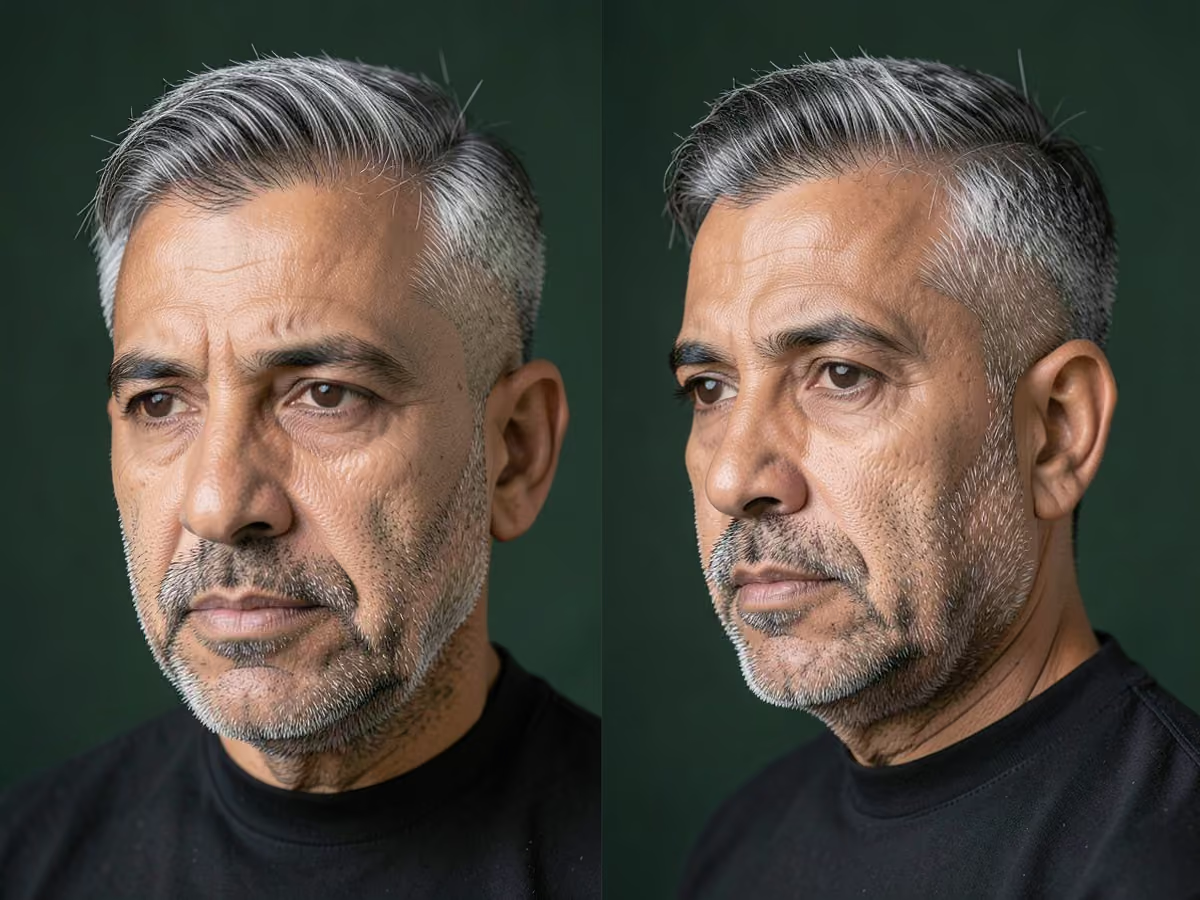
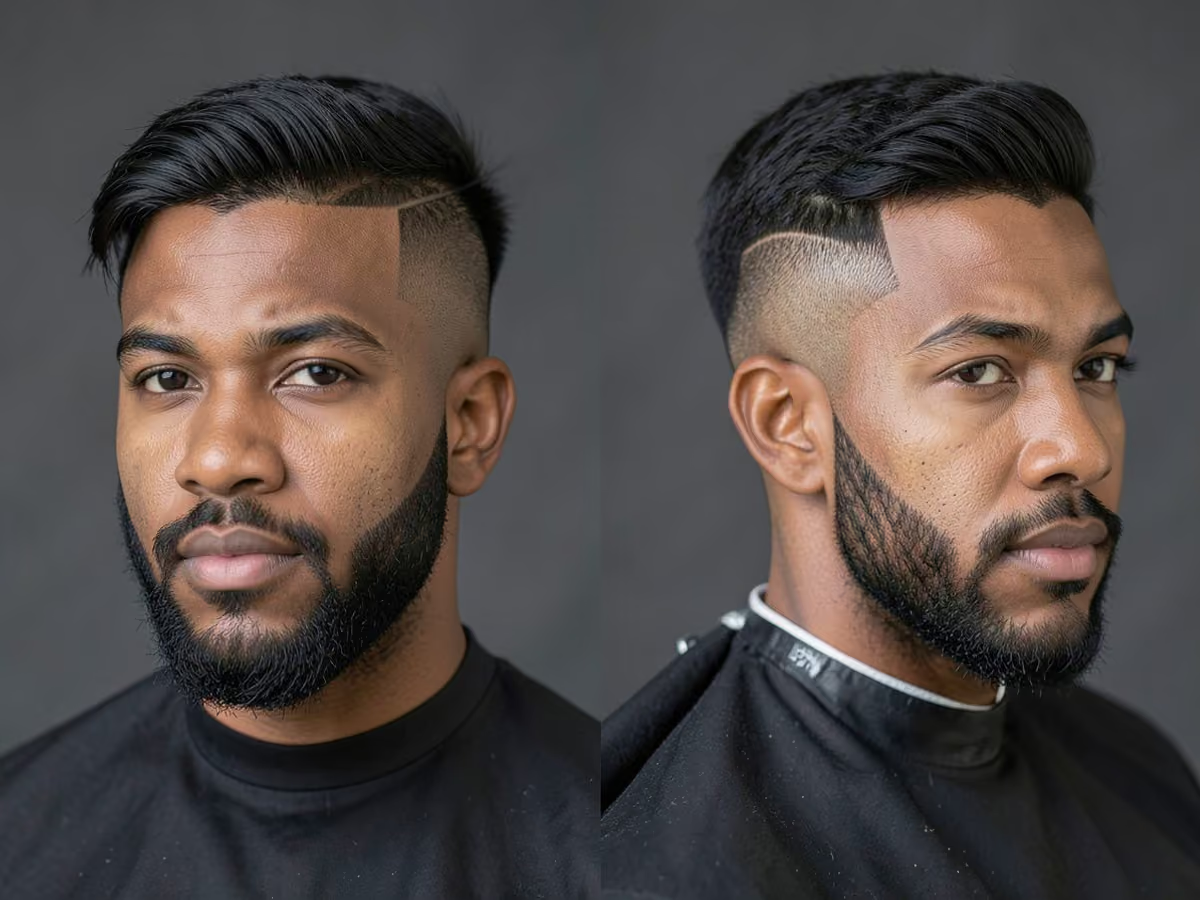
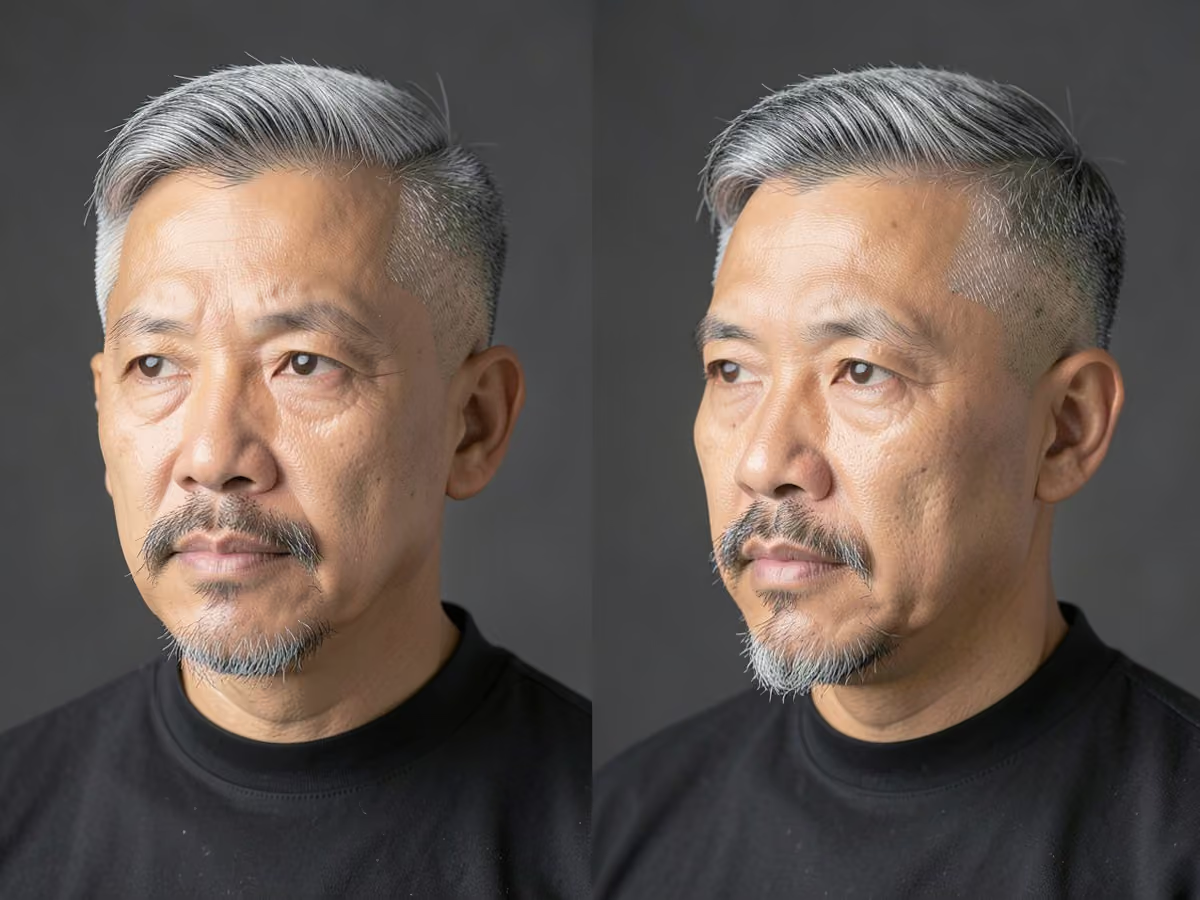
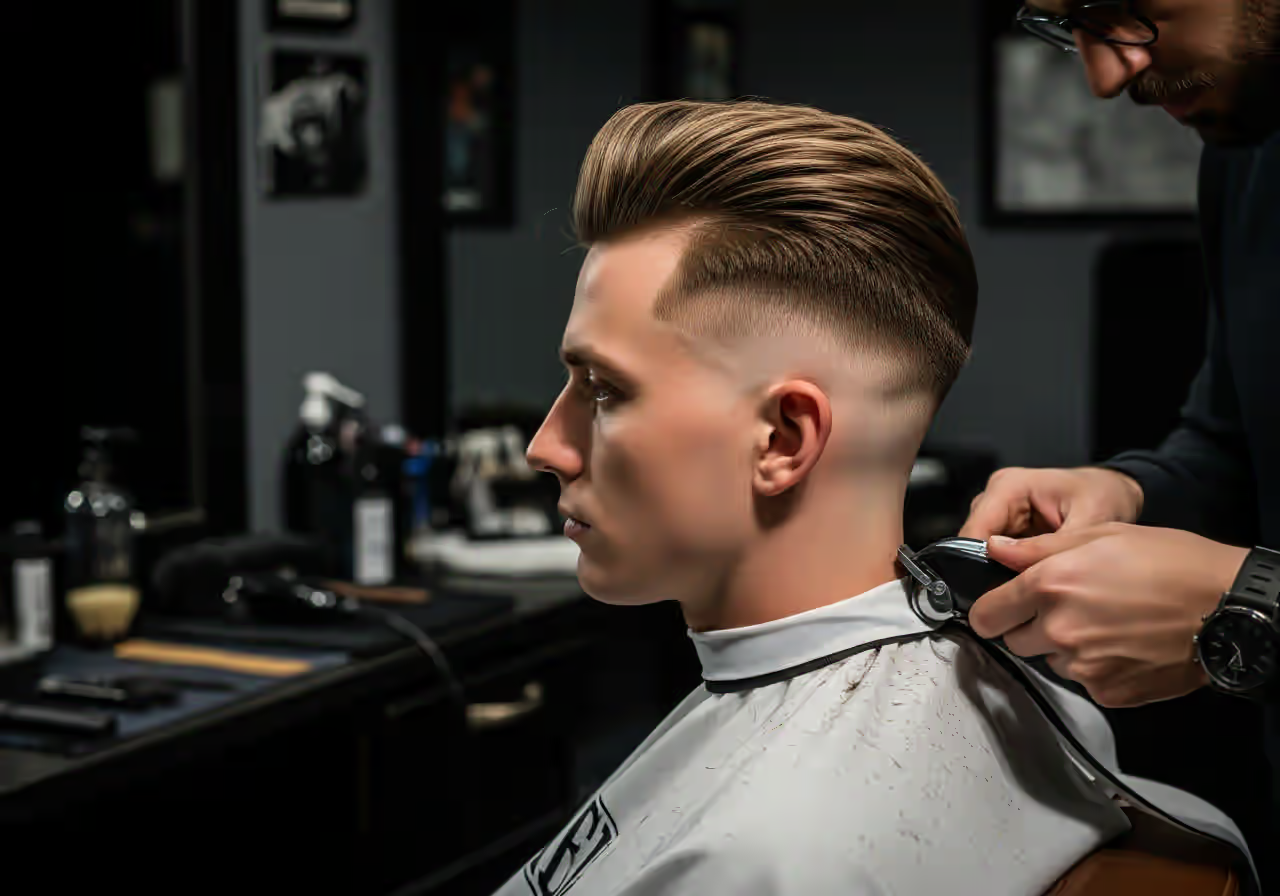
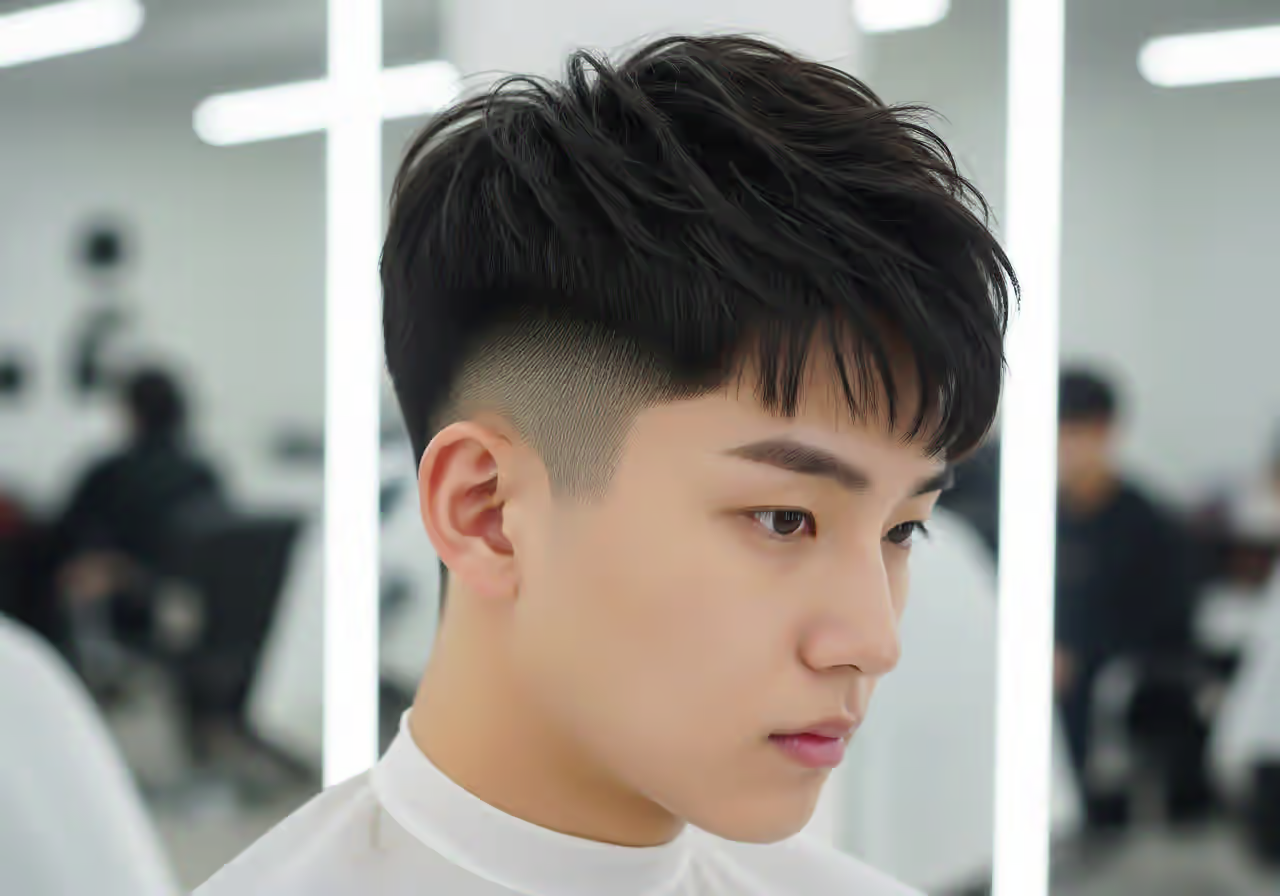
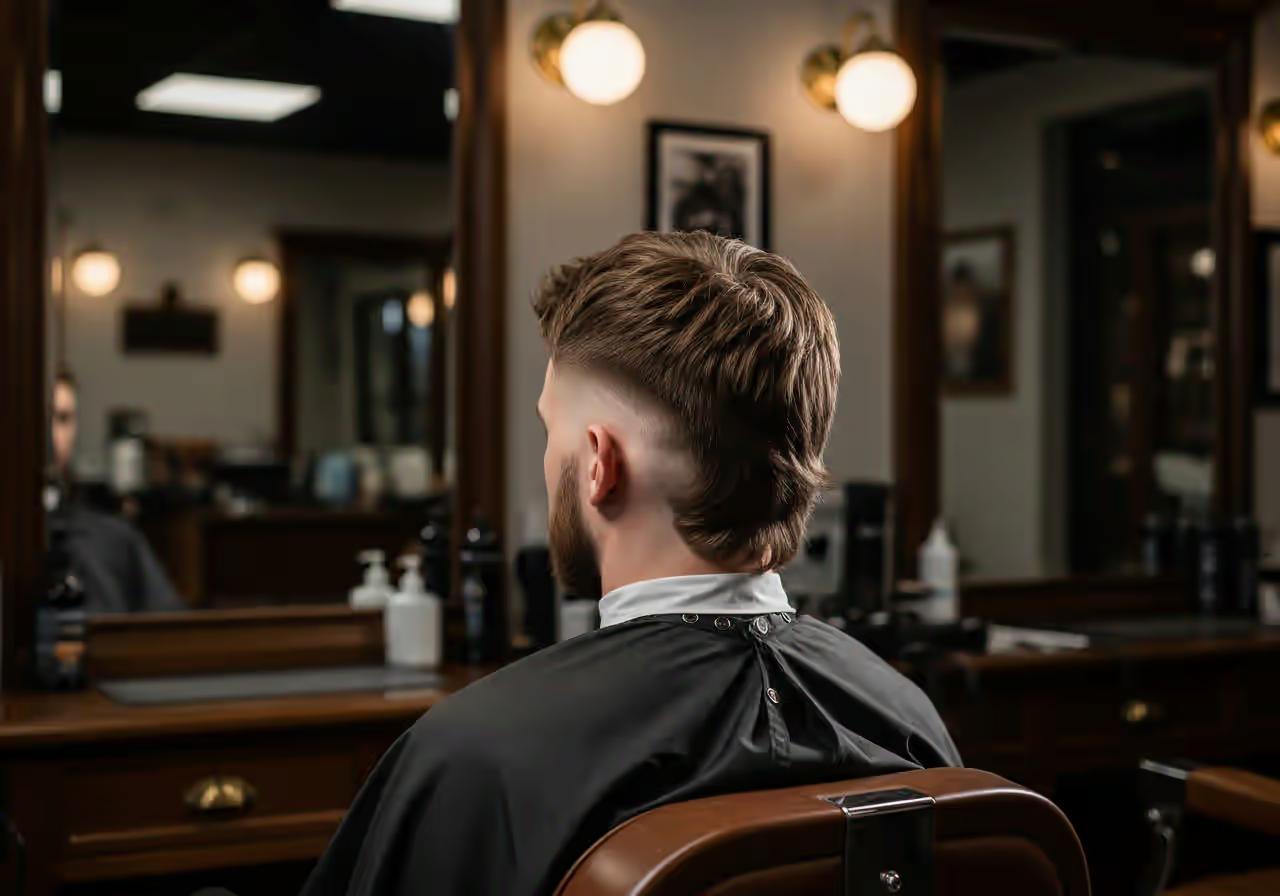
An undercut has a hard, visible line at about ear height between a long top and very short or skin-shaved sides, with no blending; a taper fade, by contrast, blends gradually. The disconnect can be subtle, such as a #2 or #3 on the sides with three inches on top, or dramatic, with skin on the sides and five or more inches on top. The top usually runs three to six inches or more and can be slicked back, quiffed, worn curly or tied in a bun, so the cut suits men who want strong contrast and plenty of styling options. It works on straight, wavy, curly and coily hair; round faces suit a pompadour or quiff undercut, and oval faces almost any version. Ask for your top length and texture, your side detail, such as a #0 or a high fade, and a sharp disconnected line with no blend. Trim the sides every two to three weeks; the contrast fades after four to six.
The undercut is one of many cuts in the short sides long top family, which also includes faded and tapered versions.
If you want the sides taken all the way to skin rather than a guard, our guide to shaved sides haircuts covers razor, buzzed and one-side versions.
For the high, disconnected version linked to a 1920s TV drama, read our Peaky Blinders haircut guide with 12 styles and barber wording.
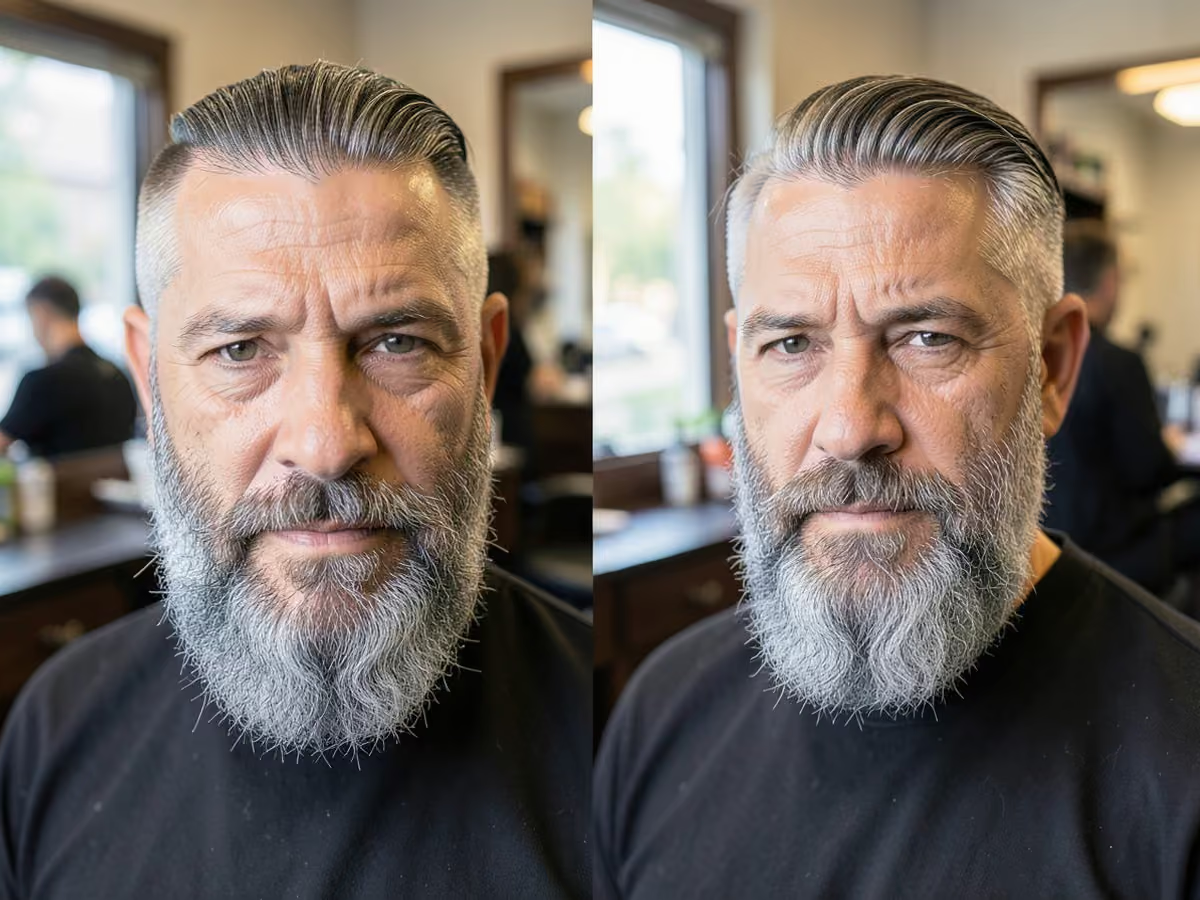
The undercut is the base of many hipster haircuts, where it is worn with a longer slicked top and a full beard.
If you want the step between the sides and top to show on purpose, see our disconnected undercut guide with 30 styles and the words to use with your barber.
Curly and coily hair has its own set of undercut options; see the curly undercut guide for guard numbers, curl care and 48 styles.
It is more forgiving than its reputation suggests, because the disconnect can be as subtle as you like. Your barber cuts above the line with scissors and clips below it, so check that the line sits level on both sides before you leave.
Undercut: Quick Face Shape Guide
- Round: Pompadour or Quiff Undercut, adds height, elongates the face.
- Square: Textured or Long Disconnected, softens the jaw with flow.
- Oval: Almost any style, the face shape with the most options for undercuts.
- Heart: Textured or Layered with softer sides, balances the forehead.
- Oblong: Long Slicked-Back or Layered, adds visual width without height.
How to Cut the Perfect Undercut (Barber Instructions)
Pro tip: always cut the sides dry and show the client the disconnected line before finishing the top, this is what makes the undercut pop.
- 1
Prep
Dampen hair or cut dry for precision. Section top hair away from the sides before starting.
- 2
Sides & Back
Use clippers (#0–#2) or skin fade for very short or shaved sides and back. Decide disconnected line height.
- 3
Top Length
Leave 3–6+ inches on top, keeping bulk for styling options.
- 4
Disconnection
Create a sharp, clean line between the top and sides, no gradual blend. This is what makes an undercut an undercut.
- 5
Texturing
Use thinning shears or point-cut the top for movement and desired texture.
- 6
Finish
Clean neckline, sideburns, and around ears. Style dry to show the client the final contrast look.
Universal Barber Script
"I want a [Style Name] undercut, [top length/texture, e.g. 4–6 inch textured top], [side detail, e.g. #0 skin shaved or high fade], with a sharp disconnected line and no blend."
Undercut vs Taper Fade: Which is Right for You?
The single most common question in 2026 barbershops; here is the definitive answer.
Undercut vs Taper Fade: Which is Right for You? | Undercut 2026 | Taper Fade |
|---|
| Side style | Sharp disconnected line, no blend | Gradual smooth blend from short to long |
| Contrast | Maximum, dramatic edge | Moderate; wearable and easy to restyle |
| Office-ready | Depends on style, slick-back yes | Universally office-appropriate |
| Maintenance | Sides every 2–3 weeks | Sides every 2–3 weeks |
| Best for | Bold personalities + strong contrast | Practical, professional, everyday |
| Grow-out | 4–6 weeks before loss of contrast | 3–5 weeks, softer transition |