
How to Fix a Patchy Beard:
What Helps and What Does Not
Why beards grow in uneven, how long to give them, and the trims and shapes that make thin areas less obvious.
By Jessica Hamilton · Updated
Quick answer: How to fix a patchy beard: first give it 8 to 12 weeks without trimming the shape, since many gaps fill as slower areas catch up. If patches remain, choose a style that works with your growth, such as even stubble, a goatee or a longer beard that covers thin spots. Ask a doctor about medical options.
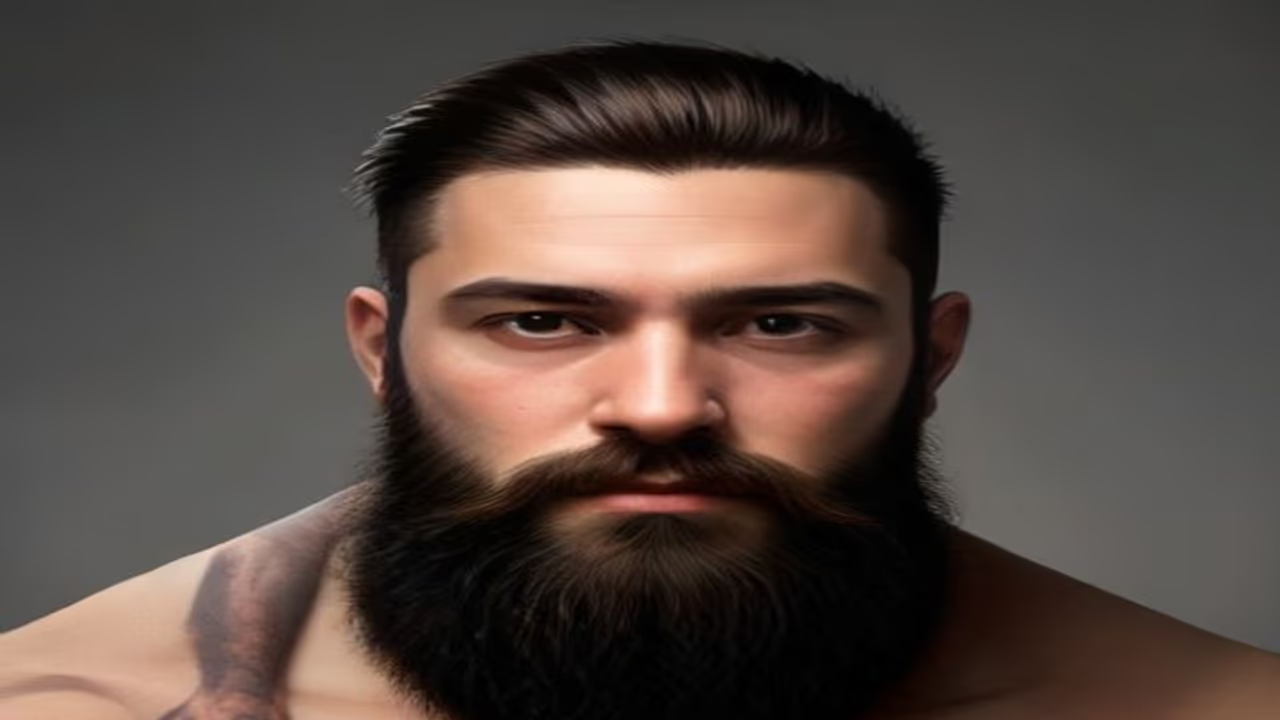
Style images are AI-generated illustrations.
📚 Part of our Beard Grooming guide hub; start there for the rest of the topic.
How to fix a patchy beard depends on why it is patchy. For most men, uneven growth is simply how their beard grows, especially in the first two months, and the fix is patience plus a smarter shape. This guide covers the common causes, how long to wait, the trims and styles that hide gaps, and when a doctor is the right person to ask.
Why Is My Beard Patchy?
The most common reason is genetics. The number of hair follicles on your face, and how strongly they respond to the hormones that drive beard growth, is largely inherited. That is why one brother can grow a full beard by twenty while another still has thin cheeks at thirty. Cheeks and the area between the sideburns and mustache are usually the last to fill, while the chin, mustache and jaw tend to be denser.
Age plays a part too. Facial hair often keeps getting denser through the late teens and twenties, and some men notice gaps closing well into their thirties. Growth rate also varies across the face, so a beard can look patchy simply because some areas are a few weeks behind others. None of this means anything is wrong; it is normal variation.
Normal patchiness
Thin or uneven areas on the cheeks and neck that have always looked this way, with fine hairs present in the gaps.
Temporary patchiness
Gaps in the early weeks of growth, where hair is present but shorter than in neighboring areas.
Patches worth checking
Smooth, round bald spots that appear suddenly in a beard that used to grow there, or patches with redness, scaling or itching. These need a doctor's opinion.
Will a Patchy Beard Fill In If You Wait?
Often, at least partly. Beard hair grows roughly half an inch a month, but not at the same speed everywhere. In weeks three to six almost every beard looks uneven, because fast areas have pulled ahead. By weeks eight to twelve, slower hairs have caught up and longer hairs from dense areas start to fall over thin ones. Our beard growth timeline shows each stage.
What waiting cannot do is add follicles that are not there. If an area has no hairs at all after three months, length alone will not fill it, although longer hair nearby may still cover part of the gap. The table below is a rough guide to what to expect; your own pace may be faster or slower. Taking a photo in the same light every two weeks makes progress far easier to judge than checking the mirror each morning.
| Time since last shave | What most beards look like | What to do |
|---|---|---|
| Weeks 1 to 2 | Even stubble, gaps hard to judge | Do nothing but moisturize |
| Weeks 3 to 6 | Uneven, cheeks behind chin and mustache | Clean the neck only, keep growing |
| Weeks 6 to 10 | Slower areas catching up | Brush daily toward thin spots |
| Weeks 10 to 12 | True density visible | Decide on a shape with a barber |
| After 3 months | Remaining gaps are likely your pattern | Choose a style that works with them |
How Long Should You Grow It Before Deciding?
Give it at least eight weeks, and ideally twelve, without trimming anything except the neck. The most common mistake is evening out the beard in week four by cutting the dense areas down to match the thin ones. That keeps the whole beard short and patchy forever, because the thin areas never get the chance to catch up or be covered. Keep the neckline tidy with a trimmer so it still looks deliberate at work.
The itchy phase in weeks two to four is when most people give up. Beard oil on the skin each day helps with the itch, and a soft brush starts training hairs in one direction. If you need to look tidy before the twelve weeks are up, ask a barber to clean the neck and cheek edges only and leave the length alone.
Which Beard Styles Hide Patches?
If gaps remain after three months, change the shape rather than fighting the growth. The right style either keeps every hair at a short, even length so gaps blend, or shaves the weakest areas on purpose so only dense growth remains. A third option is to go longer, so dense hair covers thin spots. The styles below are the ones barbers suggest most often; our beard shapes by jawline guide helps match them to your face.
Even stubble
At 2 to 4 mm, sparse and dense areas look nearly the same, and gaps read as shadow. The stubble beard guide lists the trimmer setting for each length.
Goatee or Van Dyke
The chin and mustache are usually the densest areas, so styles that keep only those hide thin cheeks completely. See the Van Dyke guide.
Balbo or anchor beard
These keep the chin, part of the jaw and a separate mustache, with no sideburns or cheeks. The Balbo guide and anchor beard guide show the proportions.
Chin strap
Works when the jawline is dense but the cheeks are not. The chin strap beard guide covers band widths.
Longer full beard with a natural cheek line
At 2 to 3 cm, hair from dense areas falls over gaps. Leave the cheek line where it grows rather than lining it low. The full beard guide covers the routine.
Faded beard
Keeping the cheeks shorter than the chin puts the thin areas into the short part of the gradient, where they are hardest to see.
How Do You Trim a Patchy Beard to Look Fuller?
Technique makes a bigger difference than most men expect. A patchy beard trimmed with care looks deliberate, while the same growth left uneven looks neglected. The steps below apply to stubble and short beards alike, and they take about ten minutes once you know where your gaps are. Work dry, in good light, and keep a hand mirror for the side view.
Avoid two habits that make patches worse. Trimming every day stops the beard ever reaching a length that covers gaps, and plucking stray hairs from thin areas removes the very hairs that help fill them. If one side is clearly thinner than the other, trim the fuller side a touch shorter at the cheek so the two read as a pair. Recheck the shape every couple of weeks, because growth keeps changing over the first months.
Brush first
Brush the beard toward the thin areas so longer hairs lie over them, then trim. Cutting first and brushing after loses the cover.
Keep the cheek line high
Set it at or just above where the thin area starts. A low, sharp cheek line exposes the gap right next to it.
Set the neckline correctly
Two fingers above the Adam's apple, curving back to the earlobes, as in our neckline guide. A neckline that is too high makes the whole beard look thinner.
Trim dense areas slightly shorter
If the chin is far ahead of the cheeks, take it down a little so the difference is less obvious, without cutting it to the cheek length.
Use balm on longer beards
A small amount of beard balm groups hairs together, which covers more skin than loose, separate hairs.
Do Beard Oil, Supplements or Minoxidil Help a Patchy Beard?
Beard oil and balm are grooming products. They soften hair and moisturize the skin, which makes a beard look healthier and calms the itch, but there is no good evidence that they create new hair. Be wary of any oil, serum or roller sold with growth claims. The beard oil vs beard balm guide explains what each product actually does.
Supplements are similar. Unless a doctor finds a specific deficiency, there is little reason to expect vitamins or biotin to change beard density. Minoxidil is a medicine some men ask about for beard growth. It is approved for scalp hair loss, not for the face, and it can have side effects, so it is something to discuss with a doctor or dermatologist before trying, not a product to start on your own.
How Can a Barber Help With a Patchy Beard?
A good barber can see your growth pattern from angles you cannot and set a shape that suits it. Tell them where your thin areas are and ask them to place the cheek line and neckline around those, rather than cutting a standard outline. Ask them to blend the sideburns into the beard with a fade if the area in front of the ear is sparse, since a gradient hides gaps better than a block of hair.
Some barbershops offer a beard enhancement, a temporary color or fiber applied to fill thin spots and sharpen the line-up. It washes out, often with the first wash, and can rub off on collars, so it suits events more than daily wear. Ask what product is used and do a patch test if your skin is sensitive. Once the shape is set, you can follow the same lines at home between visits.
When Should You See a Doctor About Beard Patches?
See a doctor or dermatologist if patches appear suddenly in an area that used to grow normally, especially if they are smooth, round and clearly defined. Patchy hair loss of that kind can have medical causes that need diagnosing. The same applies to patches with redness, scaling, crusting, itching or pain, which can point to a skin condition or infection rather than a growth pattern.
A doctor is also the right person for questions about medical options for thin beards, from medicines to beard transplants, which are surgical procedures performed by specialists. Bring photos of how the beard looked over a few months, since that helps show whether the pattern is new or long-standing. For ordinary, lifelong patchiness, styling and patience remain the simplest and lowest-risk approach.
Frequently Asked Questions
Q1: Will my patchy beard ever fill in?+
Q2: Does shaving make a beard grow thicker?+
Q3: What is the best beard style for a patchy beard?+
Q4: Does beard oil help a patchy beard grow?+
Q5: Should I try minoxidil for my beard?+
Q6: How long should I grow my beard before trimming patches?+
Related Haircut Guides
Make us a Preferred Source on Google
See our latest articles first in your Google Search & AI Overviews.