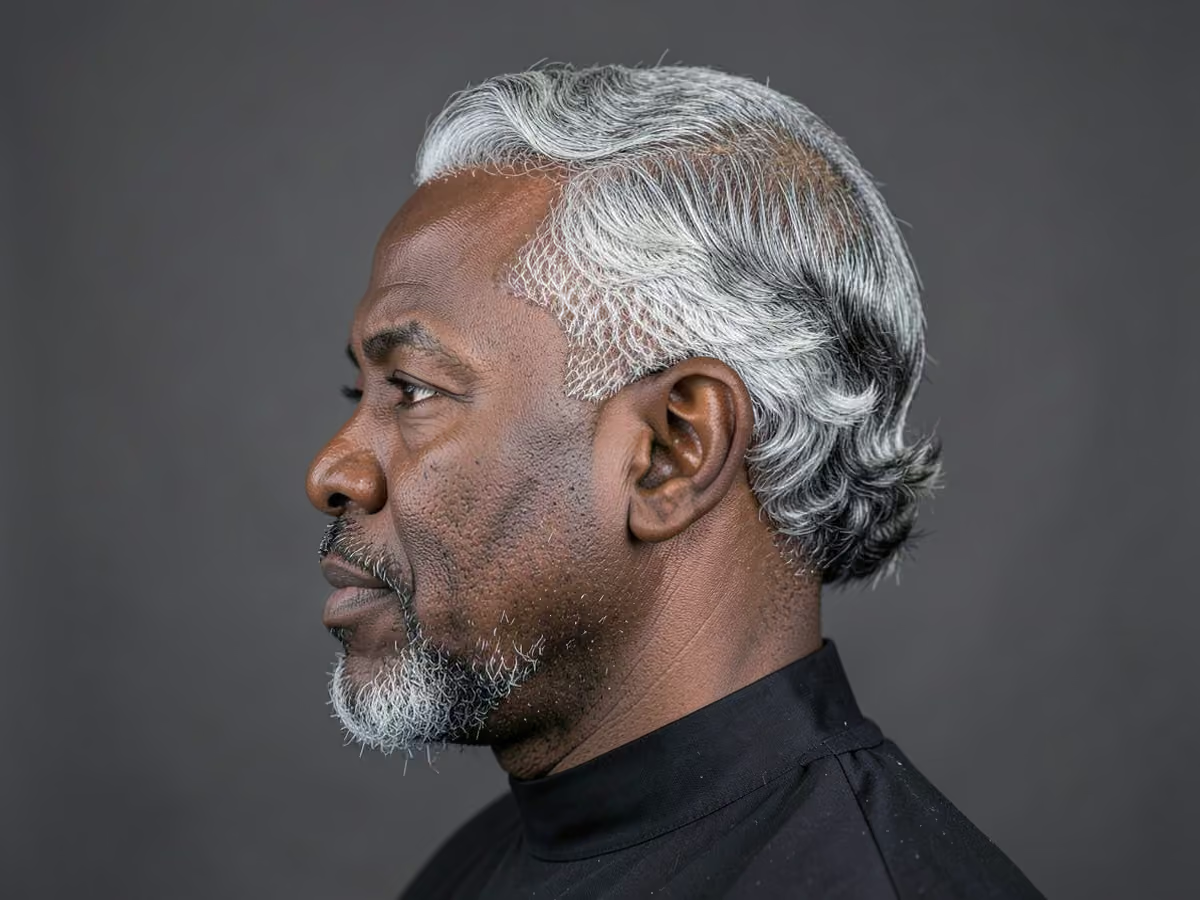
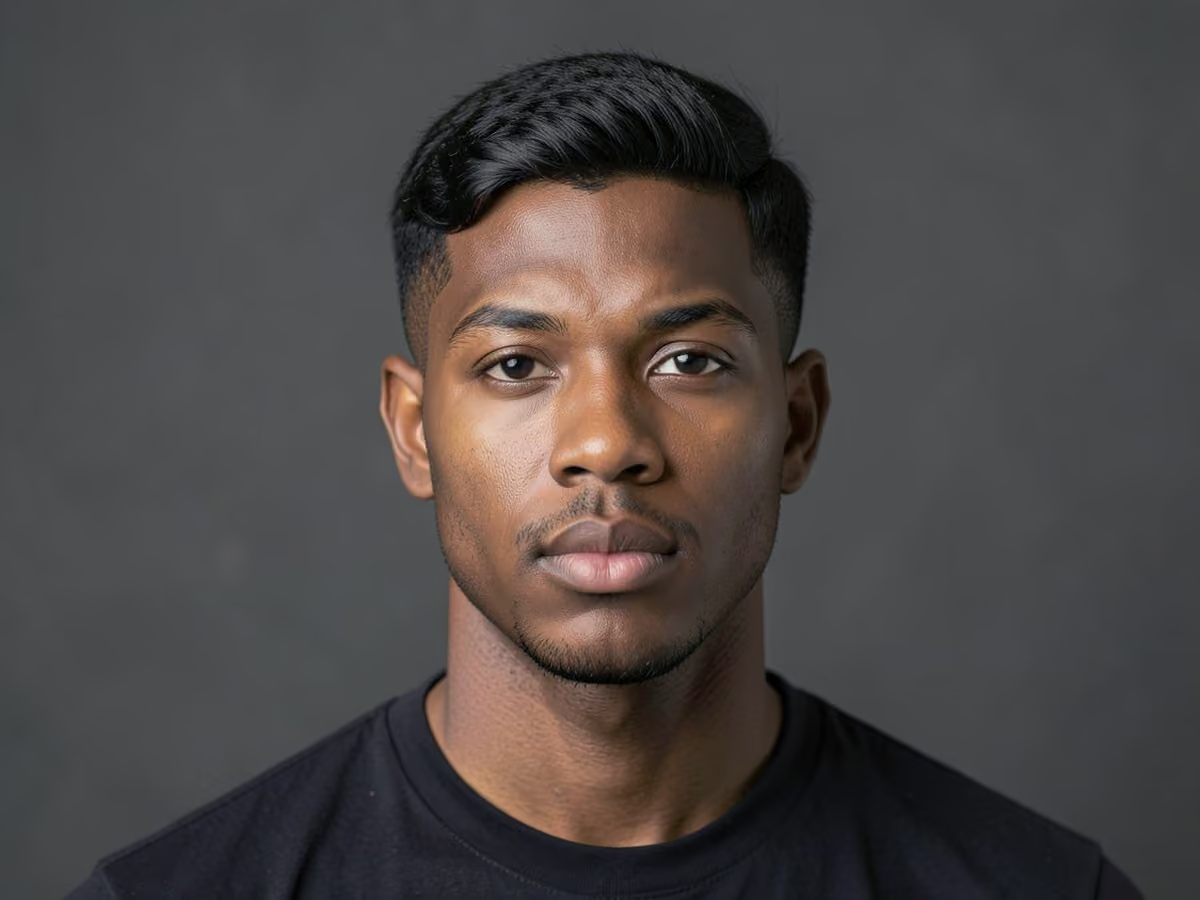
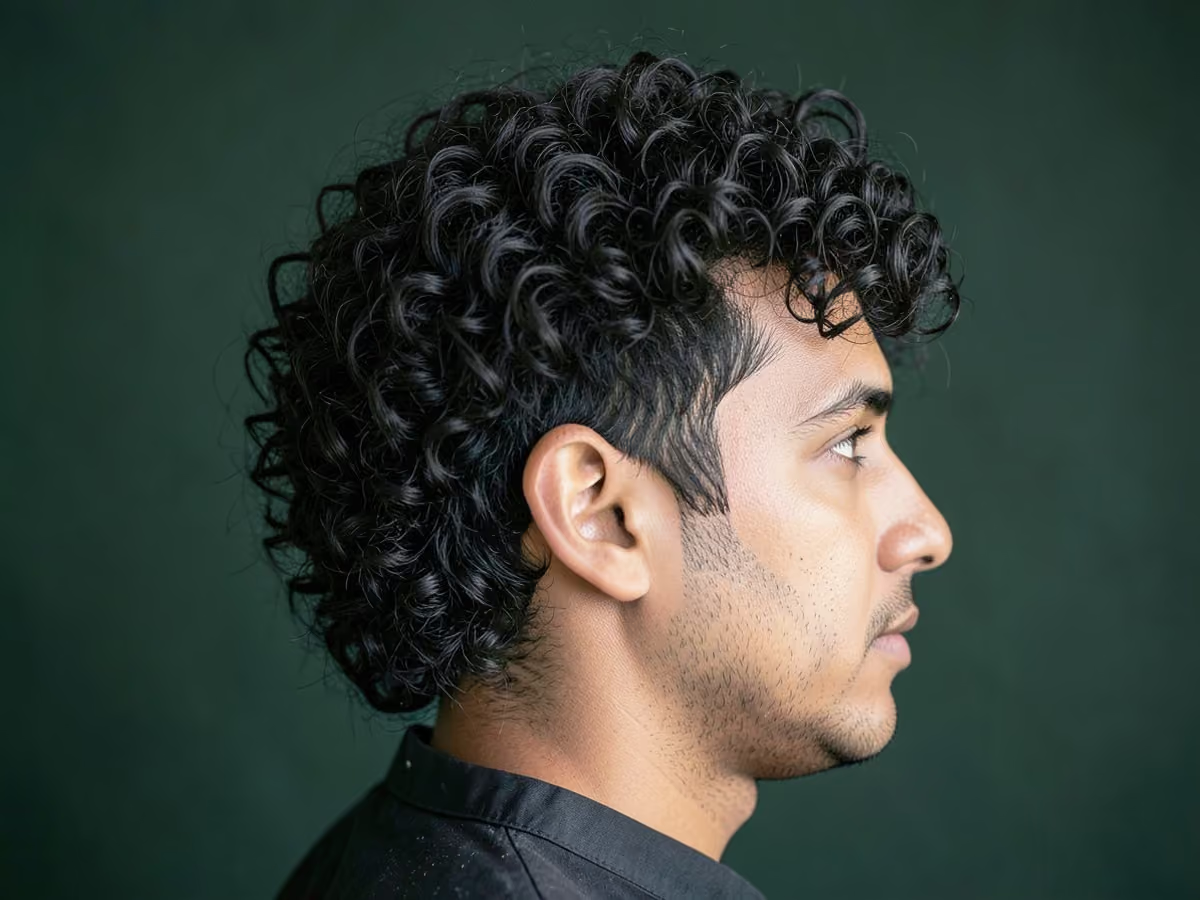
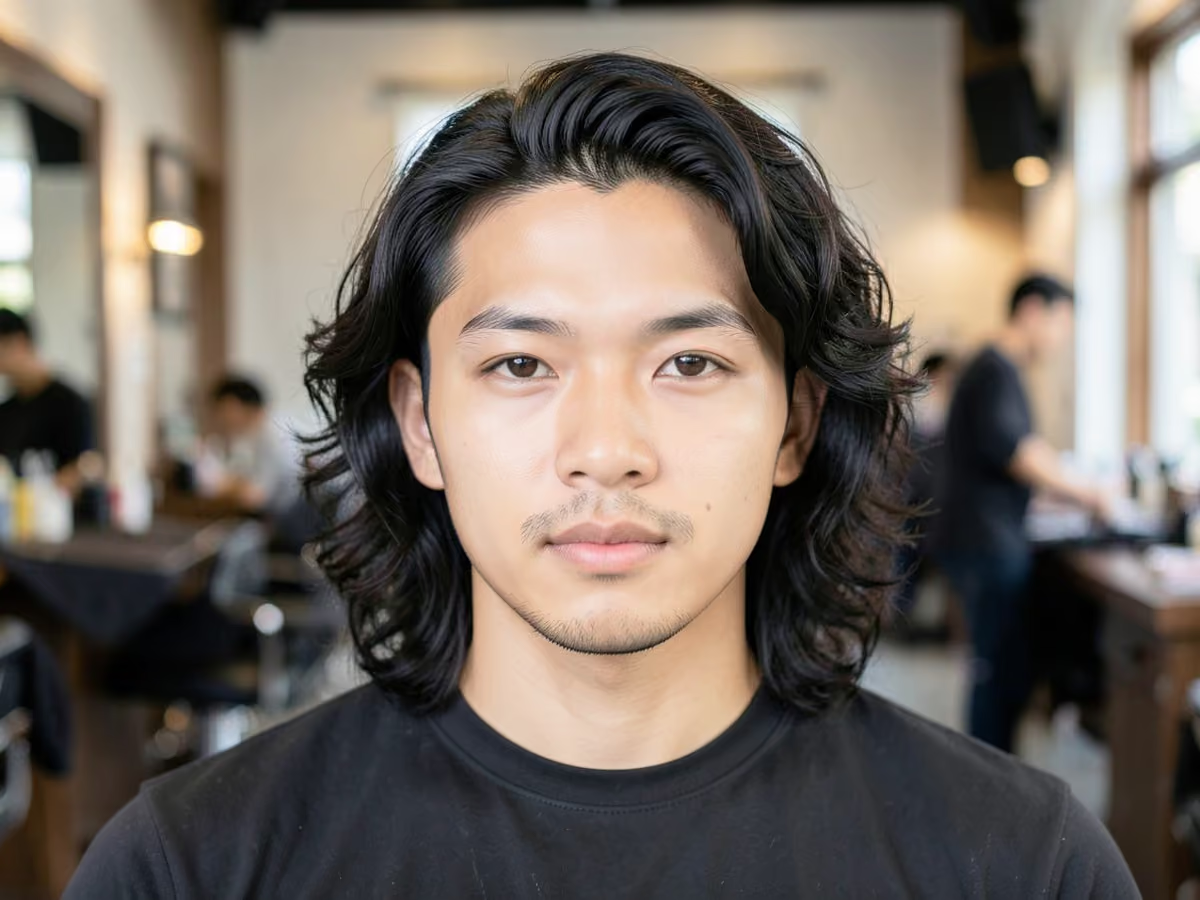
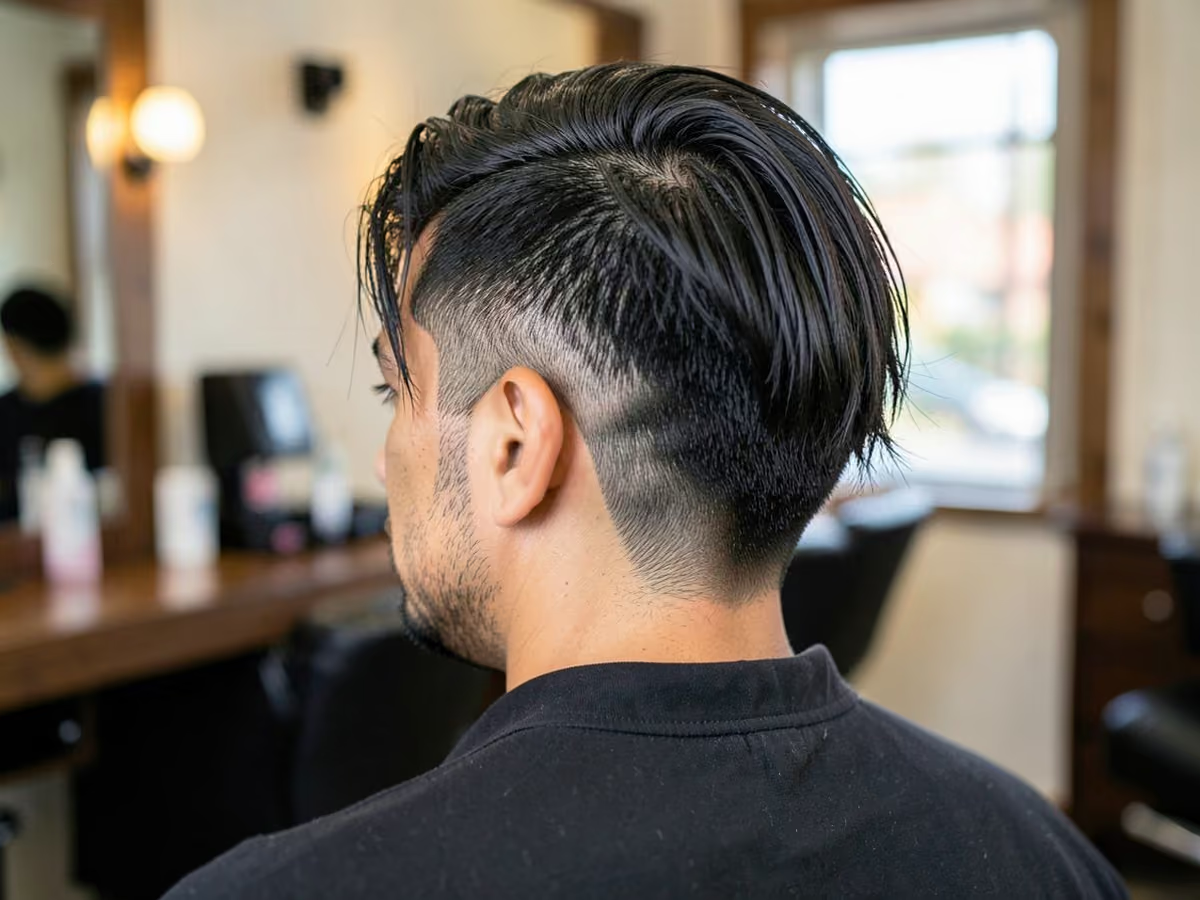
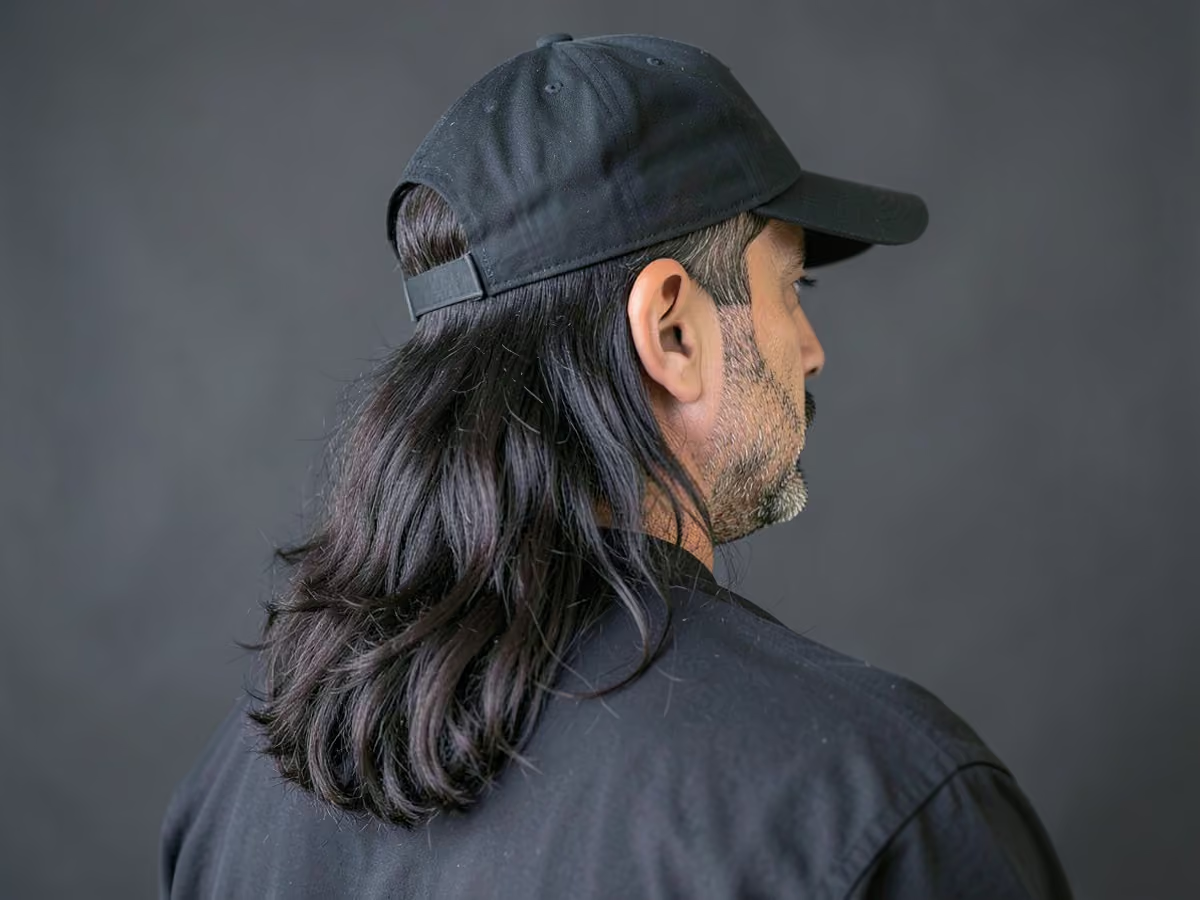
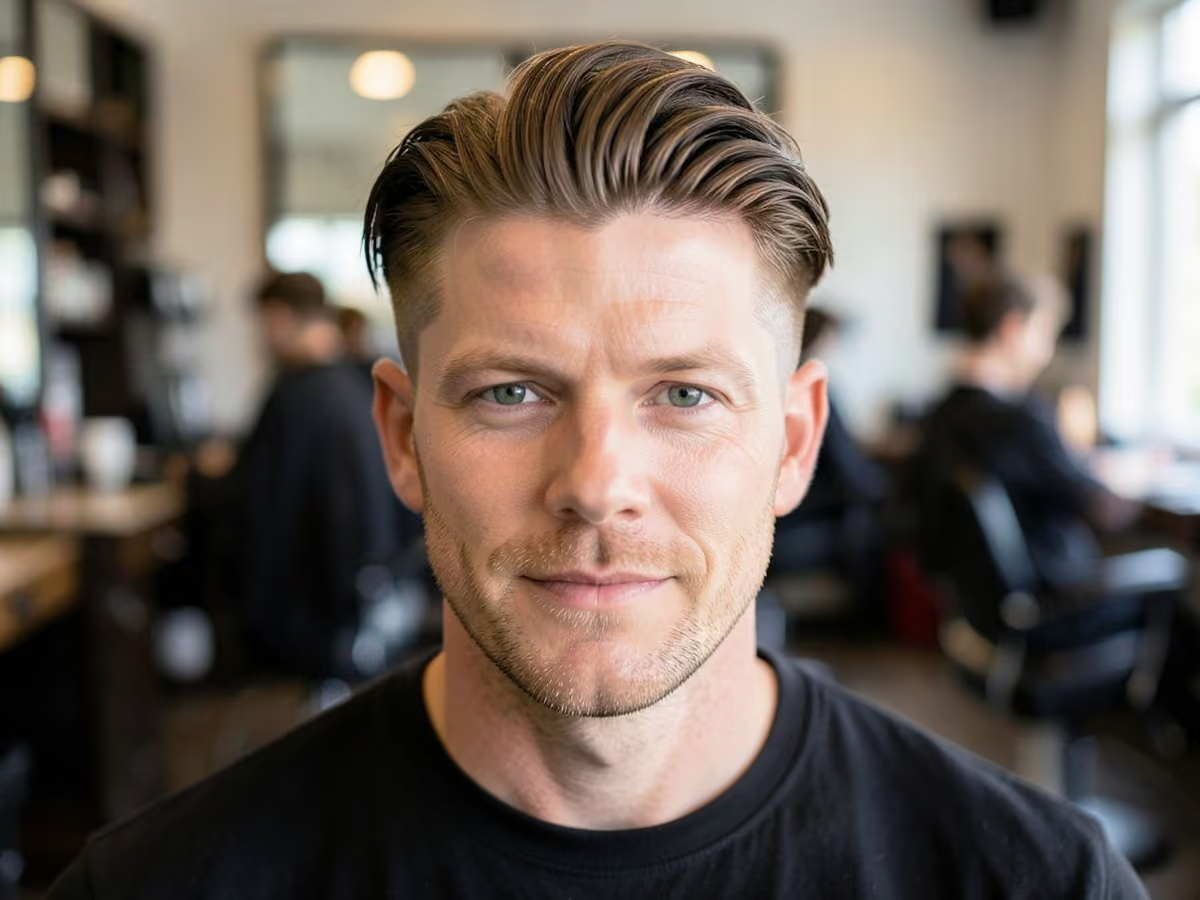
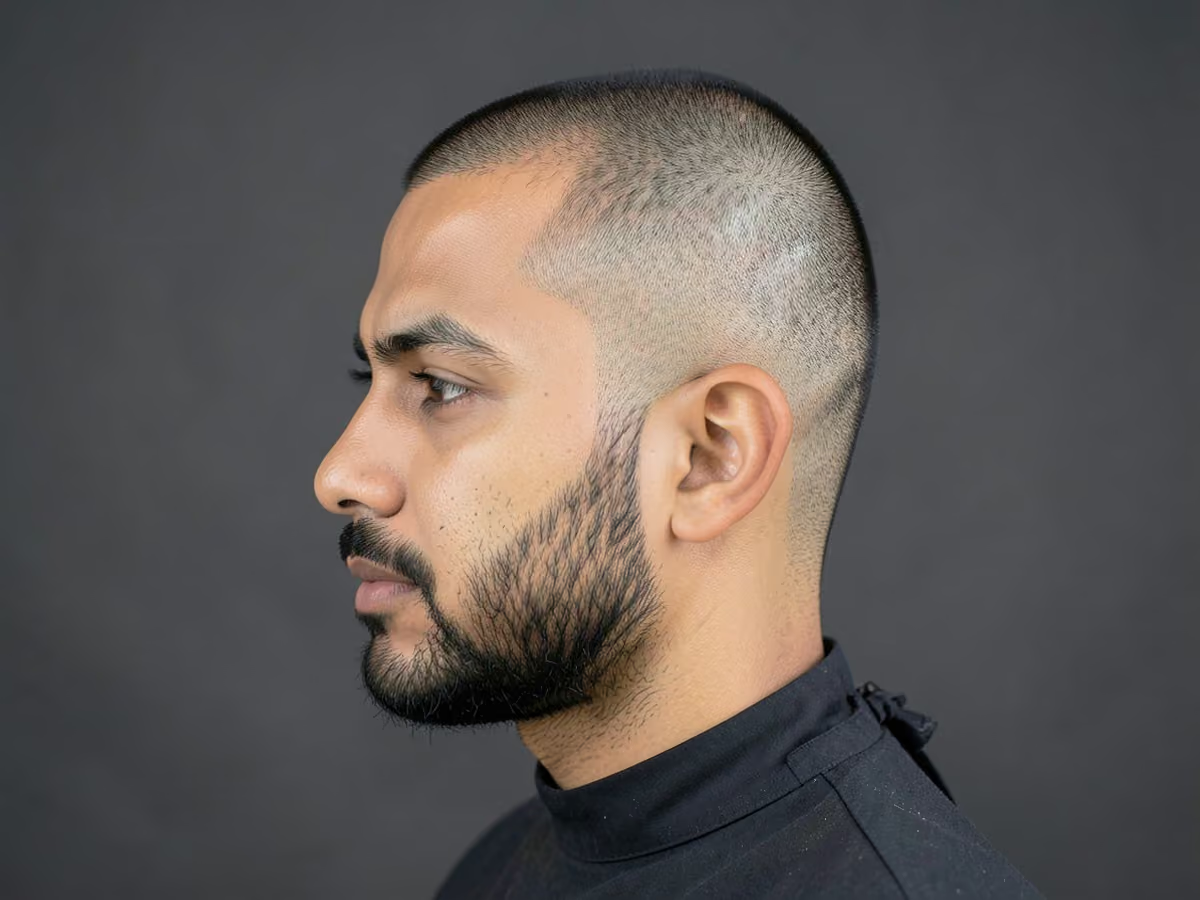
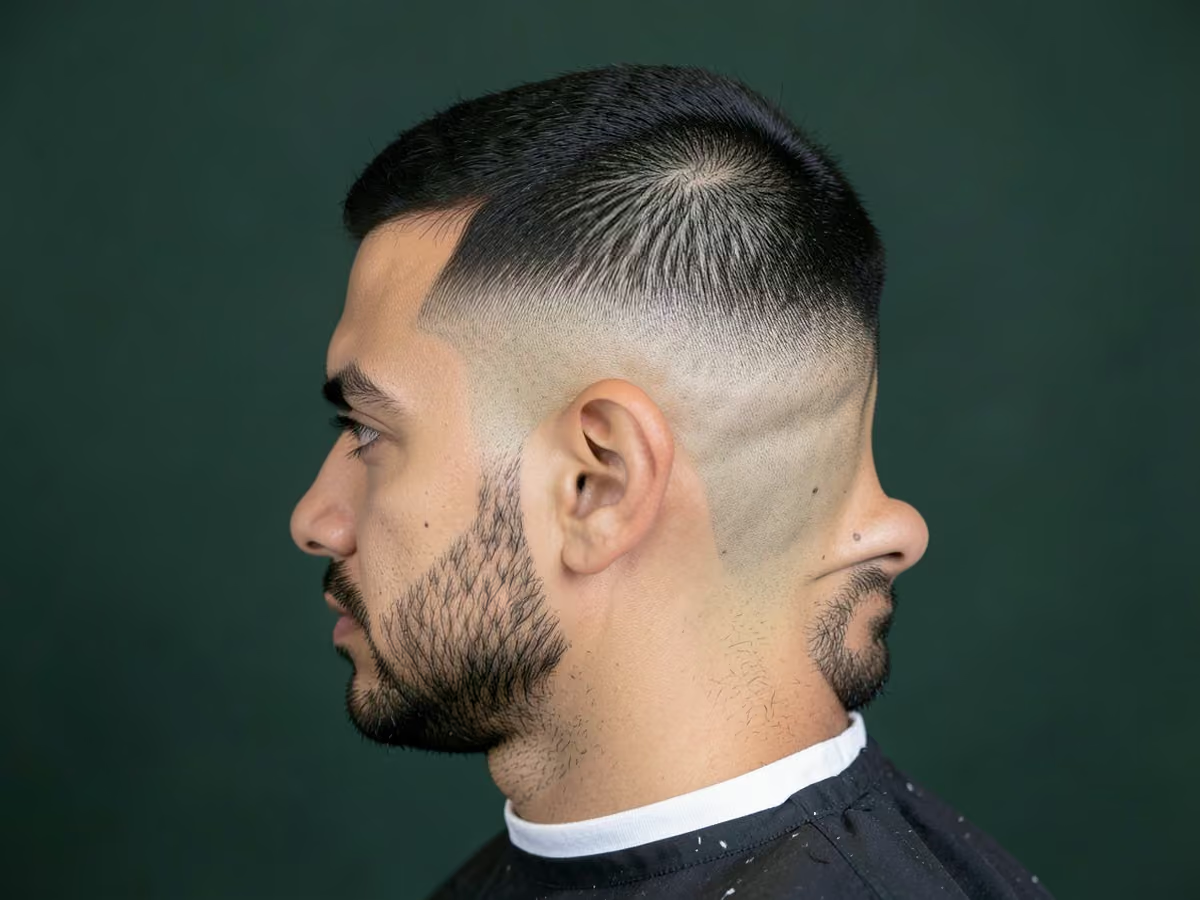
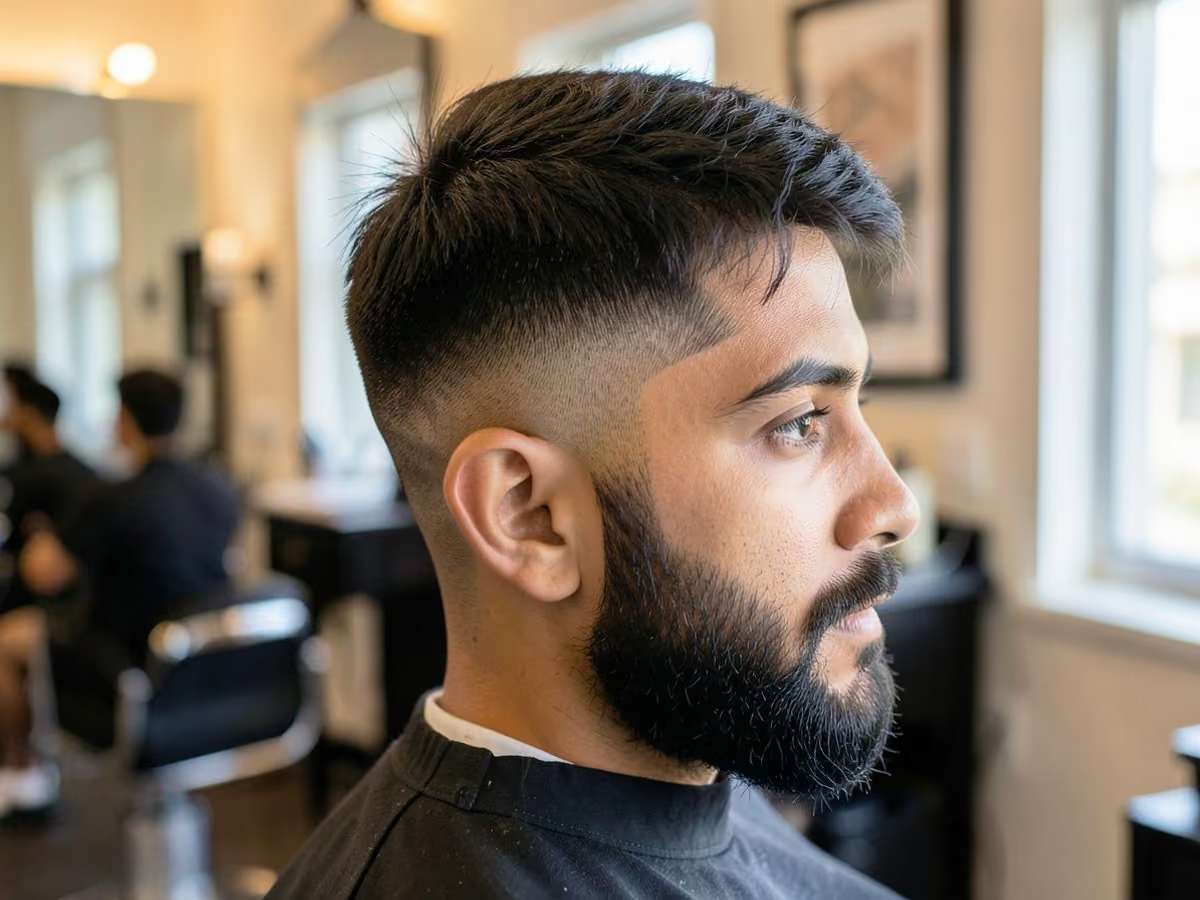
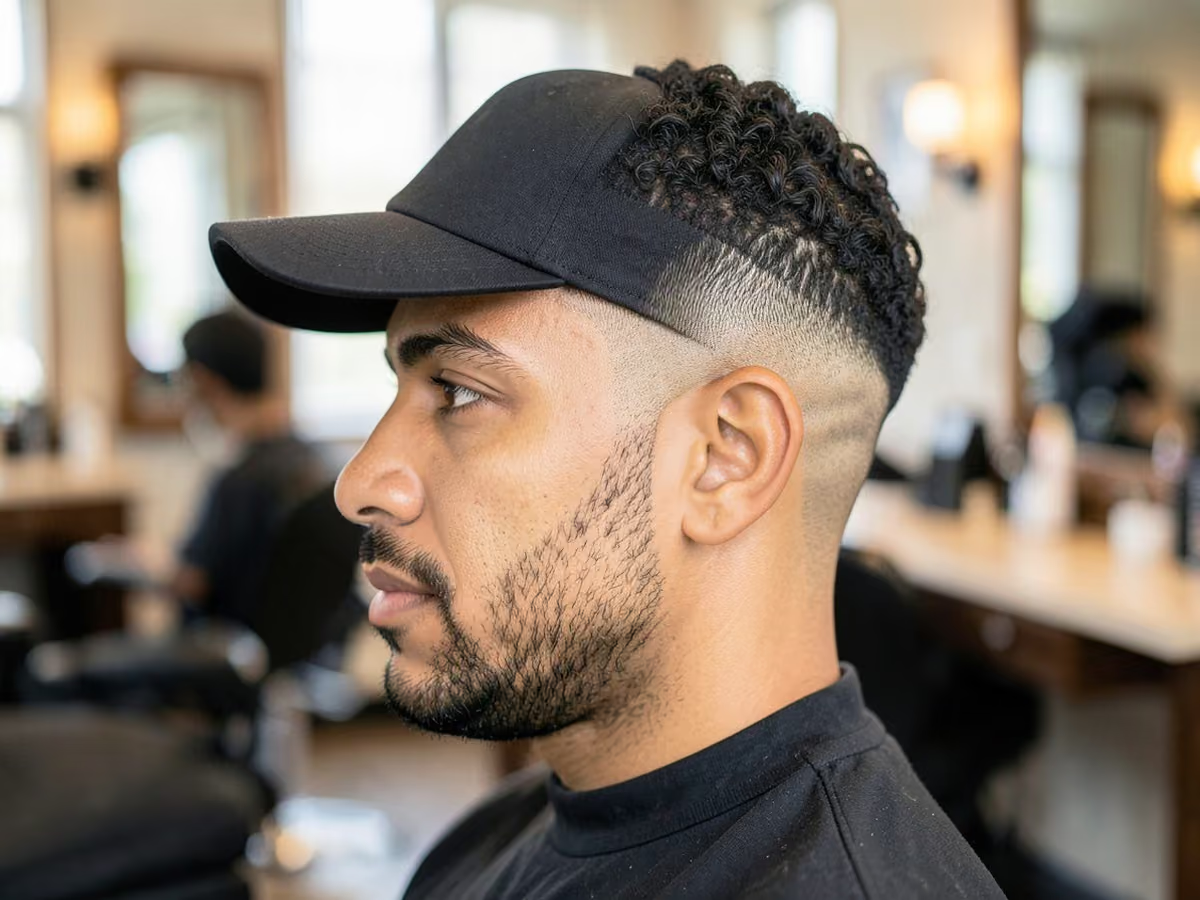
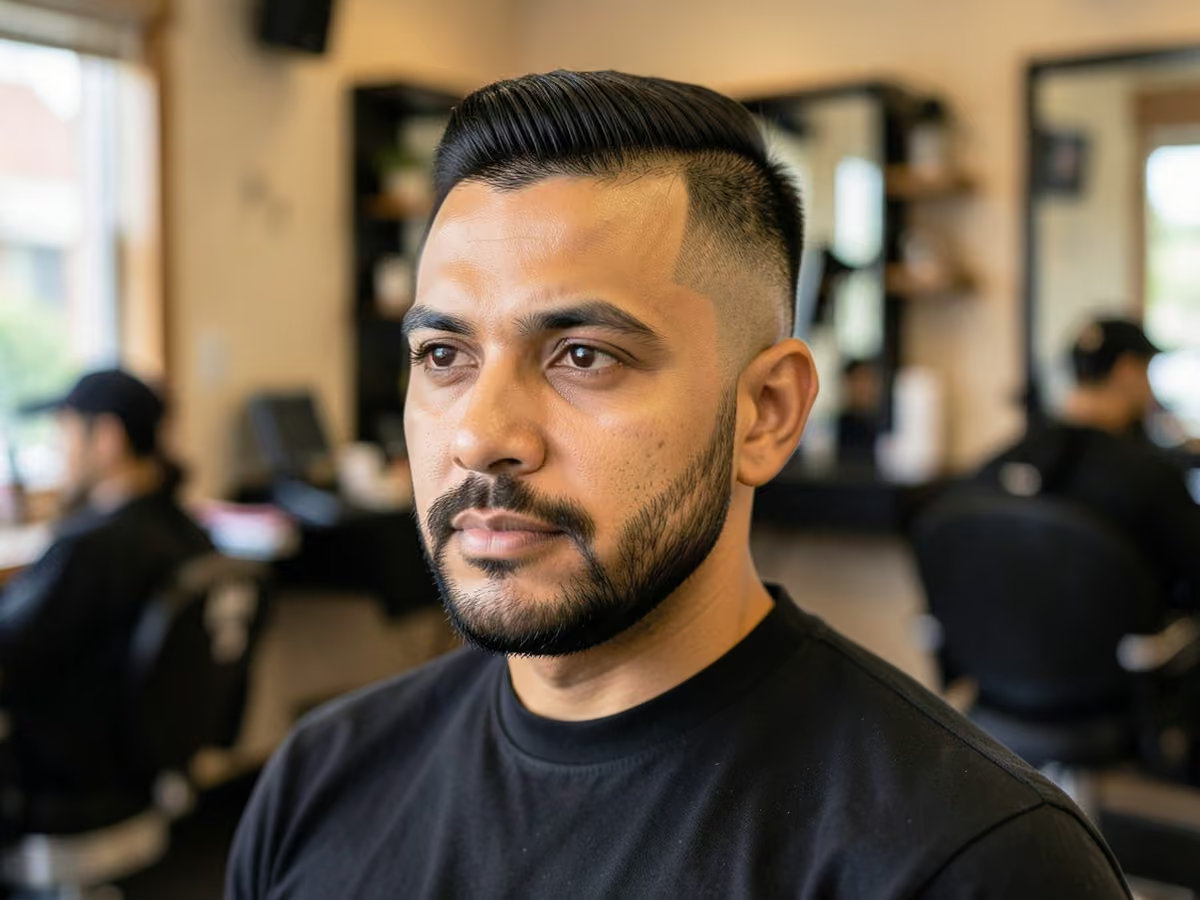
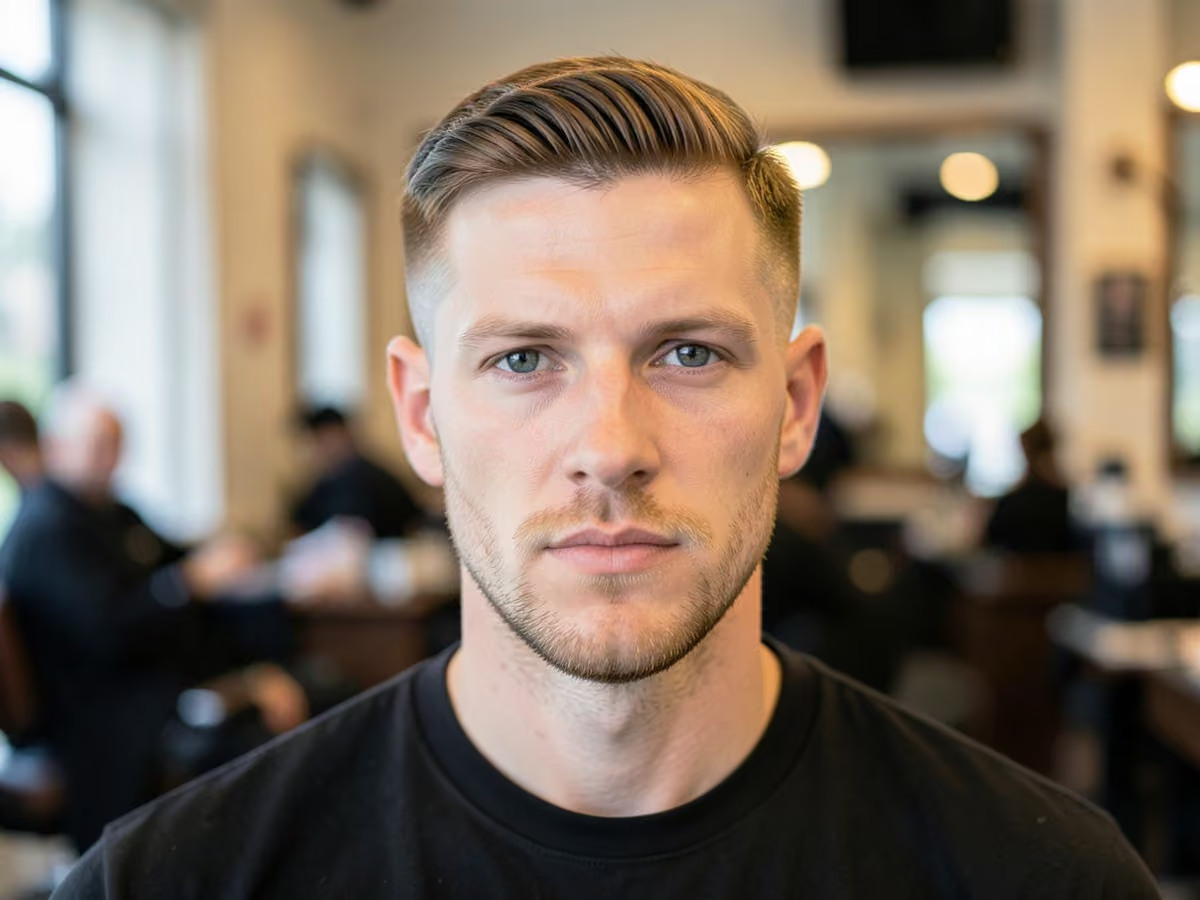
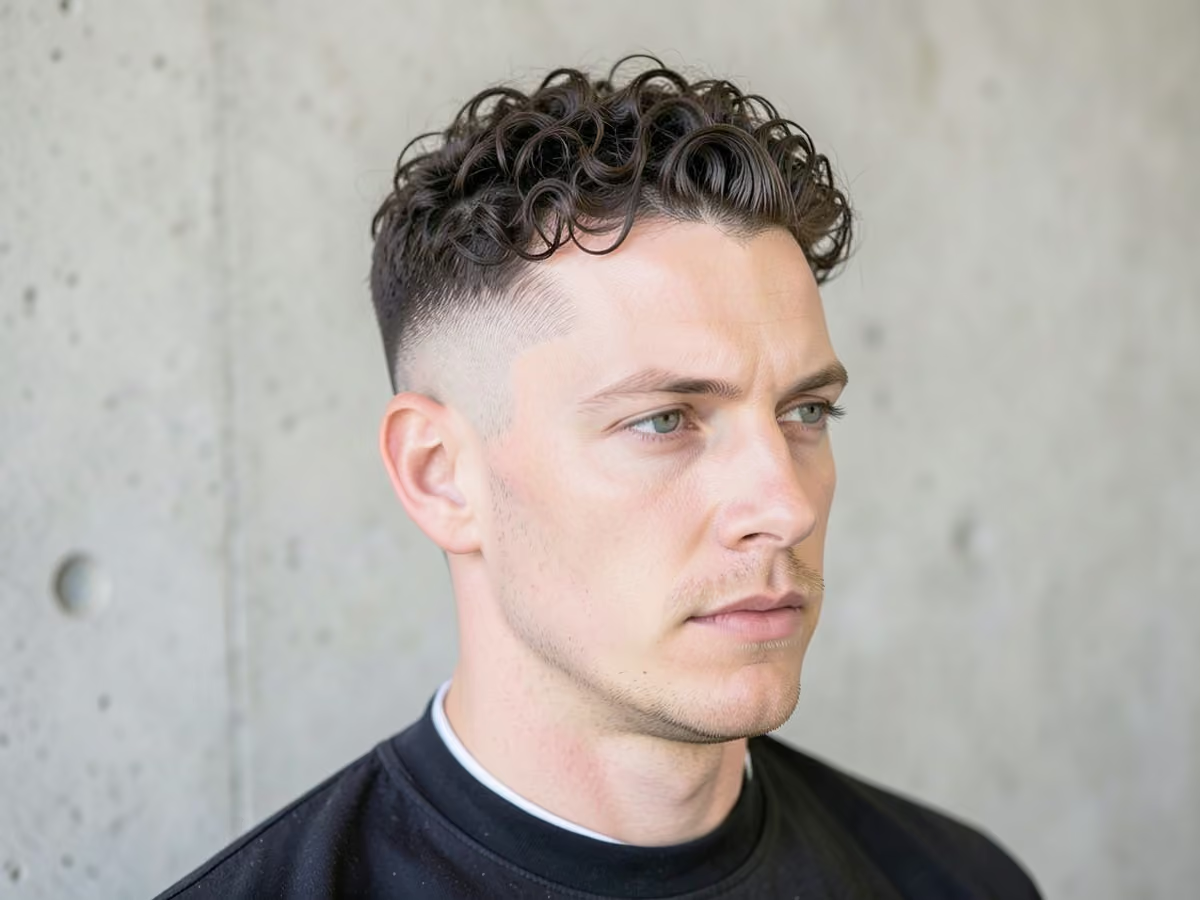
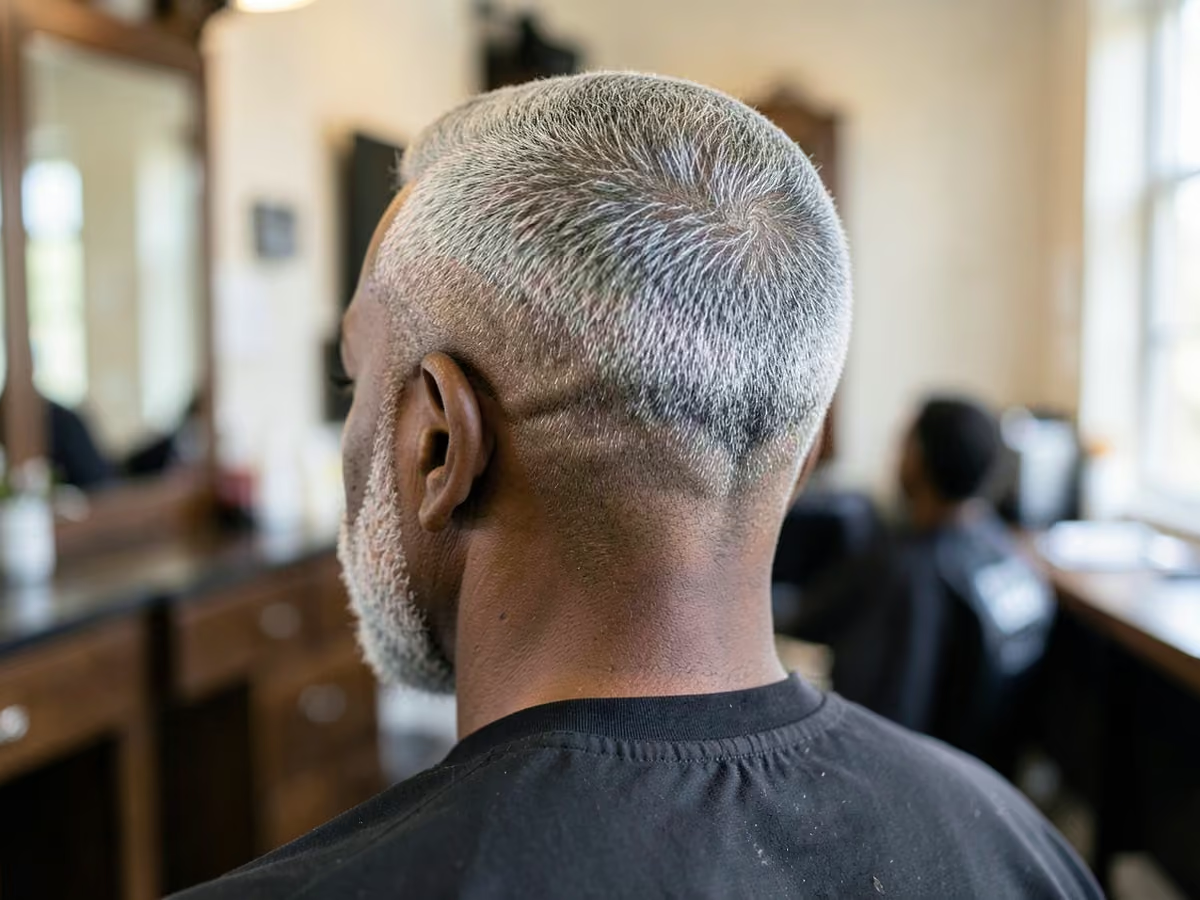
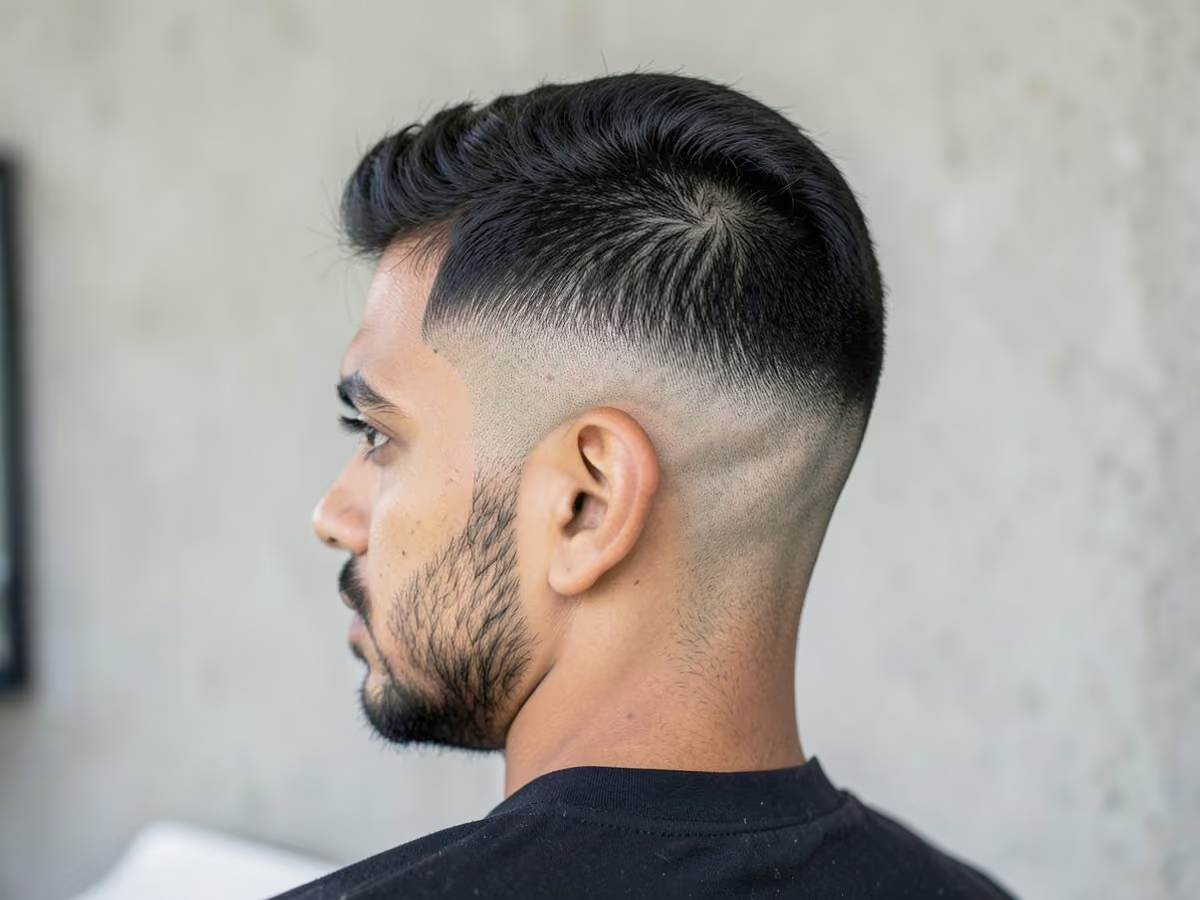
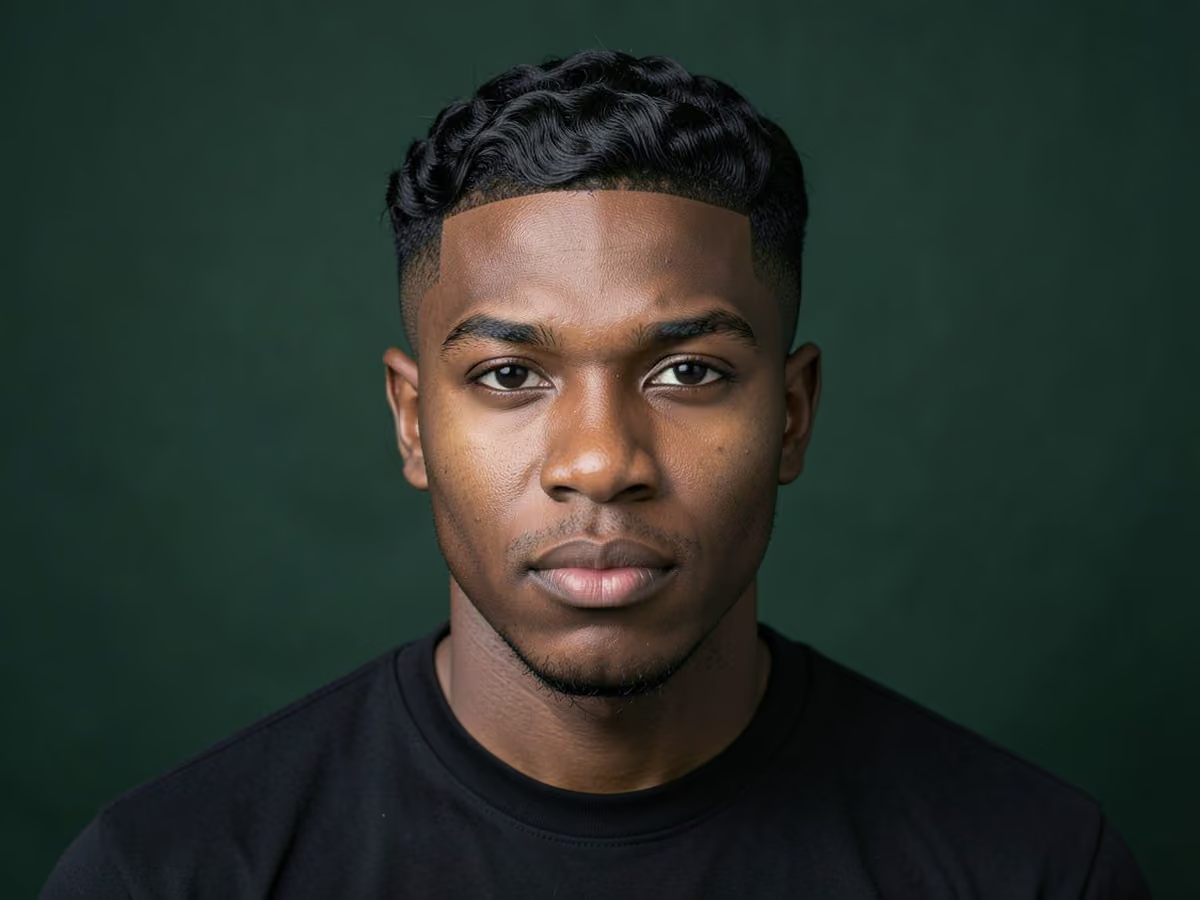
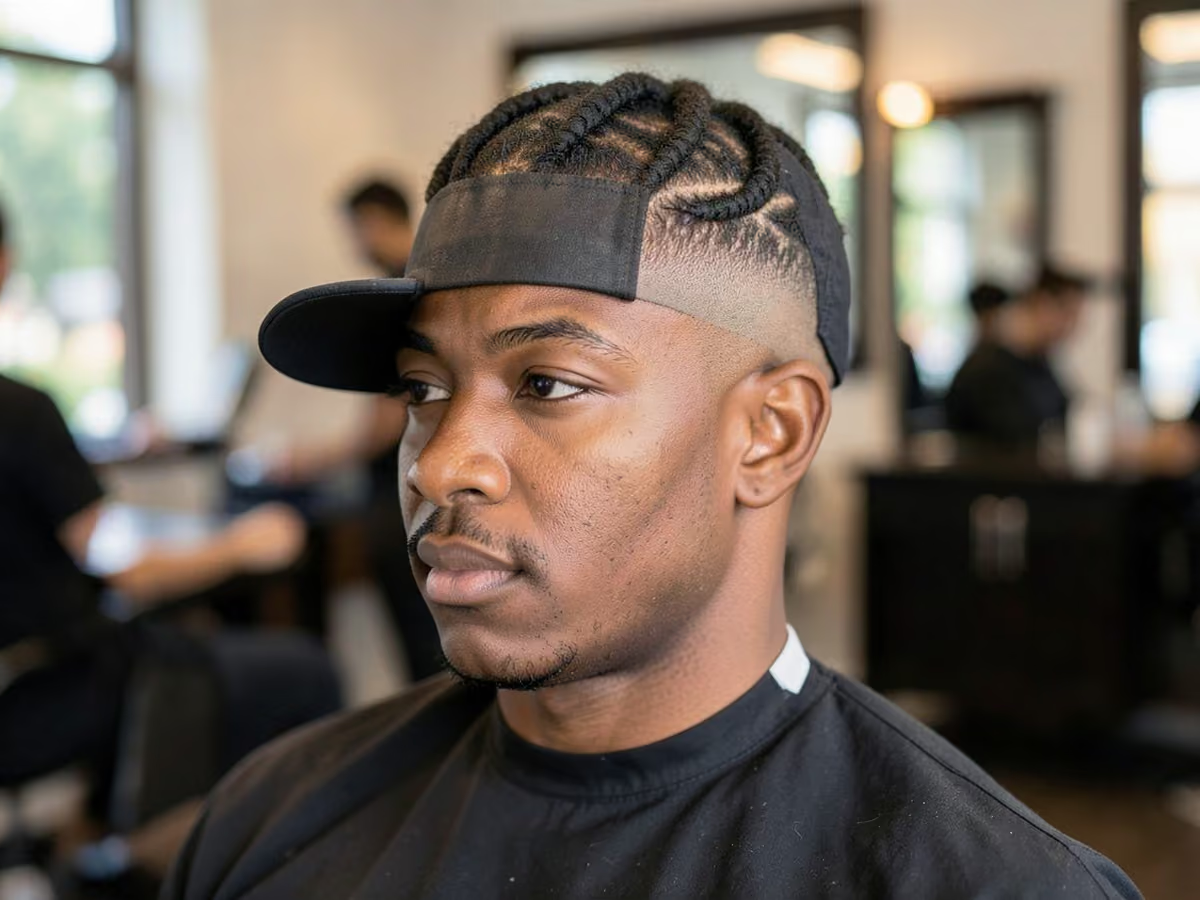
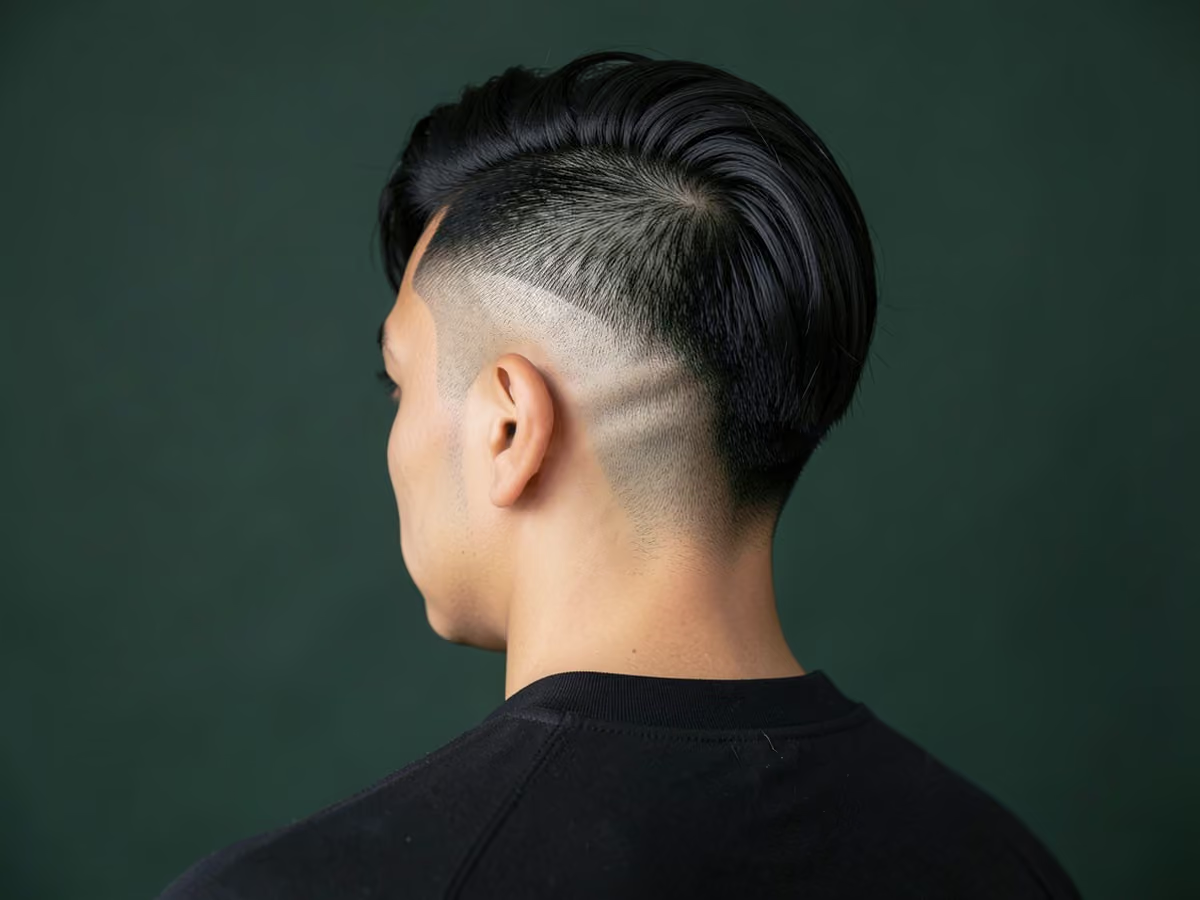
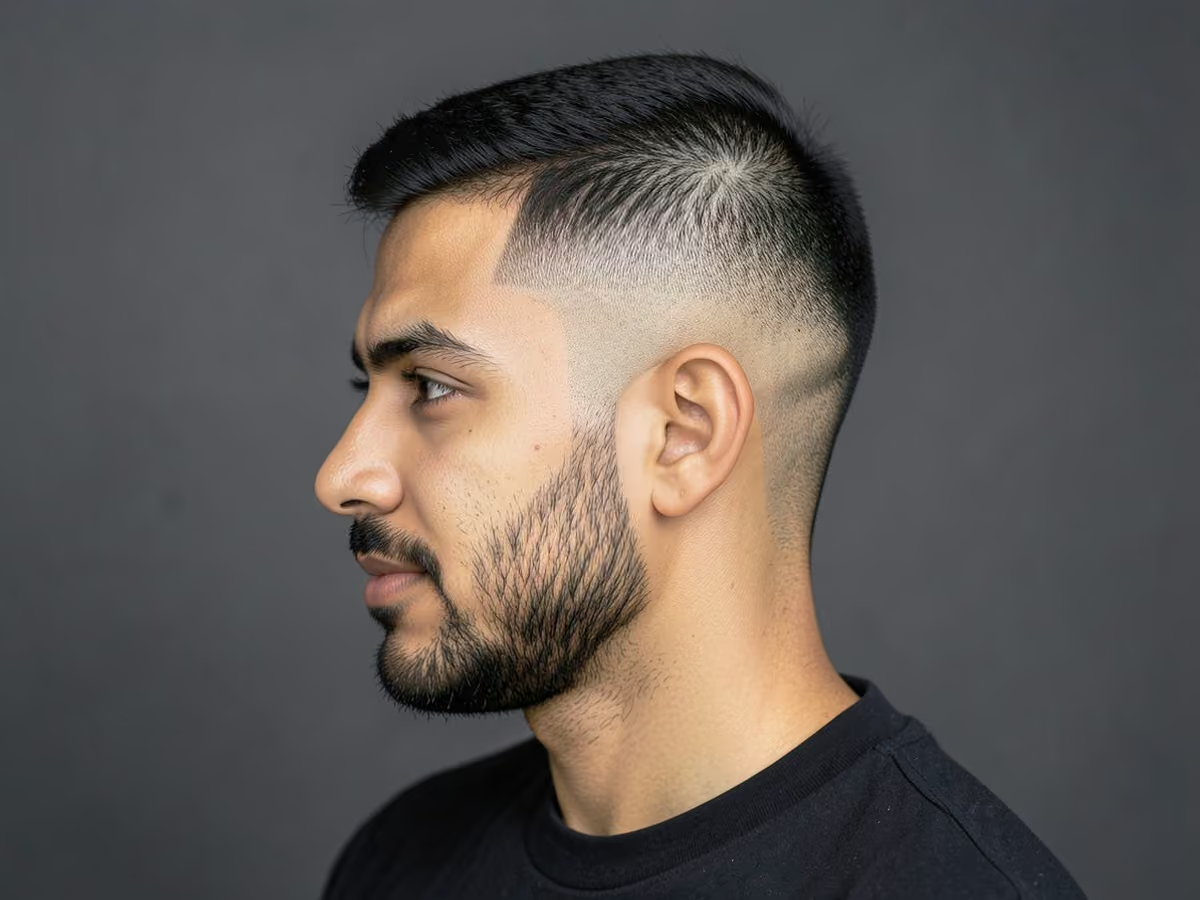
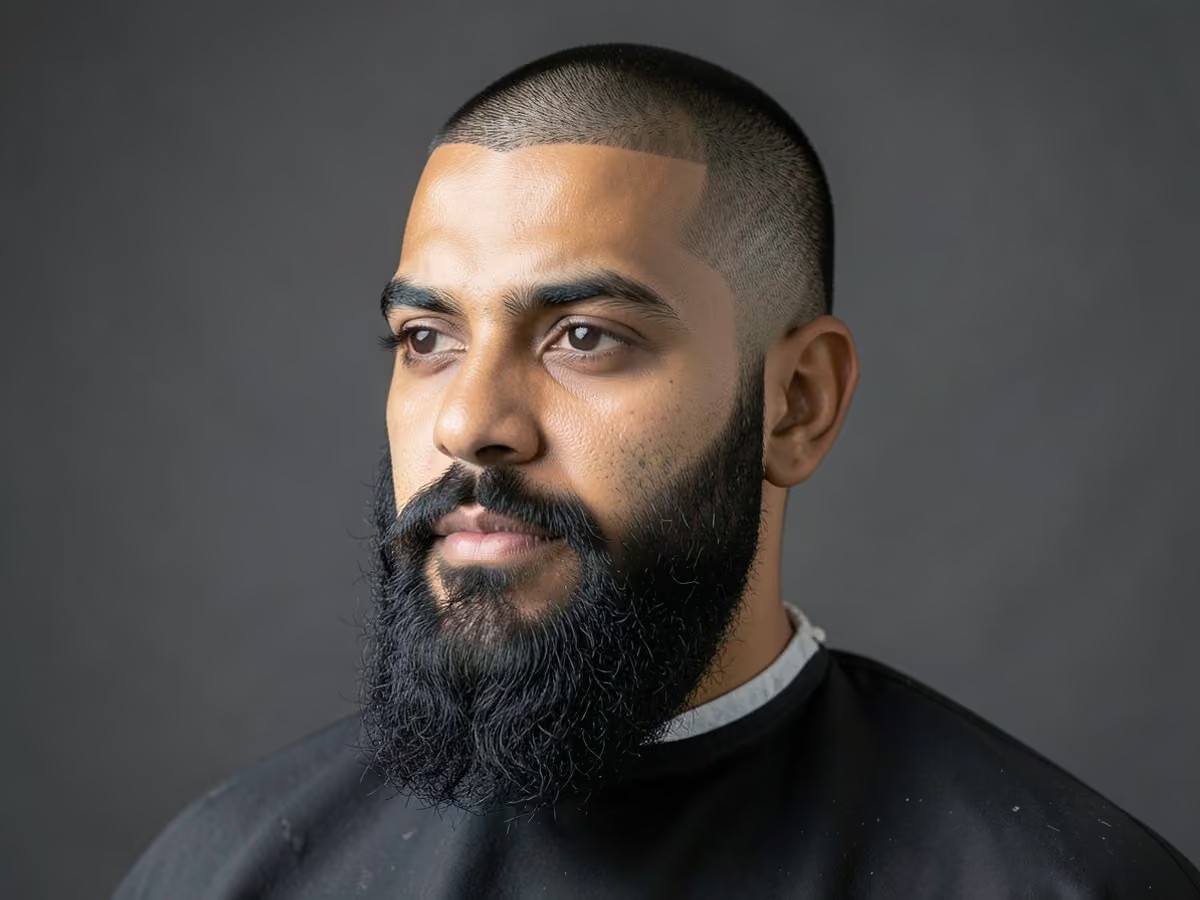
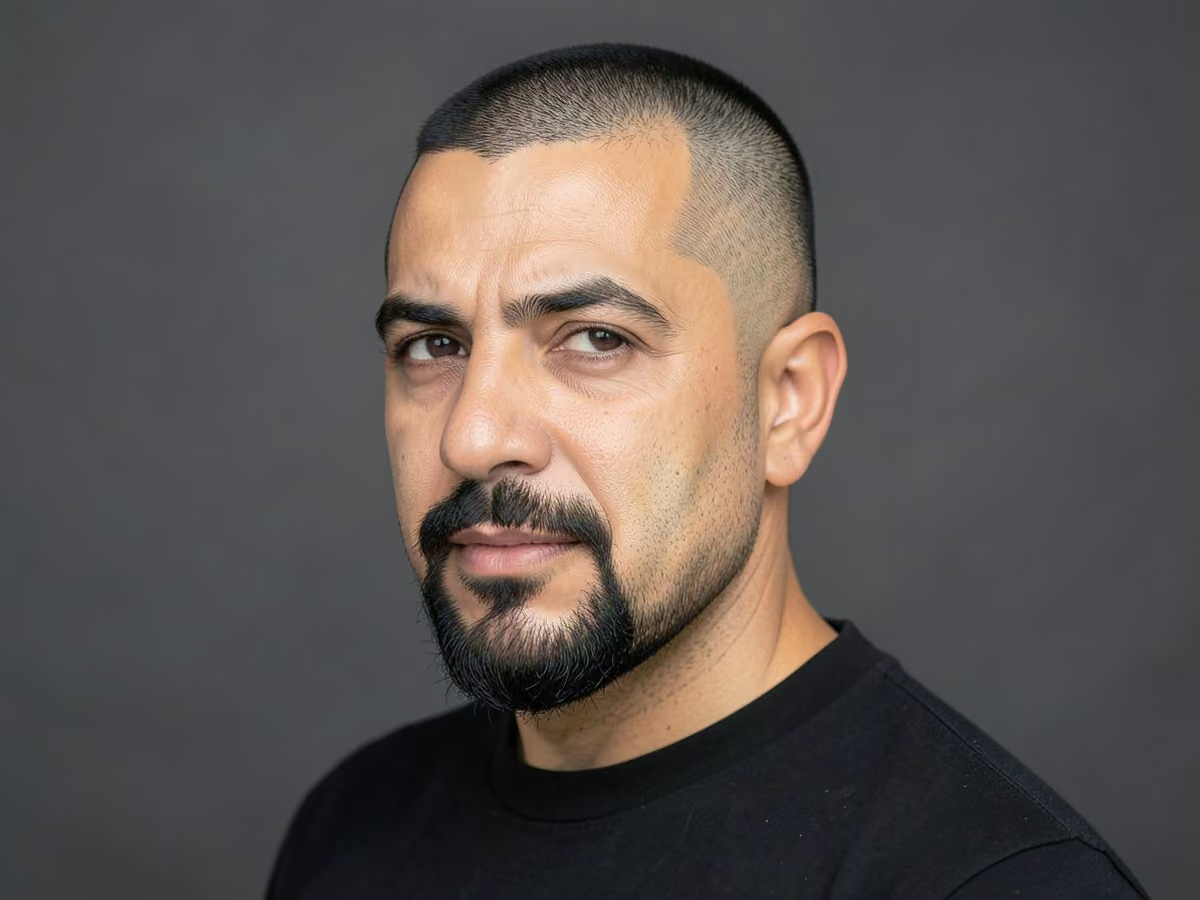
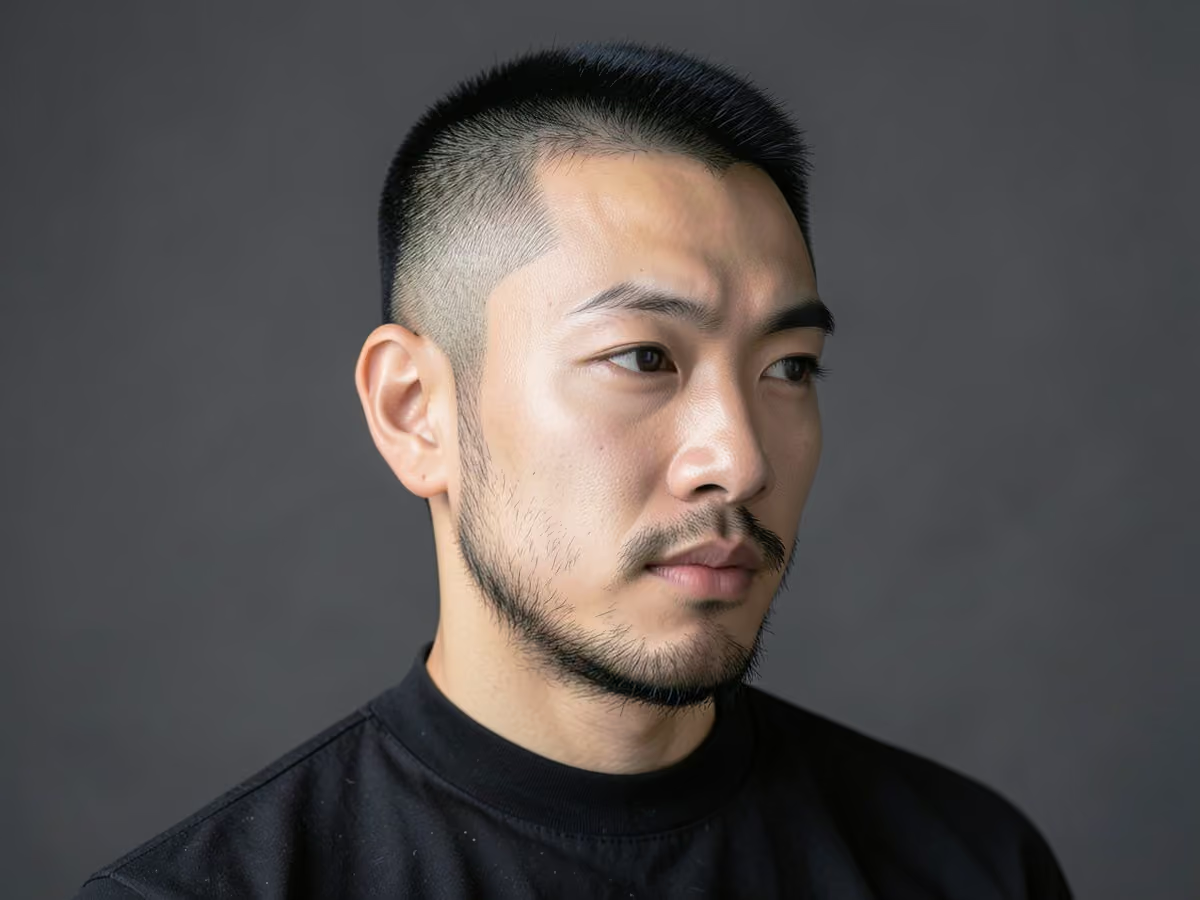
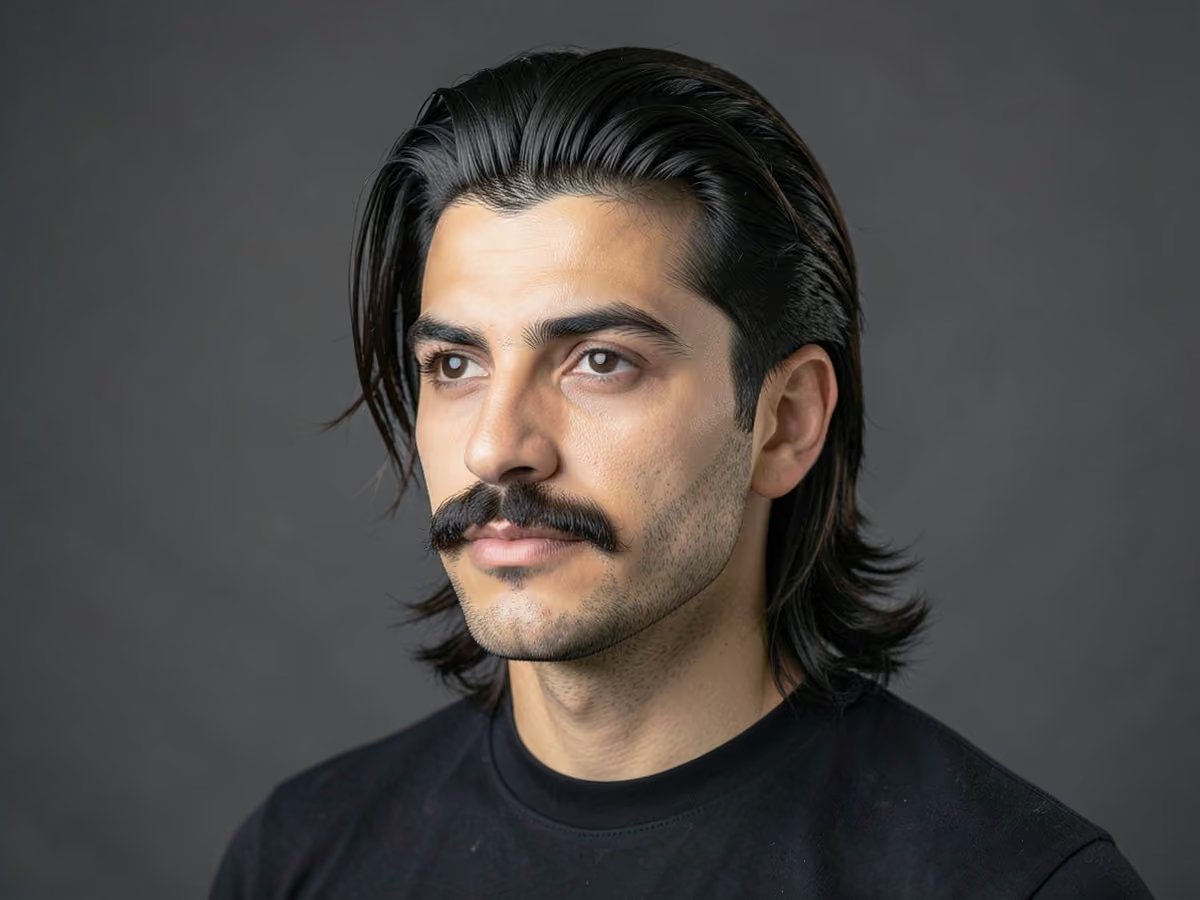
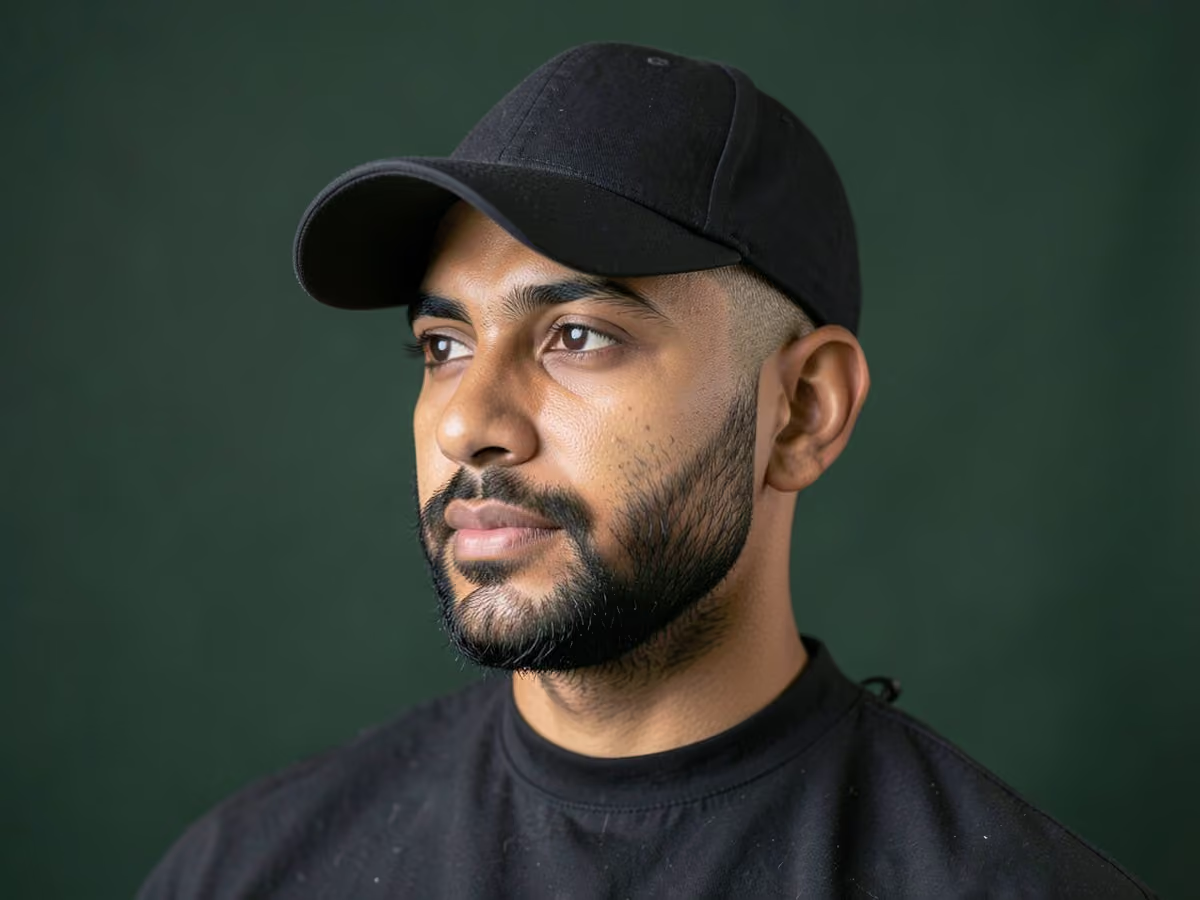
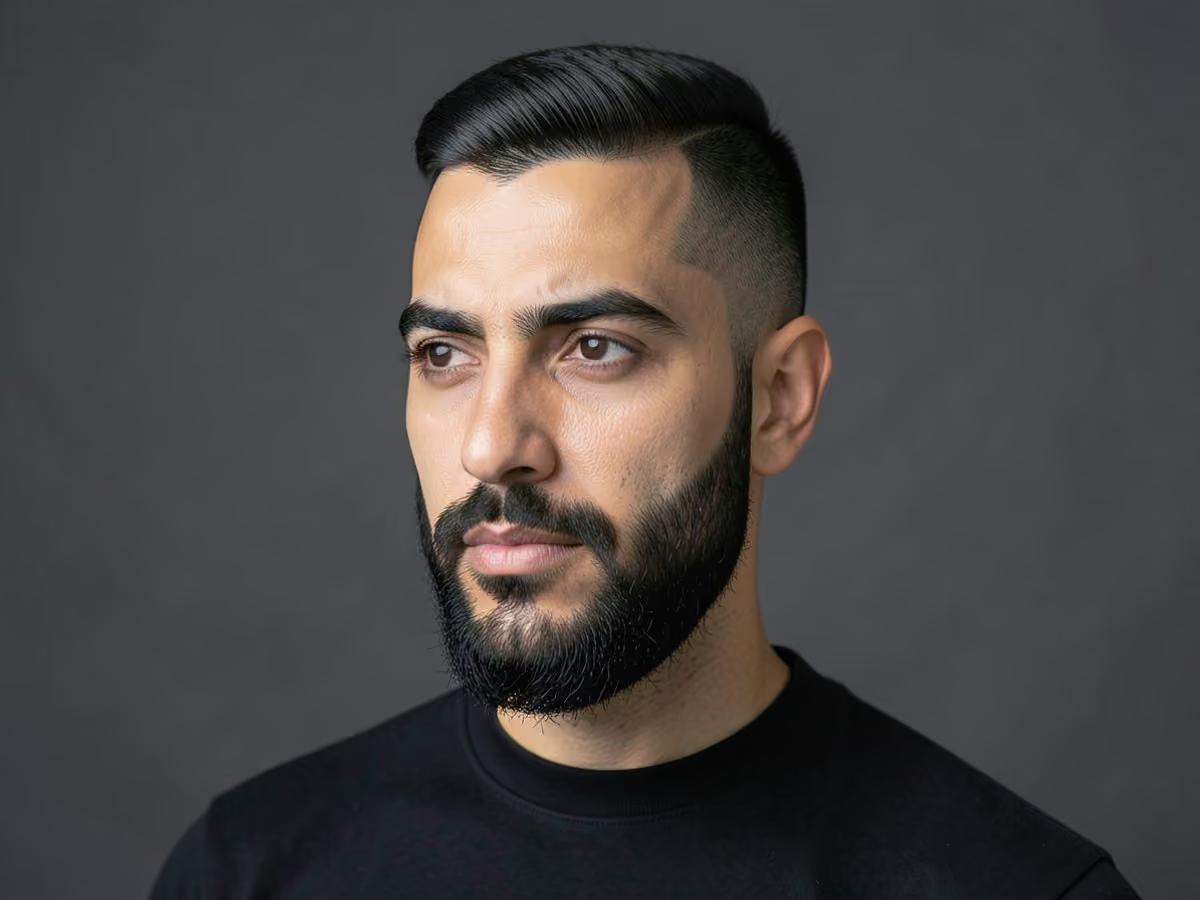
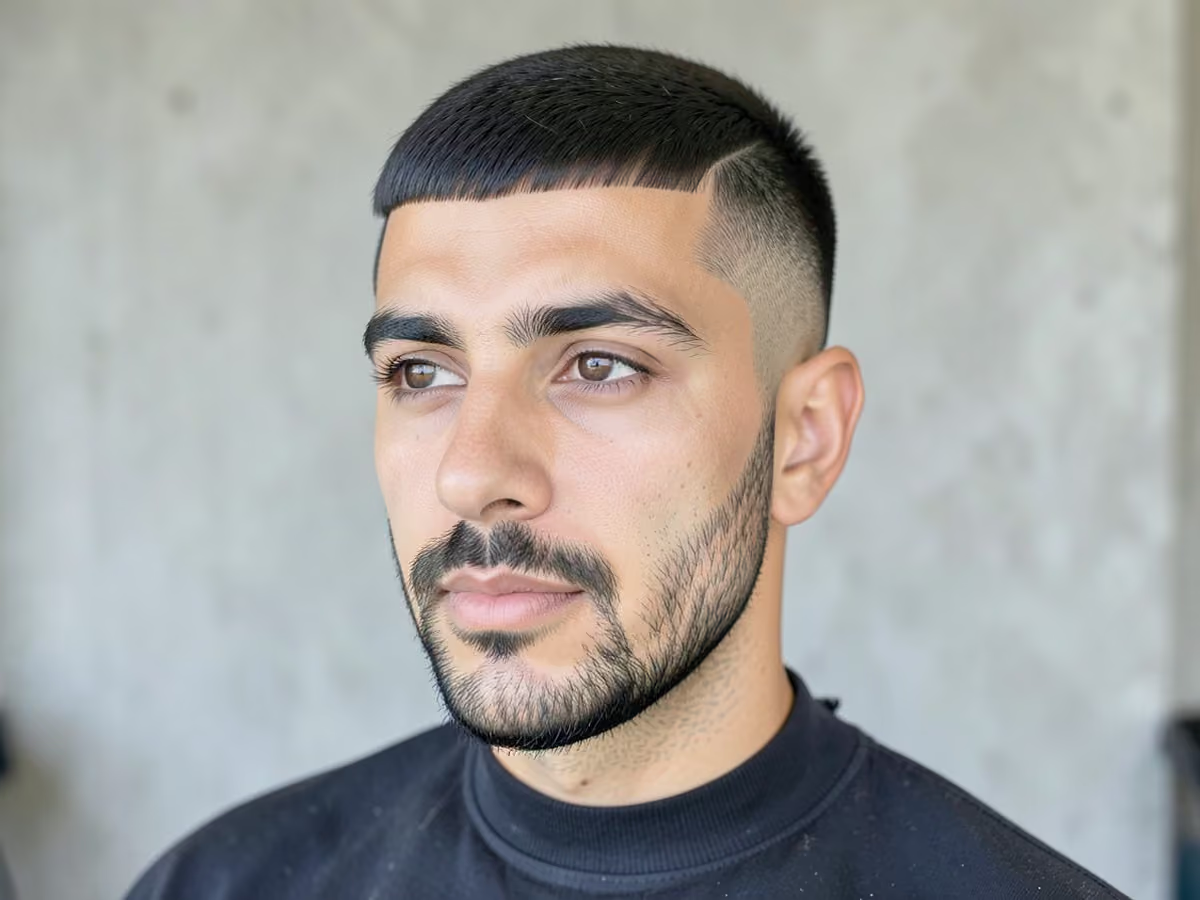
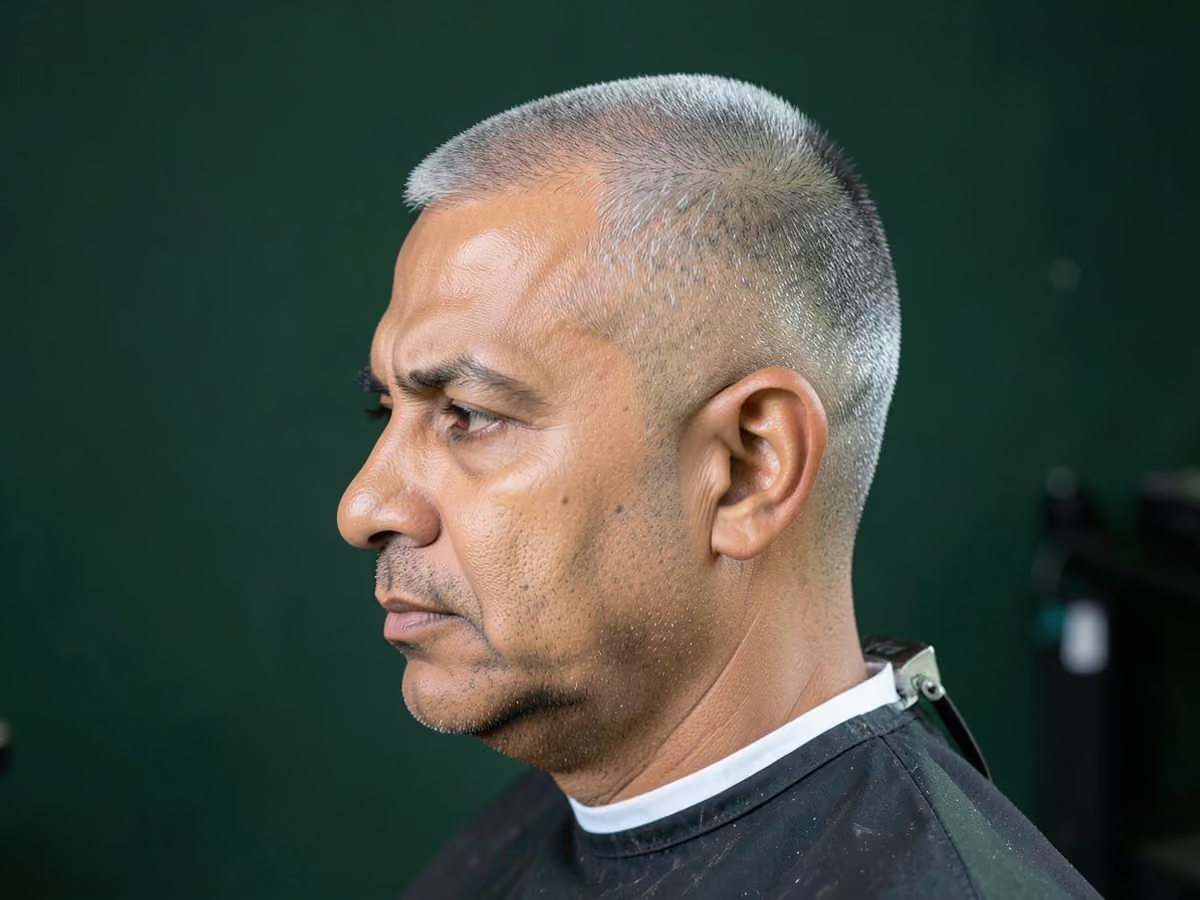
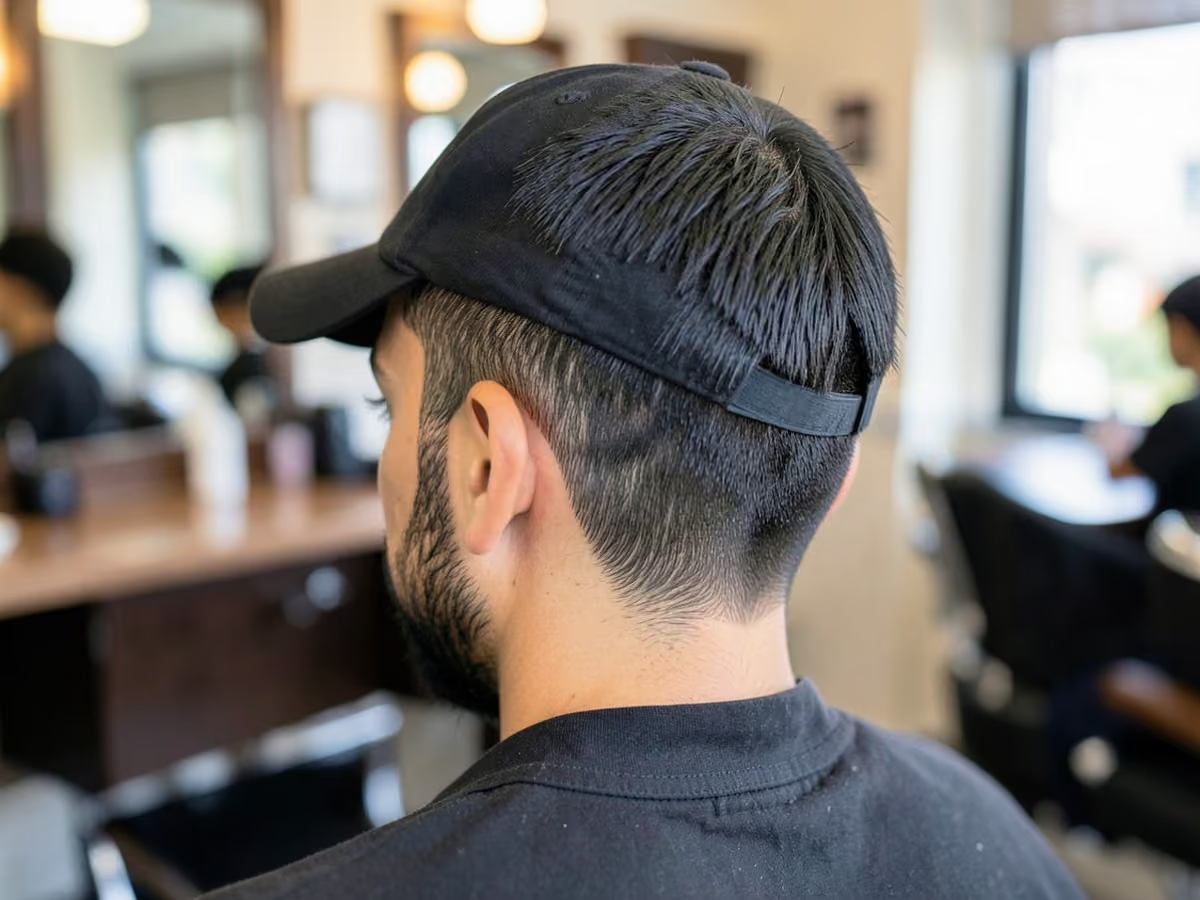
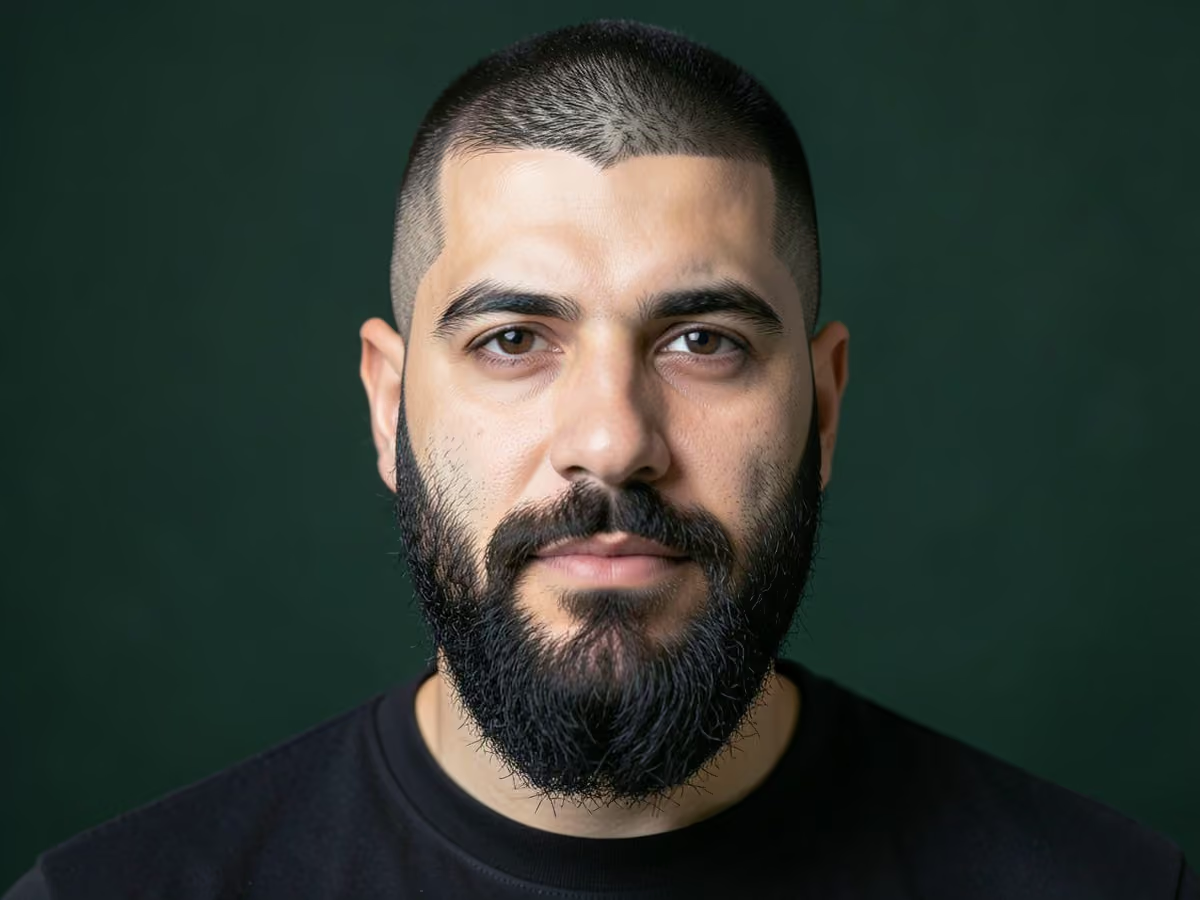
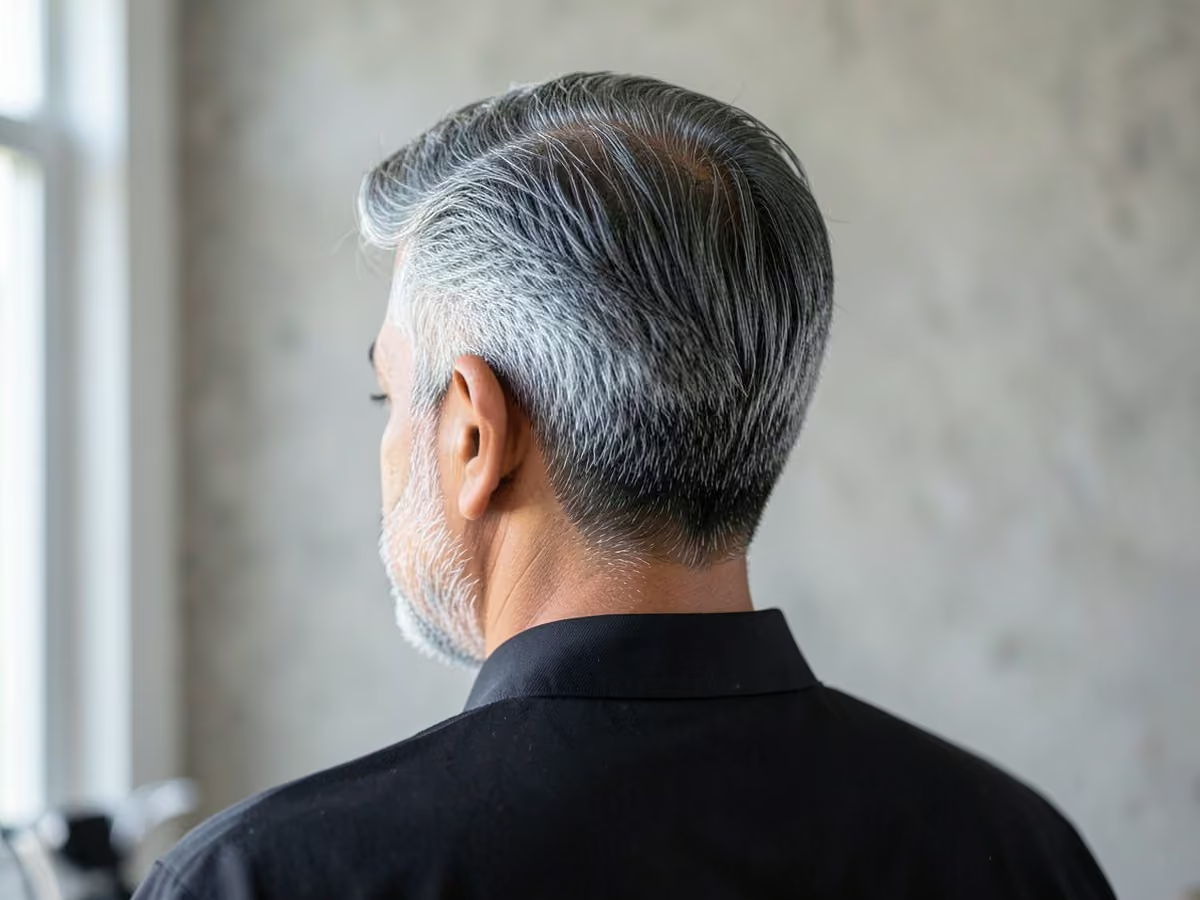
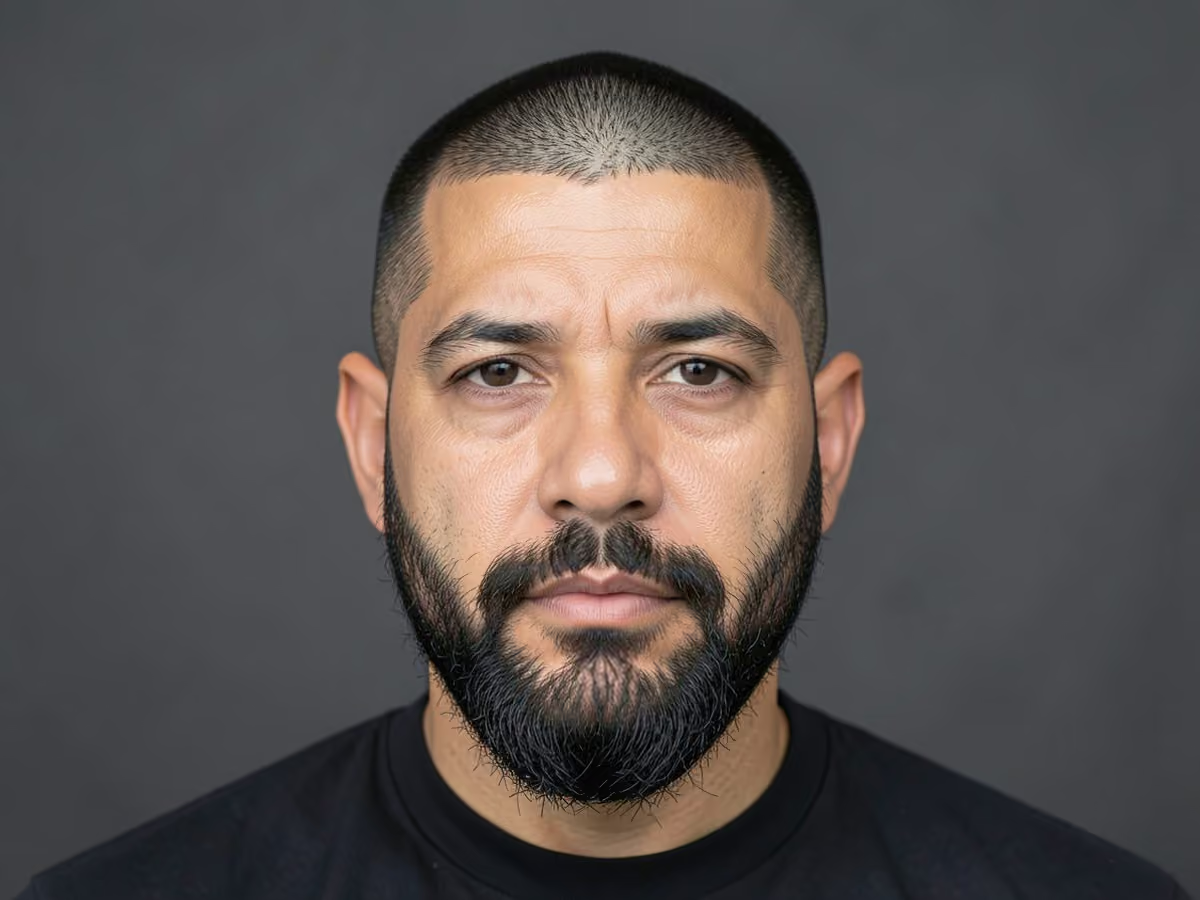
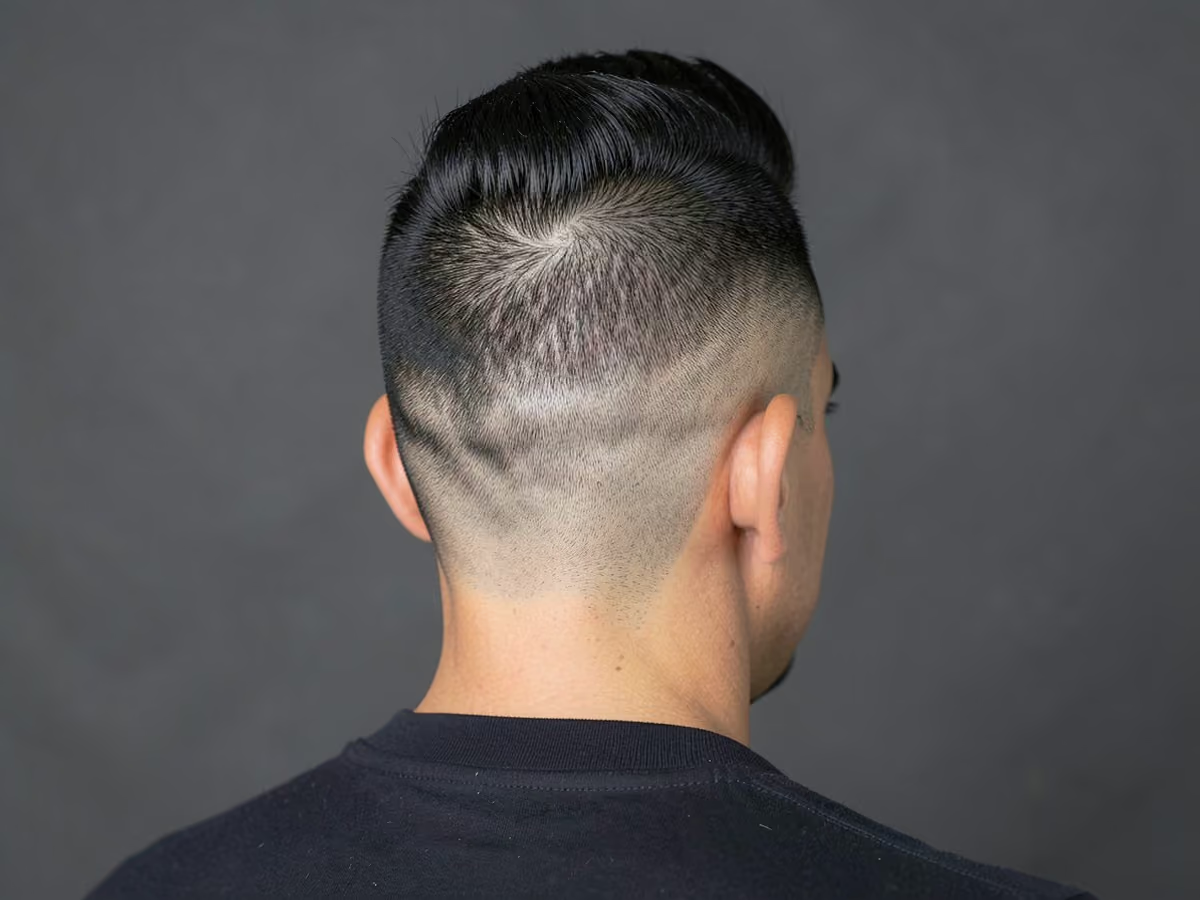
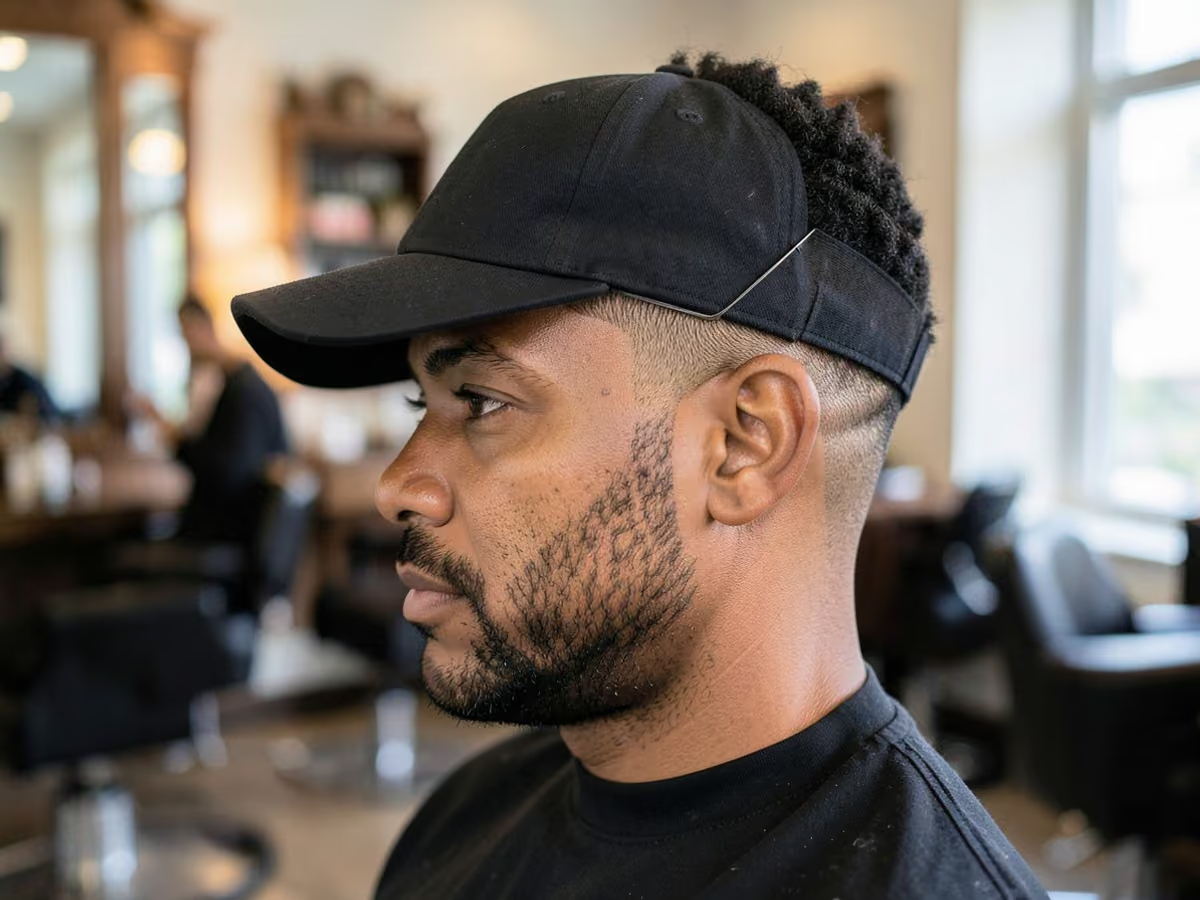
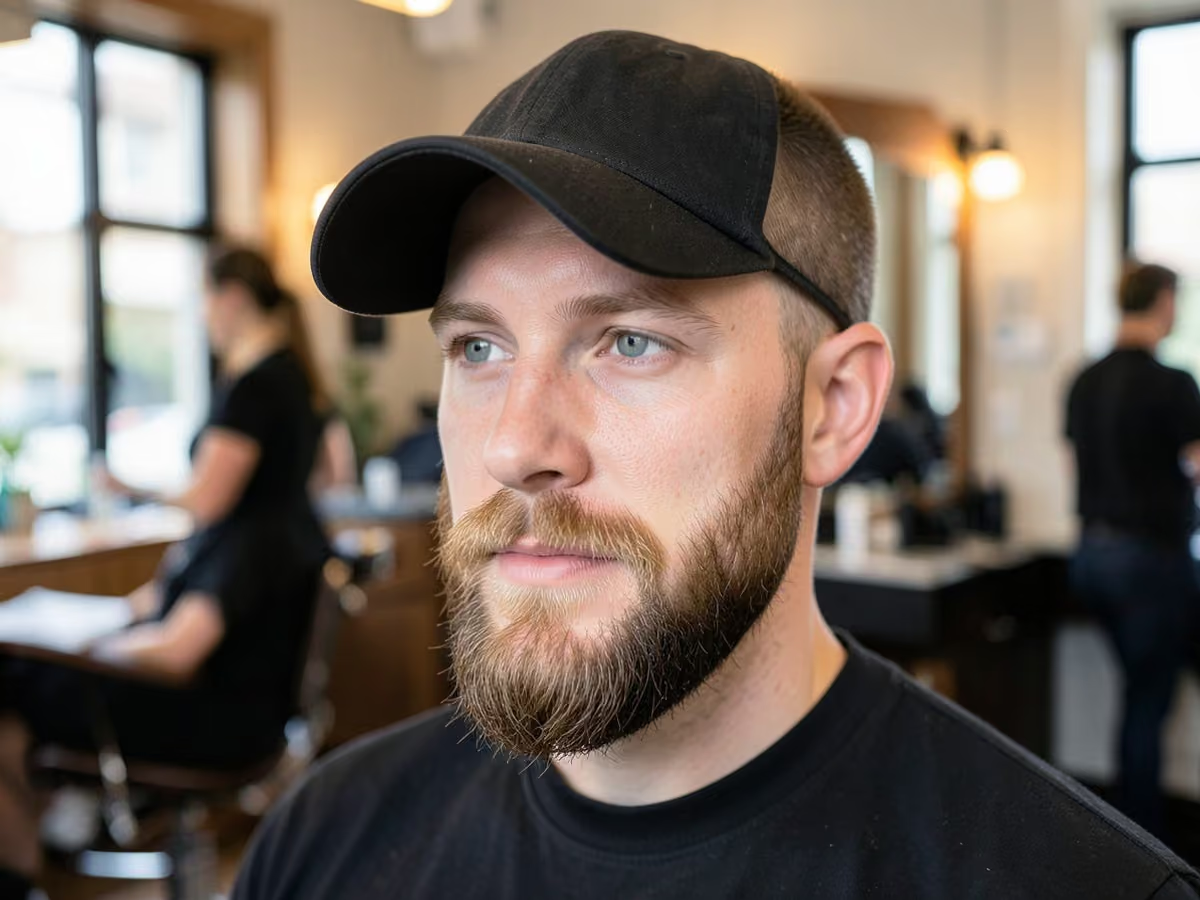
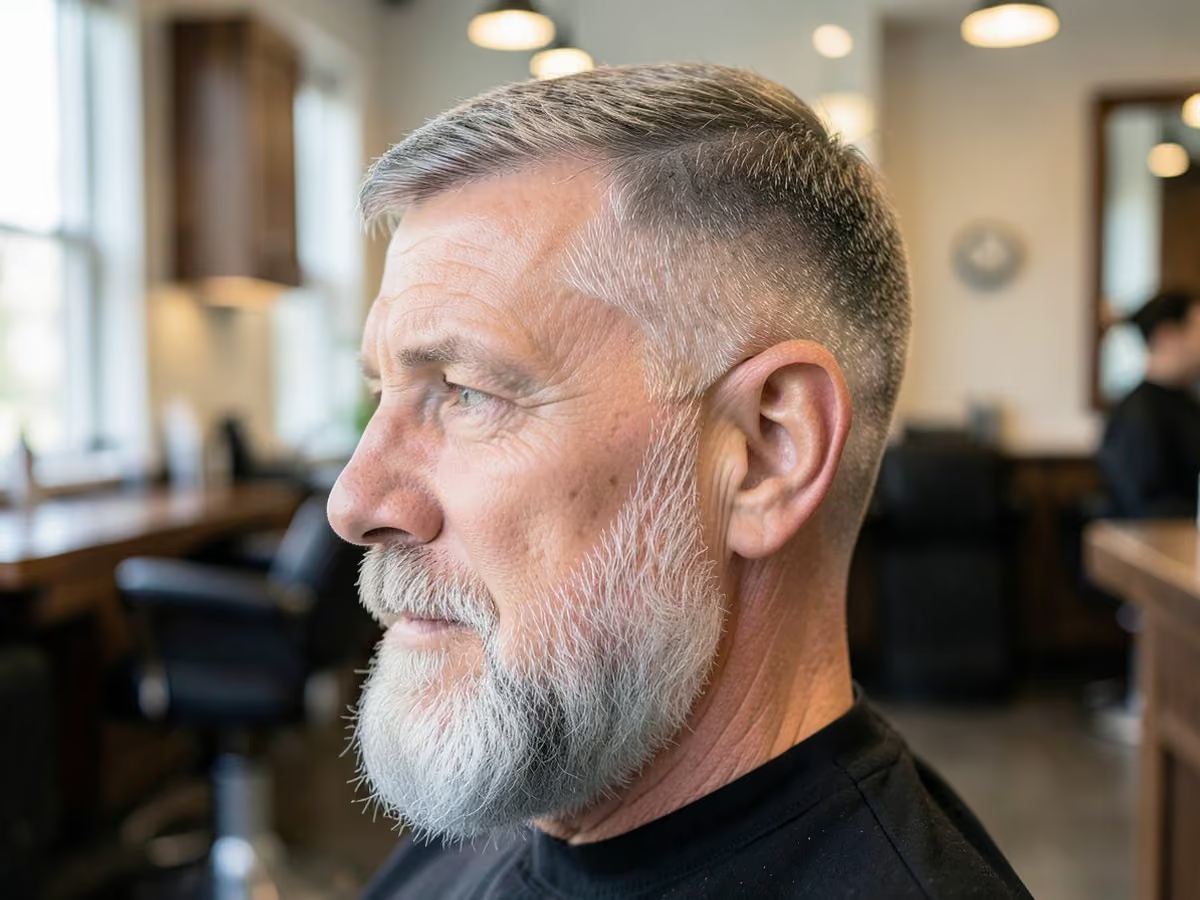
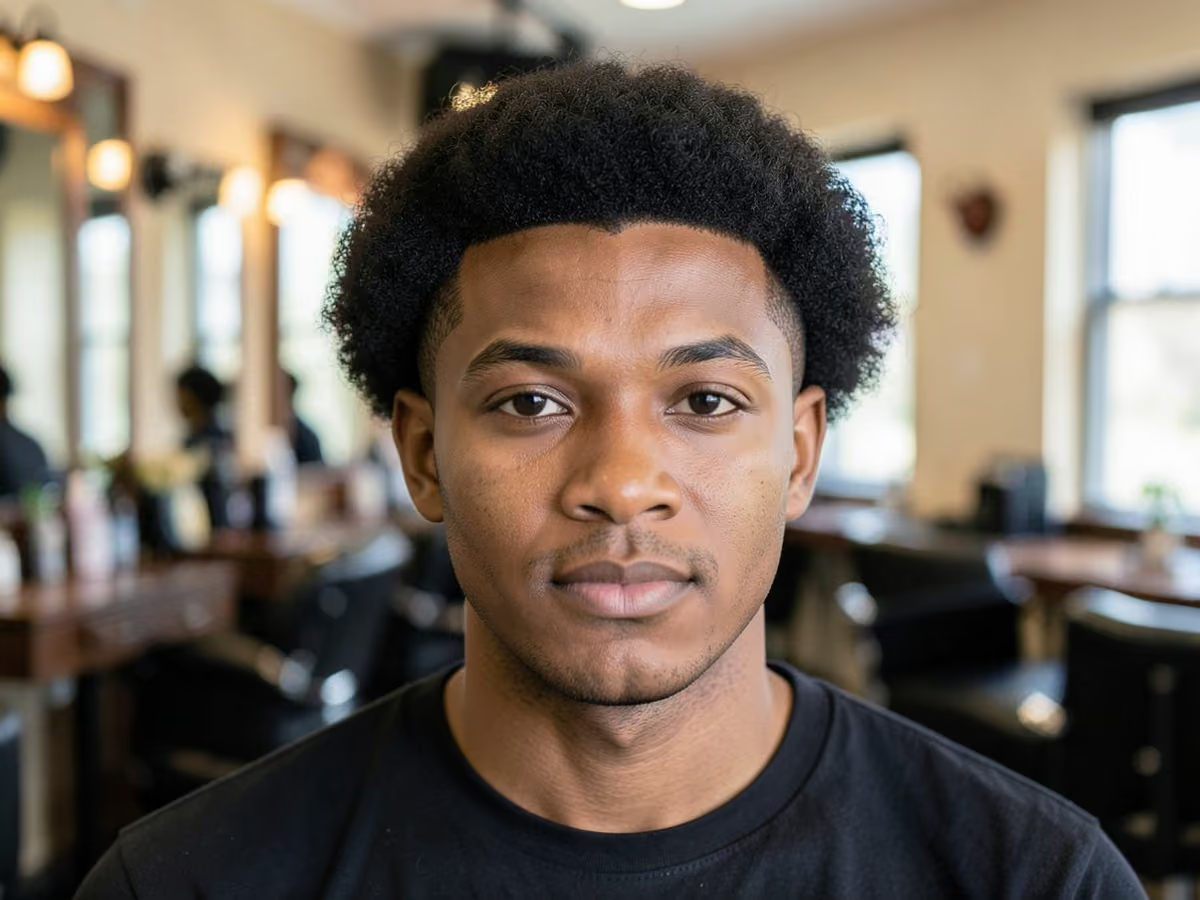
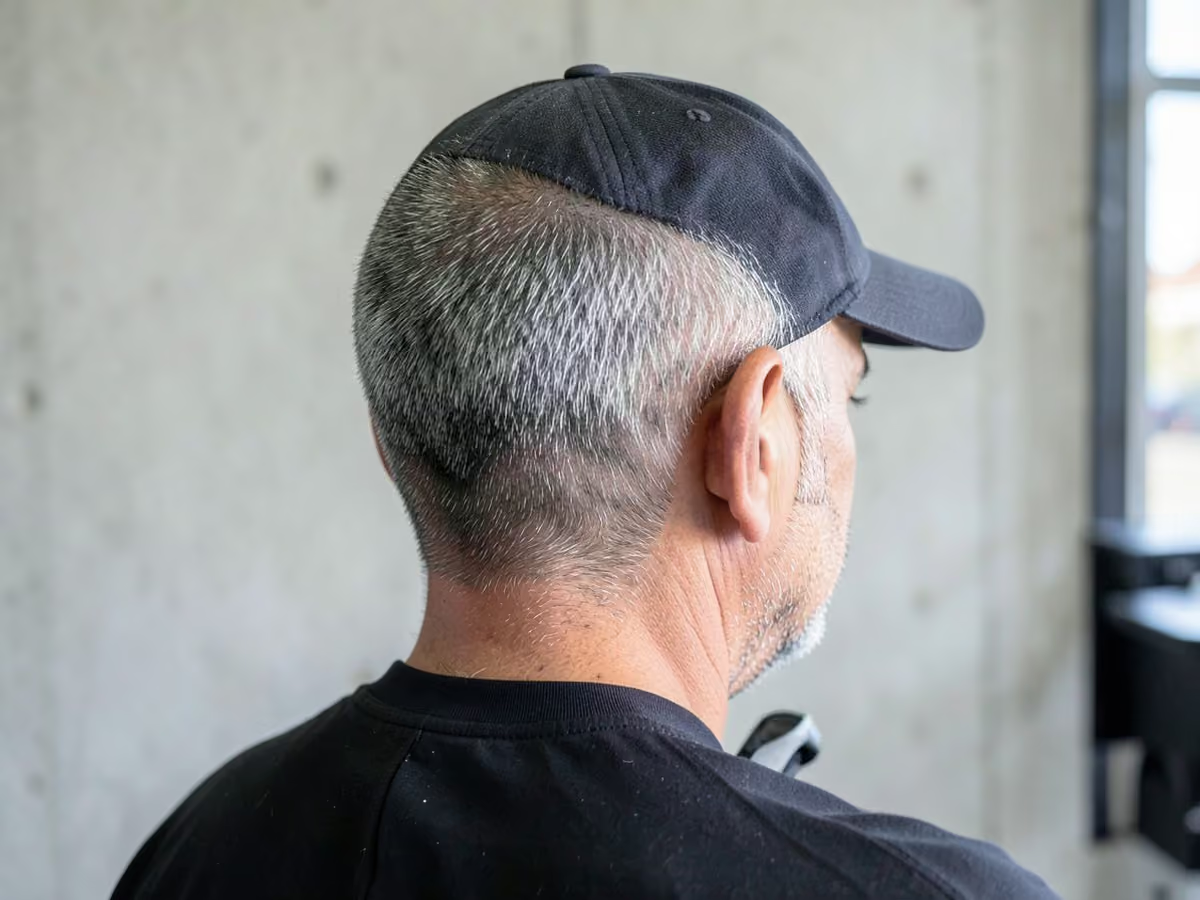
Quick answer: Baseball haircuts are cuts that look good under a cap and a batting helmet. The two main families are flow or lettuce, where medium-length hair curls out from under the cap at the back and sides, and short cuts like buzz cuts, crew cuts and fades that stay neat when the cap comes off.
Baseball Haircut Styles at a Glance
Every style on this page with its clipper guard, top length and trim interval. Tap a name to jump to that card.
Baseball haircuts have to survive a cap for hours, a helmet in the batter's box and a lot of sweat. The 52 styles below cover the long flow and lettuce looks seen in dugouts, short cap-friendly cuts, fades, team and color looks, cuts by hair type, beard pairings and cuts for Little League and high school players, each with guard numbers, trim timing and the request to make at the barbershop.
What Are Baseball Haircuts?
Baseball haircuts are less a single cut than a set of styles that work under a cap. The best known is the flow, sometimes called lettuce, where hair is grown to the ears or collar so it curls out below the cap at the back and sides. Baseball borrowed the term from hockey, where long hair sticking out of the helmet has been called flow or lettuce for decades. The other family is short: buzz cuts, crew cuts and fades that do not flatten or get sweaty under a hat.
What the styles share is a shape that looks intended when the cap is on. With a flow, the visible part is the hair below the brim and around the ears. With a short cut, it is the neckline, sideburns and the back of the head, which is why a clean taper matters as much as the top. Both families can look sharp; the right one depends on your hair, your team and how often you can see a barber.
Baseball Flow or Short Cut: Which Should You Choose?
A flow takes months to grow and needs regular trims to stay shaped, but it hides cap dents and looks good under a helmet. A short cut is quick to dry, cool in summer heat and easy to keep neat, but a buzz shows every bump in the scalp and a fade needs frequent visits. The table compares the main choices.
Baseball Flow or Short Cut: Which Should You Choose?
Thick hair with a slight wave or curl is the easiest for flow, because it flips out from the cap on its own. Straight hair can work but often hangs flat, so it needs layers and a little texture spray. Fine hair struggles to hold flow and can look stringy once it reaches the collar. Coily hair suits short twists, a curly top or a fade more than a long flow under a tight cap.
Check the team rules before growing it out. Some high school and college programs set hair-length or facial-hair rules, and some have historically required players to keep hair off the collar. If your program has a rule, a short cut or a tidy crew cut is the safer choice, and a flow can wait until the off-season. When in doubt, ask the coach before the first practice.
Filter the styles
Showing all 52 styles
Fade
Hair
Length
Baseball Flow and Lettuce Styles
Medium-length hair grown to curl out from under the cap. These take months to grow and need layers to flip the right way. The bro flow styling guide covers more grow-out tips.
Trim:Every 6–8 weeks. Shape-only trims protect the length.
Best For:Oval, square faces + thick wavy or straight hair.
About This Style
Grown to collar length all around, about five to six inches at the back, the classic flow curls out below the cap at the back and over the ears. Layers through the back and sides help the ends flip outward rather than hang. The top is pushed back and mostly hidden by the cap, so it can be left longer than the rest. Wavy, thick hair needs almost no styling.
How to Style at Home
Spray sea salt spray into damp hair from mid-length to ends.
Push the hair back with your fingers and let it air dry.
Put the cap on once the hair is dry so the ends flip out.
Ask Your Barber
"I am growing my flow. Keep the length, just layer the back and sides so it flips out under my cap and clean up around the ears."
Best For:Square, long faces + very thick wavy hair.
About This Style
Lettuce is flow taken further: the hair is thick enough and long enough, often past the collar, that it puffs out in a wide, wavy mass from under the cap. The name comes from hockey slang. The barber removes bulk from underneath so the hair flares rather than sits like a helmet. It suits square and long faces, since the volume adds width at the jaw.
How to Style at Home
Wash and condition, then leave the hair wet and add leave-in.
Scrunch it upward with your palms to encourage the waves.
Let it dry naturally under the cap for maximum flare.
Ask Your Barber
"Keep all the length for lettuce. Take bulk out underneath at the back so it flares out under the cap, and tidy the neckline."
Trim:Every 4–6 weeks. Shape keeps it from looking shaggy.
Best For:Oval, round faces + straight or wavy hair.
About This Style
A shorter take that reaches just past the ears and the top of the neck, about three to four inches at the back. It gives a small flip under the cap without the months of growth or a strict team rule problem. The sides are scissor cut over the ears and the back is tapered just enough to keep it neat when the cap comes off.
How to Style at Home
Towel dry and work a small amount of styling cream through.
Push the hair back and tuck the sides behind the ears.
Flip the ends outward with your fingers before putting the cap on.
Ask Your Barber
"Short flow, three to four inches at the back, scissor cut over the ears. Keep the ends long enough to flip under my cap."
Best For:Oval, long faces + curly or loose-curl hair.
About This Style
Curly hair gives the fullest lettuce of all, because the curls spring out from under the cap in every direction. Curly flow needs to be cut dry, curl by curl, so the length looks even when the hair is not stretched. About four inches of curl at the back is enough. Curl cream keeps them defined in heat, and a cap holds the top flat.
How to Style at Home
Apply curl cream to wet hair and scrunch it in.
Let it air dry without touching to keep the curls defined.
Refresh with a mist of water and a little leave-in the next day.
Ask Your Barber
"Cut my curls dry to keep the length even, about four inches at the back. Remove bulk so the curls spring out under the cap."
Trim:Every 5–6 weeks. The neckline taper needs a tidy.
Best For:Oval, square faces + wavy or loose-curl hair.
About This Style
Long, wavy hair on top and at the back sits over a light taper around the ears and neckline, so the flow stays tidy off the field. The taper is subtle, a #4 or scissor work around the ears, and keeps hair from covering the ears completely. It suits players whose team asks for a neat look without banning longer hair outright.
How to Style at Home
Comb leave-in through the waves while the hair is still wet.
Push the top back and let the sides fall behind the ears.
Dry with a diffuser or air dry, then put on the cap.
Ask Your Barber
"Keep my flow at the back and on top, light taper around the ears with a #4. Keep it neat at the neckline but not short."
Trim:Every 4 weeks. Sides need to stay short for the shape.
Best For:Oval, round faces + straight or wavy hair.
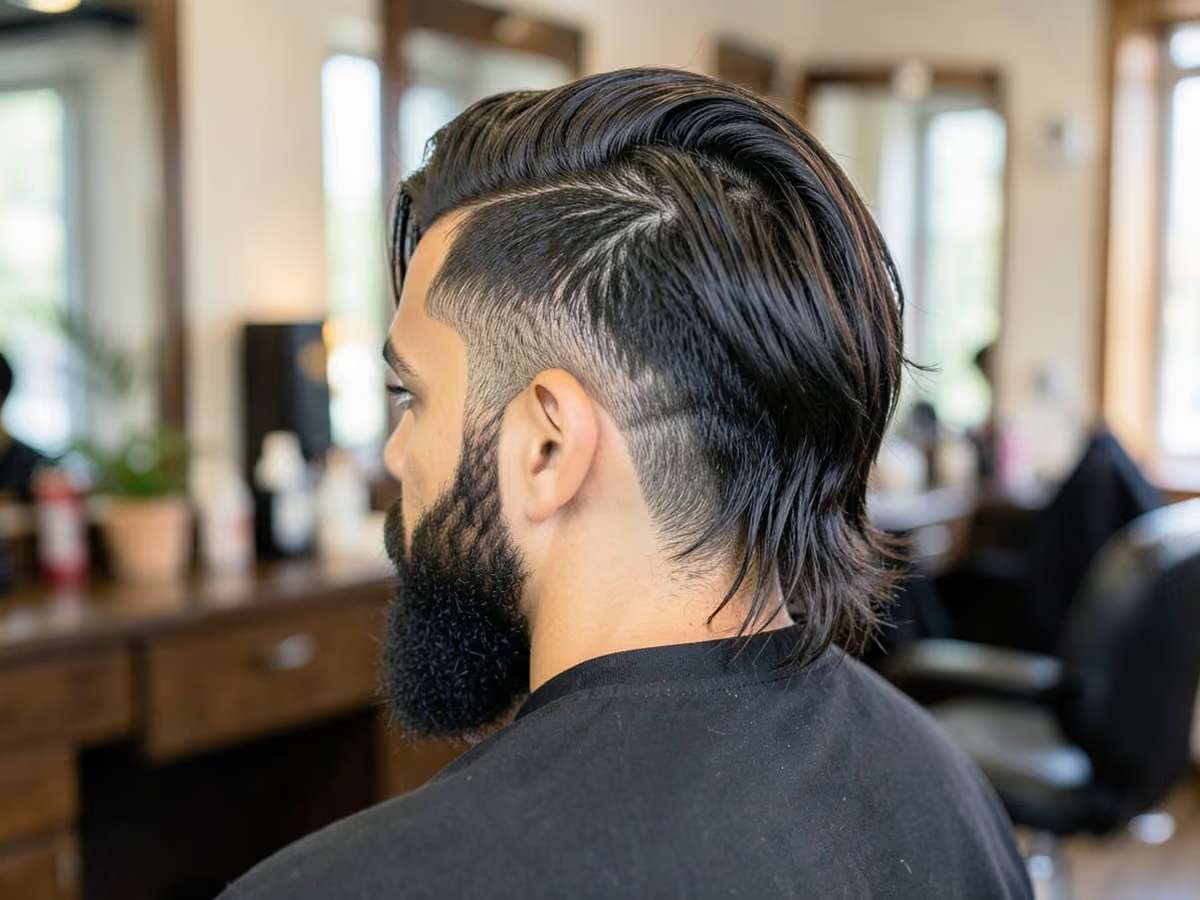
About This Style
Short sides and a longer back is a popular dugout cut because it looks like flow under a cap but is short and cool around the ears. The sides get a taper or low fade from a #1 or #2, the top is two inches, and the back is left three to five inches long. It is quicker to grow than full flow because only the back needs length.
How to Style at Home
Apply sea salt spray to the back and scrunch for texture.
Push the top back with a little matte clay.
Let the back curl out under the cap.
Ask Your Barber
"Mullet with a low taper from a #2 on the sides, two inches on top, and the back left three to five inches long."
Trim:Every 8–10 weeks. Only the ends and bulk need attention.
Best For:Oval, square faces + thick, wavy or straight hair.
About This Style
Past the collar and reaching toward the shoulders, the long flow hangs well below the cap and helmet, around seven to nine inches at the back. It takes a year or more to grow from short. Weight builds at the back, so a barber removes bulk underneath to stop it from looking heavy. Many players tuck it behind the ears or tie it for batting practice.
How to Style at Home
Wash every other day so sweat does not flatten the roots.
Push the hair back with styling cream and tuck it behind the ears.
Tie it at the nape during practice if it gets in the way.
Ask Your Barber
"Keep my length past the collar, just dust the ends and take some bulk out underneath at the back so it flows instead of sitting heavy."
Trim:Every 3–4 weeks. The hidden undercut grows back thick.
Best For:Oval, round faces + very thick, heavy hair.
About This Style
For hair too thick to flow without puffing, the barber clips a hidden band under the sides and nape with a #1 or #2. Longer hair from the crown and nape falls over it, so it looks like a normal flow, but with half the weight and much less heat under the cap. Lift the hair and the undercut shows.
How to Style at Home
Blow-dry the hair back from the face for a few minutes.
Work a little sea salt spray through for texture.
Let the back flip out naturally over the undercut.
Ask Your Barber
"Hidden undercut under the sides and nape with a #2, keep the top and back long for my flow, and layer the ends so they flip."
Recommended Products
Sea Salt Spray
Cap-Friendly Short Baseball Cuts
Short cuts that show no cap dent and dry fast after a game. These need more frequent trims but almost no styling, and they suit teams with grooming rules. See crew cut for more versions.
Best For:Most face shapes + straight or thick hair.
About This Style
The crew cut is a common short cut in baseball because it fits any team rule. The sides are a #2 tapering to a #1 at the neckline, and the top is about an inch, slightly longer at the front. It dries quickly, shows no cap dent and needs nothing but a towel after games. A little matte paste lets the front stand up if you want texture.
How to Style at Home
Towel dry the hair after washing; no blow-dryer is needed.
Rub a small amount of matte paste through the front if desired.
Push the front up slightly with your fingertips.
Ask Your Barber
"Crew cut, #2 on the sides tapering to a #1 at the neckline, about an inch on top and a little longer at the front."
Trim:Every 2–3 weeks. Even length grows out evenly.
Best For:Oval, square faces + any hair type.
About This Style
One guard all over, usually a #2 or #3, is the simplest cut for a long season. It stays cool under a cap, never needs product and can be kept with home clippers between barber visits. Use sunscreen on the scalp in the field, since a short buzz offers little protection. A taper at the neckline keeps the back tidy without a hat.
How to Style at Home
Wash with shampoo and towel dry; no styling needed.
Apply sunscreen to the scalp before outdoor games.
Use a little scalp oil if the skin feels dry.
Ask Your Barber
"Buzz cut with a #3 all over, taper the neckline to a #1. Round the back so it sits clean under my cap."
Trim:Every 3–4 weeks. The taper is cut to grow out softly.
Best For:Oval, round faces + straight or wavy hair.
About This Style
Here the barber tapers only below the line where a cap band sits, so the visible hair under the cap is short and the hair inside it stays longer. The sideburns and nape are tapered from a #1 to a #3, and the top is two inches. When the cap comes off, the top can be pushed up or to the side. It is a good in-between for players who wear a cap all day.
How to Style at Home
Dry the top before putting on a cap to avoid dents.
Use a little texture powder on the top when the cap is off.
Push the top up or to the side with your fingers.
Ask Your Barber
"Low taper below where my cap sits, #1 to #3 on the sideburns and nape. Two inches on top, textured."
Trim:Every 3 weeks. The fringe grows into the cap brim.
Best For:Round, square faces + straight or thick hair.
About This Style
A short, choppy crop with a fringe pushed forward suits players who wear the cap backward or take it off often. The top is about one and a half inches, point cut for texture, over a mid fade from a #1. The fringe stays short enough to sit under the brim without poking into the eyes. Texture powder brings it back to shape quickly after hours in a hat.
How to Style at Home
Shake texture powder onto the roots after removing the cap.
Rub it in with your fingers to lift the flattened top.
Push the fringe forward and twist a few pieces.
Ask Your Barber
"Textured crop with a mid fade from a #1. One and a half inches on top, short fringe so it fits under my cap brim."
Trim:Every 2–3 weeks. The short fringe line needs tidying.
Best For:Oval, square faces + coily or curly hair.
About This Style
Short, even hair on top with a straight, short fringe at the front sits flat under a cap and looks neat with it off. On coily hair the top is usually a #2 or #3, brushed forward, with a low fade and a line-up. It needs no styling after games beyond a quick brush. Many players wear waves in the top once the pattern sets.
How to Style at Home
Brush the top forward with a soft brush after washing.
Apply a light layer of wave pomade to keep the top flat.
Keep the line-up neat with a weekly barber touch-up.
Ask Your Barber
"Caesar cut with a #2 on top brushed forward, low fade from a #0.5, and a straight line-up at the front."
Trim:Every 2–3 weeks. Even length makes regrowth easy to see.
Best For:Square, oval faces + coarse or thick hair.
About This Style
Slightly longer than a buzz, the butch cut uses a #4 or #5 on top with the sides tapered down to a #2 or #3. It keeps a little texture so the hair does not look shaved, and sits flat under a cap without dents. It is one of the most rule-safe cuts for teams with grooming policies and needs nothing more than a towel.
How to Style at Home
Towel-dry after showering and run your hand over the top.
Brush the hair forward if it sticks up at the crown.
Rinse sweat out after games so the scalp stays clean.
Ask Your Barber
"Butch cut with a #4 on top and a #2 on the sides, a rounded neckline, and nothing faded down to skin."
Trim:Every 2 weeks. Very short sides show growth fast.
Best For:Square, oval faces + any straight or coarse hair.
About This Style
Taking the sides very short, often a #0 or #1 up to the parietal ridge, with only about half an inch on top, leaves a clean outline even when the cap comes off. The military origin makes it popular with older-school players and coaches. It stays cool in summer heat and dries in minutes after a shower.
How to Style at Home
Brush the short top flat or forward with a soft brush.
Check the neckline weekly and tidy any stray hairs.
Apply sunscreen to the scalp before long games.
Ask Your Barber
"High and tight with a #1 on the sides up to the ridge and a #4 on top, square at the crown and clean at the neck."
Trim:Every 3 weeks. The part fills in as the top grows.
Best For:Oval, oblong faces + straight or slightly wavy hair.
About This Style
Two inches on top, combed to one side from a natural part, gives a classic look that lies flat under a cap and still looks neat for team photos. The sides are tapered with a #2 so there is no visible fade line. It suits players and coaches who want something closer to a business cut. A light cream holds the part without stiffness.
How to Style at Home
Comb a natural part on damp hair with a fine-tooth comb.
Sweep the top across with a little light pomade.
Press the cap on gently so it does not crush the part.
Ask Your Barber
"Short side part, two inches on top combed to the left, #2 taper on the sides, and a squared neckline."
Recommended Products
Light Pomade
Baseball Fade Haircuts
Fades keep the sides cool and sharp under a helmet and look clean on and off the field. Book them every two to three weeks in season. Our fade types guide explains the heights.
Trim:Every 2–3 weeks. The blend softens by week three.
Best For:Oval, round faces + straight or wavy hair.
About This Style
The fade starts just above the ear and blends from a #0.5 to a #3, so most of the sides keep some length and the head does not look too bare under the cap. The top is two to three inches, pushed back or parted. This is a safe choice for players whose teams want short, neat hair without a skin-tight look.
How to Style at Home
Push the top back with a little matte clay.
Dry the hair before putting the cap on.
Reshape the top with your fingers after removing the cap.
Ask Your Barber
"Low fade starting just above the ear, from a #0.5 up to a #3. Leave two to three inches on top so I can push it back."
Trim:Every 2–3 weeks. Curls hide growth but the fade shows it.
Best For:Oval, long faces + curly or wavy hair.
About This Style
A mid fade from the temple, blending skin into a #2, leaves curls on top at around two inches. Under the cap the curls press down, but they spring back once it comes off. A curl cream keeps them defined through sweat. This works well for players with curly hair who want a short, cool cut without losing their curls completely.
How to Style at Home
Apply curl cream to soaking wet curls and scrunch upward.
Let the curls dry fully before wearing a cap.
Refresh with a spray of water when the cap comes off.
Ask Your Barber
"Mid fade from skin to a #2 starting at the temple. Leave two inches of curls on top, point cut to keep the shape."
Trim:Every 1–2 weeks. Skin shows stubble within days.
Best For:Square, round faces + thick or coarse hair.
About This Style
Bare skin at the bottom, blending up through a #1 and #2, gives the coolest sides for summer games and the sharpest look in team photos. The top can be short, an inch, or longer for a slick back off the field. Apply sunscreen to the bare skin before outdoor games, because the faded area burns easily under a cap that sits above it.
How to Style at Home
Apply sunscreen to the faded sides before outdoor games.
Style the top with a small amount of pomade or clay.
Moisturize the faded area with scalp oil after washing.
Ask Your Barber
"Skin fade starting low, foil shaved at the bottom and blended through a #1 and #2. One to two inches on top, textured."
Trim:Every 2 weeks. The curve behind the ear blurs fast.
Best For:Oval, square faces + coily or straight hair.
About This Style
Curving down behind the ear toward the nape, this fade follows the shape of a cap band and looks good from the side in a batting stance. It blends from skin or a #0 to a #2. The top can be any length, but a two-inch textured top or short twists suit it well. The drop shape keeps more hair at the crown, useful under a helmet.
How to Style at Home
Style the top with clay or twist cream depending on texture.
Brush the edges with an edge brush to keep them neat.
Wear the cap once the hair is dry.
Ask Your Barber
"Drop fade curving down behind the ear, from skin to a #2. Leave two inches on top with texture, and keep the crown full for my helmet."
Trim:Every 1–2 weeks. Waves and fade need weekly care.
Best For:Oval, round faces + coily or 4C hair.
About This Style
Waves on a short #1 or #2 top sit over a low fade from a #0.5, and the cap actually helps by compressing the pattern. Brush the waves before and after games and wear a durag at night. A clean line-up shows below the brim. It is one of the few cuts where wearing a cap for hours improves the look rather than flattening it.
How to Style at Home
Brush the waves from the crown outward before putting on the cap.
Apply a light layer of wave pomade before brushing again.
Wear a durag at night to keep the pattern laid down.
Ask Your Barber
"Low fade from a #0.5, keep a #1 on top for my waves, and a clean line-up at the front."
Trim:Every 3 weeks. Fade needs cutting; twists last longer.
Best For:Oval, long faces + coily or 4C hair.
About This Style
Short two-strand twists or sponge twists on top, two to three inches, over a mid or low fade. The twists sit under the cap and stay neat after a game. They need retwisting every two to four weeks, and the fade every two to three. Moisture is the main care point; sweat can dry out coily hair, so use leave-in after each wash.
How to Style at Home
Mist the twists with water and leave-in after each game.
Use a curl sponge to refresh shorter twists.
Cover with a durag or cap at night to reduce frizz.
Ask Your Barber
"Mid fade from a #0.5 to a #2, keep two to three inches on top for twists, and a clean line-up."
Trim:Every 2 weeks. The semicircle around the ear softens fast.
Best For:Oval, heart faces + curly or wavy hair.
About This Style
Curving around the ear and leaving length at the back, the burst fade works well under a cap because the back keeps hair that can flow out. It is often paired with a mullet-style back or curls on top. The fade drops to skin near the ear and blends up to a #2. Expect a trim every two weeks in season to keep the curve clean.
How to Style at Home
Scrunch curl cream into damp hair on top.
Leave the back long and let it curl out under the cap.
Brush the faded patch around the ear downward.
Ask Your Barber
"Burst fade around both ears, skin to a #2, and leave the back long enough to curl out under my cap."
Trim:Every 1–2 weeks. Skin up to the ridge shows regrowth fast.
Best For:Oval, long faces + coarse or coily hair.
About This Style
Starting at the parietal ridge, the high fade leaves very little hair on the sides, so only the top shows under a cap. It is the coolest fade for summer doubleheaders and looks sharp when the cap comes off. One to two inches on top keeps it practical. The trade-off is weekly or biweekly visits to keep the blend from looking grown out.
How to Style at Home
Rub a little scalp oil on the sides after showering.
Brush the short top in one direction after every wash.
Wear sunscreen on the faded sides during day games.
Ask Your Barber
"Fade high from skin up to the ridge, blended with a #1 and #2, and an inch and a half on top."
Recommended Products
Scalp Oil
Edge Brush
Baseball Haircuts with Beard
Beards have a long history in baseball dugouts, from playoff beards to neat stubble. Pair the beard with a cut that connects at the sideburns so the shape looks continuous under a cap.
Trim:Every 6–8 weeks. Trim the beard weekly to keep a shape.
Best For:Oval, round faces + thick wavy hair and full beard.
About This Style
Collar-length flow with a full beard, about an inch long, is the look many players grow over a season. The beard needs shaping so it does not overwhelm the face: a clean neckline an inch above the Adam's apple and trimmed cheek lines. The flow and beard connect naturally at the sideburns. Beard oil keeps it soft under a sweaty cap.
How to Style at Home
Comb beard oil through the beard after washing.
Spray sea salt spray through the flow and let it air dry.
Trim the beard neckline weekly with a trimmer and no guard.
Ask Your Barber
"Keep my flow and layer the back so it flips out. Shape my beard at about an inch, and clean up the neckline and cheek lines."
Best For:Round, oval faces + thick beard, any hair.
About This Style
Pairing a #2 buzz cut with a full, thick beard puts all the shape on the jaw. The contrast between short hair and a heavy beard is a common dugout look. Ask the barber to fade the sides into the beard at the sideburns so there is no gap. The beard can grow long, but keep the neckline and cheeks tidy.
How to Style at Home
Brush beard balm through the beard to shape it.
Trim stray hairs at the cheeks and neckline.
Rub scalp oil on the buzzed head if it feels dry.
Ask Your Barber
"Buzz cut with a #2 all over, faded into my beard at the sideburns. Shape the beard square at the corners and clean the neckline."
Trim:Every 2–3 weeks. Fade and goatee lines blur together.
Best For:Round, square faces + straight or coarse hair.
About This Style
Pairing a mid fade and short top with a goatee on the chin and mustache keeps the cheeks clean and draws a vertical line down the face, which lengthens a round face. The goatee should be cut short and squared or rounded at the bottom. Shave the cheeks every two days to keep the outline sharp.
How to Style at Home
Shave the cheeks and neck around the goatee.
Trim the goatee with a guard to an even length.
Style the top with a little matte clay.
Ask Your Barber
"Mid fade from a #1 with one and a half inches on top. Shape my goatee short and rounded at the chin."
Trim:Every 3 weeks. Stubble needs trimming every few days.
Best For:Oval, square faces + straight or wavy hair.
About This Style
Players who do not want a full beard often run a short crop on top with even stubble of around five millimeters. The stubble adds definition at the jaw without heat or itching under a helmet strap. The crop is about an inch and a half with a low taper. Trim the stubble with a guarded trimmer twice a week.
How to Style at Home
Trim the stubble with a 5 mm guard on the trimmer twice a week.
Push the crop forward with a little texture powder at the roots.
Clean the neckline below the jaw with a bare trimmer.
Ask Your Barber
"Textured crop, inch and a half on top, low taper from a #1. Trim my stubble even and clean the neckline."
Trim:Every 3–4 weeks. The mustache needs weekly trims.
Best For:Oval, long faces + wavy hair and full lip growth.
About This Style
A thick mustache and a mullet together carry a 1980s ballplayer look that has returned to dugouts. The sides are tapered short, the back grows past the collar, and the cheeks and chin are shaved. The mustache is usually kept wide, reaching the corners of the mouth. It is easy to grow during a season and to shave off afterward.
How to Style at Home
Comb the mustache down and trim along the lip every week.
Shave the cheeks and chin every couple of days.
Push the mullet back with a little sea salt spray.
Ask Your Barber
"Mullet with a #2 taper on the sides and three inches at the back. Trim my mustache to the corners of the mouth."
Trim:Every 2–3 weeks. Hair and beard both grow back fast.
Best For:Round, square faces + dense beard growth.
About This Style
A crew cut with a short beard at a #3 or #4 guard keeps everything tidy without daily work. The beard adds shape to the jaw while the crew cut keeps the head clean under a cap. The barber blends the sideburns into the beard so there is no gap. Many players use this through the season as a practical middle ground.
How to Style at Home
Trim the beard with a #3 guard every few days.
Comb a few drops of beard oil through after showering.
Push the crew cut front up slightly with your fingers.
Ask Your Barber
"Crew cut with a #2 on the sides and an inch on top, blended into my beard, which should be at a #3 with clean cheek lines."
Trim:Every 2 weeks. Boxed lines blur within ten days.
Best For:Round, oval faces + full, even beard growth.
About This Style
Short, sharp edges define the boxed beard: straight cheek lines, a squared jaw and a clean neckline, kept about half an inch long. With a low taper on the hair, the beard does most of the shaping. It looks neat on camera and suits players who want structure without length. The edges need a trimmer every few days.
How to Style at Home
Edge the cheek lines and neckline every three days.
Brush beard balm through to keep the shape.
Keep the taper tidy by booking the barber every two weeks.
Ask Your Barber
"Low taper on the hair at a #1 to #3, and a boxed beard at half an inch with sharp cheek lines and a straight neckline."
Trim:Every 2 weeks. The thin strap shows growth fast.
Best For:Round, square faces + strong jawline growth.
About This Style
Short, forward-brushed hair with a straight fringe pairs well with a thin chin strap beard that traces the jaw. The cheeks and lip are shaved. The strap outlines the jaw and adds definition on camera. Both the Caesar and the strap stay compact under a helmet. Keeping the strap even on both sides takes care.
How to Style at Home
Brush the Caesar forward with a soft brush.
Trim the strap with a 3 mm guard every few days.
Shave the cheeks above the strap clean every two days.
Ask Your Barber
"Caesar cut with a #2 on top brushed forward, low fade, and line up my chin strap about a finger wide along the jaw."
Recommended Products
Beard Balm
Edge Brush
Little League and High School Baseball Haircuts
For young players, the best cut is one that stays out of the eyes, survives a helmet and needs no styling. Parents can ask for these by name. See best haircuts for boys for more ideas.
Trim:Every 3–4 weeks. Short hair stays neat for weeks.
Best For:Ages 6–12 + any hair type, straight to coily.
About This Style
Kids do well with a #3 or #4 all over: no tangles, no hair in the eyes, and it dries in minutes after a game. A slightly longer guard than an adult buzz avoids showing too much scalp. Ask the barber to round the neckline. Sunscreen on the scalp matters for kids playing all day in the sun.
How to Style at Home
Wash with a gentle kids shampoo after games.
Towel dry the hair; no styling products are needed.
Apply sunscreen to the scalp before outdoor games.
Ask Your Barber
"Buzz cut with a #4 all over, round the neckline. My son plays baseball, so short and easy is the goal."
Trim:Every 6–8 weeks. Trim around the eyes and ears.
Best For:Ages 8–12 + straight or wavy medium hair.
About This Style
Many young players want the same flow their favorite pros wear. A kid-sized version keeps the back at two to four inches so it flips out under the cap, while the fringe and sides are trimmed to stay out of the eyes and off the ears. It needs washing after games and a quick comb, but no product.
How to Style at Home
Wash after games with a gentle kids shampoo and conditioner.
Comb the hair back and let it air dry.
Tuck the sides behind the ears before putting the cap on.
Ask Your Barber
"Short flow for my son, two to four inches at the back, but keep the fringe and sides out of his eyes and off his ears."
Trim:Every 3 weeks. The fade grows out by week four.
Best For:Ages 10–14 + straight, curly or coily hair.
About This Style
Starting the fade at a #1 rather than skin is gentler on young skin and grows out more softly. The top is one to two inches. It looks sharp in team photos and stays cool under a helmet. Many parents book it every three weeks during the season and stretch it to four or five in the off-season.
How to Style at Home
Towel dry and push the top back or forward with fingers.
Use a little curl cream on curly tops if they get dry.
No styling is needed on game days; a quick comb is enough.
Ask Your Barber
"Low fade from a #1 to a #3, not skin. One to two inches on top. He plays baseball, so keep it cool and easy."
Trim:Every 6–8 weeks. Check team rules before the season.
Best For:Teens 14–18 + thick wavy or straight hair.
About This Style
High school players often grow flow over a season, but some programs have hair-length rules, so check first. A neat version keeps the back to the collar and the sides tucked behind the ears, with a clean neckline. Layers help it flip under the cap. If your program requires hair off the collar, ask for a short flow with a light taper at the nape.
How to Style at Home
Apply sea salt spray to damp hair for texture.
Push the hair back and tuck the sides behind the ears.
Let it dry fully before wearing a cap or helmet.
Ask Your Barber
"Flow to the collar with layers so it flips out, clean neckline, sides tucked behind the ears. Keep it within team rules."
Trim:Every 3–4 weeks. Kids' hair grows fast but stays neat.
Best For:Ages 6–12 + straight, wavy or thick hair.
About This Style
For kids, a crew cut keeps hair out of the eyes without being a full buzz. Expect roughly an inch on top, a little longer at the front, and the sides are a #3 or #4. It is easy to wash and dry after games and looks tidy in team photos. Parents can ask for the same cut each time so it stays consistent.
How to Style at Home
Wash with a gentle kids shampoo after games.
Towel-dry and comb the front up or to the side.
Check for dirt and sunscreen residue around the hairline.
Ask Your Barber
"Crew cut for my son, an inch on top, a little longer at the front, and a #3 on the sides. No skin."
Trim:Every 2–3 weeks. Shaved sides grow back quickly.
Best For:Ages 8–12 + any hair type, straight to coily.
About This Style
Whole teams sometimes get matching mohawks before a big tournament, a center strip of one to two inches with the sides clipped to a #1 or #2. It is a team-bonding cut more than an everyday one, and it grows back into a normal shape within a few weeks. Check with the coach or league first, since some have appearance rules.
How to Style at Home
Spike the strip with a little light gel on game days.
Wash the gel out with kids shampoo after each game.
Apply sunscreen to the clipped sides before day games.
Ask Your Barber
"My son's team is getting mohawks. Clip the sides with a #2 and leave a strip about two fingers wide, one to two inches long."
Trim:Every 4–5 weeks. The back grows longer before the sides.
Best For:Ages 10–16 + wavy or curly hair, 2 in or longer.
About This Style
Young players copying the pros often ask for a short mullet: tapered sides at a #3, a little length on top and two to three inches at the back that curls out under the cap. It is a gentler version of the adult mullet and grows out without looking messy. Parents should check that school and team rules allow longer hair at the back.
How to Style at Home
Wash with a gentle kids shampoo and towel-dry the hair.
Scrunch a little curl cream into the back.
Let the back curl out under the cap naturally.
Ask Your Barber
"Short mullet for my son, a #3 taper on the sides, two inches on top and about three inches at the back."
Trim:Every 3–4 weeks. Short spikes need a trim monthly.
Best For:Ages 6–12 + straight or thick hair.
About This Style
An inch to an inch and a half on top, pushed up into spikes with a little gel, gives kids a fun look for game day that washes flat for school. The sides are cut at a #3 or #4 so nothing touches the ears. It is easy for kids to do themselves. Use a light gel that rinses out easily so it does not build up.
How to Style at Home
Rub a small dab of light gel between your palms.
Push the top up with your fingers into spikes.
Rinse the gel out with warm water after the game.
Ask Your Barber
"Short spiky cut for my son, an inch and a half on top, textured so it spikes, and a #3 on the sides."
Recommended Products
Light Gel
Kids Shampoo
Team, Playoff and Color Baseball Styles
Some baseball cuts are about team spirit as much as practicality. These six cover bleached and frosted looks, mohawks and line designs that players, teams and fans wear for playoffs and tournaments; check team rules before you commit.
Trim:Every 4–6 weeks. Toner fades with sun and sweat.
Best For:Oval, square faces + healthy, wavy or straight hair.
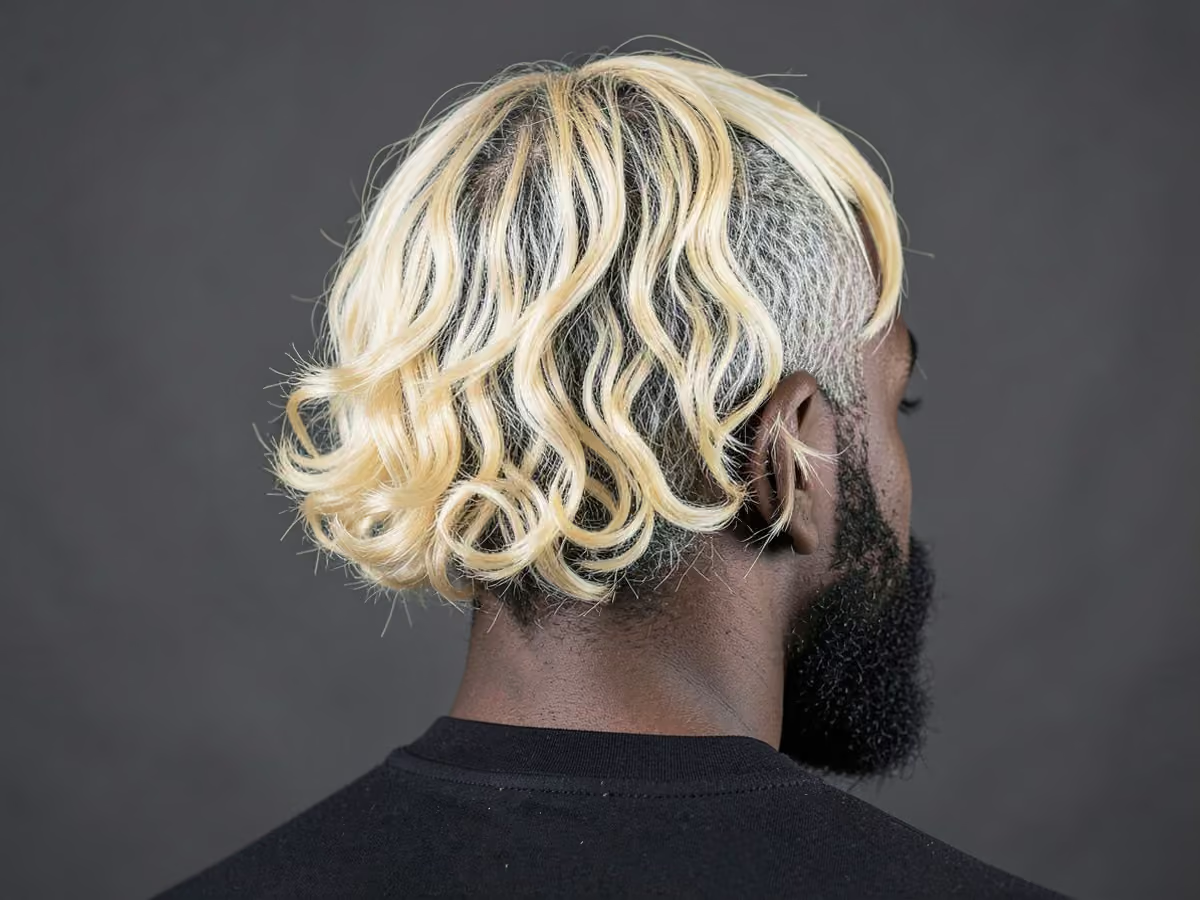
About This Style
Lightening a collar-length flow to blonde makes the ends that curl out from under the cap stand apart from the darker roots. Sun and chlorine fade toner, so purple shampoo and a leave-in are needed. Bleach weakens long hair, so expect to trim the ends more often. A gradual, sun-kissed lighter shade is gentler than full platinum.
How to Style at Home
Wash with a purple shampoo once a week to cut brassiness.
Apply leave-in to the lengths after every wash.
Wear the cap on sunny days to slow fading.
Ask Your Barber
"Keep my flow length and trim the bleached ends by half an inch. Layer the back so it flips out under the cap."
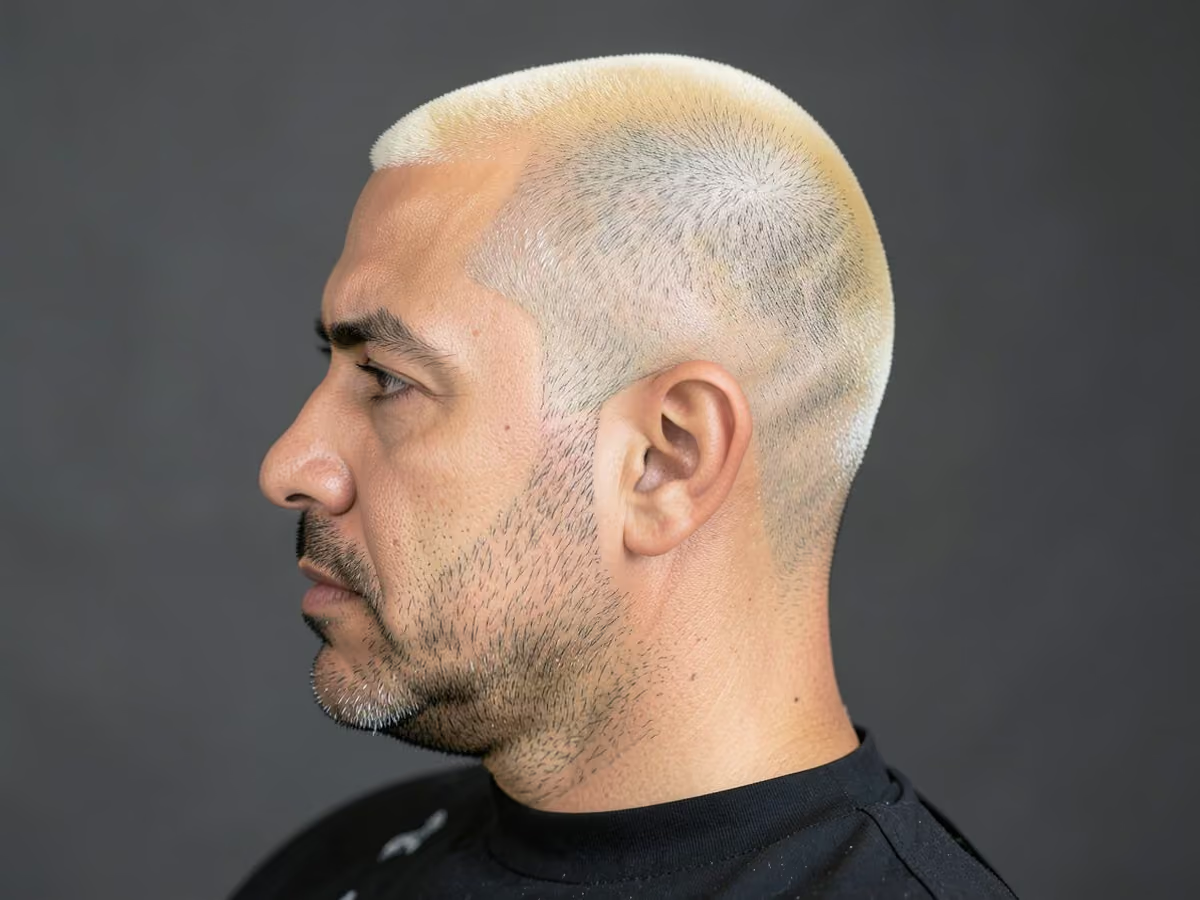
Trim:Every 2–3 weeks. Dark roots show quickly on short hair.
Best For:Oval, square faces + short hair, #3 or #4 length.
About This Style
Bleaching a buzz cut is a common team bonding move before playoffs or tournaments. A #3 or #4 buzz takes the bleach evenly, and the result can be platinum or golden blonde. Scalp sensitivity is the main risk, so a professional is safer than a home kit. The color grows out within a few weeks, which makes it a short-term commitment.
How to Style at Home
Wash with a purple shampoo twice a week to keep it cool.
Moisturize the scalp with a light scalp oil after washing.
Wear a cap or sunscreen in the sun.
Ask Your Barber
"Buzz cut with a #4 all over, and I am bleaching it, so keep the length even and round the neckline."
Trim:Every 3 weeks. The tips get cut off as the top grows.
Best For:Oval, round faces + short, straight or spiky hair.
About This Style
Bleaching only the ends of a short, spiky top is a 1990s and 2000s look that some players have brought back. It shows best with a top of an inch or two and a fade on the sides. Because only the tips are colored, there is no root line to manage. The color is trimmed away within two or three haircuts.
How to Style at Home
Spike the top with a little light gel or clay.
Use purple shampoo now and then to keep the tips cool.
Trim the tips gradually if you want them gone.
Ask Your Barber
"Mid fade from a #1 with an inch and a half on top for spikes. Keep my frosted tips and just tidy the length."
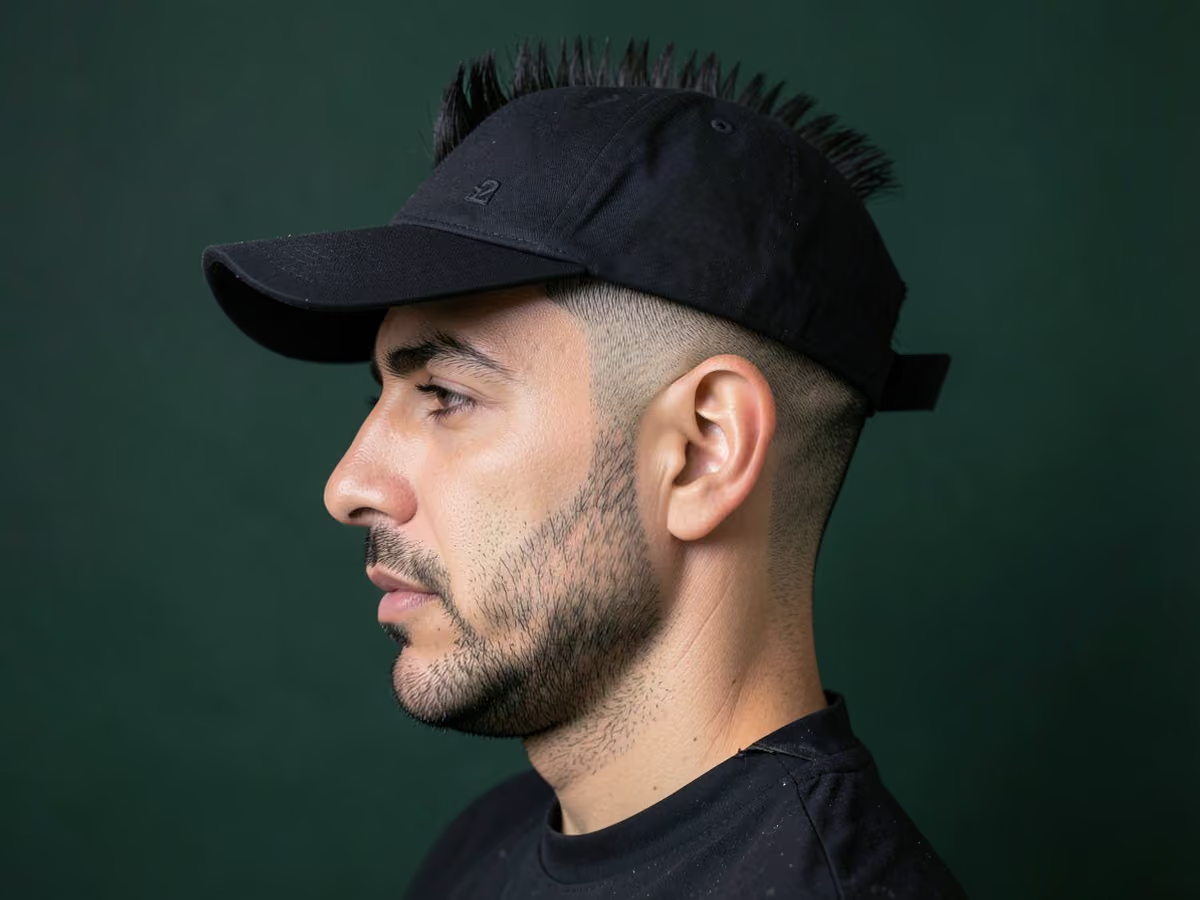
Trim:Every 2 weeks. The faded sides grow out quickly.
Best For:Oval, long faces + thick or coily hair.
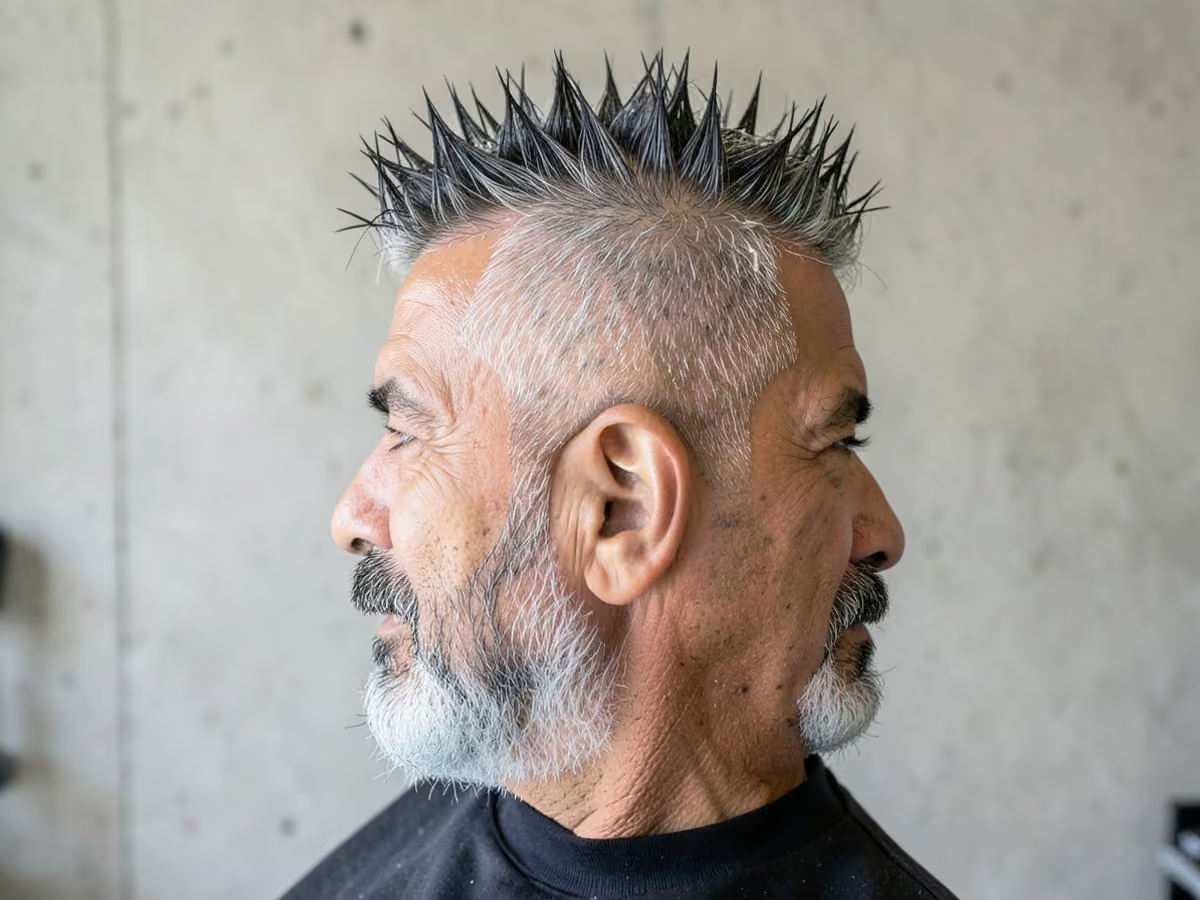
About This Style
A strip of hair one to three inches long down the center sits over a fade on the sides, from skin up to a #2. Under a cap, it looks like a normal short cut; off, the strip shows. Teams sometimes get them together for playoffs. The fade makes it neater than a shaved mohawk and easier to grow back into a regular cut.
How to Style at Home
Push the strip up with matte clay on game days.
Brush the faded sides downward with a soft edge brush.
Rinse the sweat out of the strip after every game.
Ask Your Barber
"Mohawk fade with a strip about three fingers wide, two inches long, and the sides faded from skin to a #2."
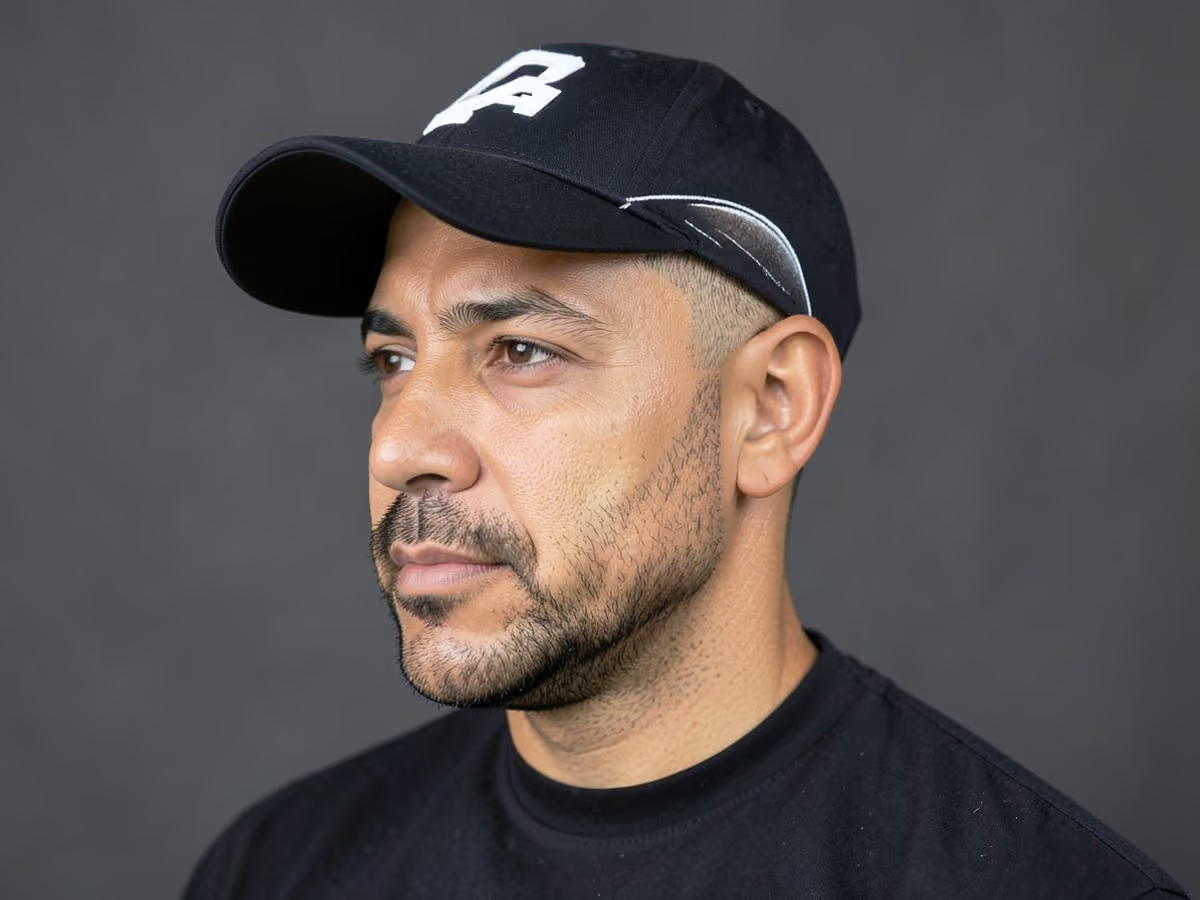
Trim:Every 1–2 weeks. Designs blur within ten days.
Best For:Oval, square faces + short, coarse or coily hair.
About This Style
Simple razor lines, a single stripe or a curve, are cut into the fade above the ear and show when the cap is on. Some players add the shape of a a jersey number or a team initial instead. Designs need a touch-up every week or two to stay sharp. Check team and league rules, since some ban visible designs.
How to Style at Home
Brush the faded area with a soft brush so the lines show.
Oil the scalp lightly after washing so the lines look crisp.
Book a design touch-up with your barber every ten days.
Ask Your Barber
"Low fade from a #0.5 with two curved razor lines above my left ear, and leave an inch on top."
Trim:Every 2–3 weeks. The faded sides grow out quickly.
Best For:Round, square faces + thick, straight hair.
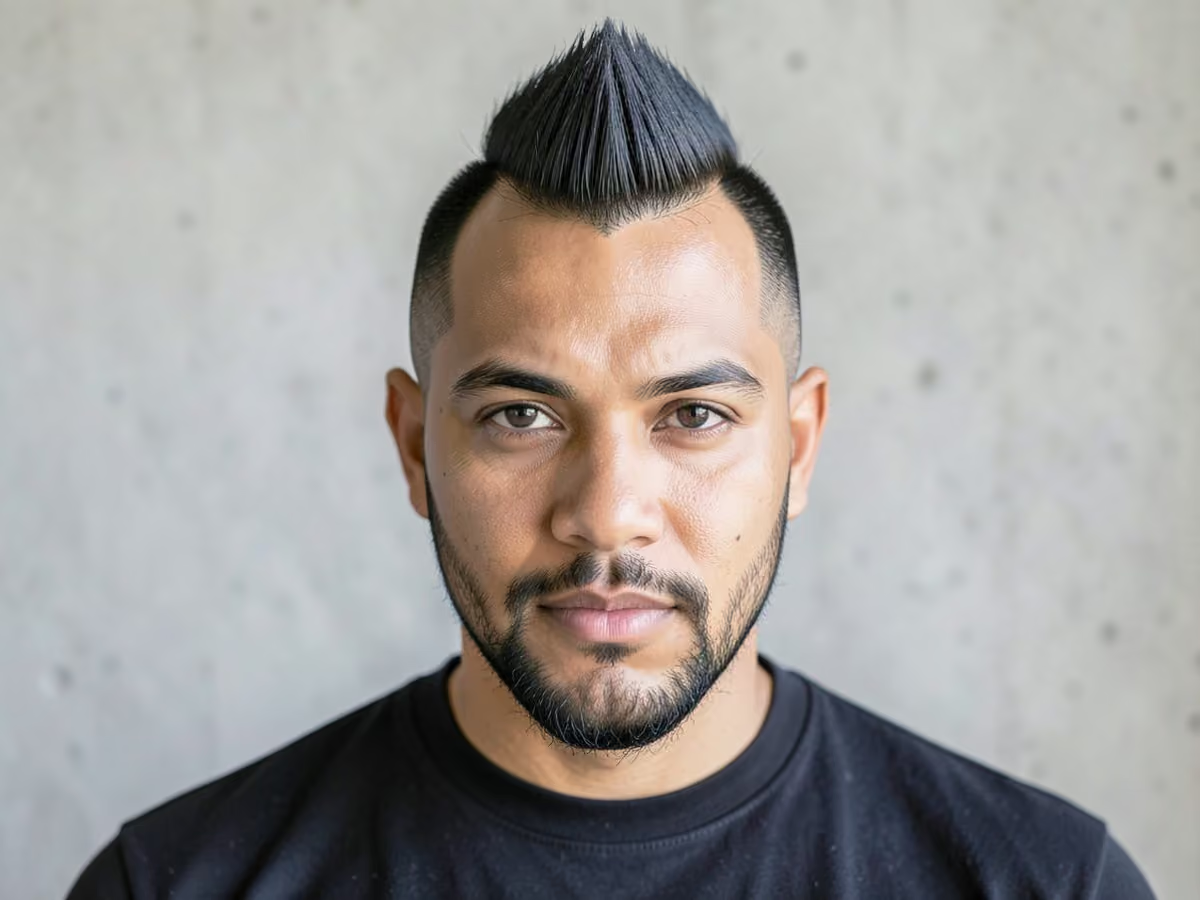
About This Style
Hair pushed toward the center into a soft ridge, over short faded sides, gives the mohawk shape without the commitment. A top of two or three inches is enough. Under a cap, it flattens, but a quick push with clay brings it back after the game. It is a good choice for players who want something different without breaking team rules.
How to Style at Home
Push the top toward the middle with matte clay.
Pinch the ridge between your fingers to define the point.
Re-style the top with your fingers after removing the cap.
Ask Your Barber
"Faux hawk with two to three inches through the center, a #1 fade on the sides, and texture so it holds."
Recommended Products
Matte Clay
Baseball Haircuts by Hair Type and Age
Hair texture and age change which baseball cuts work under a cap. These six cover thick, thin, straight and coily hair, a receding hairline and older players and coaches, each with a cut that stays neat after hours under a hat.
Trim:Every 3 weeks. Thick hair puffs under the cap as it grows.
Best For:Square, round faces + very thick, dense hair.
About This Style
Dense hair gets hot and pushes the cap up, so the barber removes bulk with thinning shears and keeps two to three inches on top with a low fade on the sides. That lets the hair lie flat under the cap. It also dries faster after games. Thick hair can carry a flow, but needs regular thinning to stay manageable.
How to Style at Home
Blow-dry the top flat for a minute before putting on the cap.
Apply a light cream to smooth the top.
Ask the barber to thin the bulk at every cut.
Ask Your Barber
"Thin out the bulk with texturizing shears, keep two to three inches on top, and give me a low fade from a #1."
Trim:Every 3 weeks. Short cuts hide thinning better.
Best For:Oval, square faces + fine or thinning hair.
About This Style
Fine or thinning hair looks thinner after hours under a cap, so a short cut with even length all over hides it best. A #3 to #4 buzz or a short crop with a #2 on the sides reduces contrast between scalp and hair. Matte products avoid shine. Flow is harder with fine hair, because it gets limp under the cap.
How to Style at Home
Use a thickening spray at the roots after washing.
Push the top forward with a small amount of matte paste.
Avoid shiny products, which make the scalp easier to see.
Ask Your Barber
"Short crop with an inch on top pushed forward, a #2 on the sides, and no skin fade, so the thin areas do not show."
Best For:Oval, long faces + fine to medium straight hair.
About This Style
Straight hair tends to lie flat and stick to the forehead after a game, so a textured crop or short layered cut gives it movement. Two inches on top with point-cut ends and a #2 taper on the sides works well. Sea salt spray adds grip. Straight hair can flow too, but it hangs rather than flips unless layered.
How to Style at Home
Spray sea salt spray onto damp hair from roots to ends.
Rough-dry with your fingers on low heat for texture.
Push the top forward or to the side.
Ask Your Barber
"Textured crop with two inches on top, point cut so it moves under the cap, and a #2 taper on the sides."
Trim:Every 2–3 weeks. The taper softens before the afro grows.
Best For:Oval, round faces + 4A to 4C coily hair.
About This Style
A rounded afro of two to three inches with a taper at the temples and nape keeps coily hair full under the cap. The cap flattens it during play, but a pick restores the shape. Choosing a low taper rather than a high fade keeps the round outline intact. Leave-in conditioner prevents dryness from sweat.
How to Style at Home
Spritz leave-in and pick the afro out from the roots.
Pat the shape round with your palms after picking it out.
Brush the taper down with a soft brush.
Ask Your Barber
"Shape my afro round at about three inches, with a low taper at the temples and nape, and a soft line-up."
Trim:Every 3 weeks. Short sides keep the temples looking shallow.
Best For:Oval, square faces + receding temples, any texture.
About This Style
Cap on, nobody sees the temples. Cap off, a short crop pushed forward hides them best. Keeping the top short and the sides at a #2 makes the corners less obvious. Avoid long flow, which can make the temples look deeper once the cap is off. A light matte product keeps the forward shape through a long, sweaty game.
How to Style at Home
Push the top forward with your fingers while it is damp.
Apply a little matte paste for a dry, natural finish.
Keep the sides trimmed short every three weeks.
Ask Your Barber
"Short crop with an inch and a half on top pushed forward, a #2 on the sides, and leave the temples natural."
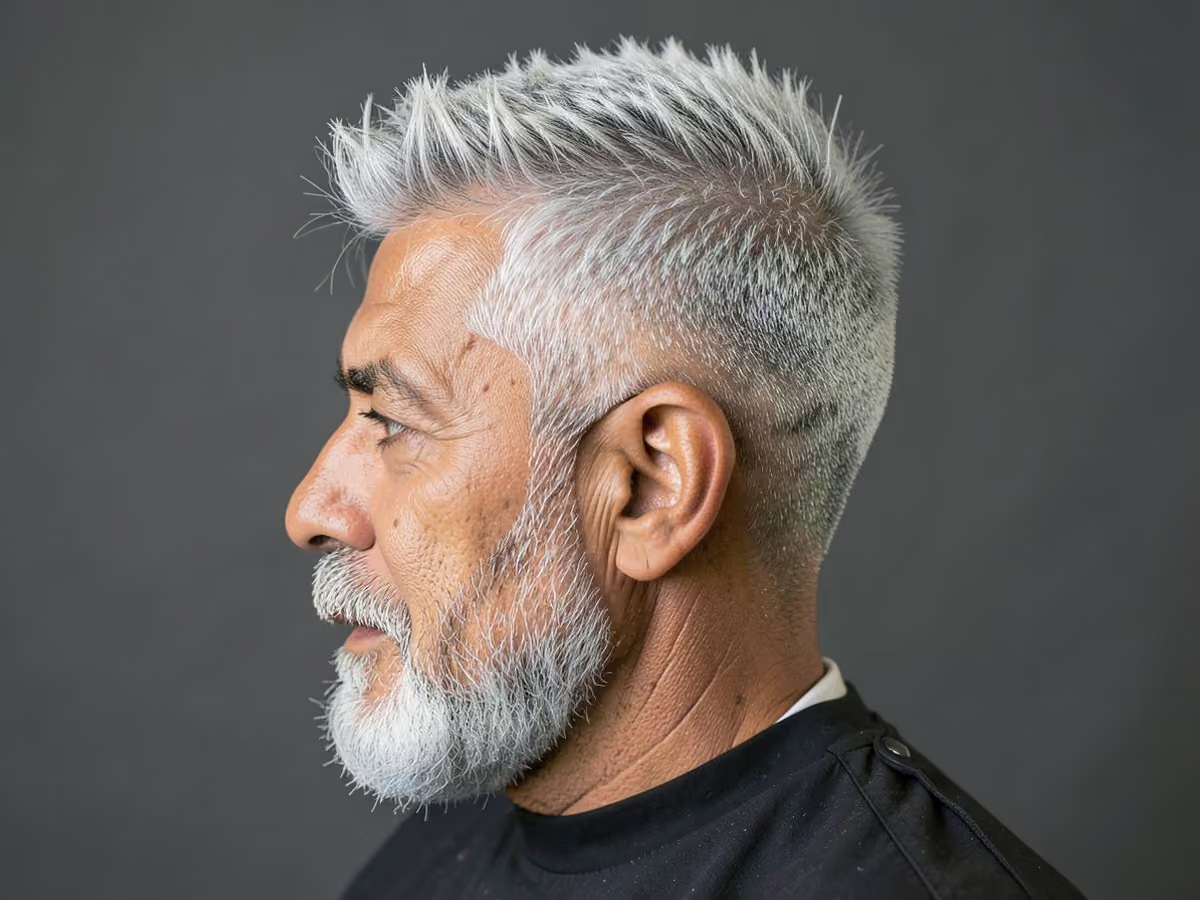
Best For:Oval, square faces + gray or thinning hair.
About This Style
Coaches and older players usually go for a classic short cut: an inch or two on top combed to the side, a #2 or #3 on the sides, and a squared neckline. It looks tidy under a cap and in the dugout. Gray hair can look thin when long, so shorter works better. A matte cream keeps it neat.
How to Style at Home
Comb the top to the side with a little matte cream.
Use a purple shampoo weekly if gray turns yellow.
Book a trim every three to four weeks.
Ask Your Barber
"Classic short cut, two inches on top combed to the side, a #3 on the sides, and a squared neckline."
Recommended Products
Matte Cream
How Do You Ask Your Barber for Baseball Flow?
If you are growing flow, ask the barber to cut for shape, not length. Say you are growing the hair to the collar and want the back and sides layered so the ends flip out under a cap, with the length kept the same. Ask them to tidy the neckline and around the ears without taking length off the top. Every six to eight weeks is enough.
For a short cut, give the guard numbers and the top length: for example, a #2 on the sides tapering to a #1 at the neck, one inch on top. Mention that you wear a cap most days, so the barber keeps the back rounded and the neckline tapered. Our guide on how to keep your haircut under a hat has more tips.
Clipper Guards Used in Baseball Haircut Styles
A clipper guard is the plastic comb that clips onto the blade and sets how much hair is left: a #1 leaves 3 mm (1/8 inch), each step up adds about 3 mm. The right column lists the cards on this page that call for each guard. See the full clipper guard numbers guide for the complete chart.
How Do You Keep Your Hair Looking Good Under a Cap?
Put the cap on dry hair
Wet hair dries into the shape of the cap and leaves a dent. Dry the hair first, even a quick blow-dry.
Use light products
Sea salt spray or a little leave-in keeps flow flipping out. Heavy pomade under a hat gets greasy in the heat.
Wash after games
Sweat and sunscreen build up on the scalp. Wash after each game or practice to keep it clean.
Rotate caps
A clean, dry cap is kinder to the scalp. Let a sweaty cap dry fully before wearing it again.
What Baseball Haircut Mistakes Should You Avoid?
The most common mistake with flow is cutting it too often or too much during the grow-out. Trimming the length every few weeks resets progress, so ask for shape only. Another is letting the back grow without the sides, which creates a mullet shape when the cap comes off. With short cuts, a high skin fade cut right before a long sunny tournament can leave the sides sunburned, so use sunscreen.
Check the helmet-friendly haircuts guide if a batting helmet sits tight on your head. Very full hair at the crown can push the helmet up, and many players thin the crown slightly or keep the top shorter in season. Ask the barber to take weight out of the crown without shortening the length that shows below the helmet, so the flow keeps its shape while the helmet fits snugly.
Which Baseball Haircut Is Right for You?
Pick your hair type and how much upkeep you will put in. The matches below come from the Best For and Maintenance notes on each card. Upkeep follows the Maintenance badge: low means a cut every 3 to 6 weeks and almost no daily styling, high means weekly line-ups or daily product.
A baseball flow is medium-length hair, usually grown to the ears or collar, that curls out from under the cap at the back and sides. It is cut with layers so the ends flip outward. The term comes from hockey, where long hair out of the helmet is also called flow or lettuce.
Q2: What does lettuce mean in baseball hair?+
Lettuce is slang for hair that sticks out from under a cap or helmet, usually in a thick, wavy flow. It is borrowed from hockey slang. Thick, wavy hair at about collar length gives the most lettuce, because it flips out on its own.
Q3: How long does it take to grow baseball flow?+
Hair grows about half an inch a month, so going from a short cut to collar-length flow usually takes six months to a year. The back and sides need to reach three to five inches. Trims for shape every six to eight weeks keep it from looking messy during the grow-out.
Q4: What haircut is best under a baseball cap?+
Short cuts like a crew cut, buzz cut or low fade show no cap dent and stay cool. If you prefer longer hair, a flow that reaches past the cap at the back and sides looks deliberate under a hat. Medium hair that ends right at the cap band tends to flatten awkwardly.
Q5: Can you have long hair and play baseball?+
Yes, most players can, though some teams and schools have grooming rules, so check yours. Long hair can be tucked or tied back under a helmet, and a headband or cap keeps it out of the eyes in the field. Wash it after games to keep sweat off the scalp.
Q6: What is a good haircut for a Little League player?+
A short crew cut, buzz cut or soft taper is easy to keep clean and cool under a helmet. Many kids also like a short flow at the back. Ask the barber for something your child can rinse and towel dry after games without styling.