
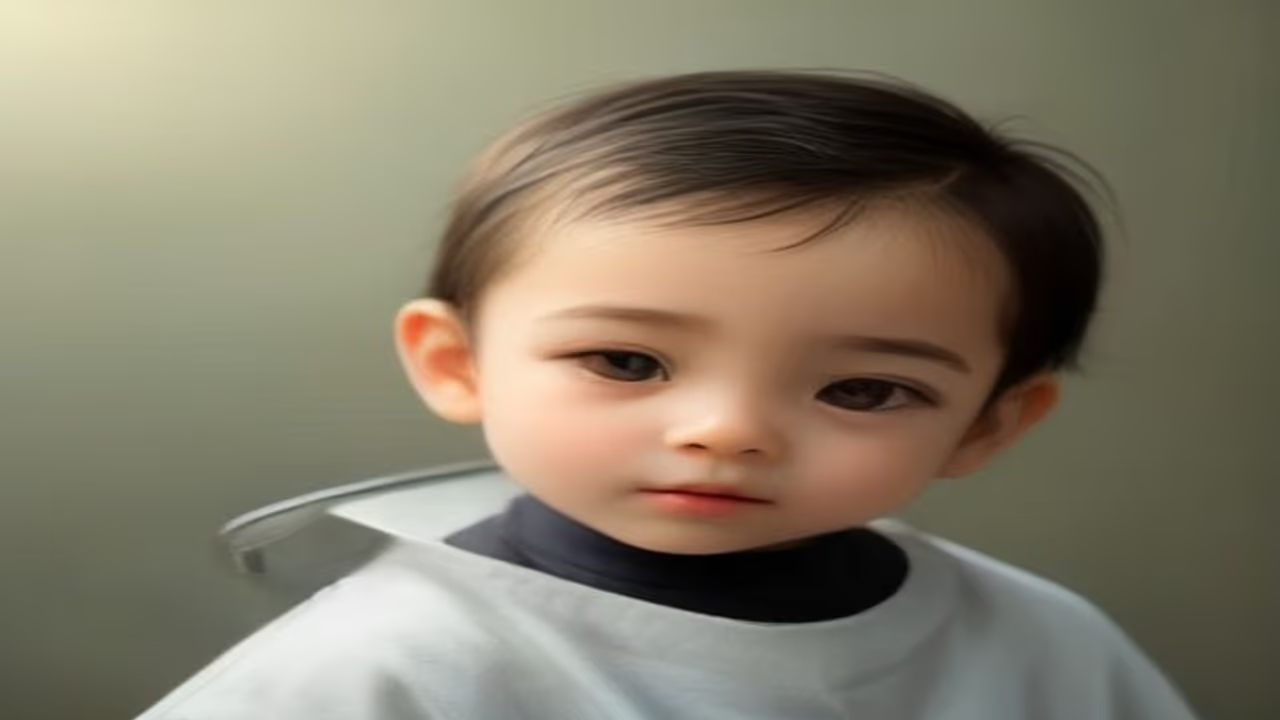
Best First Haircuts
for Toddlers
A first haircut is more about the experience than the style. Here's how to make it painless, and what cut to actually ask for.
By Jessica Hamilton — Master Stylist & Creative Director
A toddler's first haircut is usually somewhere between 9 months and 2 years: whenever hair is long enough to be in his eyes or looking scruffy. Honestly, the style barely matters; the experience does. A calm first cut sets up years of easy haircuts, and a traumatic one is remembered for a long time.
When to Go
There's no set age. Most parents go somewhere between 9 months and 2 years, prompted by hair in the eyes, an uneven grow-out, or heat. There's no benefit to cutting earlier than needed, and the myth that cutting makes hair grow back thicker isn't true; it just makes the ends blunt so they feel thicker.
What to Ask For
- Scissors, not clippers, for a first cut. Clipper noise and vibration frighten most toddlers.
- A simple trim: tidy the fringe out of his eyes and even up the length. Don't attempt a style.
- Keep some length: very short on a toddler often looks severe and grows out awkwardly.
- Round off the edges softly rather than sharp lines.
- Be ready to stop early — a slightly uneven cut is better than a distressed child.
Making It Calm
- Go to a kids' salon or a barber who genuinely does toddlers, and this is the single biggest factor.
- Time it well: after a nap and a snack, never when tired or hungry.
- Let him watch you get a trim first, or watch an older sibling.
- Sit him on your lap if the shop allows (most will).
- Bring a distraction: a favourite toy, a snack, or a video.
- Stay relaxed yourself — toddlers read your tension instantly.
- Keep the first one short in duration, and praise afterwards.
If the Cut Goes Wrong
If a toddler starts crying or squirming partway through, it is almost always better to stop than to push through for a perfectly even result. A slightly uneven trim grows out within a few weeks, but a scared toddler can dread haircuts for years afterward. Most children's stylists would rather pause, let him calm down, and finish another day than fight through a meltdown.
If the finished cut looks choppier than you hoped, resist the urge to go back in yourself with scissors at home. Uneven patches almost always settle once the hair is washed and falls into place, and what looks wrong under salon lighting often looks completely normal a day later. Give it a few days before deciding it needs fixing, and if it genuinely does, let the same stylist even it out rather than trying it yourself.
Curly vs Straight Toddler Hair
Straight-haired toddlers show length changes immediately, so even a small trim is obvious right away, which is useful if you only want the fringe tidied and nothing more. Curly and wavy hair behaves differently: it looks noticeably shorter once dry than it did while wet during the cut, so a stylist working on curls should generally cut a little less than they would on straight hair to avoid an unexpectedly short result.
Curly hair also tends to hide small unevenness better than straight hair, which works in your favor for a first cut where the goal is simply getting through the appointment calmly. If your toddler has tight curls or coils, ask the stylist to check the length while the hair is dry and settled, not just while it is wet and stretched out under the cape.
Between Haircuts: Simple Home Upkeep
Toddler hair grows fast enough that a fringe can be back in the eyes within a few weeks of a trim. A small pair of blunt-tipped safety scissors, used only to snip the very front while he is distracted or asleep, can buy a few extra weeks between salon visits without attempting a full haircut at home. Damp the fringe slightly first so loose strands don't stick together and get cut unevenly.
Outside of the occasional fringe trim, avoid cutting the sides or back yourself. Those areas are harder to keep even without clippers and a trained eye, and an uneven home cut is more likely to need a corrective visit than to simply grow out unnoticed.
Frequently Asked Questions
Q1: When should a toddler get their first haircut?+
Q2: Does cutting a toddler's hair make it grow back thicker?+
Q3: Should a toddler's first haircut use scissors or clippers?+
Q4: How do I keep my toddler calm during a haircut?+
Q5: What haircut should I ask for at a toddler's first visit?+
Make us a Preferred Source on Google
See our latest articles first in your Google Search & AI Overviews.